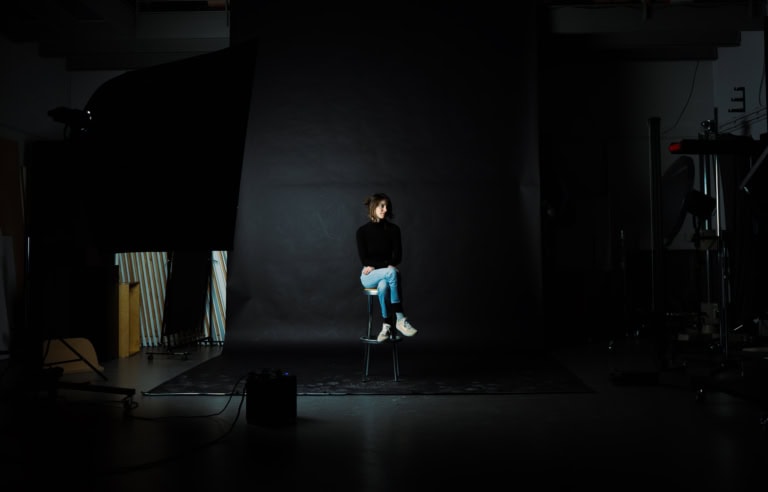
The Abortion Plot
Noemi Ehrat zeigt Abtreibung als alltägliche Praxis. Ihr Langzeitprojekt fragt nicht nach dem Warum, sondern nach dem Wie: sachlich, ruhig und jenseits politischer Schlagzeilen.


Abtreibung ist ein Politikum. Wenn eine Regierung nach rechts rückt, wird der Zugang dazu oft erschwert oder ganz abgeschafft. Derzeit blicken viele auf die USA, wo die aktuelle Regierung reproduktive Rechte massiv einschränkt. Doch auch in europäischen Ländern sind Veränderungen im Gange. Während Länder wie Italien oder Polen ihre Gesetze verschärfen, verfolgen andere, wie Schweden oder die Niederlande, eine liberalere Praxis.
Inspiriert von Clair Wills Essay «How to Plot an Abortion» spürt Noemi Ehrat in ihrem Langzeitprojekt nach, wer hinter diesen Entscheidungen steckt, wer von den Folgen betroffen ist, wer es schafft, sich politisch zu organisieren, und wie diese Netzwerke grenzüberschreitend miteinander verbunden sind. Vielmehr als die Frage nach dem «wieso» geht diese Arbeit der Frage nach dem «wie» nach: Was braucht es, um einen Schwangerschaftsabbruch zu organisieren, und wie sieht dies aus?
Darüber hinaus will die ausgezeichnete Arbeit zeigen, wie Abtreibung oft aussieht: vom alltäglichen Arzttermin bis hin zu intimen Momenten zu Hause. Durch die distanziert-journalistische Bildsprache soll zudem sichtbar gemacht werden, dass Abtreibung vielmehr als gängige Praxis statt als Rechtsfrage verstanden werden kann – in all ihrer Banalität.
Noemi Ehrat
Noemi Ehrat wurde 1996 in Uster in der Schweiz geboren. Sie arbeitet als freischaffende Journalistin, Fotografin und Produzentin für verschiedene Publikationen wie Tamedia, ZEIT Online, Filmbulletin, Akut Mag sowie Radical Art Review und studiert seit Herbst 2022 Visual Journalism and Documentary Photography an der Hochschule Hannover. Ihre Arbeit dreht sich oft um Menschen, die gegen widrige Umstände kämpfen – sei es in Bezug auf Wohnen, reproduktive Gesundheit oder staatliche Gewalt.
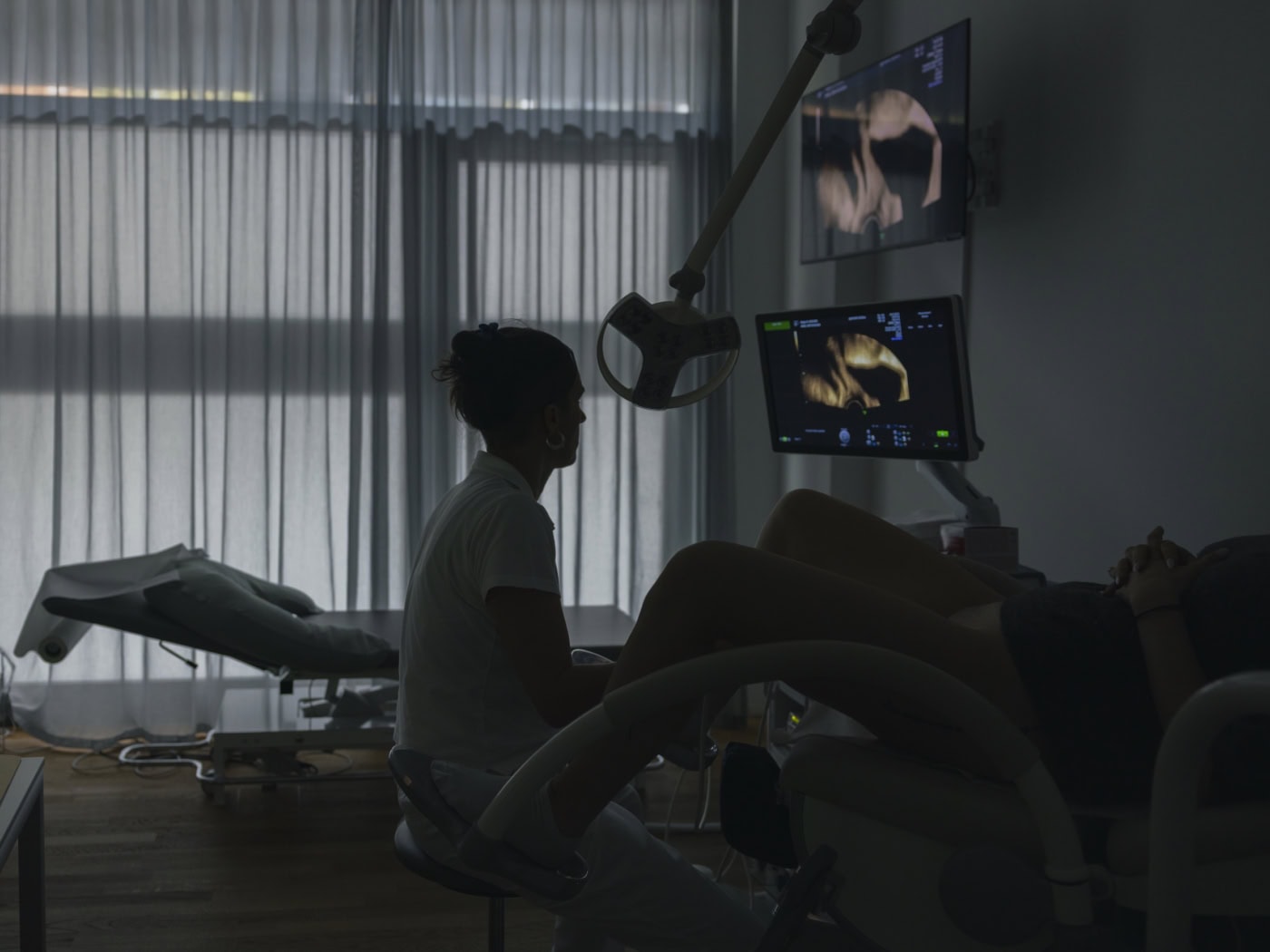 A gynecologist determines the position and stage of pregnancy by ultrasound before a medical abortion. This is primarily done to ensure the pregnancy is not ectopic. Switzerland, November 2024.
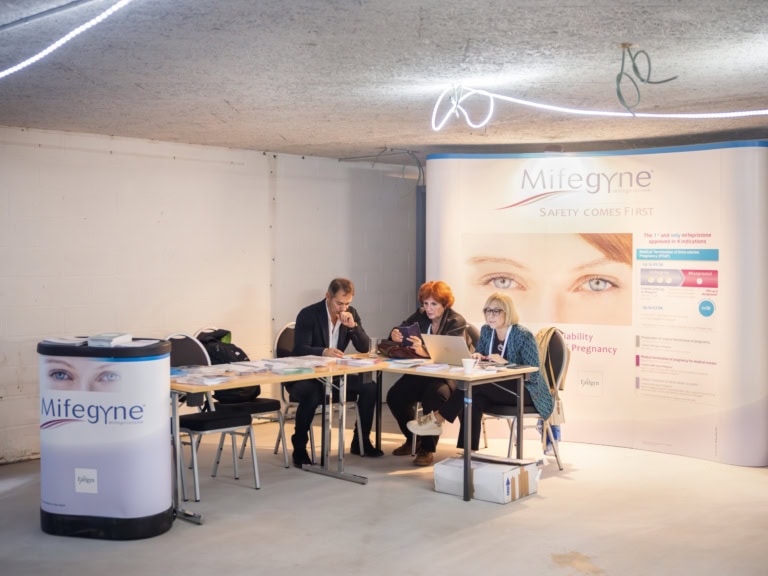 Brüssel, Belgien, September 2024.
 Dr. Rebecca Gomperts in her office in Amsterdam. She is the
founder of the NGOs
"Women on Waves", "Women on
Web" and "AidAccess", which
aim to make abortion and reproductive healthcare accessible to people in countries where these practices are banned and/or criminalised.
Amsterdam, October 2024.
Dr. Rebecca Gomperts in her office in Amsterdam. She is the
founder of the NGOs
"Women on Waves", "Women on
Web" and "AidAccess", which
aim to make abortion and reproductive healthcare accessible to people in countries where these practices are banned and/or criminalised.
Amsterdam, October 2024.
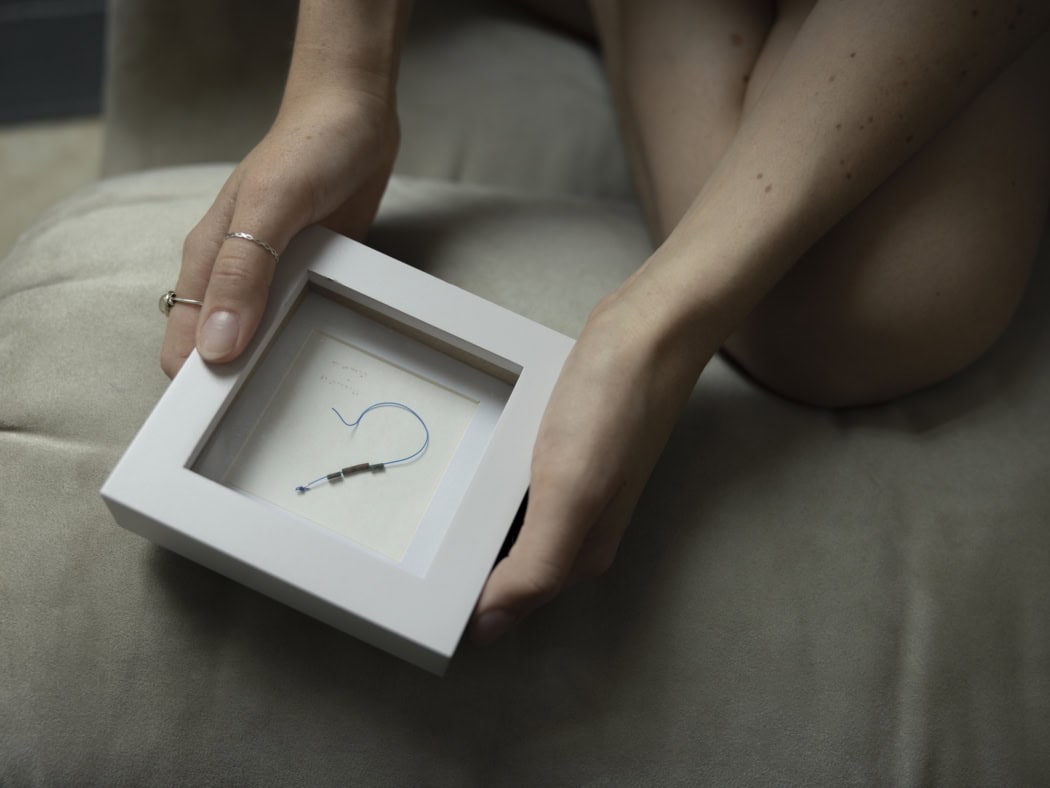 Jena, Deutschland, Juli 2025.
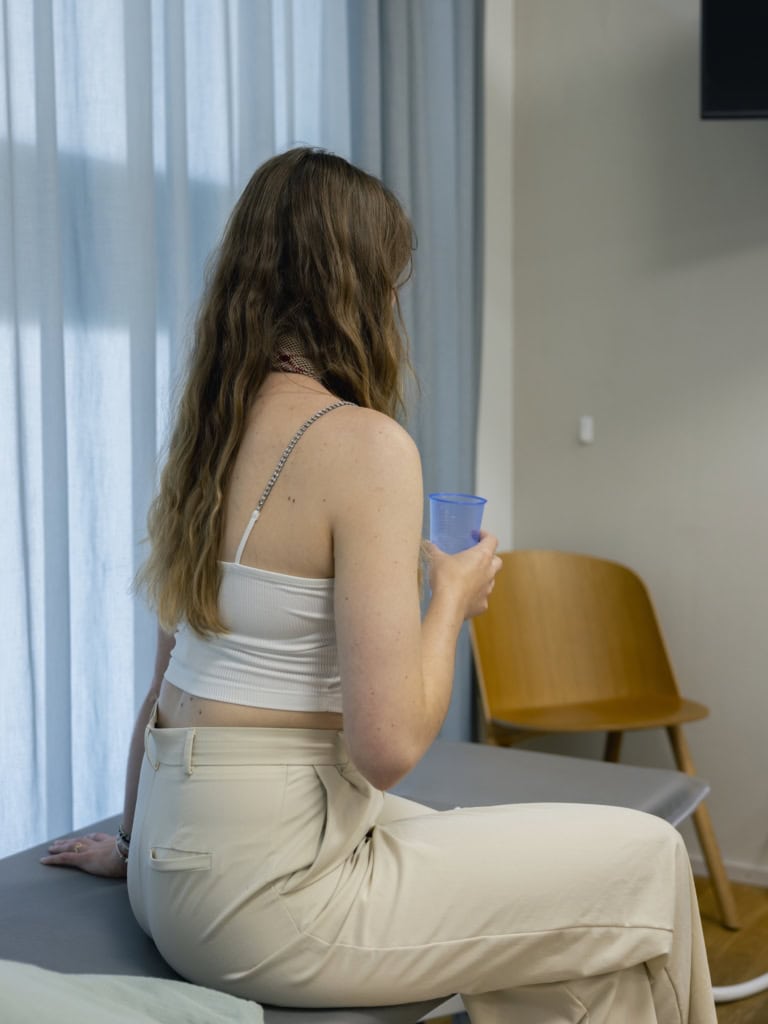 A patient takes mifepristone during her gynecologists’ appointment. The first medication terminates the pregnancy. The second, cytotec, is taken at home and causes the muscles to contract in order to expel the pregnancy tissue. Switzerland, April 2025.
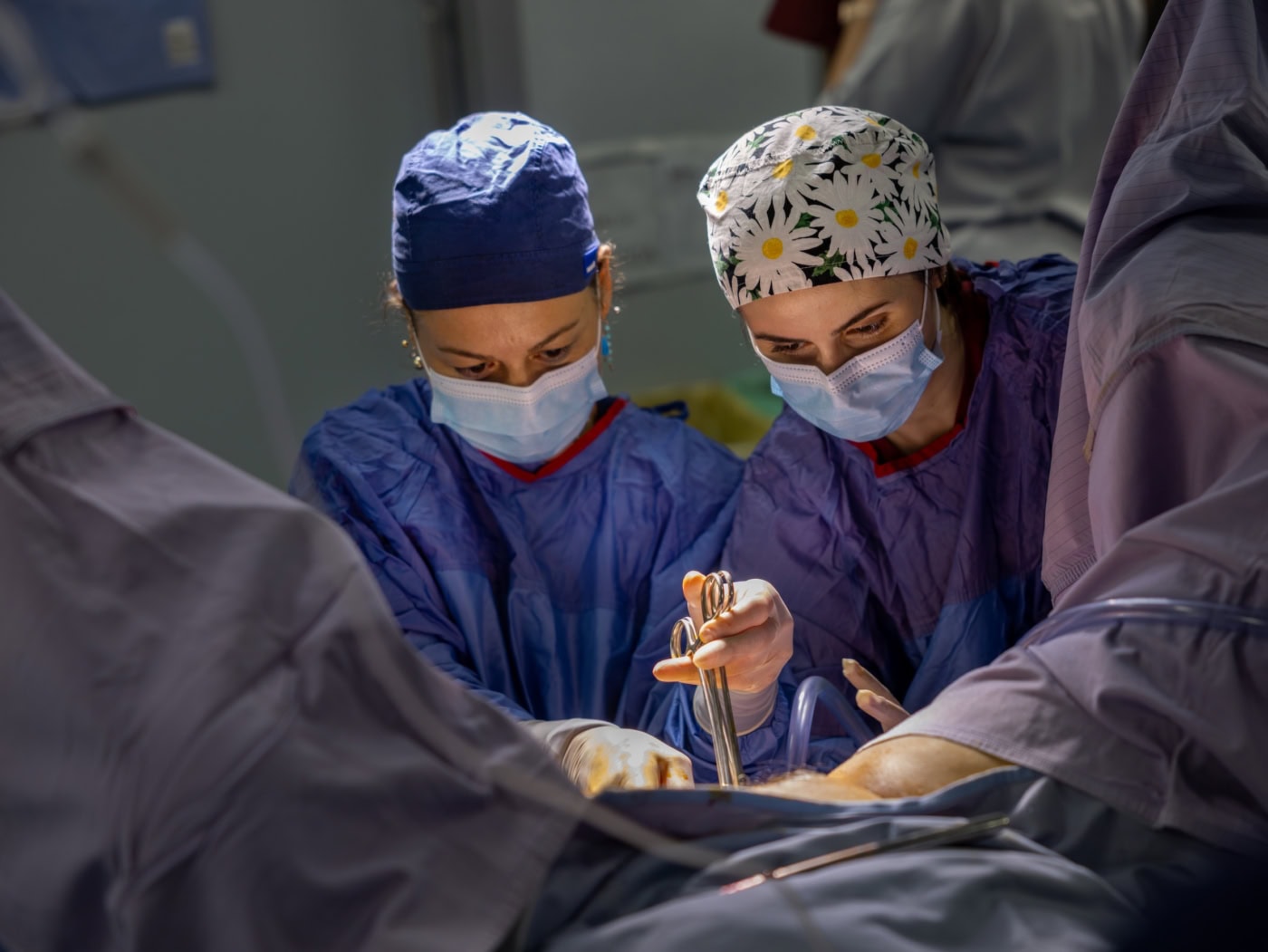 Lecce, Italien, Juni 2025.
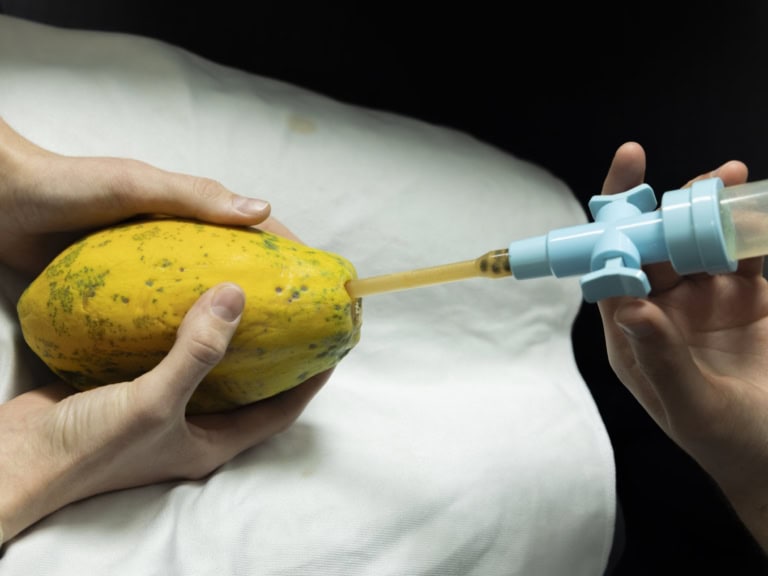 Medical students practice the vacuum aspiration method using a papaya. In so-called papaya workshops, medical students can approach the topic of abortion not only theoretically but also practically. Because the papaya resembles a uterus in shape and consistency, vacuum aspiration can be practiced relatively easily and inexpensively. These workshops are organized by students themselves with the help of medical specialists. They are a response to abortion not being taught adequately at medical schools. Brandenburg, Germany, November 2022.
 Berlin, Deutschland, Mai 2025.
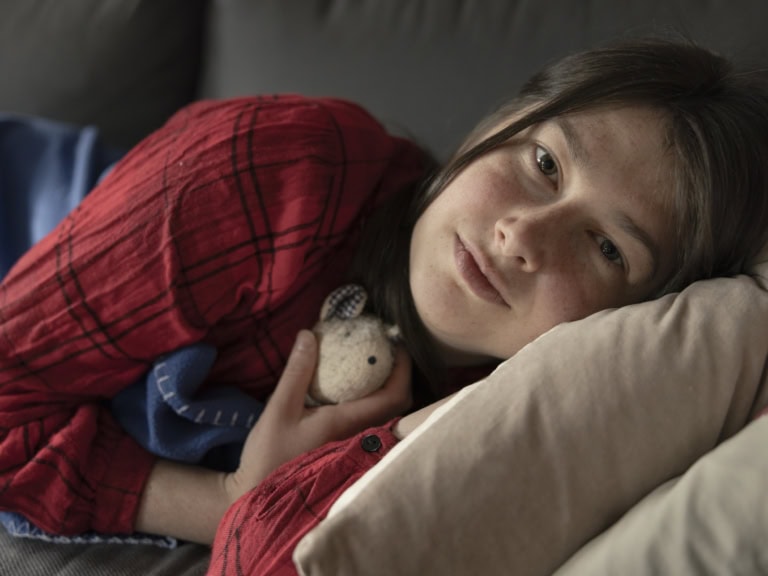 ) Z. on the sofa in her parents' house. She became pregnant unexpectedly at age 16 in 2016 and decided to have an abortion so she could finish school. Her mother provided crucial support throughout the entire process. Germany, July 2025.
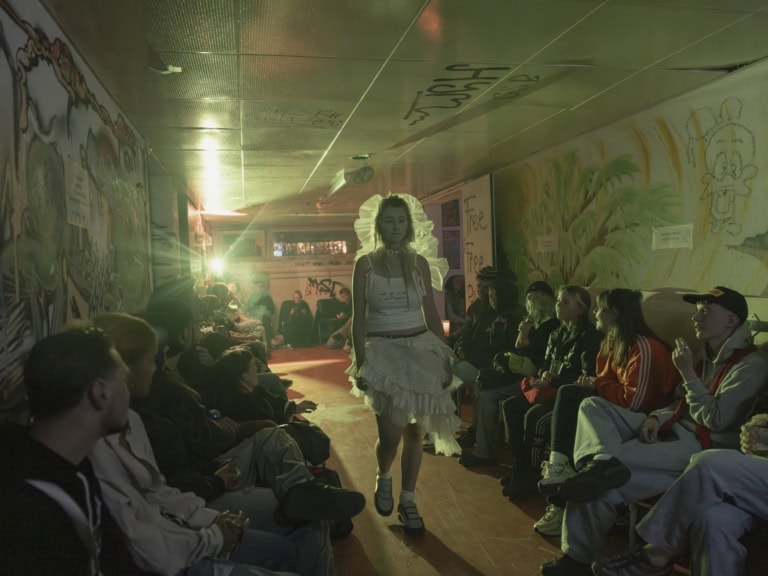 Zürich, Schweiz, September 2024.
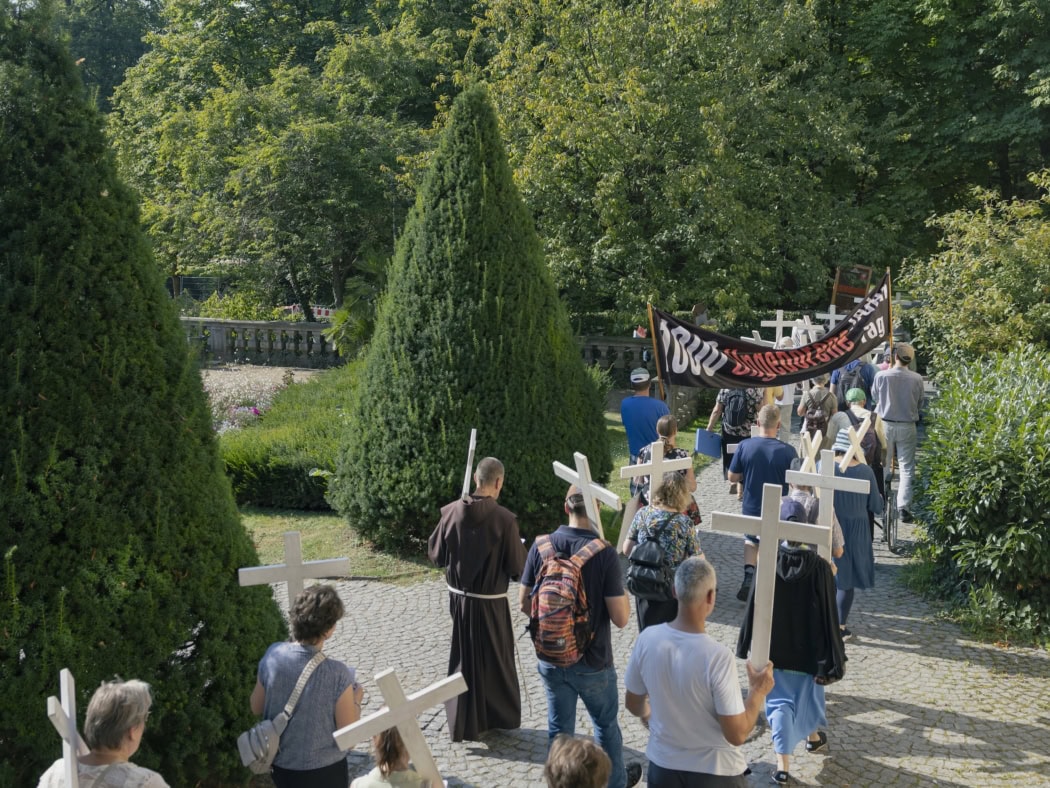 Participants during the prayer march "1000 Crosses for Life." The event is organized by Europrolife, a Christian, interdenominational network. It aims to counteract the fact that Europe, "with a birth rate of only 1.5, is far below the minimum of 2.1 necessary for the self-preservation of a people." It thus represents nationalist ideas that are now also being adopted by political parties. Fulda, Germany, August 2024.
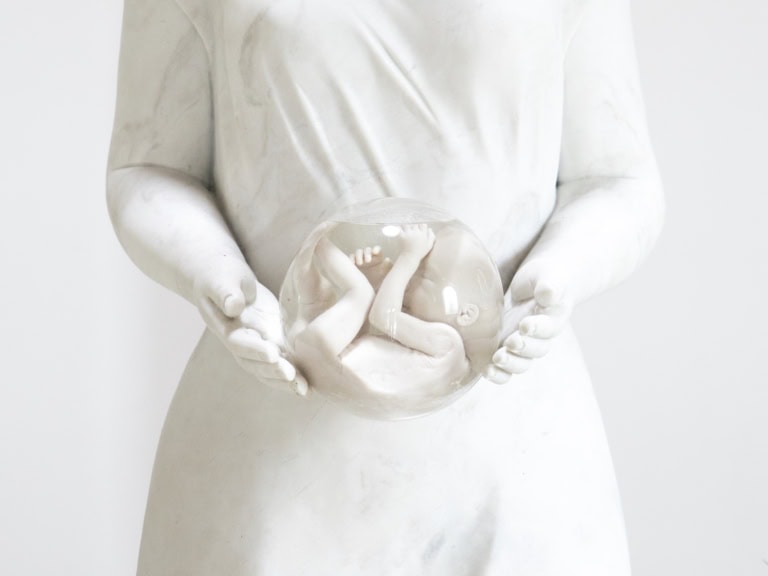 Pösing, Deutschland, August 2024.
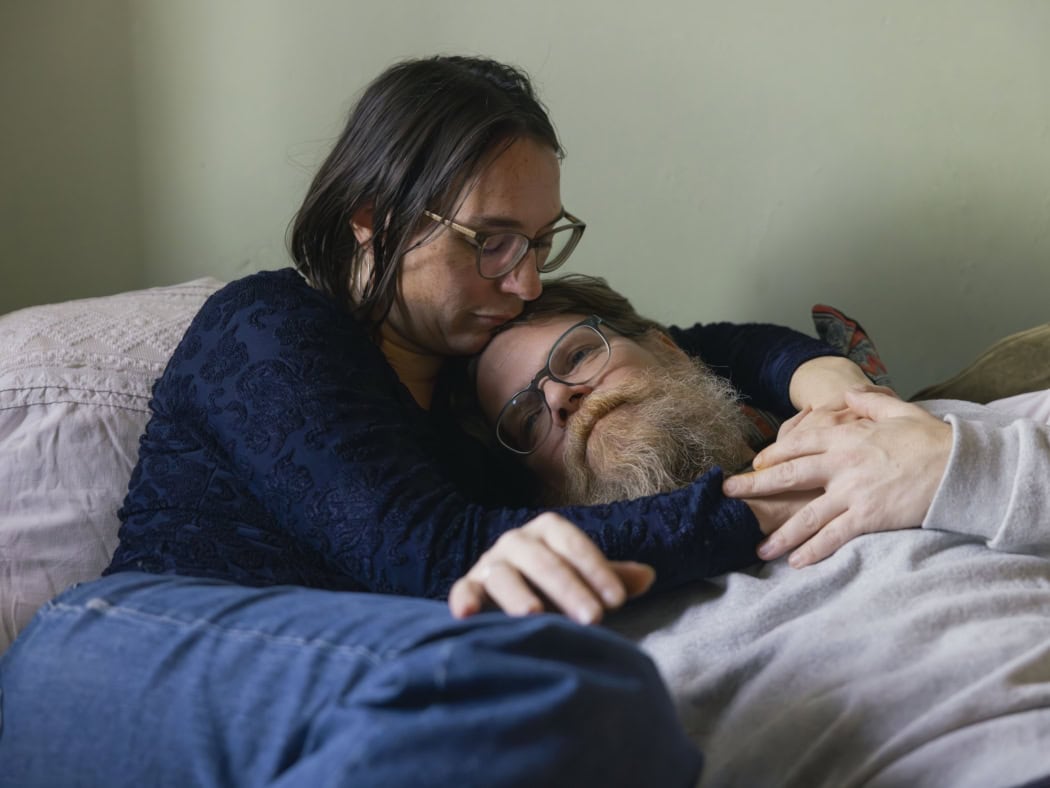 Leipzig, Deutschland, November 2025.
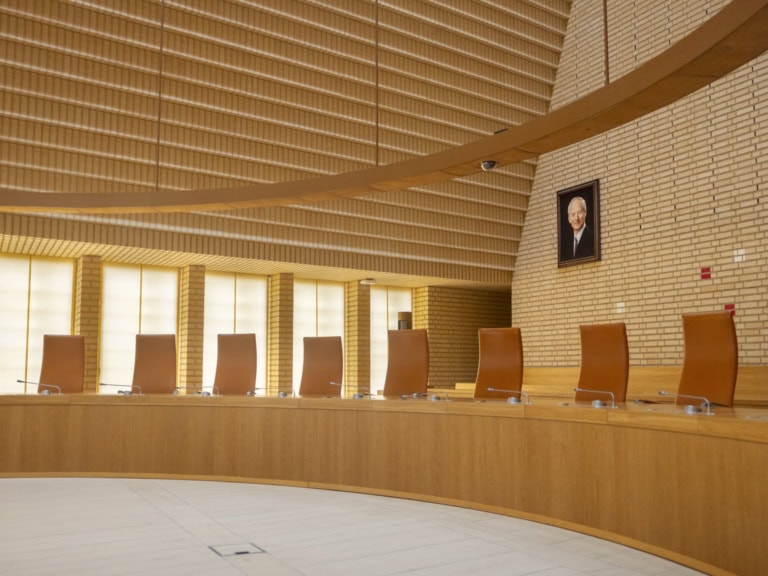 Vaduz, Liechtenstein, Januar 2025.
 A. at her parents' place in the Polish countryside where she lives. After studying law in Great Britain, she moved back to Poland. The nationwide feminist protests politicized her, and since then she has worked for various organizations that provide safe access to abortion pills for people in Poland. Poland, March 2025.
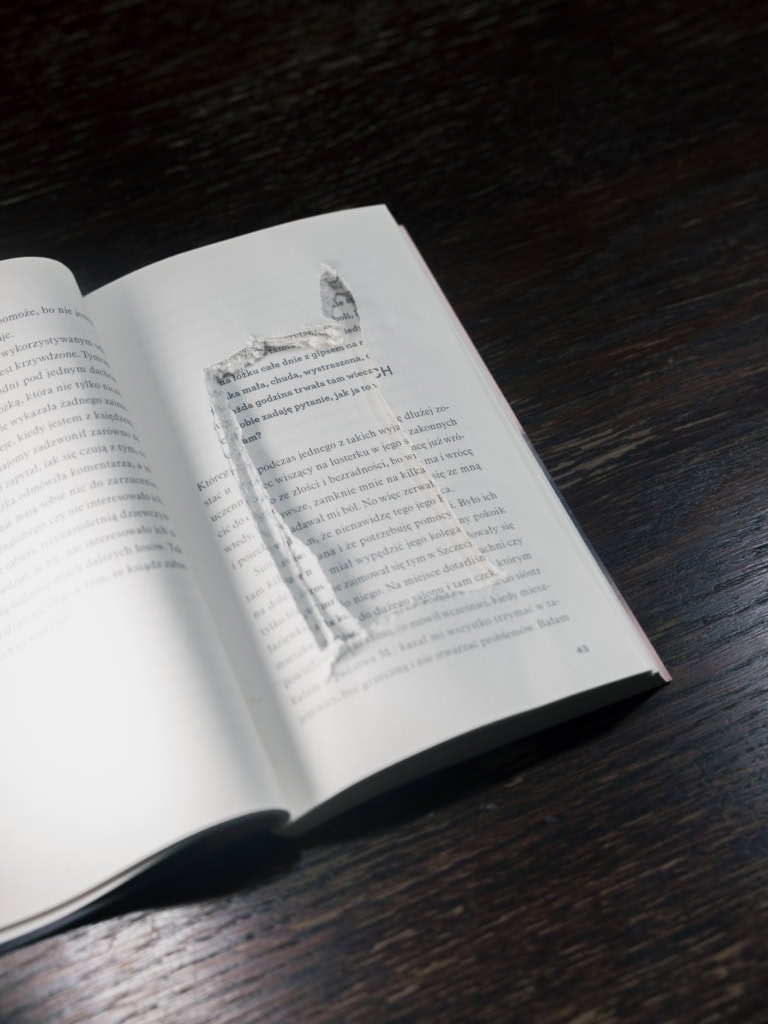 A cut-out hiding place for abortion pills in a book. Inconspicuous items are sent as gifts to people seeking abortion care online. The internet and medical (as opposed to surgical) abortion have radically changed the practice of abortion and made it more easily accessible even in countries where it is deemed illegal to terminate a pregnancy. After the COVID-19 pandemic, the WHO has changed its guidelines and recommendations to include self-managed medical abortion in early pregnancy as a safe practice. Poland, March 2025.
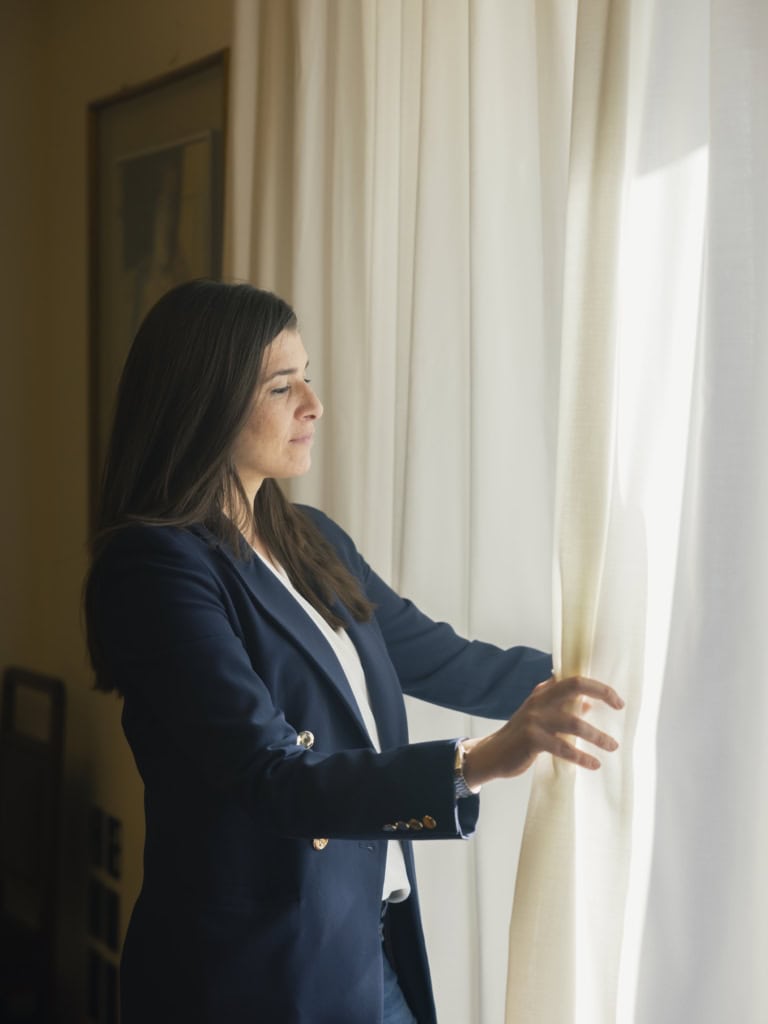 Rome, Italy, 10.04.2025, � Noemi Ehrat