No, Mum and Dad, I’m not going to be a doctor!
When parents project their own ideals onto their children. A conversation with the author Ulrike Bartholomäus. By Kaja Gerdes

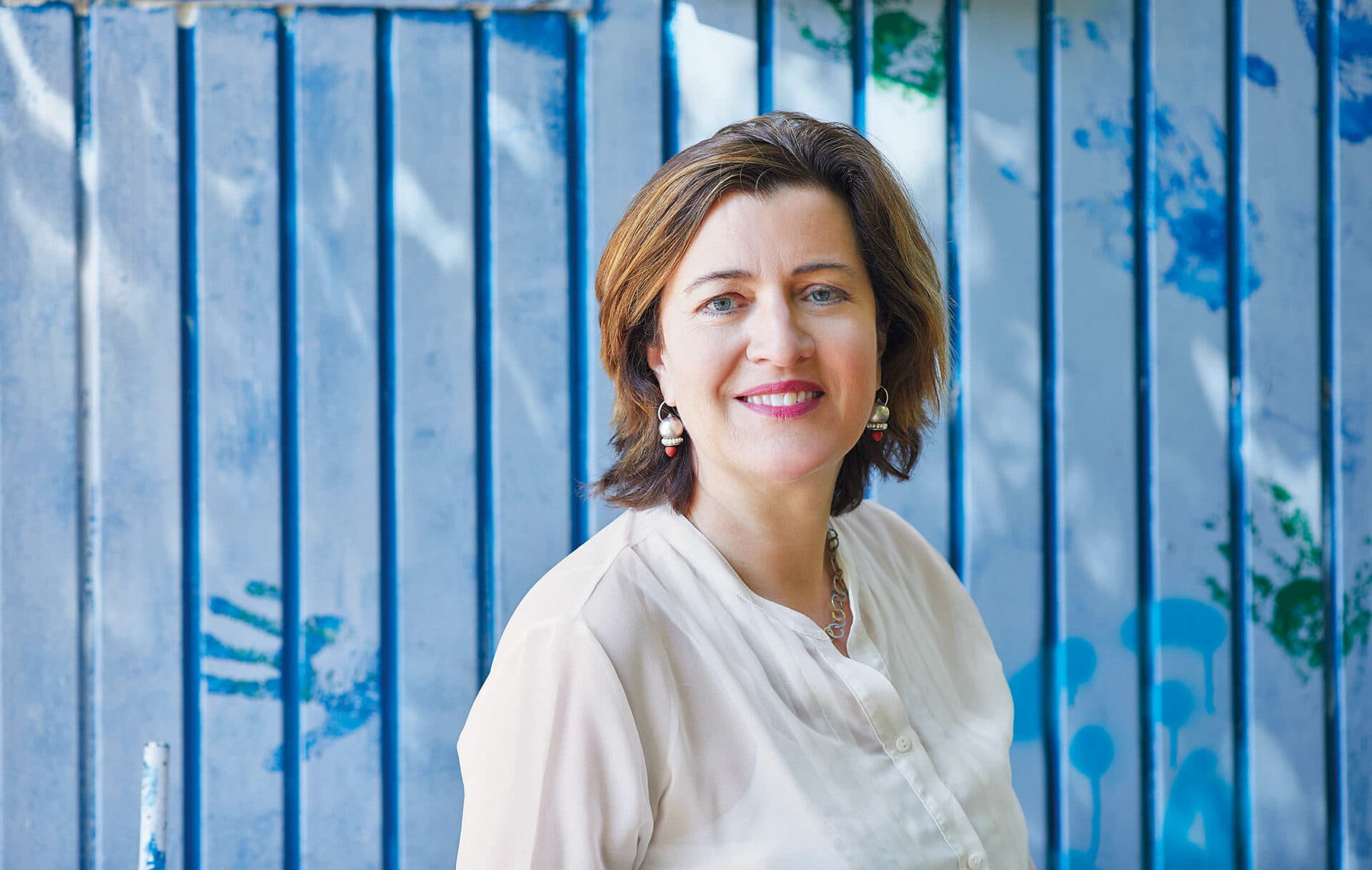
Our parents influence us all our lives. They shape us from birth. At first they show us the world, and to begin with we experience it only as our parents present it to us. Only gradually do we get to know more than just our parents’ world. In the process we develop our own values and ideas, which sometimes differ from theirs. The science journalist Ulrike Bartholomäus knows why this leads to conflict.
Why do parents have particular ideas about their children’s lives, and why does this lead to conflict?
Parents’ wishes and expectations can sometimes be greater than their capacity for tolerance. Whether there is conflict or not depends on how far they can let go of their own ideals. Parents usually want their children to do something ‘sensible’. They want a secure career for them. Conflict can arise when security plays a big role in their value system, or when they try to transfer their own unfulfilled wishes and dreams onto their children.
What happens when parents try to squeeze their children into an ideal they have made up?
Family expectations fundamentally shape our development. This pressure influences us from the start. Family expectations can also act as an invisible engine. If they are so unattainable, setbacks create even more pressure. And if, as a young adult, you are not yet very secure in your own position, it is harder to take a stand.
Parents’ wishes and expectations can sometimes be greater than their capacity for tolerance.
What can parents do to avoid putting their children under pressure?
It depends very much on how far parents notice that they are exerting pressure – often it is unconscious – and whether they can question their own ideals. Many parents do not see their expectations as pressure, because they themselves are not on the receiving end. Parents usually only want the best, but the constant stress placed on children is counterproductive. Pressure poisons the learning atmosphere and the social environment, and this limits children’s own development. Parents often have fears, which they pass on to their children in the form of control. Anxious parents produce anxious children.
How should parents deal with mistakes?
Parents should learn to deal with failure. I can only learn to make good decisions if I sometimes make bad ones too. When a conversation takes place on an equal footing, sensible solutions can be found. A calm, factual conversation respects the children’s point of view, while openness and security ensure a secure relationship.
Recommended for you: