How Najiba became Afghanistan’s first drag queen
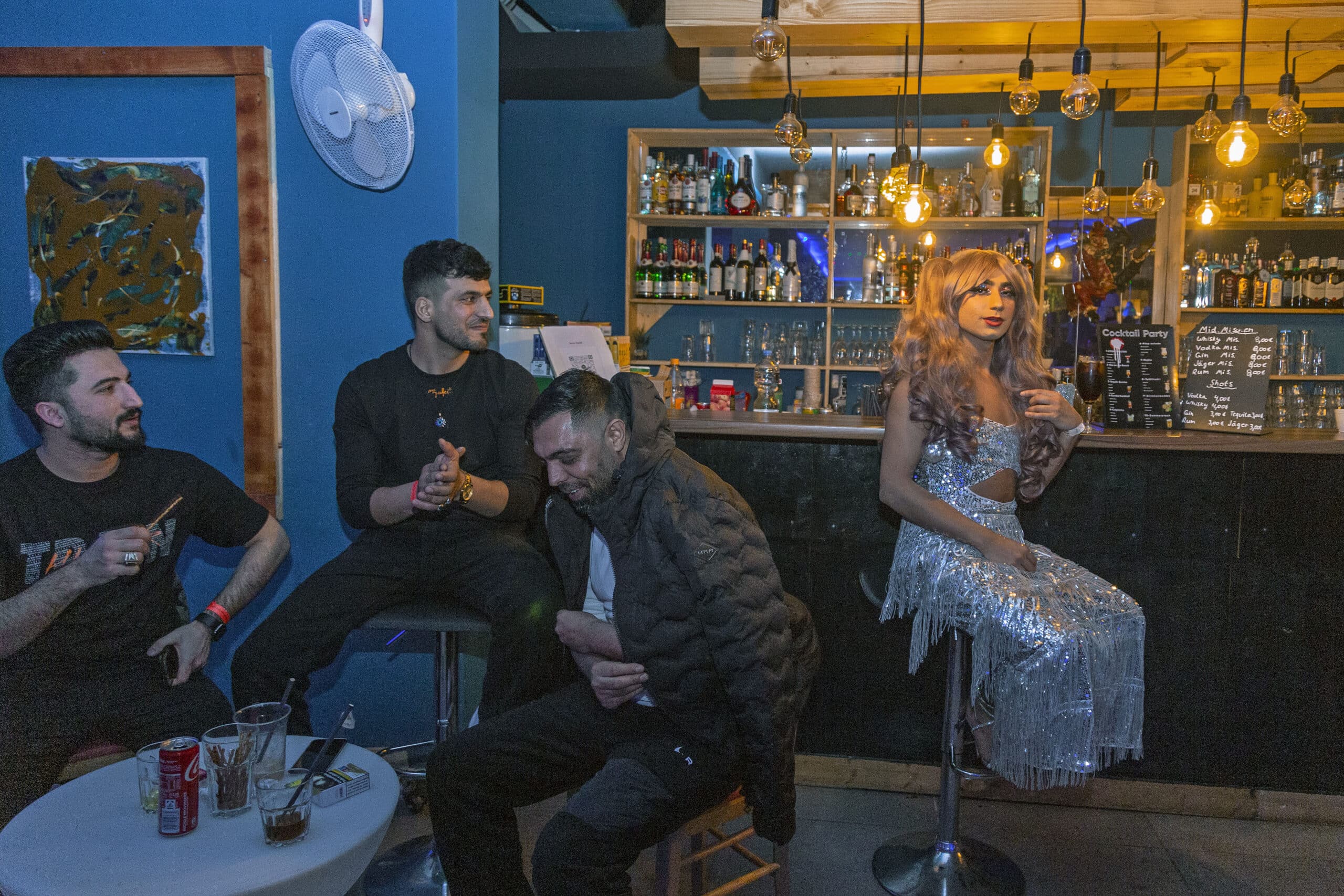
Growing up in a conservative Afghan family, Najib was abused because of his queer identity. Today, as Najiba, he campaigns for the LGBTQIA+ community. By Marlin Helene (text), Armina Ahmadinia (photos)


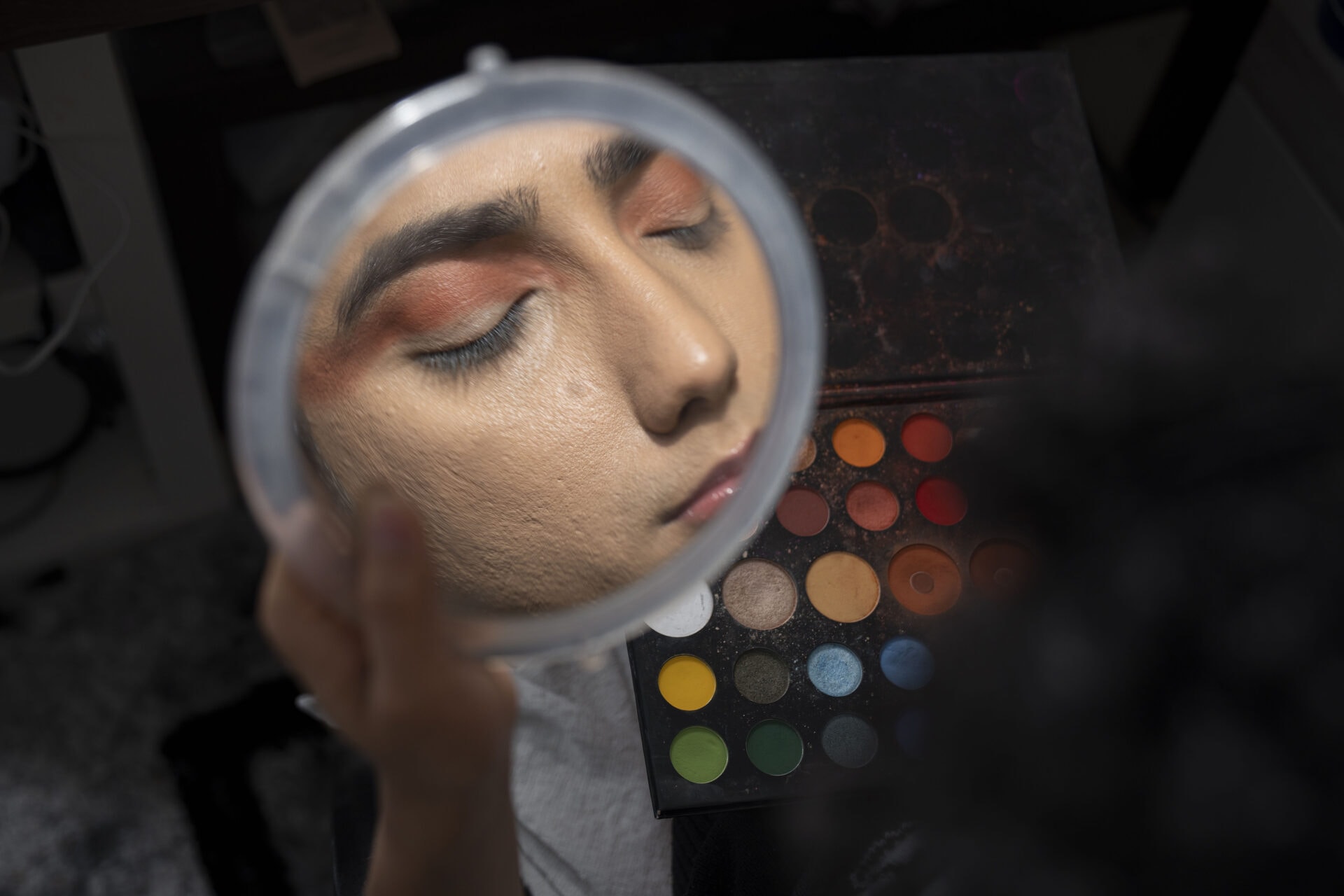
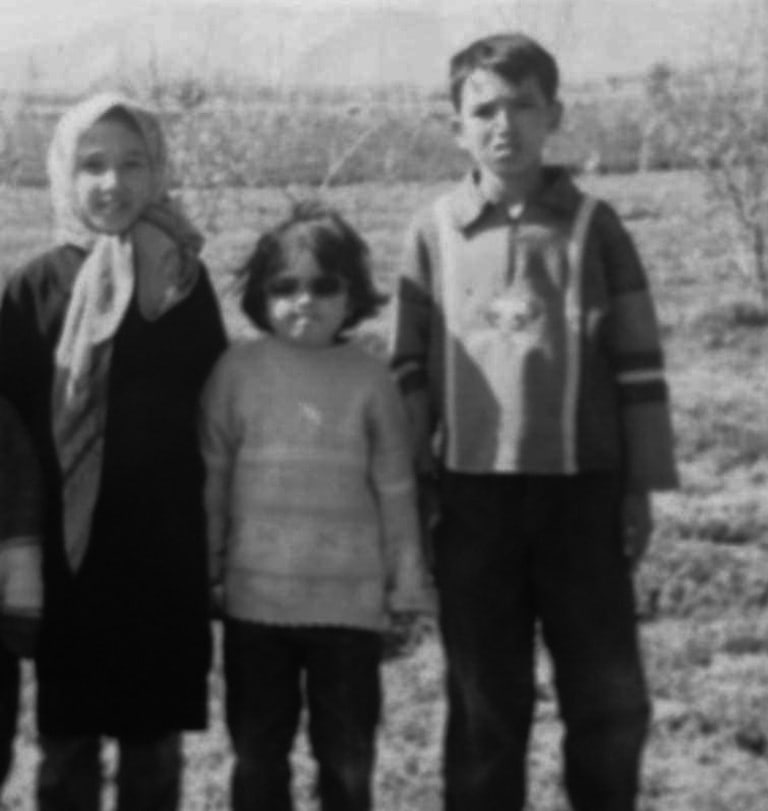
Even as a child in Kandahar, Najib longs to wear dresses and make-up. ‘I wanted to look like a Bollywood actress,’ Najib remembers. When his parents find out, they beat him. ‘They wanted me to be like my father: strong and dominant.’
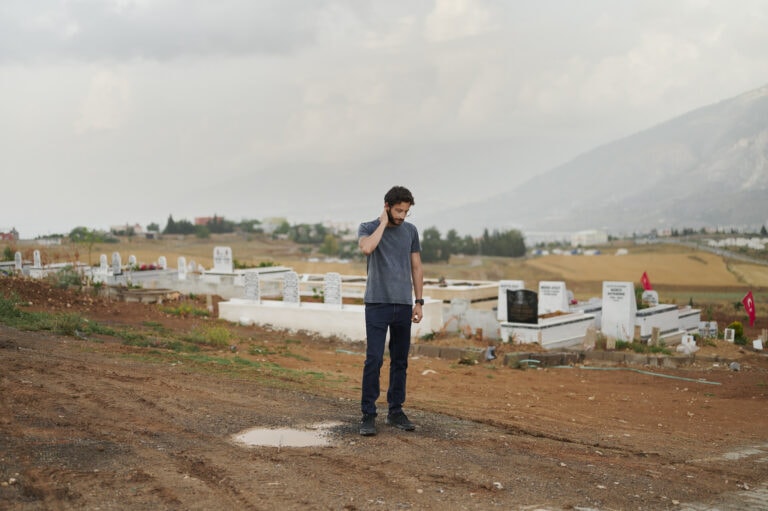
Discrimination and violence because of his queer identity follow Najib to school too. Harassment and hostility eventually force him to leave home at the age of just 11. On the way, Najib is kidnapped and imprisoned twice. ‘My trust in people was destroyed,’ he says. Only after a year and a half does he reach his destination: Germany.
Najib says he learnt a lot from fleeing and became stronger. But he also speaks of depression and suicidal thoughts brought on by the pressure society put on him. He is not alone: according to a 2021 study by the Portuguese Psychologists’ Association (OPP), queer young people are three times as likely to be at risk of suicide, especially if their families do not accept them. Najib survives mainly thanks to help from the community and therapy.
When people here see me in the street wearing make-up or high heels, they’re shocked and stare, spit at me or hit me.
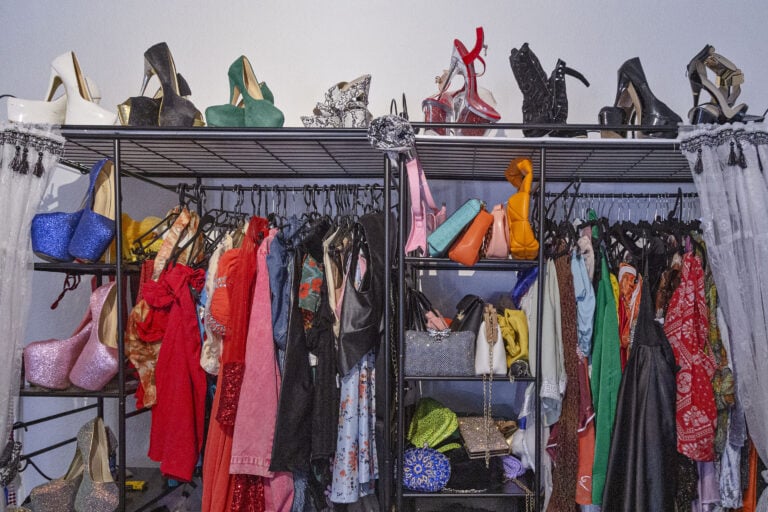
In Germany he gains his Abitur and completes vocational training, eventually working as a nurse in a hospital. While he tries to find his place in society, he continues to suppress part of his identity. But one day Najib decides to dress the way he wants other people to see him. He puts on make-up, wears dresses, dances.
Najib talks about his initial disappointment with the reality in Germany: Afghan media had reported on a free way of life, but here too he meets rejection and violence instead of acceptance. ‘When people here see me in the street, wearing make-up or high heels, they’re shocked and stare, spit at me or hit me,’ he says.
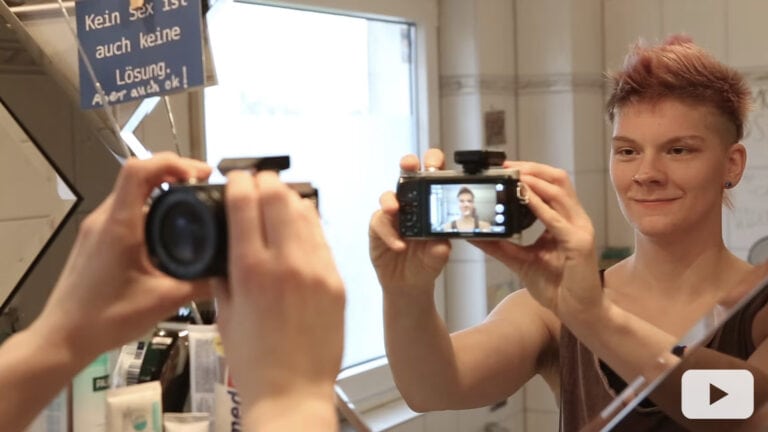
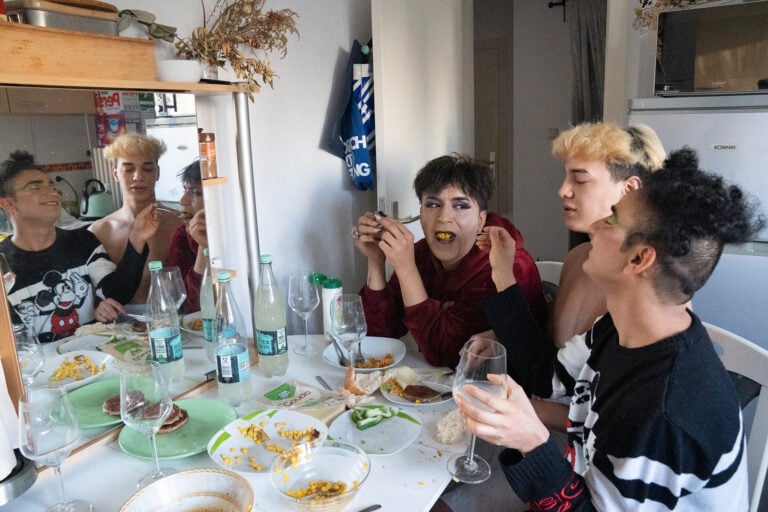
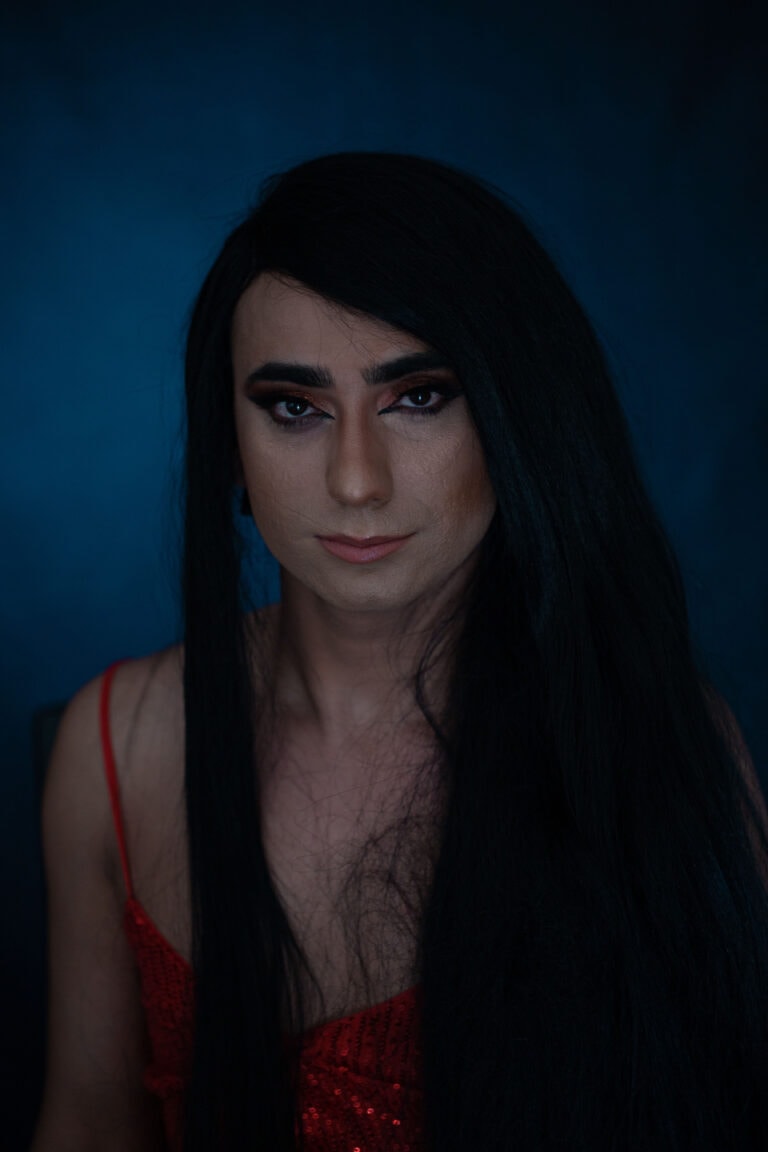
Even so, Najib carries on. He volunteers at an advice centre for queer people. As Najiba, her drag name, she makes educational videos and campaigns for the LGBTQIA+ community and for women’s rights in Afghanistan and Iran. ‘For me, drag means freedom. Feeling comfortable, having fun and being confident. But drag also means running away from all the problems. I can let go of everyone else’s expectations and simply be myself,’ says Najiba. More than 200,000 people now follow her on TikTok and Instagram.


Glossary
Extract from the LGBTIQ glossary of the Federal Agency for Civic Education
Sex (biological)
Biological sex refers to all physical, sex-specific characteristics. It is commonly used to construct a natural male/female binary, which according to intersex research can no longer be sustained.
Gender identity
Gender identity is a person’s deeply felt inner and personal sense of belonging – or not belonging – to a gender. It may or may not match the sex assigned at birth, and it need not be experienced consistently over time. Gender identity shows itself, among other things, in how people perceive their own body and how they present it to others.
Gender expression
A person’s gender identity cannot be seen from outside. But gender also has a visible and audible component: gender expression. This refers to how a person dresses or speaks, for example, and so expresses gender. People often infer someone’s gender identity from their gender expression – a skirt and lipstick, for instance, are taken as proof that someone feels feminine. But that can easily be wrong: for one thing, an earring, short hair or crossed legs do not mean the same thing for everyone. For another, some people deliberately choose a more ‘masculine’ appearance or more ‘unambiguous’ clothing than matches how they feel inside, to avoid hostility or ridicule. A gender expression that departs from role expectations of men/boys and women/girls is often a trigger for discrimination and violence. Experts therefore call for this characteristic to be explicitly included among the protected grounds of Germany’s General Equal Treatment Act (AGG).
LGBTQIA+
This combination of letters, which exists in both English and German (LSBTQIA+), tries to represent as many people and their sexual and gender identities as possible. As that is impossible, a + or * is added at the end. The letters stand for lesbian, gay, bisexual, trans, queer, intersex, agender/asexual.
Drag (queen)
Drag queens are – usually, but not always – people who were assigned male at birth and who portray femininity/femininities, for example in artistic performances. The deliberate use of gender signifiers is partly about showing that gender is constructed, and partly about expressing their own identities. Through drag, people of any gender can play with gender expression. As well as drag queens, there are drag kings and drag quings.
If you are affected by hostility towards queer people and/or need psychological support, these numbers can help:
TelefonSeelsorge (nationwide): 0800 111 0 111
Rosa Strippe e.V. (Bochum): 02 34 194 46
Berliner Krisentelefon: 030 390 63 10
(Bavarian) helpline: 0800 00 112 03
mhc e.V. (Hamburg): 040 278 778 00
queermed-deutschland.de
Are you queer and studying or working at one of the universities in Hannover, looking for services and information for queer people? Here you’ll find an overview of organisations, groups, contact points, advice and leisure services in and around Hannover and at your own university. The guide also contains some university-specific information for queer people. This Queer Guide lives and grows through you.