‘You’ll never be a man’ – or will you?
Growing up in Afghanistan, Sajad never fitted the usual image of masculinity. Today he is looking for his own definition of it – and for the courage to reinvent himself.
By Reihaneh Kheirabadi, Bakeer Bakeer


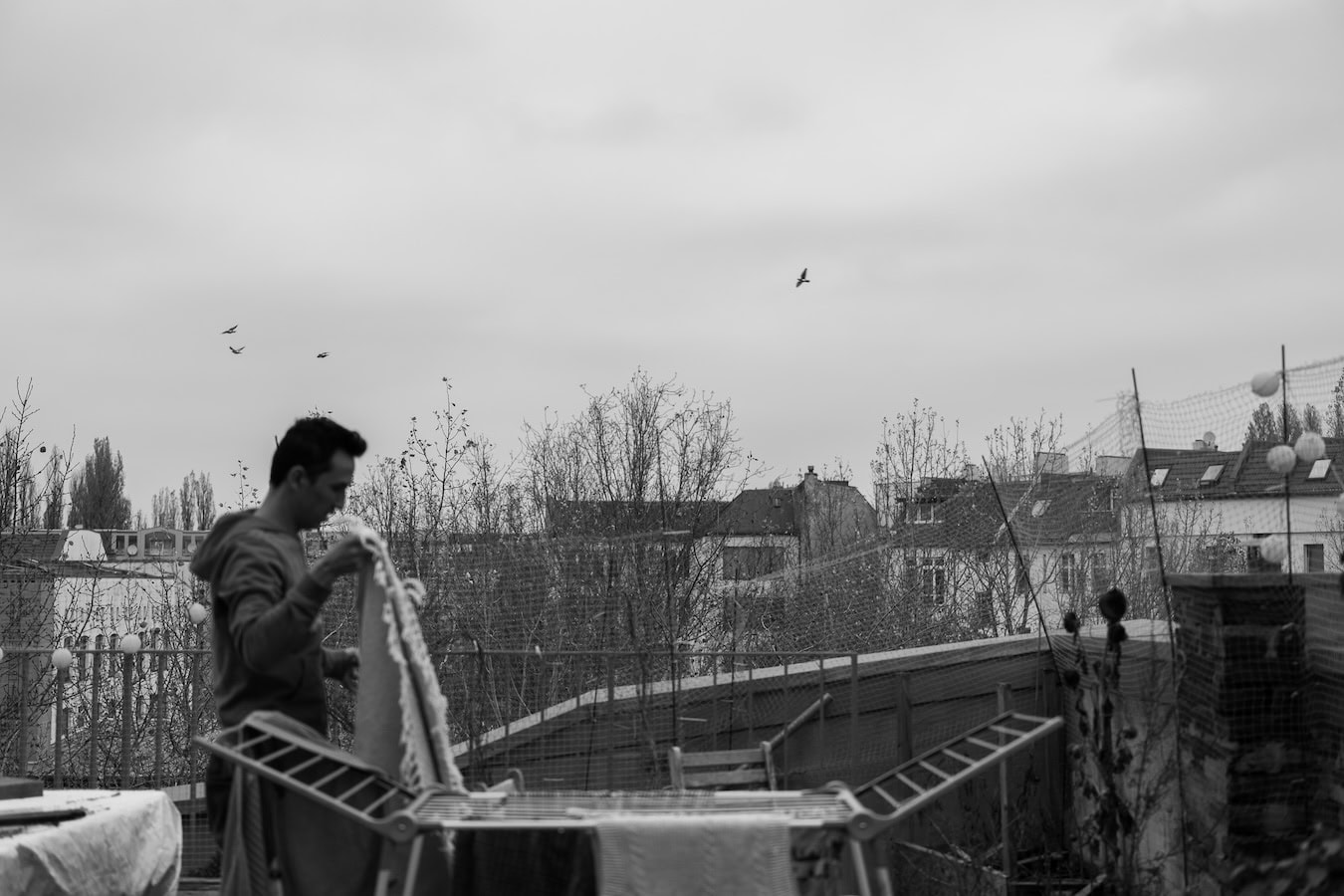
Childhood wounds don’t simply heal when we grow up. Not even when we think we have long since left them behind. Early experiences often linger quietly – barely visible – but with lasting force. A patriarchal, power-driven society claims countless victims – and many of them remain psychologically trapped in patriarchal patterns and systems for years.
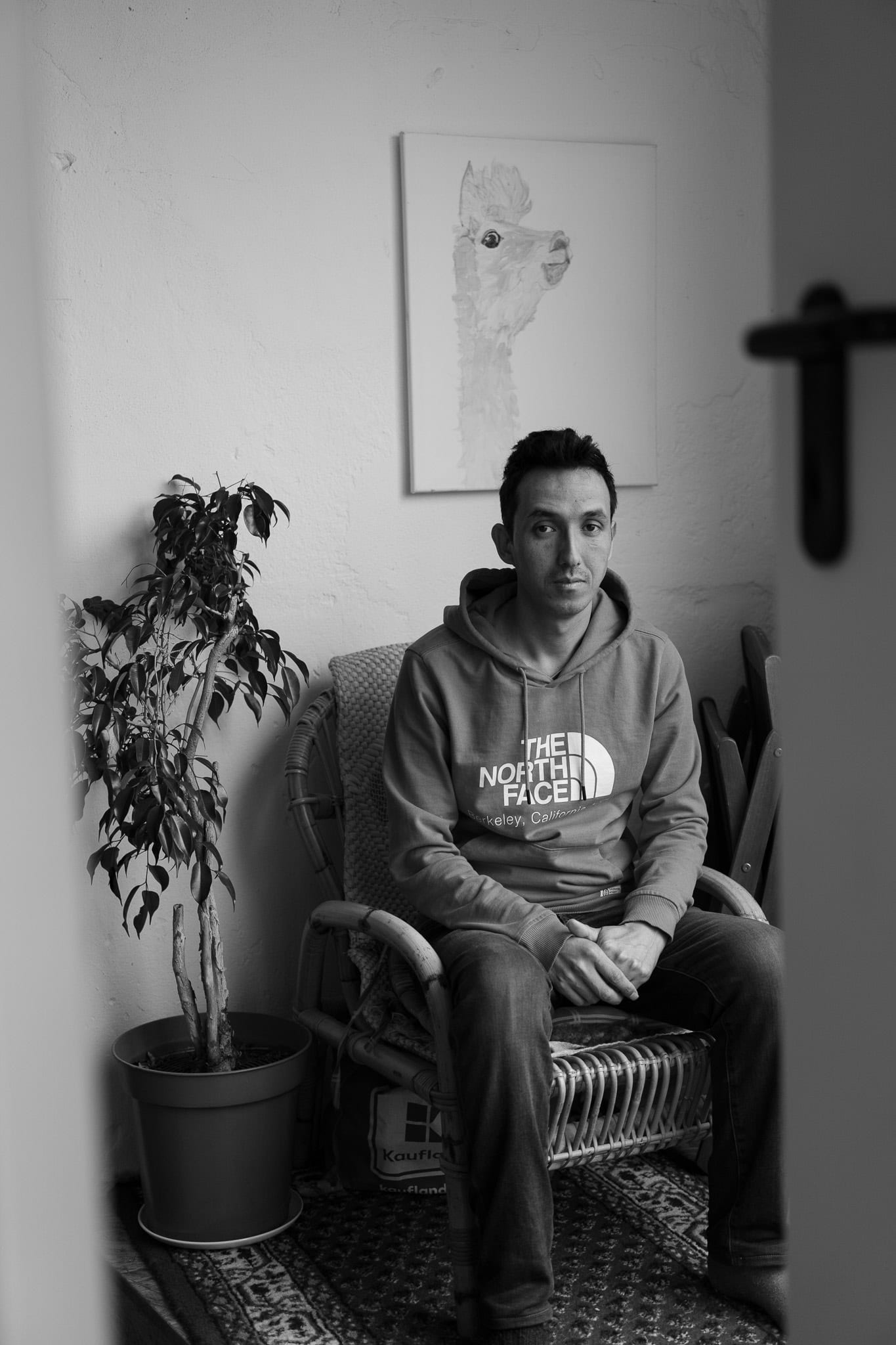
This story deals with personal experiences from Sajad’s life. He grew up in Afghanistan, and tells us about his childhood, his migration to Germany and the independence he has gained. Meeting Sajad gave us the chance to question the structures of this system and to look beyond them – which is why we want to share his story and let him tell it in his own words.
I can feel that loneliness, violence or self-destruction, for example, aren’t down to me, but to a system that teaches us men from an early age never to show vulnerability.
 Sajad
Sajad
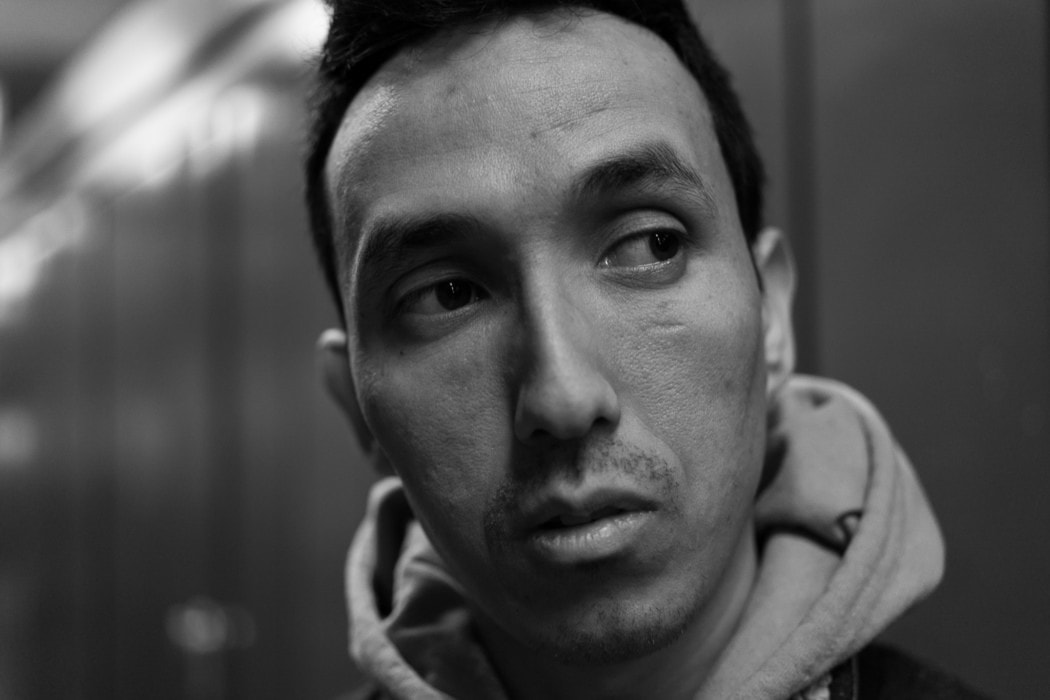
Feelings don’t disappear just because you suppress them. They find other ways to show themselves, inwards or outwards, Sajad adds.
Chapter I:
Growing up in Afghanistan
Even as a child, my future was less my own decision than a script others had written for me. Before I could even form an idea of who I wanted to be, there were already clear pictures of the man I was supposed to become. My father imagined I would become a cleric. Later he wanted me to win a taekwondo medal, like Nikpai, the athlete who won Afghanistan’s first Olympic medal in taekwondo at the Beijing Games.
My father’s wish for a victory like that was more than a sporting dream. It stood for recognition, for pride, for something you could show off. Something that told others: ‘Look, my son is strong!’ Other people might have found such expectations motivating, but to me they felt like a constant comparison that I could only lose.
I was never enough
I didn’t fit that ideal. Slightly built and not particularly strong, I felt more at home with books than on the mat. This became especially clear when we set out to build a house together. My cousin came to help: strong, good with his hands and very experienced. I, on the other hand, was unpractised and had no real enthusiasm.
It wasn’t only my lack of skill that hurt, but the feeling of being watched. As if every blow of my cousin’s hammer announced out loud what I was missing. In my father’s eyes, this confirmed what he had long believed: being a man meant proving yourself through what you did and how strong you were. I was left out of that. ‘You’ll never be a man,’ he often said. ‘Your head is too small, you always need help.’ Those words sank in and left a lasting feeling: I was never enough.
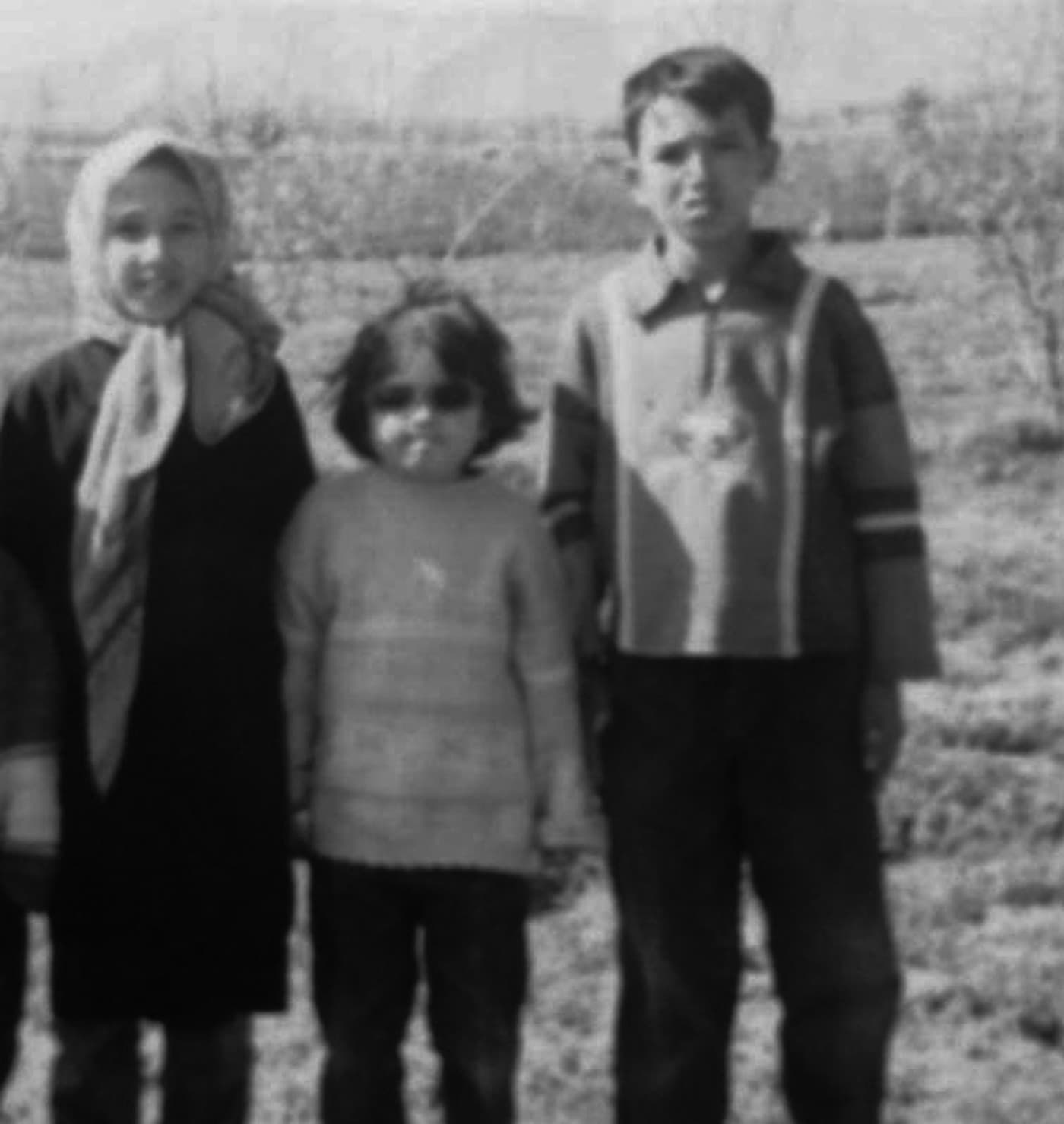
Childhood in Afghanistan with his two sisters. A picture from Sajad’s archive.
This image of masculinity shaped life not only at home but outside it, too. It was taken for granted that boys would speak to girls in the street, whistle at them or touch them – as a dare, as a game between men, as proof of strength. I could never understand it. It felt disrespectful and hurtful. If I refused, the response was that I wasn’t ‘a real man’. I realised that if you didn’t join in, you didn’t belong. Even so, I was proud that I didn’t hurt anyone during those years.
Chapter II:
The break
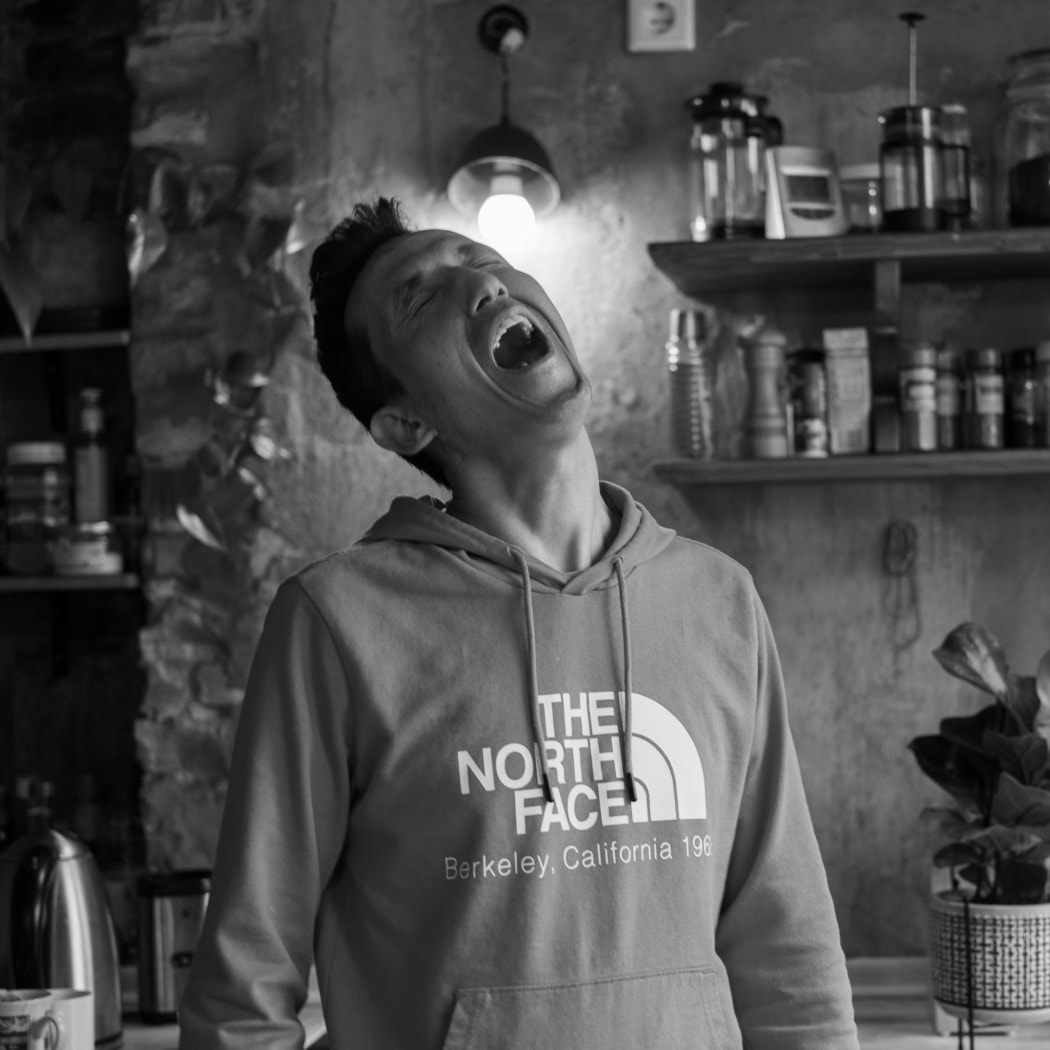
Everything changed for me when I came to Germany in 2015 and was confronted with an unfamiliar cultural reality.
On one side were the old patterns: familiar surroundings, safe zones, the ways of thinking I had grown up with. On the other side was fear: what do I do now? Who am I? Where do I belong? My first reaction was highly defensive. I judged everything negatively. Anything that was different seemed wrong or threatening to me.
Only with time did my eyes adjust. If you live somewhere long enough, you learn to adapt. Habits change. I realised that I could live with uncertainty without being broken by it.
A group of acrobats and circus performers opened up a new way for me to connect with myself. There, for the first time, I found an environment in which closeness was possible without coercion and without power games. I joined the project at a point when I was plagued by cultural doubts about my new surroundings, but that also allowed me to break old patterns. Men wore nail varnish! What kind of man is that, I asked myself. The women moved freely, flirted openly and showed their bodies.
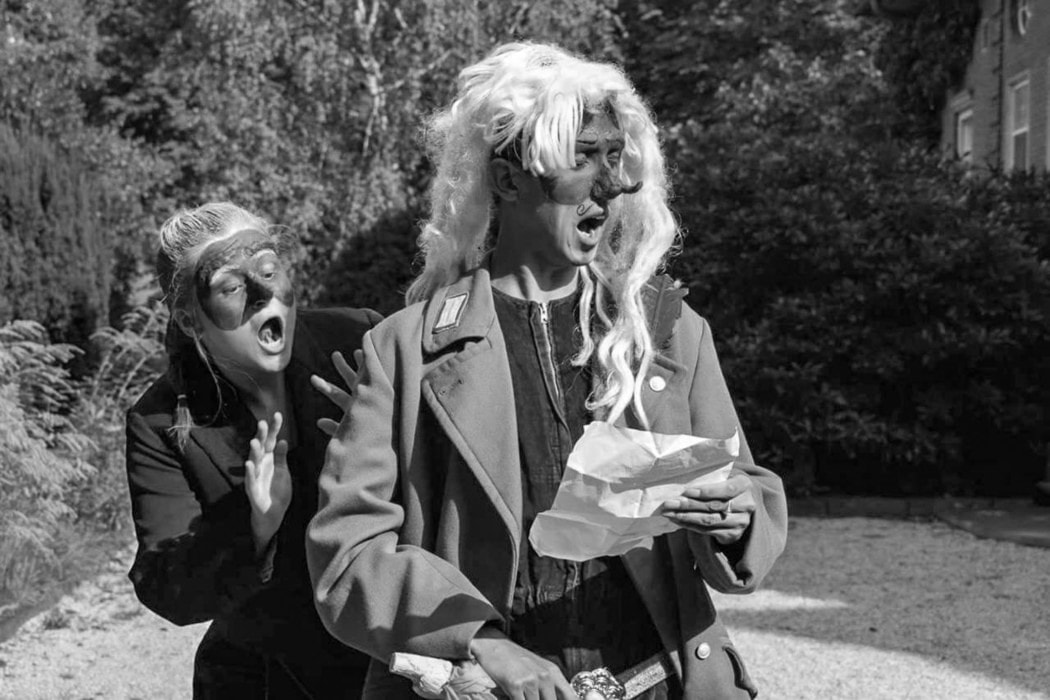
Circus years, 2017–2018
Nobody can own a woman
My mind wanted to judge straight away. Changing and learning new things was hard, but I did my best. At the camp, I tried to make my close friend Najib, who, like me, comes from Afghanistan, understand that no one has the right to own a woman or to decide how she lives – even though that very idea is deeply rooted back home.
I remember how, while his brother was away, my uncle constantly kept watch over his brother’s wife in Kabul. Behaviour that was considered normal there. My father, too, sometimes passed judgement on relatives, and my mother on her own daughters, on the grounds that men might be looking.
These restrictions – in Afghanistan, inside me and in Germany, too – shaped the way I saw sexuality and the body. For a long time I saw women’s bodies first, not the people behind them. I lived in a toxic space that dominated my thinking for almost two years.
If you don’t know yourself
Today I can see how much my view has changed. Many tensions and fixations fade when a person’s sexual needs are met – whether in Iran, in Afghanistan or in any society with strong social pressure.
I have noticed this pattern in people around me, too – my younger brother, for example, who now lives in Australia. In Kabul this subject was always on his mind; today he focuses on his life, his work and his future – and only then on relationships. Even so, I feel that something is slowly changing with our generation, especially as family control weakens and personal and financial independence grows.
I grew up with a great deal of shame and guilt, believing that you weren’t allowed to talk about sexuality or get to know your own body. Today I know that if you don’t know yourself, you can run into difficulties even in healthy relationships. You can love someone deeply and get on perfectly as people, yet not be compatible physically. It’s a subject that was hardly ever talked about before.
Freedom means losing yourself in order to find yourself again
Sajad
Chapter III:
Coming home to myself
Through both migration and personal independence, I was able to truly question myself for the first time, and that very questioning felt liberating. Above all, there was no longer anyone constantly standing over me and telling me who I should be.
I was allowed to try something out, realise I didn’t like it, drop it, start again and put myself back together in a new way. Without being judged straight away. I have come to love this freedom to make mistakes without them calling my whole identity into question.
In my family, emotional closeness was complicated. I never heard words like ‘I love you’ from my mother or my father. Perhaps in the first three years of my life. After that, they disappeared from our everyday life. Feelings were not spoken about, not named. The exception was my paternal grandmother. I felt deeply connected to her. She was the only person with whom I could feel emotionally safe. She died of cancer in Iran in 2011.
In relationships, I opened up early and fell in love quickly. I was looking for the closeness I had missed in my family, and I threw myself into my feelings – not out of carelessness, but out of a longing for acceptance and emotional connection.
And there it was again, that feeling: I’m a man. Sometimes I notice myself trying to take on a kind of alpha role – not necessarily out of conviction, but out of habit and conditioning. I used to have this picture in my head that I had to be the man who earned more money, had a car and carried the financial responsibility – especially in relationships.
Patriarchal patterns can be rewritten
Today that picture has almost entirely gone. Material things no longer define me. What matters to me now is being present, supportive, human. It isn’t easy to be ‘just a person’, without a role, without a title, without having to prove anything. But with all my contradictions, I feel closer to myself today than ever before.
Sometimes I wonder how my life would have turned out if I had been born in Germany. Perhaps I would have identified as trans, perhaps as bisexual. But the social structures I grew up with in Iran and Afghanistan have rooted a particular form of masculinity in me that I can’t quite shake off.
At the moment I’m in an open relationship with my girlfriend, Toni. For the first time, I experienced closeness being accepted without being judged. Intimacy was no longer a threat, but warm and comforting. Relationships became a space in which I could learn not only to protect my boundaries – but to understand them. Feelings no longer had to stay hidden, and I began to develop trust in closeness and in myself.
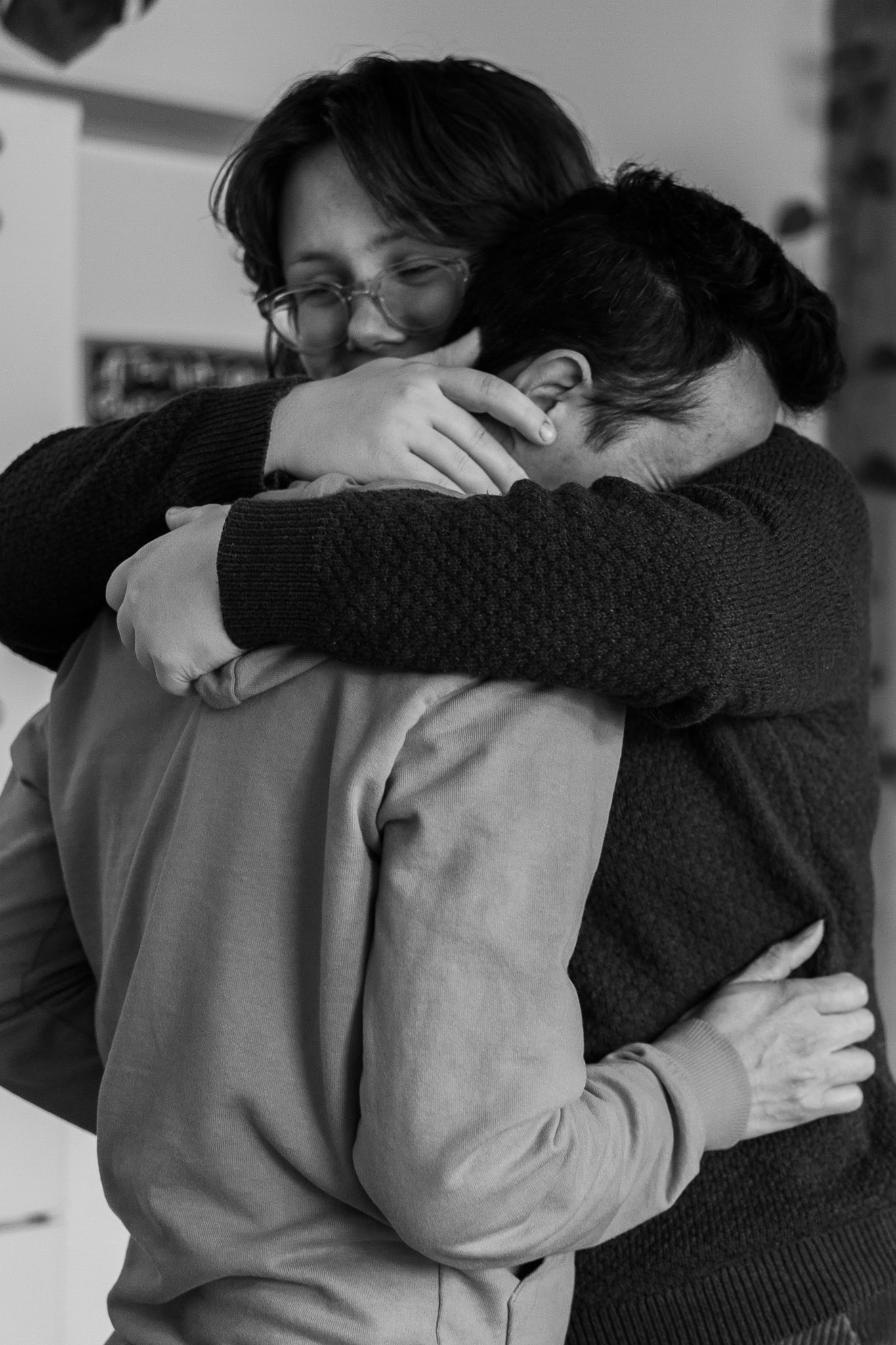
All the people around me have shaped my feelings and experiences and made me the person I am today – less judgemental than before. The inner struggles have grown quieter, the shadows paler – patriarchal patterns don’t simply disappear, but they can be rewritten.