Cold and deep: how water shapes Iceland’s culture
Surrounded by ocean, criss-crossed by glaciers, enlivened by hot springs: one element shapes the identity of an entire nation. By Noemi Ehrat (photos & text)

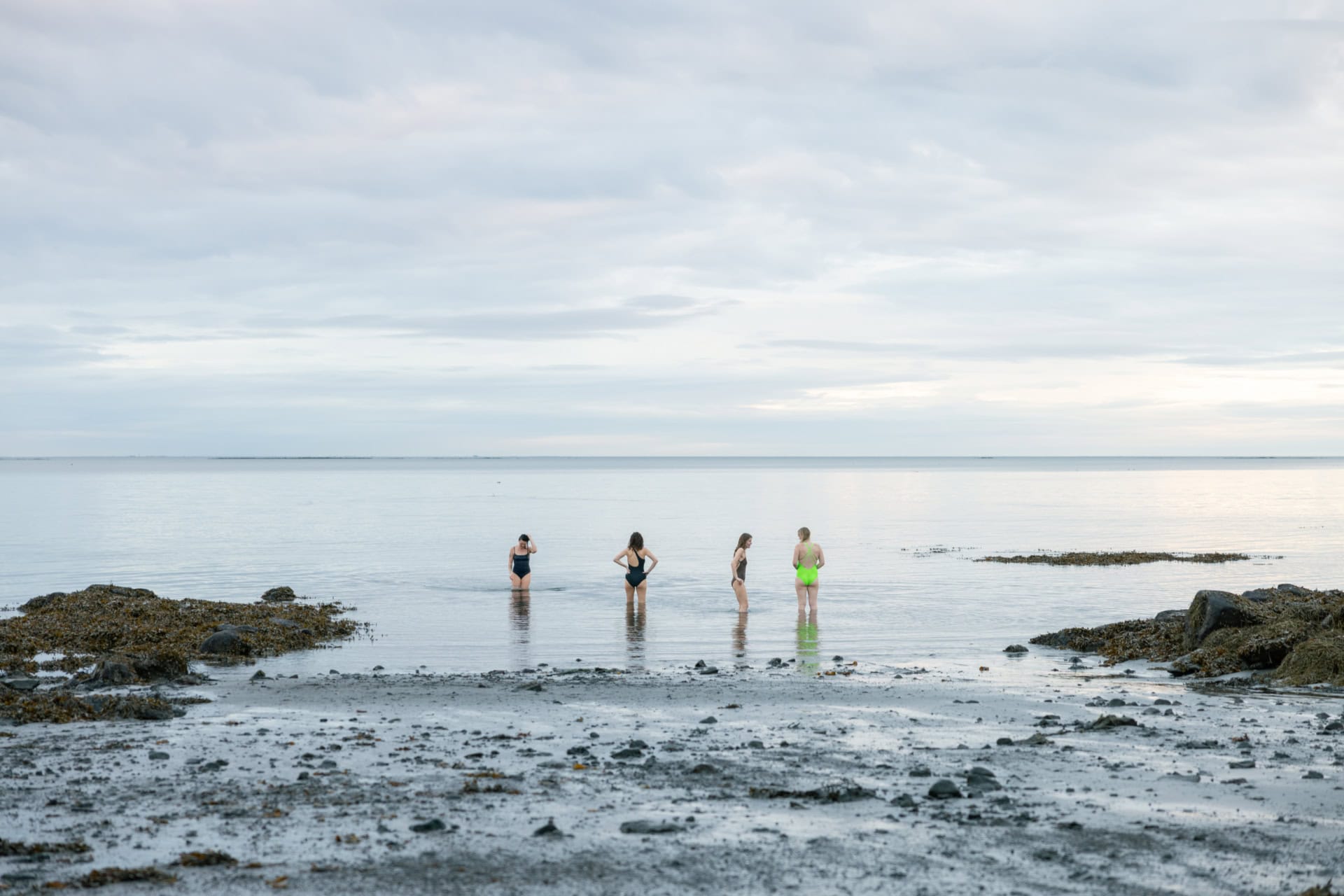
According to the Icelandic newspaper Morgunblaðið, Icelandic has no fewer than 65 words for the sea. So it is no surprise, writes the political scientist Baldur Þórhallsson, that fishing is still seen as part of the national identity and that many Icelanders continue to identify strongly with their seafaring ancestors.
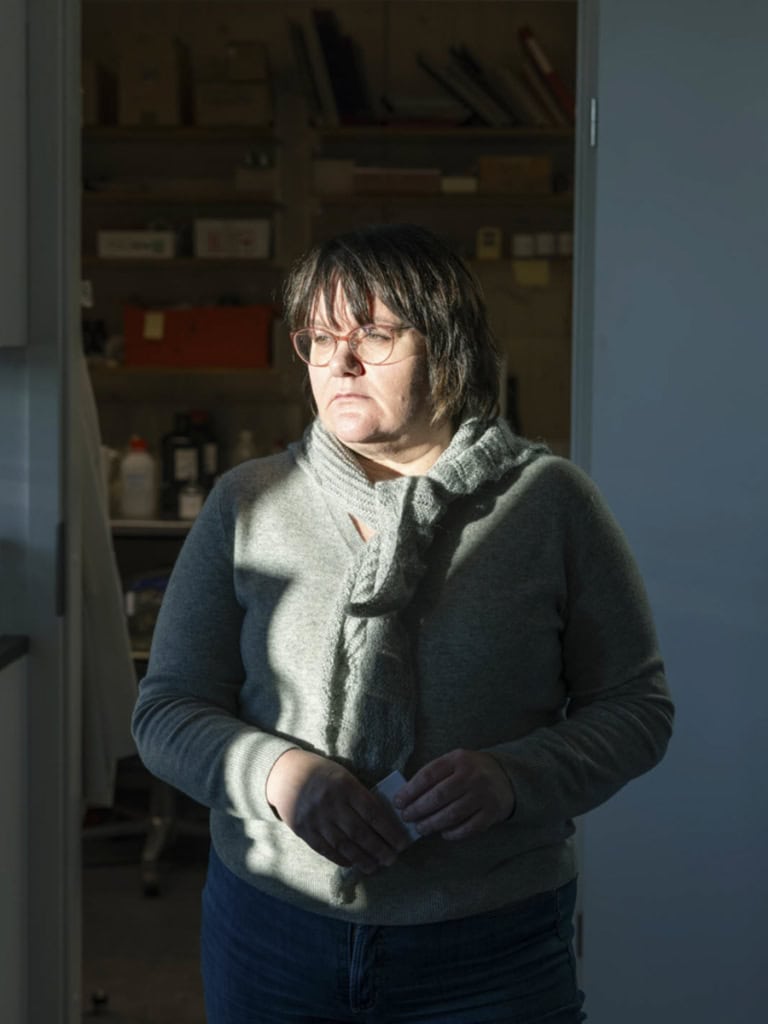
Yet questions about sustainability – and therefore about the future of the industry – are increasingly coming to the fore. Although fishing trawlers keep getting bigger, growing mechanisation means there are fewer and fewer jobs on the high seas. And researchers at the state Marine Research Institute can show how the chemical composition of the sea is changing. There is evidence, for example, that the sea is becoming more and more acidic, which in turn affects fish stocks and therefore catches in Icelandic waters.
But water also takes other forms in Iceland, such as hot springs of volcanic origin. In places like Hveragerði in the south of Iceland, people know how to harness their energy and heat – in greenhouses where bananas, strawberries and flowers are grown, for example, or to heat buildings.
Warm and cold water are also becoming ever more important for leisure. Bathing in the warm pools of public baths has a long tradition. There are more than 160 swimming pools across Iceland, 18 in Reykjavík alone. The oldest, Sundhöll Reykjavíkur, opened in 1937. In recent years, year-round sea swimming has also become popular. A group centred on the mobile sauna ‘Rjúkandi fargufa’, for instance, meets regularly to go into the cold water around Reykjavík. So in Iceland water is far more than a natural resource to be managed or an element to be battled against.
This is also reflected in the growth of the Ásatrú association. In the pagan faith, which was widespread in Iceland before the introduction of Christianity, nature plays a major role, especially in the views and rituals conveyed by the so-called goðar, or priests. The association is also actively involved in environmental causes, for example in opposing the construction of the Kárahnjúkar hydroelectric plant in the east of Iceland.
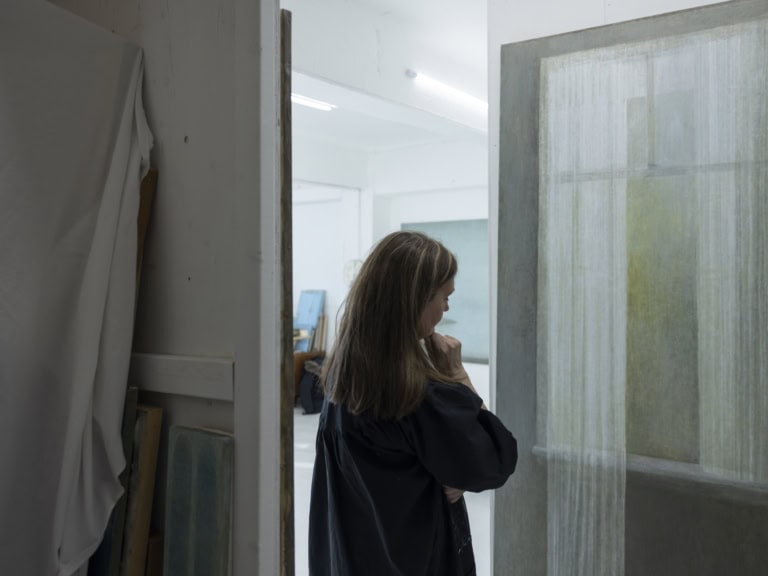 Reykjavík, 29 October 2023
Guðbjörg Lind Jónsdóttir in her studio. She is originally from the Westfjords but now also works in the capital. The artist’s work often revolves around the sea or waterfalls.
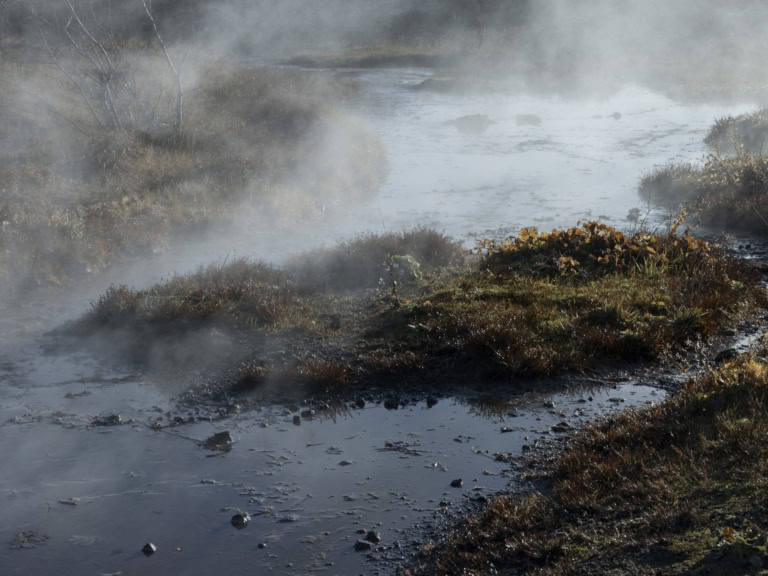 Hveragerði, 2 November 2023
For several thousand years people have used thermal waters and hot springs for bathing or to generate energy.
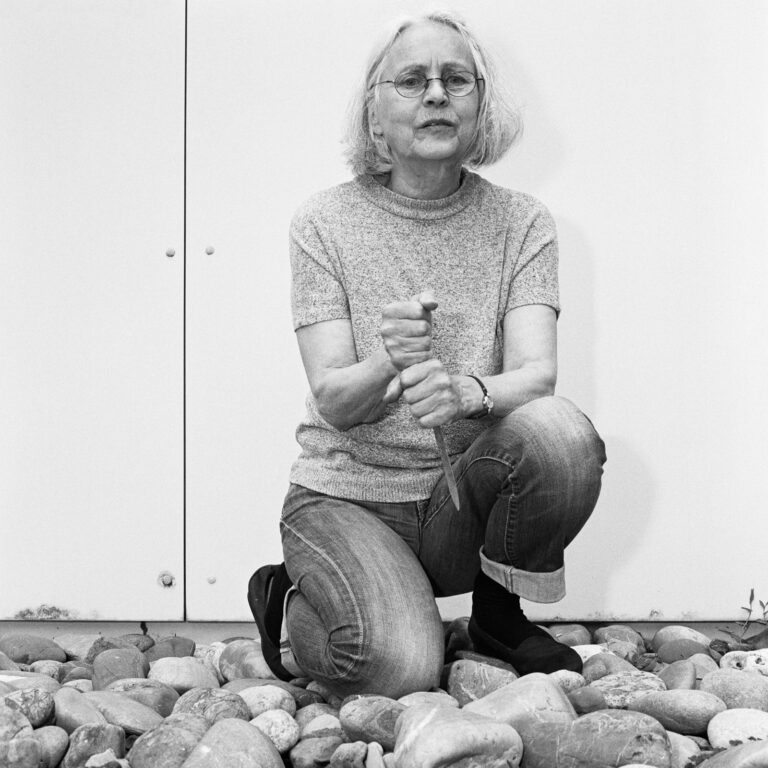
In art, Icelanders are currently taking a critical look at the changes to water brought about by climate change and capitalism. The painter Guðbjörg Lind Jónsdóttir, who comes from the Westfjords, not only depicts waterfalls in her almost sculptural landscape paintings; she also abstracts the salmon farms that have been operating there for some years. These are controversial: while they create new jobs in a place whose population keeps moving away, they also threaten the sensitive local ecosystem.
The author and former politician Andri Snær Magnason, meanwhile, explores the economic, scientific and cultural significance of water in a poetic way. His book ‘On Time and Water’ tells of the impact of climate change on Iceland through his own family history. The title also alludes to the well-known poem ‘Tíminn og vatnið’ (‘Time and Water’) by the poet Steinn Steinarr, for whom time is like water – as cold and deep as his own consciousness.
Water and time – or water and change – are closely intertwined in Iceland: water in all its forms shapes Icelandic consciousness, both in how the country looks back on its past and in its search for solutions for a possible future.
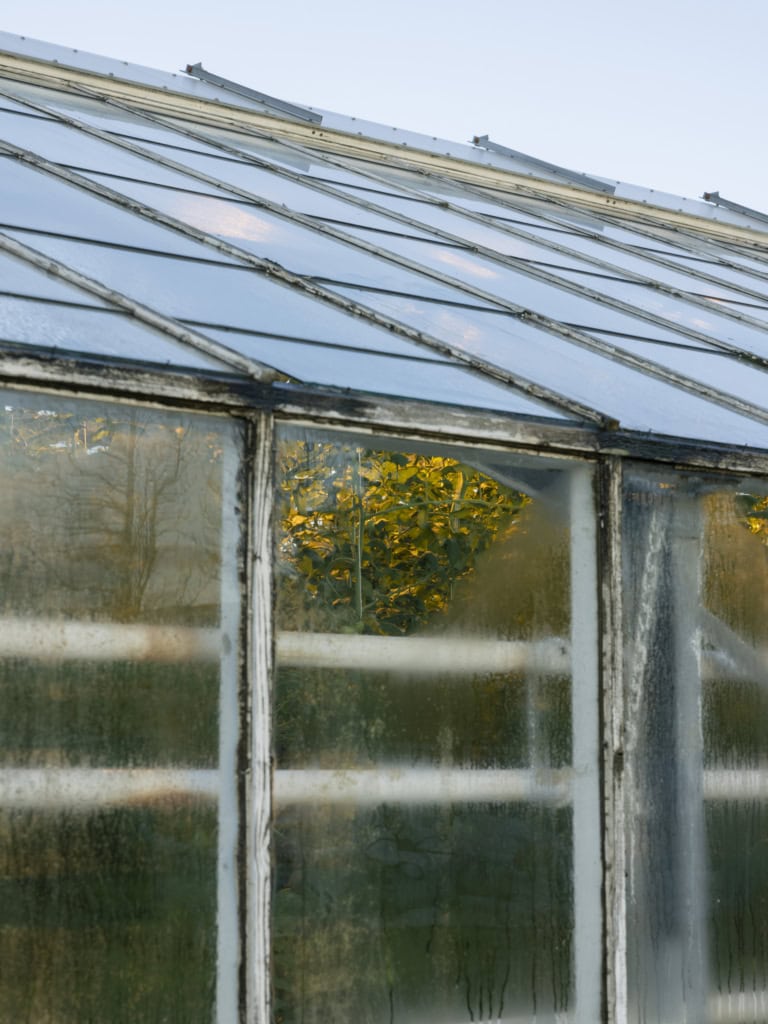 Hveragerði, 2 November 2023
Greenhouse in Hveragerði: the hot springs make it possible to heat plants, fruit and vegetables with geothermal energy.
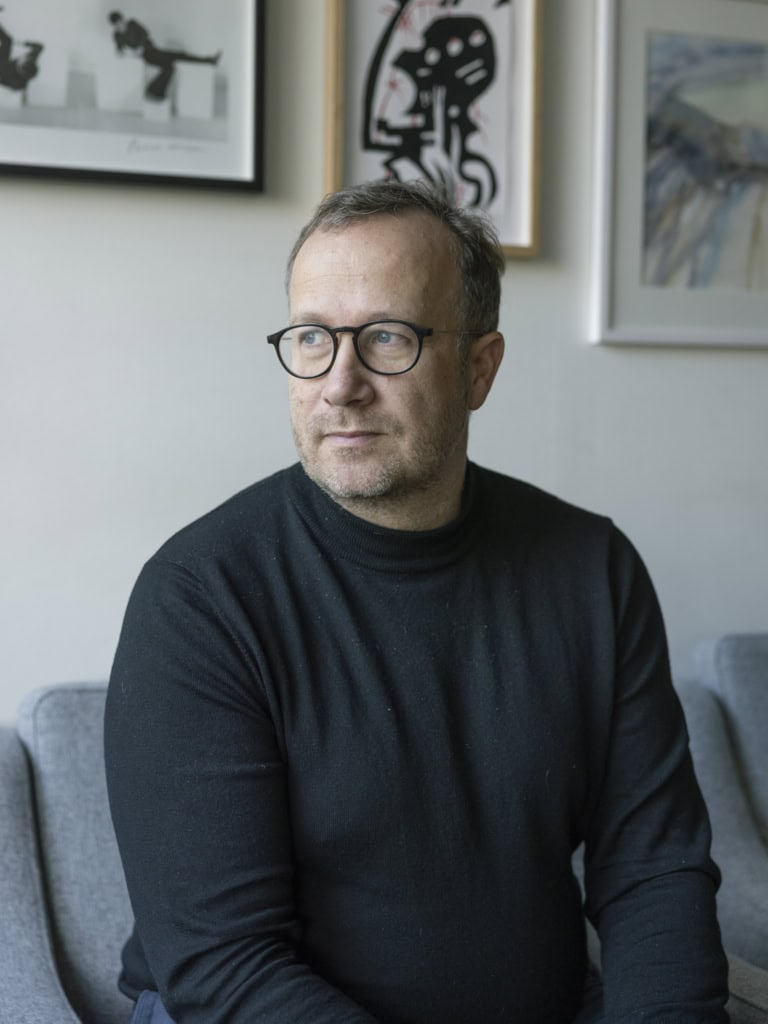 Reykjavík, 31 October 2023
The author and former politician Andri Snær Magnason writes about the impact of climate change on Iceland. He is also regularly involved in art projects that create memorials, for example, to the sea or a glacier.
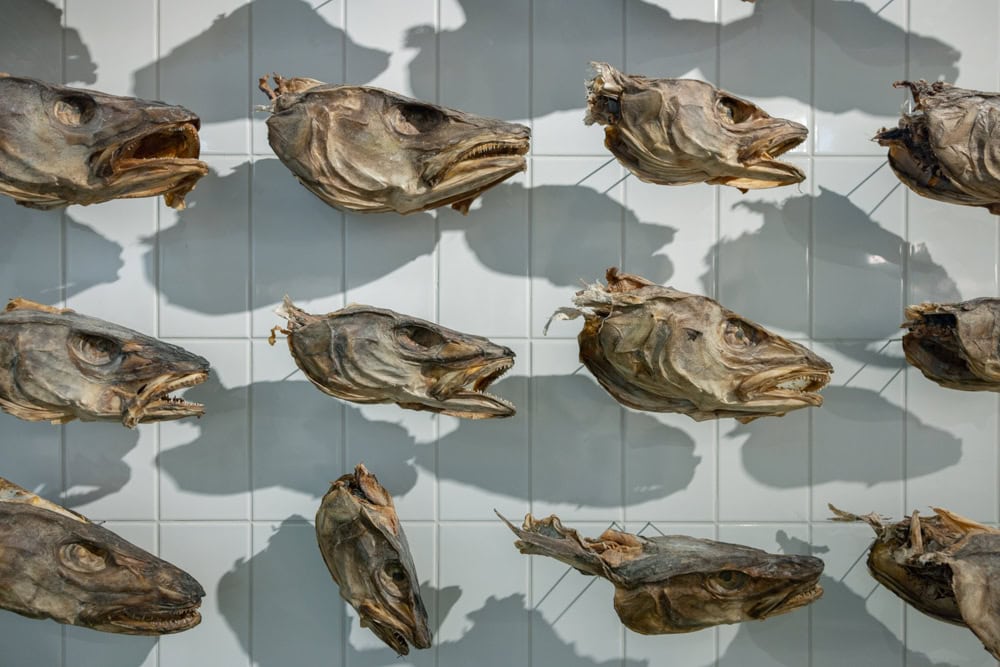 Reykjavík, 25 October 2023
g
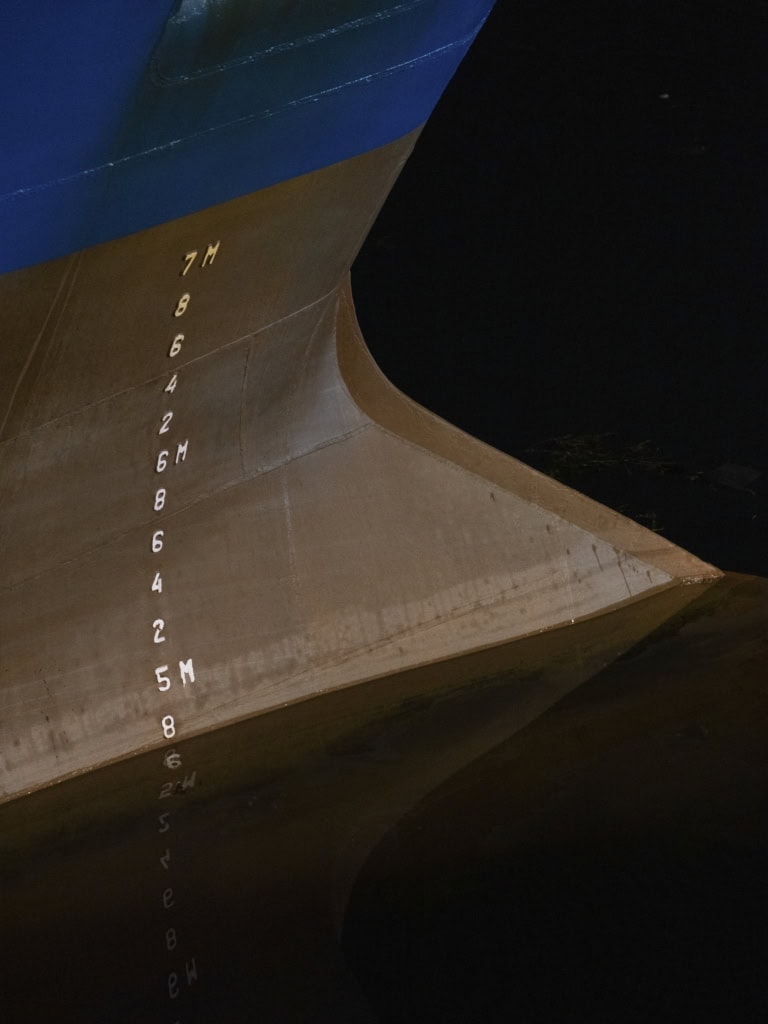 Iceland, 27 October 2023
Tiefgang des Trawlers Sólborg.
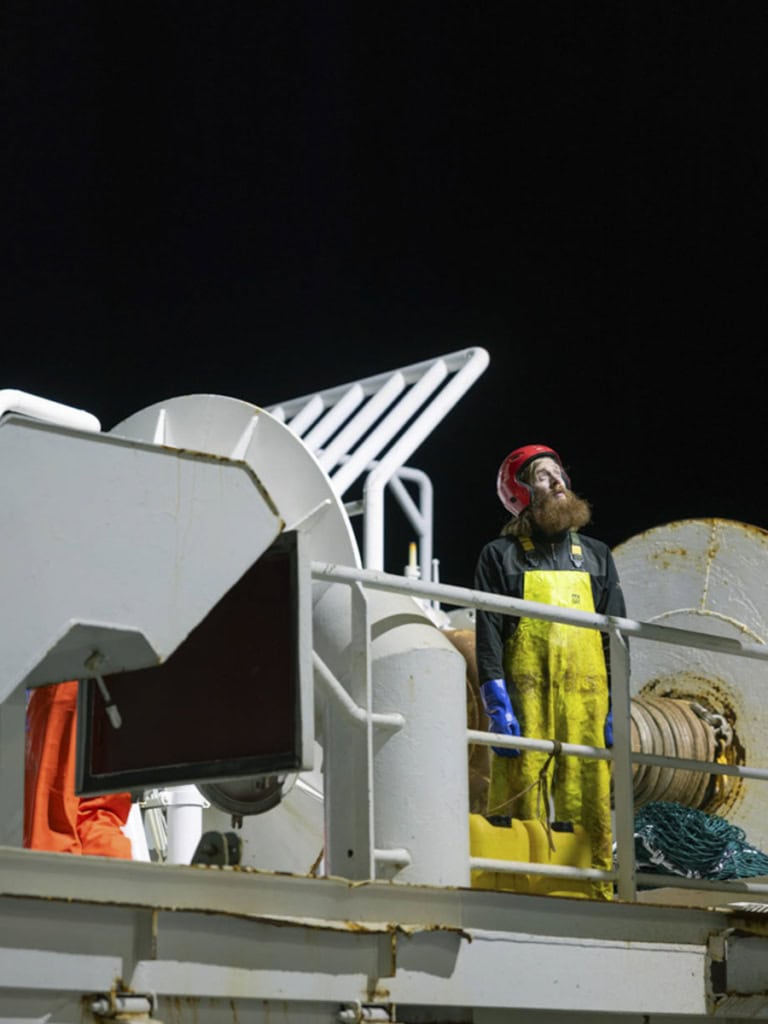 Iceland, 27 October 2023
Boatswain Helgi inspects the loading of the trawler on the evening of departure.
Water in all its forms shapes Icelandic consciousness – both in how the country looks back on its past and in its search for solutions for a possible future.
 Reykjavík, 27 October 2023
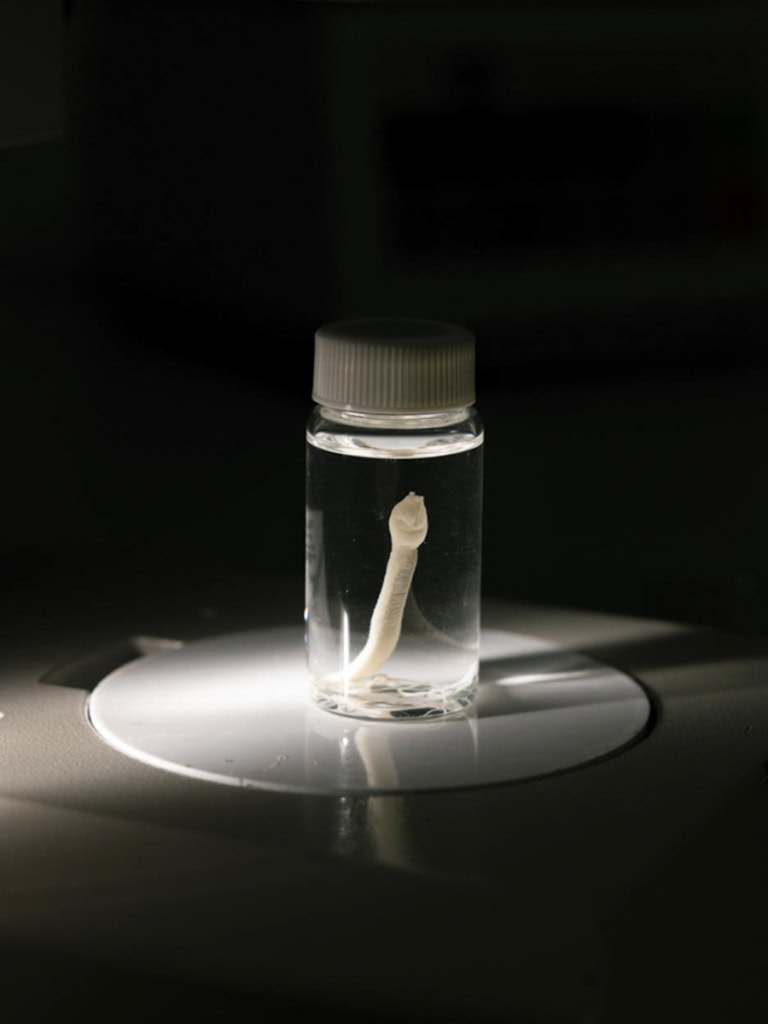
A fish parasite in the laboratory of Haseeb Randhawa at the University of Iceland. The marine biologist shares his research findings with fishing companies and governments alike.
 Hafnarfjörður, 30 October 2023
Sólveig has been researching the sea for years. Her data shows, for example, that climate change is making the sea ever warmer and therefore ever more acidic.
 Hafnarfjörður, 30 October 2023
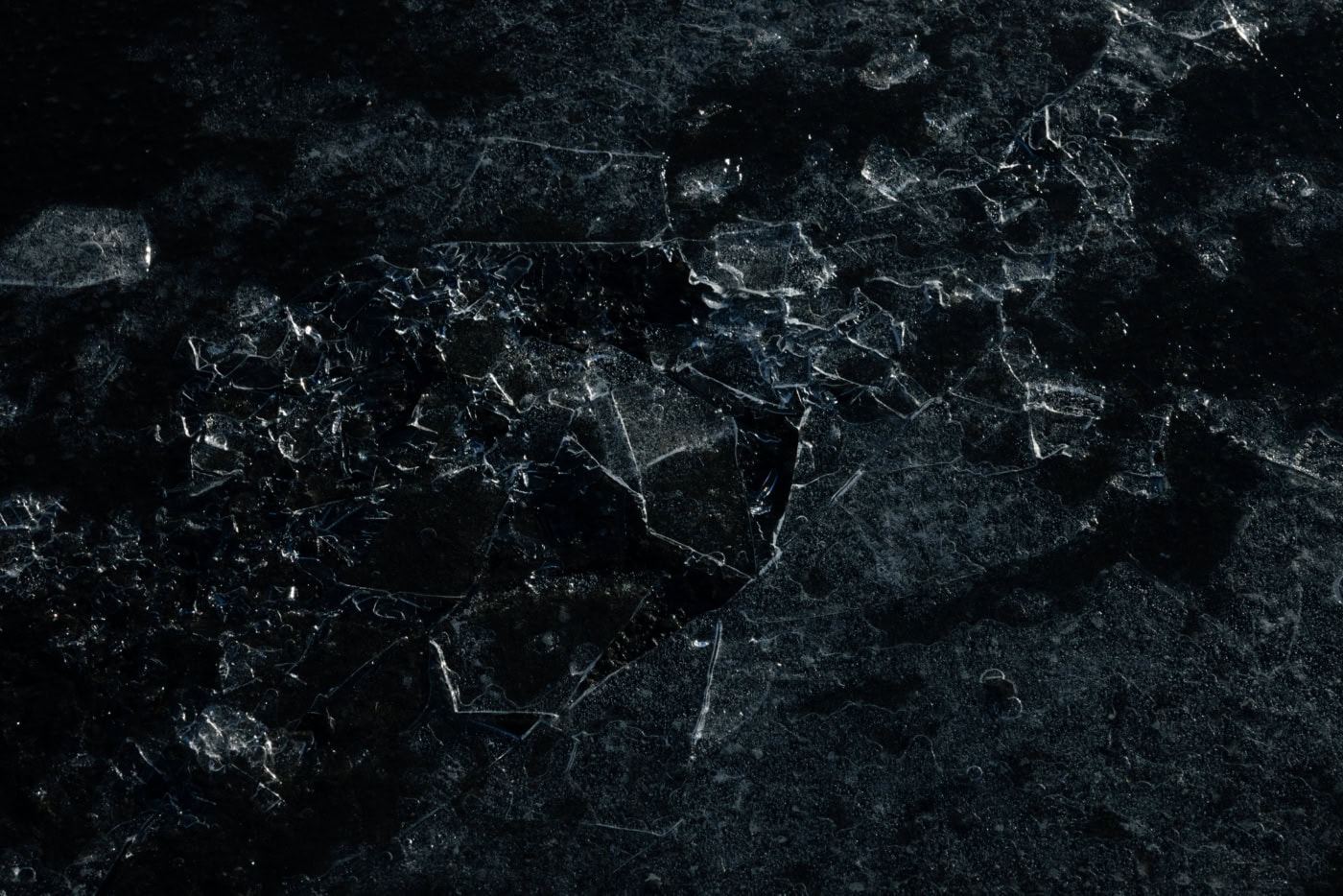
Frozen ice outside the research institute.