‘Why would he need a raincoat? He’s got a car’
How tunnels and roads shape life on the Faroe Islands – sometimes with surprisingly dry logic.
By Niclas Tiedemann

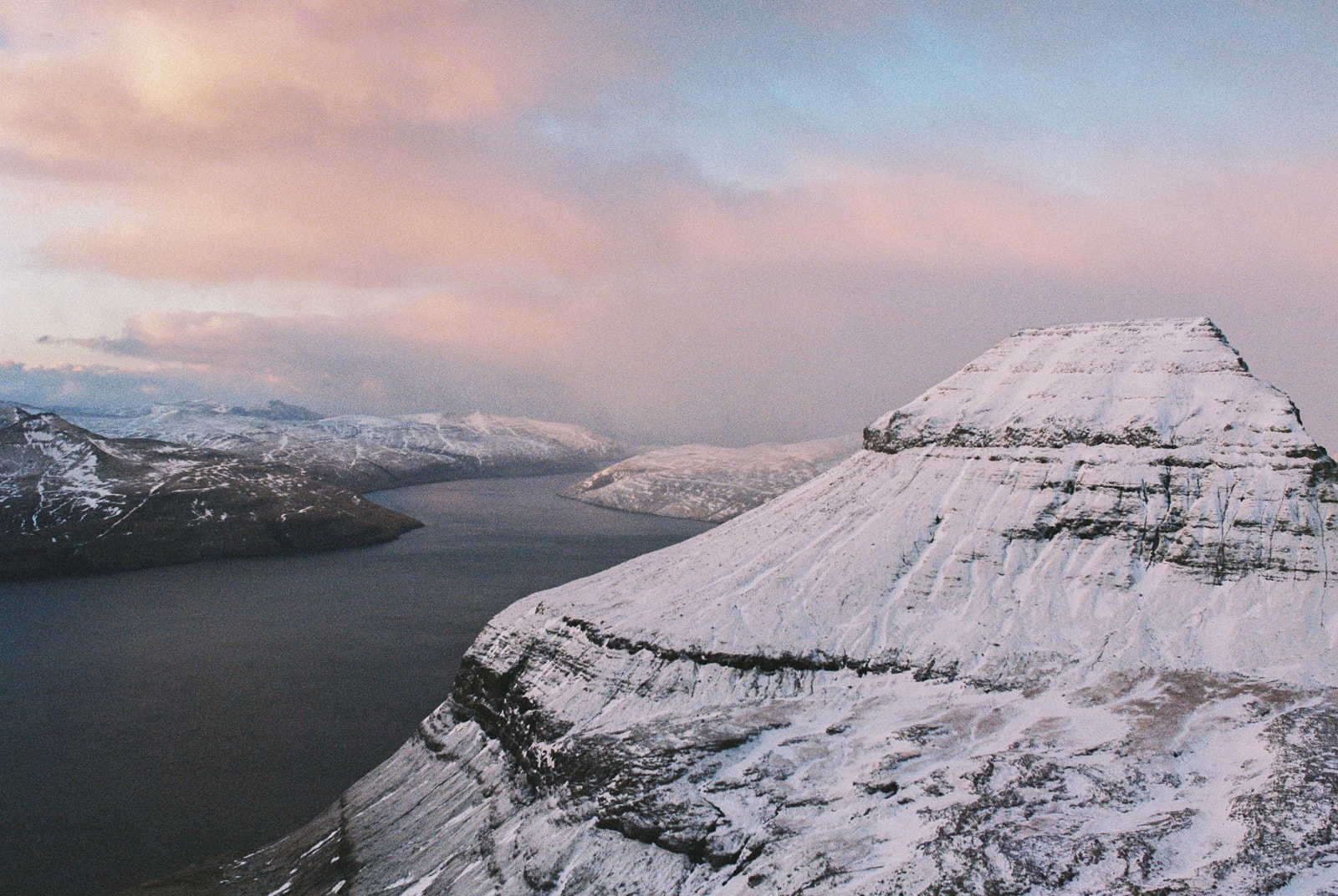
The Faroes are a remote group of islands in the Atlantic, lying between Iceland and Norway. Around 50,000 people now live there. They have managed to adapt to the harsh weather and the isolation and to spread into every remote corner of the 18 islands.
But with the arrival of modern times and the retreat of traditional life, society here too faces new challenges. Most Faroese now work in the capital, Tórshavn, but as in most capitals, the demand for affordable housing is becoming a problem. To get to work in the capital, people have to travel demanding routes along the fjords or take time-consuming, expensive ferry crossings.
As a solution, the government is looking at overhauling the islands’ entire transport concept. To shorten journeys across the islands, an ambitious infrastructure project was launched in the 1960s: a tunnel system that connects most of the islands – and so their people.
 Gjógv, 19.12.2022
Ediana Hentze’s car is stuck in the ditch beside the road to Gjógv. She was born in Brazil, which makes her part of one of the many minorities on the islands. She met her husband when he was on holiday in Brazil. After a while, Ediana decided to take the plunge and move to the Faroe Islands.
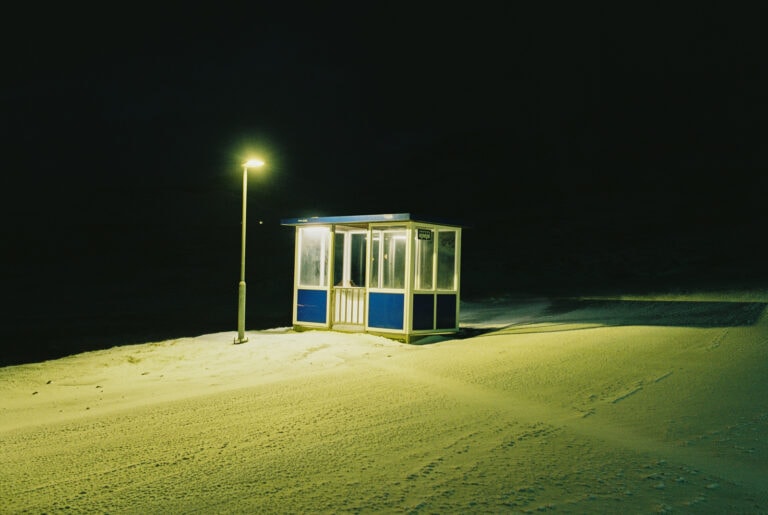 Faroe Islands, 14.12.2022
Although the Faroes have relatively good public transport, the Faroese love their own cars. Hence a saying about their fellow islanders: ‘Why would he need a raincoat? He’s got a car.’
 Gásadalur, 13.12.2022
The Gásadalur tunnel, which connects the village of Gásadalur with the outside world.
 Húsavík, Faroe Islands, 17.02.2022
The village of Húsavík lies on the southern island of Sandoy, home to only around 2,000 people. According to archaeological research, Húsavík has existed since the Viking Age.
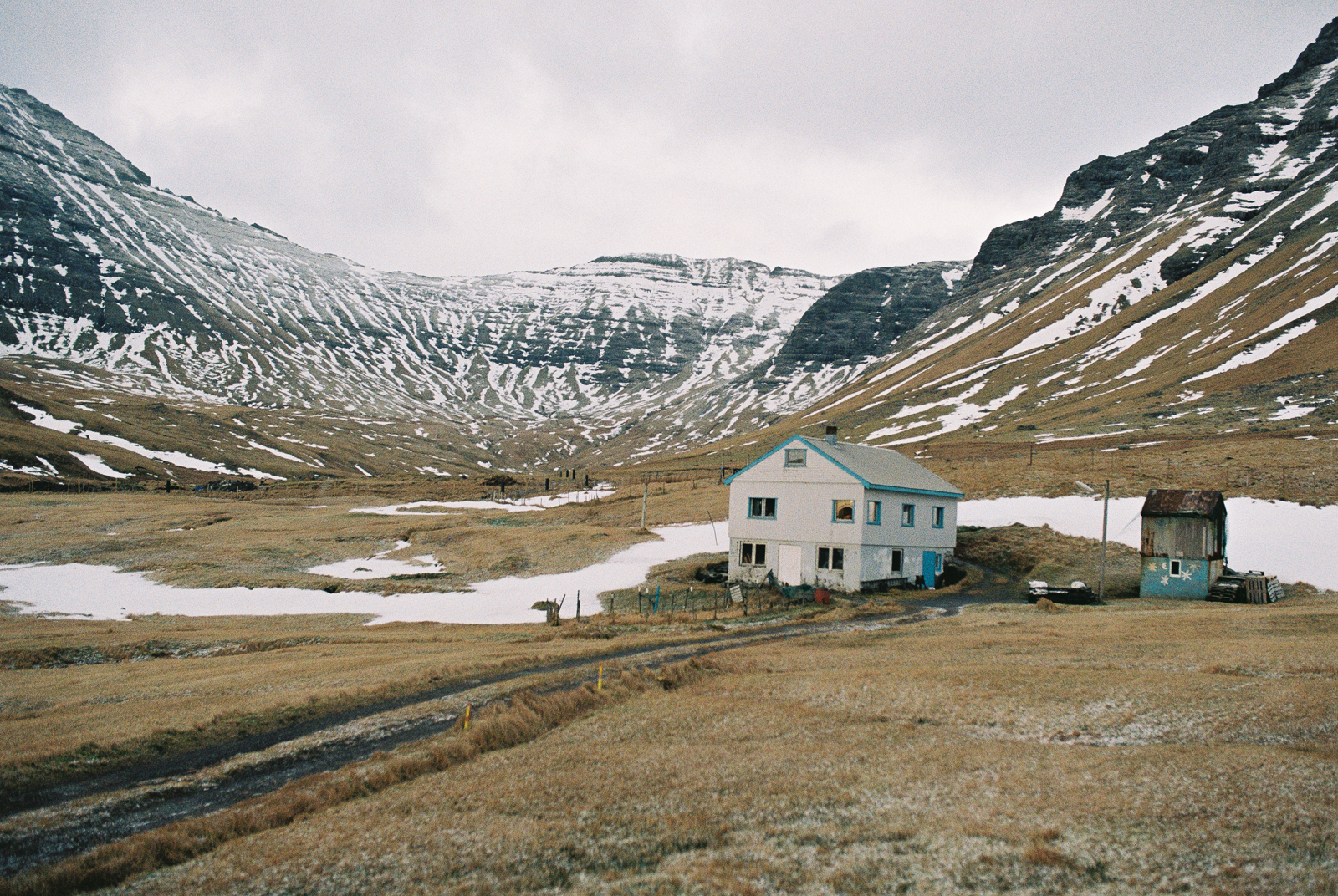 Faroe Islands, 14.12.2022
A remote house on the island of Vágar. It stands on the edge of Gásadalur, which until the Gásadalur tunnel opened was one of the most isolated villages in Europe.
 Faroe Islands, 22.12.2022
Midday sun looking east.
 Faroe Islands, 14.12.2022
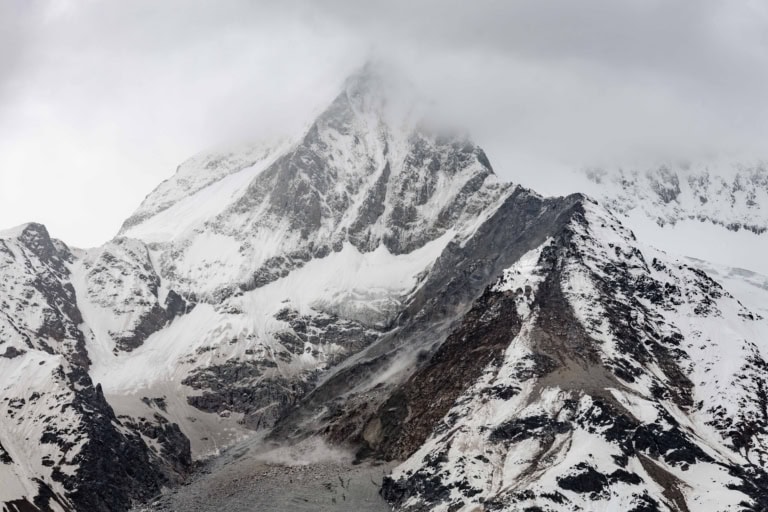
Not all roads on the Faroes are safe to drive all year round – like this mountain pass road near Slættaratindur, the islands’ highest mountain.
 Leynar, 14.12.2022
Ole Jakob Nielsen is a woodturner who emigrated from mainland Denmark in 1967. He built his workshop right next to his house in Leynar. He still remembers how hard it was to run errands in the capital before the Kollfjarðartunnilin was completed in 1992. Two years earlier, his wife’s car was caught by the wind on one such trip and blown off the road – fortunately no one was seriously hurt.
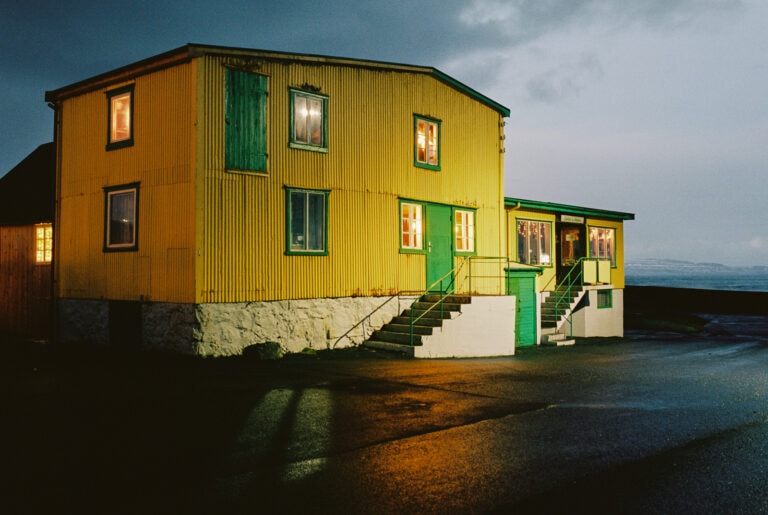 Skálavík, 17.12.2022
With increasing urbanisation, the options for leisure on Sandoy have steadily declined. The Mølin Guesthouse and its café is one of the few places to go. As a result, remote villages are less attractive places to live. The lack of entertainment in the villages has another effect: when residents want to go out, they often have to stay overnight in Tórshavn because there are few ways of getting back to Sandoy. The tunnel under construction between Sandoy and Streymoy is a welcome remedy.
 View of the Týggjará waterfall, 17.12.2022
 Dalur, 17.12.2022
Football is the most popular sport on the Faroes. About 60% of residents who play sport play football, which is one reason why there are football pitches on every part of the islands. In Dalur, however, only two children live who use the pitch regularly.
 Dalur, 17.12.2022
Dalur is a tiny, remote village on the island of Sandoy. Only 14 of its 26 houses are currently lived in. One of the residents is Simon Johannesen, who looks after the village’s empty houses alongside his main job. The empty properties are very attractive to foreign investors who want to buy a remote holiday home, for example. But this kind of investment, and the rural exodus that goes with it, is seen as a major problem. A law was therefore recently passed that strictly regulates the purchase of property by foreigners.
 Gjógv, 19.12.2022
The only road to Gjógv. Gjógv is the Faroese word for ‘gorge’.
 A business near the Gamlarætt ferry port, where the entrance to the tunnel to Sandoy is planned, 17.02.2022.
 Skopun, 18.12.2022
Evindur Kolden lives in Skopun in the north of Sandoy. Although the area has long been settled, the village of Skopun was only founded in 1833. Because of its location, it was used as a crossing point over the Skopunarfjørður, which separates the main island from Sandoy. Evindur takes the ferry several times a week, as he finds many lucrative jobs on the main island. He also parks his car there to save on transport costs.
 Runavík, 18.12.2022
Runavík is a built-up area stretching for 10 kilometres along the eastern shore of the Skálafjørður fjord. With the completion of the 11-kilometre undersea tunnel, which opened at the end of 2020, the journey time to the capital has fallen from about 65 minutes to 15.
 Skálafjørður, 12.12.2022
 Oyrarbakki, 15.12.2022
On the Faroe Islands, petrol stations are often also used as shops, to avoid long trips to the supermarket.
 Eysturoy, 20.12.2022
Emil Poulson hunting hares in the northern part of the island of Eysturoy.
 Tórshavn, 12.12.2022
A takeaway in the capital. Twenty years ago there were only a few restaurants in Tórshavn. With growing tourism, the number of places to eat keeps rising.
 Coast road towards Skálavík. Sandoy, 17.02.2022
 Eysturoyartunnilin, 12.12.2022
Eysturoyartunnilin is an undersea tunnel completed in 2020. With a total length of more than 11 kilometres, it links the two largest Faroese islands, Eysturoy and Streymoy. One of its special features is its Y shape, which gives it not two but three entrances. It is a tourist magnet and one of the largest structures on the Faroes.
 Árnafjørður, 19.12.2022
Several Norwegian companies are involved in the tunnel project. Oerjan Slinde is one of the many workers building the tunnels. As he is from Norway, he works for 11 days on the islands and then flies home for 10 days. The construction follows the Norwegian way of building tunnels, which means short bureaucratic channels: the workers in the tunnel can make most decisions themselves.
 Leynartunnilin, 15.12.2022
Leynartunnilin is one of the first tunnels built on the Faroes. More than 20 tunnels have been built since the 1960s.
 Hvannasund, 20.12.2022
After heavy snowfall during an unusually long cold spell, a worker’s snowplough is stuck in a ditch. Recurring extreme weather events confront even the experienced Faroese with ever new challenges.
 Dalur, 17.12.2022
View of the village of Dalur, where the entrance lies for the still-planned tunnel intended to link the island of Suðuroy with Sandoy. If this tunnel is built (possibly around 2030), it will be possible to drive directly from the northernmost village, Viðareiði, to the southernmost, Sumba.