The Magdeburg attack: how do you cope with the violence?
Almost a year after the attack on the Christmas market, the trial has begun – while many of those affected are grappling with racist assaults.
By Elena Jaekel (text), L. Kellner, F. Andorra, M. Trammer (film)
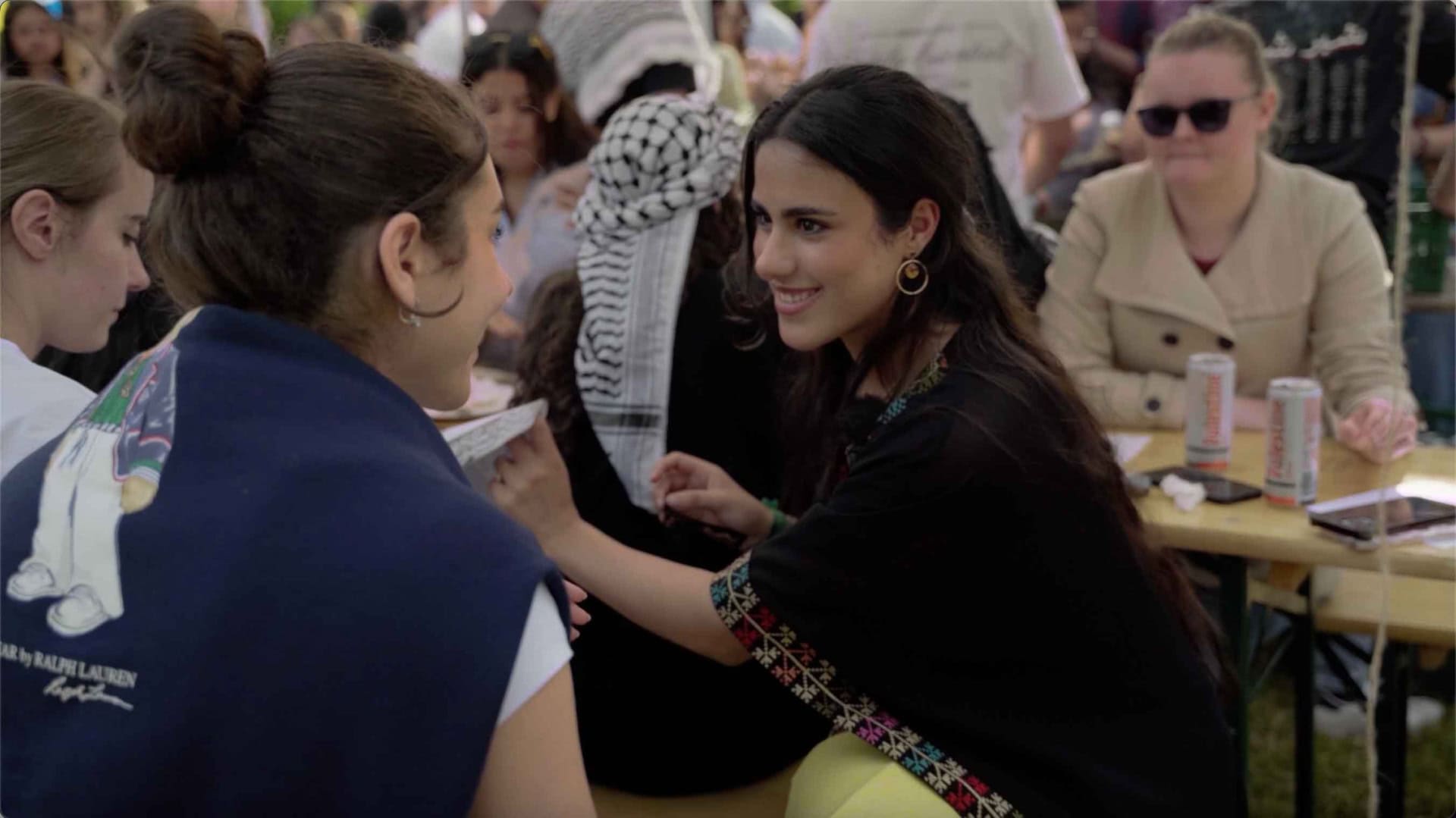
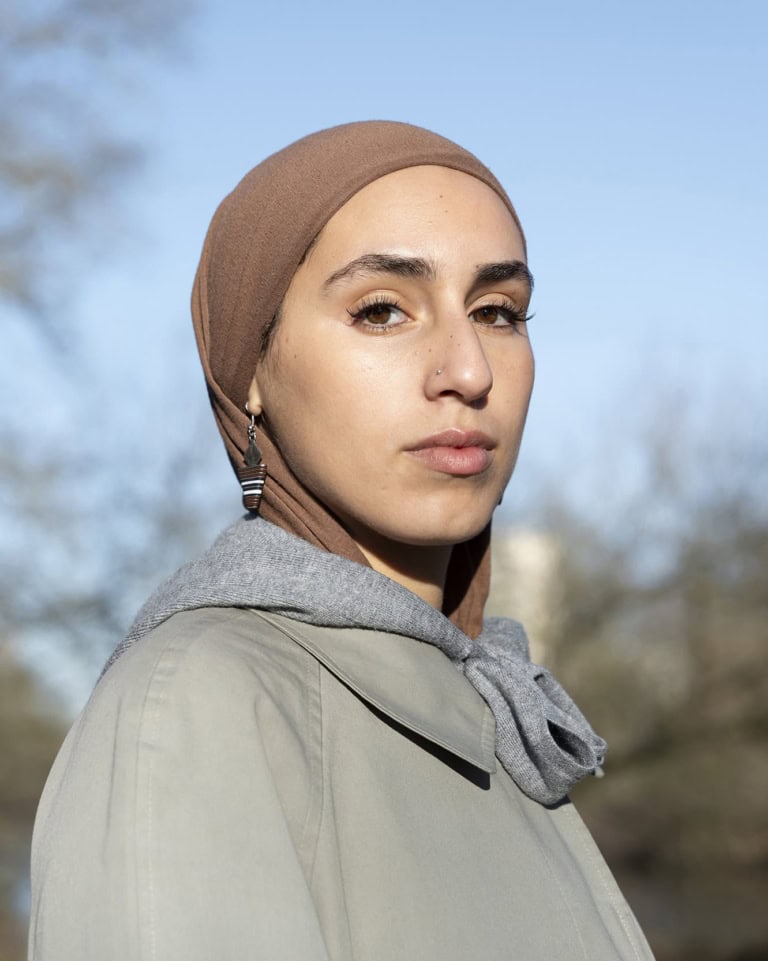
On Christmas Eve, a few days after the attack on Magdeburg’s Christmas market, Fatima A. and her husband drove to Hasselbachplatz, the only place where you could still get something to eat at that time. Her husband had picked up the intensive care nurse, who prefers to remain anonymous, from her late shift. ‘Fucking foreigners, fucking Arabs, we’ll kill you,’ a man suddenly shouted as he prowled around the couple. That night, Fatima A. and her partner ended up in the same hospital where, only days before, she had cared for some of those injured in the attack.
Six people died and more than 300 were injured when a man drove into the crowd at the Christmas market in Saxony-Anhalt’s state capital in December 2024. The trial of the defendant, Taleb A., has now begun, eleven months later, under the tightest security. Sebastian Hesse of the broadcaster MDR called it ‘the biggest trial in Saxony-Anhalt’s post-war history’.
The attack destroyed lives. Families are mourning loved ones; others are living with physical and psychological injuries. At the same time, many have faced hatred and exclusion ever since. The mood in the city turned soon after the attack. People reported a rise in racially motivated assaults, and the public debate fixated on the perpetrator’s Saudi origins – even though he regularly shared content from the far-right AfD on social media.
English subtitles: switch them on manually with the CC button in the video player.
Half a year after the attack, one thing is clear to Fatima A. and her husband: they want to leave Germany, to get away from Magdeburg. ‘The atmosphere was awful,’ says the intensive care nurse. ‘Suddenly Magdeburg wasn’t the small, lovely, cheerful city any more – it was just full of hate.’
This hatred is visible in public spaces too, in the form of swastikas and Nazi symbols daubed on walls, vehicles and schools. According to Magdeburg police, such graffiti has been turning up more often since the start of the year. Neo-Nazis have also gathered and marched through the streets to exploit the attack for their own ends.
According to a spokesperson for LAMSA e. V., the state network of migrant organisations in Saxony-Anhalt, 40 racially motivated attacks had been reported by March of this year alone – and the real number is probably much higher. Almost a year after the attack, the assaults still haven’t stopped.
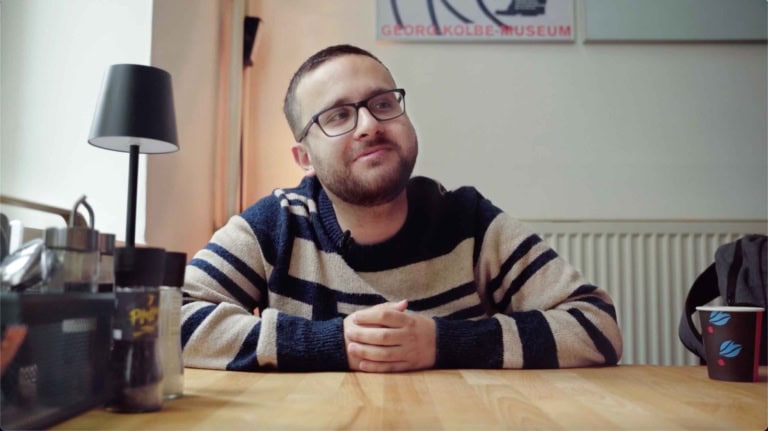
Saeed Saeed, chair of the Syrian-German cultural association and member of Magdeburg’s integration council

The racially motivated attacks still haven’t stopped, almost a year after the attack.
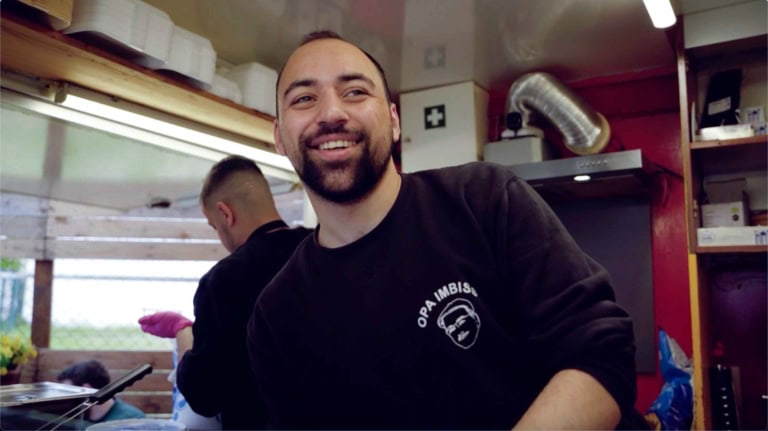
Fares Saleh Aga, owner of Opa Imbiss
Every good person who moves away is a loss for Magdeburg!
 Fatima A.
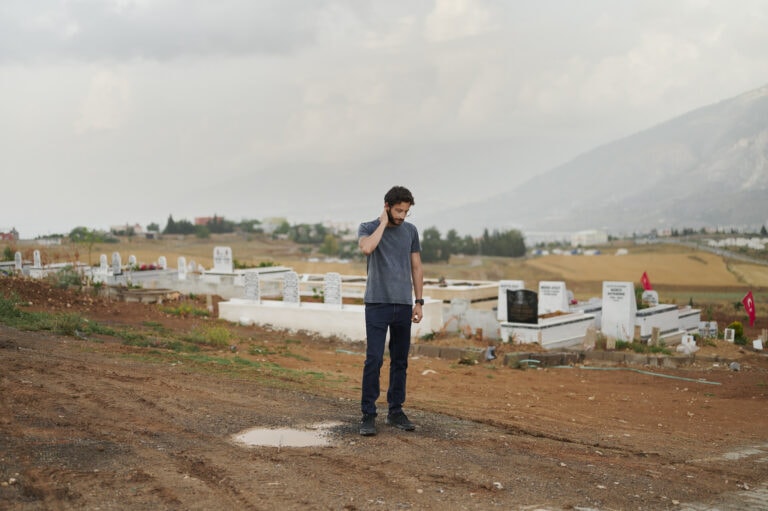
Saeed Saeed, 25, wonders every day whether he should move away – and then stays after all. Leaving isn’t the answer, he says: ‘We have to fight the hatred – with meeting places, offers of dialogue and an exchange between all cultures. We are part of Magdeburg.’ Networking between the organisations has already achieved an incredible amount, he says, even if the fight for funding comes round again every year.
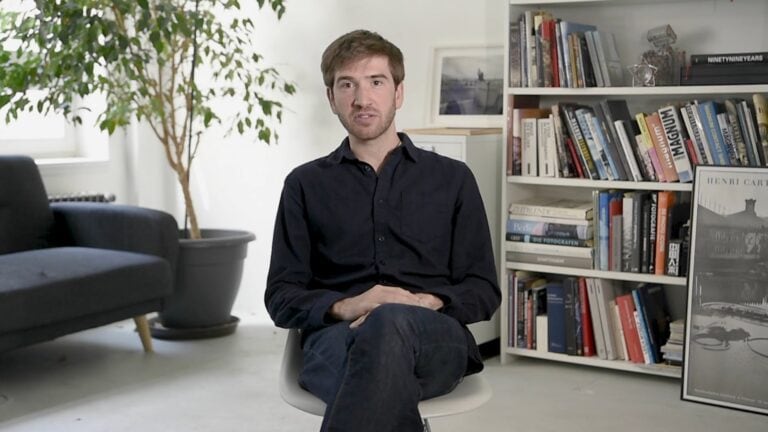
Fares Saleh Aga wants to stay too, even after being the victim of a racially motivated attack at Hasselbachplatz. With his snack bar, ‘Opa Imbiss’, he has created a place where people come together. ‘My life, my studies, my shop, my friends are here. I can’t just throw away the ten years I’ve lived here,’ he says. ‘That’s not an option.’
At the Festival of Cultures, there are stalls from more than 20 countries. Fatima paints a henna tattoo on a visitor’s arm. ‘Moments like this make me really happy,’ she says, beaming. ‘No racism, no discrimination – if it were always like this, the world would be a better place.’ Because racism, she says, is something she has known all her life.