#BodyPositivity – the fight for respect
The self-love trend obscures the idea behind body positivity – and clouds the real problem in society. By Laura Druselmann (text), Larissa Bürgi (photos)


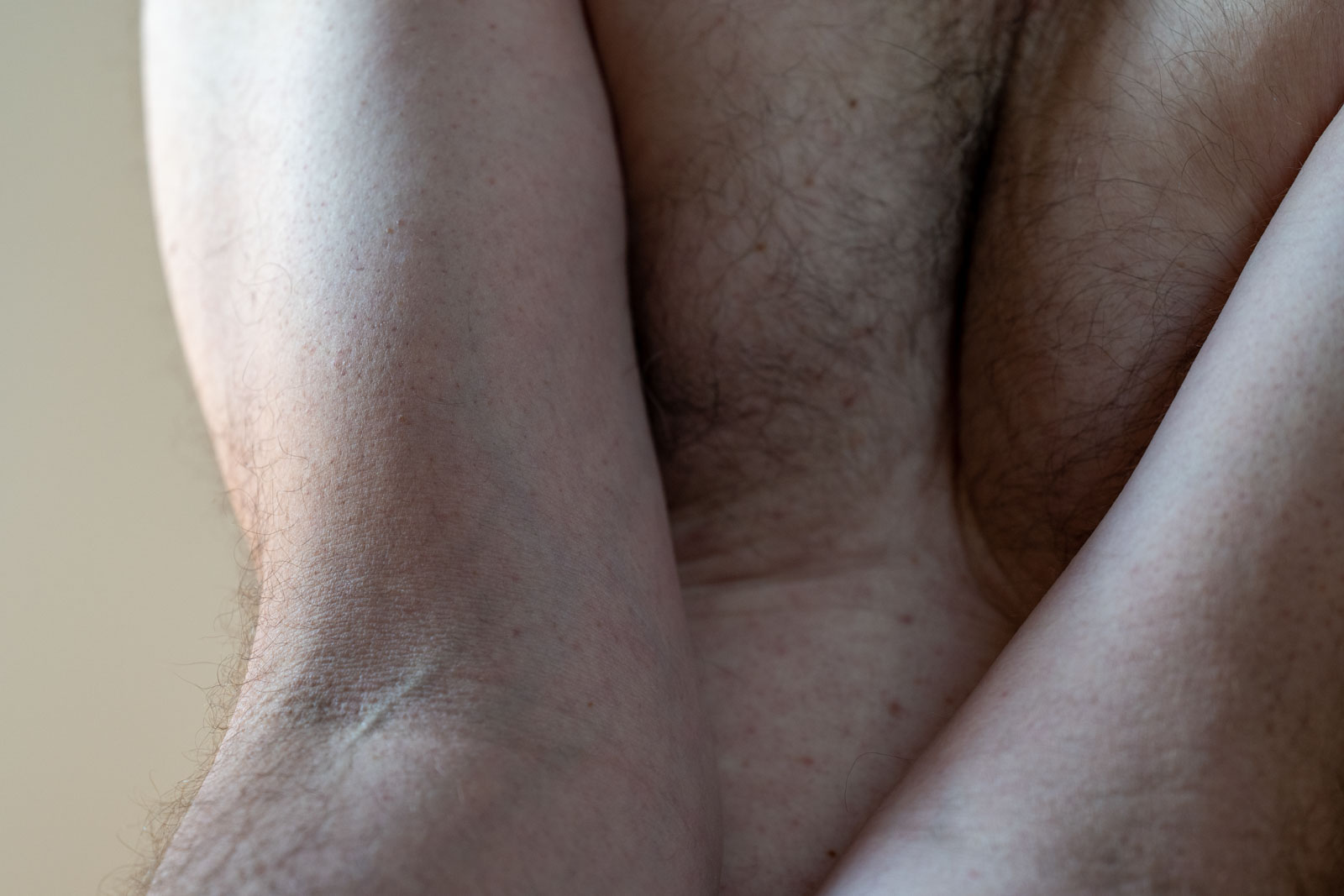
Since body positivity reached social networks such as Instagram, it has mainly been associated with slogans like ‘Love your body’ and ‘Feel beautiful just as you are’. But behind the movement lies a far more serious idea that is often forgotten or never addressed at all: a fight against discrimination and for greater social justice.
‘Body positivity doesn’t demand that you find yourself beautiful or love your body – that’s a very common misunderstanding. Body positivity demands that you treat all bodies with respect,’ explains Kathrin Tschorn, a body positivity advocate from Berlin and founder of the information and inspiration platform Marshmallow Mädchen. The movement, which began in the US in the 1970s as the National Association to Advance Fat Acceptance, has always pursued a political agenda against the exclusion and disadvantaging of, above all, larger-bodied people. The German term ‘Mehrgewicht’ (‘more weight’) was also coined by the body positivity movement as a neutral, non-discriminatory counterpart to ‘Übergewicht’ (‘overweight’).
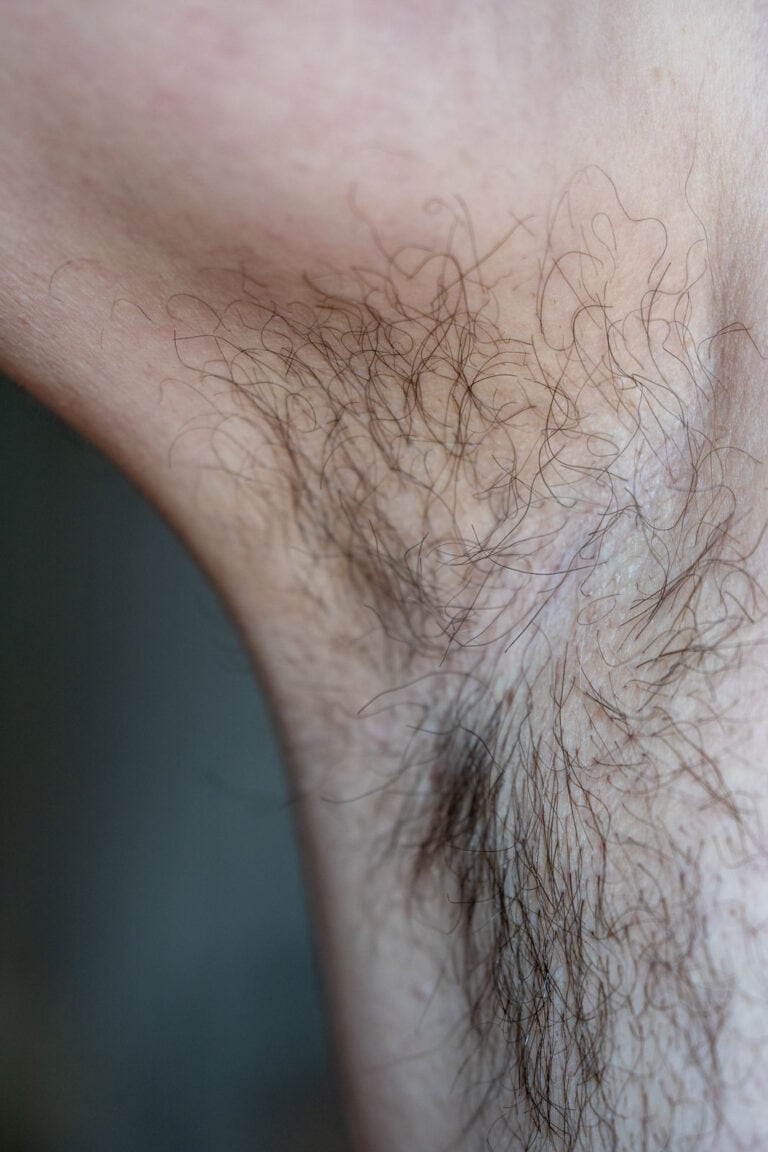
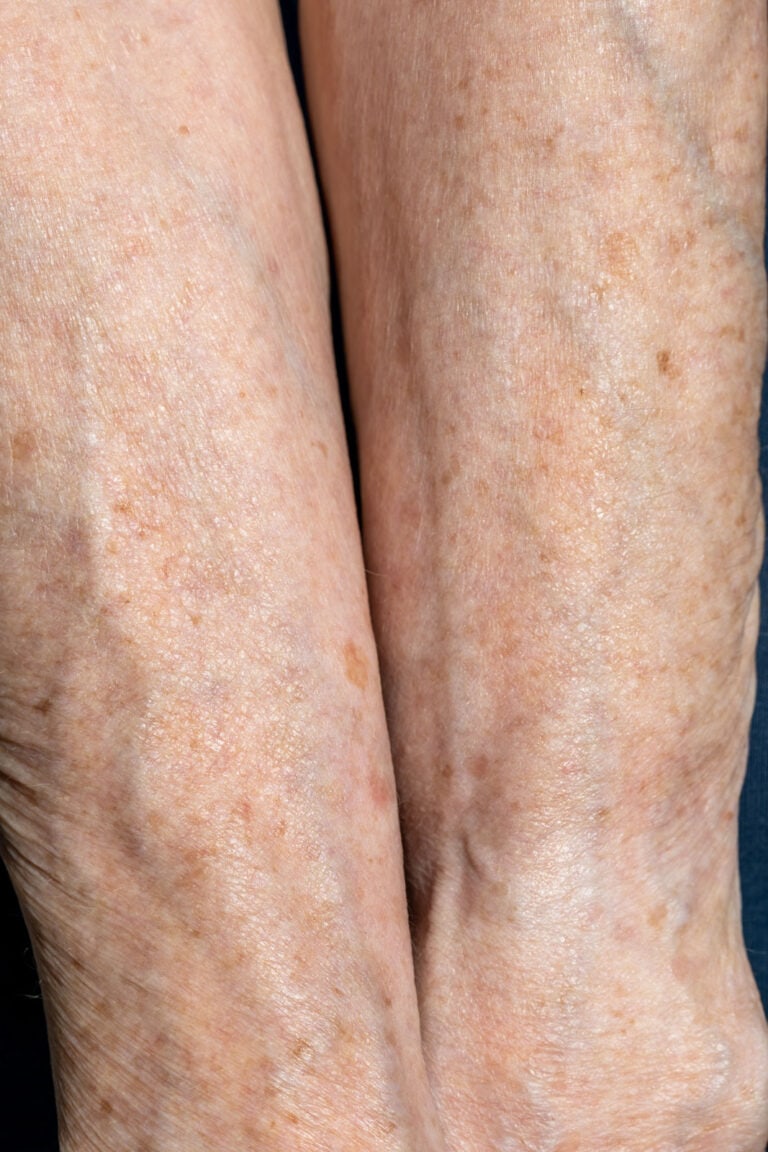
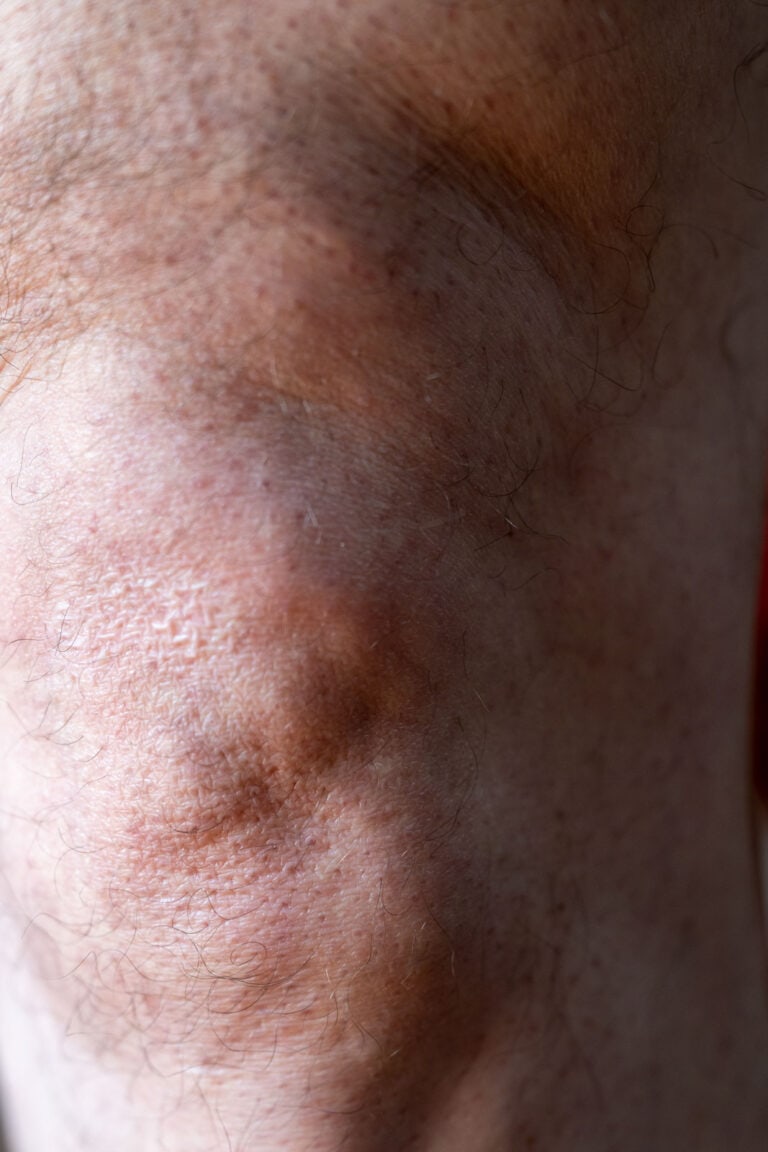
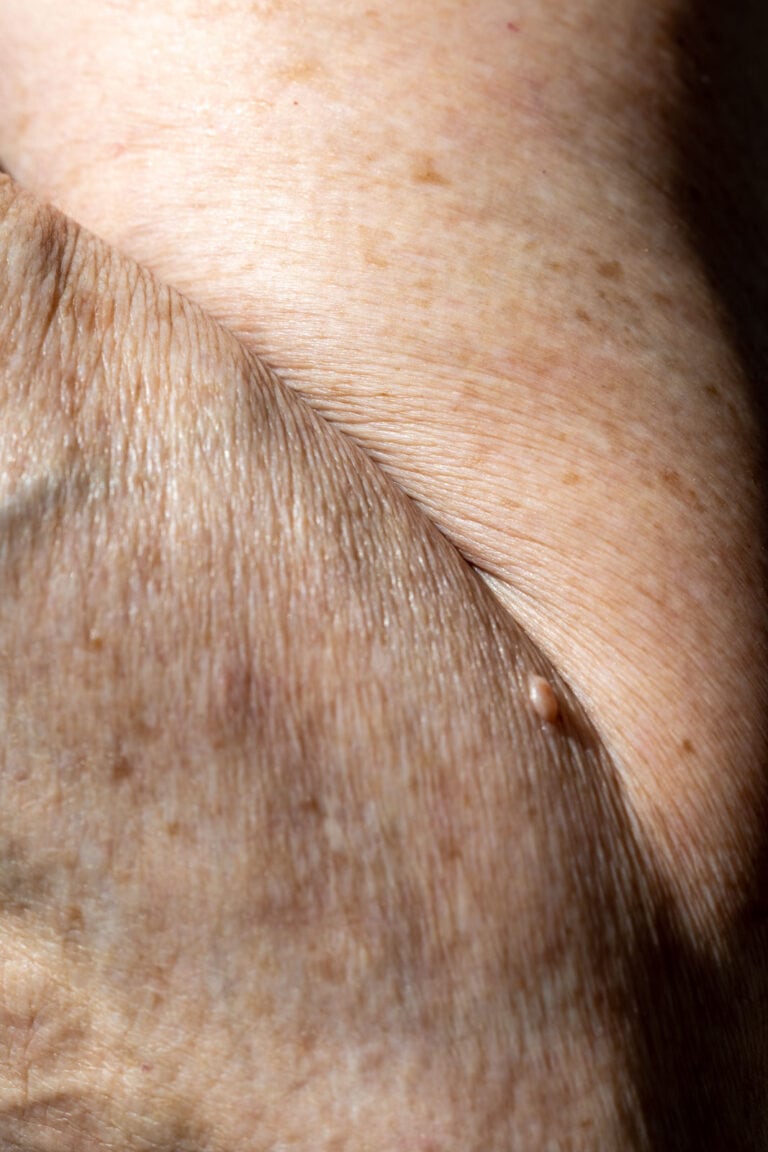
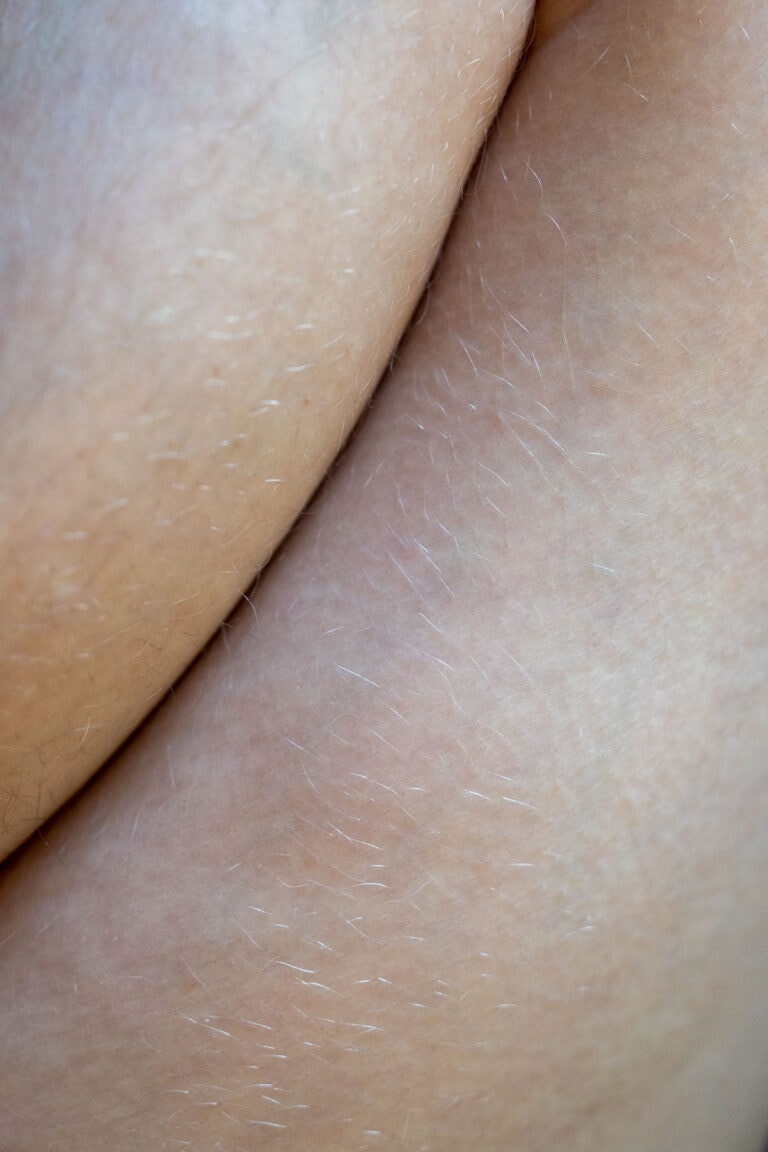
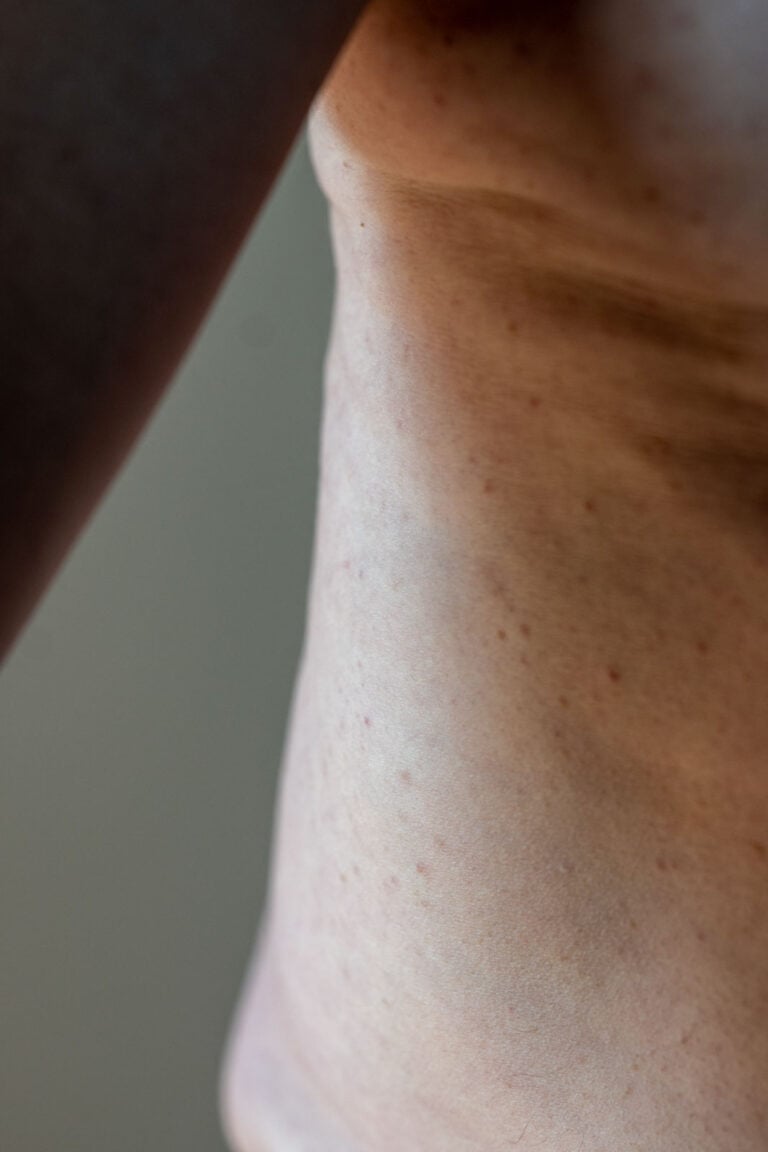

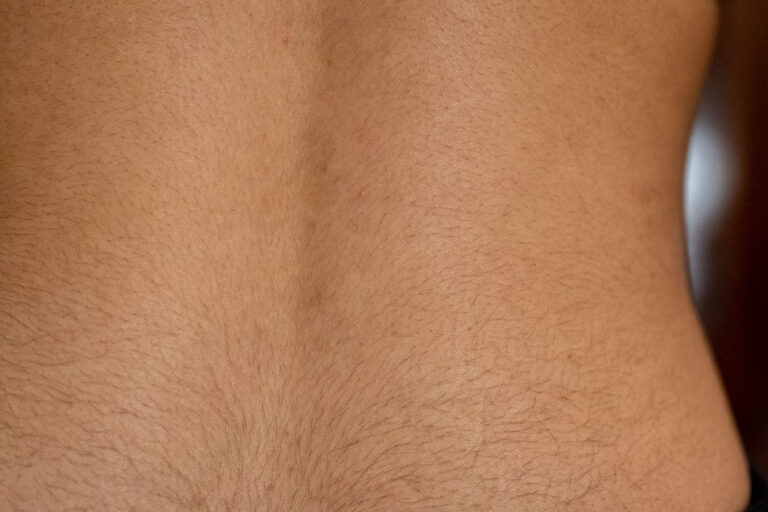
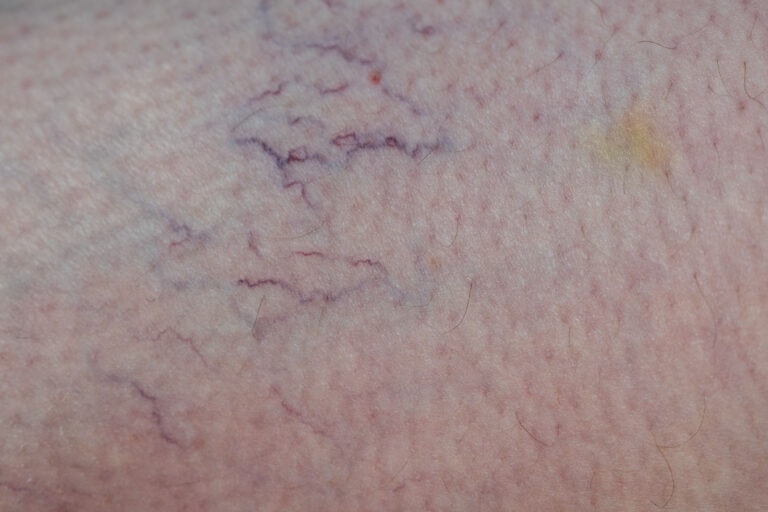
If you type the hashtag BodyPositivity into Instagram’s search bar, countless posts appear from people who match the prevailing ideal – slim and toned.
‘It isn’t only about ideals of beauty, but about the fact that fat people experience tangible structural discrimination – and that has nothing to do with this feel-good hashtag on Instagram,’ Tschorn stresses. And she is right: if you type the hashtag BodyPositivity into Instagram’s search bar, countless posts appear from people who match the prevailing ideal – slim and toned. Only after scrolling for a while do posts appear that represent the original movement.
But should we distinguish between ‘good’ and ‘bad’ body positivity? No. The movement can, however, be divided into different levels. On the one hand, body positivity has a very individual side, focused on the individual person. This is about learning to accept yourself and your body – including the changes it goes through over a lifetime. Tschorn explains: ‘You don’t have to find yourself beautiful or love yourself to be body positive – you have to treat your own body kindly and act according to your needs.’ Added to this is the understanding that a person’s worth does not depend on how closely they match society’s ideal of appearance. On the other hand, there is the political level, at which body positivity demands ‘respect for all bodies’ – and so symbolises what the movement has stood for for almost 50 years. Kathrin Tschorn explains: ‘Body positivity wants bodies to stop mattering – that we get away from this lookism and from the belief that we can read anything about people from their bodies.’
As the individual definition has risen in the media to become a new ideal of beauty, the movement’s overarching goal has faded into the background. Criticism has arisen: body positivity, critics say, glorifies an unhealthy lifestyle, encourages people to become overweight or makes them ill. Tschorn counters: ‘Body positivity is always fundamentally about respect, and it doesn’t matter at all whether someone is healthy or unhealthy, fat or thin.’
Body positivity should therefore not be understood only as what is spread under a hashtag on social media or used for marketing. The movement is rather a political concept that for decades has sought to create greater social justice and, above all, mutual respect in society.
You might also be interested in:
What is beautiful? How are body images represented on social media? And above all: which ones? Ivy Haase is a journalist who works on the subject of body positivity. By Iván Furlan Cano, Felix Posner