‘The Taliban won’t change because of sanctions’
Julian Busch spent months living in Afghanistan as the only German journalist there – and explains why pressure from outside achieves little.
By Jannis Schubert (interview), Julian Busch (photos)


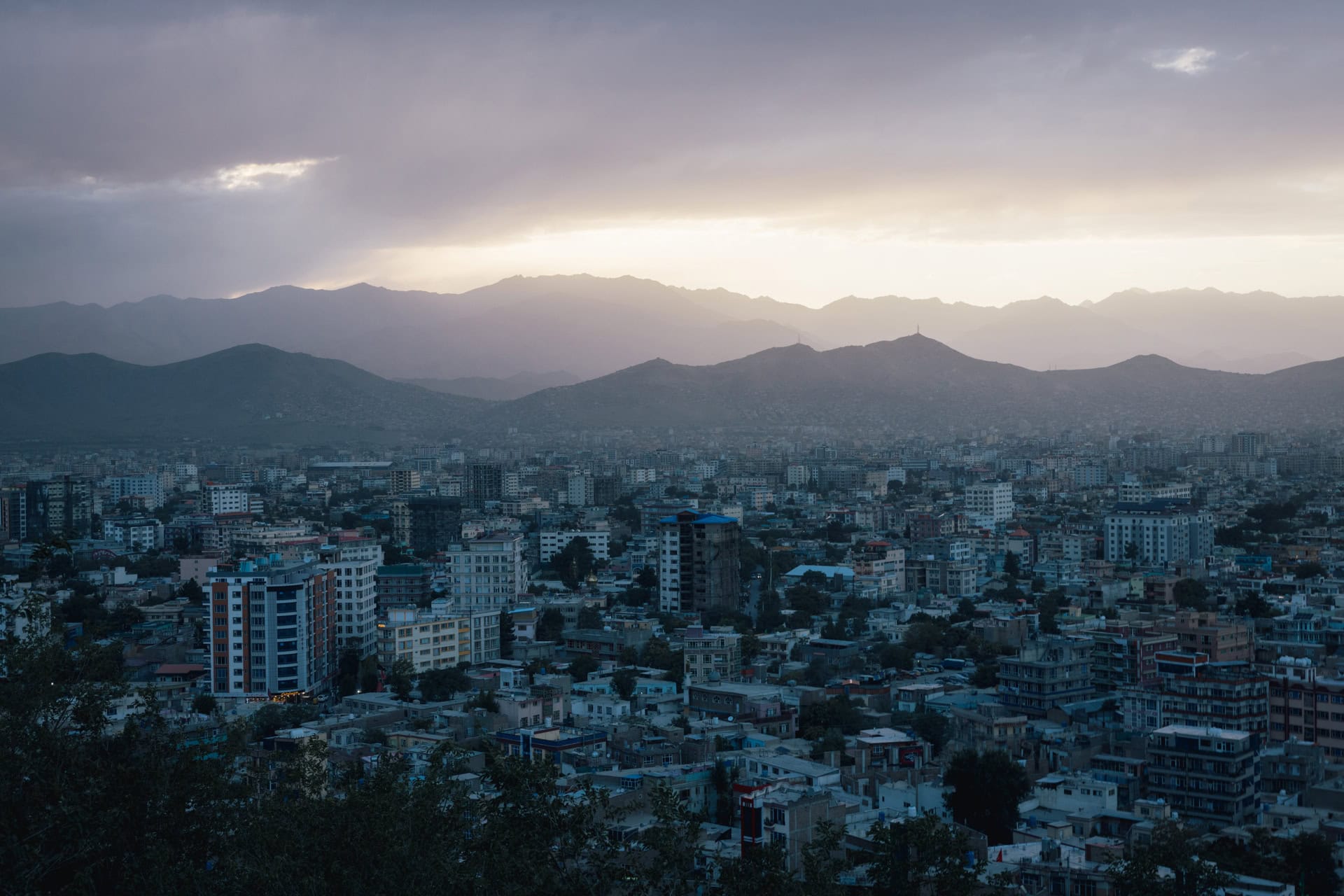
The withdrawal of Western troops and the Taliban’s return to power affect large parts of the Afghan population. International sanctions against the Taliban and the freezing of Afghanistan’s currency reserves abroad are deepening the existing economic crisis. The middle class has largely slipped into poverty, and millions of Afghans have left the country. According to a United Nations study, more than 95 per cent of the population live in extreme poverty.
At the same time, the new rules and laws are becoming ever more restrictive. Girls and women in particular suffer under the new rulers: they may only attend school up to the seventh grade. And yet, for a large part of the population in Afghanistan, there is peace. For many people – especially in rural areas – it is the first peace in almost 40 years. While international media interest is waning, the country’s future remains uncertain.
From the end of 2021 to spring 2022, Julian Busch lived and worked in Afghanistan as the only German journalist there.
 Afghanistan, 15. August 2022
The foreign minister of the Islamic Emirate, Amir Khan Muttaqi, speaks at a press conference marking the first anniversary of the Taliban takeover in August 2022. To this day, no country in the world has formally recognised the Taliban government.
Afghanistan lives from its contradictions and contrasts: there is great hospitality and warmth among the people, but also envy and resentment.
 Julian Busch
What fascinates you about Afghanistan?
Afghanistan is a very intense and multifaceted country that can quickly cast a spell on you. After the fall of the old government, I travelled around the country for a few weeks and soon realised that such a short time wasn’t enough to get to know it more deeply. The people we met were as diverse as the landscapes – from barren, beautiful mountains to green forests and endless steppe and desert. Afghanistan lives from its contradictions and contrasts: there is great hospitality and warmth among the people, but also envy and resentment. Forty years of war have left a massive mark on society. I wanted to understand more, and so I stayed.
How were you, as a European, able simply to live there and even work as a journalist?
I lived in Kabul in an apartment building with a big garden and worked quite normally with a permit from the Taliban. After the end of the war, the security situation in Kabul improved quickly, even though there were still many attacks at first.
Around the country I always travelled with two different interpreters and fixers – ‘stringers’, as we journalists call the people who accompany us on our trips. They assess the security situation, are well connected in the country and know the regional cultural customs. They have a major influence on how the research develops and know how to negotiate with the Taliban in tricky situations. We spent a lot of time together, and deep friendships grew out of it.
What was it like for you, as a Western journalist, to work under the Taliban?
You need a work permit from the Afghan foreign ministry, but then you are officially accredited and can work normally – even if you need special permission for many things, such as visiting different provinces. At first it was very easy; we often drove through large parts of the country for days without any problems. Now, however, the Taliban hardly admit any foreign journalists; it has become difficult to get into the country at all.
Our encounters with the Taliban on the ground varied greatly: many welcomed us with open arms, asked us curious questions at checkpoints and local ministries and invited us for tea or a meal. Others detained us for hours, pointed their rifles at us or went for us with clubs – for example when we accompanied protests by Afghan women activists.
Of course I had a massive privilege and could do many things that are denied to my Afghan colleagues. They are severely repressed by the Taliban. There is no press freedom in Afghanistan, and it has become almost impossible for Afghan media to work independently. I, on the other hand, could leave the country at any time. I think that, especially as a journalist from a Western country, you always have to be aware of that.
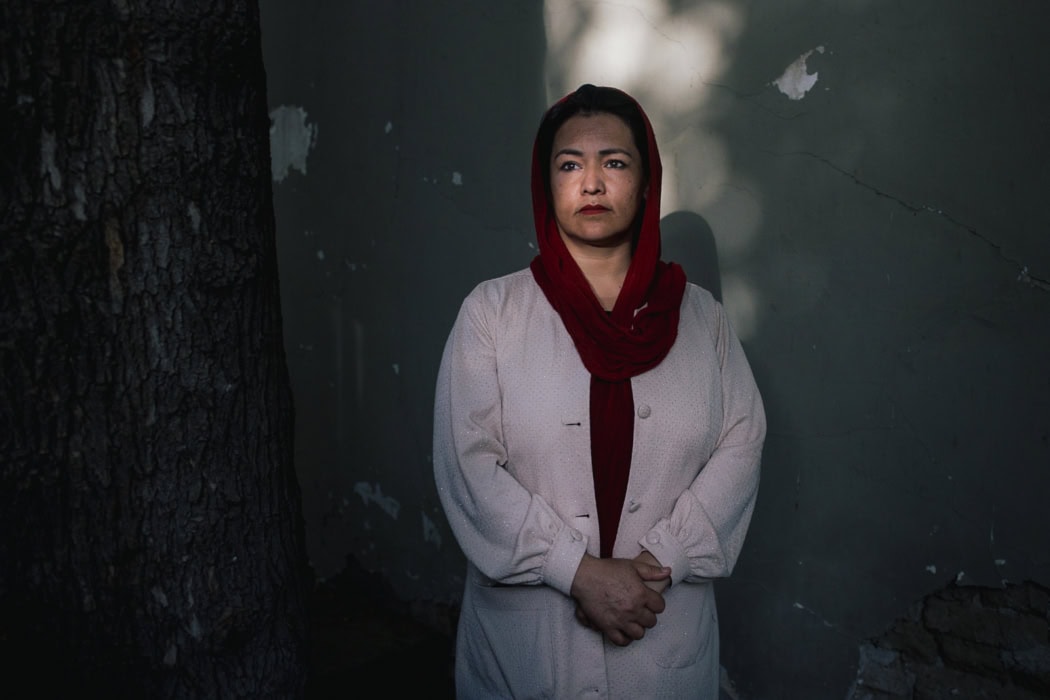 Afghanistan, May 2022
Until the Taliban took power, Zouhlia P., a trained teacher, worked as a secretary in the office of the former chief executive Abdullah Abdullah under the then president Ashraf Ghani. After the takeover she was one of the main organisers of the women’s protests in Kabul, until the Taliban imprisoned her for several months.
There is a strong sense of resignation among the population, which has ultimately also led to acceptance of the new rulers.
Julian Busch
Is everyday life in Afghanistan really so different from our prejudices and clichés?
Everyday life is shaped by the Taliban’s restrictive policies and the economic crisis. Today the country is one of the most restrictive in the world for women and girls, and the situation has deteriorated rapidly since the takeover in 2021. But of course it also depends very much on where in the country you are.
What many visitors, who often only stay in Kabul and the larger cities, overlook is this: for many Afghans there is peace for the first time in over 40 years. In the country’s rural regions in particular, above all in the south, people suffered from the constant fighting and from the previous government’s corrupt system. There is a strong sense of resignation among the population, which has ultimately also led to acceptance of the new rulers.
It may sound paradoxical, but the story of my interpreter, whose sisters can no longer finish their education because of the Taliban, is different from that of a farmer whose children may now be able to go to primary school safely for the first time.
What could the international community do for Afghanistan?
I think the international community has to learn to come to a long-term arrangement with the Taliban and look for ways to help the population in the long term. The country is still in one of the biggest humanitarian crises in the world. The Taliban still want international recognition of their government and a return to the United Nations. But the Taliban won’t change just because we isolate them from outside or impose sanctions on them. We should keep pushing for respect for human rights and democratic values, but this dialogue could take years or decades. Until then, we should find ways to help the population.
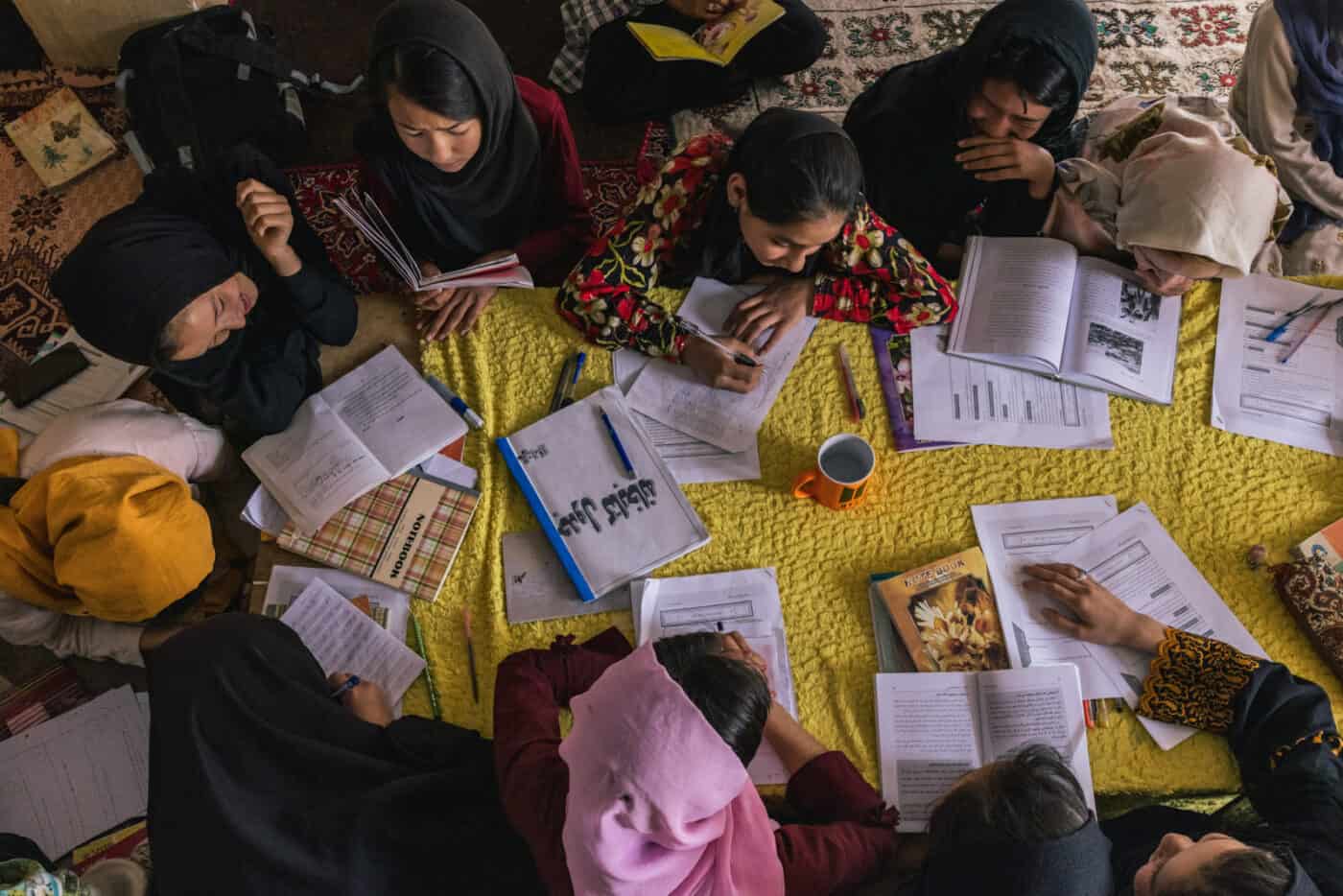 Afghanistan, 3. August 2022
A secret girls’ school in Kabul’s Dasht-e Barchi district. Since the Taliban came to power, girls have been banned from attending school beyond year 6.
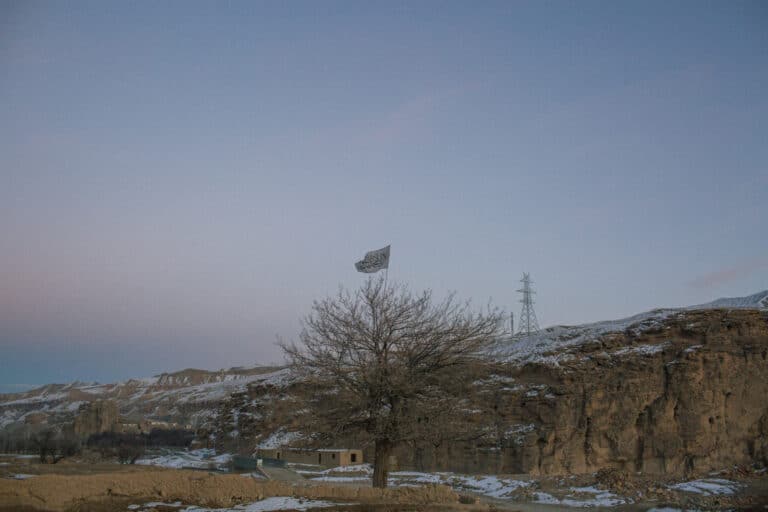 Afghanistan, 13. Januar 2022
A flag of the Islamic Emirate in Bamiyan province in central Afghanistan. The province was once known for the Buddhas of Bamiyan, which were partly blown up in 2001 under the first Taliban government.
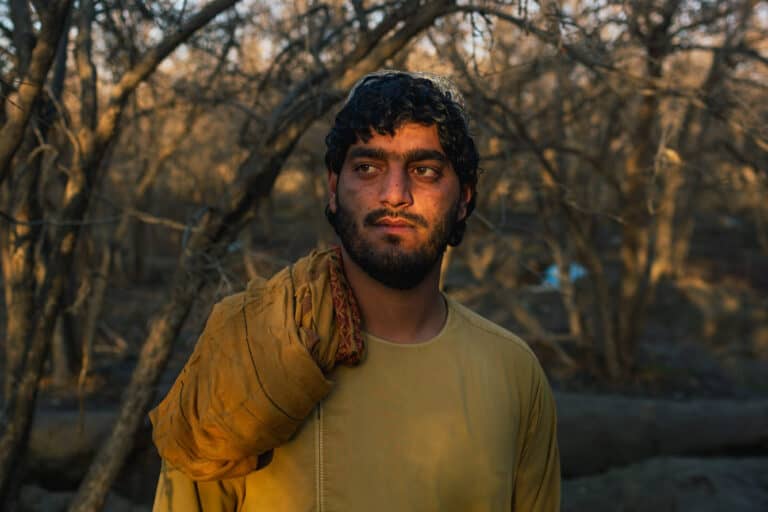 Arghandab, Kandahar, January 2022
The farmer Nahi Bullah in his pomegranate orchard in the Arghandab Valley in Kandahar province. Many of his trees have almost died over the past two years because of drought and bear hardly any fruit. Afghanistan is one of the ten countries in the world hit hardest by climate change.
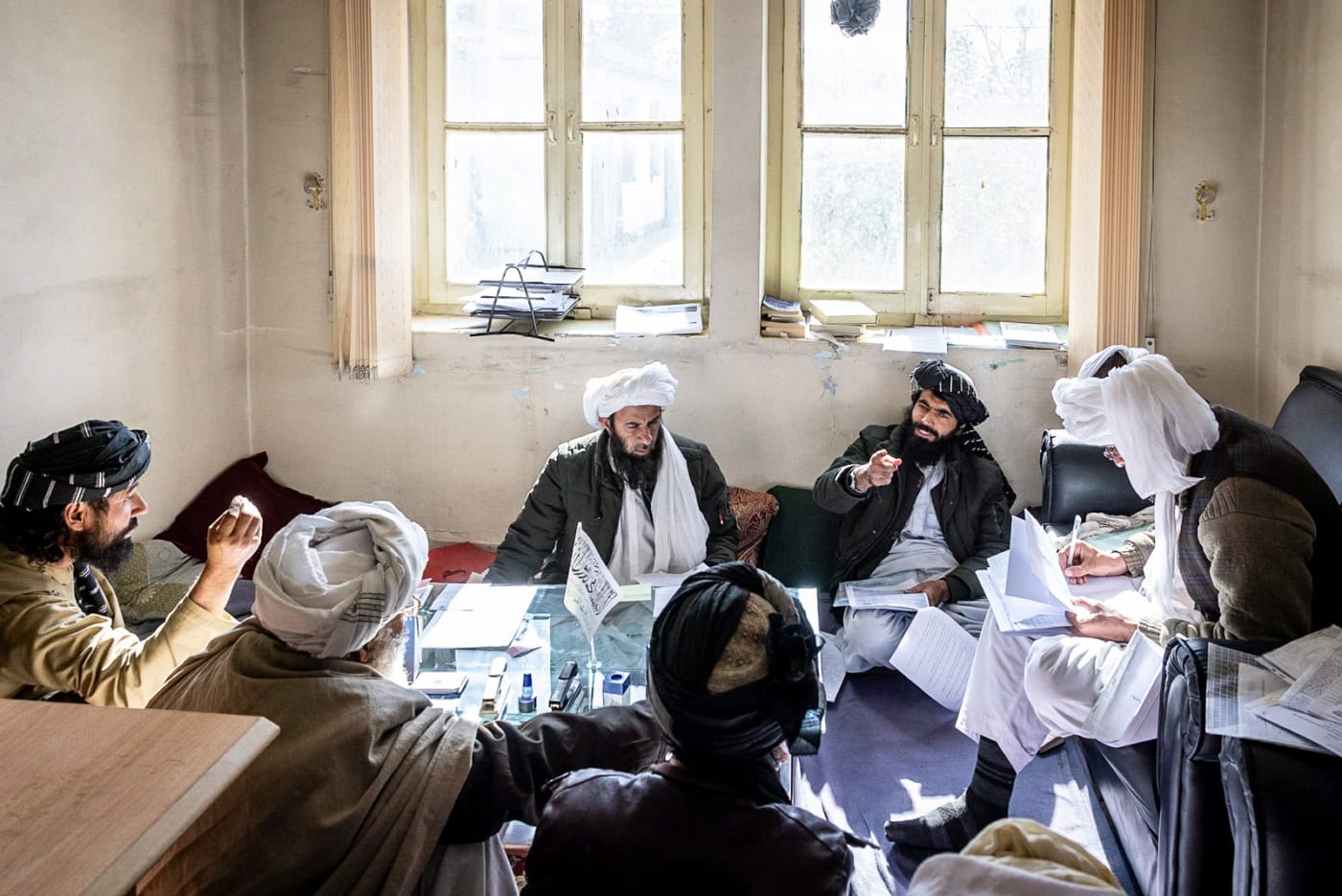 Ghazni, November 2022
Taliban Islamic scholars hear a land dispute between two farmers at the sharia court in the city of Ghazni. Even before they took power, the Taliban had set up secret shadow courts across the country, where they dispensed justice and heard cases according to their interpretation of sharia. The efficiency and continuity of these courts quickly made the Islamists increasingly popular, as they contrasted with the often deeply corrupt courts of the previous government, which had left people increasingly uncertain about their legal rights.
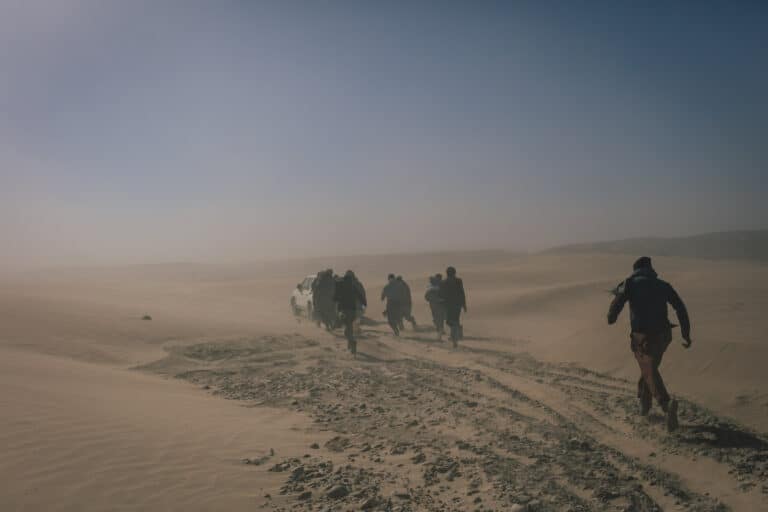 Belutschistan, Afghanistan, Februar 2022
Every day, Afghans flee with the help of smugglers from the south-western province of Nimruz across the Baluchistan desert into Iran. This is now the only route across the border for those who cannot afford a visa for one of the neighbouring countries.
 Nimroz, Afghanistan, February 2022
Afghans deported from Iran cross the Silk Bridge, the border crossing between Iran and Afghanistan in Nimruz province. Since the Taliban took power, millions of Afghans have left the country for neighbouring Pakistan and Iran, where they are usually denied the right to stay permanently.
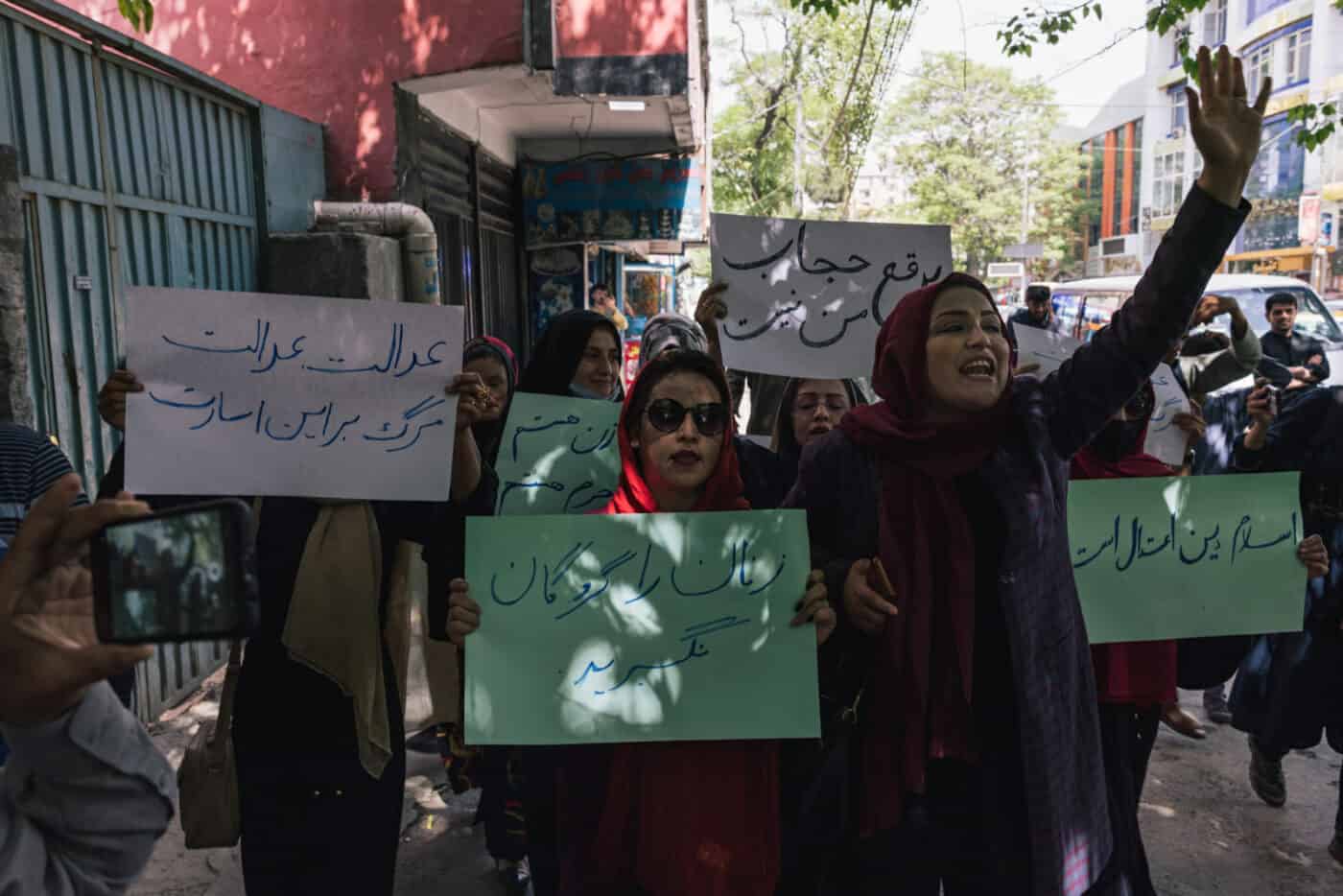 Shar-E Naw, Kabul, 10. Mai 2022
Afghan women activists demonstrate in Kabul’s Shahr-e Naw district against a Taliban veiling decree. After the Taliban took power there were repeated protests and demonstrations against the new rulers’ restrictive rules. Today the country is one of the most restrictive in the world for women and girls. As well as attending school and university and working in most professions, they are banned from most public places such as parks, gyms and swimming pools.
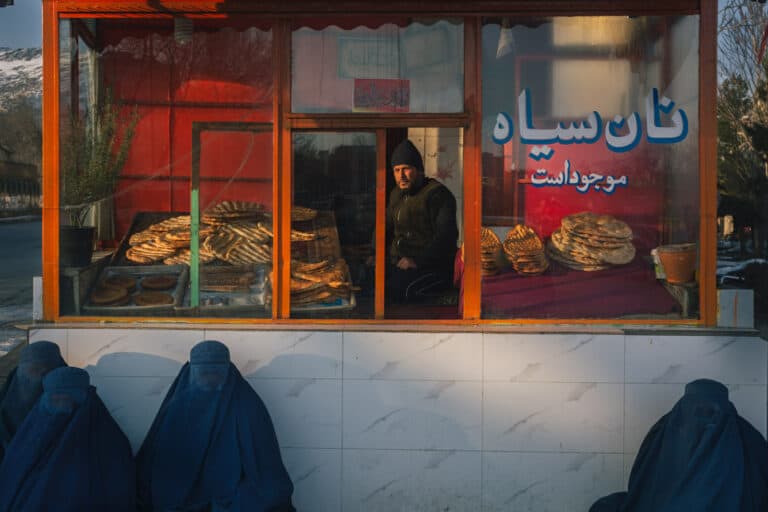 Kabul, Afghanistan, 09. Januar 2022
Women begging outside a bakery in Kabul’s Karte Char district. After the Taliban took power, the Afghan economy collapsed as Western aid dried up and international sanctions took hold. At times almost half the Afghan population depended on humanitarian aid.
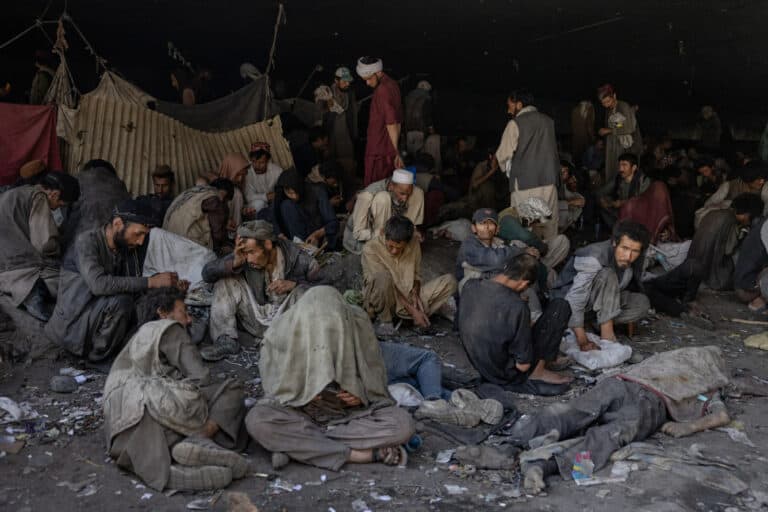 Pol-e Soktha, Kabul, Afghanistan, 04. August 2022
Drug users under a bridge in Kabul’s Pol-e Sokhta district. After seizing power, the Taliban rounded up hundreds of drug users across the capital and took them to former US military bases that had been turned into makeshift rehabilitation centres. According to the US Bureau of International Narcotics and Law Enforcement Affairs, at times up to three million of Afghanistan’s roughly 40 million people were addicted to drugs.
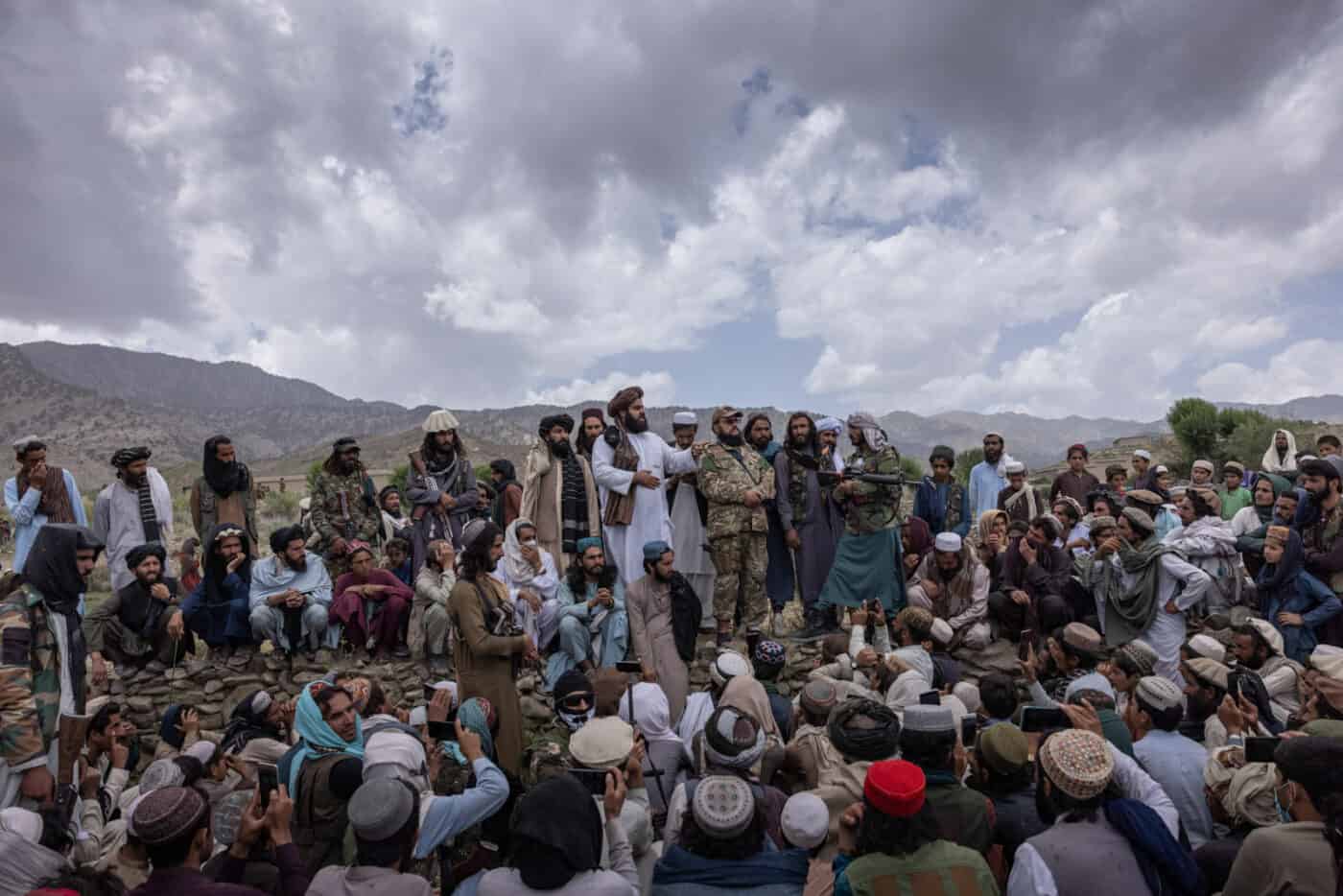 Afghanistan, 23 June 2022
A Taliban governor promises government help at a rally in Khost province. The day before, an earthquake in the east of the country had destroyed thousands of homes and killed more than a thousand people.
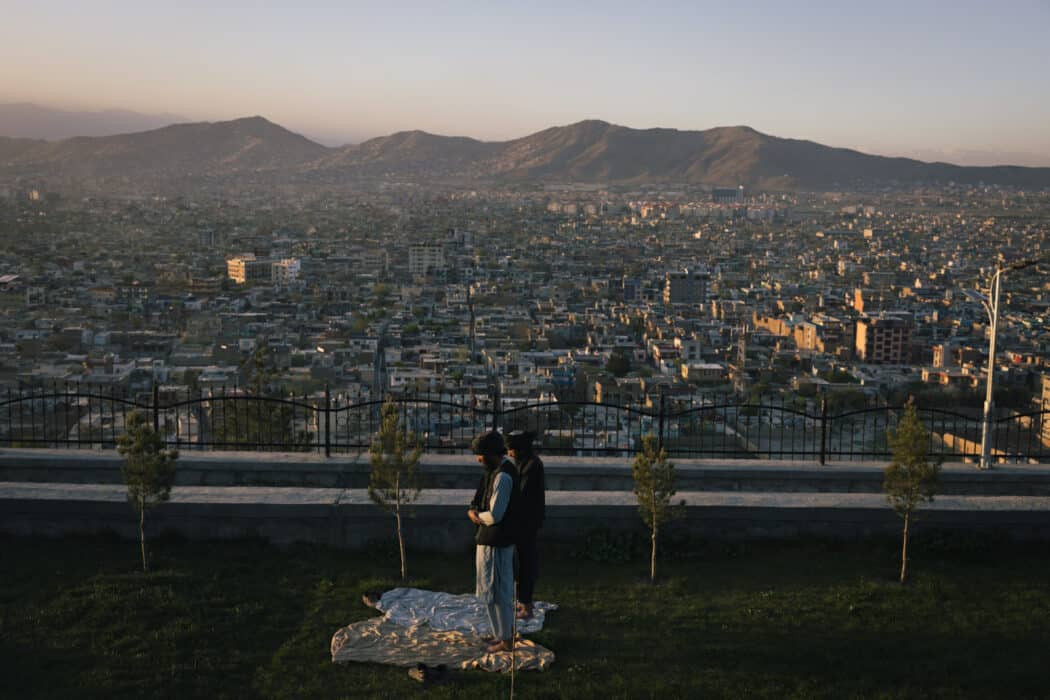 Kabul, Afghanistan, 31. März 2022
Two Taliban fighters pray on Wazir Akbar Khan hill in Kabul.