How my ideals led me into anorexia
Even at nursery I wasn’t particularly sporty. I was never too fat, though in my eyes I perhaps weighed a few kilos too much. But I never thought I would ever become so ill. By Anna Saathoff
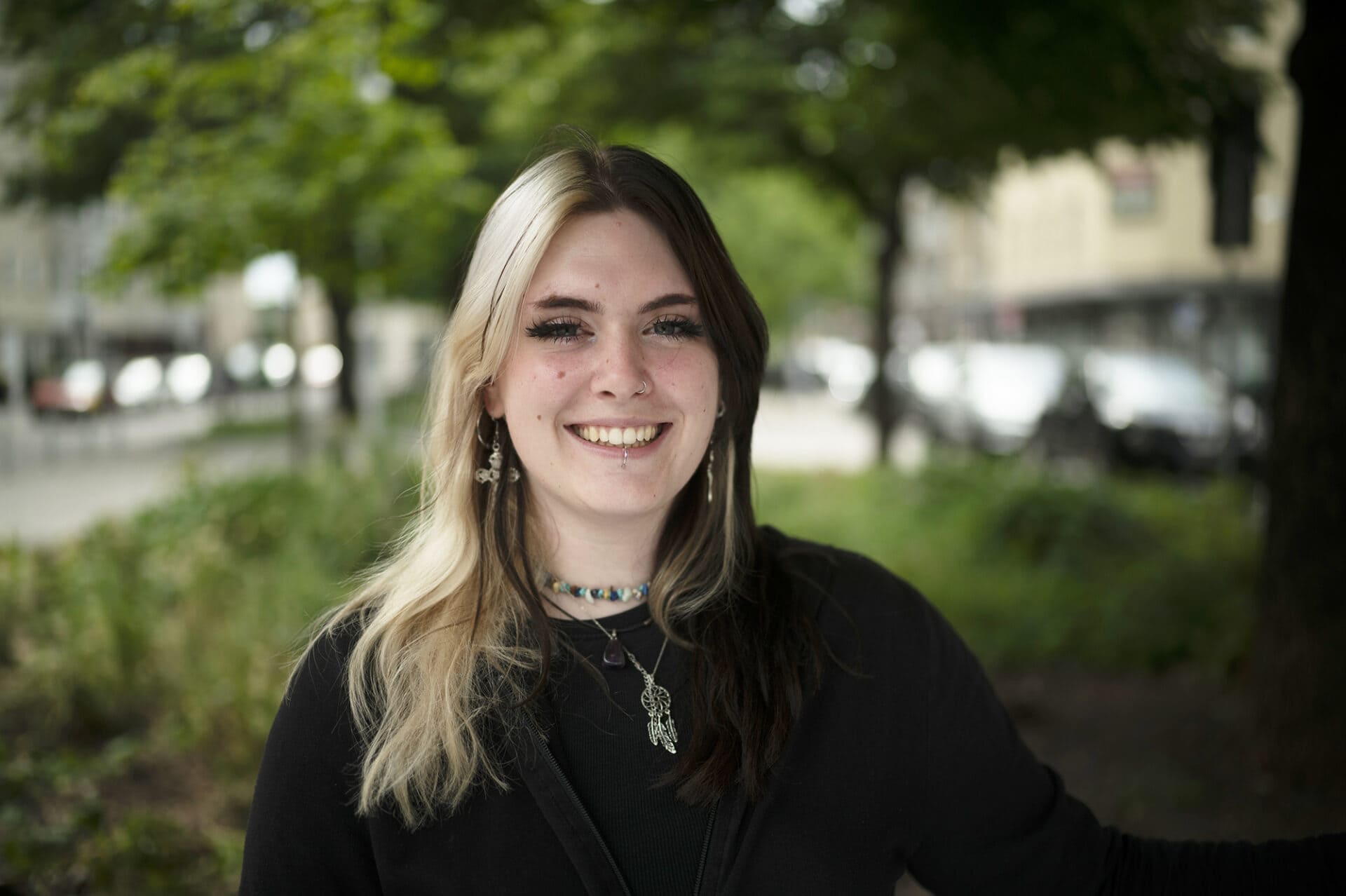
There it is, on the referral the doctor gave me: anorexia nervosa. I never thought I would be affected. Until that moment I had only ever associated anorexia with thin, skeletal people – and I didn’t look like that. What’s more, I was obsessed with food. But there it was in black and white, and so it was official.
Anorexia is an illness that affects many young people, usually between the ages of 12 and 14. Girls and young women are at greater risk than boys and young men, according to a study by the Robert Koch Institute. I belonged to the risk group.
It all began in 2019, when I decided to do more sport to lose weight. I tried to emulate women I saw online. In my eyes, not only their bodies but also their lives were perfect. I wanted to look like them and be like them, whatever the cost.
Frequent training brought quick results. I lost weight, and over time you could see the beginnings of my muscles, which earned me compliments and praise. I quickly reached the target weight I had set myself. I decided to lose even more. I began skipping meals and eating as few calories as possible.
Frequent training brought quick results. I lost weight, and over time you could see the beginnings of my muscles, which earned me compliments and praise.
Even after reaching that goal, I still wanted to lose more, to see lower numbers on the scales. I was chasing the horizon – a goal I could never reach.
After that I began to isolate myself more and more and preferred going to the gym to meeting friends. I was in a bad mood all the time, I was cold and my hair fell out in clumps. I also watched cooking videos online, or videos of people eating, while not allowing myself to eat. I was terrified of gaining weight.
My family and friends suffered with me because of the eating disorder. Finally, after a visit to the doctor, I was referred to a therapist and a nutritionist. A friend, Zoe, also had anorexia, and we talked a lot about the illness. Our triggers were similar, as we both spent a lot of time online, where we were told how we should look.
We are both well now, but we also know that the illness will always be part of us. We still struggle regularly with unhealthy thoughts and the way we perceive our bodies, but we have reached a relatively healthy relationship with food and exercise.
Even so, anorexia should never be taken lightly: the death rate among those affected is five times higher than among people of the same age without the illness. One in five deaths is a suicide. The likelihood of taking one’s own life is 18 times higher, according to an article by the Federal Centre for Health Education. But recovery is possible.
‘Fighting this illness is very exhausting, but really brave,’ says Zoe. ‘So I wish everyone affected perseverance and courage, because being healthy and free is so much better than restrictions, prohibitions and control.’