‘I was a Hitler caricature from a bad Hollywood film’
He used to march through the streets in a leather coat, carrying the Reich war flag, giving hate speeches and dreaming of the great revolution. Today Axel Reitz works in extremism prevention. A portrait by Janek Stempel (photos), Henrike Meyer and Melina Schaefer (text)


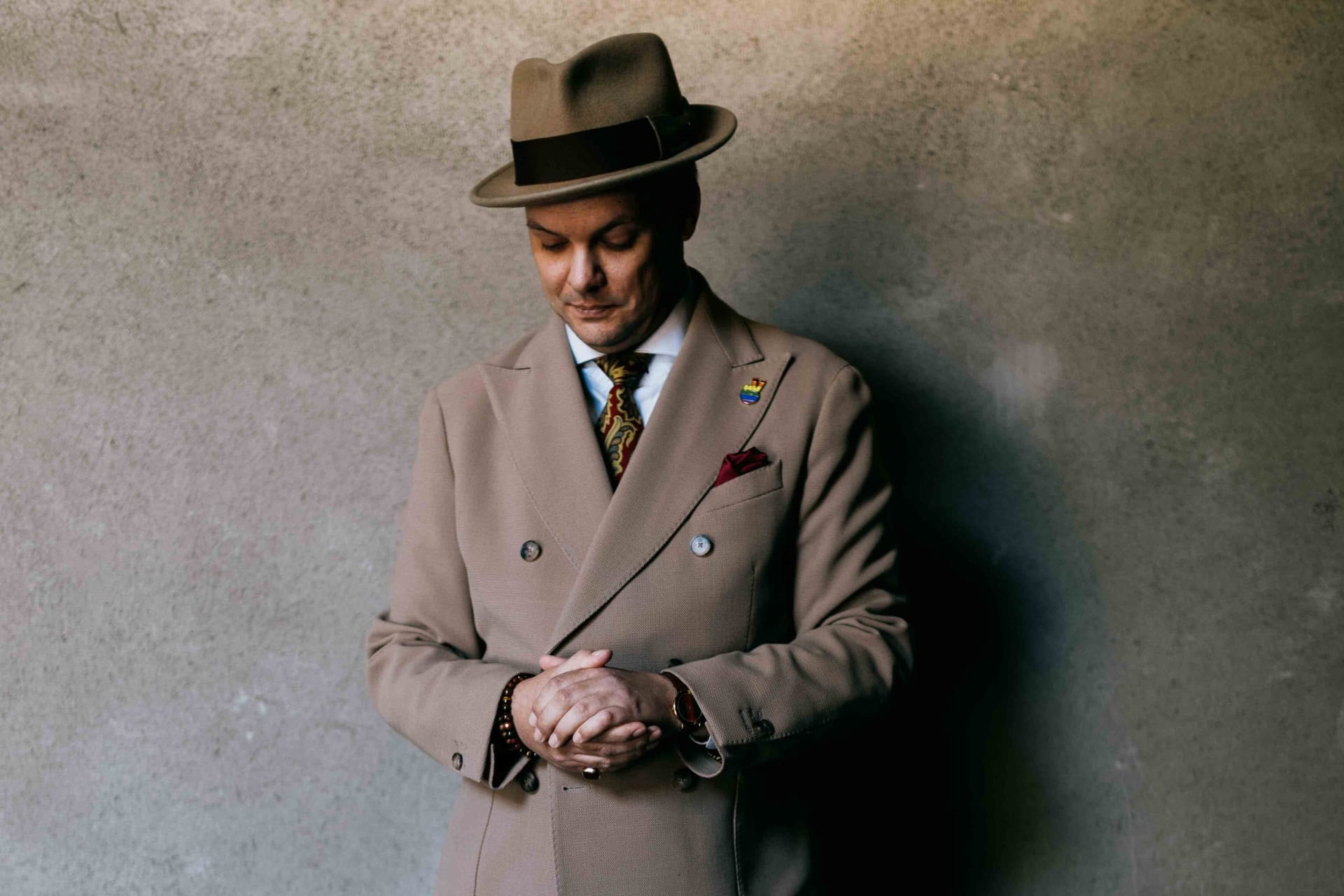
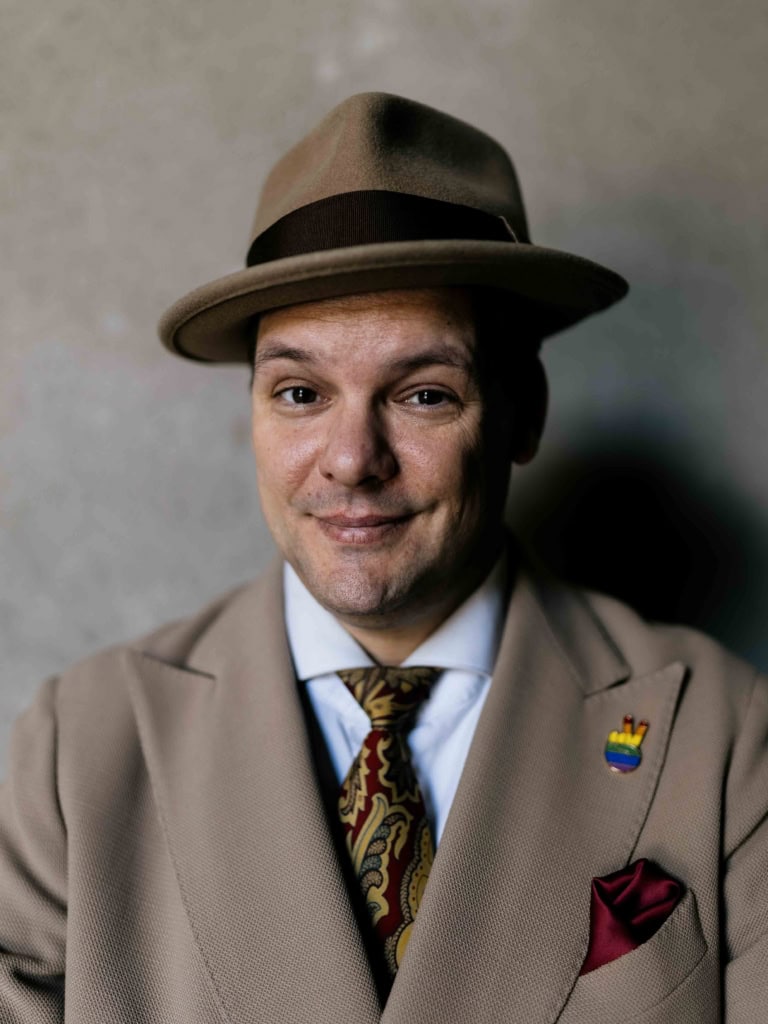
Beige hat, beige suit, patterned tie – Axel Reitz dresses a little like a gentleman from the 1920s: elegant, classic and, at first glance, a touch old-fashioned. Look again and you notice a colourful badge above the dark red pocket square – a rainbow-coloured hand making the peace sign.
Axel Reitz was once one of the best-known figures on the German neo-Nazi scene – the ‘Hitler of Cologne’, as the media and his opponents called him. But his transformation into a right-wing extremist was neither simple nor straightforward; it was shaped by rebellion, the wrong role models and a deep longing for recognition. The feeling of being oppressed and not allowed to voice his opinion left a strong mark on him.

The model pupil
Axel Reitz was a good pupil, especially in subjects that involved a lot of talking, such as religious education, politics, social science and history. His favourite teacher – religious education and social studies – was very committed and tried to bring democracy to life for her pupils. So when he was 13, his class set up a youth parliament.
For this, he was asked to collect the manifestos of all the minor parties in Germany that were not represented in the Bundestag. Night after night he sat at his little desk and wrote to around 90 parties. He made a collage from the replies – and got an A-star for it.
But then, Reitz recalls, ‘my teacher said: “Before we show it to your classmates, a few of the right-wing parties have to go.”’ He simply didn’t understand it at the time, he says. ‘She just tore the manifestos out of the collage. That made me really angry and reminded me of my old man.’
A domineering father
Because when Axel Reitz thinks back to his childhood, he thinks of a father who was like a dictator to him. Voicing an opinion was not welcome. He quickly felt unheard – a feeling that burned itself deep into his identity.
‘If my father said the sky was blood red, I could have brought in the whole of NASA to tell him, “Mr Reitz, the sky has been blue since the days of Copernicus,” and my father would simply have said they didn’t have a clue, and if he said so, that’s how it was.’
To Reitz, this felt like censorship, he says. He didn’t want to be suppressed any longer, let alone be talked out of looking into certain things. Not by his father, and not by his teacher. And so he ended up at a meeting of Germany’s oldest far-right party – the NPD. He told his parents he was meeting a few mates for pizza and PlayStation. ‘Which, looking back, is what I should have done,’ Axel Reitz says today.
Frequent visits to the NPD
The meeting discussed the legal requirements for information stands and standing in elections. For the 13-year-old Axel Reitz, it was boring, he says – a ‘real yawn’. He was about to leave when one of the leaders suddenly introduced him to the whole group. As a boy with backbone who wouldn’t be told what to think and wanted to make up his own mind. There was huge applause.
Today he knows: ‘That was exactly the key moment when I knew where I wanted to be. I wanted to rebel against what I felt was censorship and oppression.’
From then on he developed a ‘basic sympathy’ and regularly went to meetings of NPD members. He listened to what they stood for and what views they held: there was no freedom of speech, Germany was controlled by the powers that had driven it into war and were still pulling the strings in politics and business. Axel Reitz came to believe that his new acquaintances were the only ones who had recognised this state of affairs and dared to speak about it. At home, too, he kept studying propaganda material and felt more and more vindicated.
I didn’t even notice how one-sided and hate-filled the whole thing was.
 Axel Reitz
Convinced he was on the right side
In the roughly 15 years of his far-right activism, Axel Reitz spoke at countless neo-Nazi events, organised demonstrations and travelled across Germany and Europe to network with like-minded people – always in search of more influence and importance. At the same time, he paid a high price: after coming out as a convinced National Socialist, he lost the support of his family, was thrown out by his parents, eventually dropped out of school and lived in isolation for a long time.
A growing sense of loneliness was as much a part of his life as prison sentences for incitement to hatred and other offences. The everyday life of an ideologically driven offender – but also the breeding ground for later doubts.
With extremism, and especially right-wing extremism, Reitz says, ‘you have a magnificent black-and-white picture’. There are no shades of grey, no different perspectives, only good and evil, light and dark. You are convinced, he says, that you are always on the right side yourself.
Your own group appears morally superior: ‘They’re all noble, great characters, thoroughly decent.’ Everyone else, by contrast, is seen as depraved, naive or manipulated – you can’t have anything to do with them. But at some point, he says, reality catches up with you. You realise that your own scene is by no means made up only of ‘great people’.
Until the world view crumbles
Over the years, cracks appear in Reitz’s world view. He has bad experiences within the far-right scene and more and more positive experiences and good conversations with people outside it. He notices that the great revolution he was promised hasn’t come and that Germany hasn’t collapsed. ‘The scene dreams of the old slogan “One people, one Reich, one Führer” – but the reality within the scene is “No people, no Reich, but a thousand Führers”,’ he says.
For fifteen years, Axel Reitz defines himself solely through his activity on the far-right scene. Then he falls into a deep hole. Depression. He makes up excuses when he is invited to speak. He no longer knows who he is and wonders whether it has all been for nothing. A personal low point – until, suddenly, a police special operations unit is at his door and arrests him for supporting criminal structures. Reitz is remanded in custody and thinks a great deal about his life. He decides to cooperate with the police – an absolute no-go on the scene.
It is a decision there is no going back on. All or nothing. It is a door behind which a new chapter lies – perhaps even a new life.
Looking for kindred spirits
At first, Axel Reitz has nothing left but the hatred and hostility of his supposed friends from the scene. He needs to talk to people who can understand how he feels, who have been through something similar and can give him advice. He seeks out other people who have left the scene and meets Andreas Mohler – a former NPD official who had lost his job as a teacher because of his far-right activities. Mohler persuades him to seek help from an exit programme.
Change is possible if you’re prepared to set out on the journey.
Axel Reitz
It was one of the best decisions of his life, he says, because the people there were highly competent and helped him enormously. ‘They worked through the whole thing with me intensively and deconstructed my entire world view – and still stood by me and held out a hand. That gave me back my faith.’
Reitz realises that the people he spent fifteen years with, stood side by side with, fought alongside and shared everything with, now despise him. They agitate against him, call him a traitor and chant for his execution – while the people he agitated against and fought are now holding out a hand and offering him help.
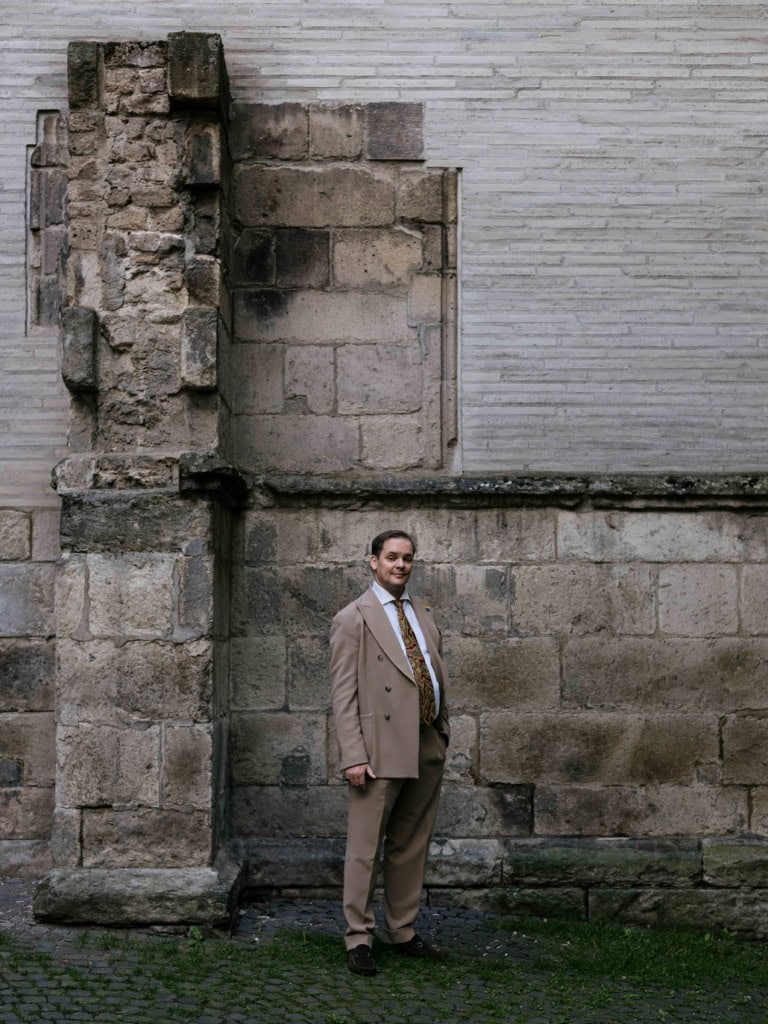
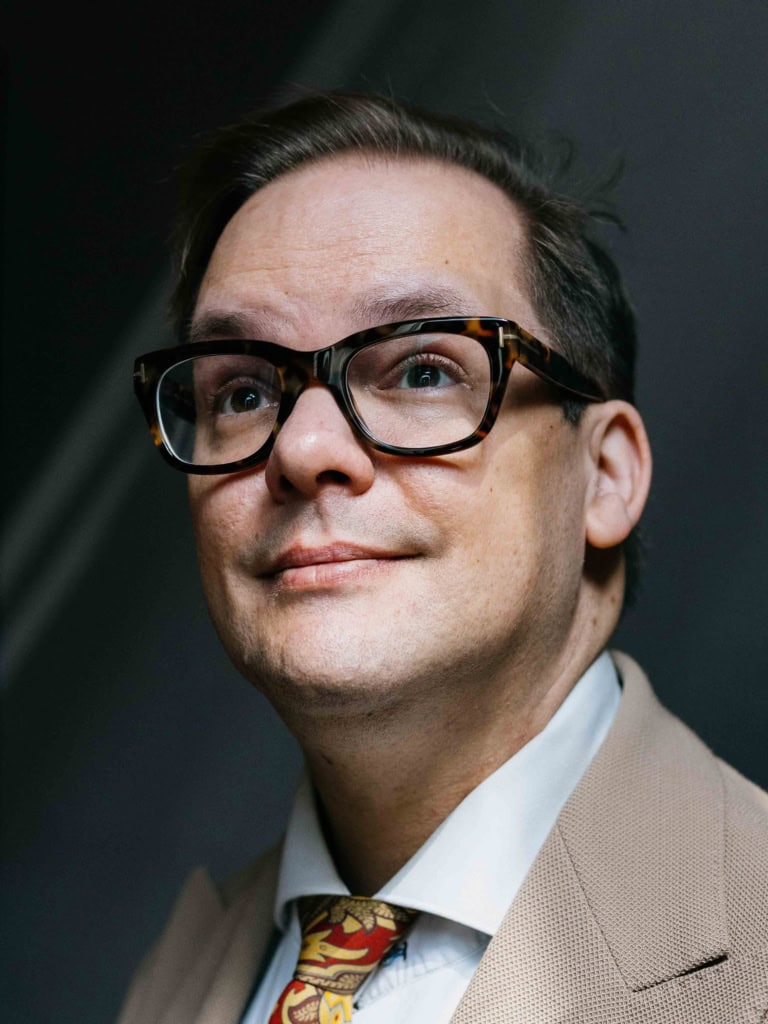
Today he leads a fulfilling life. He doesn’t miss the leather-coat days one bit. He takes responsibility for his past and sees it as his task to show others that change is possible. ‘Screwing up is part of life – but don’t think that afterwards you’ll be left on your own and can’t come back.’
His commitment and a sense of responsibility led him to tell his story – in schools, in anti-violence training sessions, to people who want to hear his message and to those who reject it. He wants to warn others so that they don’t make the same mistakes. His goal is to lead a normal life – free of hatred and prejudice – and to give others courage: ‘Change is possible if you’re prepared to set out on the journey,’ Reitz says.