A professional dancer at the limit: six and a half hours of training – every day
Robert Robinson dances to the point of pain – knowing that a single misstep could end everything he has worked for over the years.
By Luise Moormann (text), Kai Weise (photos)


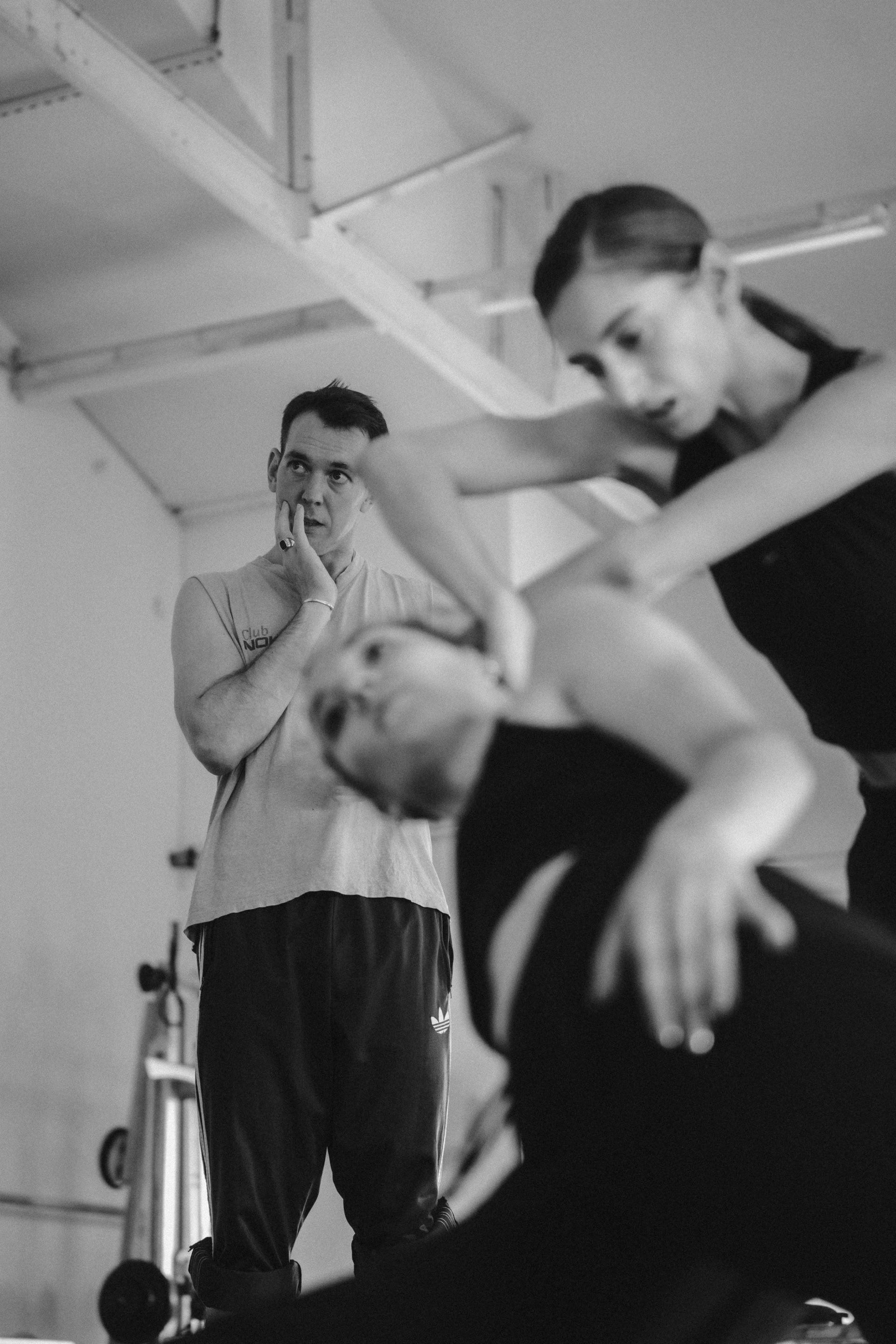
‘Yeah, beautiful!’ Robert Robinson calls out as he watches two dancers in the rehearsal studio of the Staatsballett Hannover. They spin, stretch their arms, let themselves fall. The 31-year-old has danced with the company since 2019 and for the past two years has also been choreographing. His new piece, ‘Nobody knows’, will soon be performed – and even in rehearsal it’s clear that what looks so effortless on stage is hard physical and mental work.
Three and a half hours of training on Saturday morning are followed by another three. A dancer earns around 3,500 euros gross a month, according to calculations by ZEIT ONLINE based on data from the Federal Employment Agency. Robinson has devoted his life to dance: his passion for classical ballet began when he was five. After graduating from the John Cranko School in Stuttgart, he joined the Stuttgart Ballet. But the path is rocky. ‘Classical ballet in particular revolves a great deal around a particular body aesthetic,’ he says. When he was young, he doubted whether he could live up to that ideal.
Rehearsal at the Staatsoper Hannover.
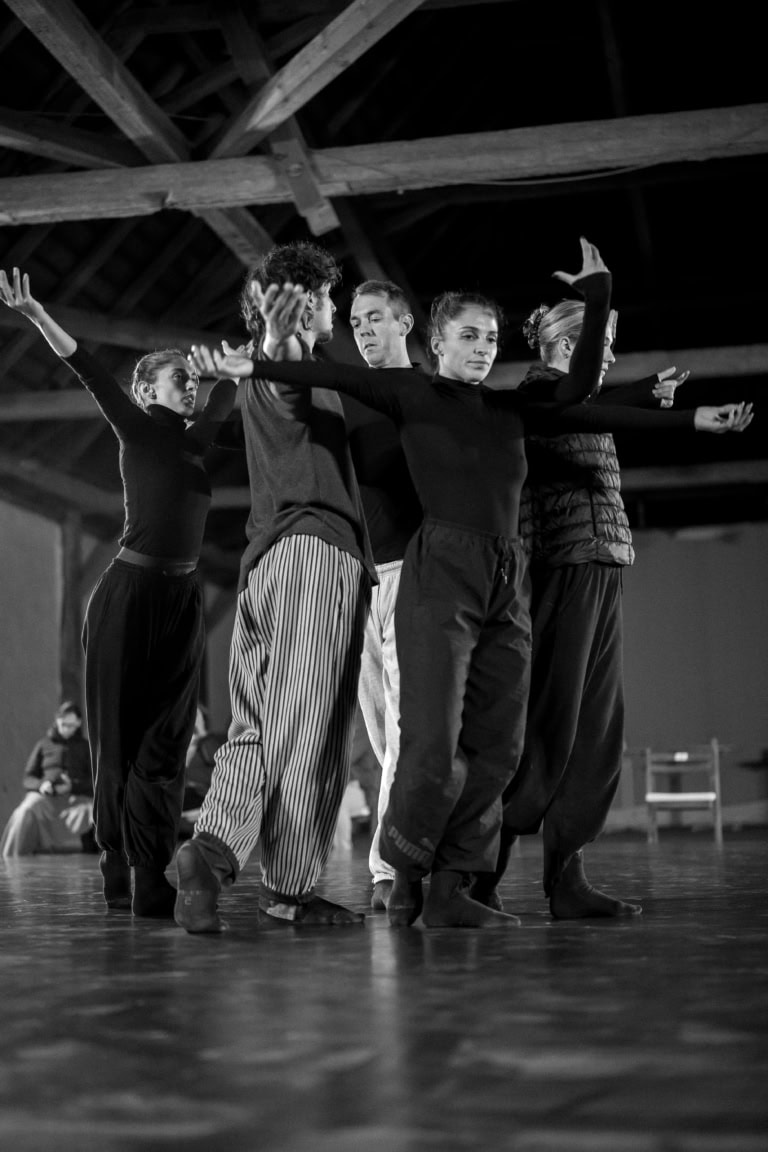
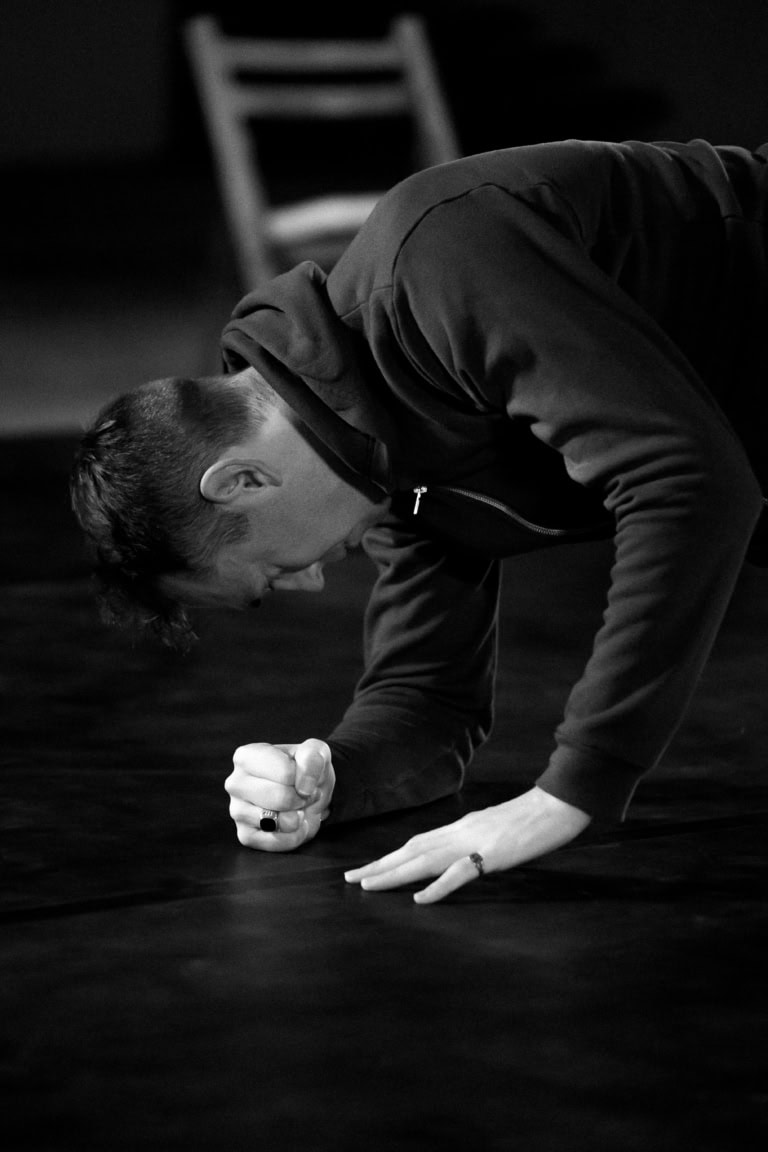
Rehearsal for ‘Nobody Knows’. Robinson himself also dances in the piece.
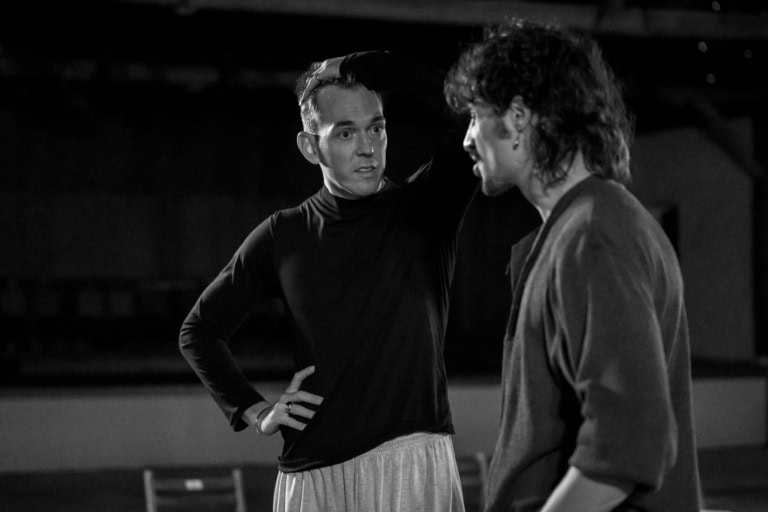
Robinson is a ballet dancer and has also been working as a choreographer for two years. He creates his own pieces.
Classical ballet revolves a great deal around a particular body aesthetic.
 Robert Robinson
Dorothy Meyer, a nutritionist at the University of Music and Performing Arts Munich, stresses: ‘Ballet dancers have three times the risk of eating disorders compared with the general population. One important reason is the pressure to be thin.’ At the same time, ballet is also gruelling physical labour, says her colleague Marc Geifes: ‘The constant strain builds powerful muscles in the calves, legs and core – and, in male dancers, the upper body too.’ One key to performance, according to Geifes, is the principle of supercompensation: ‘If you train and then recover, you increase your capacity in the long term.’
Robinson has so far avoided serious injuries, although his knees sometimes give him trouble. A career-ending injury is a constant worry for many dancers. But they don’t give up easily: ‘I know lots of people who were told they’d never dance again after an injury – and they proved everyone wrong,’ says Robinson. He doesn’t follow a fixed diet, and he estimates that about half the company smoke and drink: ‘Many of us are a bit rebellious.’
At the same time, Robinson can feel his flexibility waning. In three months he will leave the Staatsballett Hannover to work as a freelance dancer and choreographer. It’s no coincidence that his piece is called ‘Nobody knows’: it revolves around the feeling of not being able to control the unknown. ‘Choreographing is a kind of therapy for me,’ he says. So he has no intention of giving up dancing any time soon. ‘I wouldn’t go so far as to say that dancing is my life, but it’s definitely a big part of it.’
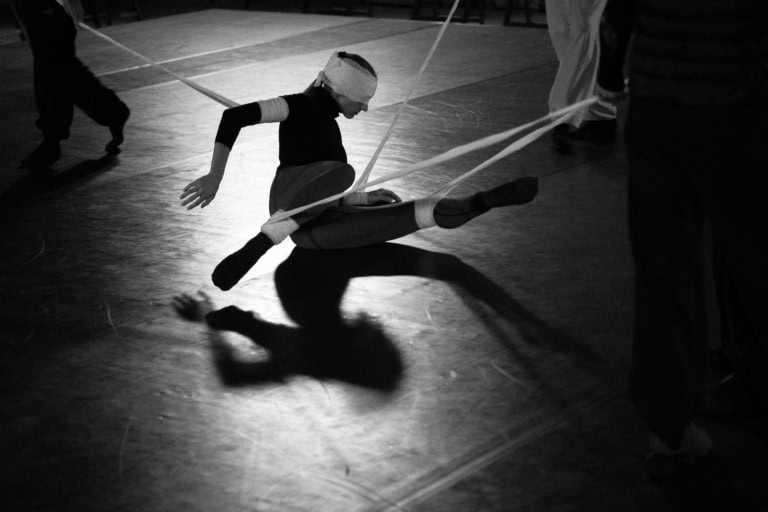
A dancer’s body is put under heavy strain every day – for hours at a time.
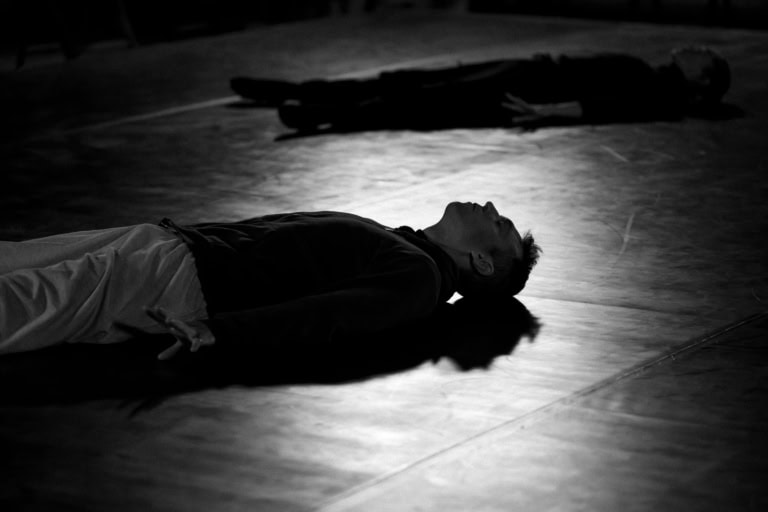
Restorative breaks make the body more resilient and able to perform better than before.
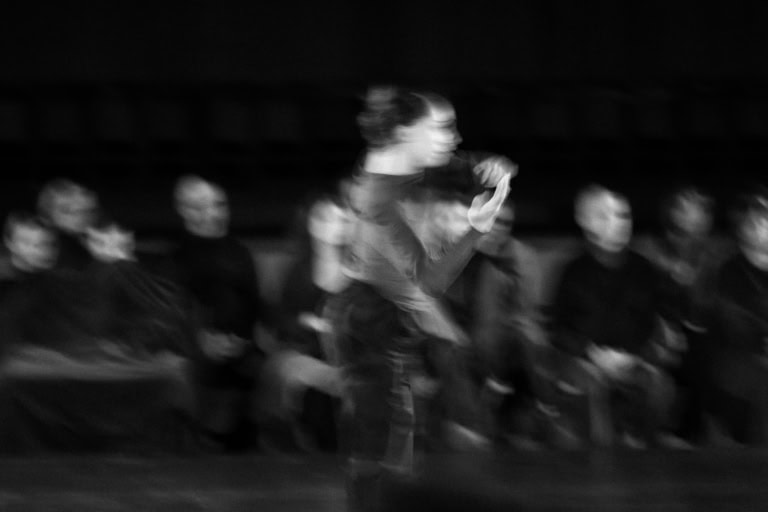
Premiere of Robinson’s piece ‘Nobody Knows’ in the barn at Gut Bennigsen.
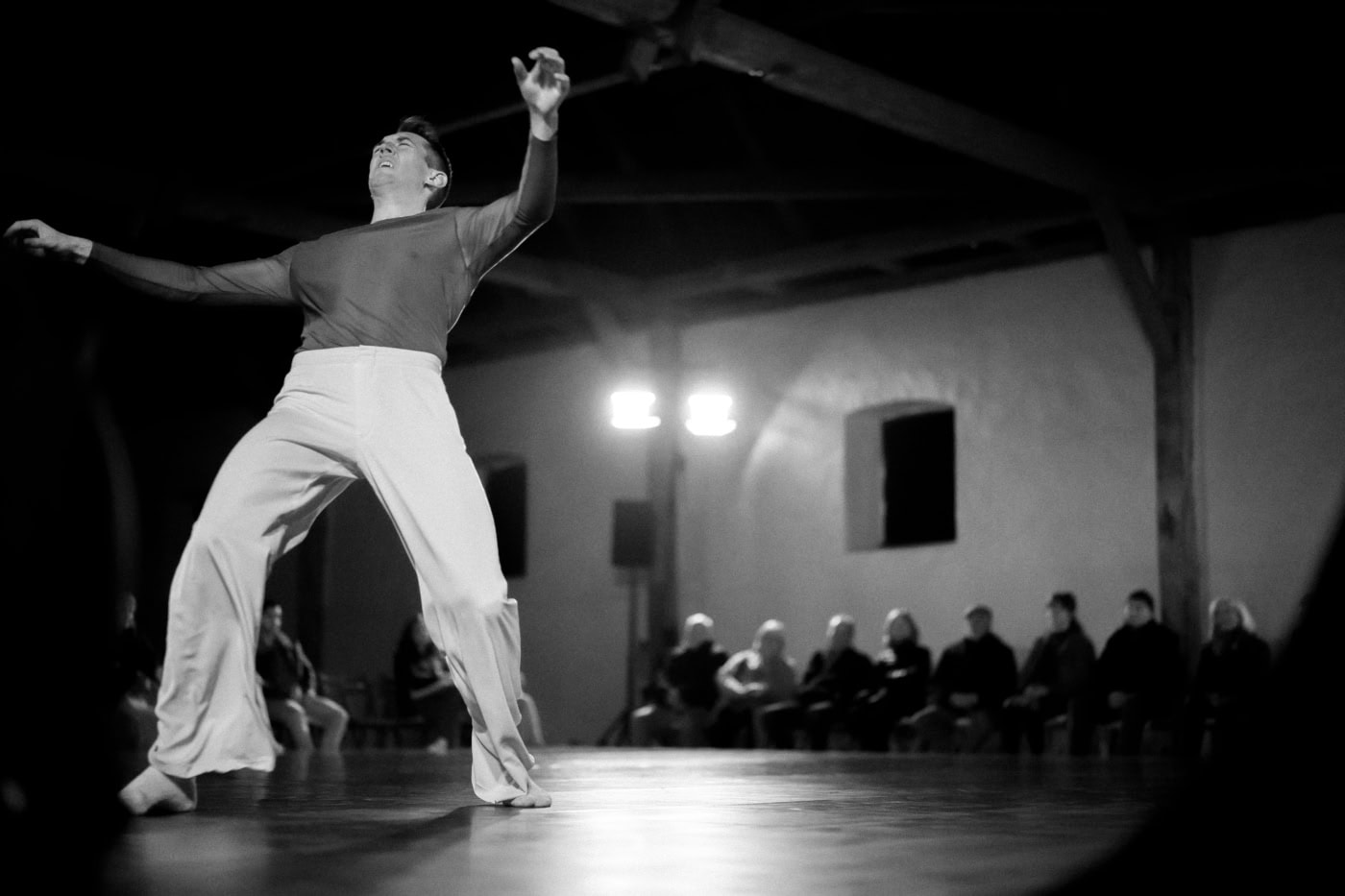
Premiere of Robinson’s piece ‘Nobody Knows’ in the barn at Gut Bennigsen. The performance and final rehearsals could not take place at the Staatsoper because Robinson had resigned. The Bennigsen estate stepped in as a venue at the last minute.
I wouldn’t go so far as to say that dancing is my life, but it’s definitely a big part of it.
Robert Robinson
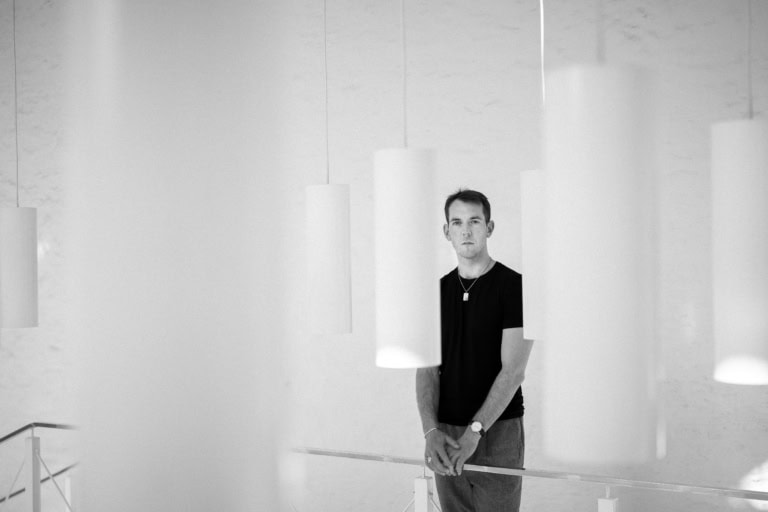
Robert Robinson shortly before resigning from the Staatsoper Hannover.
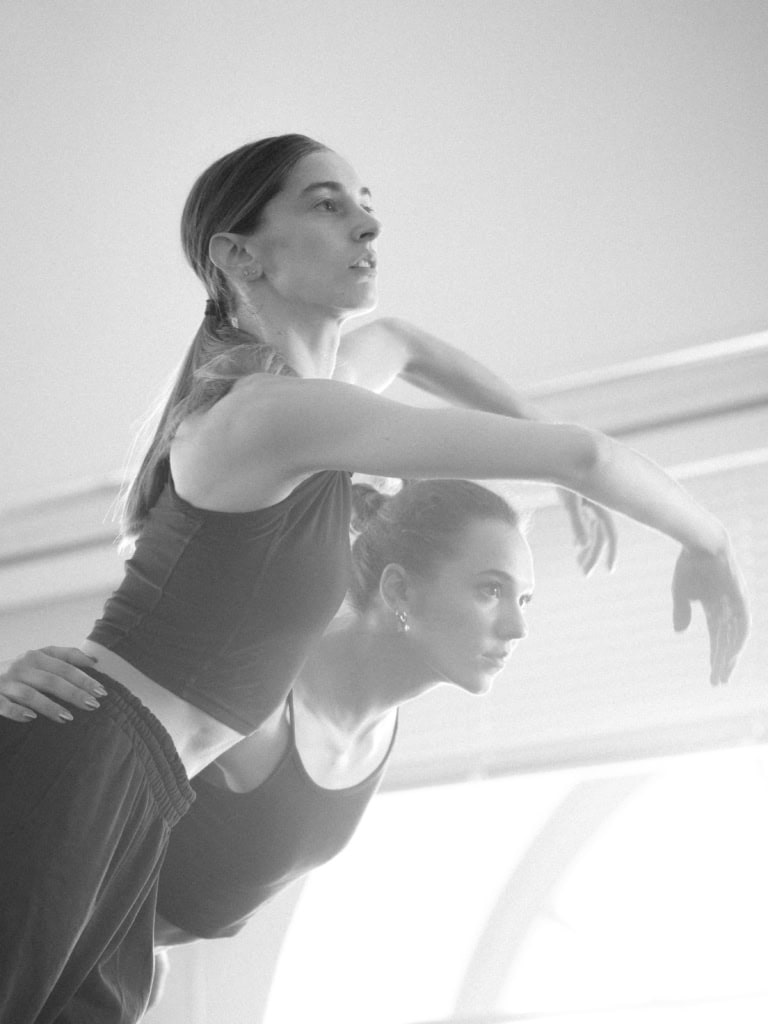
Intensive dance training at the Staatsoper Hannover.
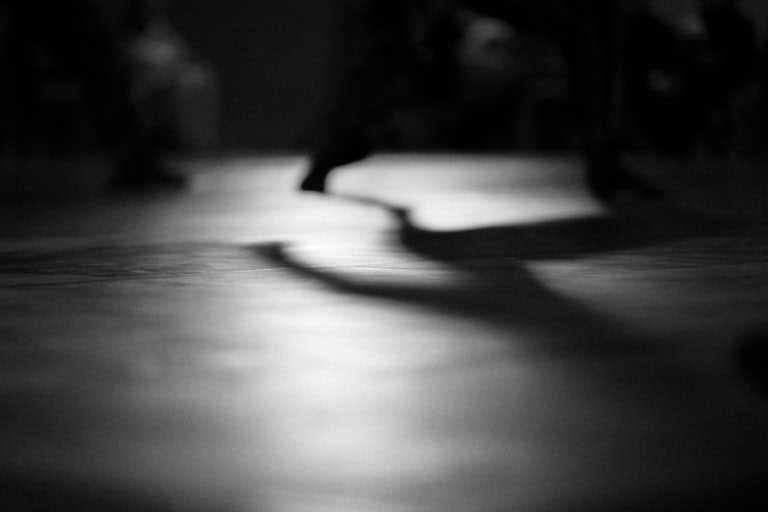
In the piece, Robinson explores the feeling of being unable to control the unknown. Choreography, he says, has become a kind of therapy for him.
Editor’s note: this article was written in spring 2024