Sunday morning on the city’s edge: a walk along Hannover’s fringes
Quiet streets, empty squares, early light: a photographic approach to the fringes of a city.
By Amir Khalifa, Moritz Schorpp


A city’s true face often shows at its edges. On a Sunday morning, while the city still lies in its sluggish sleep, I set off on a walk along Hannover’s peripheral lines. My aim: to explore the city where it frays.
I start my exploration along the dashed red city boundary that Google Maps shows me. My first steps take me down from the car park; I follow a footpath along cornfields, and in the distance I hear horses neighing – the car park probably belonged to a stables. Otherwise it is quiet; just a single car swishes past on the road I came from. The expansiveness of the scene surprises me; the city rarely offers a chance to look so far towards the horizon. But nothing stirs in the distance either – everything is on pause.
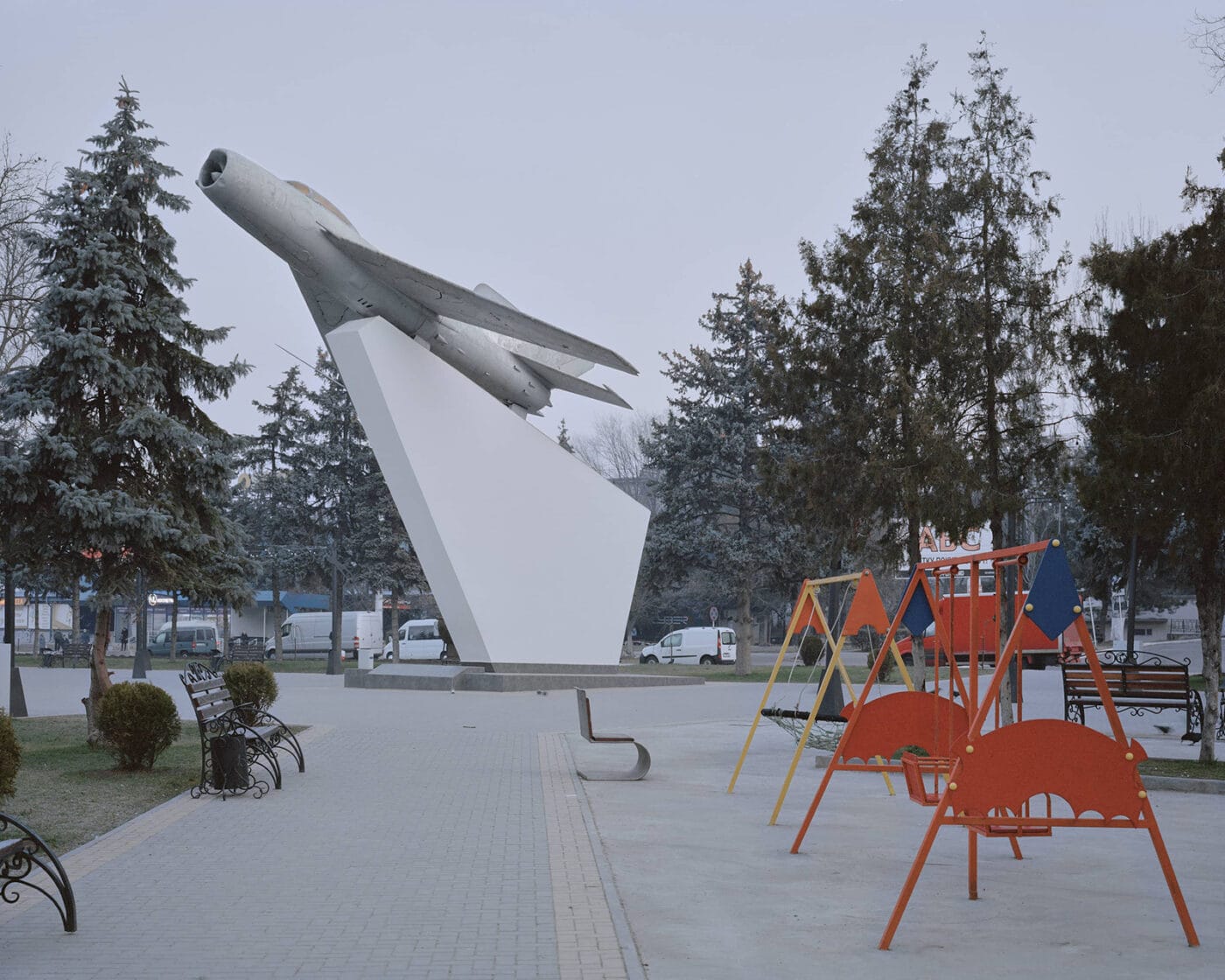
Now I head for one of these points of exploration: a woodland car park in the west of the city, near the Badebornteich pond. It is 8.30 a.m. Equipped with a bottle of water and my smartphone, I leave Hannover without really leaving Hannover. The car park is secluded. No parked car, no people. Everything here seems lonely, empty, somehow incomplete. I know this feeling: it looks as if something is about to happen, as if parts of the picture still need to be added – it can’t stay like this. But nothing happens.
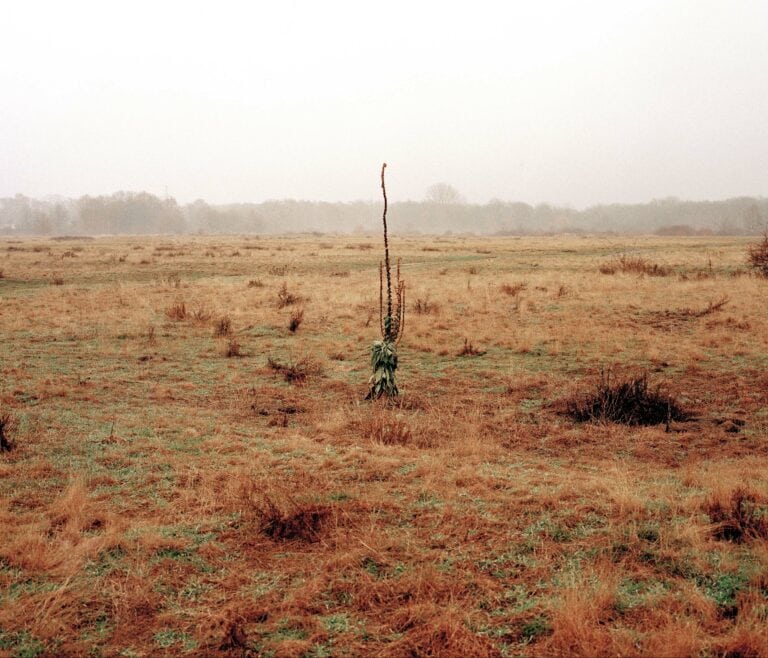
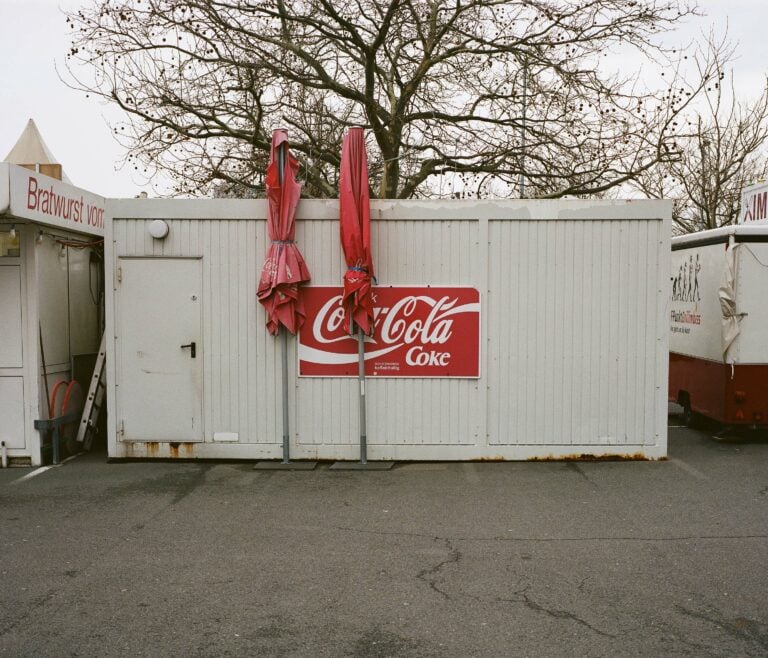
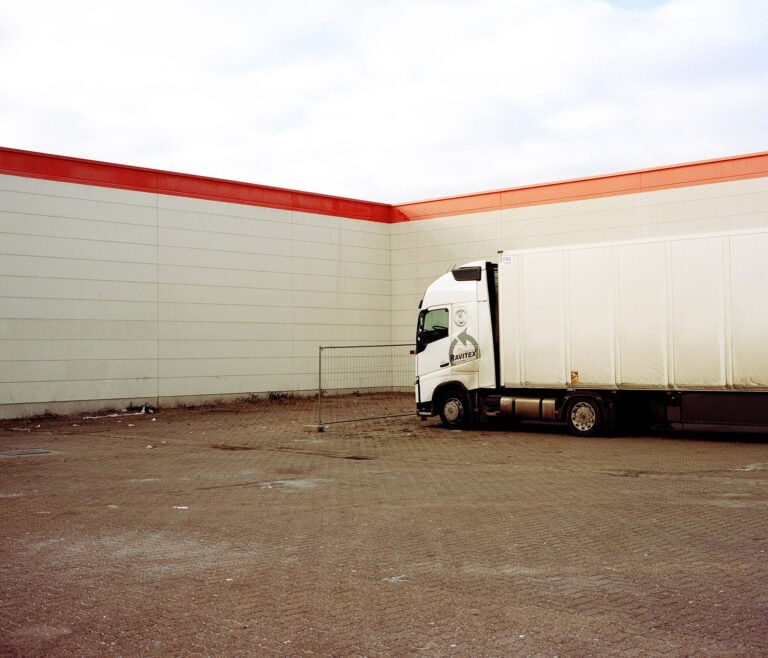
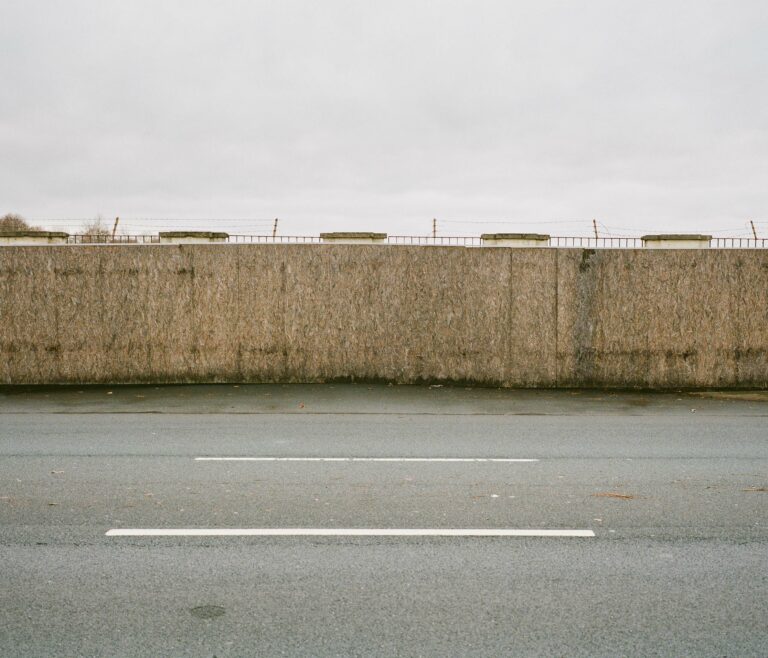
It looks as if something is about to happen, as if parts of the picture still need to be added – it can’t stay like this. But nothing happens.
 Amir Khalifa
A little later the field track becomes a forest path; the silence takes its leave and hands the stage to leaves rustling in the wind. The soundscape takes me back to my home town: walks in the woods, slowing down, childhood. The surroundings stir emotions I have not felt in the city for a long time. The forest path changes its guise once more and I am walking along fields again. To my right they no longer stretch to the horizon; instead I see a road and a few warehouses – a drinks wholesaler and a DIY store.
The road crosses the track, and now I am walking on the kerb. To my right an industrial estate, a few office buildings behind high fences; to my left terraced houses, and a little later a colony of allotments. I meet the first people since setting out: two young women cycle past, an elderly man opens the gate to his allotment. I had almost forgotten that I am not alone – another reminder of my home town, where at certain times of day I can easily walk around for two hours without meeting anyone. Unthinkable in Hannover’s city centre, where even in the middle of the night the streets feel more alive than in this suburb.
At a crossroads I turn off and follow a wider road. I see a run-down truck stop and a discount store selling oversized canisters of antifreeze, grave candles and shampoo bottles without German labels. On weekdays, roast chickens are sold outside the door; the bin in front of the trailer parked crosswise testifies to an apparently successful week. There are now many more people on both sides of the street. The residential buildings slowly grow taller, and gradually the number of doorbells per front door rises. The soundscape adapts too: cars and trams remind me that my route is slowly leading me out of the periphery, back towards crowding, noise and human contact. Soon I have arrived back in the city – ahead of me the dizzying time-lapse of densely packed concrete buildings, behind me the sluggish slow motion of the lonely fringe.

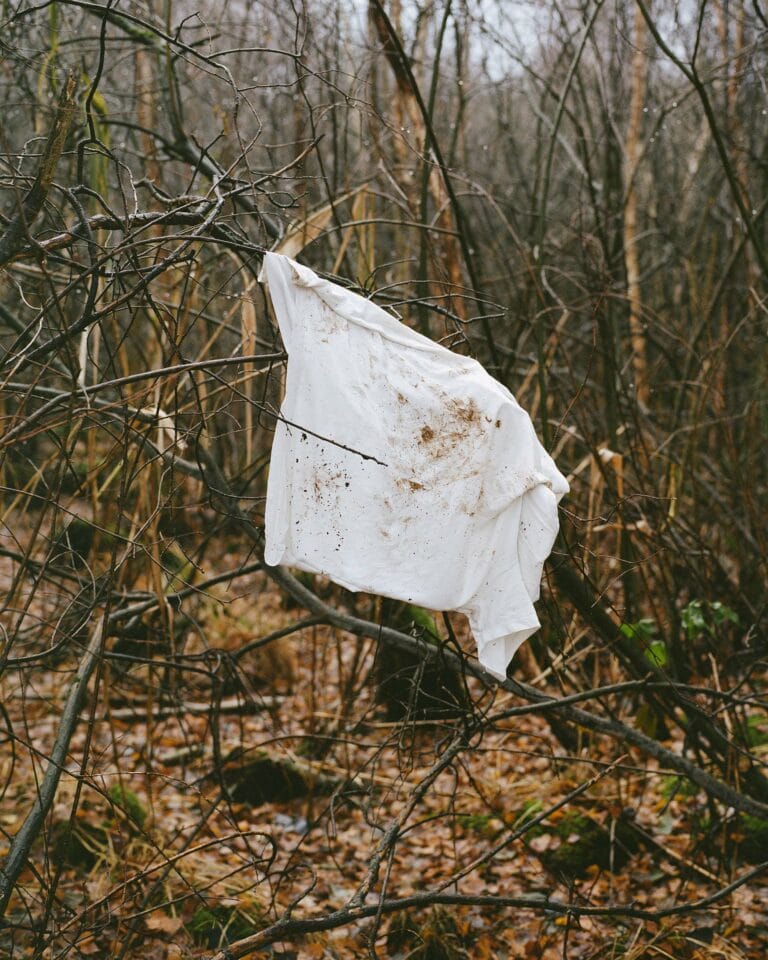
My plan was actually not to have a plan.
A conversation with  Moritz Schorpp about his photo series ‘Outskirts of a City’
What is the idea behind your project?
For three weeks I travelled along Hannover’s city boundary and photographed it. My plan was actually not to have a plan. Instead I wanted to approach the project with a certain ‘lightness of photographing’. That’s why I only photographed subjects that triggered something in me.
Are you thinking of a particular photo?
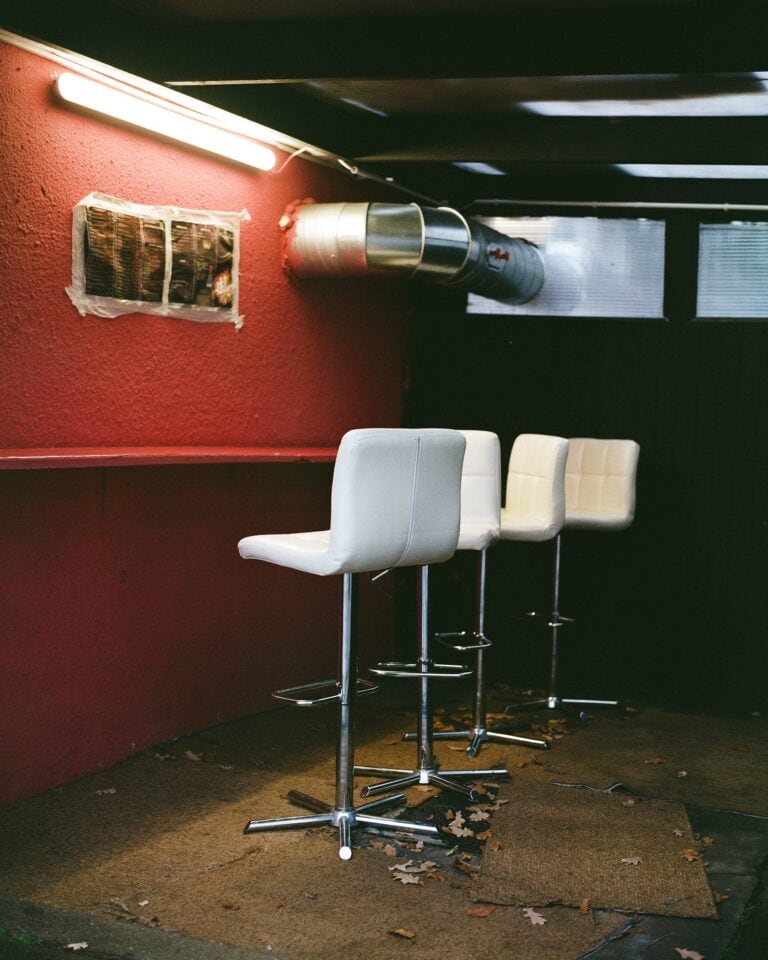
I find the picture of the snack bar with the white plastic chairs in front of it particularly striking. It was such a sad scene – partly because of the menu stuck up there with sticky tape. Everything about it seemed so dreary; the whole time I kept wondering who would sit down there to eat. I think the photo captures that mood well.
How were the pictures made, technically?
I shot on film. But because analogue film has become very expensive, I set myself the goal of buying only five medium-format films. So I had only 50 photos in total. I did that deliberately, to photograph very consciously and choose my subjects carefully. I wanted it to make the whole work on the project more personal.
How long does something like that take?
It took me three weeks in total. One reason for the idea was that I have now lived in Hannover for a year and a half but hardly know the city. So within a single day I decided to explore my surroundings and record them in photographs. I worked actively on the project for the following weeks.
Interview: Amir Khalifa