Life in Transnistria: a state without recognition
What is it like to live in a place that doesn’t even exist on most maps? Young people tell their stories.
By Anjou Vartmann, Michael Hinz (text), Serghei Duve (photos)


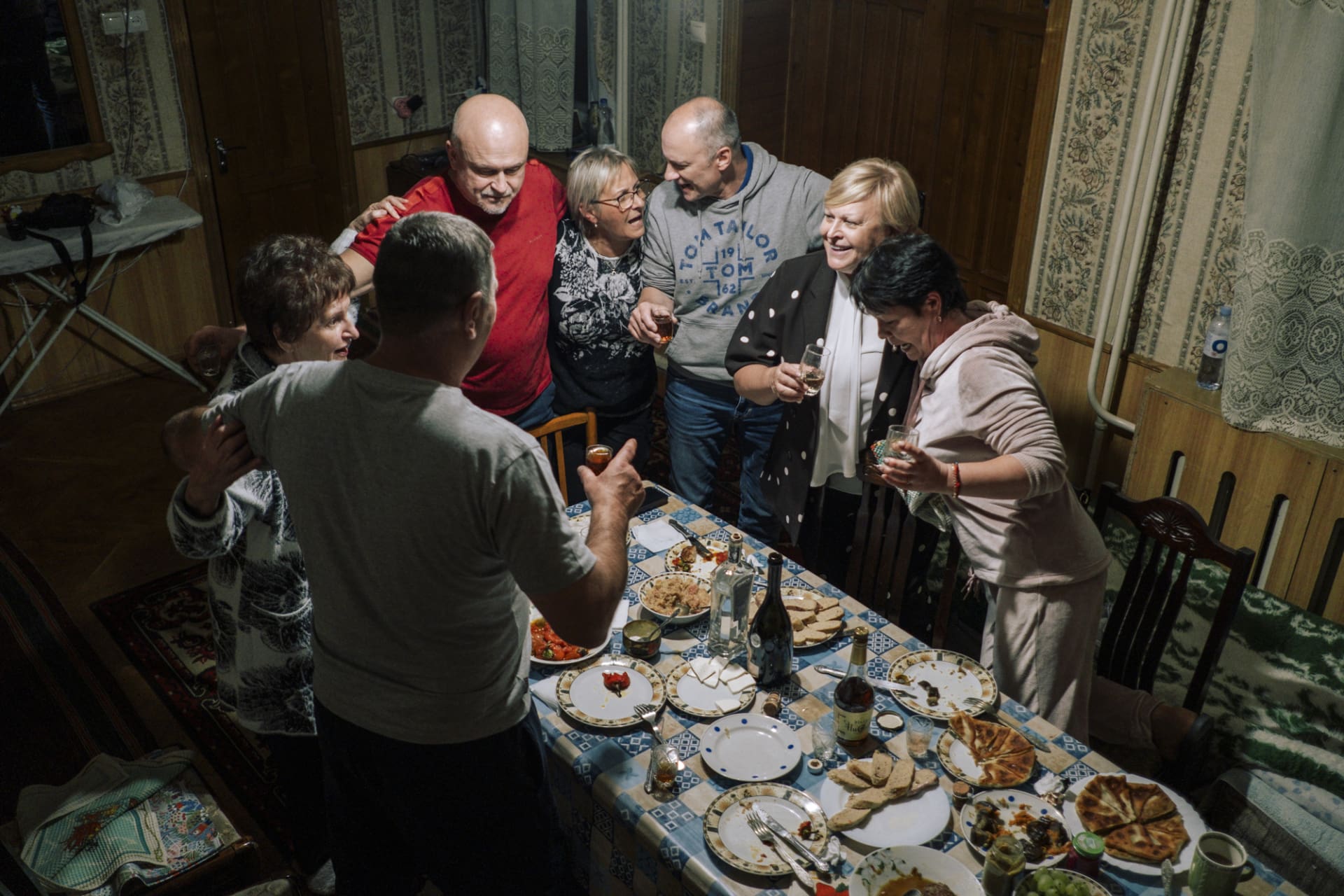
The striped, flower-patterned wallpaper in Grandma Tamara’s house is reminiscent of an old black-and-white film from the 1950s. It looks grand and elegant, but also a little dusty. The house stands on a small street in Blijnii Hutor, on the outskirts of Tiraspol, the capital of Transnistria. The house next door belongs to an aunt. Familiar surroundings, old-fashioned furniture and the smell of home cooking fill the house. A feeling of home spreads, a feeling of safety and security.
The photographer Serghei Duve was born in Chișinău, Moldova, and has lived in Germany for more than 20 years. Since his childhood the family has travelled to Tiraspol, to his grandmother Tamara’s house. ‘When I think of home, I think of my grandma’s house,’ Serghei recalls. At some point he started taking his camera along and photographing.
In the process he became aware of the identity conflict again and again. When he met his cousin’s friends, there were often loud discussions. ‘What do we want to become? Who do we want to be?’ The generational differences in Transnistria are complex. The older generation is strongly shaped by the Soviet era and values tradition. Most younger people, on the other hand, have a global outlook and want change and better prospects for the future.
Transnistria, officially known as the Pridnestrovian Moldavian Republic, is a small region in Eastern Europe that has been the subject of political controversy since the early 1990s. Located between Ukraine and Moldova, Transnistria declared its independence from Moldova after the collapse of the Soviet Union, but this was not recognised by the international community. The region is known for its complex political situation, its ethnic diversity and its role as an area where the tensions between East and West during the Cold War and beyond can still be felt.
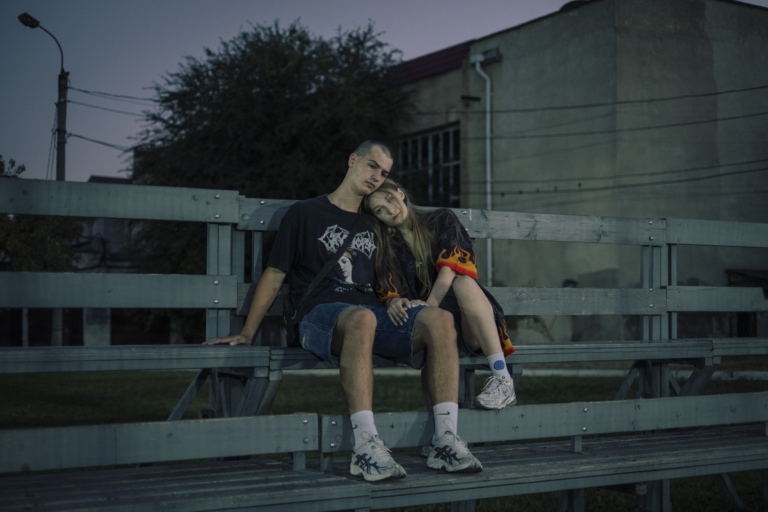 Tiraspol, Transnistria, 2023
Sasha and Kira on the last evening before Sasha has to report for military service in the Transnistrian army. He would actually like to move to Europe, but anyone in the army is no longer allowed to leave the republic.
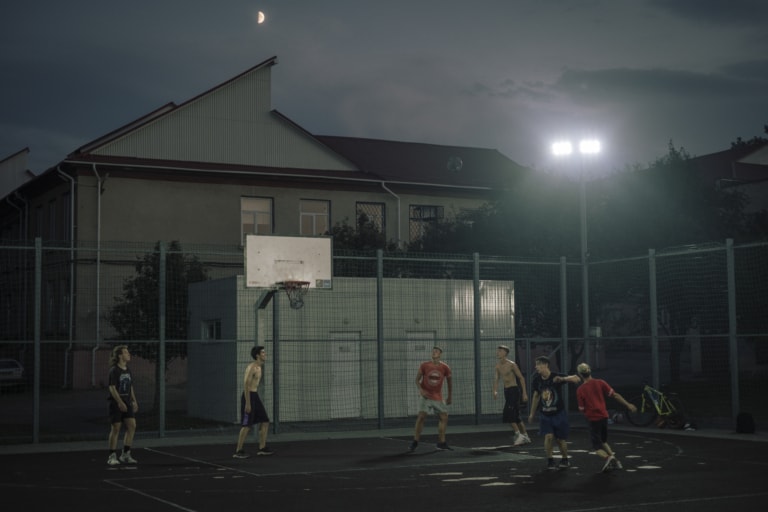 Tiraspol, Transnistria, 2023
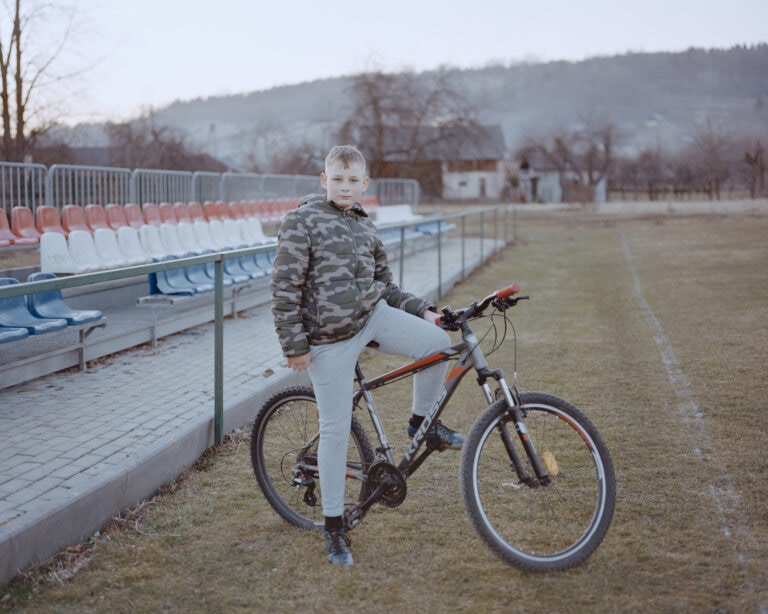
A group of young athletes play basketball in Tiraspol’s city park.
For the locals, Transnistria is real. They have their own currency, they speak their own language, they have their own citizenship.
 Serghei Duve
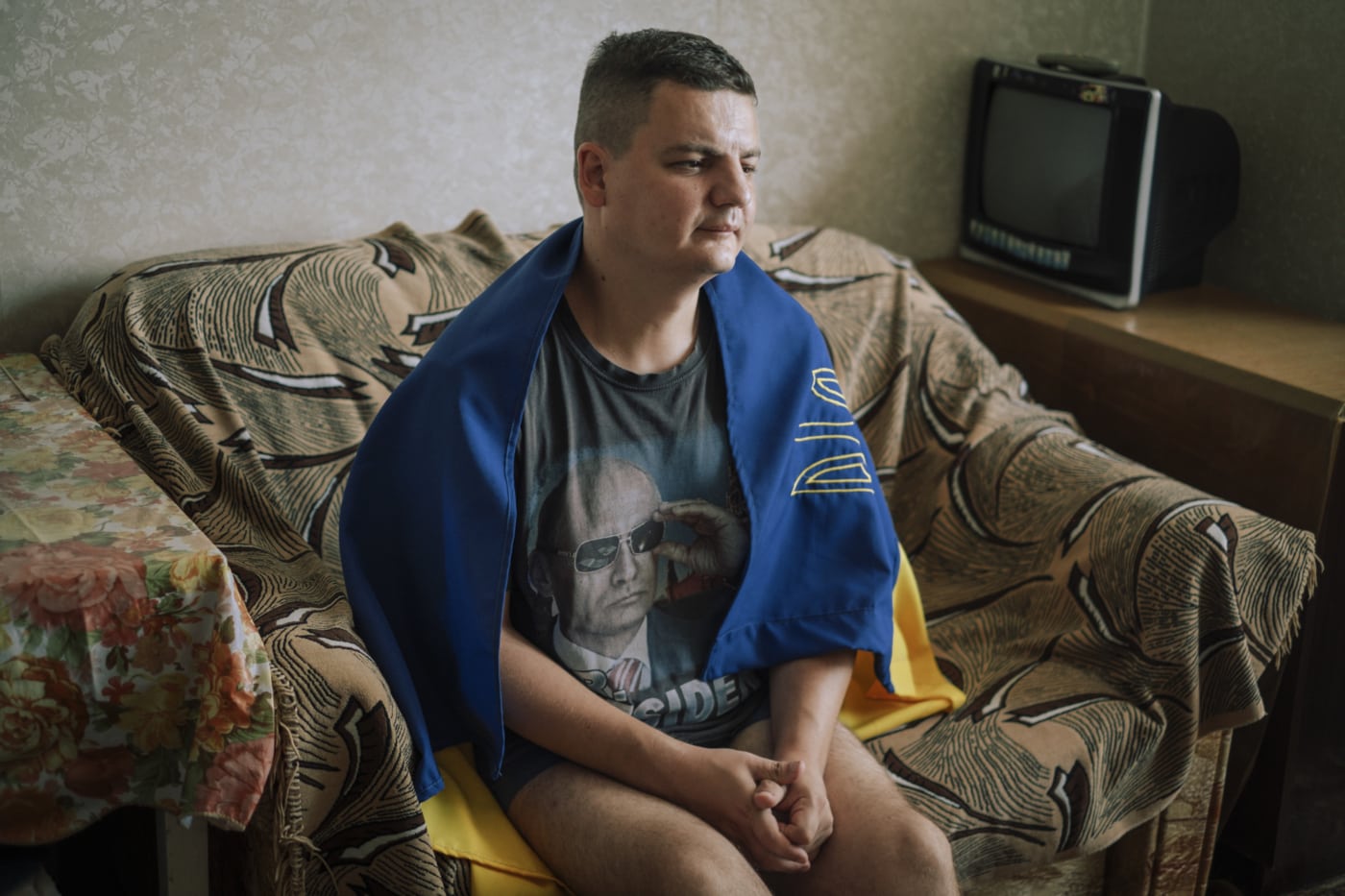 Tiraspol, Transnistria, 2023
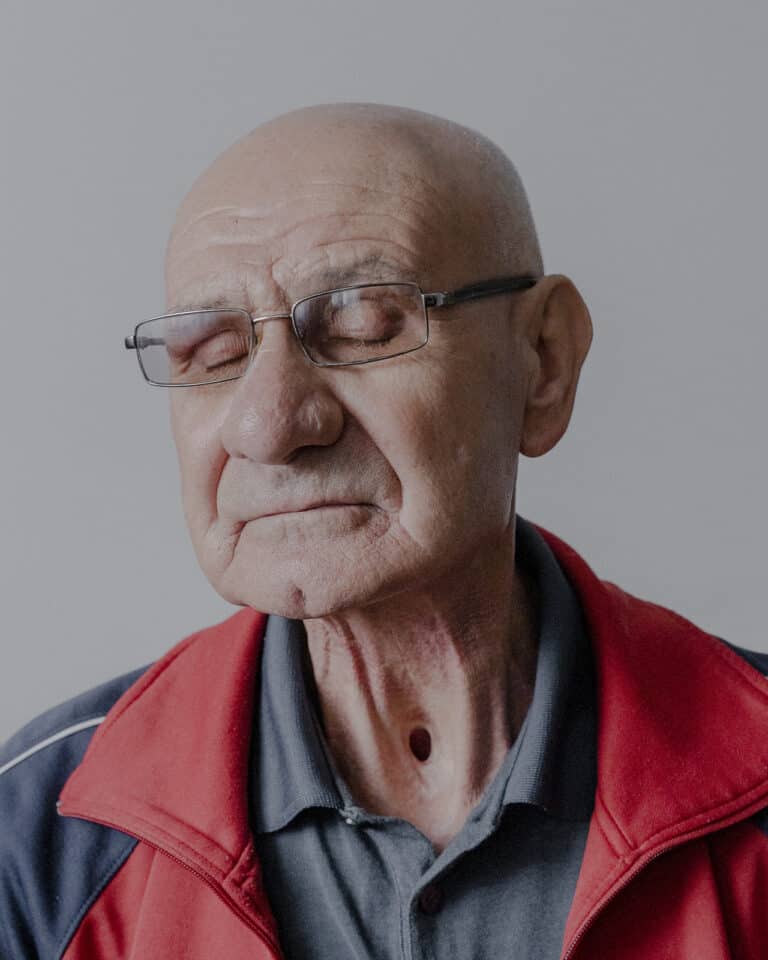
Valera on the sofa in his living room. He served in the Russian army in St Petersburg. When the war broke out, he decided to come back to Tiraspol. Many of his relatives live in Ukraine, and he did not want to take part in a war against their country.
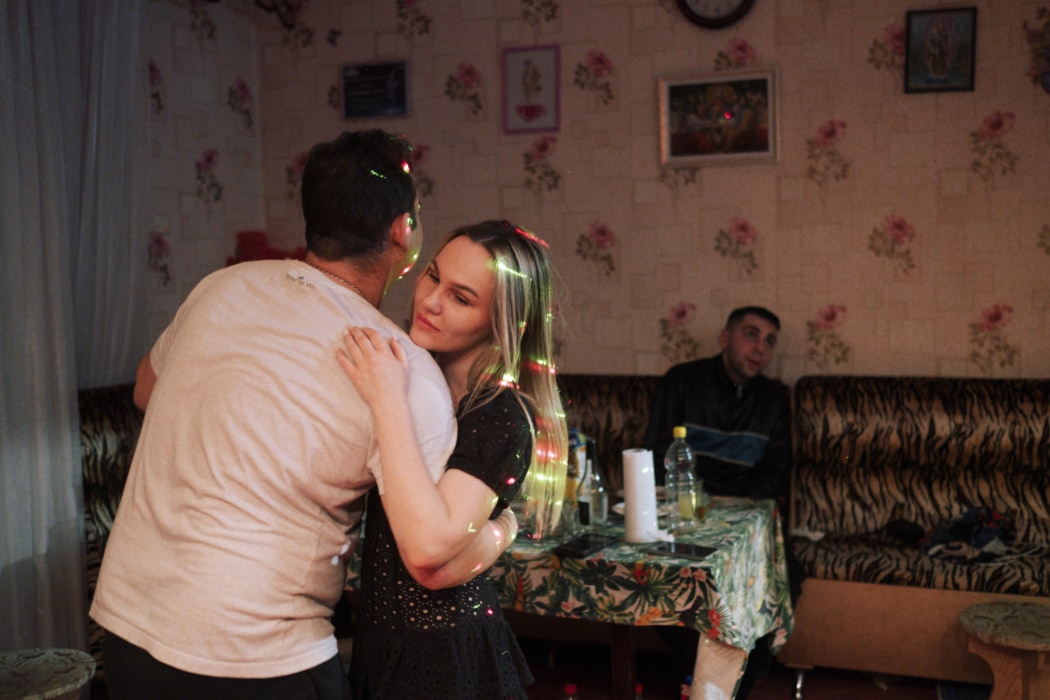 Tiraspol, Transnistria, 2023
A couple dances in the living room of Serghei’s grandmother Tamara.
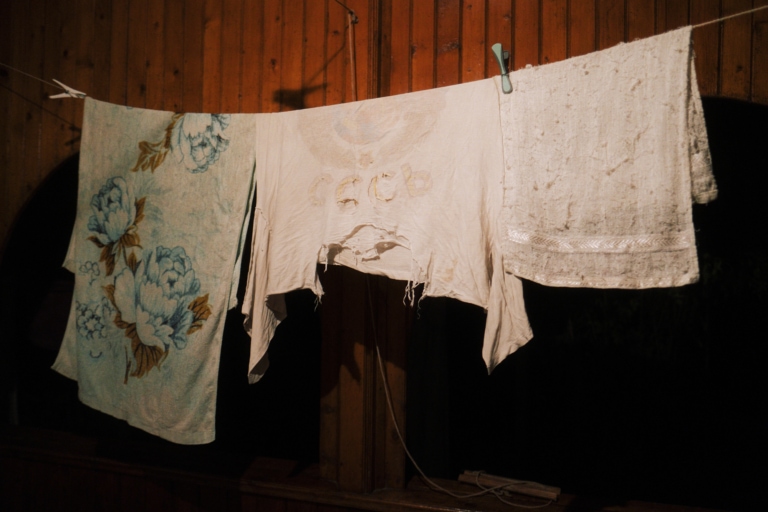 Tiraspol, Transnistria, 2022
A washing line in the cellar of Serghei’s grandmother. The torn shirt printed with ‘CCCP’ used to belong to Serghei’s grandfather.
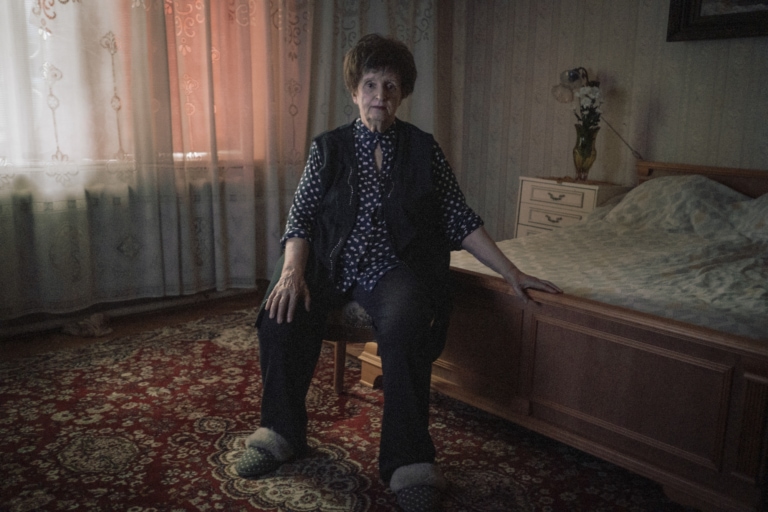 Tiraspol, Transnistria, 2023
Serghei’s grandmother Tamara lives alone in the family’s big house. Her husband died in April 2023. Her two children live in Germany and Ireland.
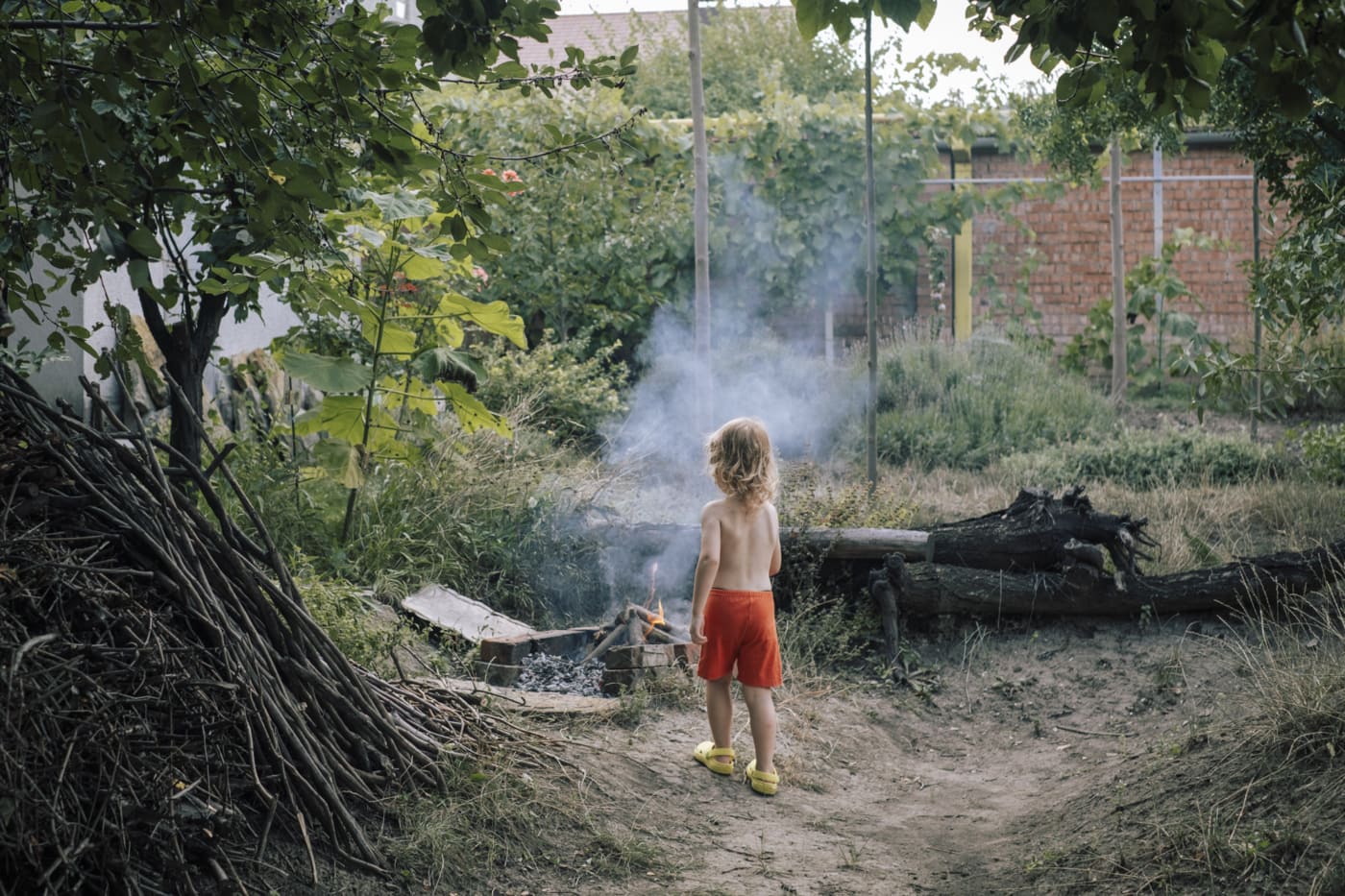 Tiraspol, Transnistria, 2023
Jan, the son of Serghei’s second cousin Katja, plays in his great-grandparents’ garden.
 Das Grab meines Opas Serghei Nikolajewitsch Duve
Das Grab meines Opas Serghei Nikolajewitsch Duve
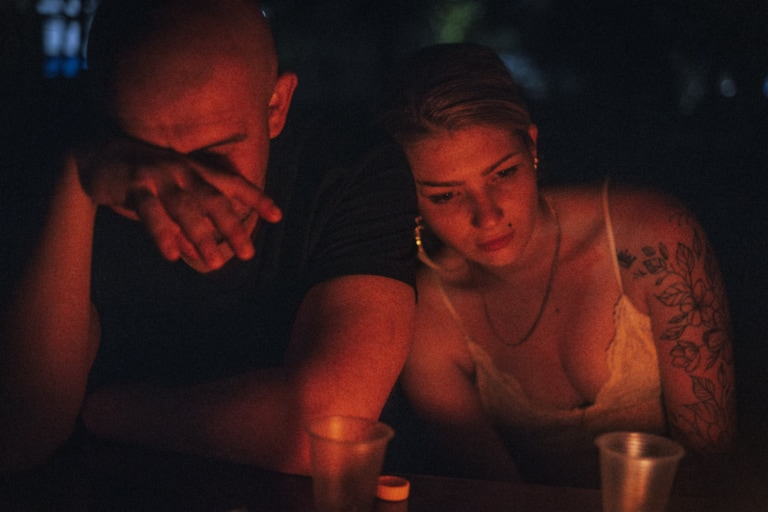 Dnestrovsc, Transnistria, 2023
Serghei’s second cousin Ivan and his ex-girlfriend Nastya.
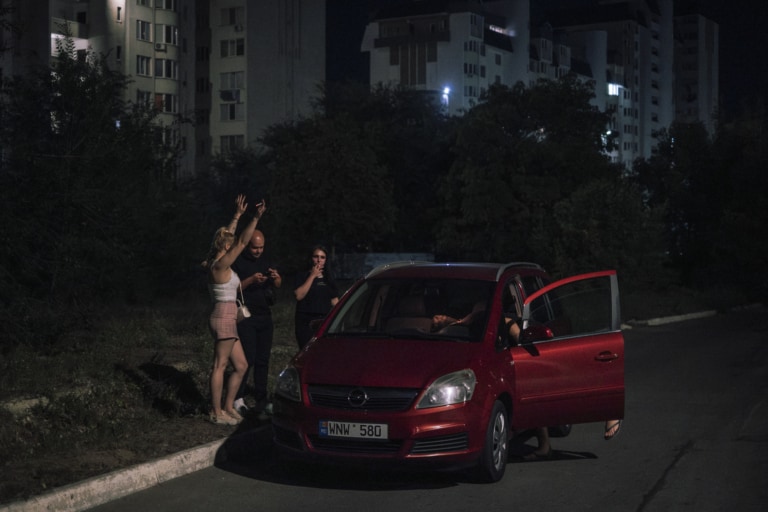 Dnestrovsc, Transnistria, 2023
The group of friends take a cigarette break. They are on their way to a party where they can drink alcohol undisturbed. Drinking in public is not allowed in Transnistria.
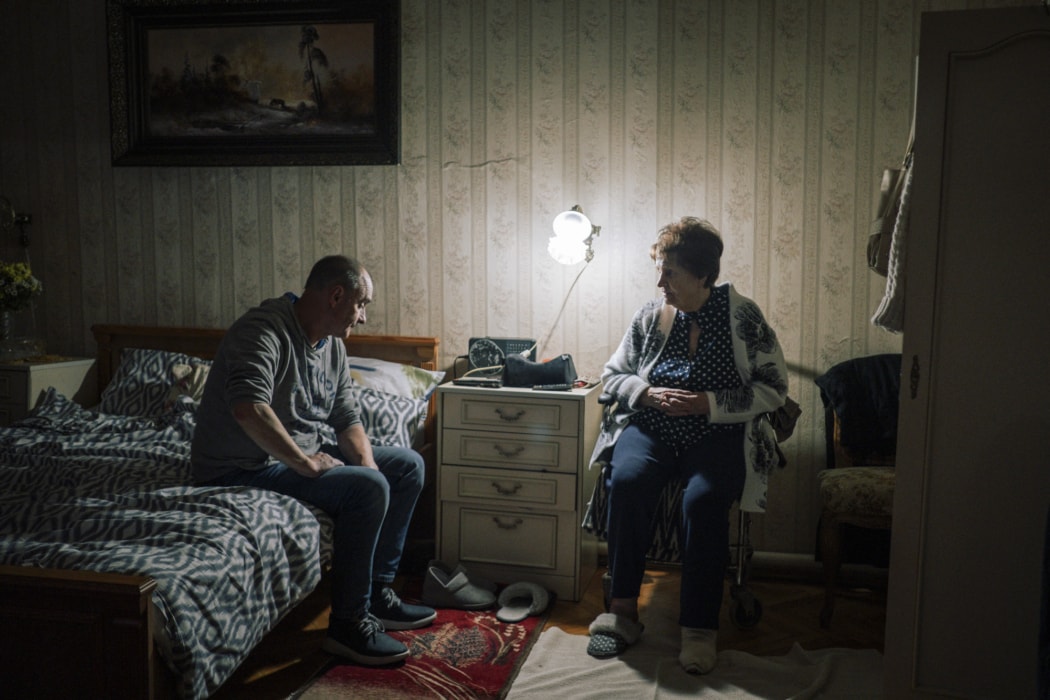 Transnistria, 2023
Serghei’s father talks to his mother Tamara in the evening.
It’s about a feeling of home – but that isn’t real, and in retrospect it may well seem much nicer than it actually was.
Serghei Duve
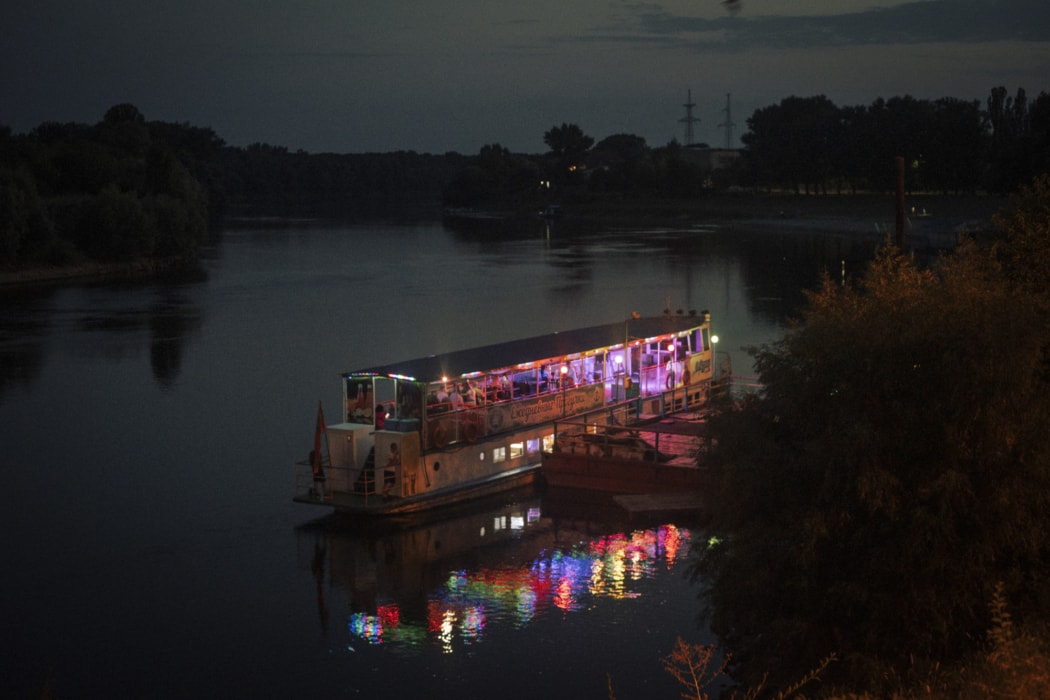 Tiraspol, Transnistria, 2023
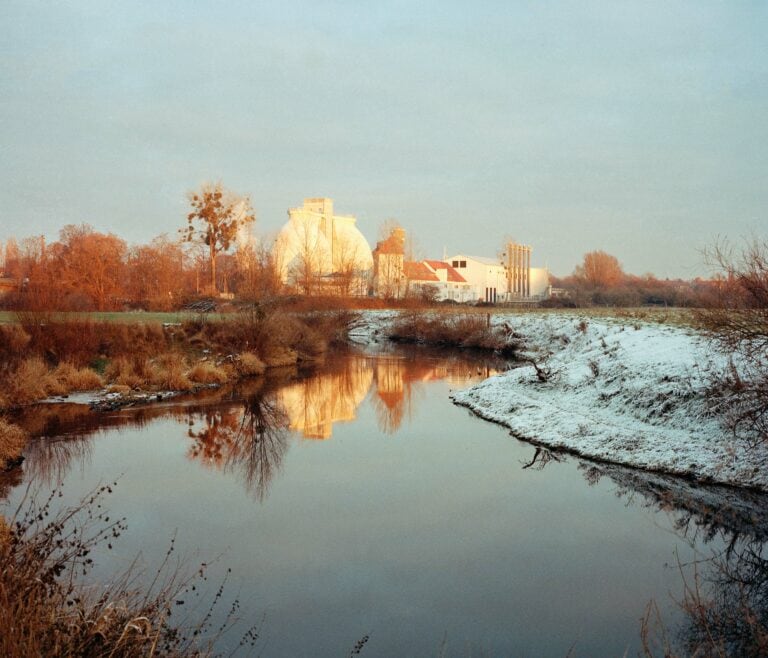
A ship on the Dniester, the river that gives the republic its name.
Transnistria is a de facto state that broke away from what is now the Republic of Moldova in a military conflict in the early 1990s.
Five questions for Sabine von Löwis, head of the research cluster ‘Conflict dynamics and border regions’ at the Centre for East European and International Studies (ZOiS) in Berlin
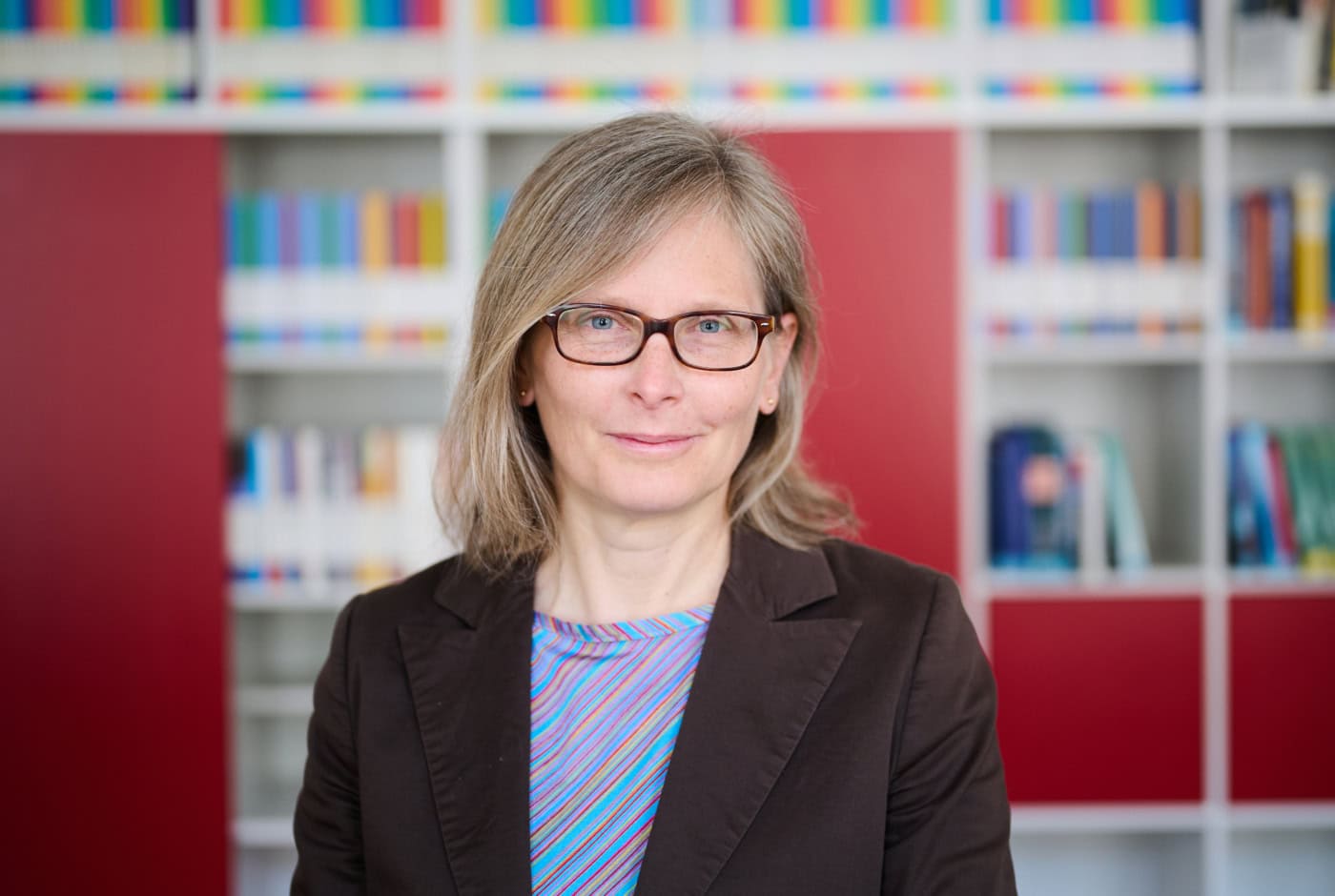 © Annette Riedl
Ms von Löwis, how would you describe Transnistria’s current political situation?
Transnistria is a de facto state that broke away from what is now the Republic of Moldova in a military conflict in the early 1990s. Transnistria is not internationally recognised and cannot enter into relations. Internally, the quasi-state is organised like recognised states. It has an elected president, a parliament, ministries and an administration.
The government is indirectly dominated by two oligarchs from the so-called Sheriff group. Since the early 1990s this group has taken over large parts of the Transnistrian economy and controls economic life in the region.
For years Transnistria and the Republic of Moldova have been negotiating a solution to their conflict, with the involvement of the OSCE, the EU, Russia, Ukraine and the USA. The aim is to reintegrate the Transnistria region into the Republic of Moldova. The negotiations are currently on hold – at present Russia and Ukraine cannot be brought to the same table.
Why are so many Transnistrians emigrating?
Many people in Transnistria leave, at least temporarily, because the economic situation is difficult. Wages are low and barely enough to live on. Even though the cost of living is low overall thanks to indirectly subsidised gas prices, people’s prospects are not very rosy. Setting up on your own is difficult, as economic development is largely controlled by the Sheriff group.
Russia’s war of aggression in Ukraine and the resulting change in Transnistria’s situation make things even harder, because the border with Ukraine has been closed. A lot of trade – including informal trade – used to cross that border. Now things look different.
Transnistria also lives from supplying energy to the Republic of Moldova. But Moldova is gradually freeing itself from its energy dependence on the Transnistrian region and on Russia.
In addition, many people are probably worried that the war in Ukraine will spill over into Moldova; at any rate, this fear has occasionally been fuelled by political statements and by explosions in Transnistria.
What cultural and political factors influence the identity of young people in Transnistria?
Transnistria is officially trilingual – Romanian, Russian and Ukrainian. In practice Russian dominates, which also influences identity formation through media consumption.
Transnistria depends on Russia in many ways; Russia is present through free gas supplies, university agreements and political and military support.
A ZOiS survey in 2020 found that 85 per cent of Transnistrians speak Russian at home, 11.6 per cent Romanian and 2.1 per cent Ukrainian. The figures for mother tongue were similar.
But language is not the only marker of identity. Asked about nationality, 23.5 per cent said Moldovan, 31.8 per cent Ukrainian and 34.6 per cent Russian. In terms of citizenship, 64 per cent felt they were citizens of Transnistria, 14.2 per cent Moldovan and 15.7 per cent Russian. The young generation was born into the de facto state and has been shaped in its identity at school and university.
What impact is Russia’s war of aggression against Ukraine having on the population?
Russia’s war of aggression against Ukraine is worsening the economic situation for Transnistria. There are fears that the war could also reach Transnistria and Moldova.
The de facto state’s budget is shrinking. If the free gas supplies from Russia are cut off in the long term, the situation will become even more difficult for people.
A small number of refugees from Ukraine are also settling in Transnistria. However, they receive no financial support from the authorities but are helped by international donors.
What challenges will young people in Transnistria face in the coming years?
A great many. For one thing, there is the question of what career prospects and educational opportunities young people in Transnistria have. The region’s current economic development does not look very promising. In principle, Transnistrians can study in Moldova and elsewhere, but financially that is certainly challenging.
Socially, Transnistria is characterised by a repressive system, which means that LGBTQI+ communities are not supported but suppressed.