Record of a disappearance: a Belarusian photographer in exile
He documented the protests, was persecuted and had to flee. His pictures tell of violence, of hope – and of holding on to memory.
By Pasha Kritchko (photos), Ludwig Nikulski (as told to)


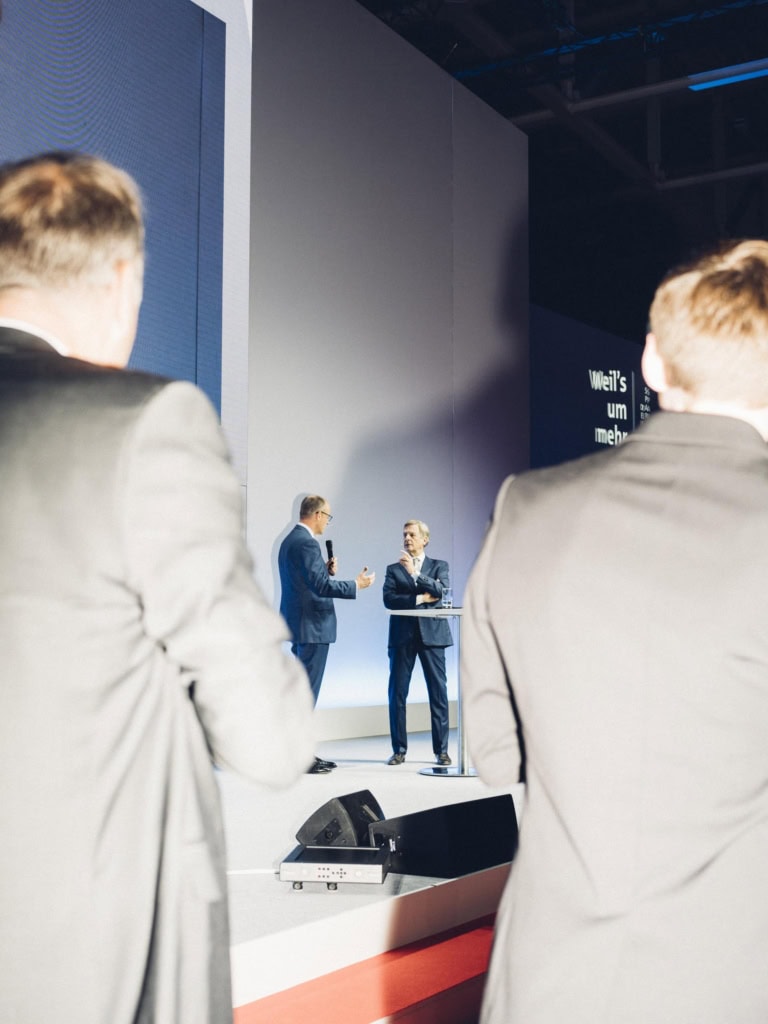
It was the summer of 2021 when I was arrested. I wasn’t doing anything dramatic. I was simply standing outside the courthouse in Minsk with a camera in my hand. It was the last day of the trial of Viktar Babaryka, a former banker who had dared to run for president in 2020. He was also the man whose campaign I had followed to document what was happening in the country. That day I was the only independent photographer outside the court. That alone made me a suspect.
I had a bad feeling. A silver van appeared in the square and slowly drew closer. I walked off quickly, went into the courthouse through the main entrance and ran up the stairs, hoping to disappear. But the emergency exit was locked. I made it to the fourth floor; the building felt strangely empty. In a small kitchen with no window, no smell of coffee, no trace of life, I switched off the light and sat down in the corner. When the policeman opened the door, he didn’t see me at first. Then the light came on. ‘Object found,’ he said.
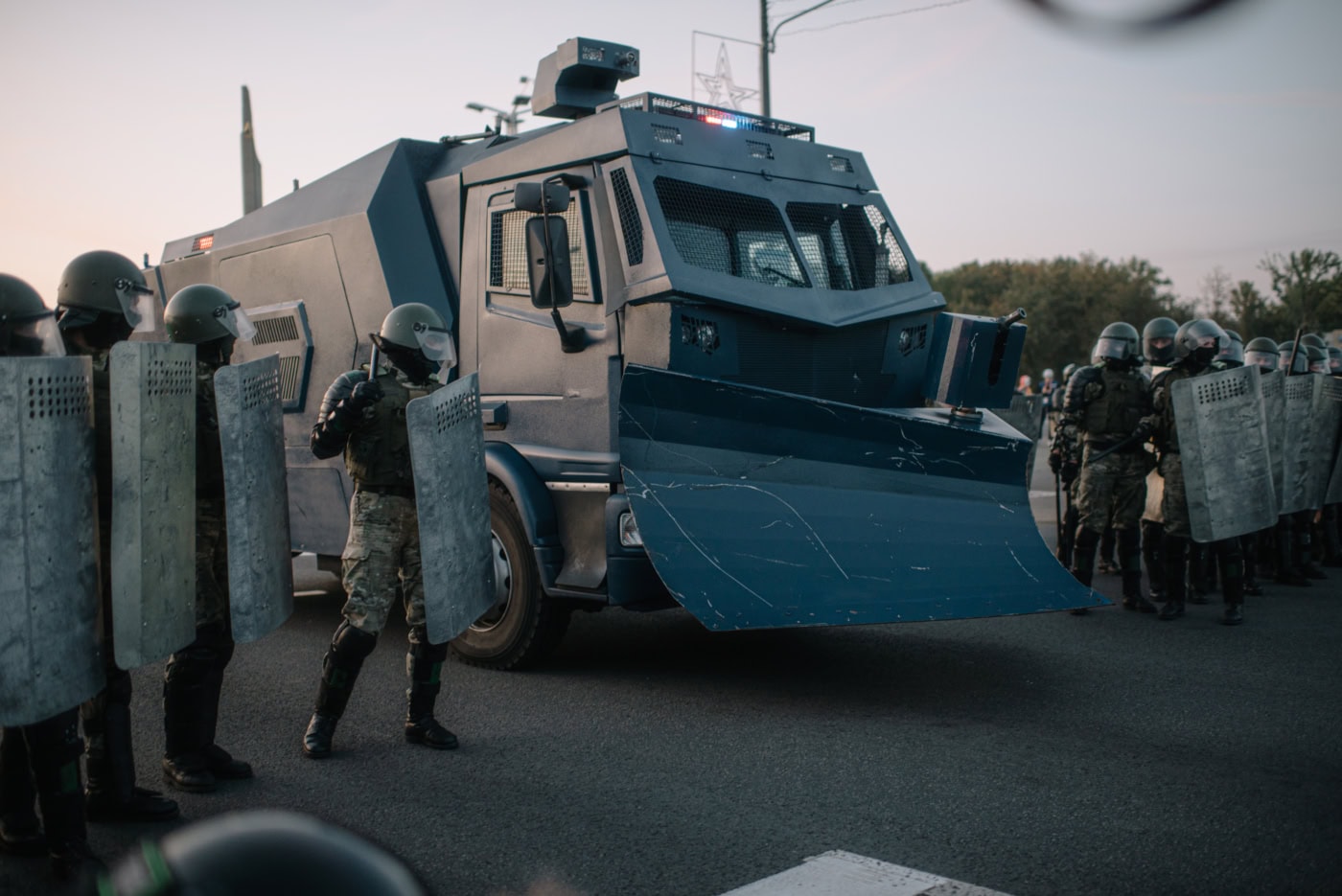 Minsk, Belarus, 23 September 2020.
Riot police break up a protest against Lukashenko on the day of his secret inauguration. Belarus’s police are known for their brutality and often use excessive force to break up anti-government protests. On this day, water cannon, tear gas and rubber bullets were used against demonstrators.
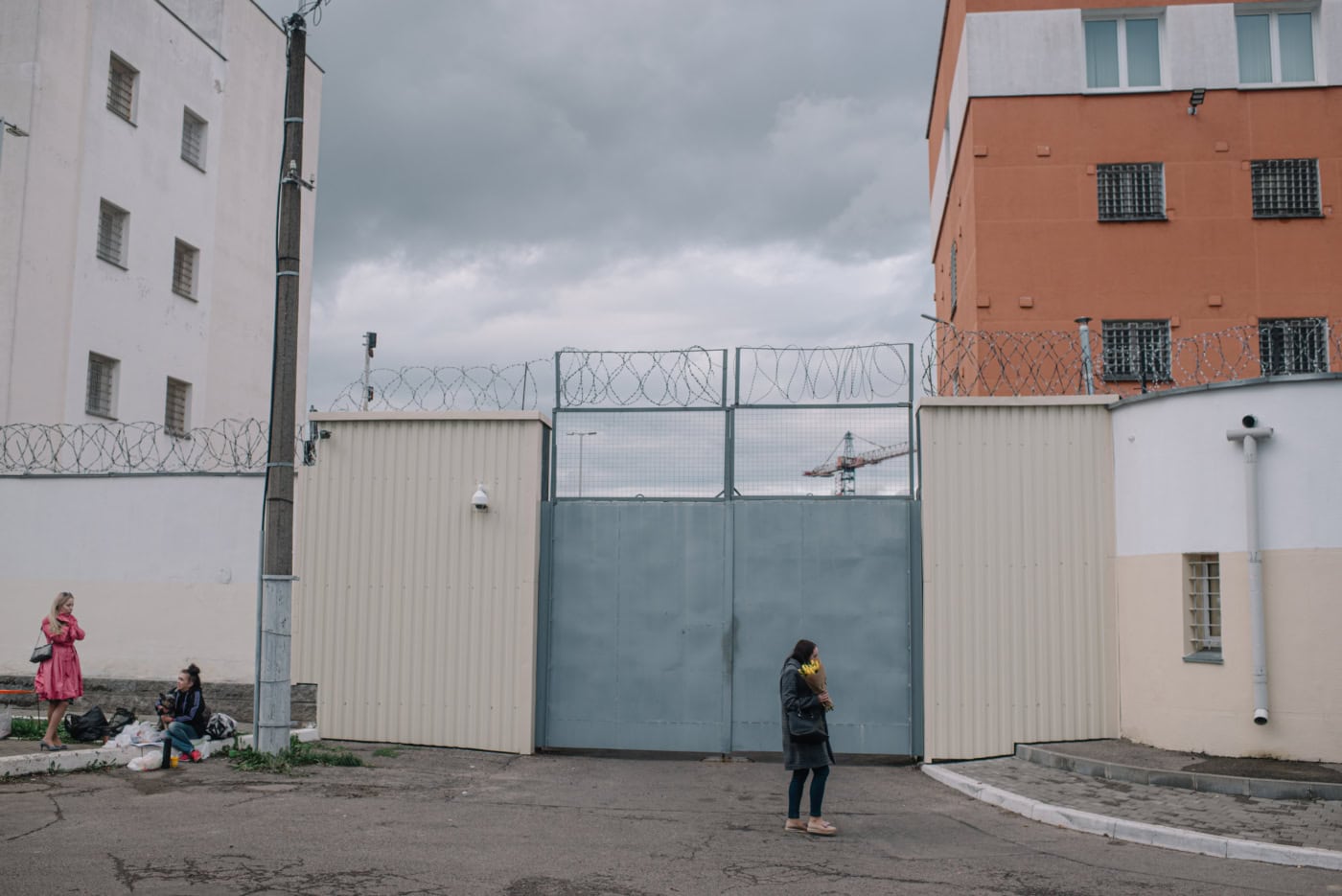 Minsk, Belarus, 15 October 2020.
A woman with flowers waits outside the gate of Okrestina prison for the release of the well-known basketball player Yelena Leuchanka.
Viktar Babaryka’s campaign gave me an unexpected opportunity: I was allowed to accompany him, photograph him, get really close.
In 2020 I wasn’t a political photographer yet. I did commercial work – weddings, events, corporate clients. But then the pandemic came and the jobs dried up. At the same time, something bigger was stirring in Belarus. The presidential election set off a nationwide awakening – and brutal repression. I felt the urge to be useful. Not through slogans, but through documentation. I had a camera. That seemed enough.
Viktar Babaryka’s campaign gave me an unexpected opportunity: I was allowed to accompany him, photograph him, get really close. I even helped collect signatures for his candidacy – but I soon realised I could contribute more as a photographer than as an activist. What began as civic engagement quickly became historic, and dangerous. Within a few weeks, Viktar was arrested. His son was jailed too. Later came the campaign manager Maria Kalesnikava and the lawyer Maxim Znak.
We all kept to the law. We didn’t want a revolution; we wanted to show what was really happening. But that, apparently, was enough to criminalise us.
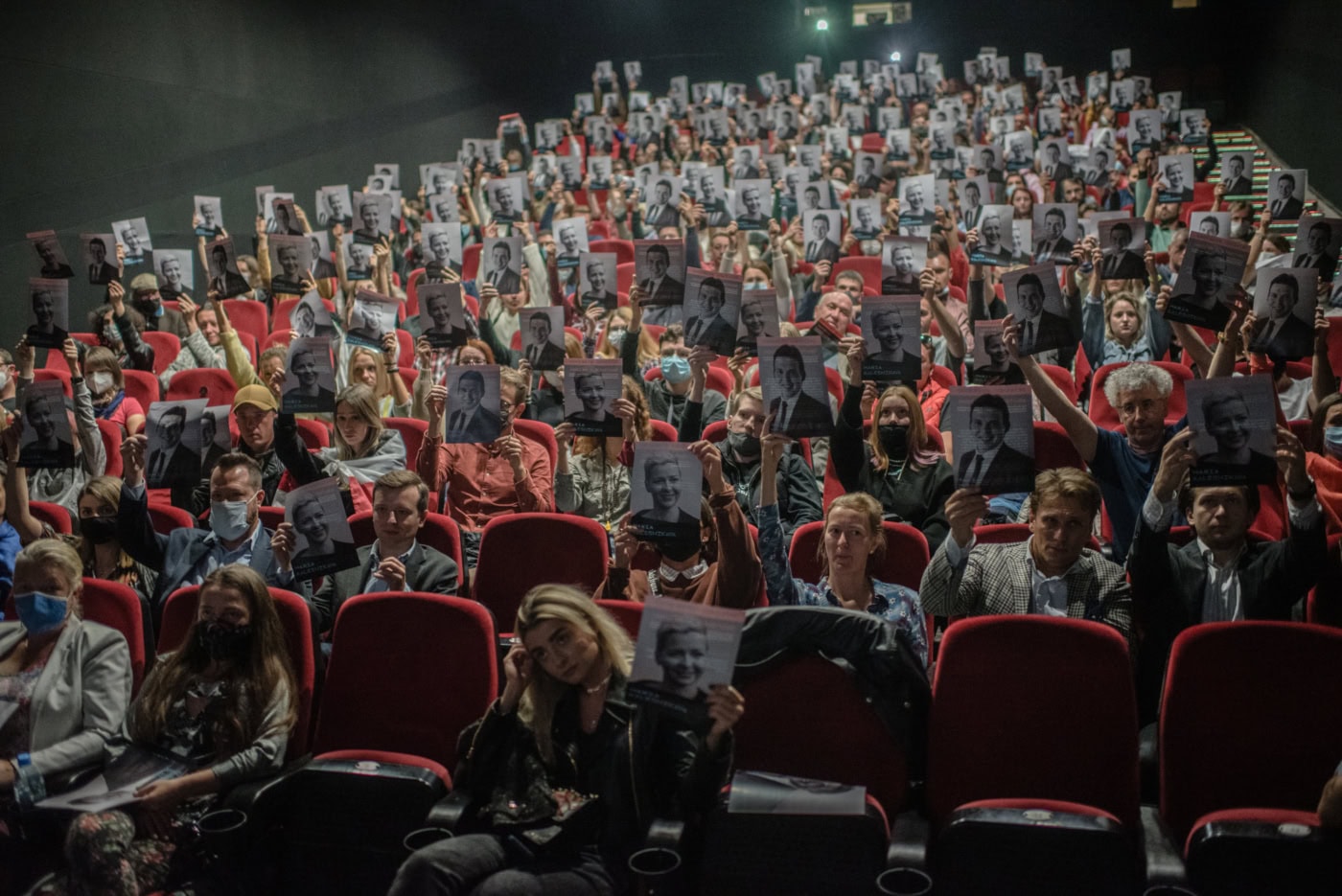 Warsaw, Poland, 7 September 2021.
A screening of the film ‘Courage’ by Aliaksei Paluyan marked the anniversary of the arrest of the political leader Maria Kalesnikava and the lawyer Maxim Znak.
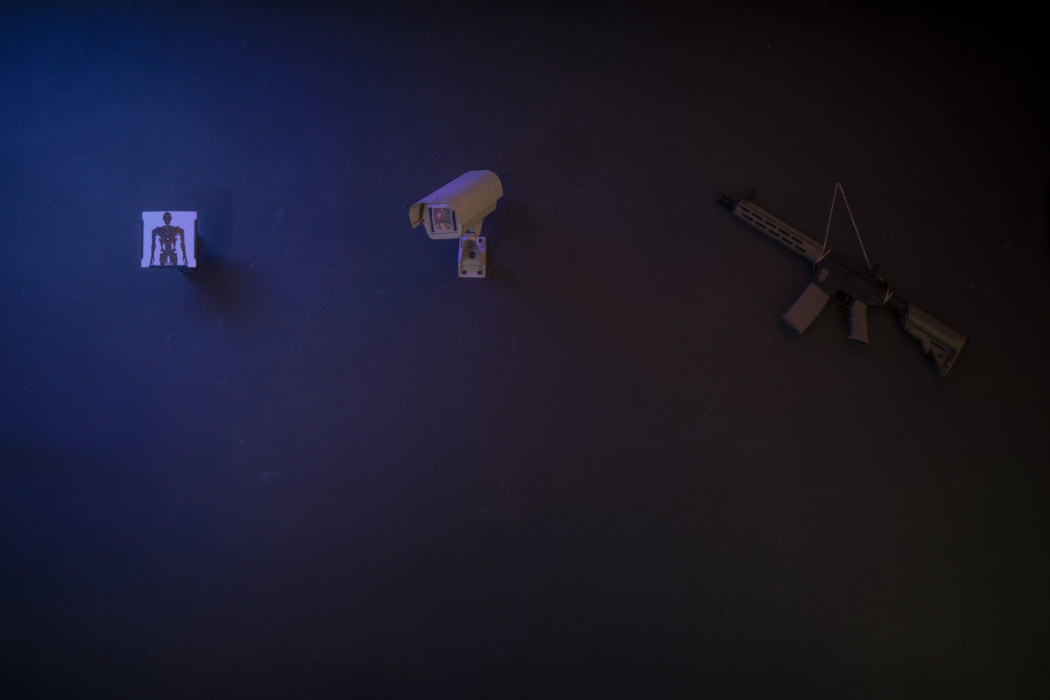 Belarusian space ‘Hackerspace’. Poznań, Poland, 20 January 2025.
When I was detained in July 2021, the assault on independent media was already in full swing. They questioned me about ‘extremism’, asked me about fascism, searched my phone and tried to intimidate me. I had no plans to flee; I didn’t think about it much and wanted to stay in the country for as long as possible. I looked for ways to deal with the fear and to find meaning – something I could do as a photographer.
In the weeks that followed, the sense of insecurity grew. On 8 July, the homes of dozens of journalists across Belarus were searched, and some were arrested. I managed to save my photos and published them online. Some colleagues criticised me for it – they were afraid the government would learn from it how to recover deleted files. But I didn’t want to stay silent. Somehow, I wanted to be loud.
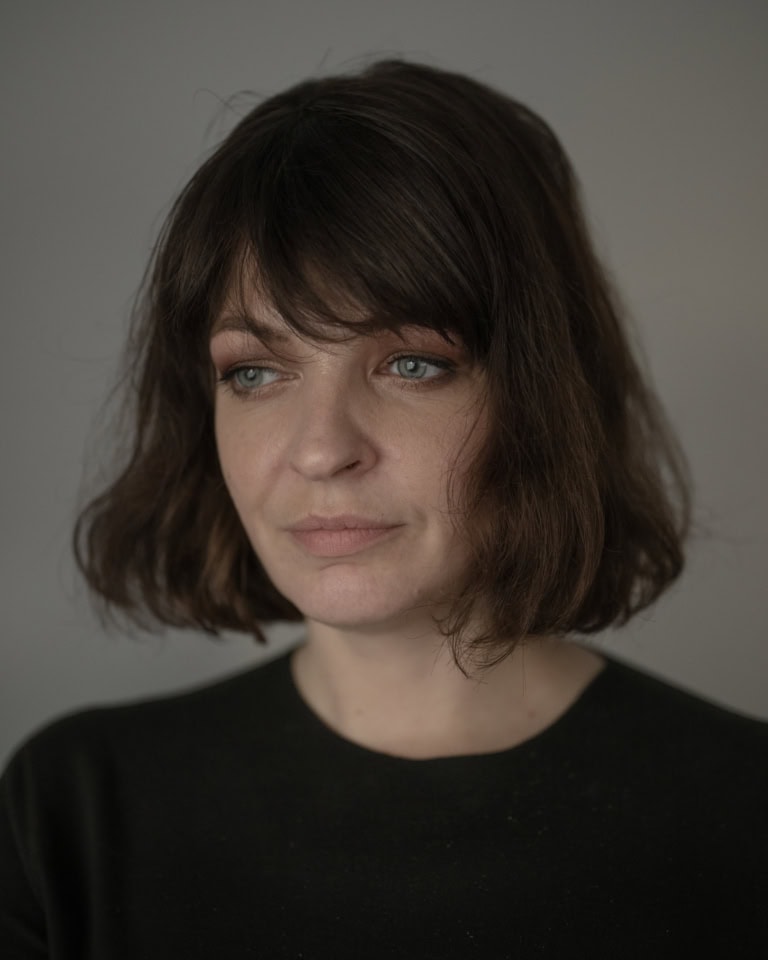 Białystok, Poland, 25 January 2025.
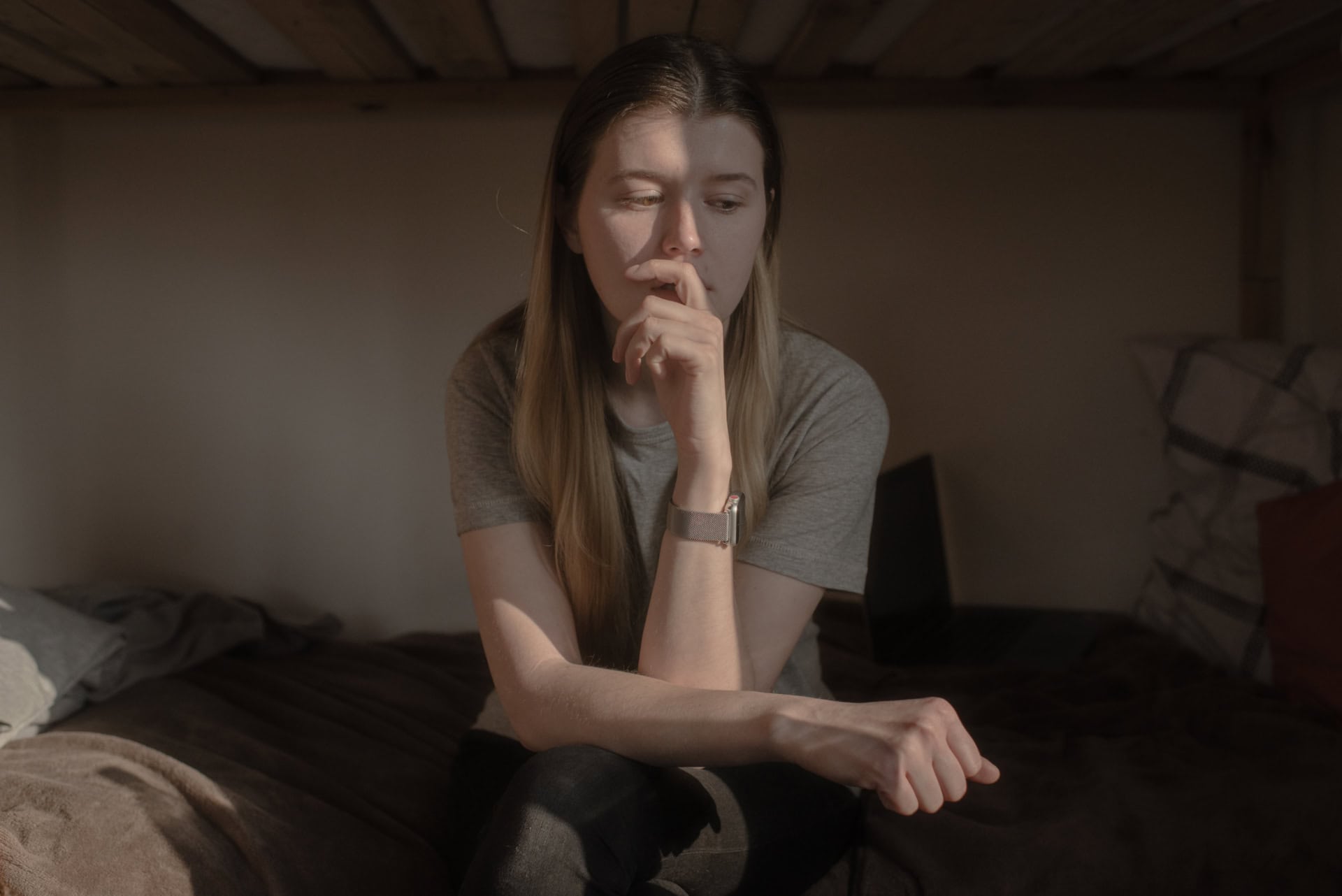
Portrait of Iryna Shchastnaya, a former political prisoner.
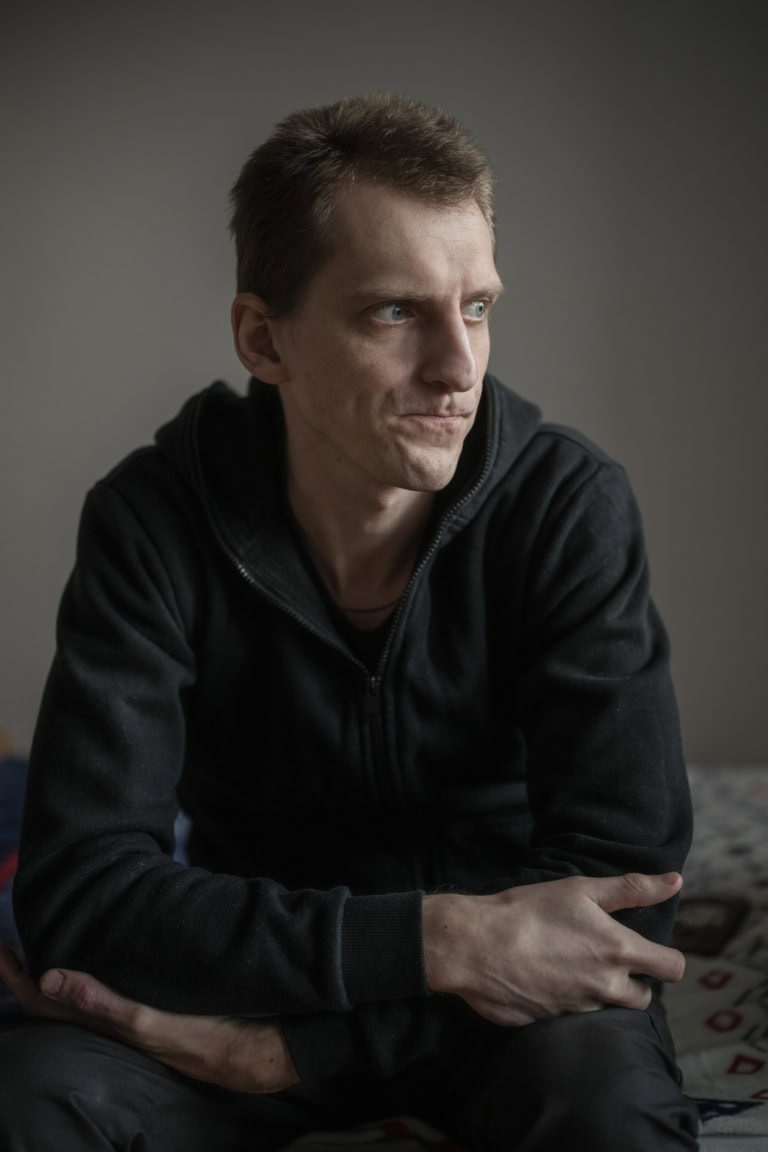 Warsaw, Poland, 23 January 2025.
Portrait of Andrei, a former political prisoner.
About six weeks later I was accepted onto a residency for Belarusian photographers in Warsaw, and I left my country. I have lived and worked abroad ever since. I keep taking pictures. But my focus has shifted: portraits of people in exile, stories of interrupted lives. The distance hurts. I feel as if I’m slowly losing touch. The connection is crumbling. I want to go back. But it isn’t realistic.
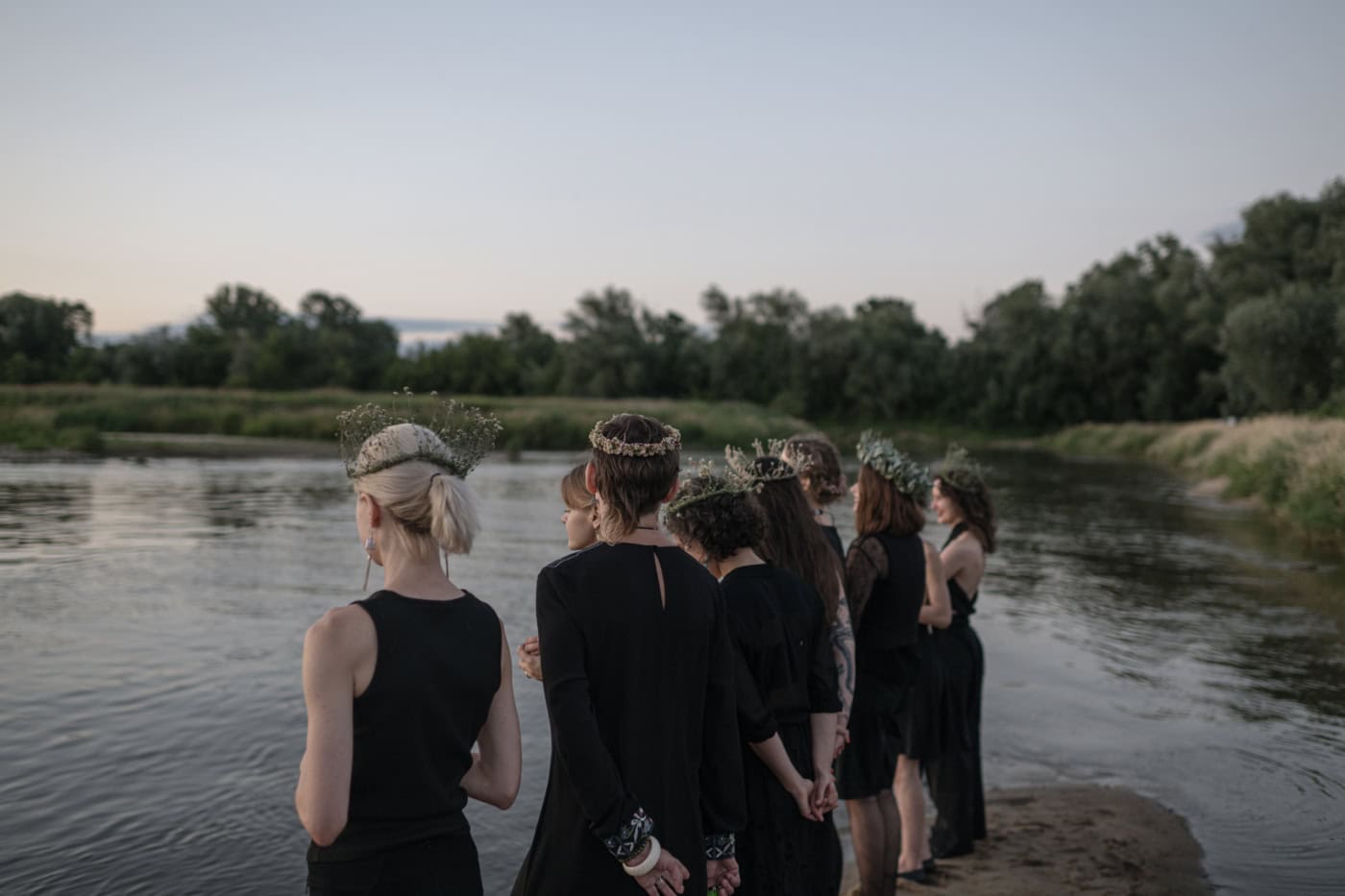 Warsaw, Poland, 22 June 2024.
The women of the Spievy collective celebrate midsummer. The collective is closely linked to the peaceful protests of 12 August 2020 in Belarus, when women dressed in white gathered with flowers in Minsk as a silent sign against Lukashenko’s regime – a protest that was met with brutality. The women of Spievy stand up for their Belarusian culture and identity and keep the fight for freedom alive in exile – through music and resistance.
‘Map of Memories’ (2020–ongoing) is my
long-term project – a visual archive against forgetting.
In Belarus, the truth is treated as an enemy of the regime. More than 35,000 people were detained in the course of the protests. Many were tortured. More than 400,000 Belarusians have left the country since 2020. At the end of 2024, at least 1,265 political prisoners were still behind bars – among them the opposition leader Maria Kalesnikava and the Nobel Peace Prize laureate Ales Bialiatski.
In exile we face other forms of pressure: distance, guilt, uncertainty. Some keep fighting, organise protests, support Ukraine, campaign for political prisoners. Others withdraw, worn out and exhausted.
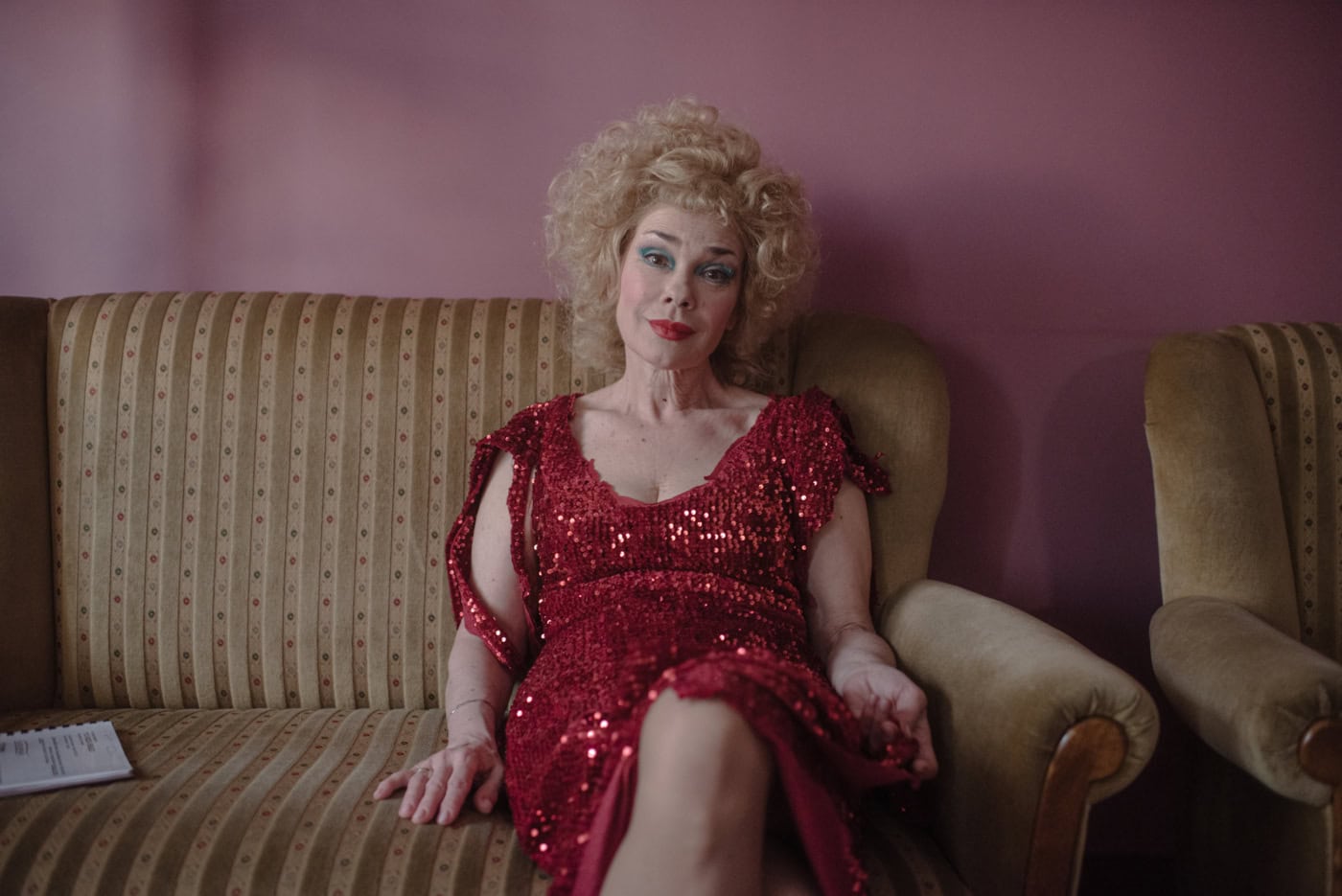 Lublin, Poland, 17 June 2022.
Zoya Belakhvostsik, an actress from the Kupala Theatre, at the premiere of the performance ‘GESE-HUMANS-SWANS’. In it, she embodies a typical representative of the Belarusian authorities, highlighting the tension of the political climate.
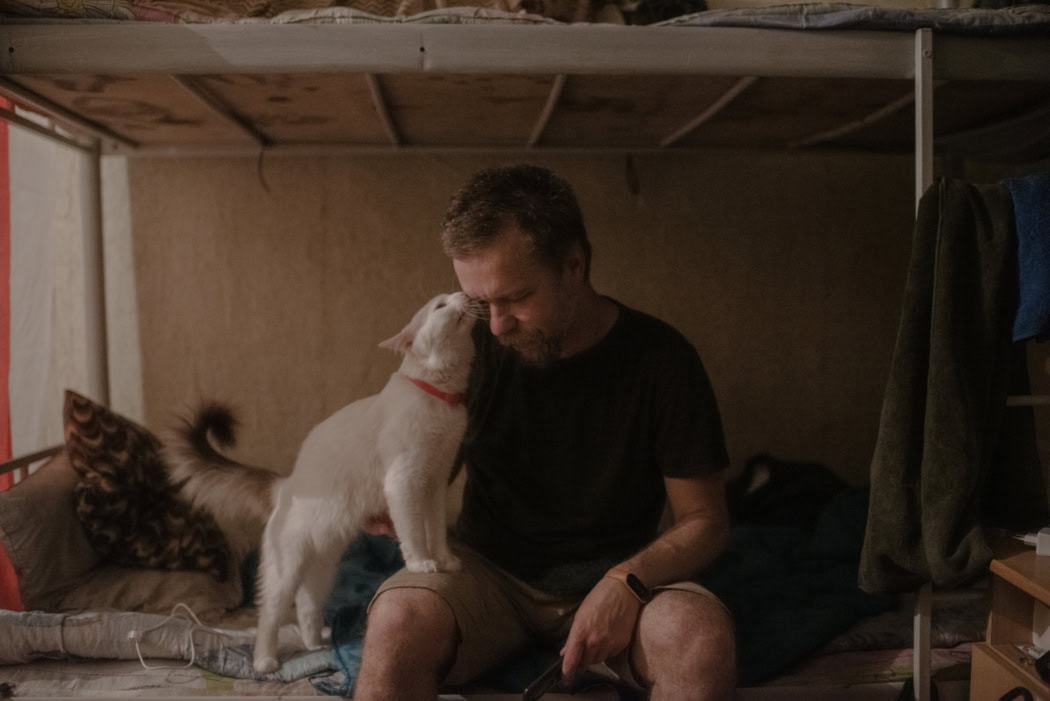 Kyiv, Ukraine, 2 August 2022.
‘Chili’ is Belarusian and has lived in Ukraine for 15 years. When the war began, he and his wife were in Lviv. They decided to move to Kyiv and turned their flat in Lviv into a shelter to give people fleeing the war a safe place to stay.
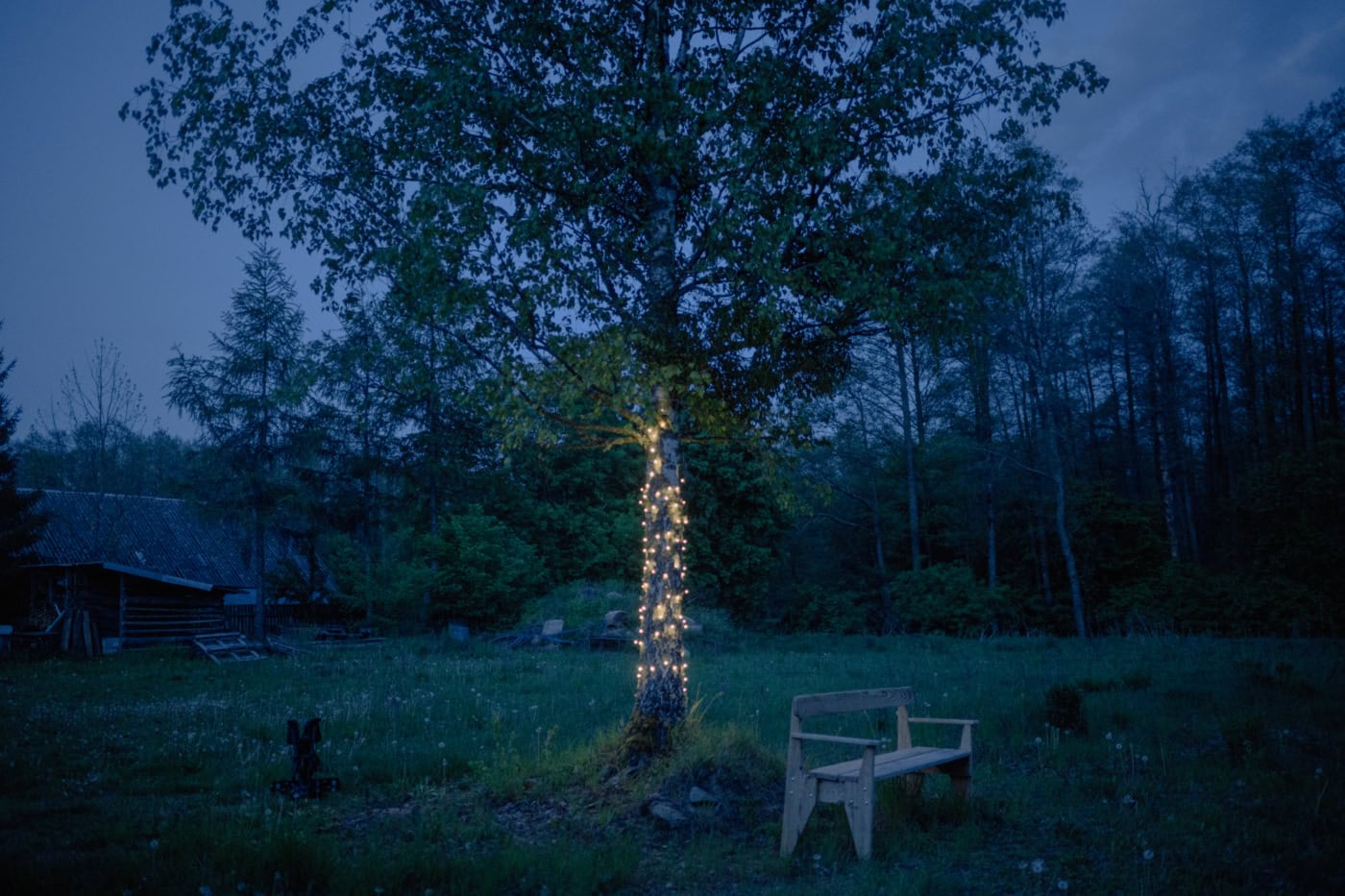 Puchły, Poland, 4 May 2024.
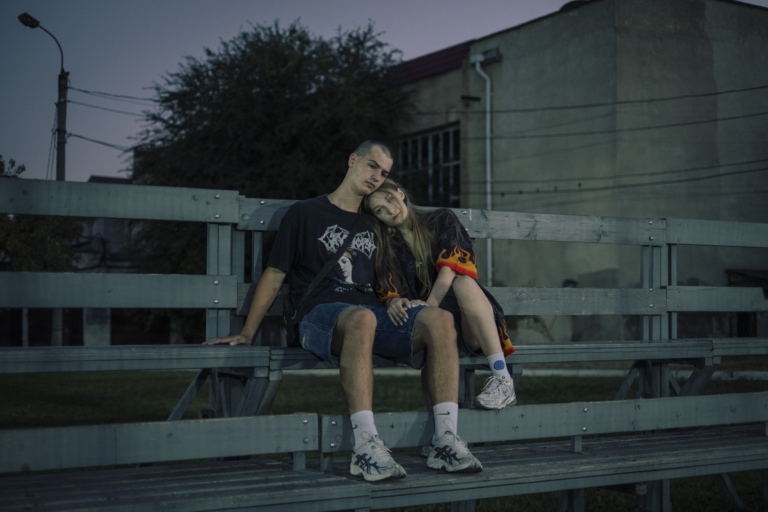
Places like Puchły offer many Belarusians in exile a way to reconnect with their roots. Although political restrictions prevent them from going home, they travel closer to the Belarusian border to experience the atmosphere and traditions that remind them of their homeland.
In Belarus itself, repression has long been part of everyday life. Wearing certain colours or posting the wrong thing can get you arrested. The upcoming 2025 election promises no real choice, only fresh fear. And yet the resistance lives on. Quietly. In memories, in silence, in the act of not forgetting.
I document this silence. Not only as a photographer, but as someone who has been shaped by it. My pictures don’t just show other people. They also tell my own story. One of many. But together these fragments form something that is harder to erase: a record. A refusal. A map of memories that no regime can completely destroy.
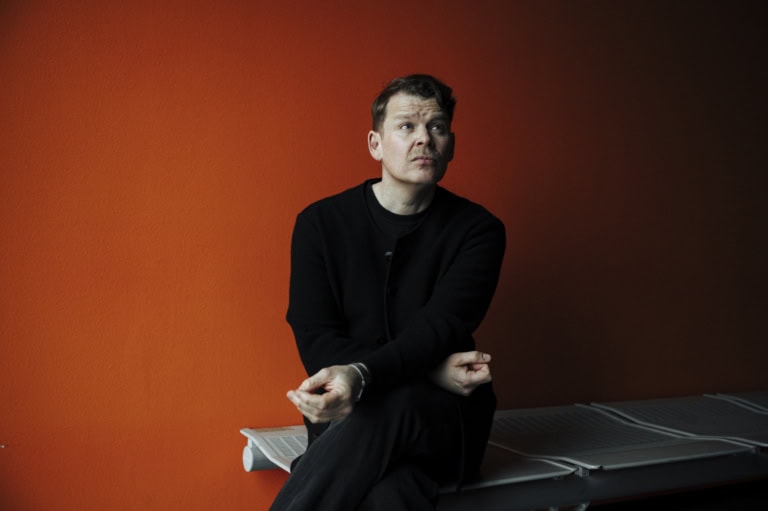
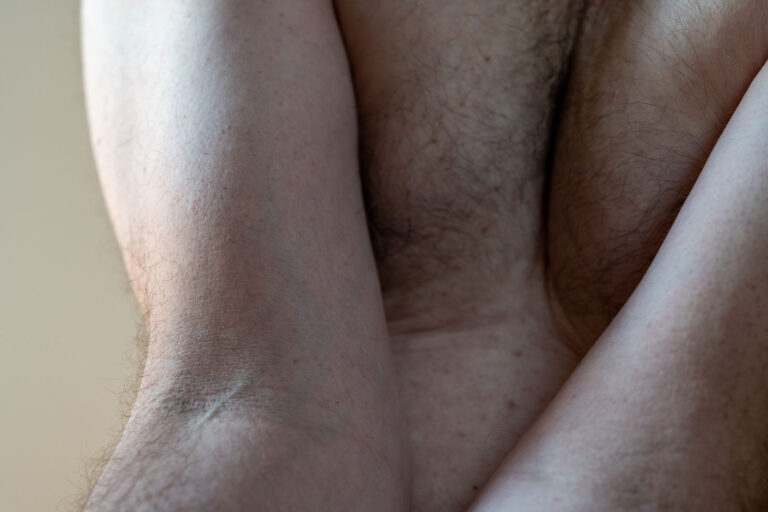
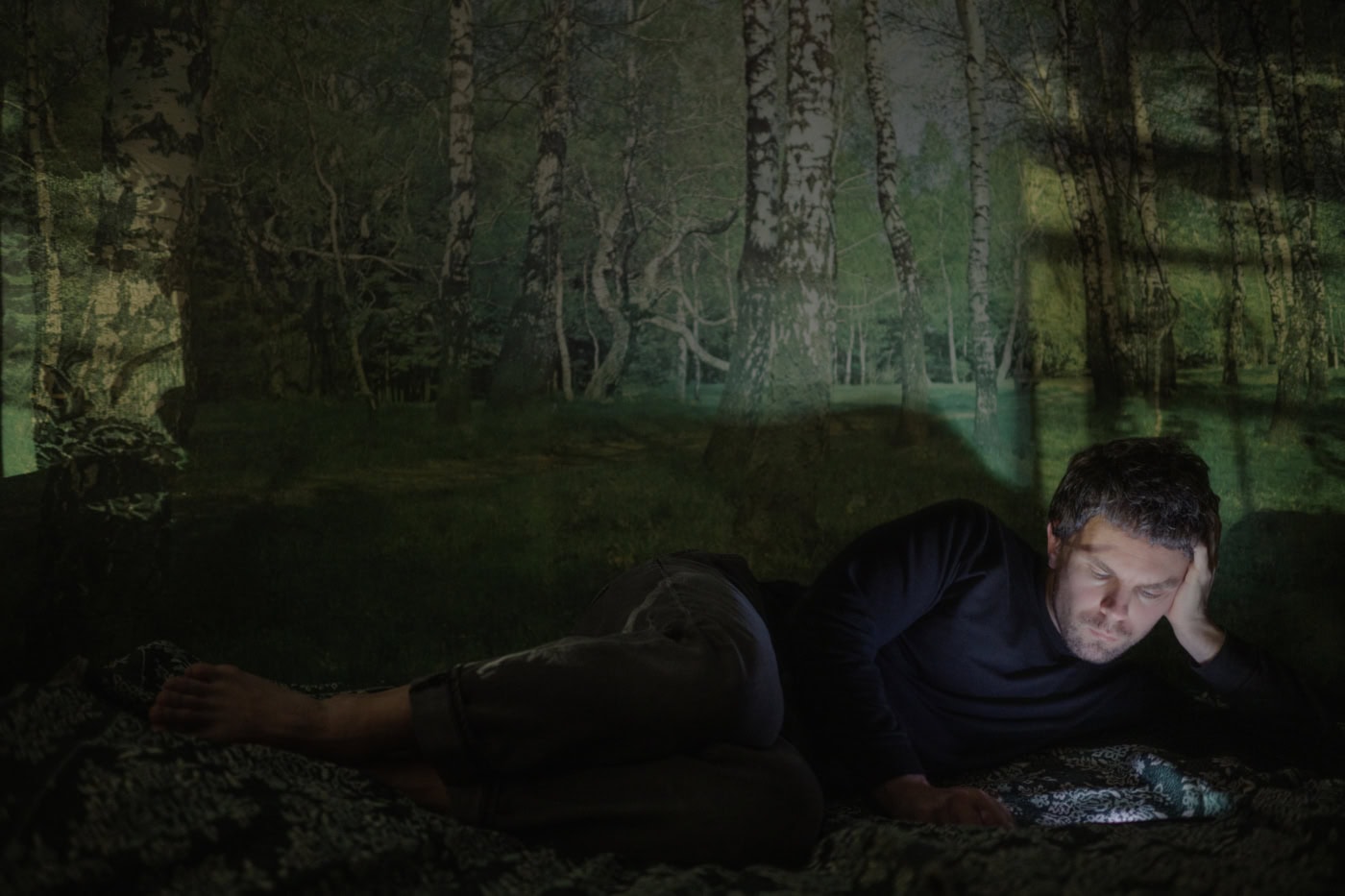 Hajnówka, Poland, 23 December 2024.
Self-portrait of the photographer Pasha Kritchko.