‘Why should I watch this right now?’ TikTok researcher Marcus Bösch on attitude, platforms and why good journalism should still be seen today.
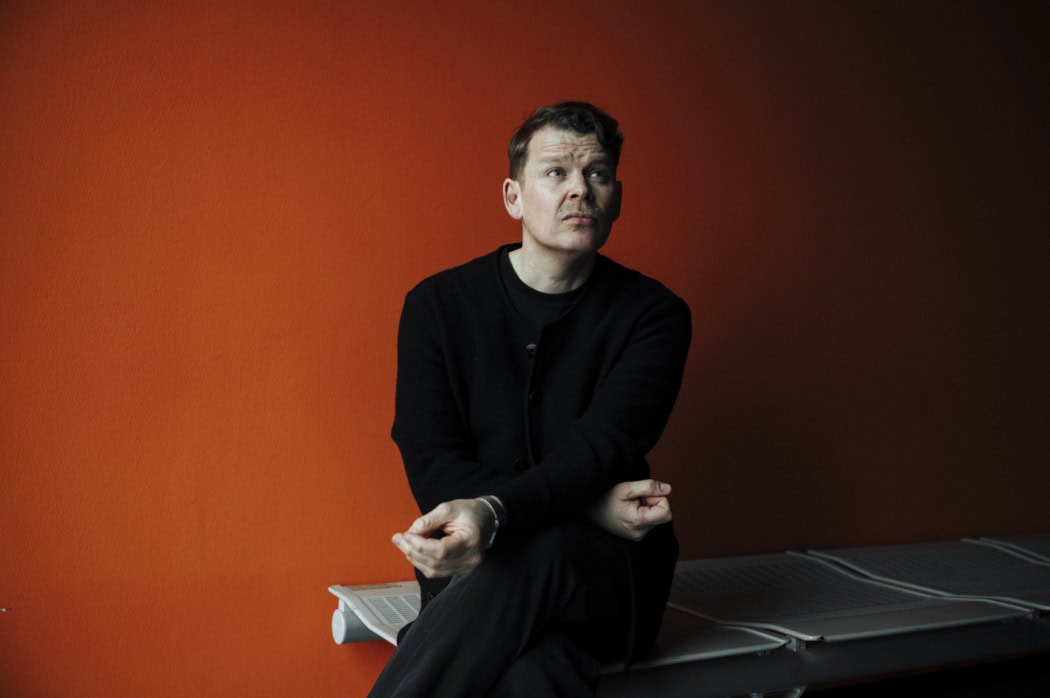
Marcus Bösch knows the digital transformation of journalism from several angles. He trained at Deutsche Welle, worked there as an editor and author, and today teaches, among other roles, as a lecturer on the Visual Journalism & Documentary Photography programme at Hochschule Hannover. He is also doing a PhD at the University of Münster, and his research and teaching deal with platforms, digital communication, AI and propaganda.
The conversation is about what students should take away from combining documentary photography, visual storytelling and journalism, how attitude and platform logic can be brought together, and which skills really count in a digital media world.
Why should people watch this? What can I actually give them?
 Marcus Bösch
What should students today take away from the combination of documentary photography, visual storytelling and journalism?
I think many people out there aren’t that interested in the exact distinctions between visual journalism, non-fiction, storytelling and documentary. Faced with a complete oversupply of content, in the end they mainly ask one question: why should I spend my precious time watching this right now? And I think you should have an answer to that. Why should people watch this? How can I offer them added value? How do I get away from just saying ‘look at this, it’s great’ and towards the question: what can I actually give people? And how can I give them something that I enjoy doing myself?
How can you tell stories in a way that suits a platform without losing your journalistic and documentary attitude?
I love the word ‘attitude’, because without it the whole thing doesn’t work. After that, you can talk about the specifics of each platform. People often talk as if this were something completely new and you now had to do everything strictly according to a particular platform logic. But if you take a step back, you realise that platform specifics have always existed. Audio and radio worked differently from television, and television differently from YouTube. If you look at it on a meta level, you might become a little less dogmatic and more relaxed.
Then you can ask yourself: what does a platform mean in concrete terms? On TikTok I definitely need a hook; I have to draw people in somehow, I have to give them something. But that doesn’t mean everything has to be cut super fast. I’m firmly convinced that content also needs room to breathe and live – fast and slow. In the end, the form has to fit the content. If I report on a funeral, I tell the story differently than if I report on a skateboarding world championship.
What role does documentary photography play at a time when many platforms favour video?
That’s an exciting point. Of course I should always look for the medium that best suits my work. And photography isn’t only challenged by short videos. Beyond that, we are currently in a broader period of upheaval, because with generative AI and synthetic media we are in an age that is shaking up a great deal.
Still, I believe people want to see good documentary pictures and good documentary videos as much as ever. I don’t see any contradiction there at all. Photos and moving images go hand in hand. You just have to be aware that the way people use platforms like TikTok is different. It isn’t: I go to a museum, sit down in front of a picture and look at it at leisure.
On the other hand, this very closeness to lived reality is something that suits such platforms. That’s why, for me, the two are not mutually exclusive at all. It’s more about finding your own approach and experimenting with it, so that you can then make an informed decision: yes, this is how I do it – or I’d rather do it on paper.
So: just do it. Don’t let fear make you censor yourself before you’ve even started.
Marcus Bösch
Which skills or qualities should students acquire to succeed in visual journalism, or in journalism generally?
That’s a great question, because frankly I think all these discussions about everyone now having to be able to do everything are nonsense. Today you’re supposed to be able to do this, tomorrow that, and the day after an AI might do it anyway – or you work with people who are better at certain things.
I think old-school qualities are more important. One is curiosity. And, linked to that, knowing how to work things out for yourself. If I know how to get to grips with something and enjoy doing it, that’s a skill that outlasts passing trends. Then I can do it all my life, even as media formats come and go.
Then there is attitude – also in the sense of not becoming bitter. When you notice that something is difficult or that things aren’t going the way you imagined, you have to ask yourself how you deal with it. And finally you need a certain persistence: the ability not to say ‘better not’ at the first breath of wind, but to stick with it, keep pushing things and see whether you might get somewhere after all. In the end, this mix may last longer than purely technical skills.
What would you advise students for the next few semesters and for starting their careers?
Go for coffee, talk to people, exchange ideas, build networks. And simply write people an email now and then – editors-in-chief, newsrooms. Show genuine interest. Many people are friendlier than you might think. So: just do it. Don’t let fear make you censor yourself before you’ve even started.