‘People here knock on a lot of doors’
In eastern Malmö, a neighbourhood is struggling with its reputation – and with the hope that doors will open for the people who live there.
By Nora Schwarz (photos, interview notes), Jana Finze, Laura Riedner (text)


Around 34,000 people live in Rosengård, a district in the east of Malmö. The large housing estate was built about 60 years ago to cope with Sweden’s rapid population growth at the time. Today many of these estates are regarded as social hotspots. Rosengård is one of them.
The Swedish police list Rosengård among its ‘particularly vulnerable areas’, which are marked by difficult socio-economic conditions and high crime. Shaped by social exclusion, the neighbourhood is viewed negatively in many other parts of Sweden.
The Hamburg-based photographer Nora Schwarz has been visiting the district regularly since the summer of 2022. We met Nora in a café. She told us about her impressions of the neighbourhood, its residents and how people live together. New perspectives and an open view beyond the negative stigma – that is what Nora’s project is about.
Rosengård’s young generation
Young people make up a large share of Rosengård’s population. A third of the residents are under 18; in the Herrgården area it is almost half. This is especially noticeable after school, when children meet outside to play. The green spaces framed by blocks of flats in the heart of Rosengård offer plenty of room for that. In the summer holidays, too, various charities run lots of programmes and activities for the children. They have breakfast together, do crafts and sport and take part in art workshops.
In her interview with Nora, 24-year-old Fatme also stresses how people stick together and support each other. A trained social worker, Fatme lives in Rosengård herself and explains: ‘Rosengård is not a ghetto. We have a lot of love, people notice each other and many want to change their lives. But who ever talks about their stories?’ Fatme also knows that many of the young adults living here are studying and want to go into good jobs. Some, however, have moved away because in Rosengård they came up against limits that stopped them developing further.
Egzona is the mother of two children who go to nursery in Rosengård. She herself was born and raised in Denmark and moved to Rosengård with her husband and children in 2016. She has concerns about her children’s future. While they are small, she says, Rosengård is a good place for families. But later on Egzona wants her children to go to school in another part of Malmö, where they will get a better education with better opportunities. The community police officer Johannes also tells Nora: ‘Because of the neighbourhood’s tarnished reputation and its crime, good teachers usually prefer to work elsewhere.’
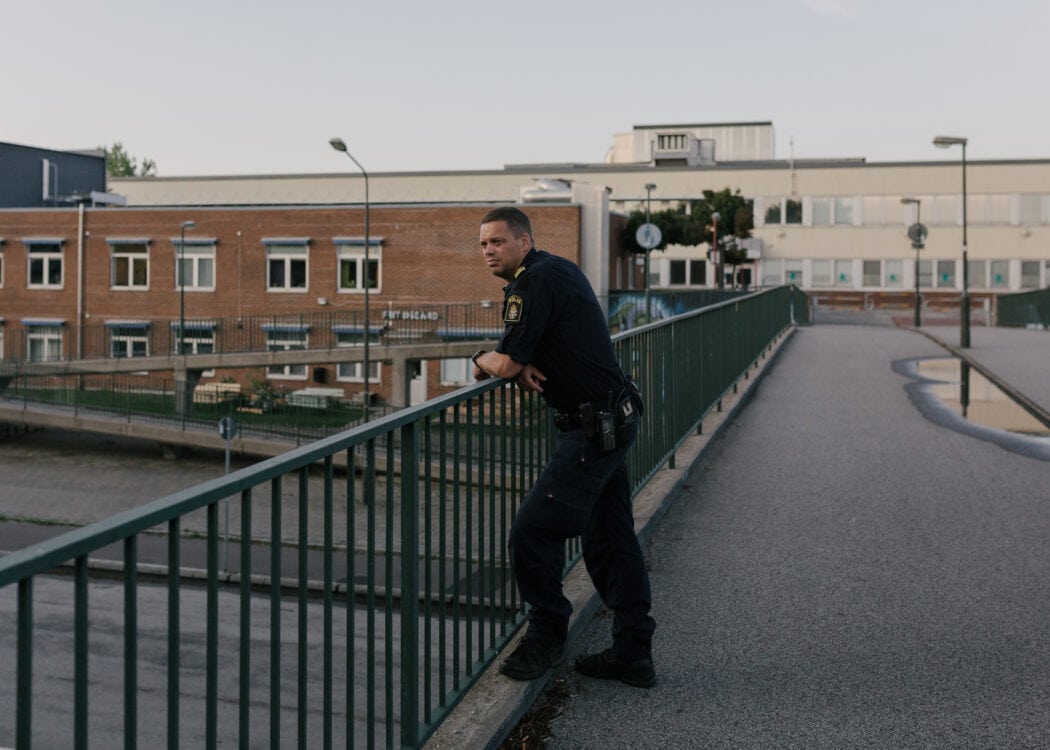
‘We still have a big problem of trust here. Many people don’t see the police as help and don’t call us when something happens. So I try to win people’s trust, and today most of them know me.’ – Johannes (43), community police officer in Rosengård
Safety in Rosengård
The job of the community police is to get to know residents and win their trust. In Rosengård, many community police officers and residents know each other personally. The community police are particularly concerned about young people: the aim is to give them a hopeful view of their future, an alternative to a path into crime. But there is still a major problem of trust in the police, reports Johannes, who has worked in Rosengård since 2008.
A lot has changed for the better. But it takes time. Slow change is something the media rarely report on. Instead, in the past, mainly negative reports shaped the media image of the district, as Rosengård increasingly had to deal with problems of violence and gangs. Headlines about a rising murder rate and no-go areas made the place known.
But Rosengård is not standing still. In recent years, various programmes have been launched to make Rosengård safer. They include the programme Sluta skjut – roughly ‘Stop shooting’ – which aims to prevent shootings and serious violence between criminal groups.
The view from outside
‘Rosengård is like a tattoo you wear. It is a label for not being Swedish. Every town in Sweden has a Rosengård. Rosengård is a person: I am Rosengård, you are Rosengård, they are Rosengård. Swedes are very cautious. Where are you from? That is a question you get asked here very often, and it comes with the feeling of being a stranger.’ That is how 24-year-old Abdula explains it to Nora in an interview. He lives in Rosengård himself, works for Save the Children and is the founder of the company Made in Rosengård, which aims to encourage young people to become entrepreneurs.
It is hard for residents to escape the negative stigma when the outside world mostly knows their home as a ‘problem neighbourhood’. As soon as people know where you are from, the tattoo can no longer be hidden. Most of Rosengård’s residents also feel let down by politicians. If young people can earn a lot of money through crime, politicians have to offer better opportunities, Abdula believes.
 29.07.2022
A boy has made himself comfortable on a youth worker’s lap. During the summer holidays there are several supervised activities for the children in the area.
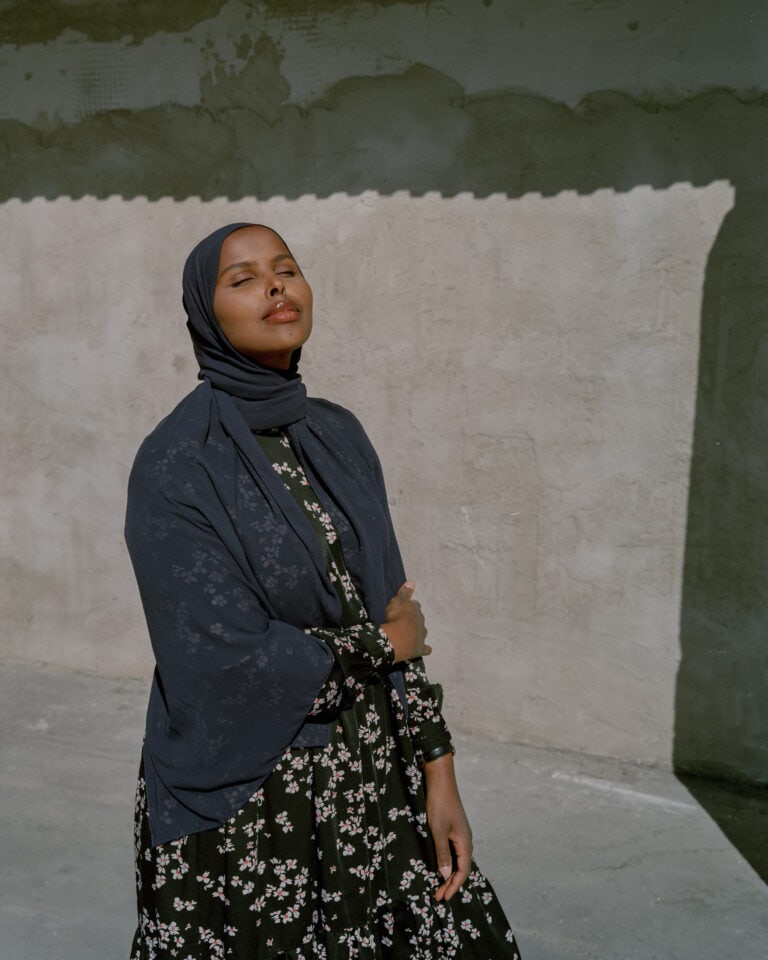 11.06.2023
‘People from Africa and Asia have come a long way and are ready to work. But for that you need open doors.’ – Halimo (28), social worker
 26.07.2022
A boy fixes his hair after playing. He grew up in Rosengård and lives there with his family, whose roots are in Pakistan.
Living with diversity
Many of Rosengård’s residents come from predominantly Muslim countries, which is why the neighbourhood is marked by great multicultural and ethnic diversity.
Twenty-eight-year-old Halimo is a social worker and lives in Rosengård. She is also a project manager at Rosengård Roasters, an organisation that promotes democratic participation in Rosengård and helps residents stand up for their own rights. The association actively fights discrimination and racism. ‘Many mothers in particular take up what we offer. The workshops make them more confident and stronger,’ says Halimo.
Living together matters a great deal to the people of Rosengård. Especially in the summer months, many people gather to spend time outdoors and celebrate together – with plenty of food, drink and entertainment for children and young people.
The Rosengård of the future
What might the Rosengård of the future look like? The neighbourhood is on the move and changing. But problems persist: young people still do not have the same opportunities as their peers from other areas, and unemployment remains high. These are the problems facing the residents, who are shaping their home into something beautiful through all kinds of commitment. But often that simply does not seem to be enough. Like many people in Rosengård, Halimo and Abdula believe solutions must be found for the district’s problems – above all at a political level. Halimo ends the interview with an image: ‘People here knock on a lot of doors and hope that one of them will open for them.’
 21.07.2022
After school, Rosengård is full of children meeting up outside to play without their parents.
 Rosengård, Malmö, 01.08.2022
‘When I do art with the children in Rosengård, it’s mainly about colours, shapes and fun. Art is a wonderful way of giving people another outlet for their feelings and of connecting with them. It works without language, too.’ – Sannah (38), writer and artist
 11.08.2022
In the warmer months, many gatherings and celebrations take place outdoors in Rosengård’s parks – with food, drink and entertainment for children and young people. Community life plays a big part in Rosengård.
 23.03.2023
Muse works as a carer for the elderly and likes spending time in the newly opened library in Rosengård.
 25.07.2022
Many children and young people live in Rosengård. A third of Rosengård’s residents are under 18; in the Herrgården area it is around 47 per cent.
 26.10.2022
Egzona studies in Copenhagen. Her two children are growing up in Rosengård and go to nursery there. Egzona wants them both to go to school in another part of Malmö, where they will get a better education for the future.
 11.08.2022
‘I’d like to move away from Rosengård. The people are really nice, but I want my children to have more contact with Swedish and Scandinavian culture, which is difficult in Rosengård. Almost everyone speaks Arabic or another foreign language. I like the cultural mix, but we also need native Swedes in the area.’ – Egzona (29), born and raised in Denmark.
 26.07.2022
‘Rosengård is like a tattoo you wear. It is a label for not being Swedish. Where are you from? That is a question you get asked here very often, and it comes with the feeling of being excluded.’ – Abdula
 26.07.2022
‘I want to become a model and move away from Sweden to try other things and gain new experiences.’ – Anas (19) lives in Rosengård
 26.07.2022
Right next to a long building complex known as the ‘Chinese Wall’ lies the new part of the Eastern Cemetery in Rosengård.
 11.06.2023
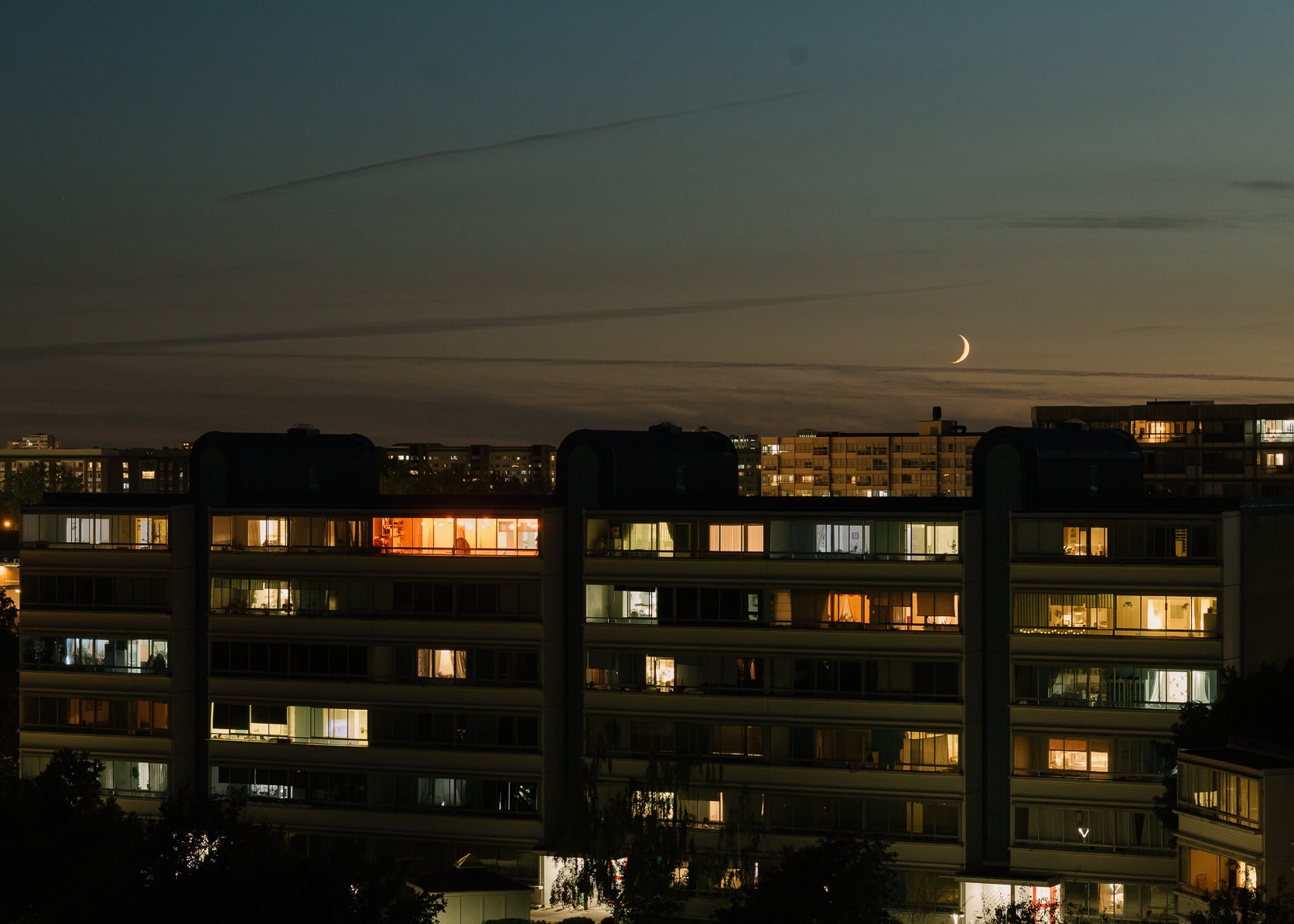
Blocks of flats in the Herrgården area – home to the Rosengård manor house after which the district is named.
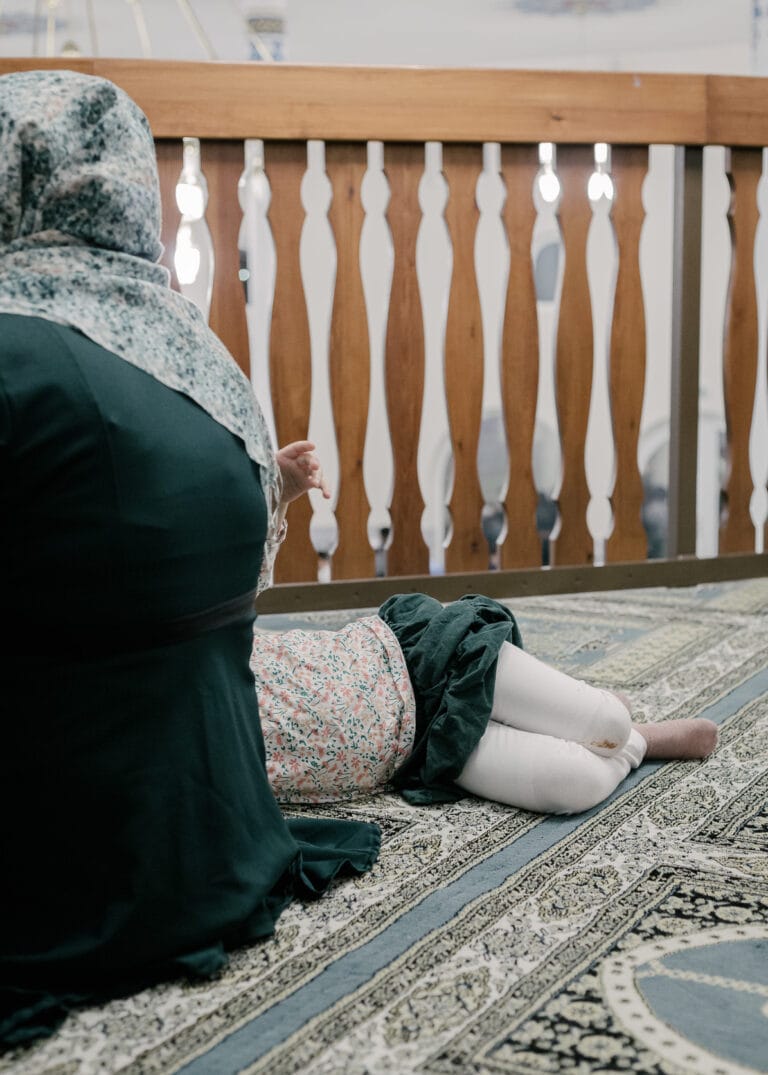 11.06.2023
A mother and her daughter in the mosque of the Islamic Center on the edge of Rosengård.
Rosengård is not a ghetto. We have a lot of love, people notice each other and many want to change their lives. But who ever talks about their stories?
 Fatme, social worker
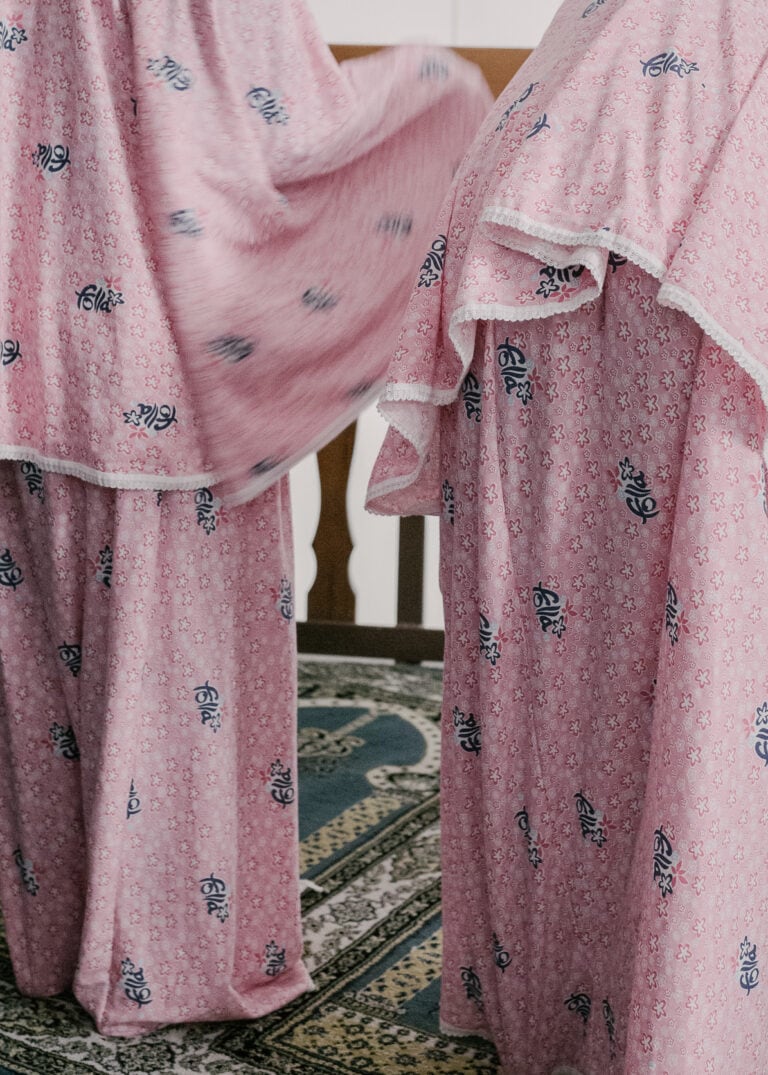 11.06.2023
On the edge of Rosengård is the Islamic Center with a large mosque. Many Muslims gather here for congregational prayer.
 Rosengård, Malmö, 18.08.2022
It’s my last year at school, and my plan for the future is to become a heart surgeon. I’d also like to visit Mecca one day. – Shahed (16)
 21.04.2023
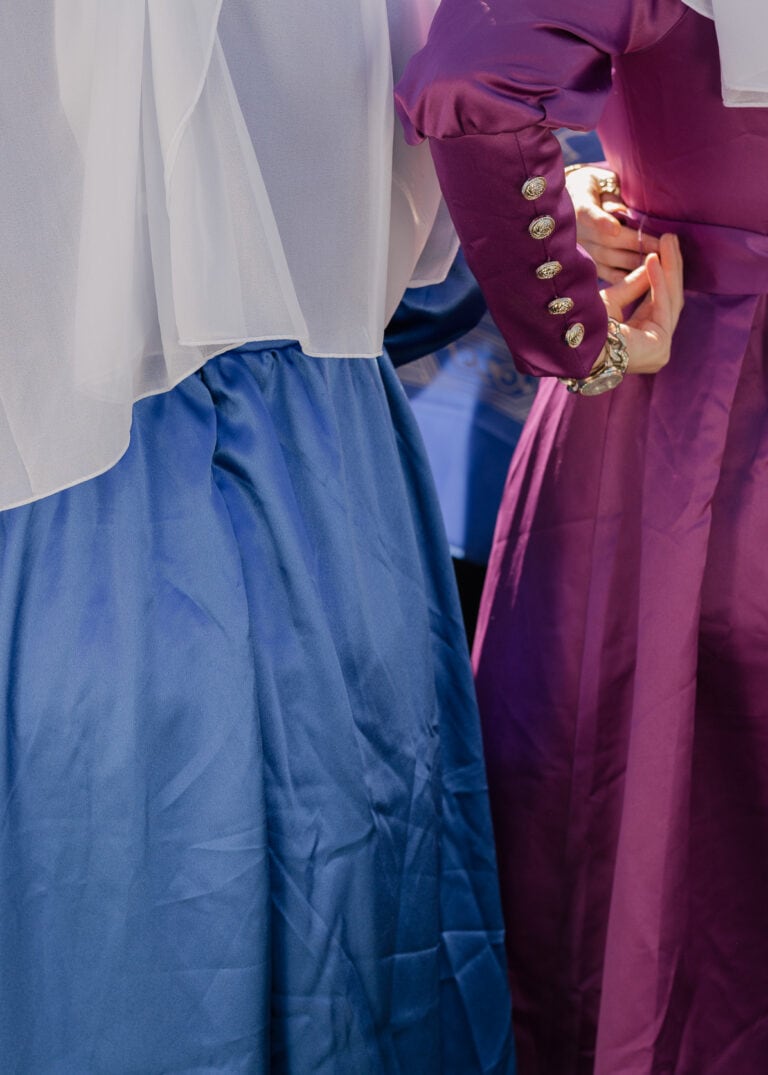
The end of Ramadan is celebrated with the festival of Eid al-Fitr, which lasts several days. Many Muslims wear traditional clothes and dress up especially smartly.
 Rosengård, Malmö, 20.07.2022
A window in the Herrgården area – many windows in Rosengård are covered with colourful cloths instead of curtains
 21 April 2023
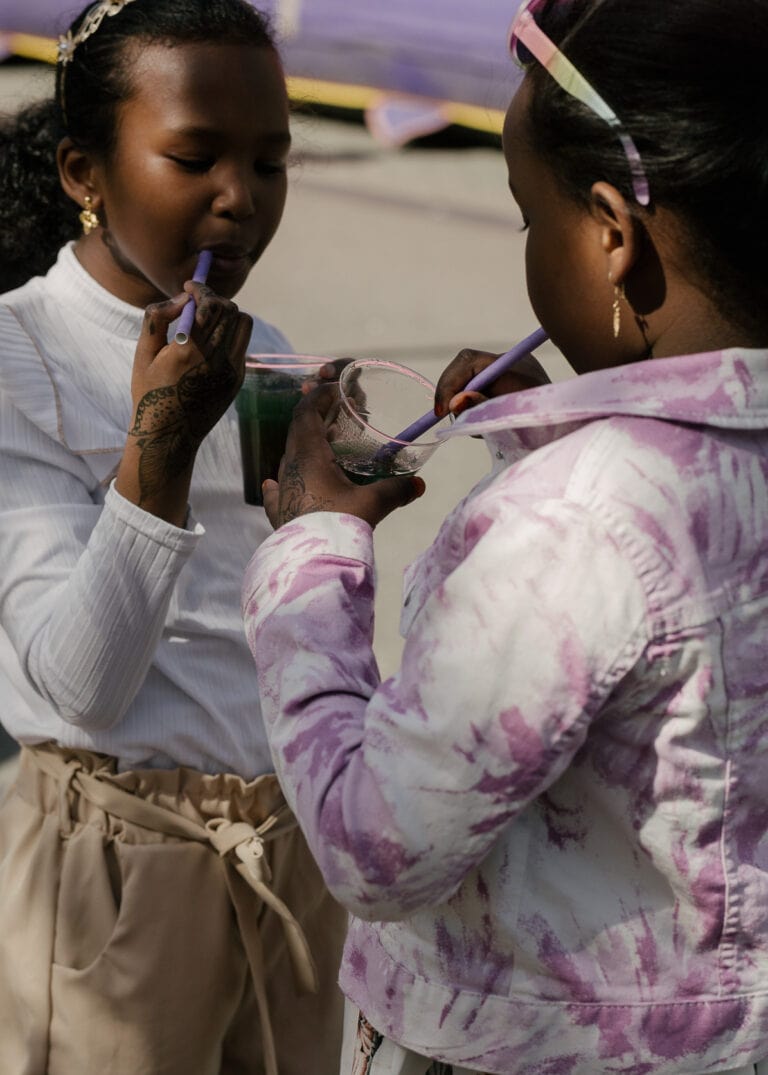
For the Eid al-Fitr festival, there are various activities for children all over Rosengård.