Into the bushes
From city parks to cemetery toilets: how public places became refuges for gay men – and why cruising still exists today.
By Markus Heft (photos), Tim Kirchhof (text)


‘It is not the homosexual who is perverse, but the situation in which he lives.’ With this provocative line, film-maker Rosa von Praunheim marked a turning point for the gay and lesbian movement in Germany in the 1970s. His call ‘Out of the toilets, into the streets!’ urged the community to rebel against social constraints.
Mats, 62, from Frankfurt, remembers his first steps into this hidden world. As a teenager, his sister encouraged him to visit a ‘Klappe’ – a public toilet used as a cruising spot. ‘For me it was like paradise opening up: lots of men who were up for sex with men,’ he says. This discovery led him deeper into Frankfurt’s cruising scene.
Cruising – looking for anonymous sexual encounters in public places – was for many gay men a response to social and legal repression. Until the late 1960s, sexual acts between men were a criminal offence in both West and East Germany. Public places such as parks and toilets became refuges where men could live out their desires.
You just walk through nature and see the people. If you find someone attractive, you try eye contact, and if that works, it’s off into the bushes.
‘Back then, Section 175 of the Criminal Code was still in force, which made sexual acts between men a crime,’ Mats recalls. ‘I was lucky, but I was always careful too. I always felt that ban, though.’ The constant threat of prosecution was ever-present, but the longing for closeness was stronger.
State surveillance became obvious in 1980 when activists in Hamburg smashed the mirrors in public toilets and discovered police observation booths hidden behind them. The revelation exposed the systematic spying on homosexuals and sparked protests.
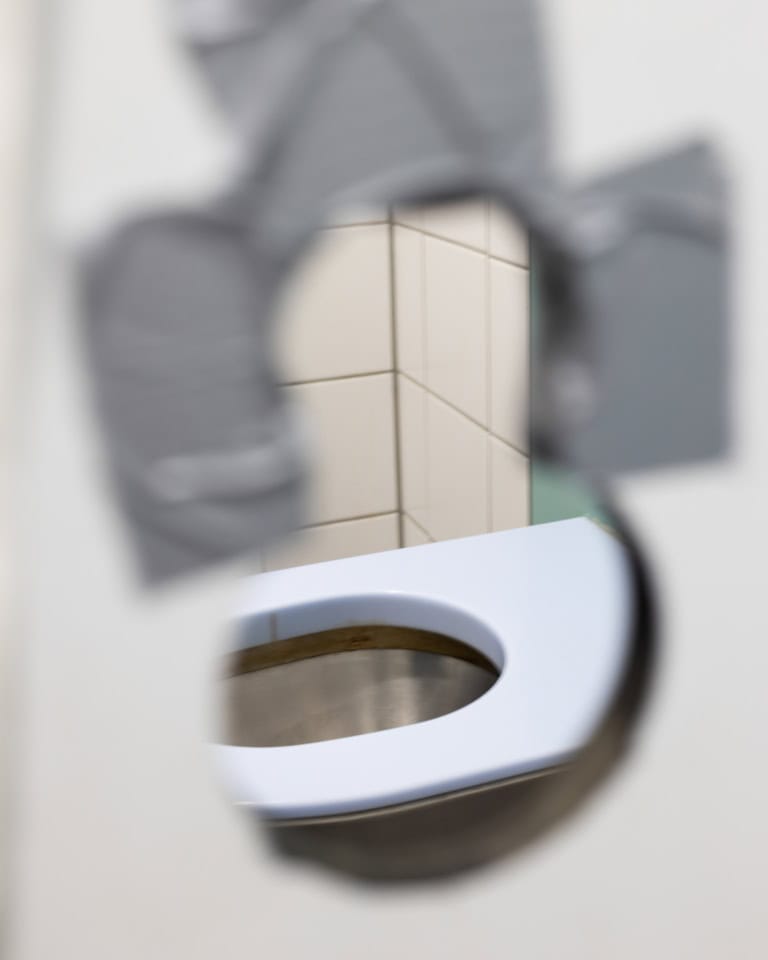
View through a glory hole of a toilet bowl in a ‘Klappe’ in Hannover. The hole is lined with gaffer tape to protect against sharp edges.
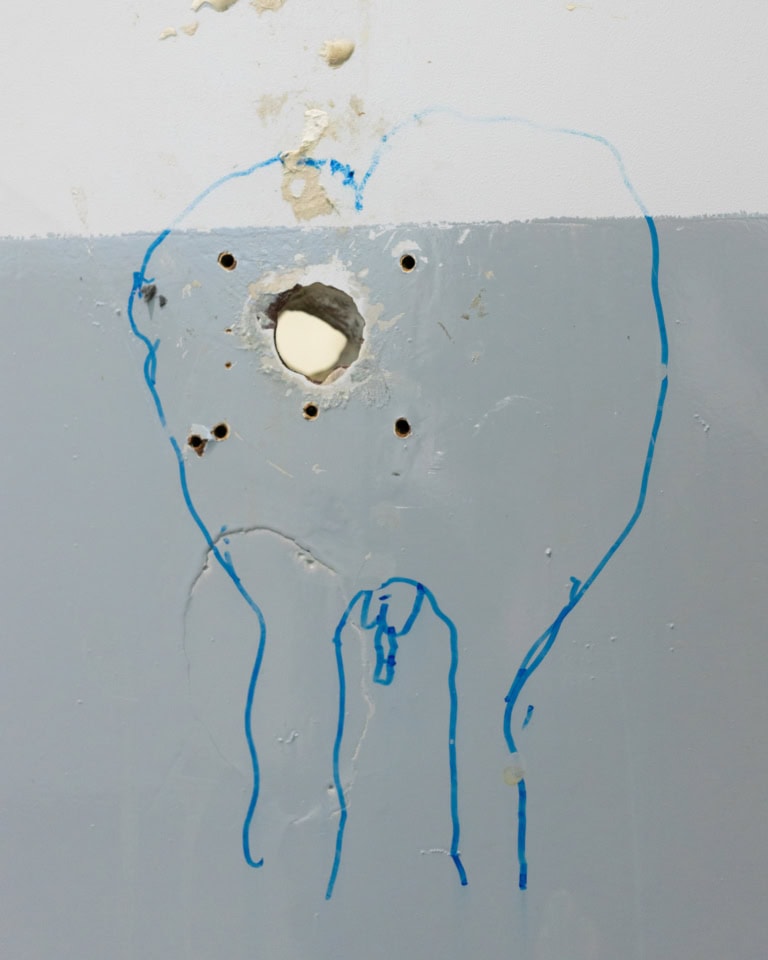
A peephole for watching other cruisers.
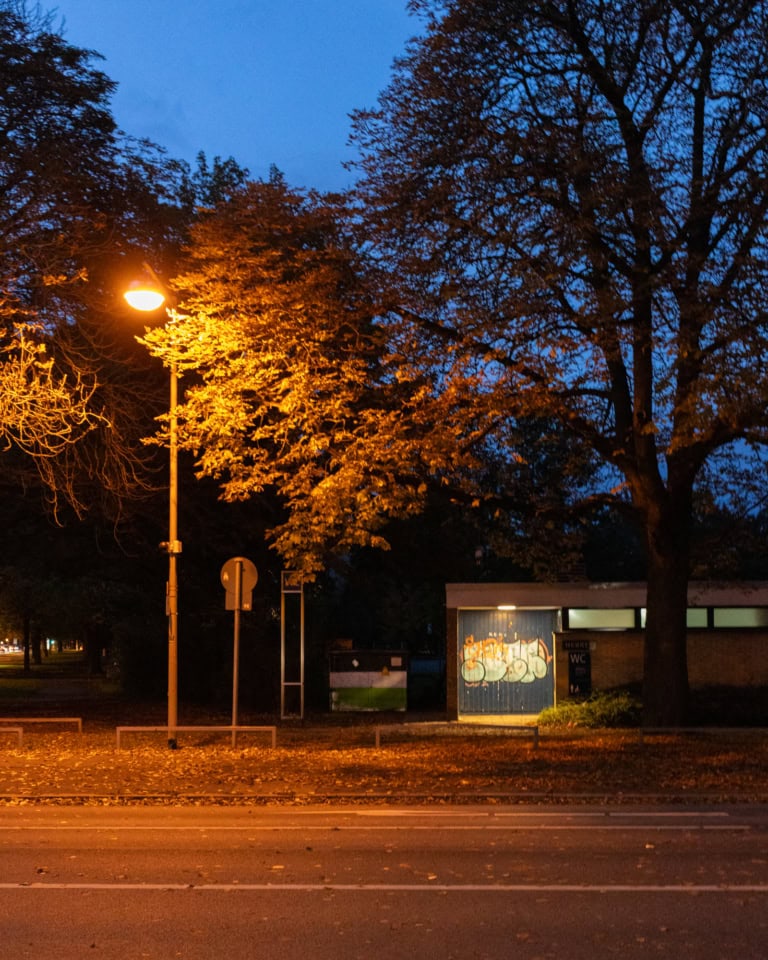
A public toilet in Hannover known as a ‘Klappe’.
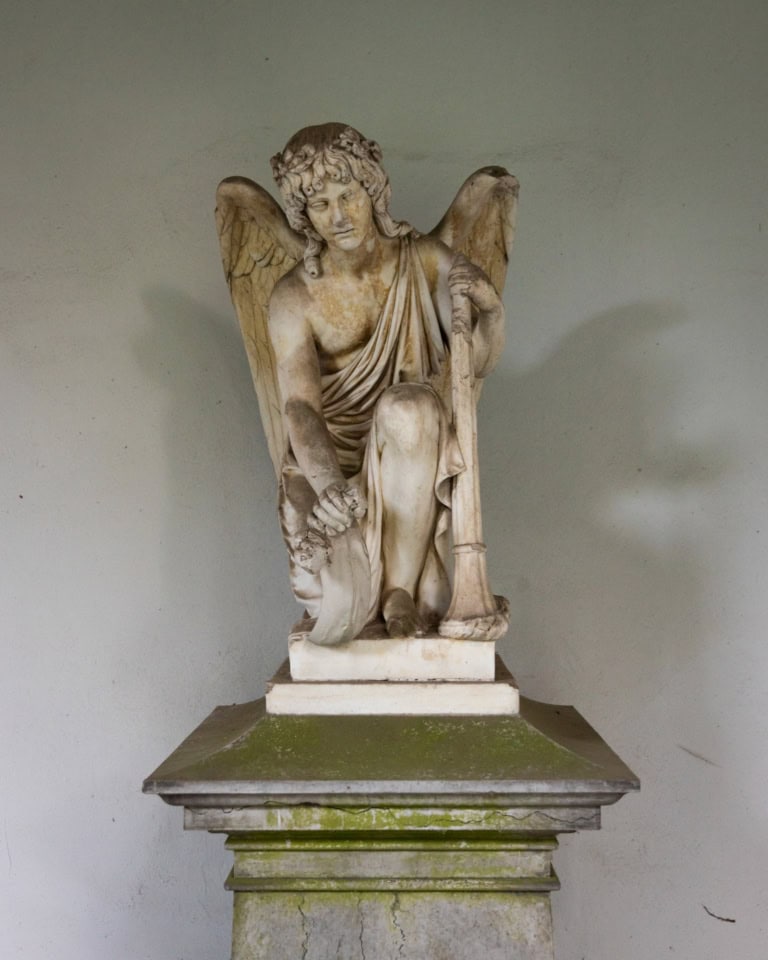
Statue of an angel in a cemetery in Hannover.
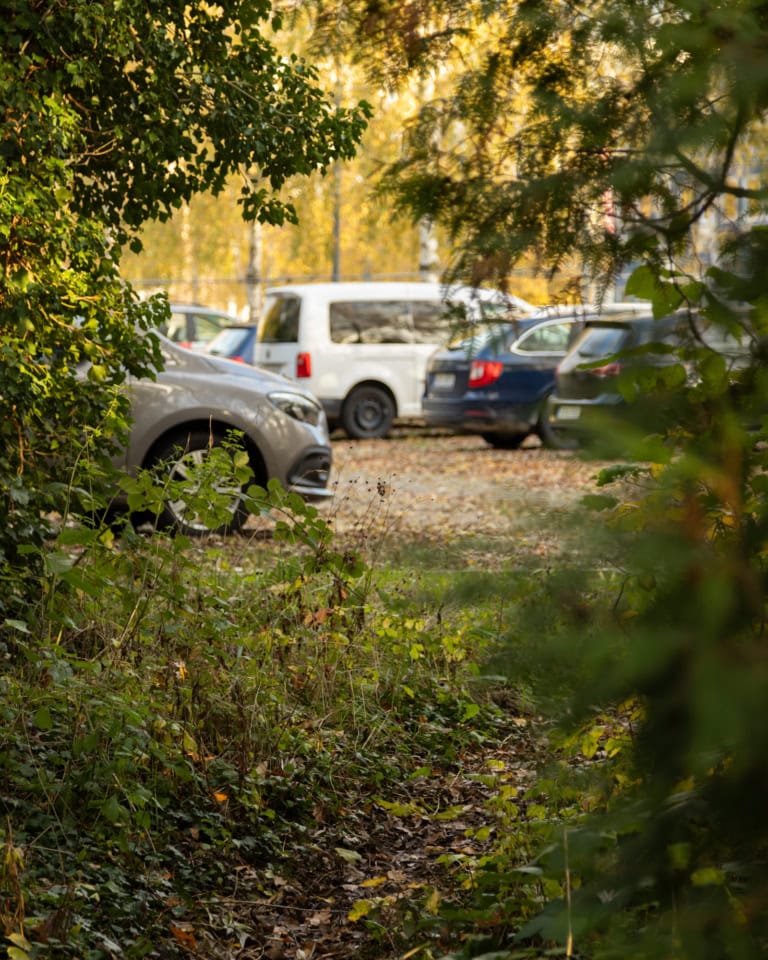
A well-known cruising car park in Hannover with adjoining bushes. Sex takes place either in the car or in the woods.
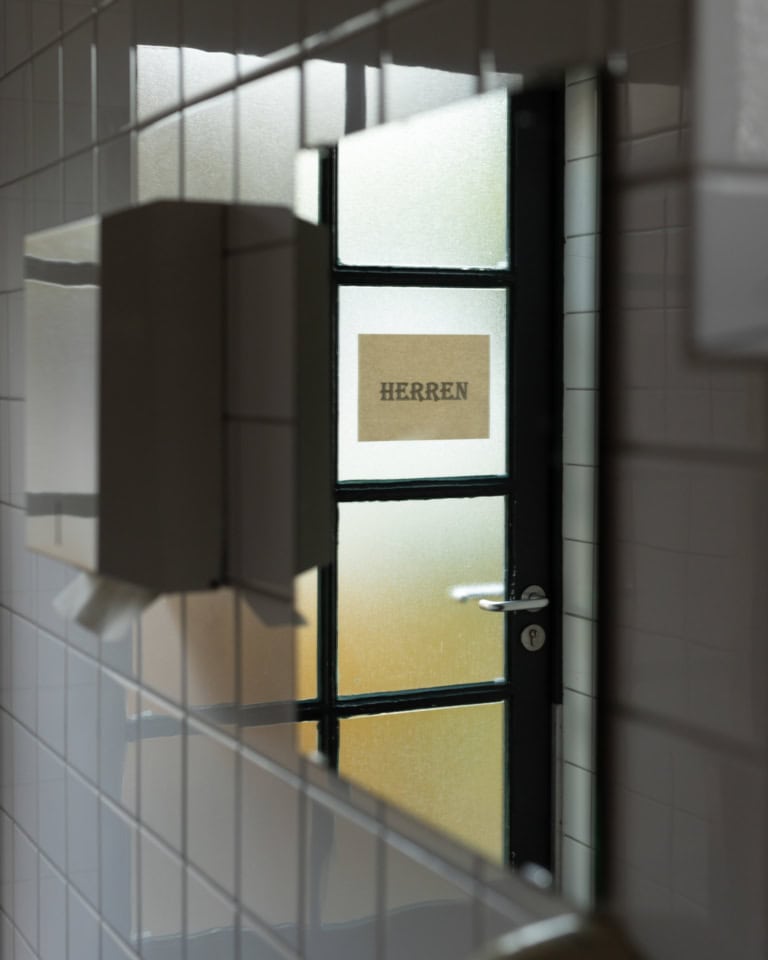
Also a cruising spot: the men’s toilet in a cemetery in Hannover
Discreet signals played a central role in cruising. ‘You just walk through nature and see the people,’ Mats says. ‘If you find someone attractive, you try eye contact, and if that works, it’s off into the bushes.’ In the ‘Klappen’ the atmosphere was more direct. ‘Men would stand there masturbating as a way of advertising themselves.’
The meeting places were often known only to insiders. Magazines such as Spartacus published lists of cruising spots around the world. Today the internet and apps have taken over that role, but there are still secret places within the community.
The 1970s and 1980s brought change and new challenges. While the gay and lesbian movement fought for greater visibility, the AIDS pandemic led to fresh stigmatisation. Safe spaces became more important again, and cruising spots served as places of community and support.
Cruising is still a thing for me today, but a much smaller one.
A lot has changed today. Legal equality and social acceptance have increased. Technology and dating apps have changed the way people meet. Even so, cruising remains an important part of some people’s identity. ‘Cruising is still a thing for me today, but a much smaller one,’ says Mats. ‘As I’ve got older, I don’t feel like it so much any more.’
The history of cruising shows how social norms and individual freedoms have changed over the decades. From times of legal persecution and social taboo to growing acceptance and legal equality, these places and encounters reflect that change. At the same time, cruising remains a consciously lived part of their culture for some people – whether out of tradition, personal preference or as an alternative to digital forms of contact.
About the pictures in this article
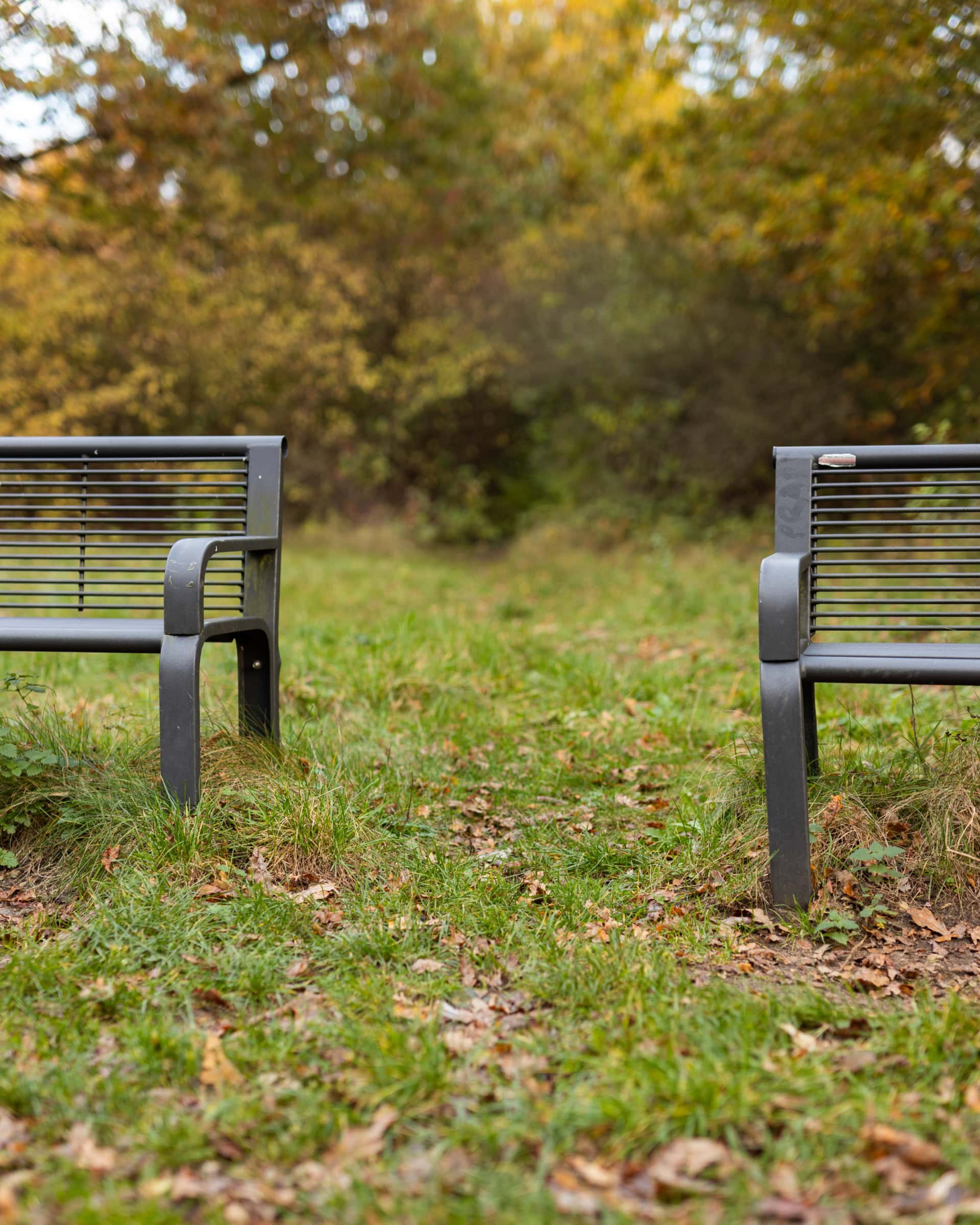
Markus Heft’s photo series shows current cruising spots in and around Hannover.
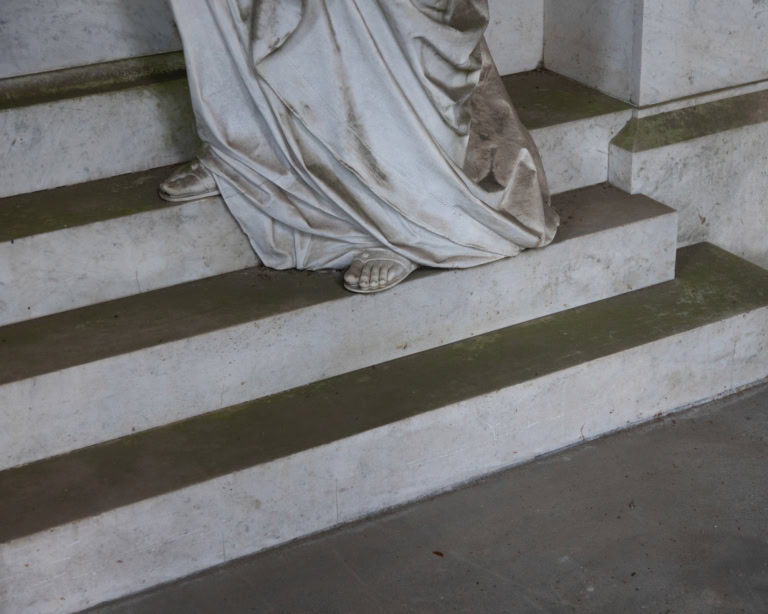
Feet and robe of a statue of an angel near the cemetery toilet.
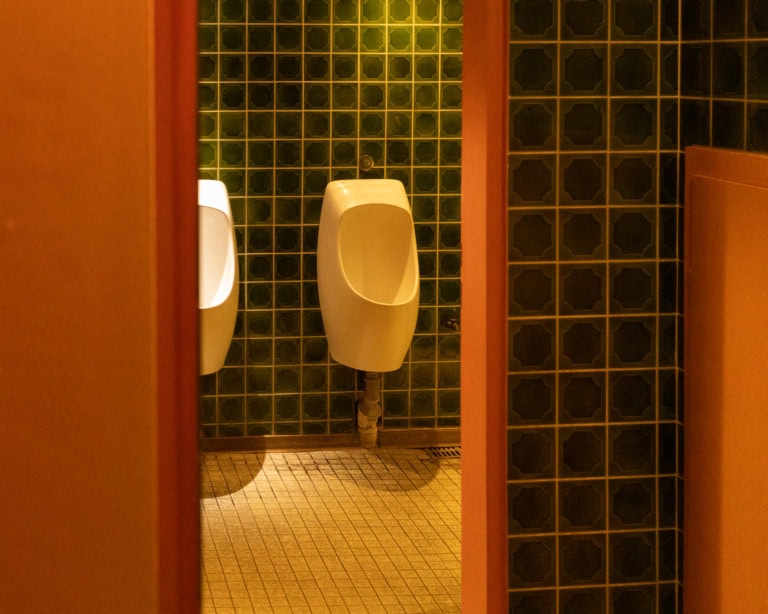
View of two urinals in a formerly queer café in Hannover known for its history as a cruising spot.
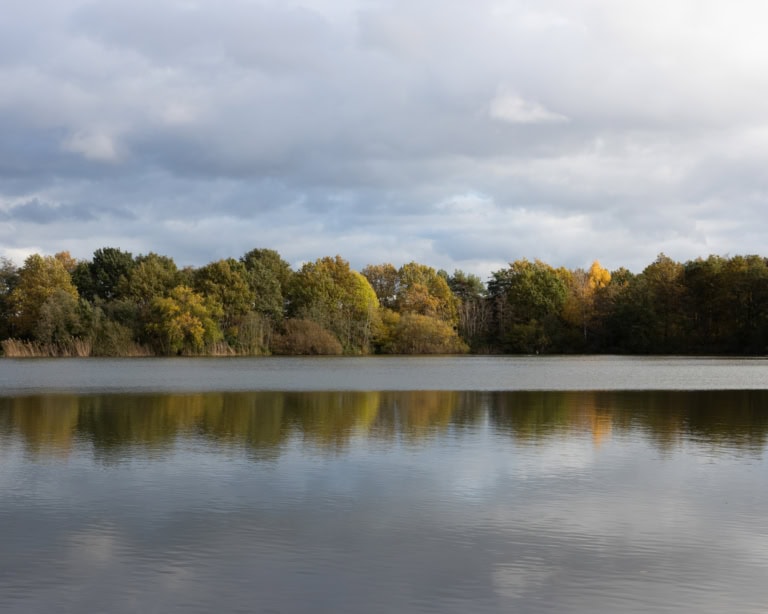
A lake at a cruising spot near Hannover.
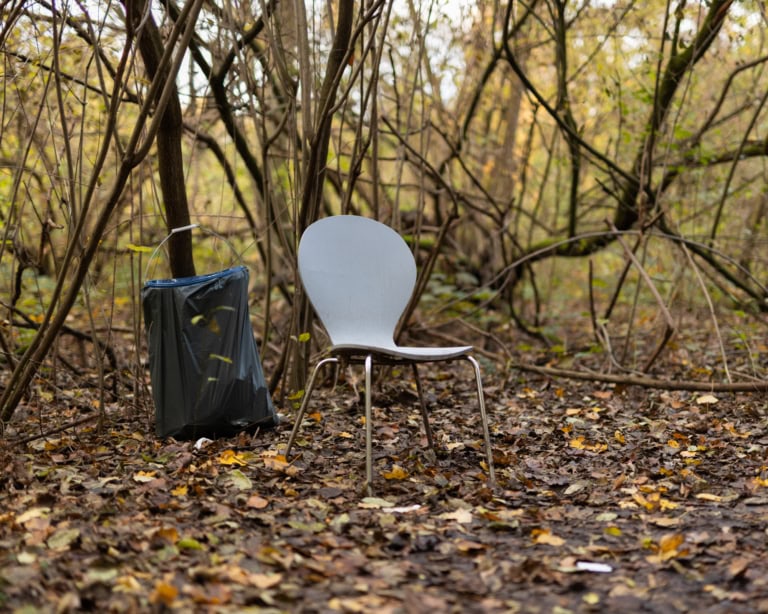
A grey chair next to a rubbish bag in the woods. This cruising spot is kept clean by its users, and the whole area is regularly cleared of rubbish. The chair serves as a meeting point and an aid during sex.
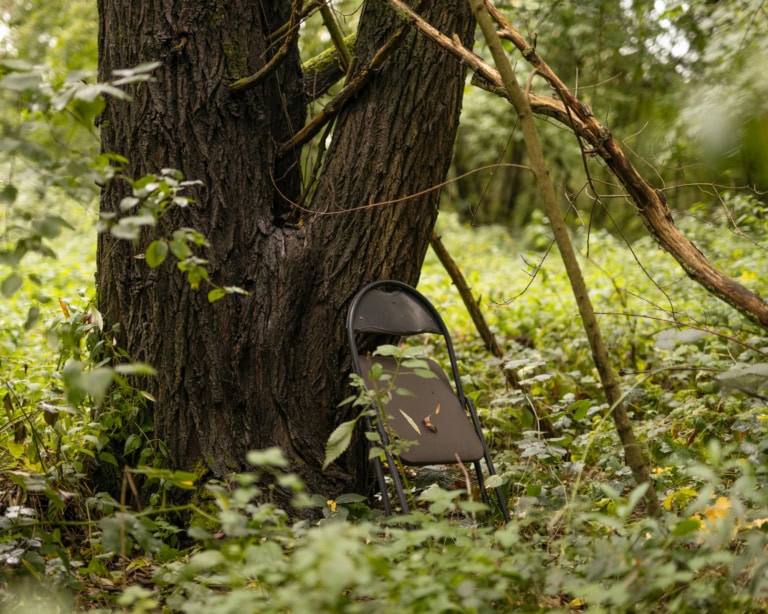
A folded plastic chair by a tree in Hannover. For some gay men, cruising remains an important part of their identity.