Sleeping better: sleep researcher Thomas Penzel’s rules
Good sleep starts long before bedtime. An expert explains what really matters for a restful night.
By Lia Becker (text), Emil Eichinger (photo & video)


Everyone knows the feeling: not being able to get to sleep, or waking up in the morning feeling that your sleep wasn’t restful. But what is actually behind this kind of sleep disorder?
Sleep researcher Prof. Dr Thomas Penzel knows more about the causes, consequences and possible solutions. A physicist, human biologist, physiologist and somnologist, he is scientific director of the Interdisciplinary Centre for Sleep Medicine at the Charité in Berlin. His research covers everything to do with sleep, including sleep disorders. Penzel and his team know of 67 sleep disorders. Some of them occur during sleep – sleepwalking, for example. Insomnia is different, because those affected suffer when they can’t sleep. Sleep disorders are not rare. In Germany, around 7 per cent of people insured with the health insurer BARMER suffered from sleep disorders in 2022 – that’s around six million people.
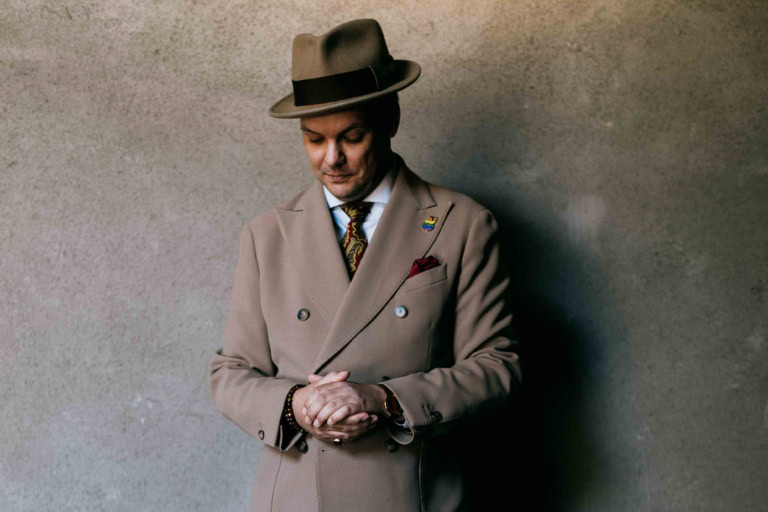
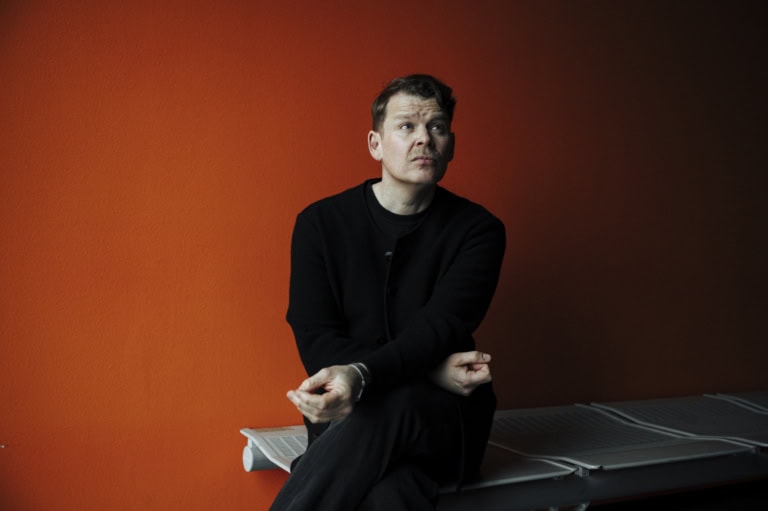
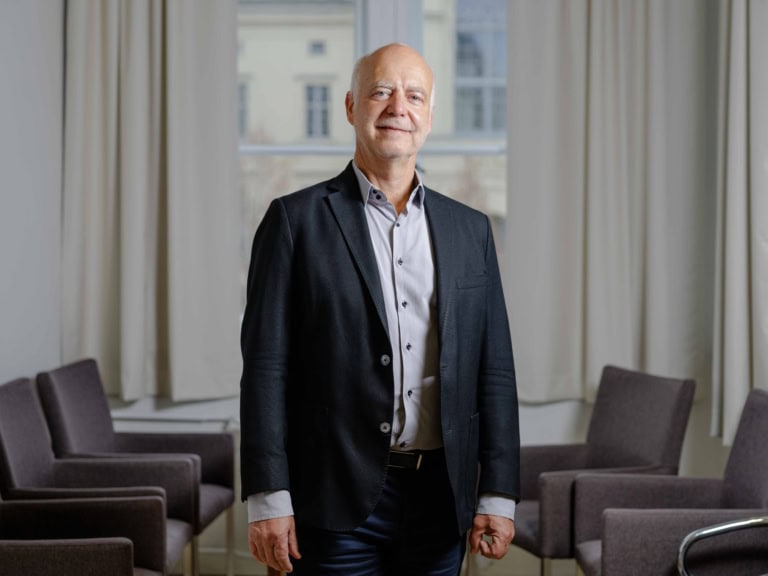 Prof. Dr Thomas Penzel in his office at the Charité Mitte’s Interdisciplinary Centre for Sleep Medicine.
We have yet to find anyone who doesn’t sleep and has no deep sleep.
 Prof. Dr Thomas Penzel
Sleep is a basic need. If you’re hungry, you eat. If you’re thirsty, you drink. If need be, the body will get its sleep on the bus or the train.
Sleeping badly or struggling to sleep through the night during difficult phases of life is probably just part of life. But does that already count as a sleep disorder, Professor Penzel?
It’s normal to have trouble falling or staying asleep now and then when you’re worried or preparing for an exam. That kind of disturbance falls into the category of not getting enough sleep.
And when should you seek medical help?
For the disorder we know as insomnia, there are specific diagnostic criteria that have to be met. Normally it takes five to ten minutes to fall asleep. If it takes longer than 30 minutes, that counts as difficulty falling asleep. If you can’t fall asleep or stay asleep on at least three days a week for at least four weeks, insomnia is suspected.
What physical effects can sleep disorders have in the long term?
The consequences differ from one sleep disorder to another. They can go as far as strokes or heart attacks. With insomnia, however, there are very few physical consequences.
But don’t you need deep sleep for the body to recover?
The idea that you don’t reach deep sleep is an assumption we can’t actually prove. We’ve had people who believed they hadn’t slept for months. But in the sleep lab we could see light sleep, deep sleep and REM sleep in them too – just more interrupted than in people who sleep through the night. Sleep is a basic need. If you’re hungry, you eat. If you’re thirsty, you drink. If need be, the body will get its sleep on the bus or the train. We have yet to find anyone who doesn’t sleep and has no deep sleep.
The Charité’s Interdisciplinary Centre for Sleep Medicine
The Interdisciplinary Centre for Sleep Medicine at the Charité is a specialist facility for diagnosing and treating all kinds of sleep disorders, in patients from children to older people. It offers outpatient treatment and has an inpatient sleep laboratory.
Sleep researcher Penzel’s team knows of 67 kinds of sleep disorder. Besides insomnia, there is narcolepsy, for example, in which people suddenly fall asleep during the day. Sleep apnoea also leaves people tired during the day: they fall asleep and sleep through the night without trouble, but don’t feel rested. The causes are then investigated in the sleep lab.
Sleepwalking is also a sleep disorder. On the one hand, there is sleepwalking out of deep sleep. It usually only affects young people and generally stops in adulthood. On the other, there are people who act out their dreams during REM sleep. This can even go so far that people drive a car or commit other offences.
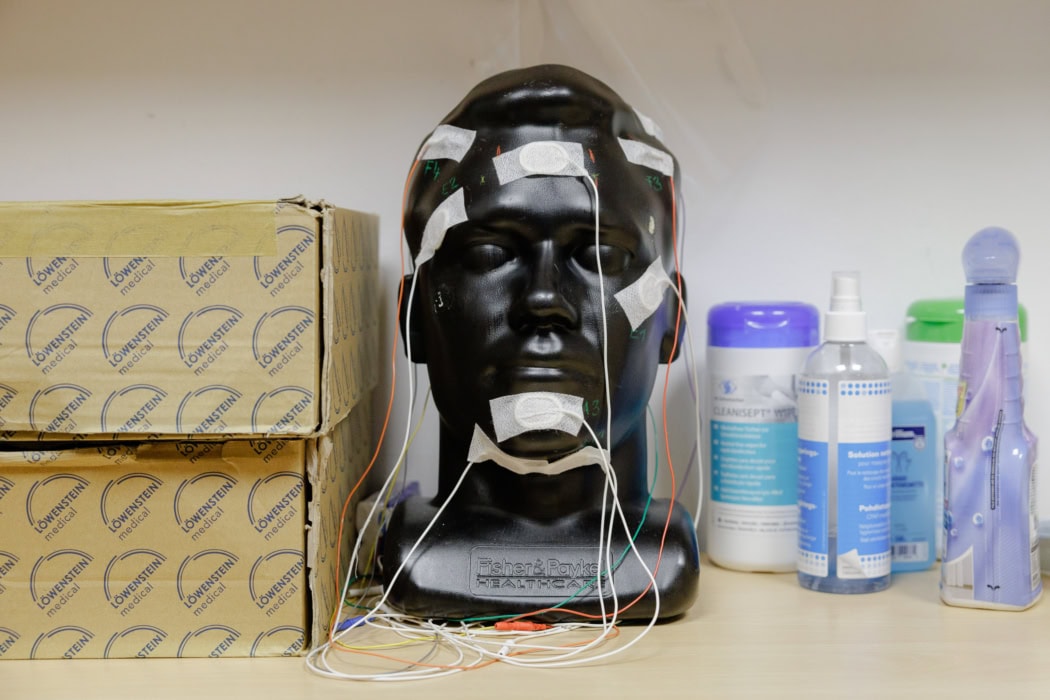 The electrode points are used to record brainwaves (EEG).
 The sleep medicine outpatient clinic is the first point of contact for patients with all kinds of sleep-wake disorders and treats around 6,000 patients a year.
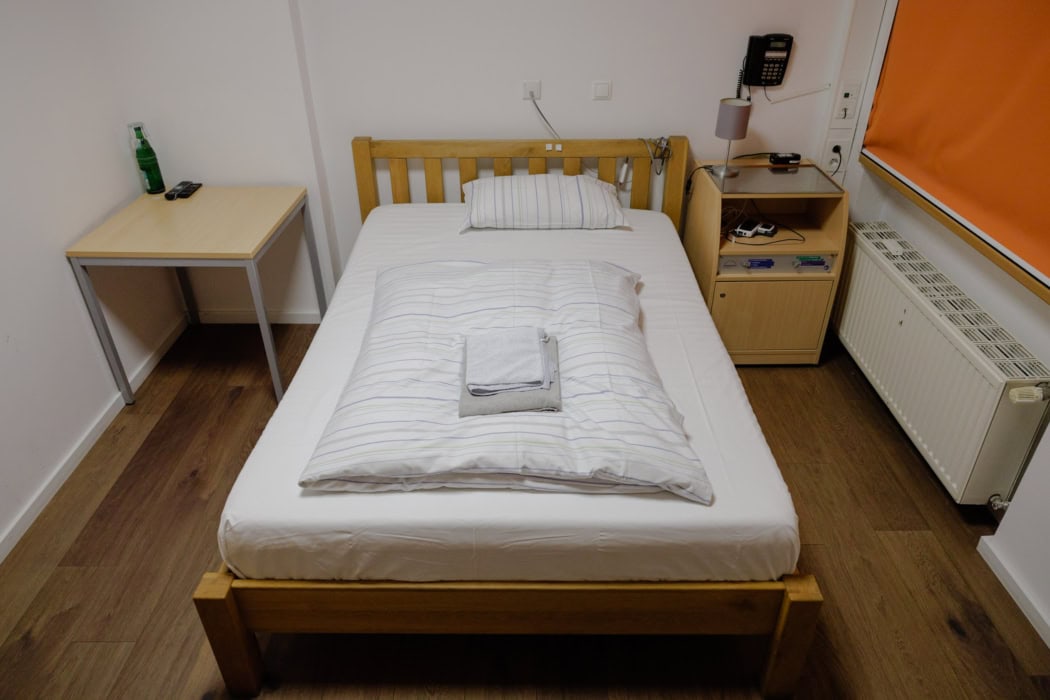 The inpatient sleep lab has ten beds. Here, patients are routinely examined overnight using cardiorespiratory polysomnography (PSG).
 In his office, Professor Penzel collects all kinds of products that promise buyers better sleep.
 The Interdisciplinary Centre for Sleep Medicine is housed in the historic buildings of the Charité Mitte
You have to ease your way into sleep. That’s what the so-called rules of sleep hygiene are for.
What usually causes insomnia?
Stress is one factor. But there are also people who simply can’t get to sleep any more because of inner restlessness. This often turns into a vicious circle. People are afraid of going to bed because they think: if I go to bed, I won’t sleep anyway. A negative attitude to sleep develops, because going to bed itself already feels stressful. Medication can help a lot in such cases.
What are the steps before treating it with medication?
There is a stepped approach. The first step is to explain that everyone finds sleep and also needs it. The next step might be relaxation exercises, for example. Sleep doesn’t just happen when you close your eyes. There’s no switch that gets flipped. You have to ease your way into sleep. That’s what the so-called rules of sleep hygiene are for. Herbal remedies such as valerian, which have no proven effect, can still have a positive placebo effect. After that comes either medication or cognitive behavioural therapy.
Professor Penzel, can you tell us a bit more about sleep hygiene?
Yes. You can read all about it on the website www.dgsm.de. Sleep hygiene includes, for example, exercise and spending time outdoors during the day and not eating a heavy meal shortly before going to sleep. Avoiding alcohol, too. A worry diary can also help you put your worries aside. If you like falling asleep to the TV or radio, you can carry on doing so. The basic rule is that people have to find out for themselves what helps them relax.
Say you suffer from a sleep disorder. Do you have to fear that you’ll struggle with it all your life?
No. Especially in young people, the problems go away once they stick to the rules of sleep hygiene. Most cases of insomnia in young people disappear with a jog or a workout during the day – really wearing yourself out so that you’re completely exhausted in the evening.