Everyday self-care: breathing, in spite of everything
The world is getting louder, young people more exhausted – and self-care is becoming a privilege. Where young people still find strength in their daily lives.
By Farah Abou Assali (text), Yael Wagner (photos)


Inflation, wars, the housing shortage: these are no longer abstract issues but concrete triggers of anxiety. Almost three-quarters of young people in Germany name the rising cost of living as the biggest cause of their stress. More than half despair of ever finding affordable housing. And then there are the wars in Europe and the Middle East.
The study Jugend in Deutschland (Youth in Germany) shows that young people are under pressure. Three years after the coronavirus pandemic, 51 per cent report constant stress and 36 per cent exhaustion. Self-doubt, lack of motivation, irritability – for many, all of this is part of everyday life. Eight per cent of respondents report having suicidal thoughts. What does that do to a generation – and how do you steady yourself before you lose yourself?
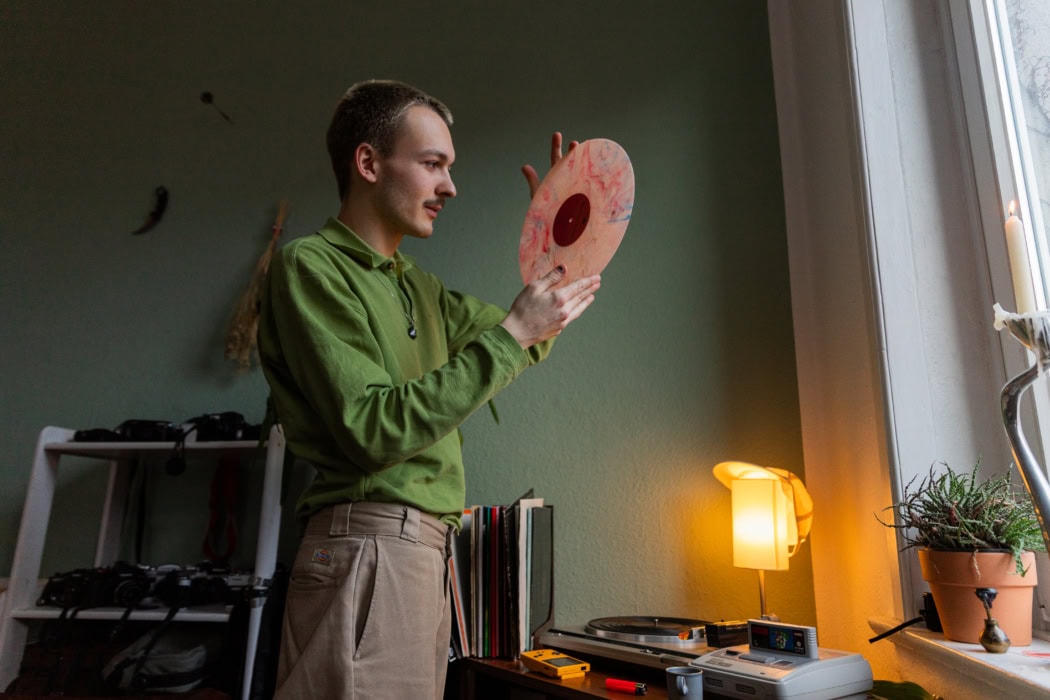
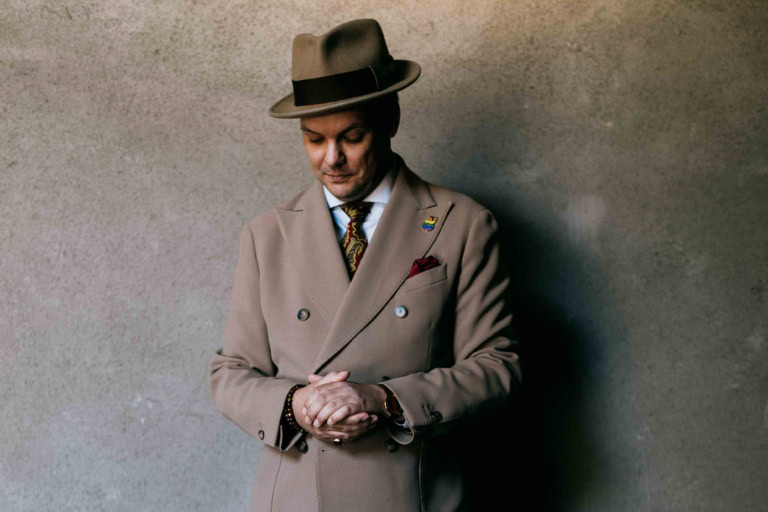
‘Music gives me access to my own emotions and helps me work through things. I feel that especially with electronic music or techno – those steady rhythms have been rooted deep inside us for as long as humans have existed.’ – Jarl
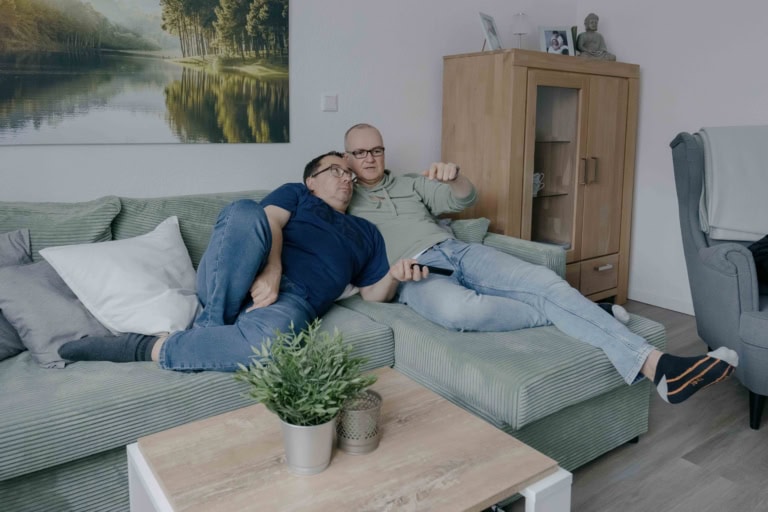
In a life caught between sensory overload and fear of the future, many people look for spaces where they can collect themselves: walks in the woods, sport, physical closeness. Self-care becomes a survival strategy. But not everyone has the means. People who live in poverty, grow up in conflict zones or receive no psychological support are often left to face the consequences of constant stress alone. And for those who lack opportunities to recover, physical and mental strain takes a heavier toll. Coping with stress and building resilience are a question of social justice.
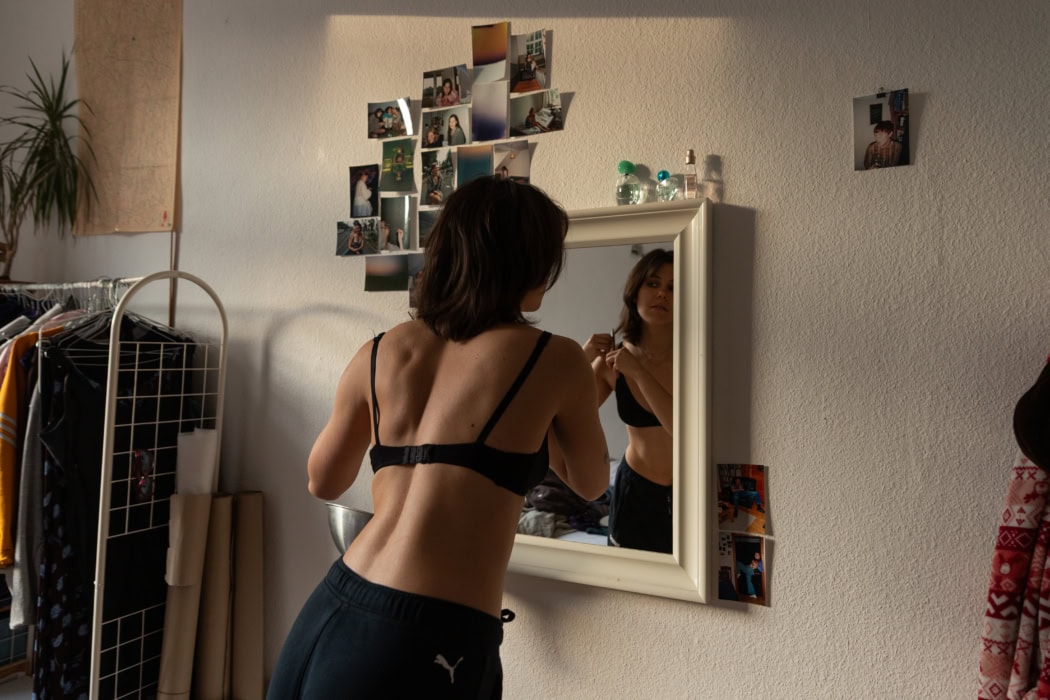
‘When I cut my hair, I can actively change something. It’s my own personal act of self-empowerment, a way of bringing a breath of fresh air into my life. It gives me a bit of control, even when I don’t have it in other areas of my life right now.’ – Theresa
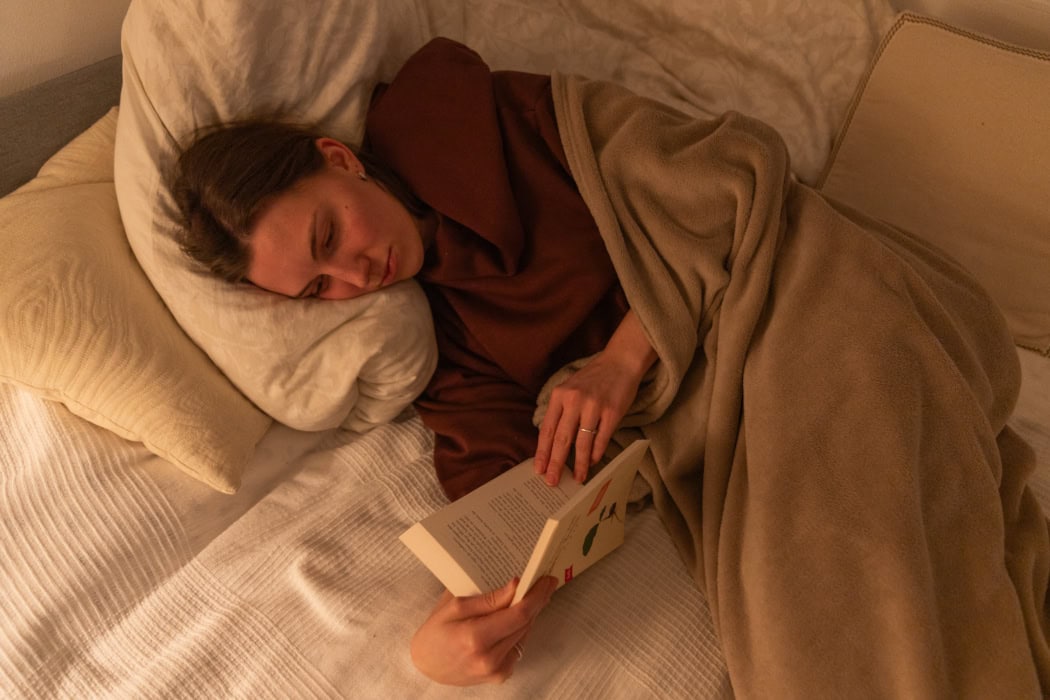
‘Reading helps me gather myself and recharge, because I can relax and forget real life for a few hours.’ – Arlette
Whatever someone’s circumstances, one thing is clear: the search for balance, for a safe place within, can be felt everywhere. It is these quiet, often invisible strategies that help young people keep going. Every age group has something that weighs on it. Today inflation tops the list – but what will it be in a few years’ time? Will climate change become the number one source of stress? Or will measures be taken to curb it? Many young people in Germany are also worried about rising refugee numbers. More and more are turning to the far right. The consequences are as frightening as they are uncertain.
And perhaps this is exactly where a new kind of resistance begins – against the feeling of having to function, against one’s own exhaustion. A movement towards greater mindfulness – and towards a different way of dealing with a world that rarely pauses.
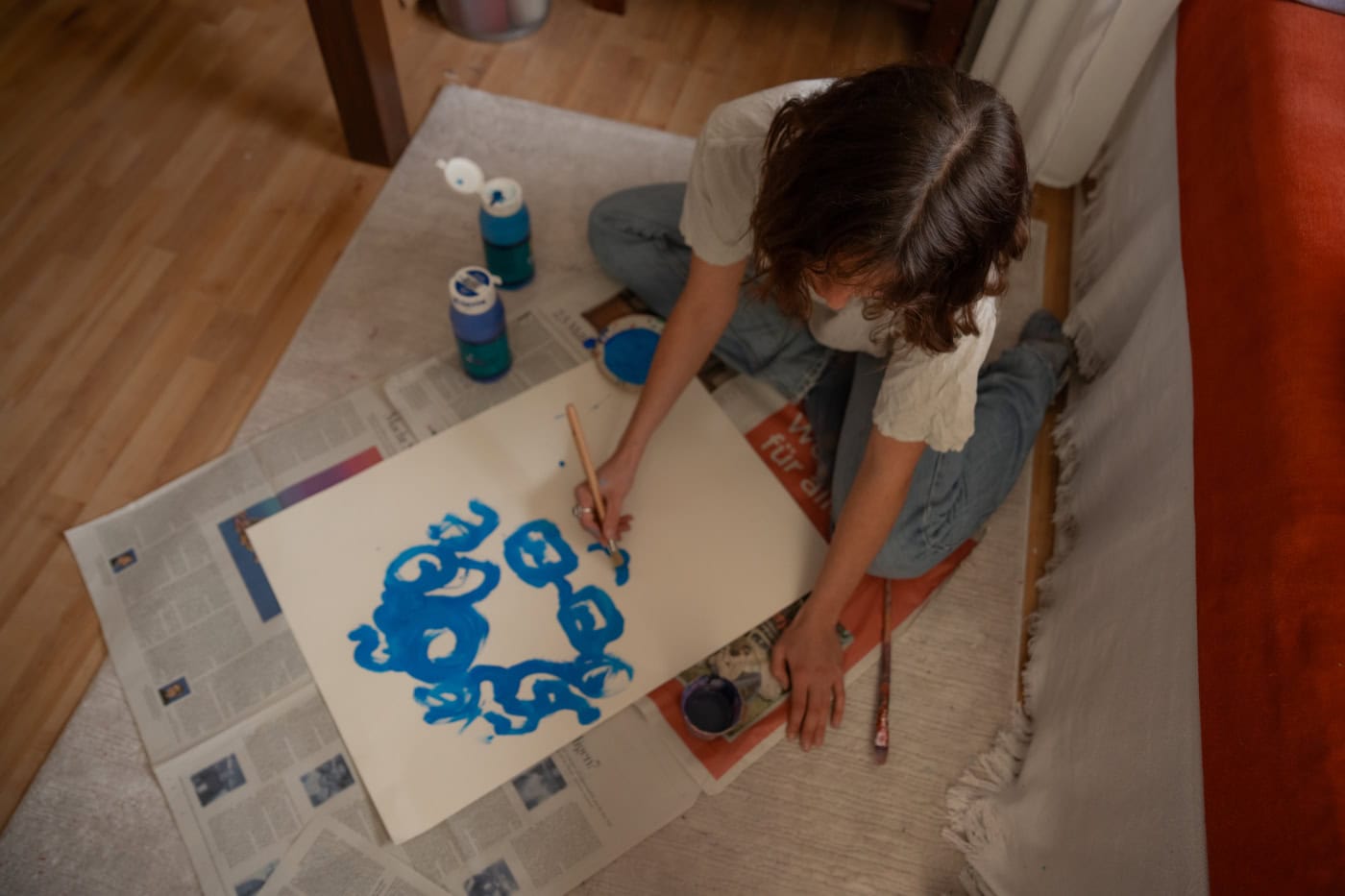
Hannah paints
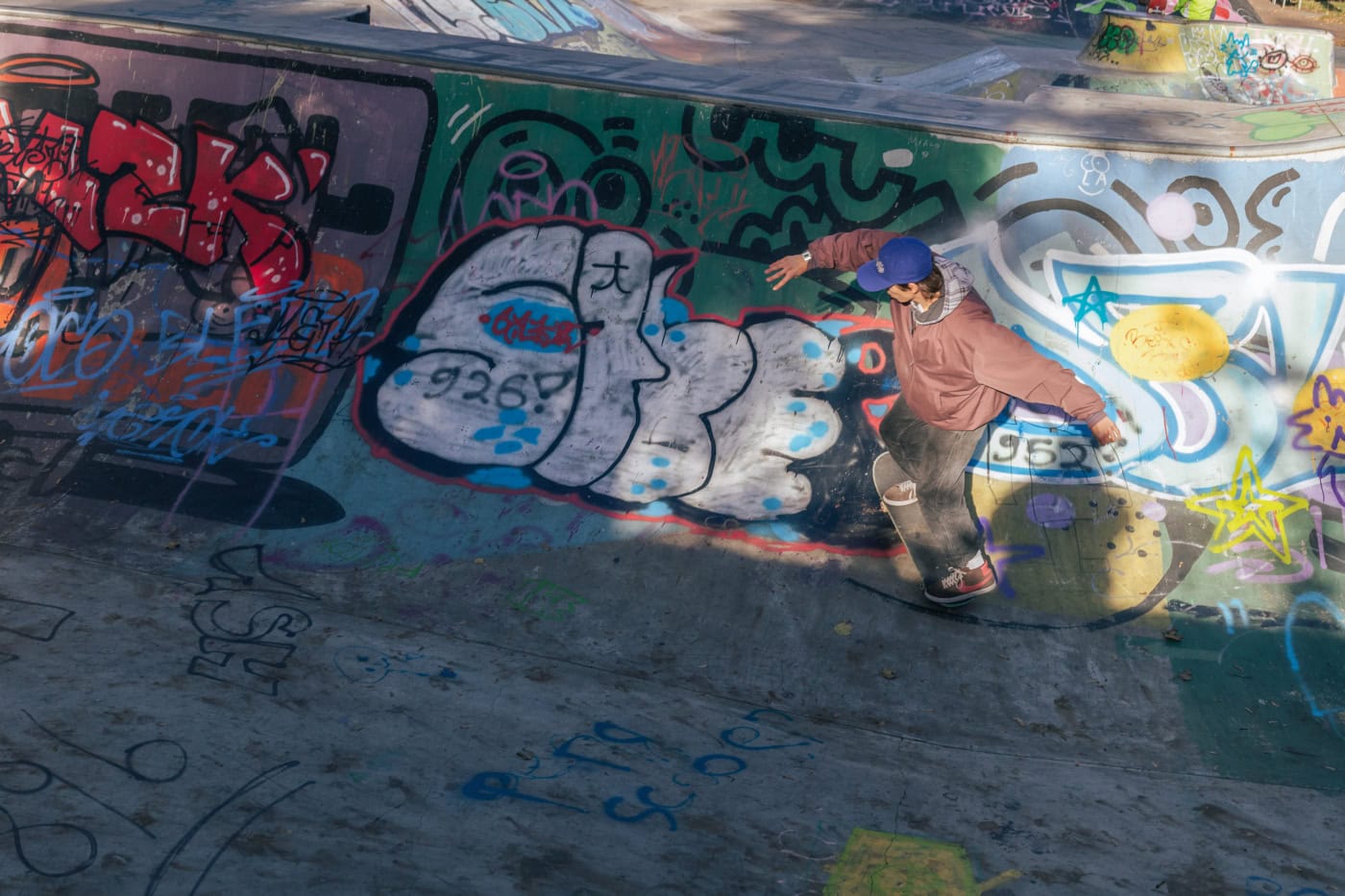
Yannick skates
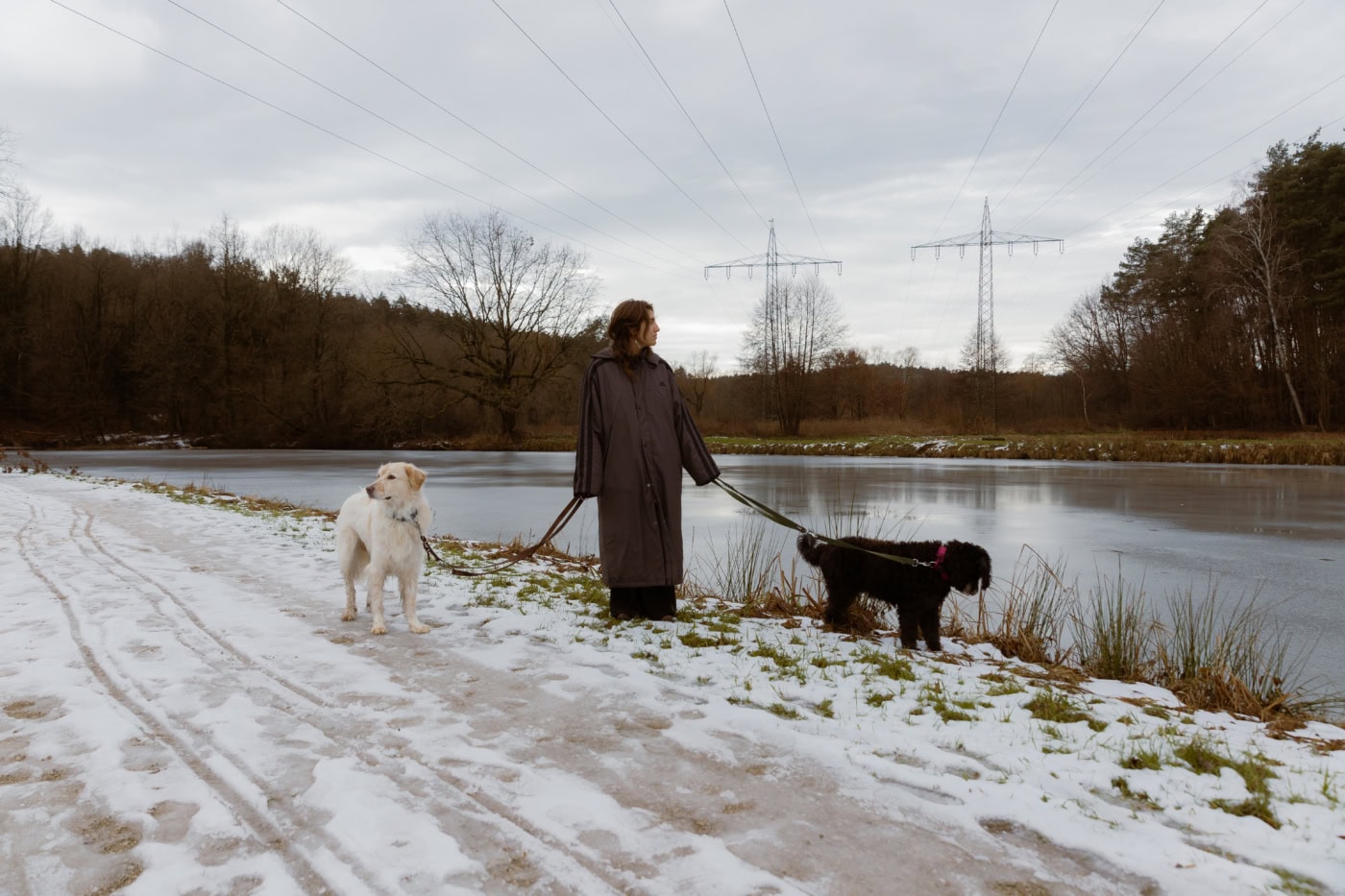
Rammona walks the dogs
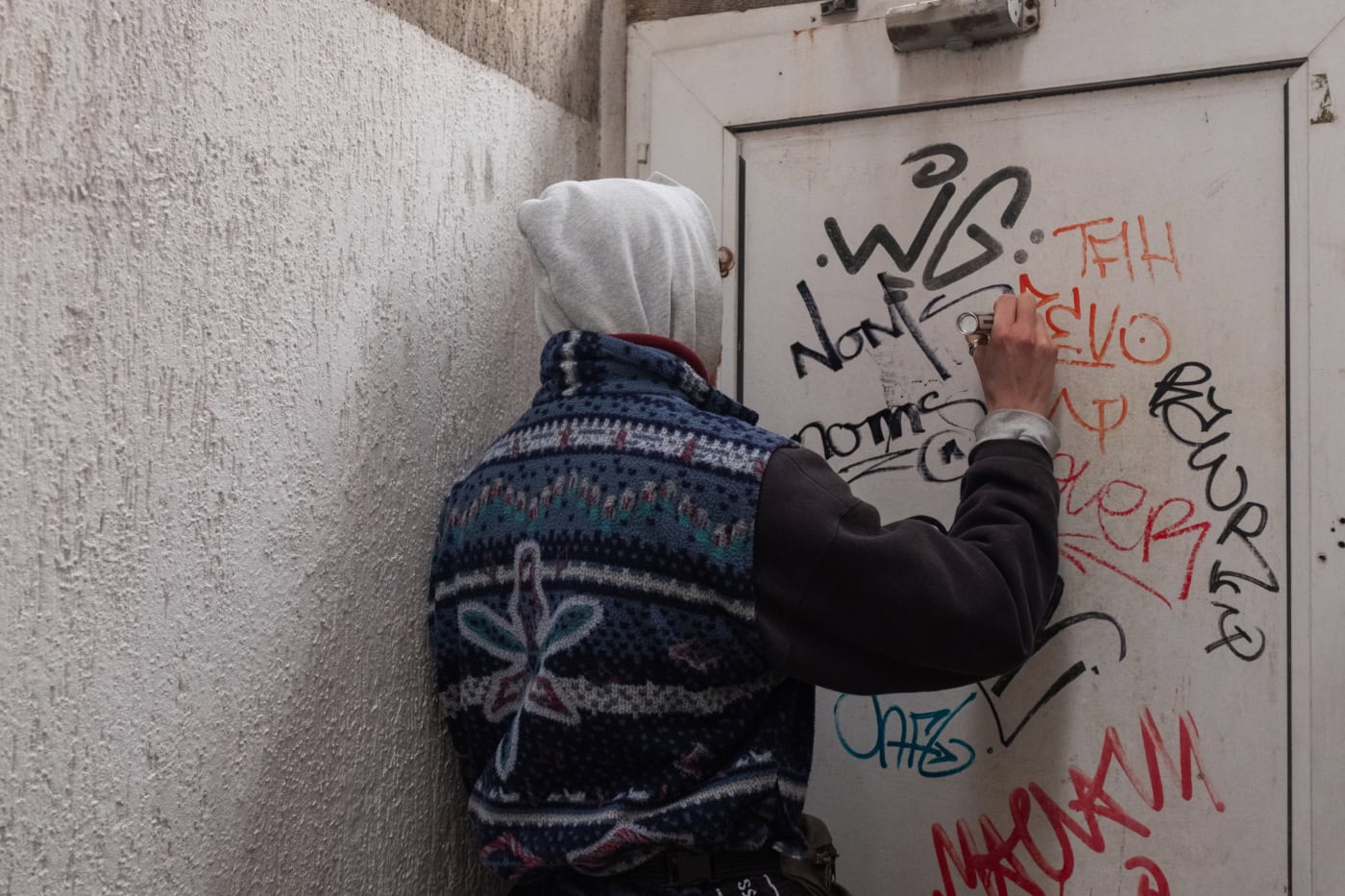
Nom tags
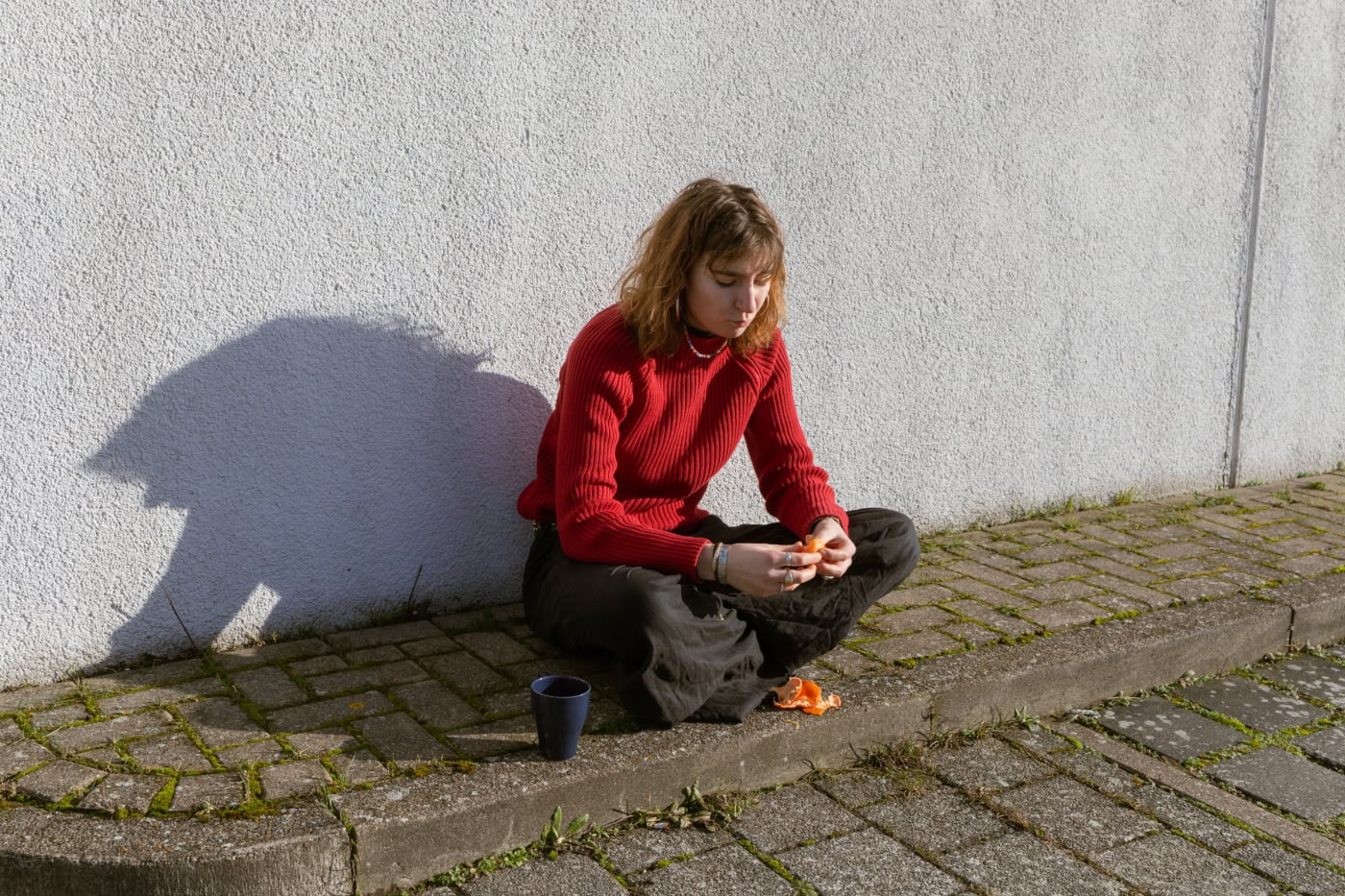
Mathilda eats
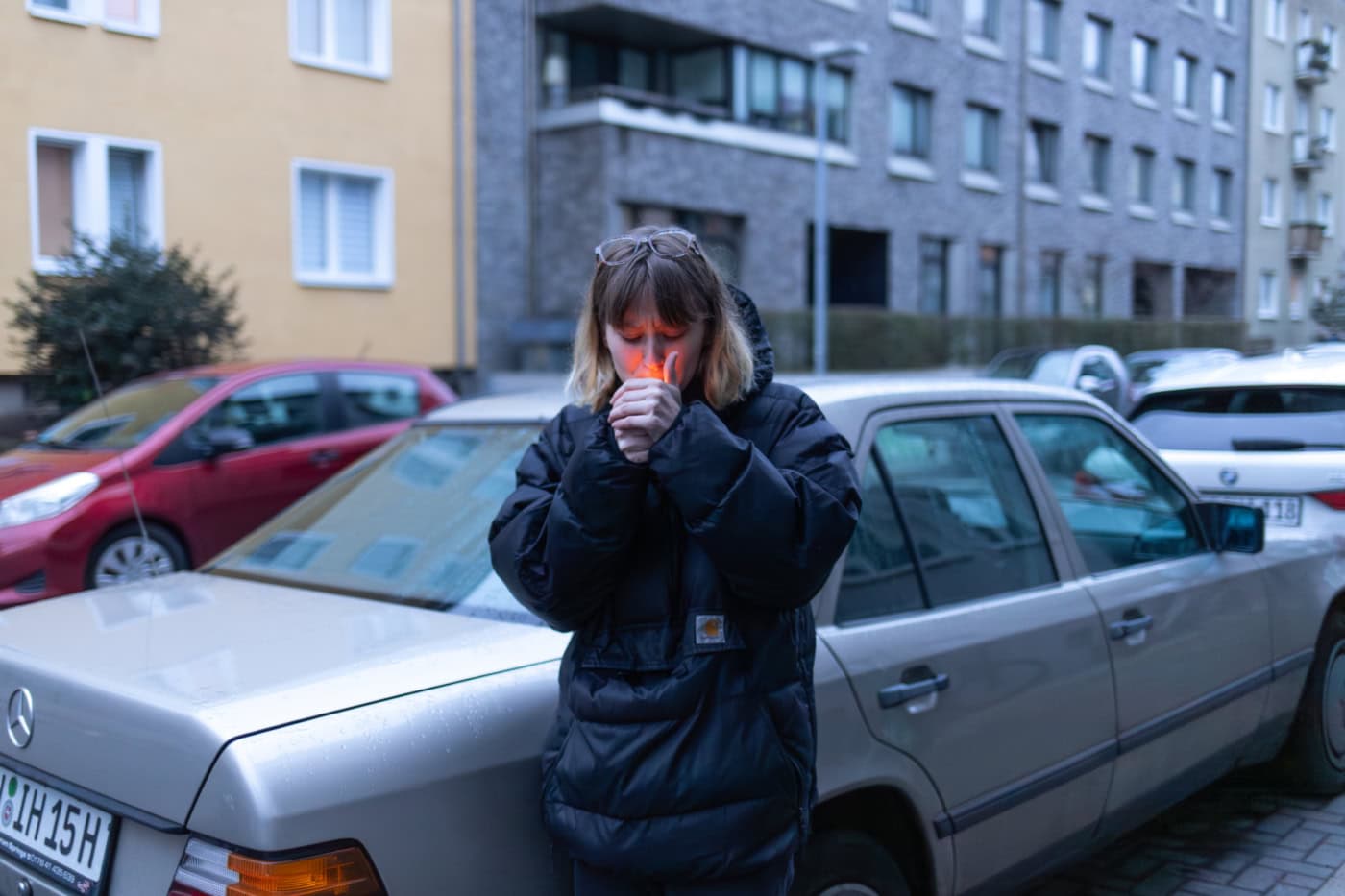
Emma smokes