Milk churn meets mixing desk: new beginnings in Poland’s Podlasie
Few places in Poland are as sparsely populated as Podlasie. While many people leave, some are building something of their own here – out of conviction and family ties.
By Jelko Wronski (text), Pasha Kritchko (photos)


Maria passes freshly baked yeast pastries across the table. It’s Easter Sunday, and the family has gathered for breakfast. At the table sits Pasha Kritchko, a photographer and student in the international class in Hannover. He arrived in their remote village the evening before – late, exhausted, but welcome. Easter breakfast is more than a meal: it’s a ritual, a memory, a quiet sign of belonging.
A few villages away, Dorotheus Fionik and his two sons are preparing a spring ritual. Later there will be music, food and conversation. Elias, the younger son, will be there too – when he isn’t sitting in his makeshift studio in Bielsk, blending traditional dialects with new beats. He can afford to do so thanks to his side job in a kebab shop.
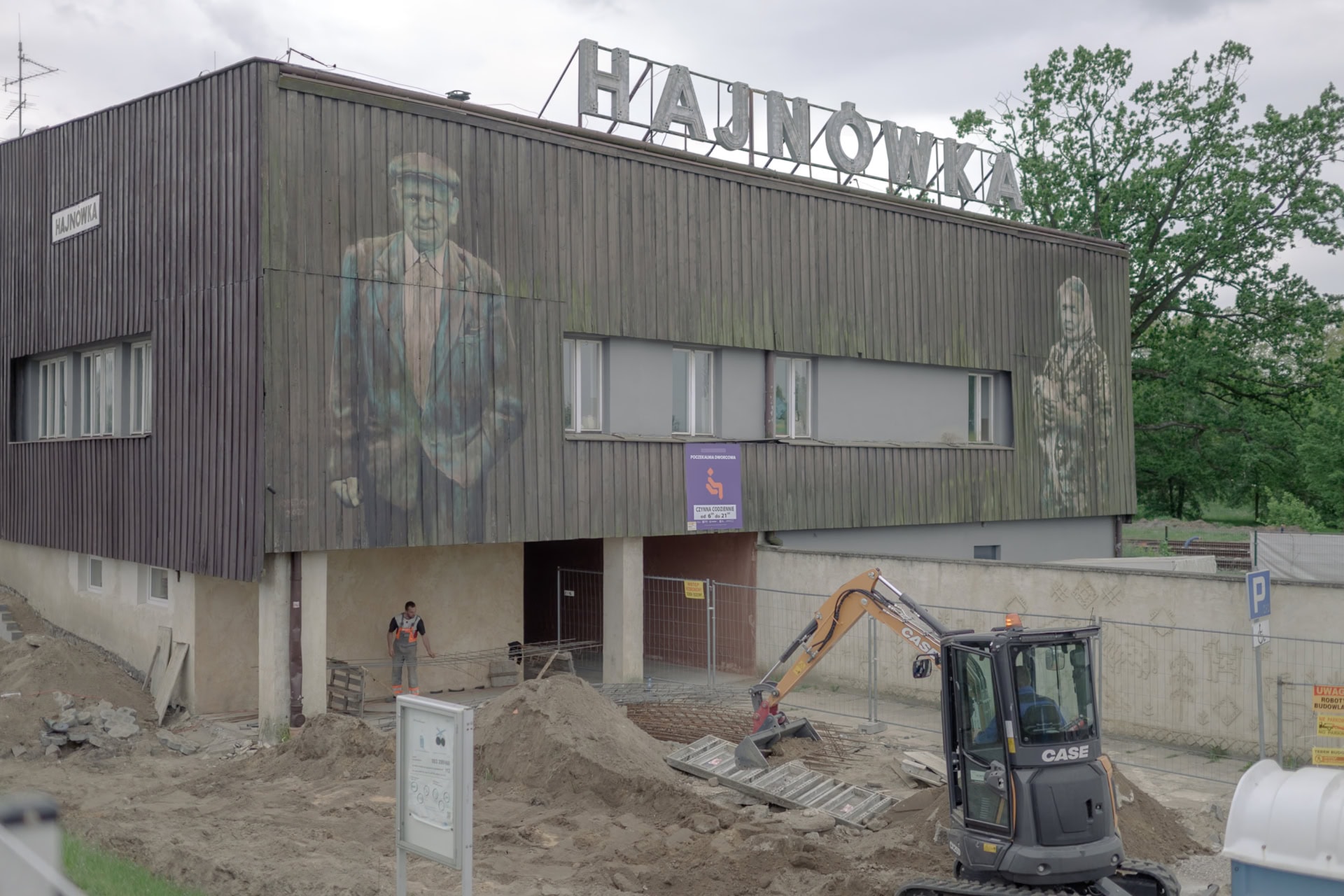
Podlasie stretches across the north-eastern tip of Poland, on the border with Lithuania and Belarus. Around 300,000 people live in its capital, Białystok – a good quarter of the province’s entire population. Beyond the city, large parts of the region are almost deserted. Hardly anywhere else in Poland is so sparsely populated. Unfinished building sites and abandoned car parks tell of a region that is slowly falling silent.
For young people, life here often means choosing between two options: either doing hard work into old age or risking everything to follow their dreams. Pasha Kritchko travelled through Podlasie and reports on encounters with people who get on with their daily lives despite adverse circumstances.
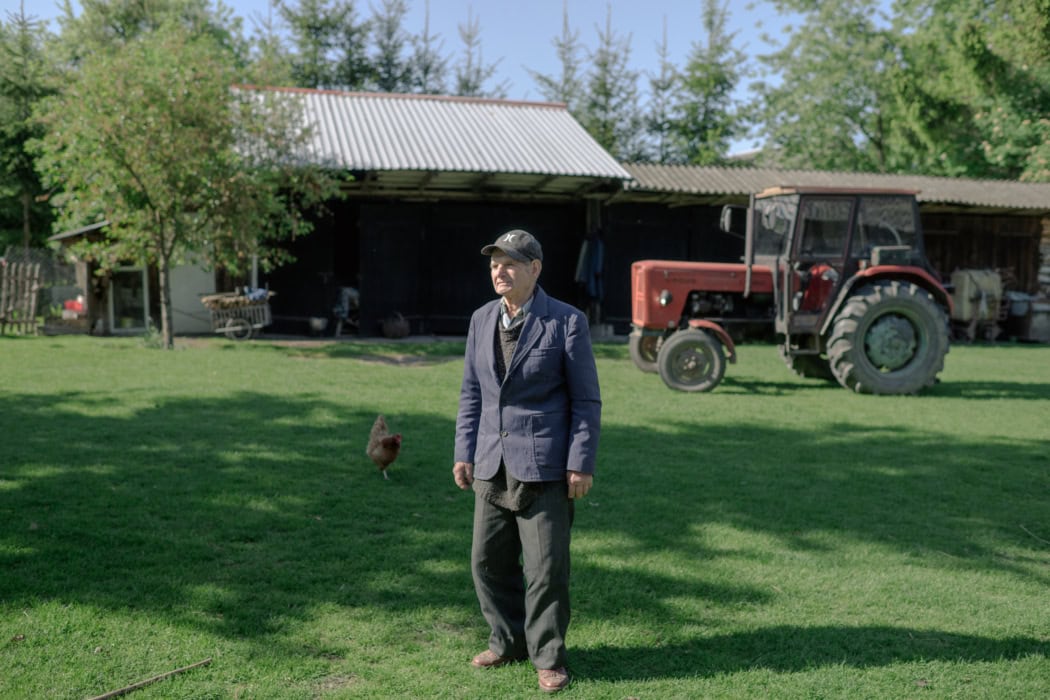 Baranowce, Podlasie, 2024
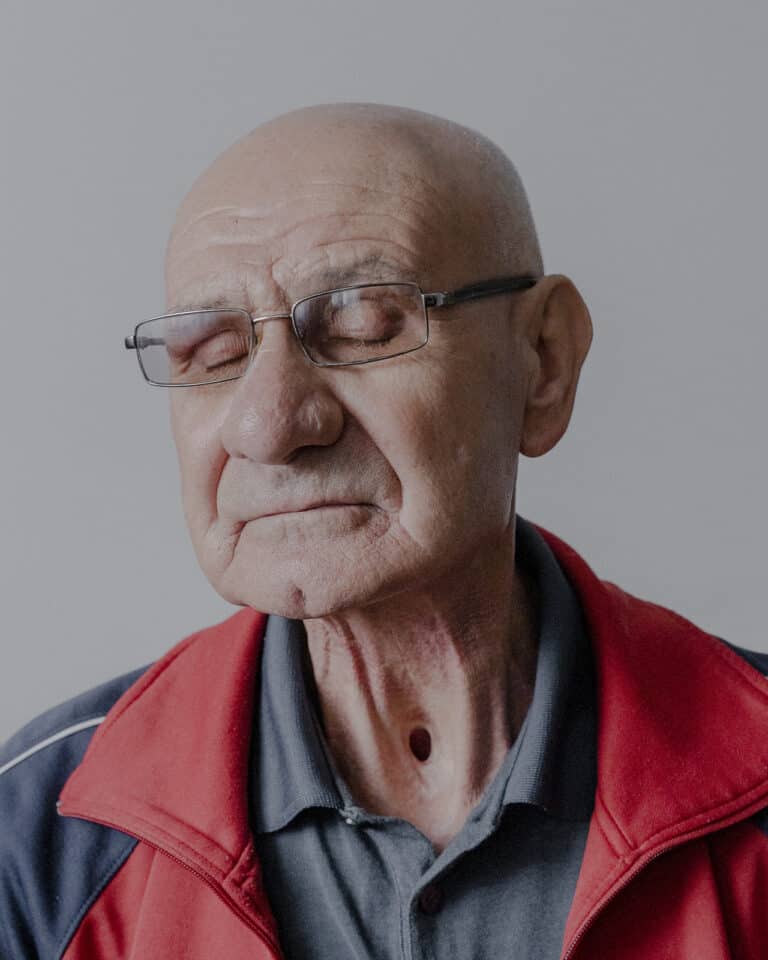
Nikalay is one of the many farmers in the region. Those who live and stay in its rural parts often have to keep working well into old age.
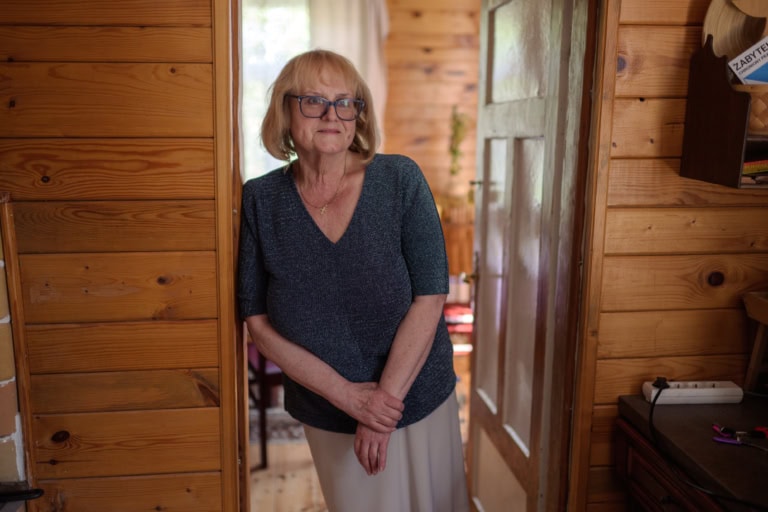 Puchły, Podlasie, 2024
Maria runs a small rural Airbnb.
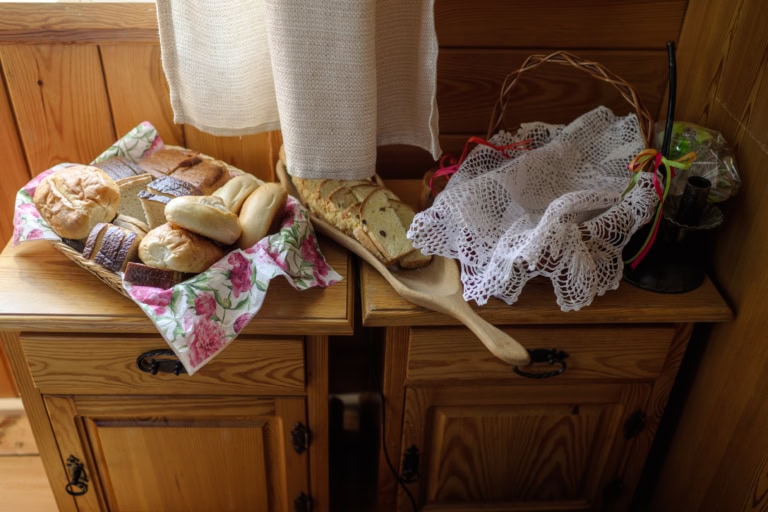 Puchły, Podlasie, 2024
She invited her guest, camera and all, to a traditional Easter breakfast with her family.
I spent my first night in Podlasie in the village of Puchły. I hesitated for a long time, because the area is hard to reach without a car. When I finally got there and met my host, Maria, I didn’t regret it in the slightest.
 Pasha Kritchko
 The garden of the Airbnb, Puchły, Podlasie, 2024
‘I spent my first night in Podlasie in the village of Puchły. I hesitated for a long time, because the area is hard to reach without a car. But when I finally got there and met the host, Maria, I didn’t regret it in the slightest,’ recalls photographer Pasha Kritchko.
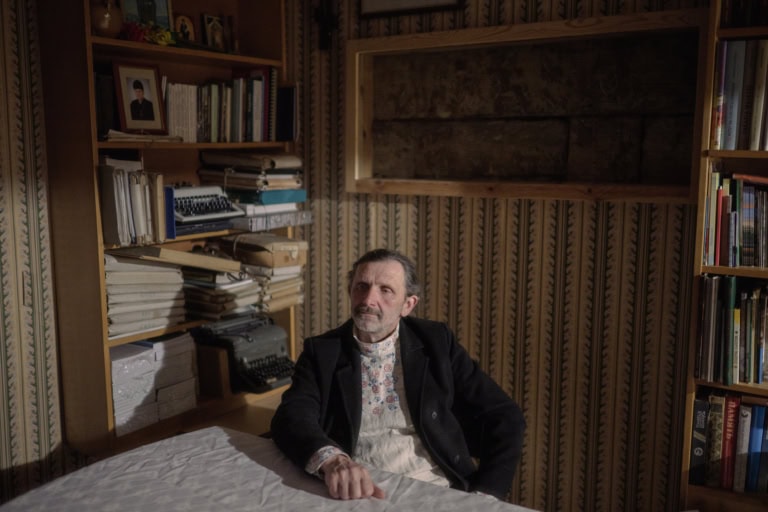 Studivody, Podlasie, 2024
Dorotheus Fionik is well known in this region of Poland. The farmer often appears on local television, and people know his name. His two sons, Elias and Maxim, support him in his work and preparations. He is particularly committed to preserving traditions. He also keeps a small museum in his house, helping people connect with their roots by preserving pieces of the past for them.
 Podlasie, May 2024
Between languages: the song ‘Oreszki’ is written in a local dialect that mixes Belarusian, Ukrainian, Polish and Russian – in Latin script.
I think for many people, being together is just as important as the tradition itself.
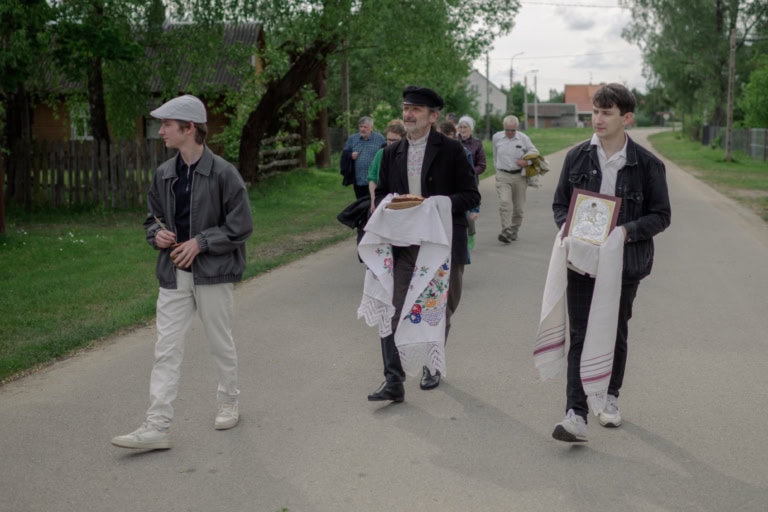 Studivody, Podlasie, 2024
Dorotheus Fionik with his sons Elias (left) and Maxim (right) during a traditional ritual. Afterwards, they share music and a meal with their family
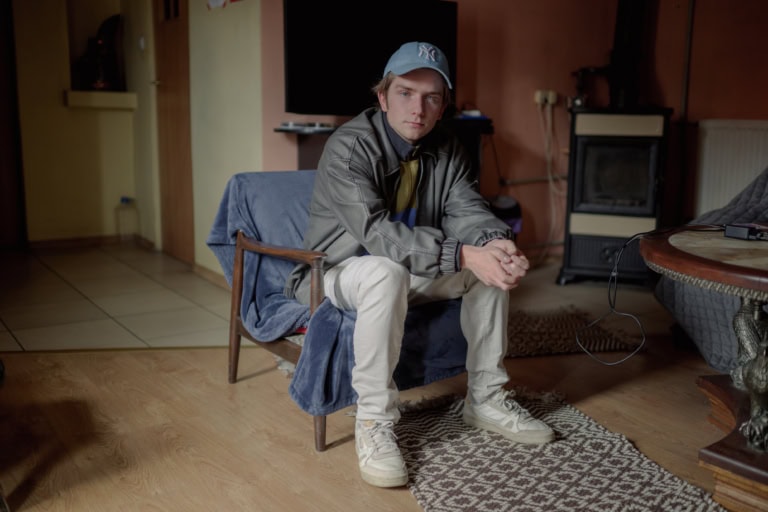 Bielsk, Podlasie, 2024
Elias Fionik runs a small music studio in Bielsk. He combines traditional dialects with modern sounds to make folk music more accessible.
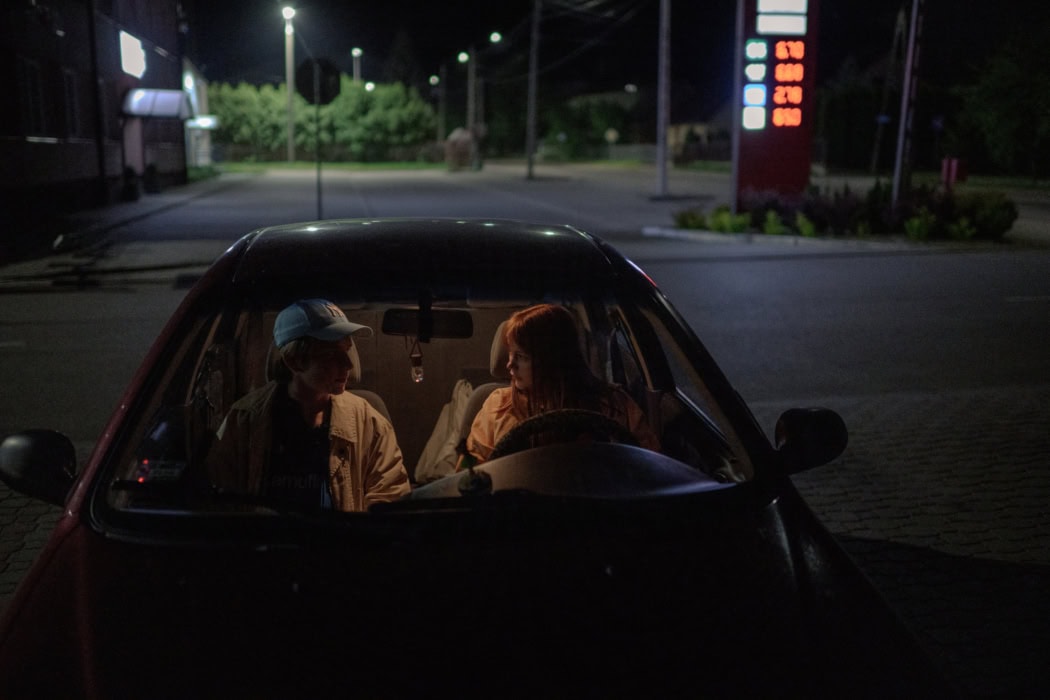 Bielsk, Podlasie, 2024
On the way to the studio: Agatha, a friend of Elias, also wants to make music. The two share not only their hobby but also their workplace, a kebab shop.
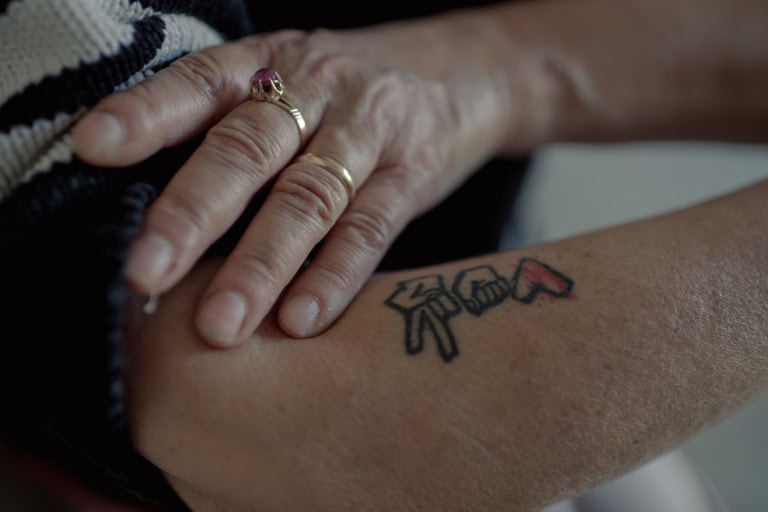 Białystok, Podlasie, 2024
Alina’s tattoo shows three symbols representing the union of the three opposition campaign headquarters in Belarus’s 2020 election. She identifies as Belarusian and teaches, among other things, the Belarusian language.
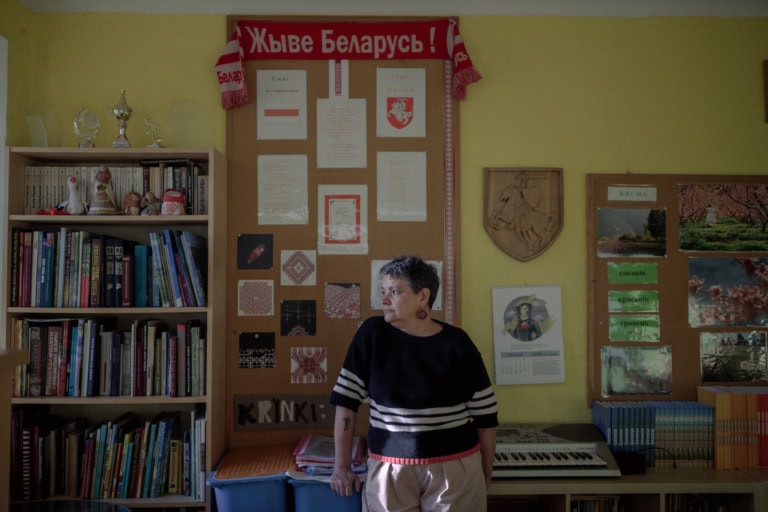 Białystok, Podlasie, 2024
The region’s traditional language is Alina Wavrenyuk’s speciality. The teacher gives language lessons at a school in Białystok, the capital and only city of Podlasie.
The town of Bielsk left me with a feeling of emptiness. There are few places here where young people can spend time.
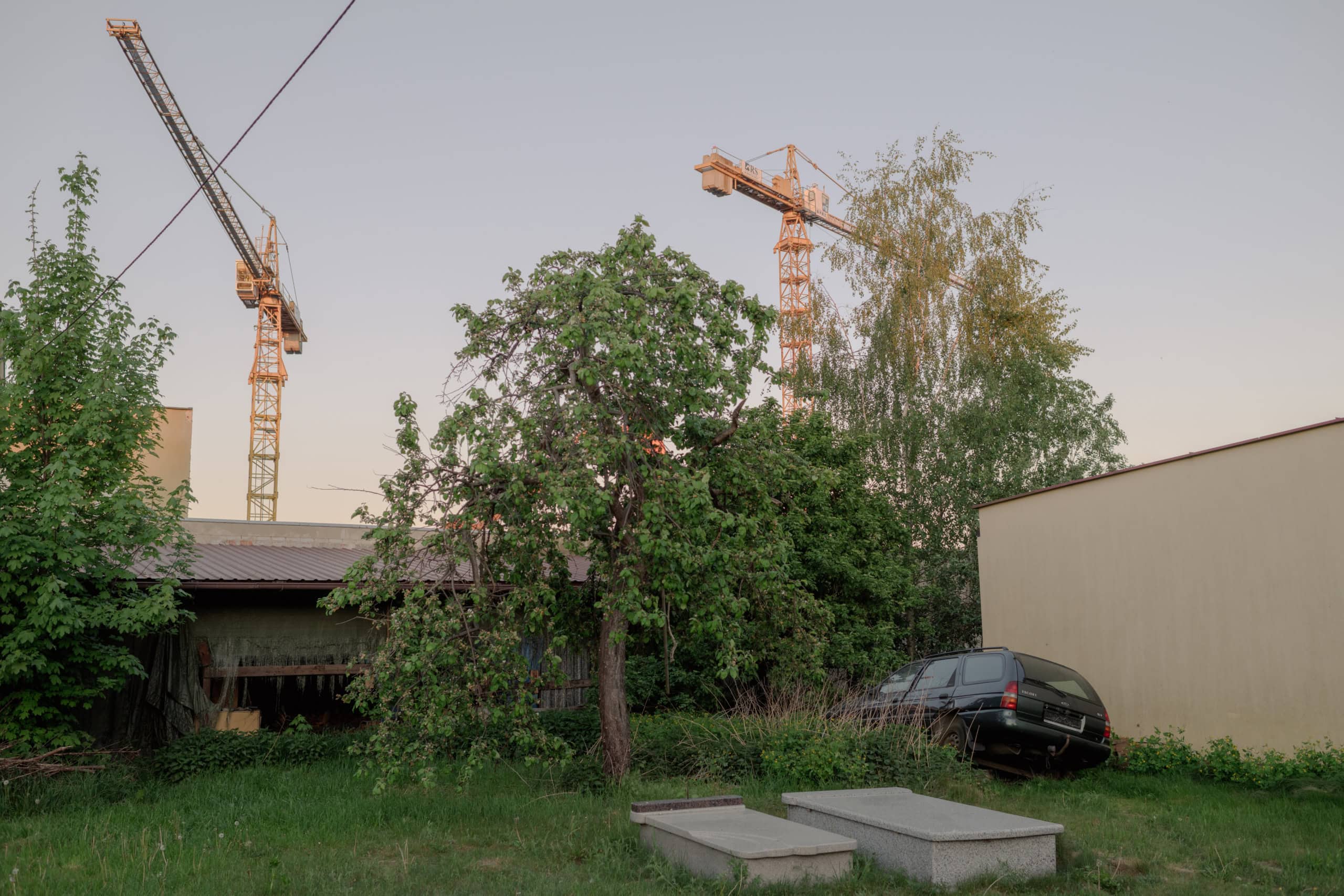 Bielsk, Podlasie, 2024
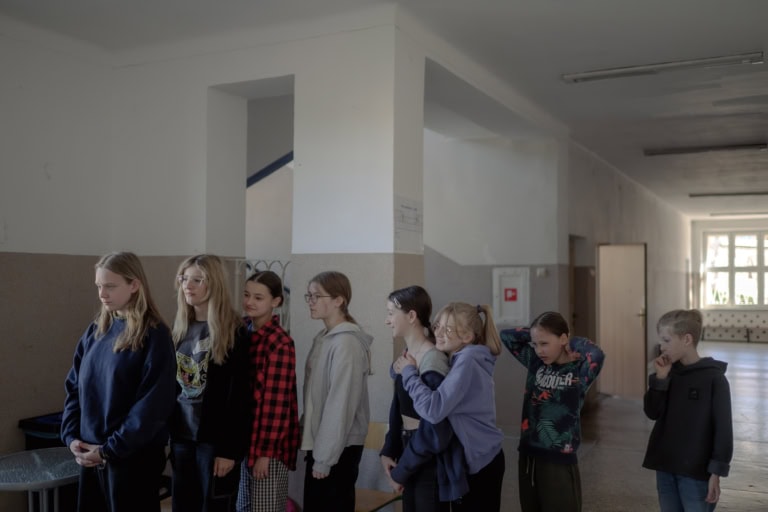 Białystok, Podlasie, 2024
Alina Wavrenyuk’s Belarusian-language theatre club brings together children who were mostly born outside Belarus. They, too, will soon have to decide whether to follow traditional expectations – or go their own way.