Wanted: travelling shepherd
Travelling shepherds are slowly disappearing from the pastures. Why there are still good reasons not to let the profession die out.
By Anjou Vartmann (text), Annica-Farina Badowski (photos)


In September, when the morning dew covers the meadows of the Osnabrück region, Josef Uhlen sets off on the traditional autumn trek. Around 600 sheep and two Old German herding dogs follow him through fields and woods. This annual trek is more than just a change of pasture – it is one of the last remnants of a centuries-old tradition that is steadily disappearing. ‘The available grazing decides the flock’s route,’ says Uhlen.
At 69, Uhlen faces an uncertain future: there is nobody who wants to carry on the work. Transhumant shepherding, once a natural part of rural culture, is fighting for survival. In Germany, the number of full-time sheep farms has fallen sharply: in 2010 there were still more than 1,100; today there are only around 930. The reasons are many: low incomes, a heavy workload and a lack of recognition from society. Yet shepherds make an indispensable contribution to landscape management and biodiversity.
 Westerhausen, Melle, May 2024
Josef Uhlen on his autumn trek with around 600 sheep and two Old German herding dogs. The 69-year-old shepherd moves on every day – always following the grazing.
The available grazing decides the flock’s route.
 Josef Uhlen
For more than 40 years, Josef and his older brother Willi have leased land in the Nemdener Bruch – a landscape that can’t be farmed intensively but remains ecologically valuable thanks to the sheep. The farm has been in the family since 1912. While Willi looks after the farm and the paperwork, Josef moves on with the flock every day. ‘The last time I went on holiday was 20 years ago,’ he says, without resentment. But without a successor, this sustainable use of the land is at risk of being lost too.
Travelling shepherding is not just a job but a way of life in harmony with nature. Its disappearance would mean not only the end of a tradition but also the loss of a sustainable form of landscape management. By grazing, sheep help to preserve species-rich habitats, protect soils from erosion and promote biodiversity.
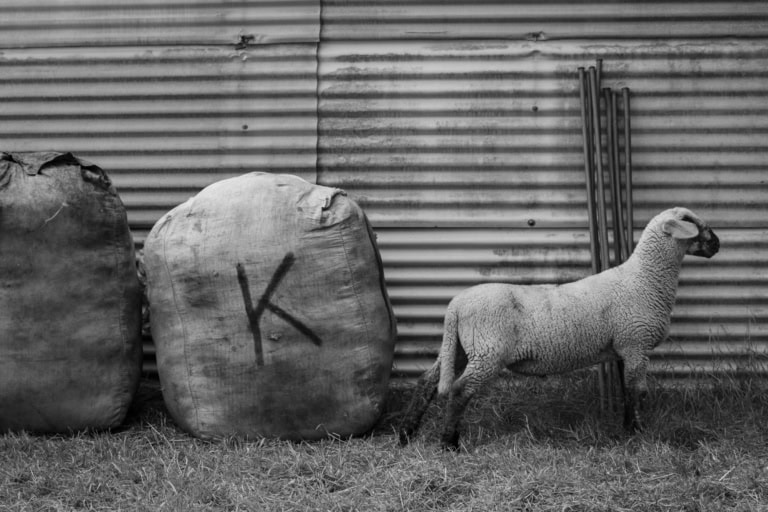 Westerhausen, Melle, June 2024
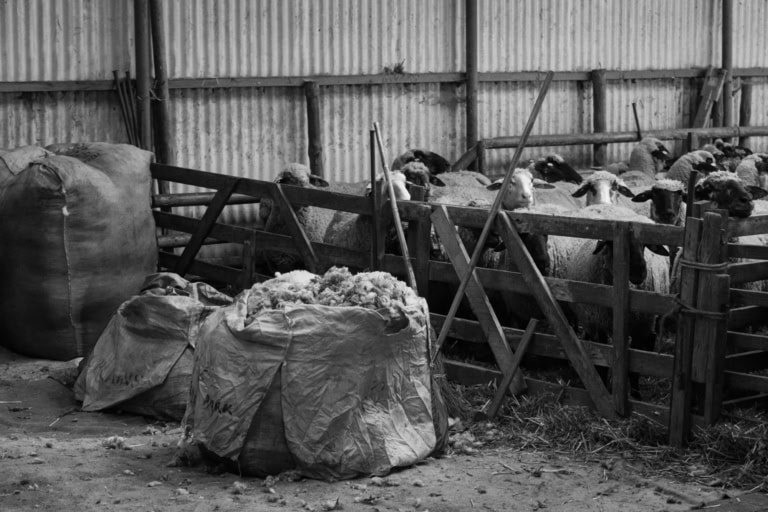
A sheep waits patiently beside the freshly packed wool. The annual shearing is a fixed part of a shepherd’s life.
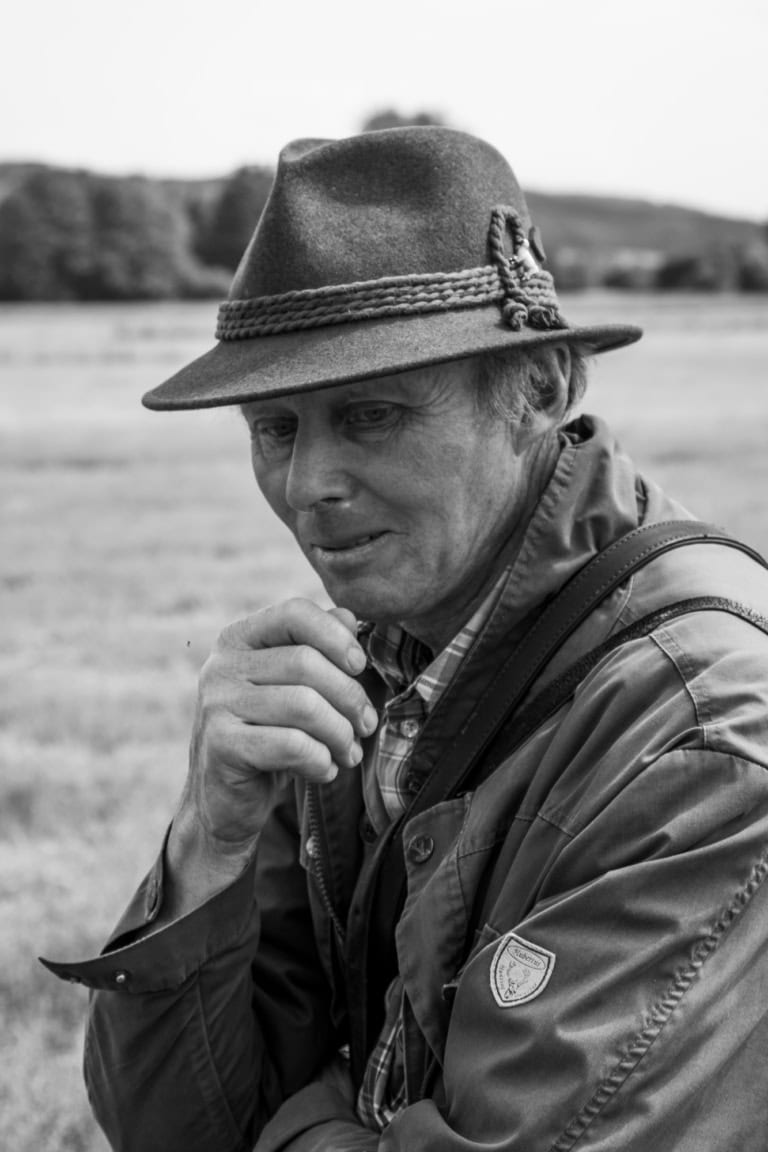 Westerhausen, Melle, May 2024
Travelling shepherd Josef Uhlen: 69 years old, a life devoted to his animals – and as yet no successor.
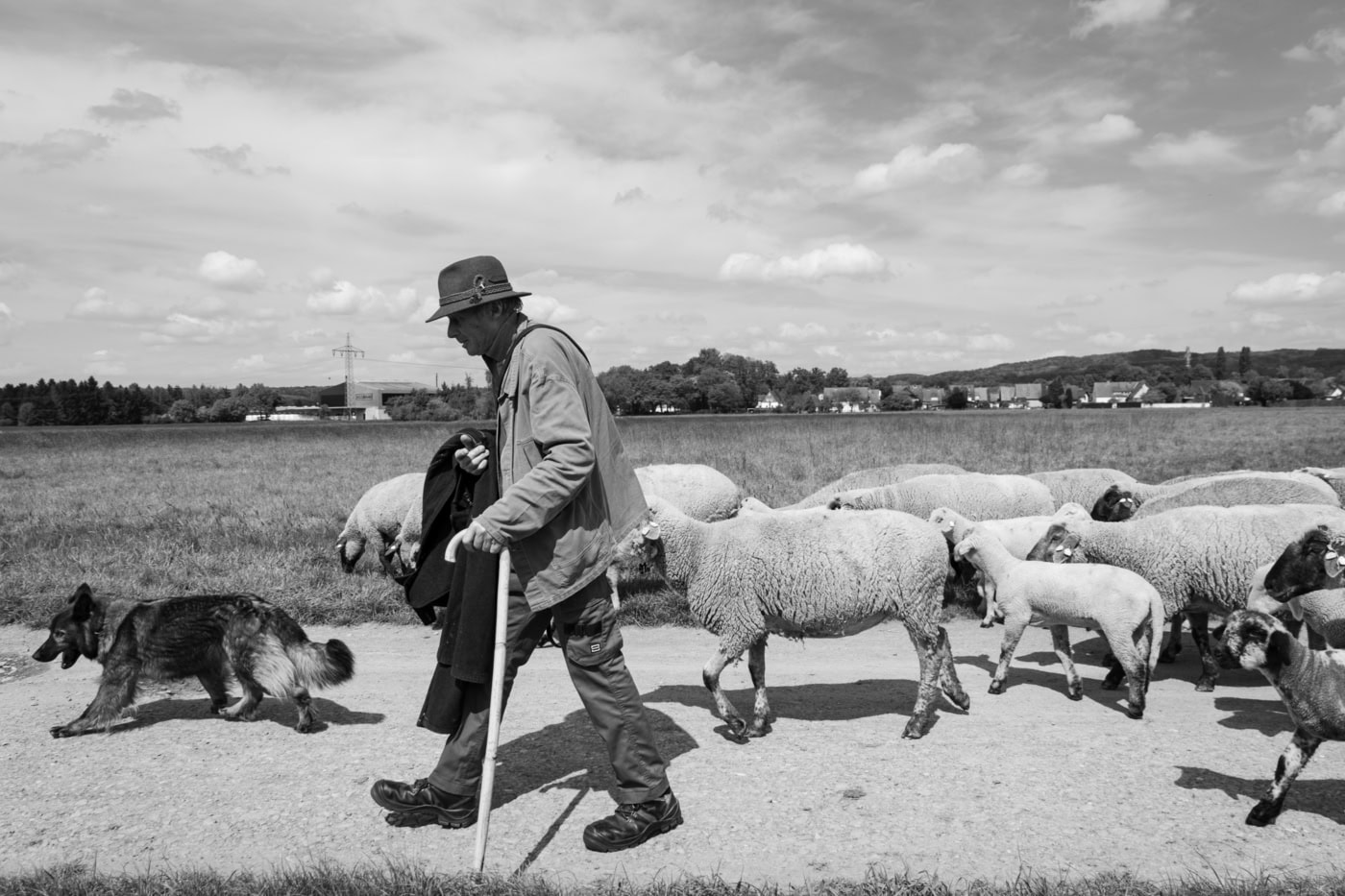 Westerhausen, Melle, May 2024
Daily rhythm: at midday the flock reaches a new pasture. In the evening it is secured with mobile fencing.
The last time I went on holiday was 20 years ago.
Josef Uhlen
 Westerhausen, Melle, June 2024
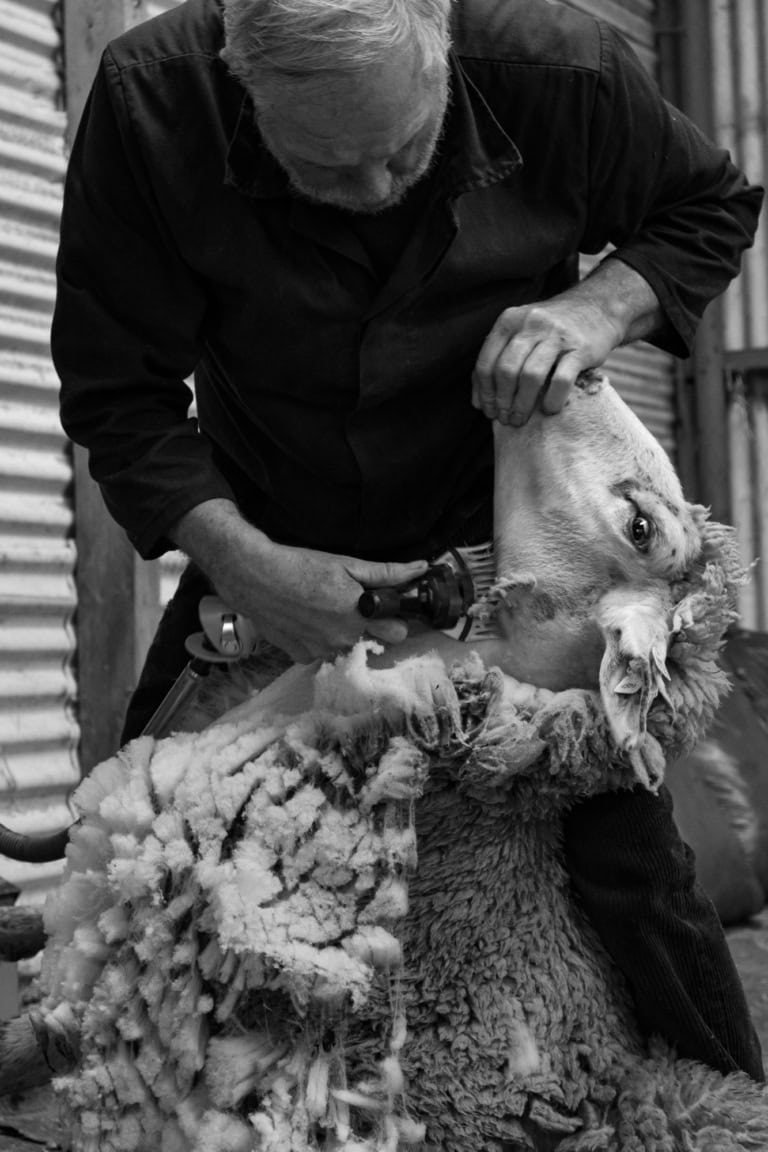
The shearing is done by a professional team that Uhlen hires once a year. For the rest of the year he looks after the animals on his own.
 Westerhausen, Melle, June 2024
Between May and June the thick fleece comes off. It grows back by winter – a natural rhythm that protects the animals from heat and cold.
 Westerhausen, Melle, May 2024
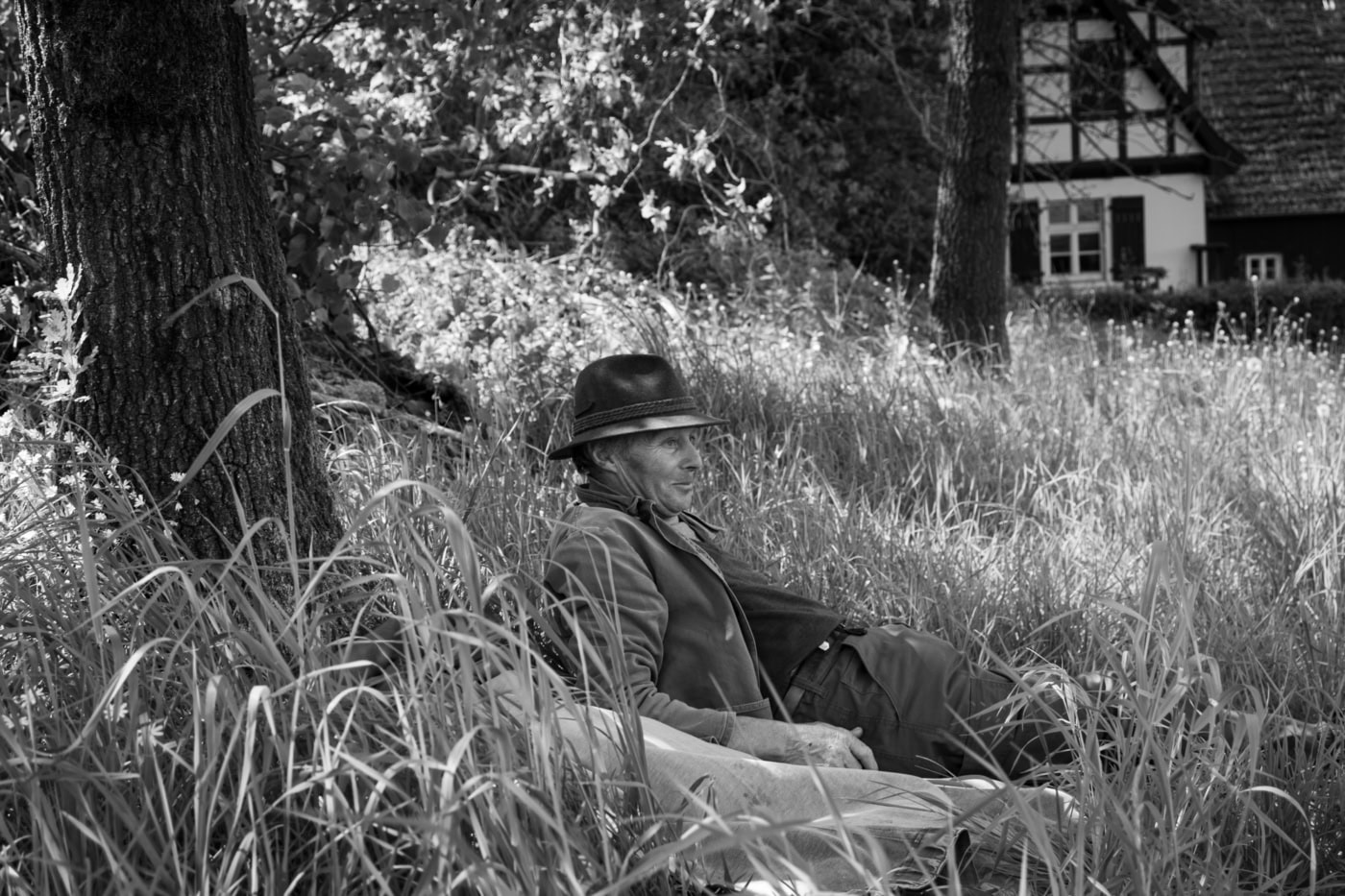
Lunch break in the pasture: Josef Uhlen usually stays with the flock – with sandwiches and apple spritzer, in the everyday life of a dying profession.