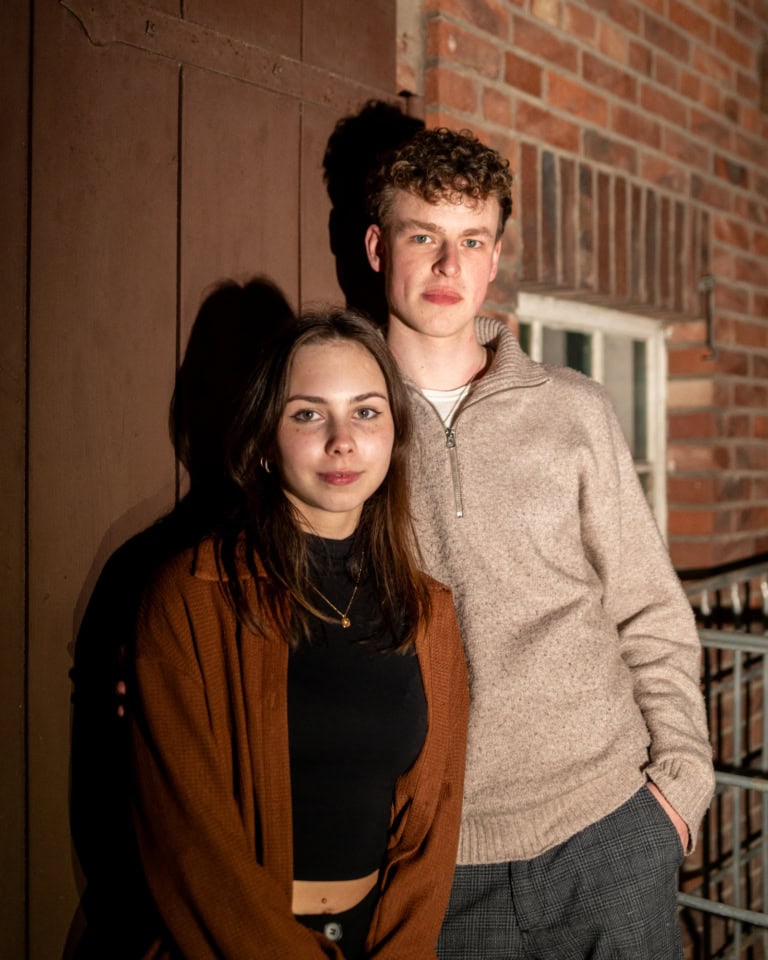
Portrait ideas for stronger pictures: rethinking portrait photography. Strong portraits move us, shake us up and hold us spellbound. These creative portrait ideas and approaches from working professionals will help you achieve exactly that.
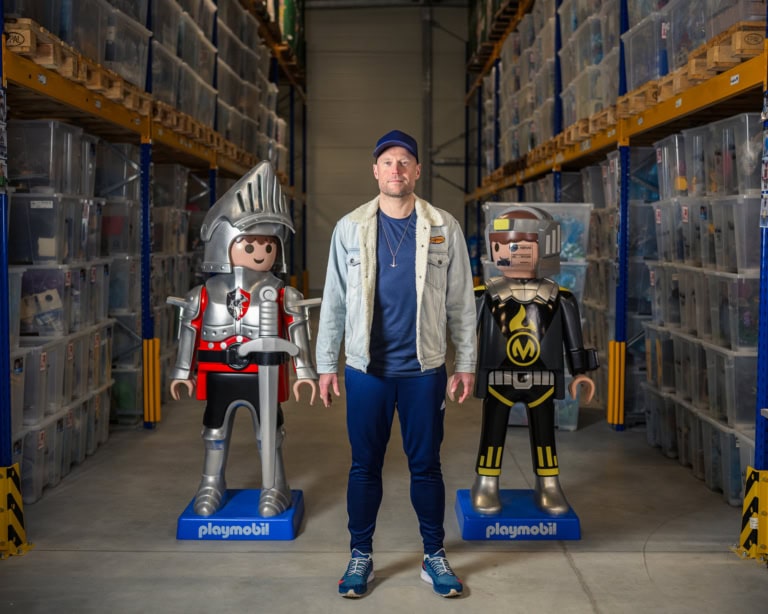
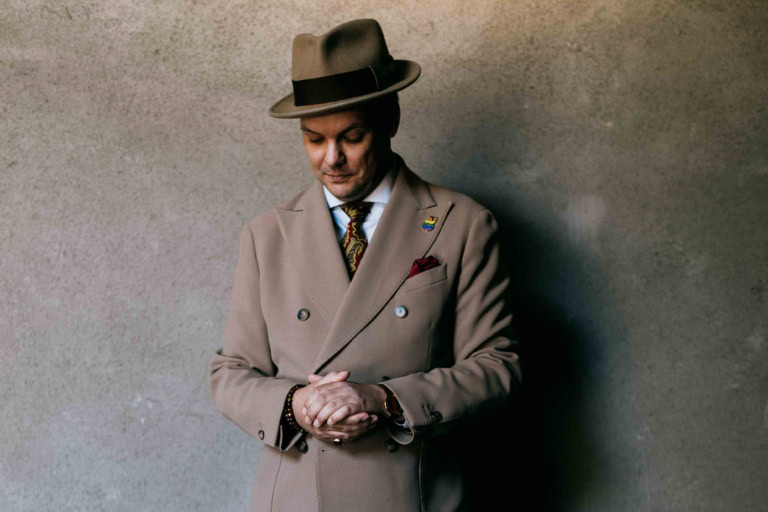
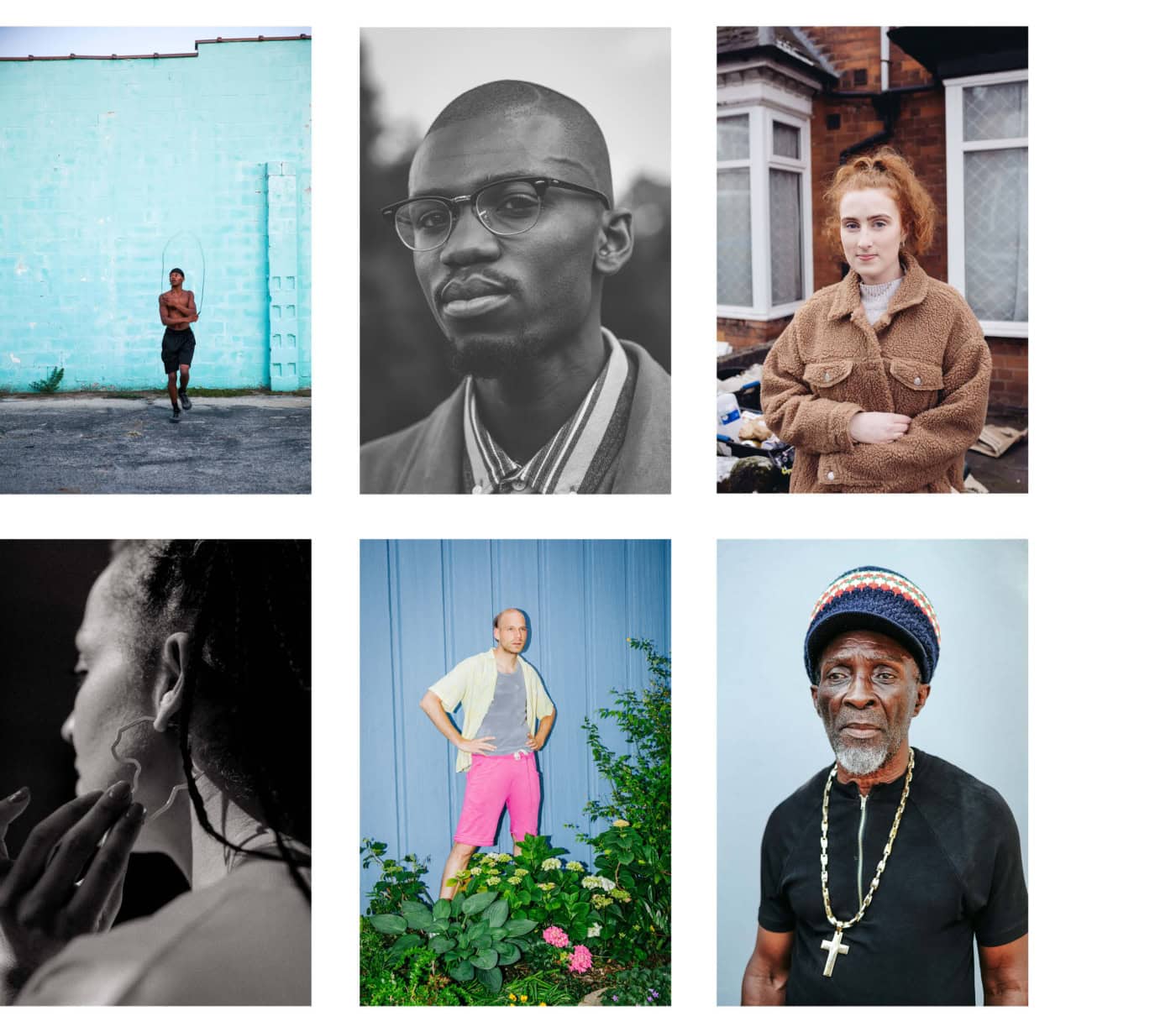 Photos: China Hopson
A successful portrait can tell a story, evoke emotions and create a connection between viewer and subject. But how does a picture like that come about? What thinking goes into the process? In a world where images are consumed quickly, portrait photography calls for a more conscious, more considered approach.
This article looks at the key aspects of a powerful portrait – from intention to the relationship between photographer and subject.
Contents
1. Intention: What do I want to say?
2. Look – the visual language: The aesthetics of a portrait are crucial to its impact. The choice of light, the composition and the distance to the person all influence how the picture is perceived.
3. Choosing a camera: Technology shapes the process, and the right choice makes it easier to realise your idea.
4. Setting: where the portrait takes place The choice of location influences the message and atmosphere.
5. The relationship: trust as the foundation A good portrait is created through dialogue.
6. Conclusion: Rethinking the portrait – an invitation to reflect.
China Hopson is an alumna and has worked as a portrait photographer in and around Hannover since graduating from Hochschule Hannover. Her photographic style is shaped mainly by natural light and by a focus on how she works with people in front of the camera. She approaches her subjects with great sensitivity and respect, and it matters to her above all that they feel comfortable and can trust her.
My vision is to achieve more visibility for Black people and BIPOC in Germany.
 China Hopson
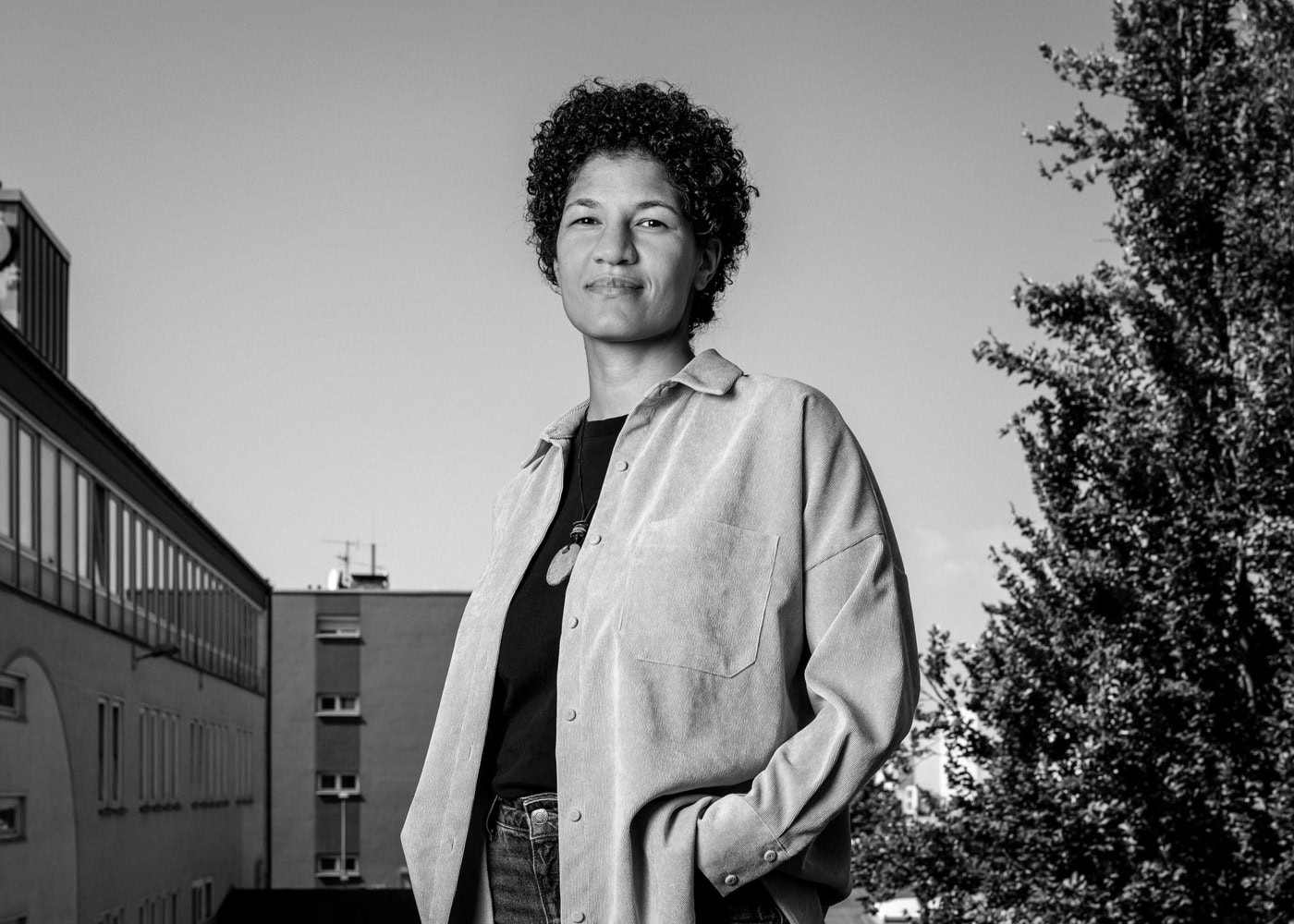 Photo: Volker Crone, portrait of China Hopson
1. Intention: what do I want to say?
A portrait begins with a vision. It is about defining a clear message:
Personal project vs commission
While personal projects often offer creative freedom, commissions usually follow a defined brief. Here you need to balance your own artistic ambitions with the client’s expectations.
Mood and emotion
Should the portrait express intimacy, strength or vulnerability? This emotional direction shapes the entire approach.
Message
Which aspects of the person’s personality or life should become visible in the picture? Every detail in the frame influences the story.
2. Look – the visual language
The look of a portrait is crucial to its impact. The choice of light, the composition and the distance to the person all influence how the picture is perceived:
Natural light
It creates an everyday atmosphere, but depends on the time of day and the weather. Natural light ranges from hard light (mostly at midday) to soft, diffuse light (mostly in the morning and evening). The shadows on the subject’s face show exactly what character the light has.
Artificial light
It allows you to work precisely: the colour, shape, direction and intensity of the light can all be controlled. For a deeper look at working with artificial light, take a look at our article on studio lighting.
Distance
How close do you want to get to the person you are portraying? Think carefully about how near to or far from the person you want to stand, and which lens you will use.
A longer focal length makes the person appear closer – known as the compression effect – while you can physically stand further away. Find out which distance and which portrait lens suit you.
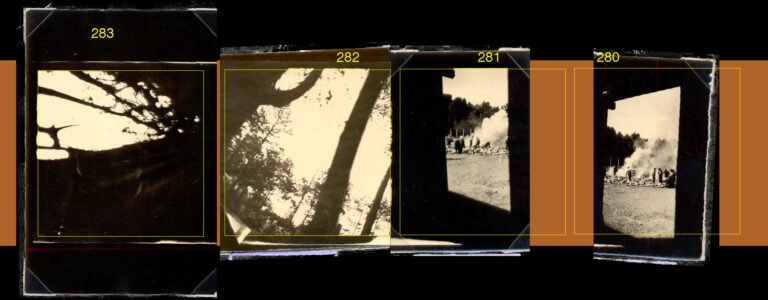
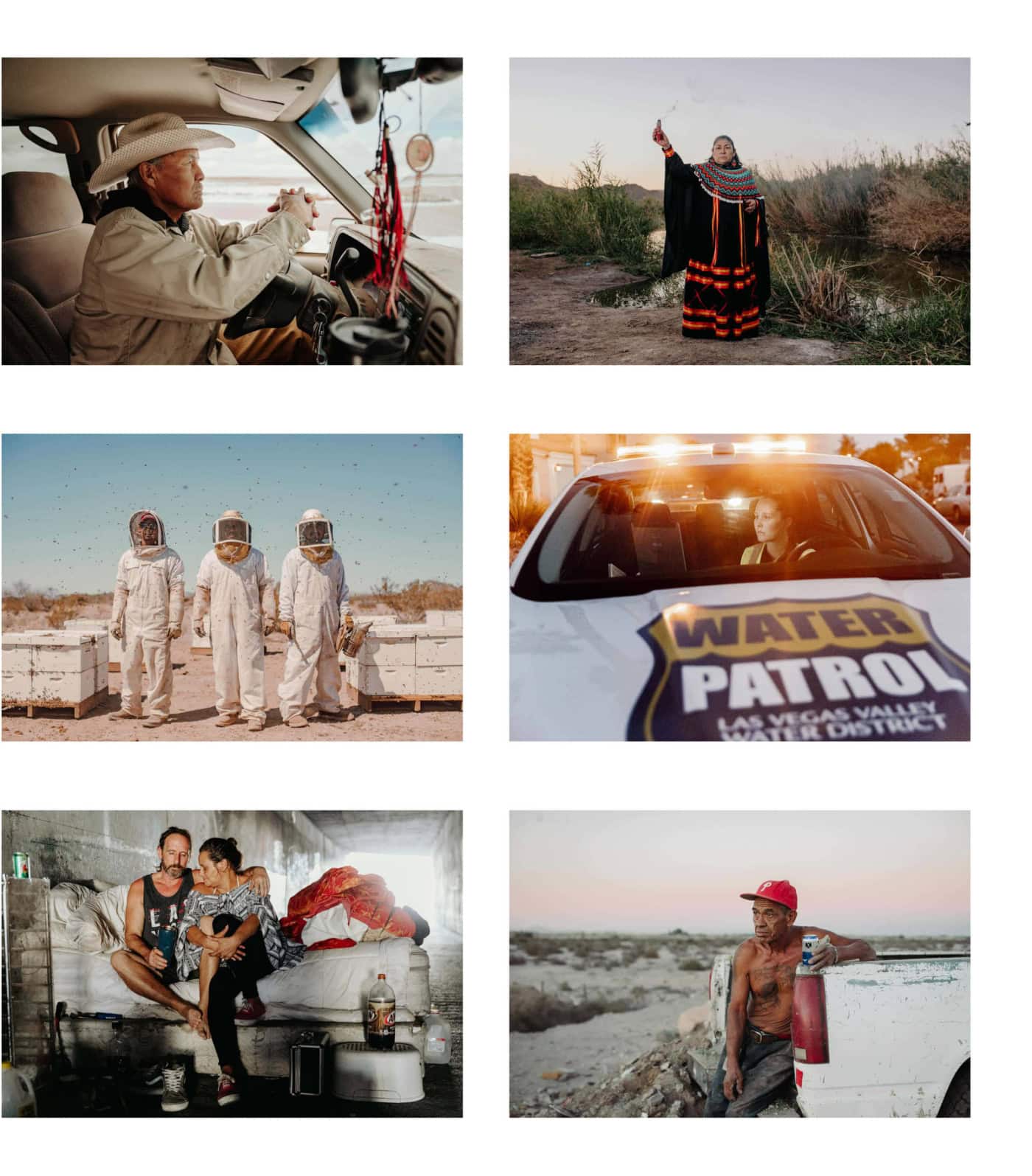 Photos: Jonas Kako, portraits from his work ‘The Dying River’
3. Choosing a camera
Familiarity
Which camera feels safe in your hands? Confident routine lets you concentrate fully on your subject. You should be able to operate your equipment blindfolded.
Analogue vs digital
Digital scores for speed, flexibility and control; analogue sets deliberate limits and delivers quality and a distinctive aesthetic, but it comes at a cost.
Jasmina Hanf is a Hochschule Hannover alumna and currently a picture editor at DIE ZEIT. With her many years of experience of journalistic portraits, she knows how important it is for subjects to feel comfortable and able to let go while they are being photographed.
A journalistic portrait is about doing justice to the person pictured through a special gift for observation.
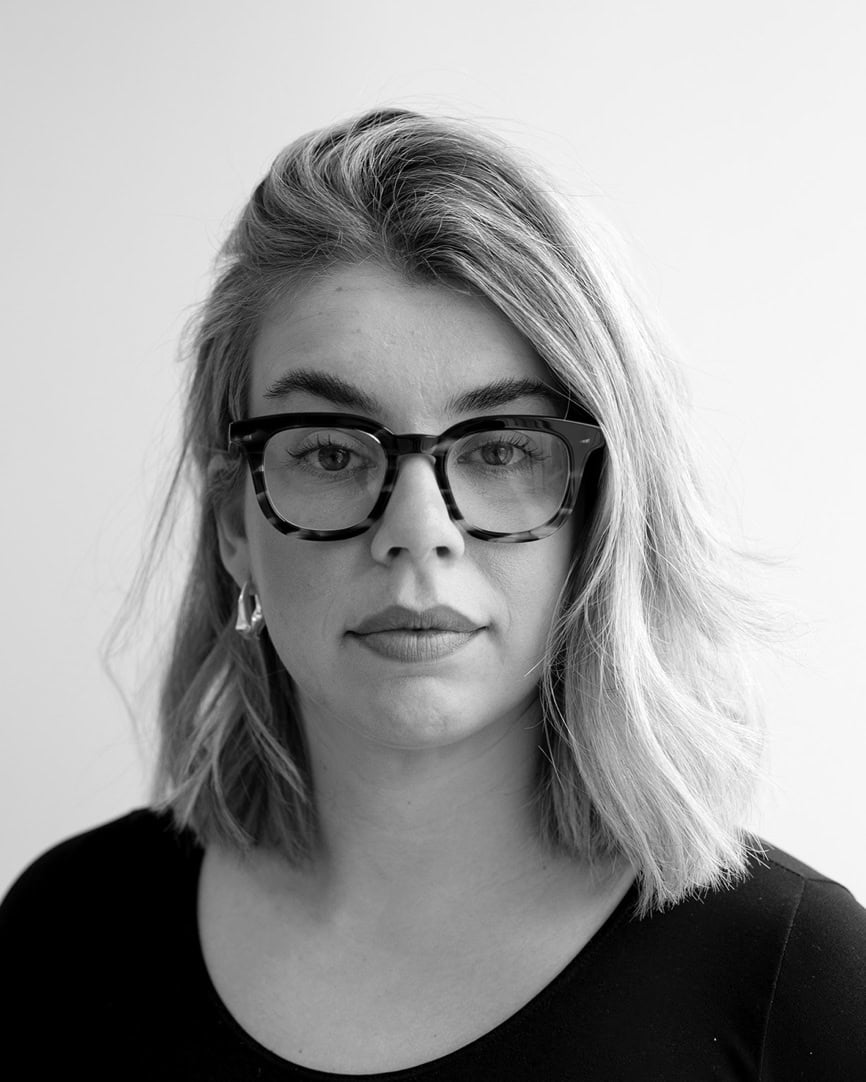 Jasmina Hanf, alumna and currently a picture editor at DIE ZEIT
4. Setting: where the portrait takes place
Familiar surroundings
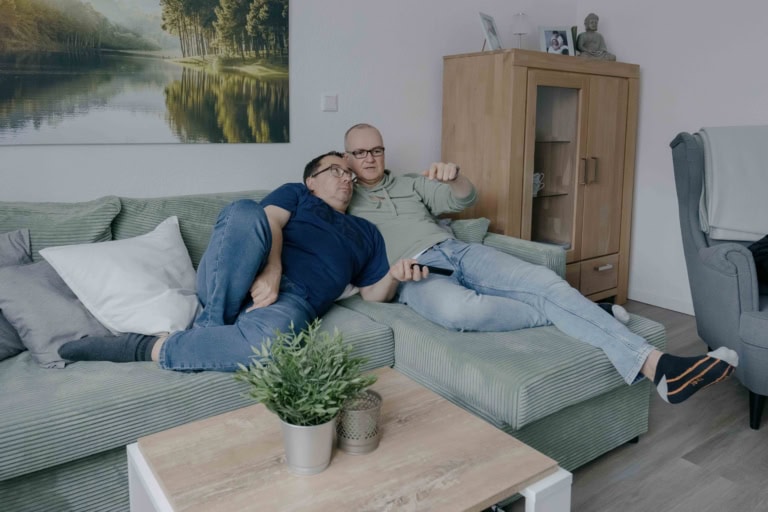
A home environment brings authenticity and comfort for the person being portrayed!
Studio
A controlled setting opens up creative scope, but can feel less personal.
The decision depends on the mood and message you want the portrait to convey.
Visible context
Context within the picture can add value – something that matters all the more in journalism.
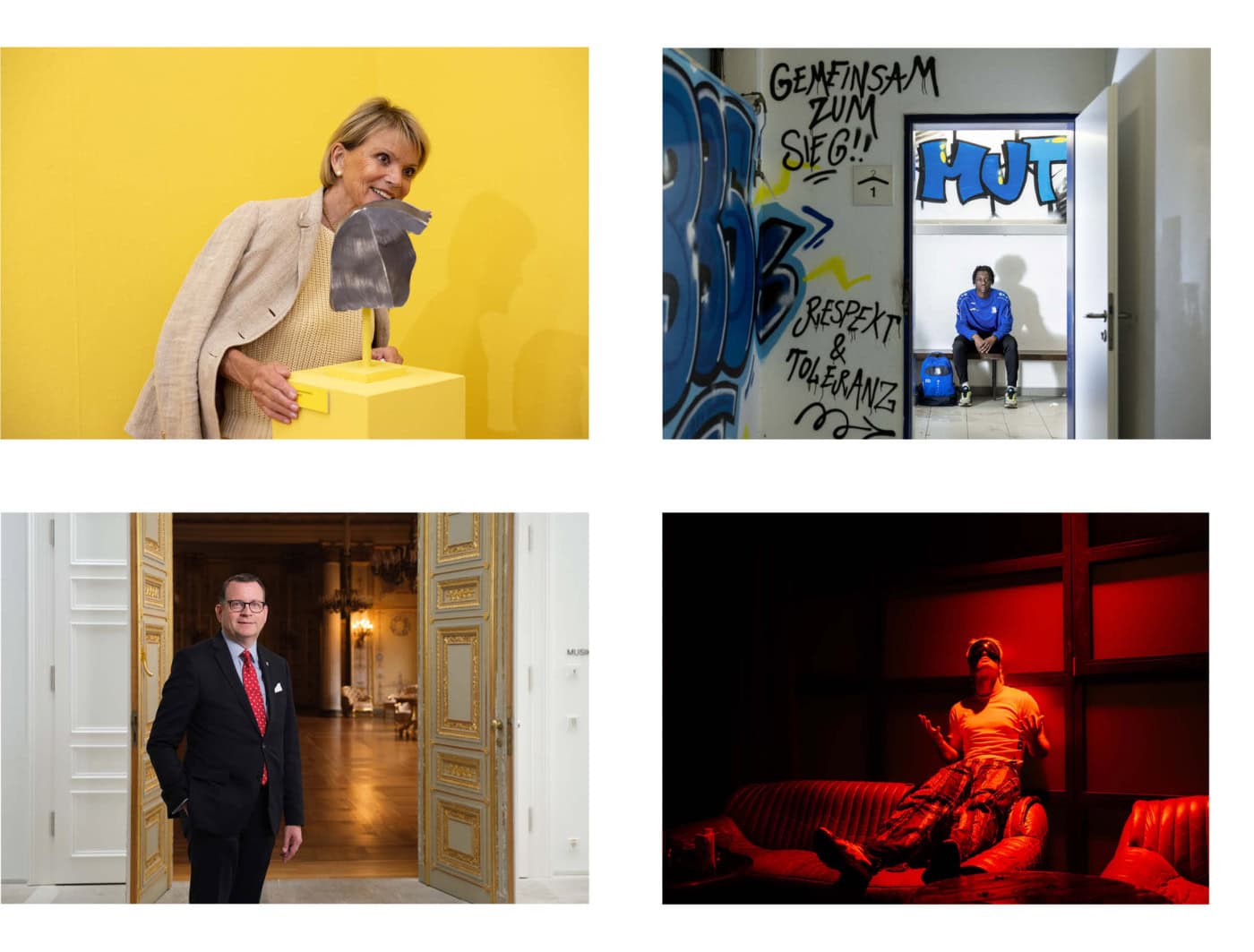 Photos: Anton Vester, commissioned portraits from his photography traineeship at the Frankfurter Allgemeine Zeitung
Michael Trippel, professor of photography at Hochschule Hannover specialising in portraiture, says it is easier to photograph the ‘preconceived views’ you bring with you than to try to stay open to the encounter in the moment. ‘It’s essential to take lots of portraits and then work out where you’re just not very good, what you don’t really like and what you’d actually like to be able to do,’ says Trippel.
Looking back today, I’d say: try to be as open as possible without becoming boring.
 Michael Trippel
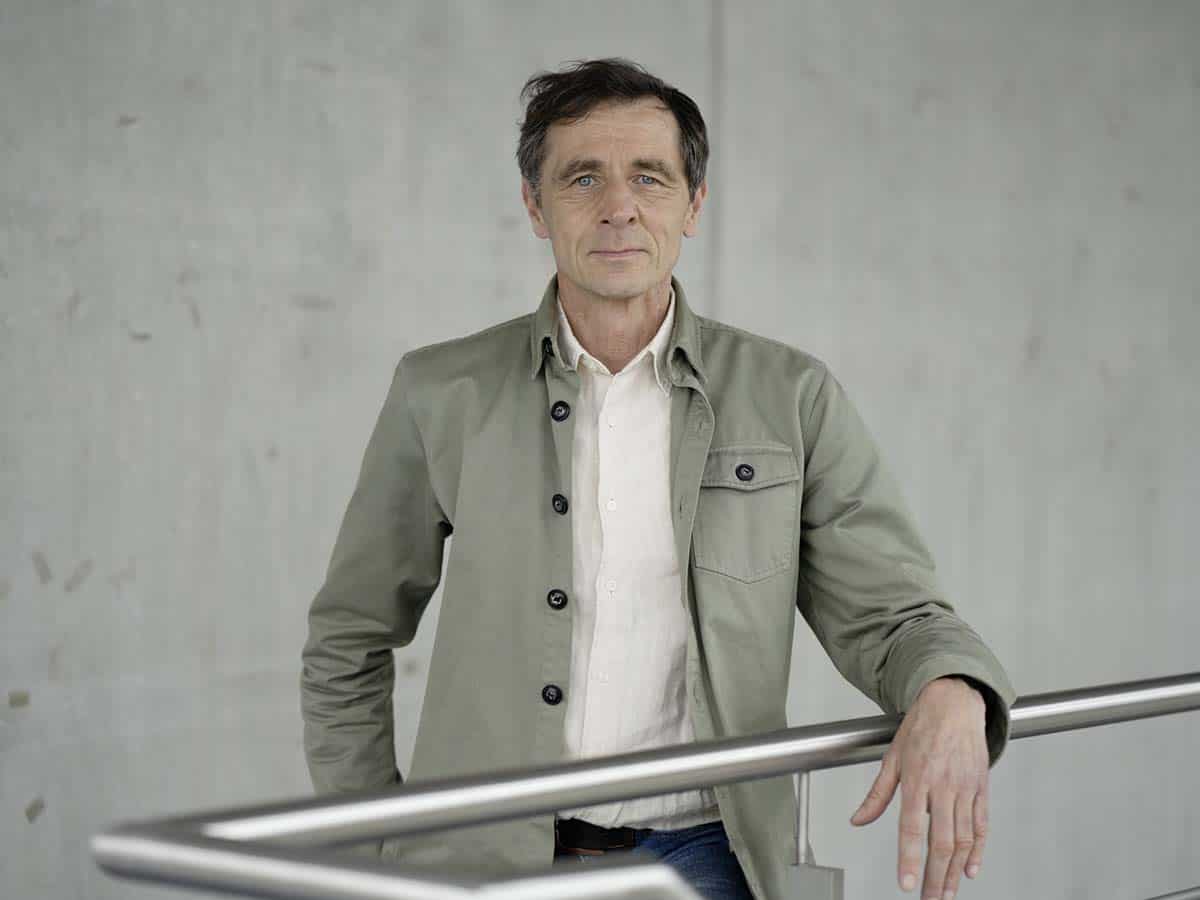 Photo: Raimund Zakowski
5. The relationship: trust as the foundation
Reflecting on power relations and responsibility
In a journalistic context, it is very important to be aware of the power relations between photographer and subject. The responsibility this brings means making sure privacy is respected and that you work transparently. Especially with people who have less experience of the media, photographers should show particular sensitivity.
Time and involvement
Getting to know each other properly can lay the foundation for a relationship of trust – over a coffee before the shoot, for example.
How closely is the subject involved in the creative process? This participation can strongly affect their wellbeing and therefore their expression. For example, their favourite music can help them stay connected with themselves despite an unfamiliar atmosphere.
Courage and boundaries
A portrait thrives on the courage to get close – without crossing boundaries. Respect and sensitivity are essential.
6. Conclusion: rethinking the portrait – an invitation to reflect
Portrait photography is a multi-layered process that combines technical, emotional and social aspects. It is not only about how a picture is made, but also about acting with awareness. By taking the time to sharpen our intention, choose our setting consciously and build a connection with the people in front of our camera, we create portraits that are more than fleeting snapshots.
This approach demands the courage to reflect and a conscious way of working. But the reward is portraits that can hold deeper meaning both for those pictured and for those who look at them.
Portrait photographers
Arnold Newman for classic portraits with context
Annie Leibovitz for staged, iconic celebrity portraits
Zanele Muholi for portraits from a strong community perspective
Richard Avedon for staged portraits in a fashion context
Rineke Dijkstra for portraits of children and teenagers