Perpetrators, Dreams, Texas.
16 bachelor’s theses shed light on what is easily overlooked: scenes of right-wing violence in Germany, older LGBTQ+ people, and religious boot camps in Texas. On view starting June 24 at the Gallery of Photography.
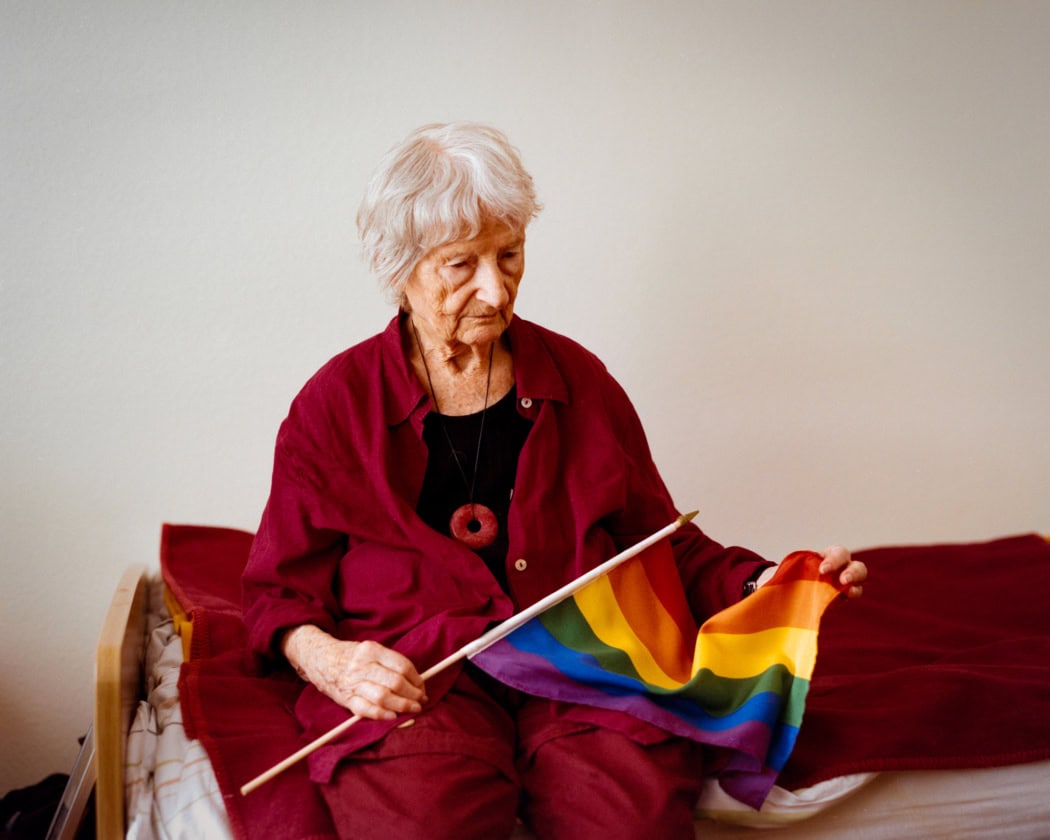 Photo: Markus Heft
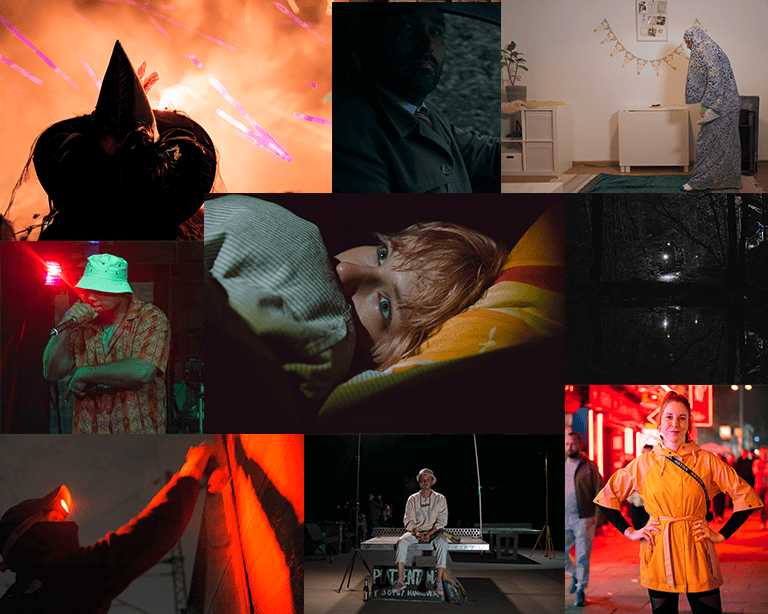
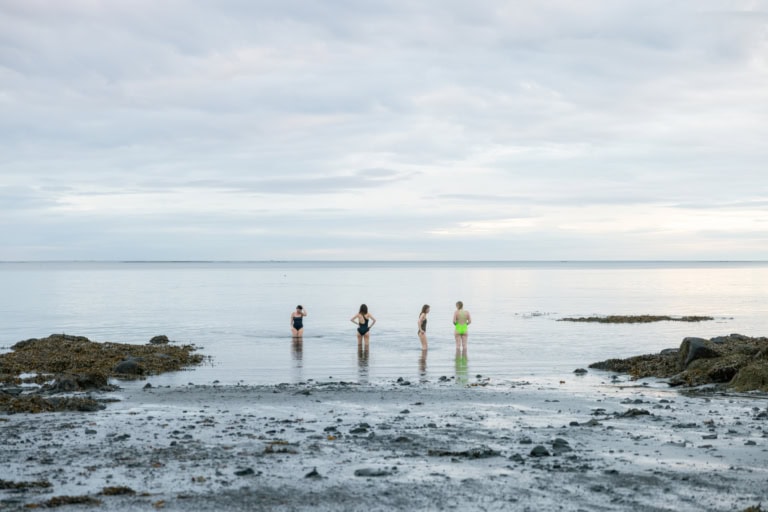
The 16 bachelor’s theses in the Visual Journalism and Documentary Photography programme offer diverse perspectives on contemporary realities of life: ranging from personal stories to political, environmental, and historical contexts. They show how people find their place in a changing world, how living spaces are transforming, and how issues of identity, memory, and belonging can be visually explored. With a sensitive yet keen eye, the students create photographic and film works that open up new perspectives and challenge conventional narratives.
For example, “Einfach nur Familie” by Kseniia Apresian explores diverse family models that exist beyond traditional norms, while “made with love and a little bit of science” by Nico Baesecke links the topic to the laboratory: family planning through sperm donation. In “Stranger you become,” Simon Belperio examines historical and contemporary perspectives on migration. With “Roulettenburg,” Serghei Duve explores gambling in Germany and investigates what factors foster and perpetuate addiction. For “Revisiting the Agrarian Community Protest,” Paul Hartinger traveled to India to shed light on agricultural crises and social injustices.
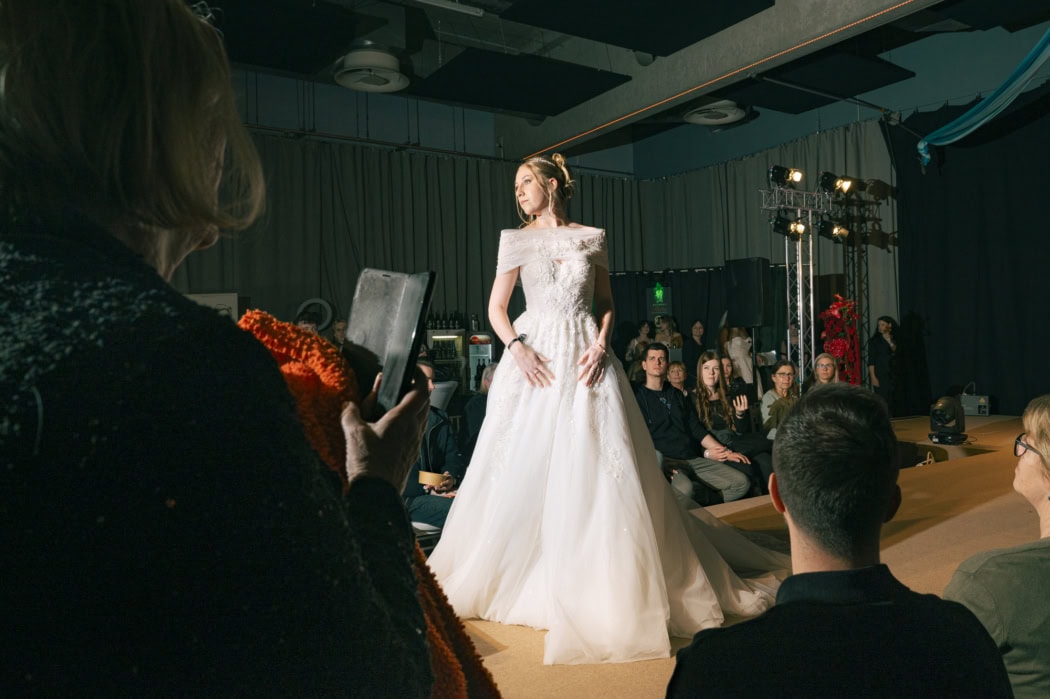 Photo: Carlotta Steinkamp
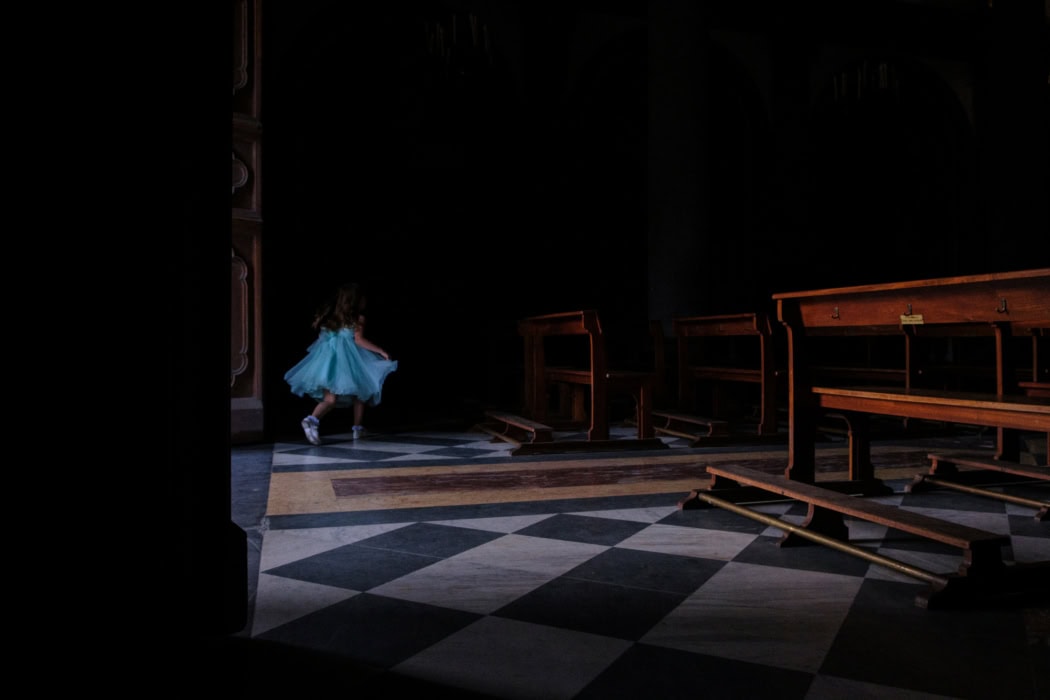 Photo: Simon Belperio
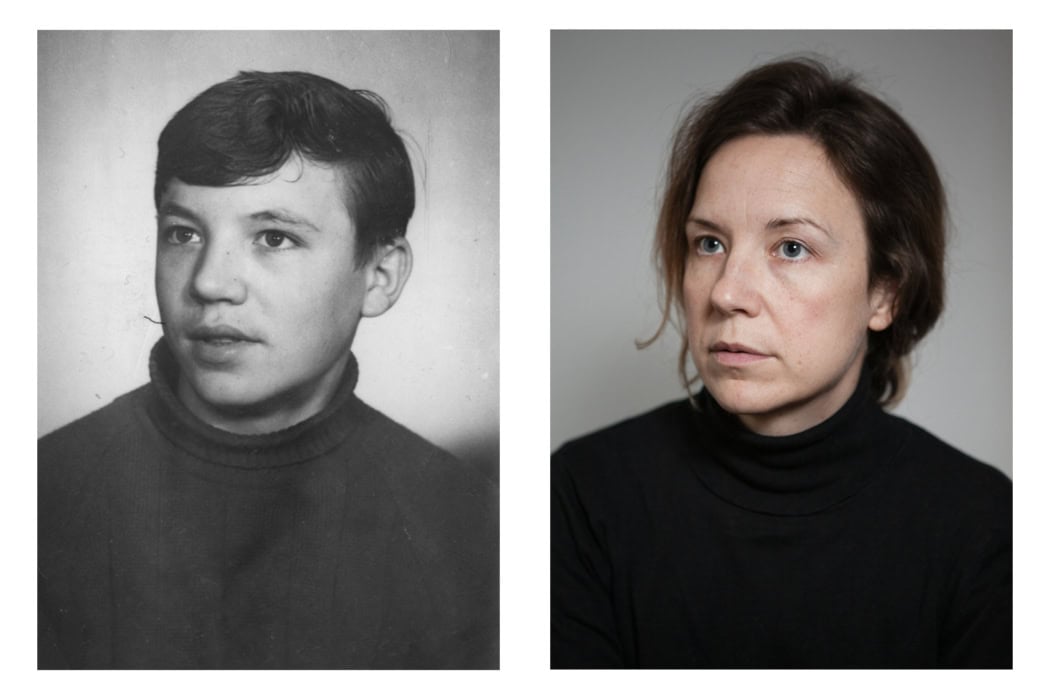 Photo: Magdalena Vidović
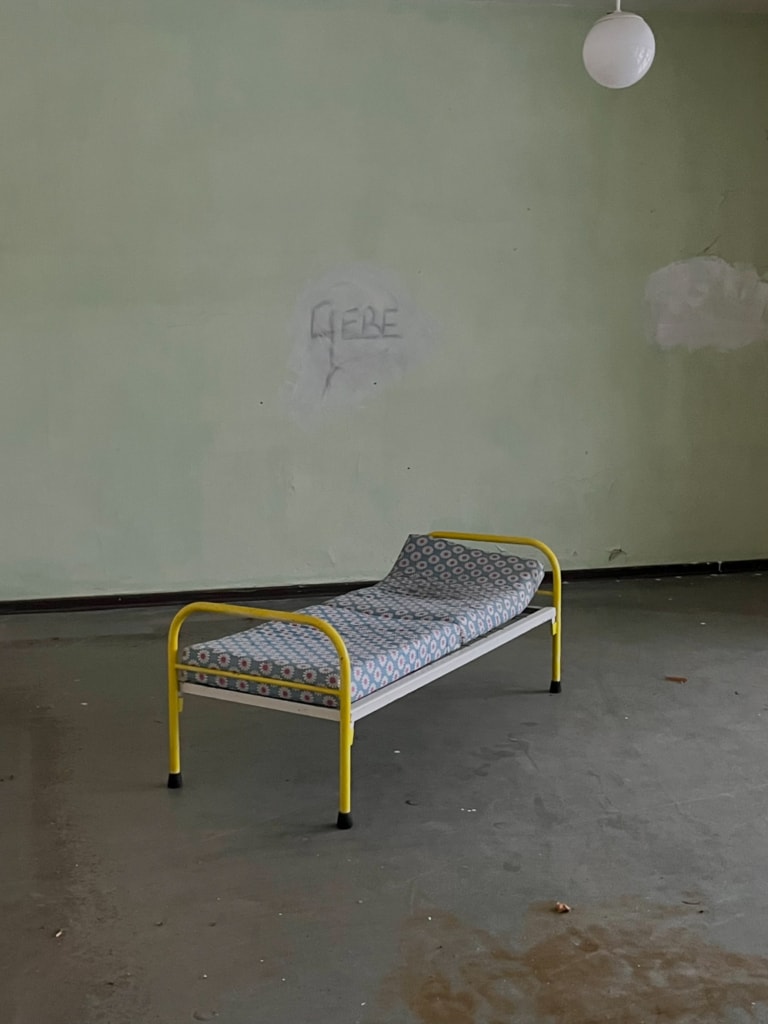
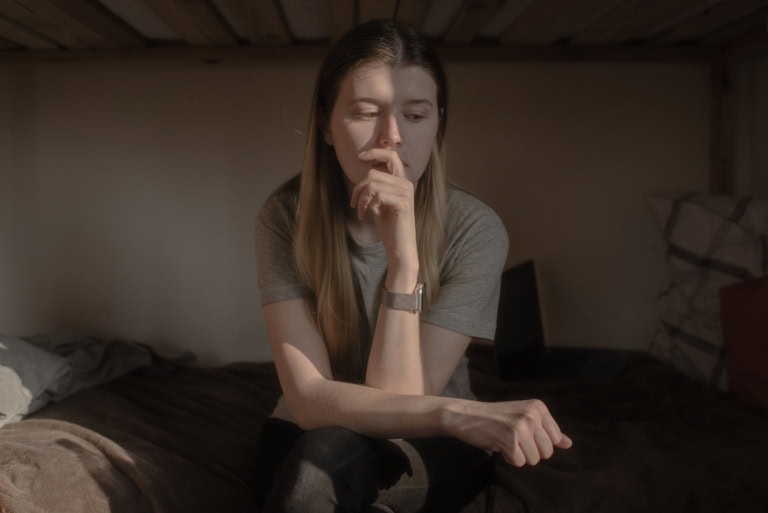
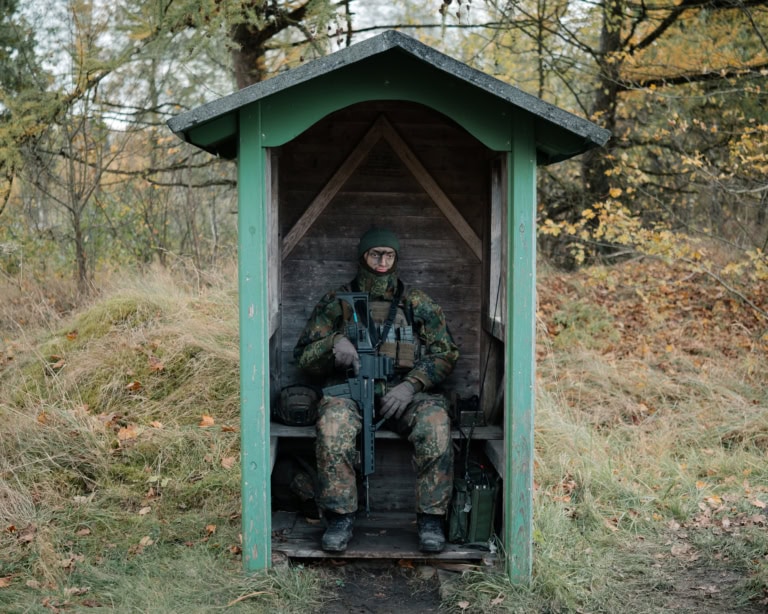
Markus Heft, on the other hand, preserves stories of older queer people in Germany in *Für uns geträumt*. In “Ohnmacht,” Michael Matthey profiles people who have found their way out of crises. In “Allmende: Vom gemeinsamen Werden,” Paul Muders explores communal living on a farm in northern Germany, while in “God’s Ranch,” Alexander J. Nowak It tells the story of religious boot camps in Texas and paints a portrait of a region shaped by fundamentalism. In *Rechtes Land*, Julius Schien documents the scenes of right-wing violence in Germany and creates a visual archive to ensure the victims are not forgotten, while Matthias W. Schulz, in *Gegenwart der Vergangenheit*, compiles creative forms of history education.
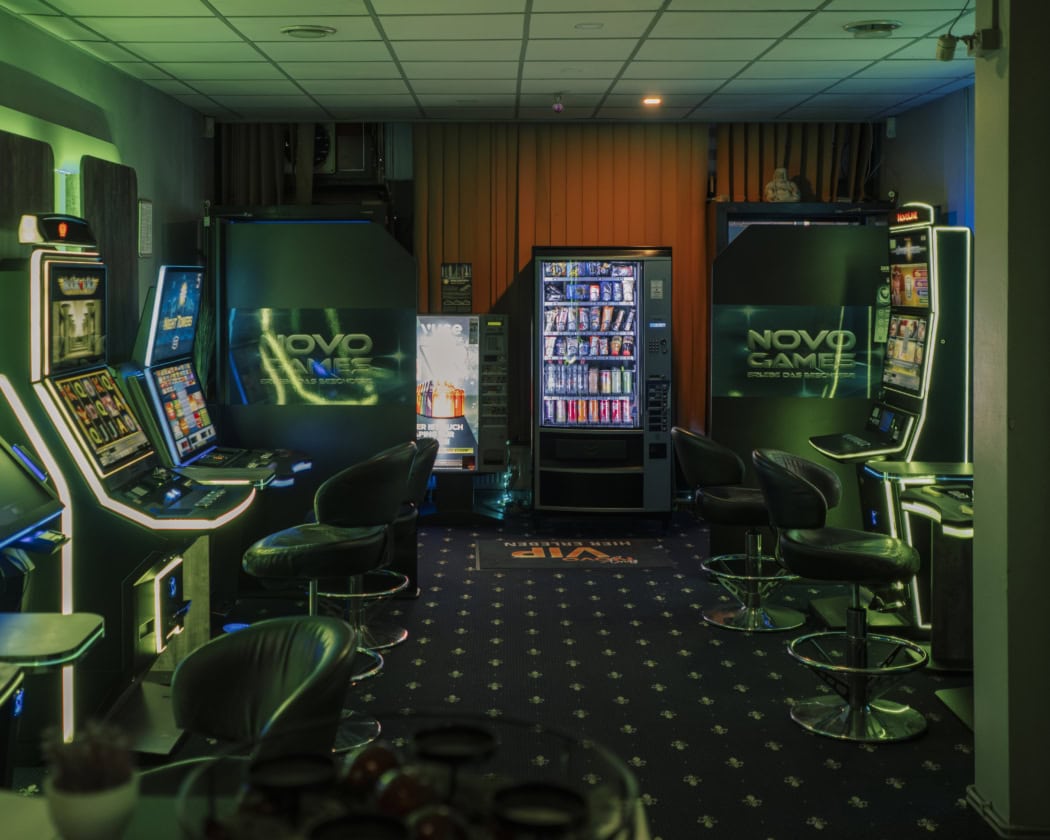 Photo: Serghei Duve
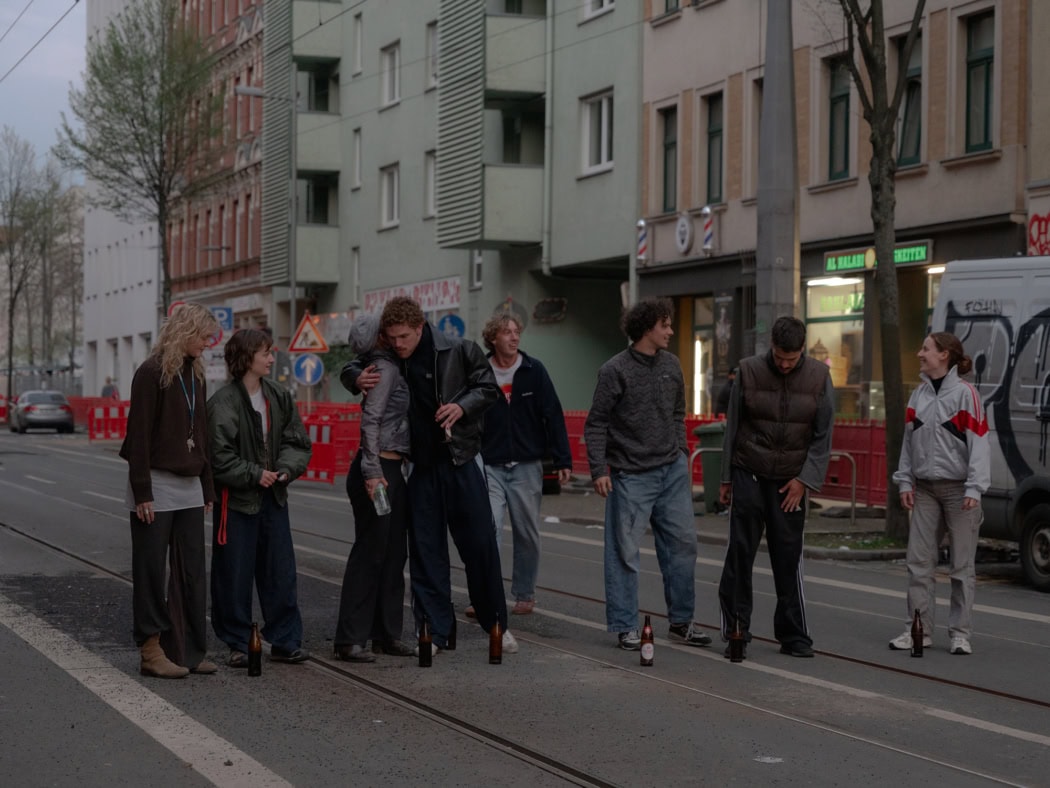 Photo: Stella Weiß
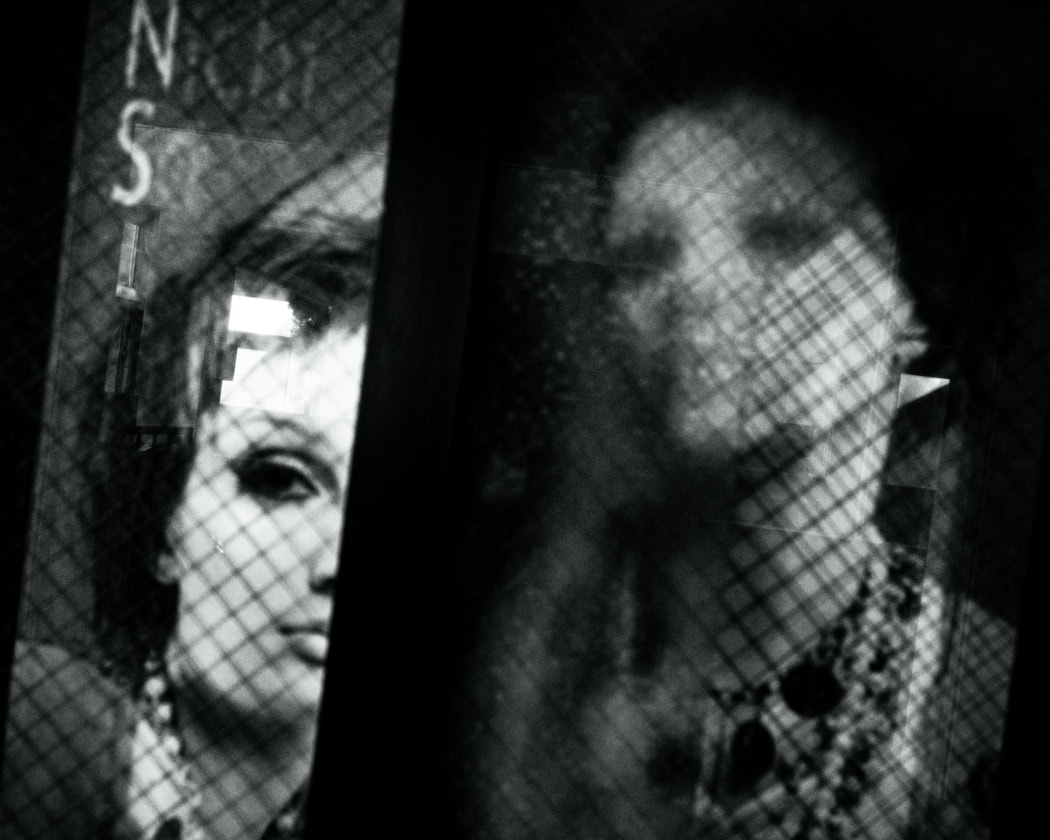 Photo: Alex Wohn
In “Grenzschicht,” Miriam Schwab explores personal emotions set against the landscapes of the southern Black Forest. In “I love you, but at what cost?,” Carlotta Steinkamp examines the commercialization of love and marriage and asks who benefits financially from romantic relationships. Magdalena Vidović In “Unter der Erde,” he explores loss, memory, and the search for the identity of his father, who died young, while Stella Weiß, in “Eisenbahnstraße,” turns her gaze to Leipzig, navigating gentrification, migration, and everyday coexistence. Finally, in “Zeitweh,” Alex Wohn examines the Japanese island of Okinawa as a space where historical and political orders overlap.
Dates:
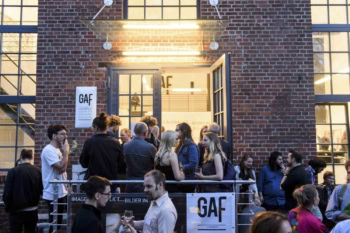
Opening Reception: ”
” June 24, 2026, 7:00 p.m.
Exhibition dates:
June 25 through July 5, 2026, daily from 12 p.m. to 8 p.m.
Location:
GAF – Gallery for Photography in the Eisfabrik,
Seilerstr. 15d, 30171 Hannover
Admission is free.
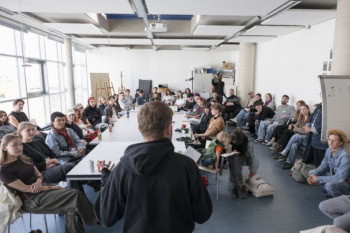
The exhibition features the bachelor’s theses of students in the“Visual Journalism and Documentary Photography”programme at the University of Applied Sciences and Arts Hannover. Tobias Eineder, who is also a photographer, project manager, and program coordinator, is working with the graduates to bring the projects to life as an exhibition at the GAF.






Your contact partners will be happy to assist you with your personal concerns. However, due to the large number of enquiries, we ask you to first check our FAQ to see if your question may already have been answered.
Dean of Studies, Design and Media department

Programme representative

Application and admission procedure

Hochschule Hannover
Faculty III – Media, Information and Design
Expo Plaza 2
D-30539 Hanover