Leaving the church: ‘Maybe this isn’t the right place for you’
The congregation once ruled every part of her life. Two years ago our author turned her back on it – and today she sees more clearly.
By Noemi Ehrat

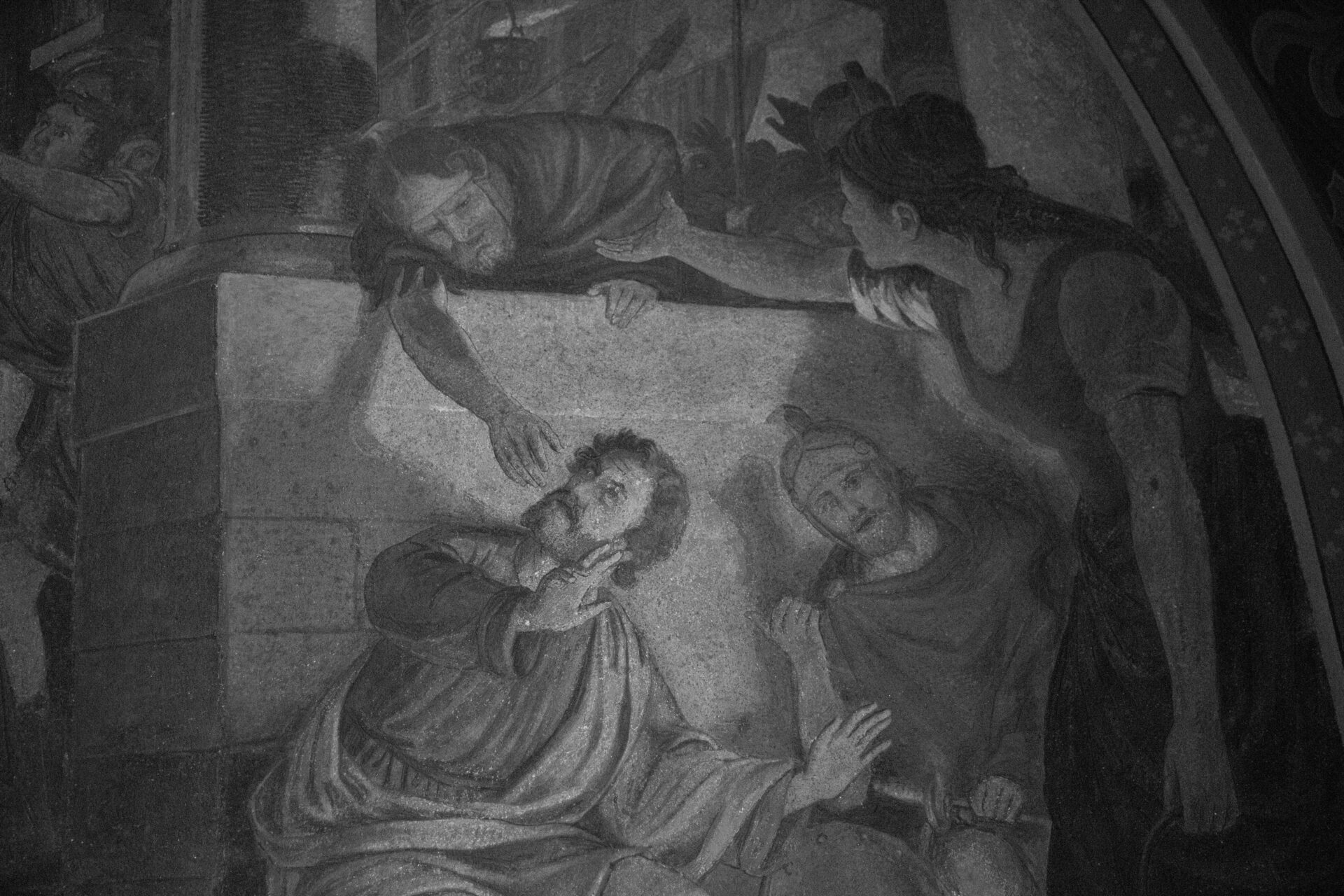
I have spent a large part of my life in churches. On Sundays (and other days) I sat for hours on wooden pews and plastic chairs in free churches, regional churches and village churches. Growing up in a Protestant Reformed family, church services were as much a part of everyday life as brushing my teeth. These churches often had little in common and stood for different theologies.
And yet they shared the same foundation: belief in one God and his Son, and in the idea that women had ‘different tasks’ from men. That sex outside marriage was a sin – as were masturbation and pornography (although that supposedly didn’t concern women), and homosexuality in any case, which needed to be cured with therapy. That you should turn the other cheek and obey your parents. And ‘sinful’ didn’t mean ‘not so cool’; it meant you were putting yourself forward as a candidate for hell and eternal fire. What’s more, all the churches demanded either the tithe – a tenth of your wages – or other donations.
For me, that was normal. As a child and a teenager, I knew nothing else. Only much later – most recently in a conversation with my brother – did I notice other things these houses of God had in common: not being able to breathe, feeling hemmed in, the panic attacks, the suppressed anger, the shame, the guilt, the musty smell, the unease. And with it the self-doubt: if this teaching and way of life is so right, how can you feel so bad in it? For a long time I avoided this oppressive feeling, but when I enter a church building today, or happen to run into someone from one of those congregations, it comes back.
For a long time I secretly listened – with a guilty conscience – to bands like Linkin Park, or read books like ‘Dracula’, because many people considered them ‘devilish’.
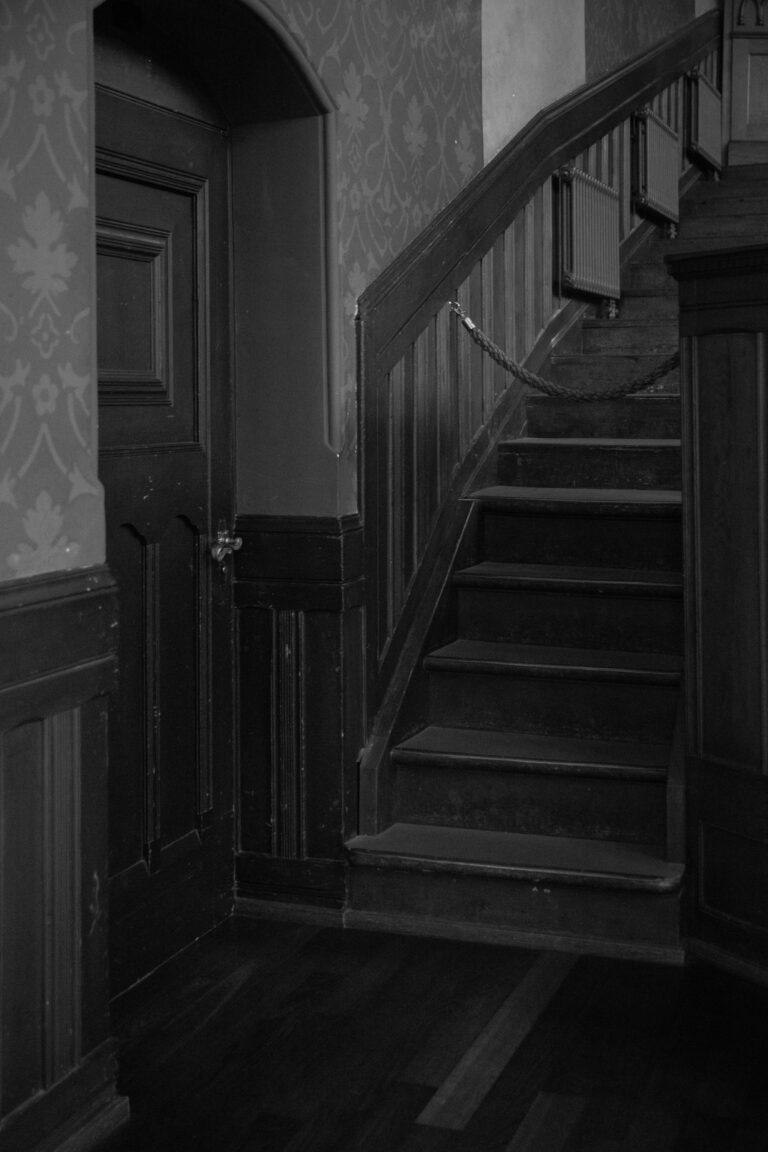 St. Jakob Church, Zurich
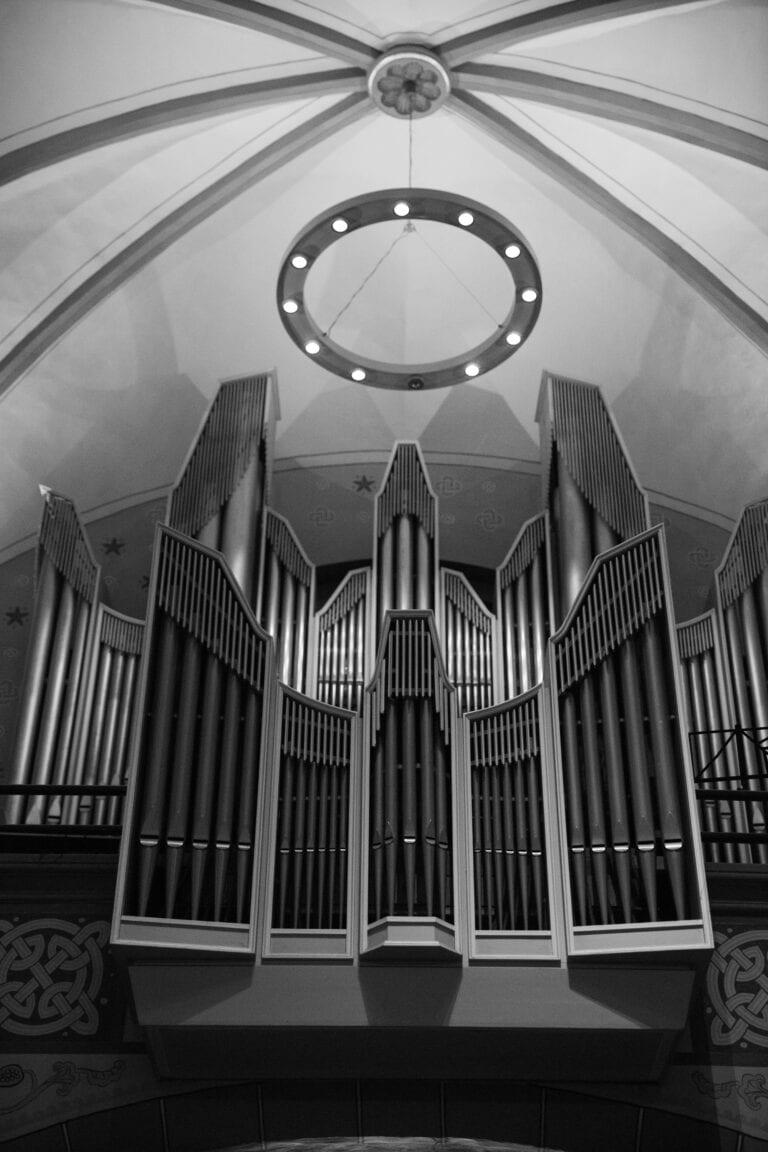 Bethlehem Church, Hannover
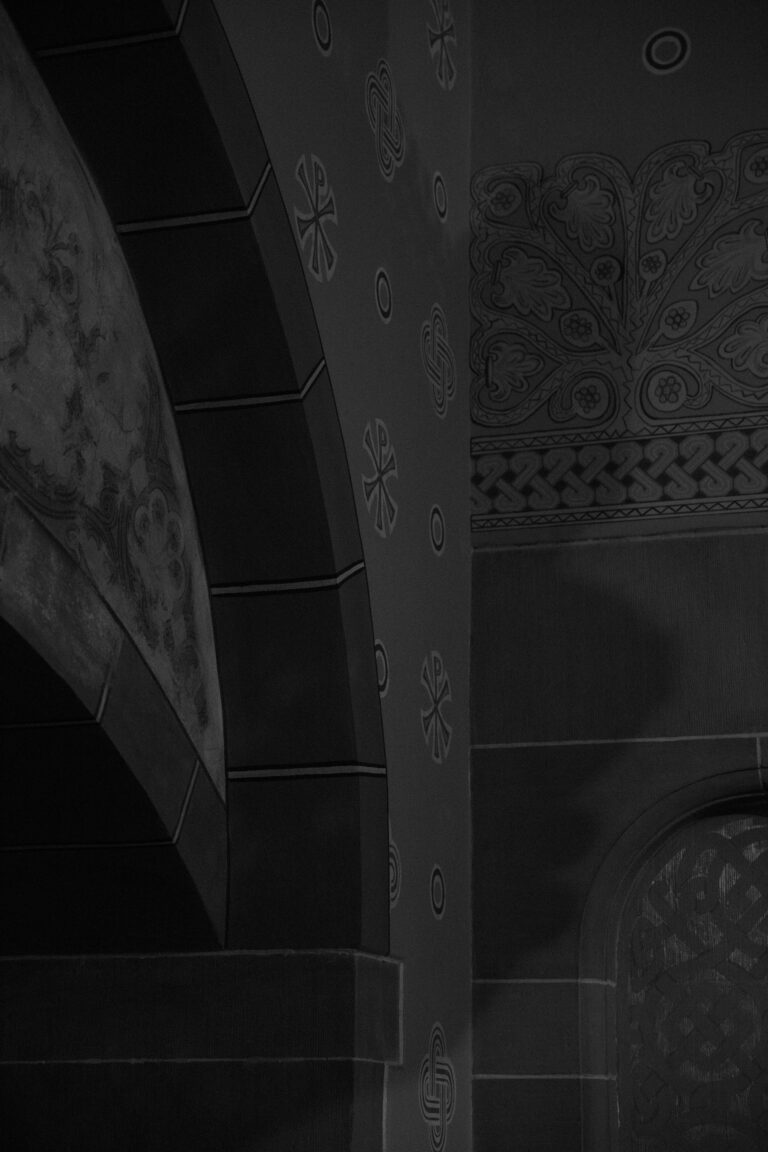 Bethlehem Church, Hannover
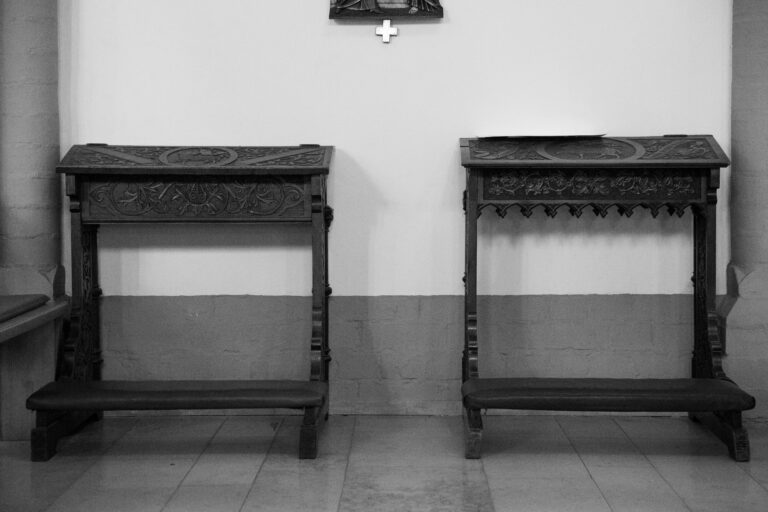 St. Benno, Hannover
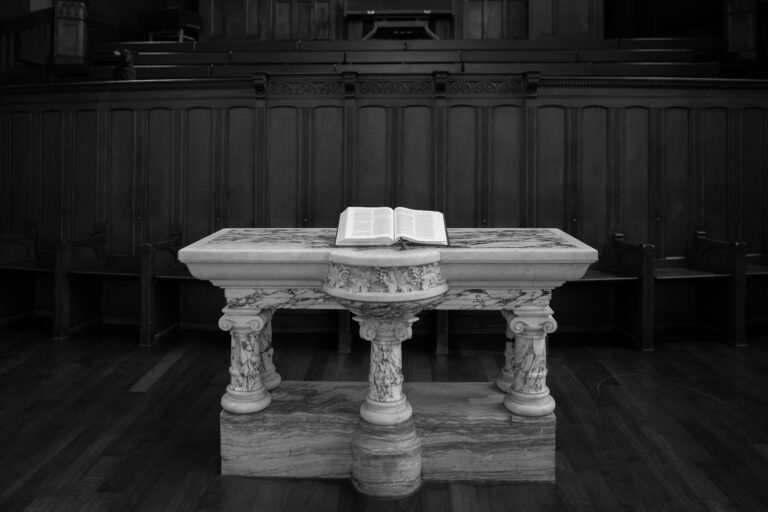 St. Jakob, Zurich
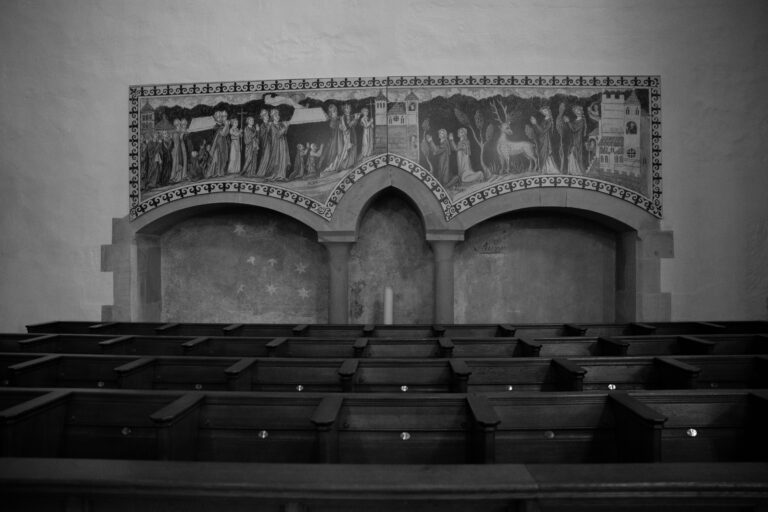 Fraumünster, Zurich
Then I remember being told I was ‘too critical’. ‘Maybe this isn’t the right place for you,’ they said. The criticism I voiced barely shook the prevailing system. And yet it seemed to be too much. At a youth camp run by the congregation, for example, we were called on after the sermon to pray specifically for the men. Women, we were told, had different – that is, less responsible – tasks. ‘Of course, that doesn’t mean they are any less important.’ By then I had already come across feminist literature, so this statement contradicted my budding understanding of equality. No one else seemed bothered by it, and my reaction was put down to my strained relationship with my father at the time.
So I was always made to feel that I was living and thinking ‘wrongly’. For a long time I secretly listened – with a guilty conscience – to bands like Linkin Park, or read books like ‘Dracula’, because many people considered them ‘devilish’. Prohibition, as we know, often makes things more tempting, and today I am glad that back then, in my teenage bedroom, I gave in to these ‘earthly’ – that is, reprehensible – impulses. Paradoxically, I still saw myself as part of the congregation at the time; I wanted to belong and defended the faith with conviction. Being told I didn’t belong turned out, in hindsight, to be a blessing: the fact that some people apparently didn’t see me as part of the Christian community helped me, eventually, to see myself as an independent person who exists separately from the community of faith.
Christian symbolism, with its apples, serpents and crosses, followed me all the way to my literature degree. Biblical symbols such as the archangels Gabriel and Michael, who are dead – metaphorically and literally – in James Joyce’s ‘The Dead’, are just that: symbols. But in the faith I grew up with, people interpreted their lives literally according to such metaphors – the devil and his demons were real to me, and a line was drawn between ‘us’ and ‘the world’. Despite constant professions of neighbourly love, Christian thinking seems to me more black and white than finely shaded. Absurd as it may sound today, this constant interpretation of everything symbolic also made me aware of how intrinsically Christian symbolism is bound up with Western society and culture.
Christian symbolism, with its apples, serpents and crosses, followed me all the way to my literature degree.
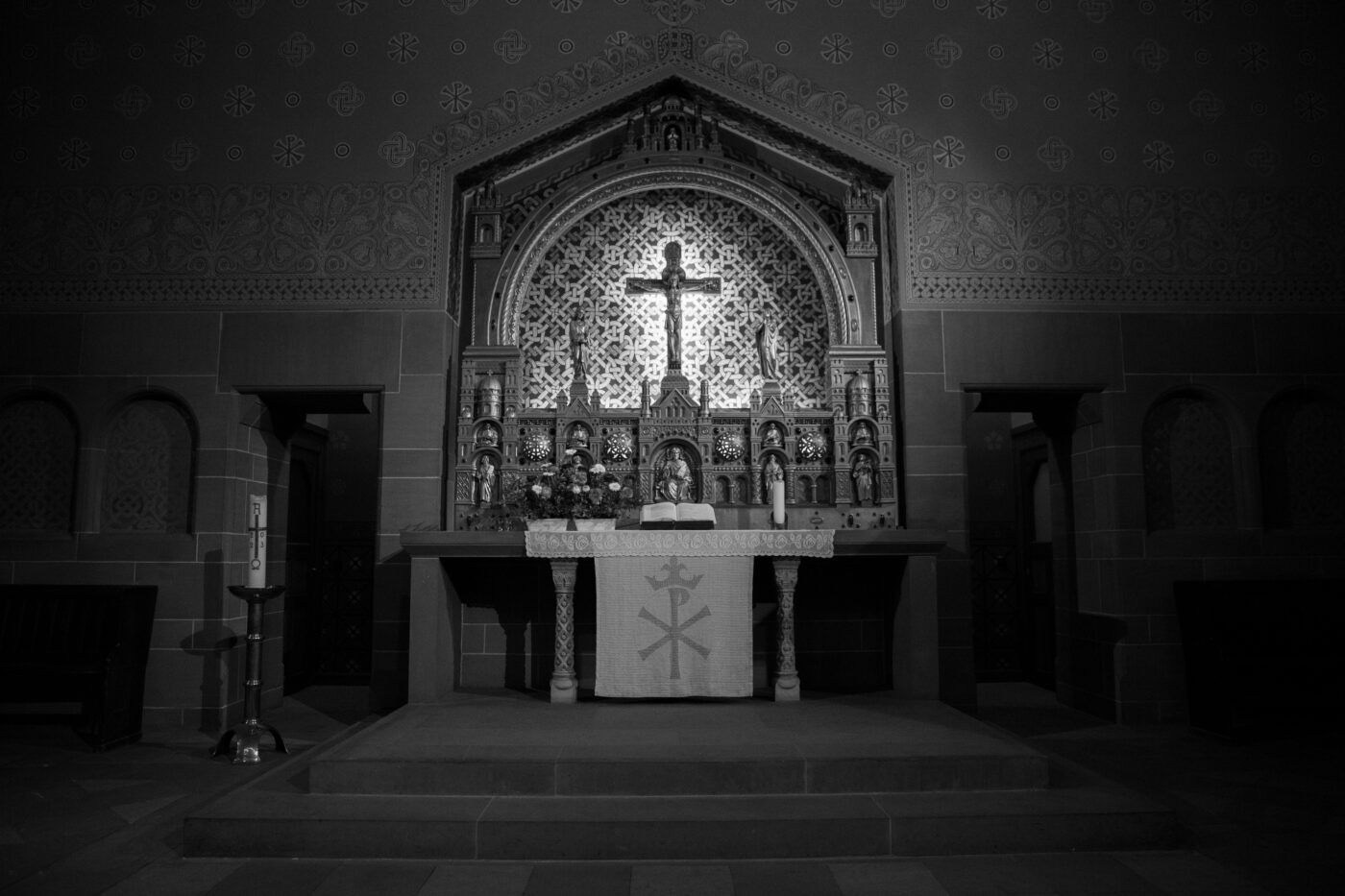 Bethlehem Church, Hannover
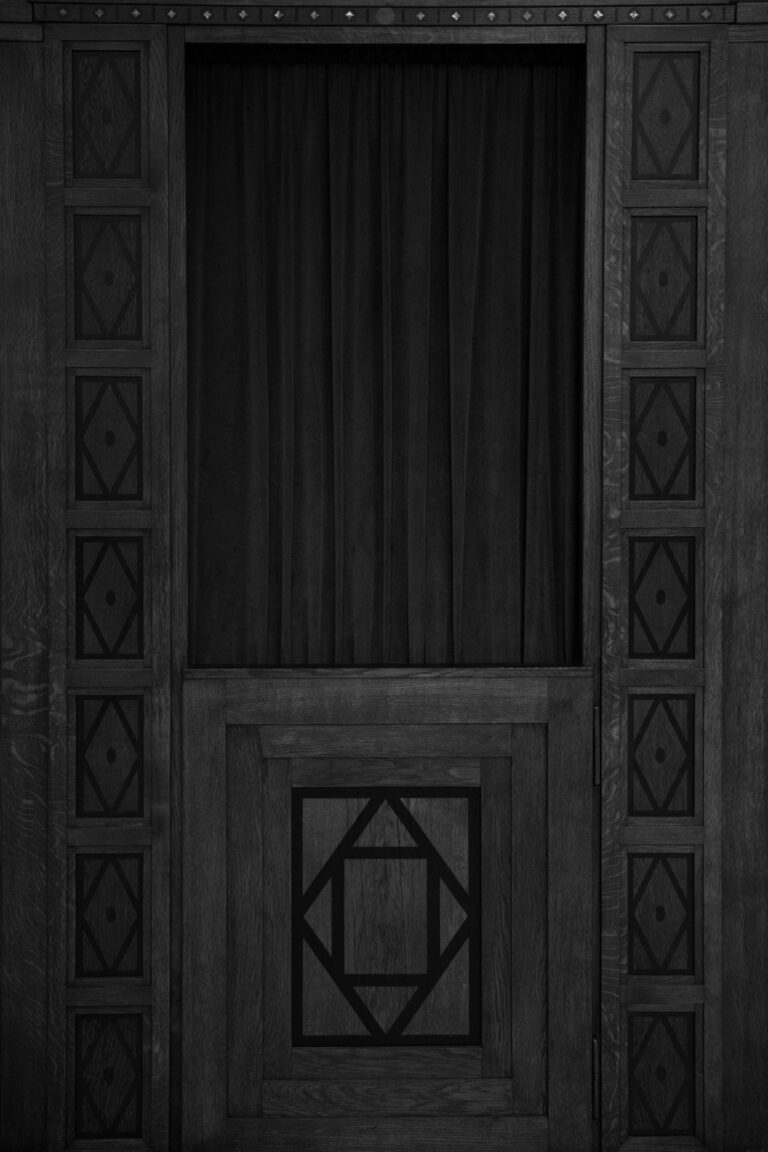 Kirche x, Zürich, 07. Juni 2023
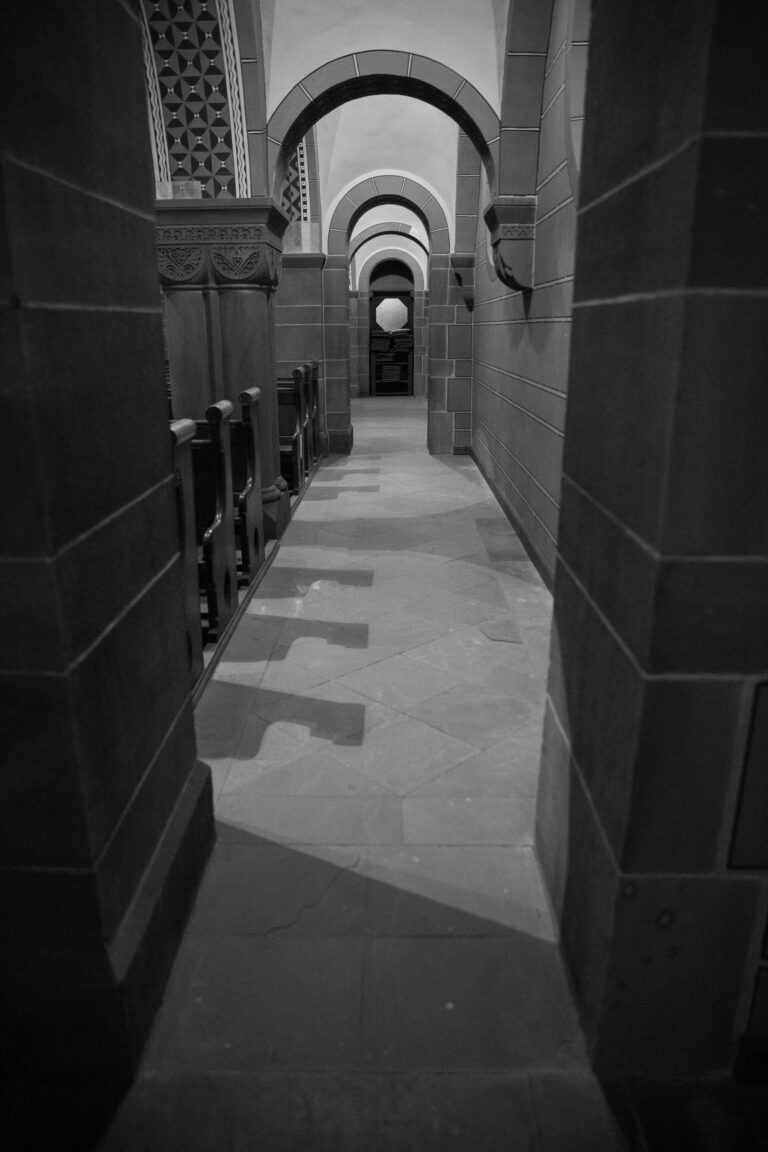 Bethlehem Church, Hannover
 Church of St. Peter and Paul, Zurich
Of course, it would be tempting to dismiss my experiences as an extreme isolated case, which perhaps they are. And yet they show how the church still shapes and controls many people’s lives today. The Bible says that a woman is subject to her husband, that women should keep silent in church, that fornication and immorality are to be avoided. This is what makes it possible for young people today to grow up as if the sexual revolution of the 1960s and 70s had never happened, familiar with a world view that is much closer to the gender roles of the 1950s.
On top of that comes the church’s omnipotence – at least as it is perceived – which extends beyond the building. The precise notion of good and evil that leads you to see yourself first and foremost as flawed, a sinner. That everything good comes from God and everything bad from human beings. That you live in constant fear of wrong decisions and temptations and their consequences, both on earth and one day before the Last Judgement.
Being told I didn’t belong turned out, in hindsight, to be a blessing.
 St. Benno, Hannover
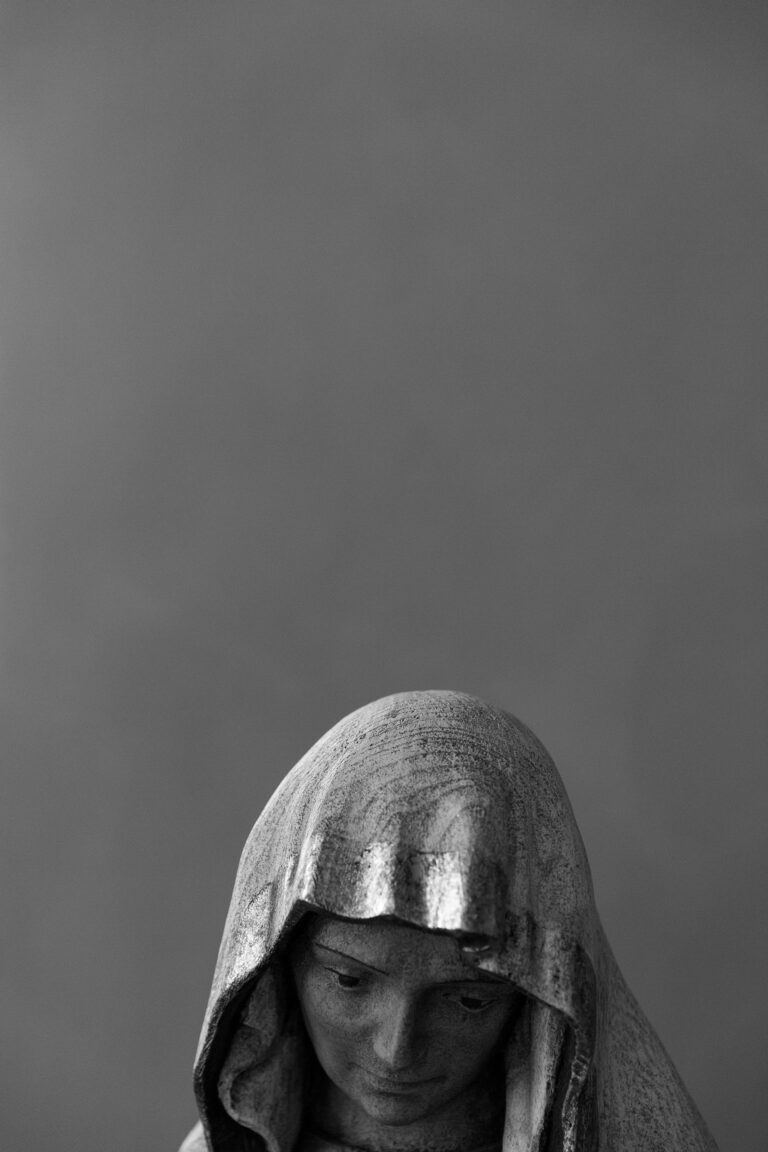 St. Josef, Zurich
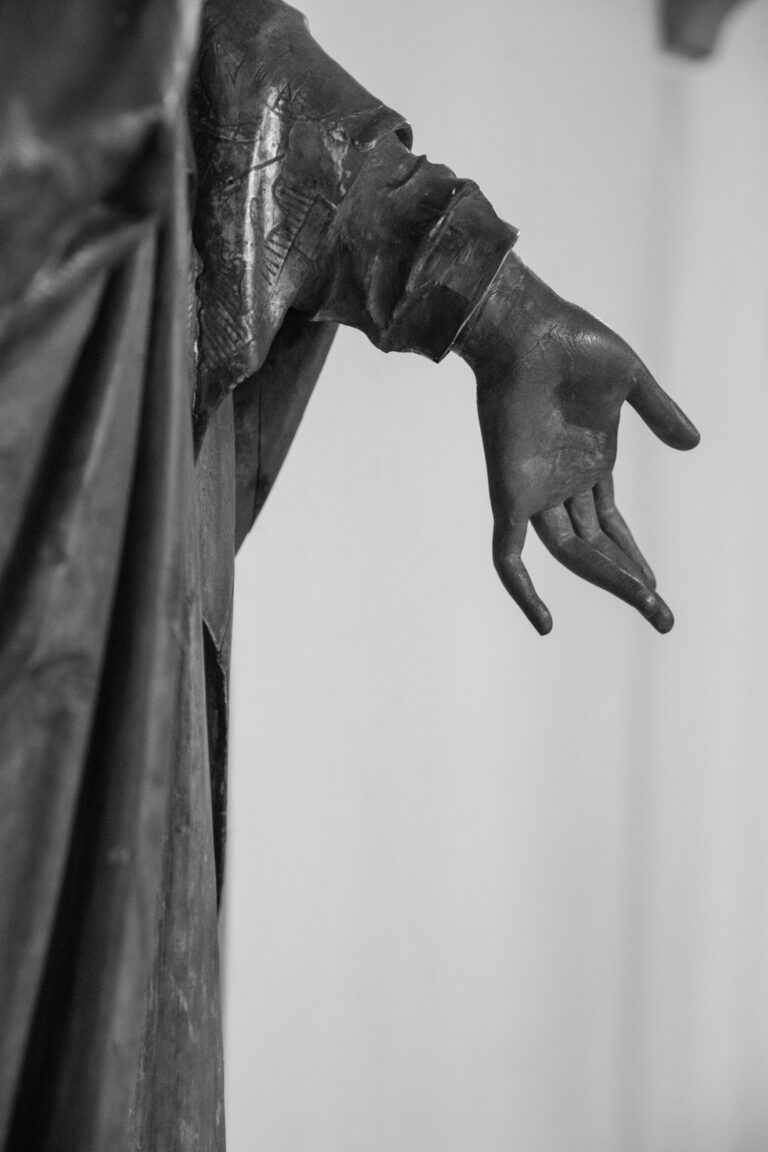 St. Benno, Hannover
„Das Leiden muss getragen werden, damit es vorübergeht.“
Dietrich Bonhoeffer, 1906-1945
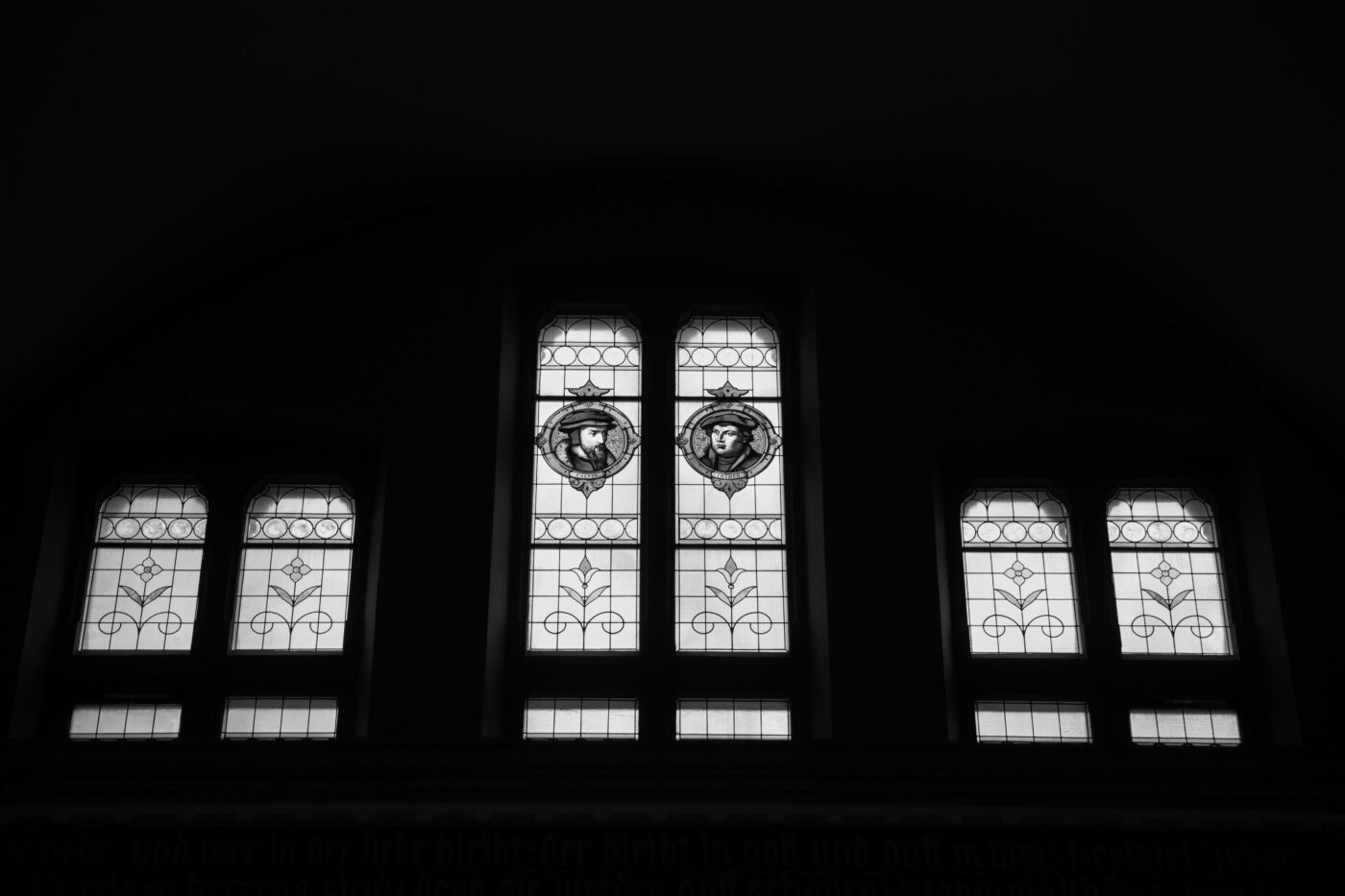 St. Jakob, Zurich
And even non-religious people cannot escape the church entirely: quite apart from the Christian holidays and the Christian calendar, in many places the church tower is still the highest point. Enter any church – no matter where or of which denomination – and there will be certain structures and symbols of power. Be it the font, the pews, the pulpit or just a microphone for the pastor.
This shows that the church is still recognised by the state and accepted by society. In Switzerland, 36 per cent of the population still belong to the Roman Catholic Church and 24 per cent to the Protestant Reformed Church; in Germany the figures are as high as 44.6 and 34.7 per cent respectively. That doesn’t mean all these people believe in Sodom and Gomorrah or are homophobic. But through their membership they legitimise the continuing structures, which still rest on a book written hundreds of years ago.
In a sense, the church is still omnipresent, even if perhaps no longer omnipotent. At least you can leave it. That will be 30 euros, please.