Modern witches: how a musician finds empowerment in witchcraft
Between the stage and spells: how a young woman draws new strength from magic and community.
By Finn Winkler (text), Saskia Stöhr (photos)


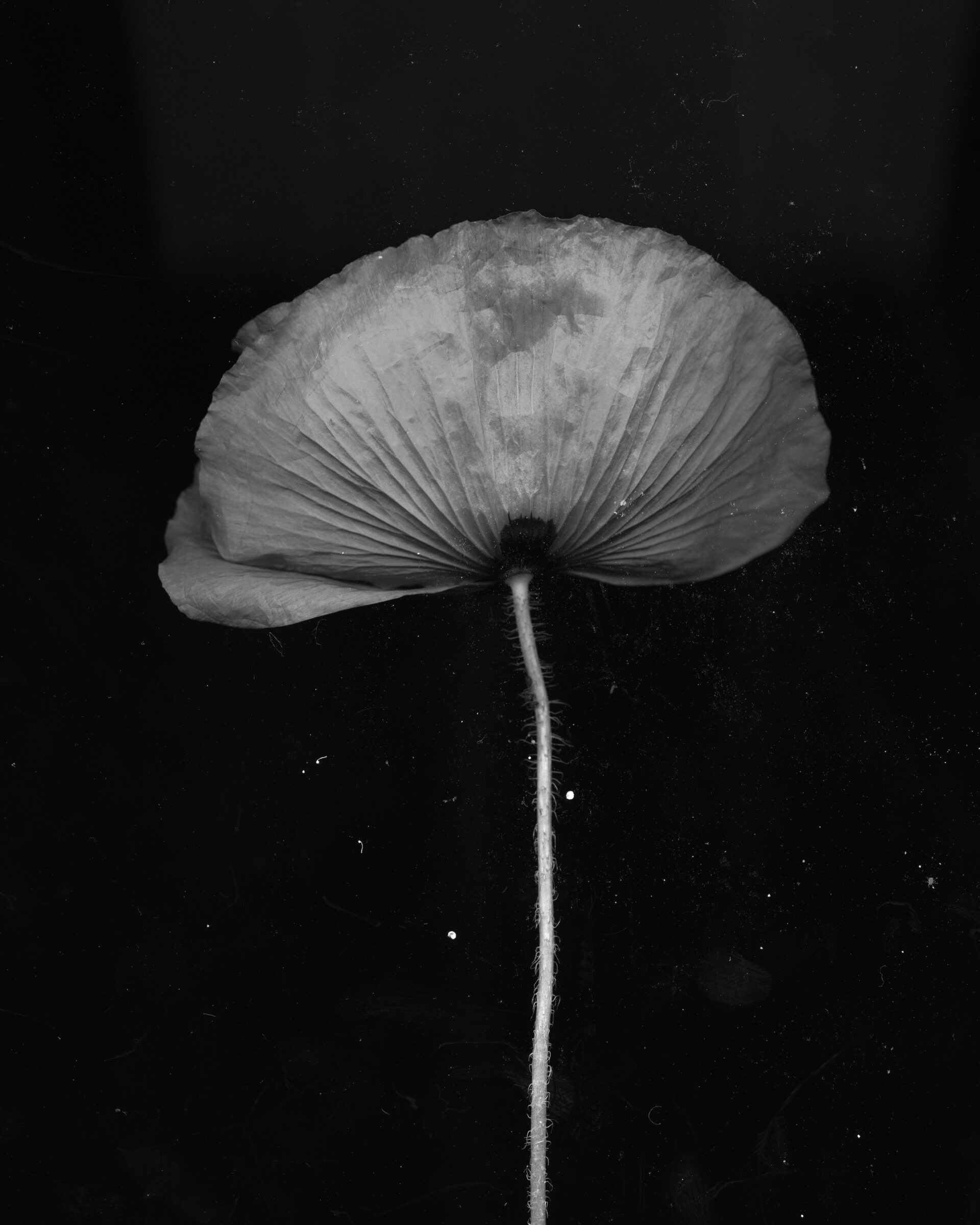
When Cathy Meyer sings, it sounds gentle and unpretentious. At least, that is what the website of the cultural organiser announcing one of her concerts says. In her YouTube videos she plays an acoustic guitar, her hair in braids; sometimes, though, she also dances with her bandmates in an underground car park to rockier sounds. Cathy Meyer is 25, and you might take her for a perfectly ordinary young musician. But Cathy is a witch. Or at least she identifies as one.
It began in Cathy Meyer’s childhood. Her mother, Christina, often read to her from books about witches and gave her the pet name ‘little witch’. When Cathy was in her fourth year at school, Christina gave her a small pentagram pendant of her own. ‘It was a kind of initiation ritual,’ Cathy recalls.
What does it mean to identify as a witch? For Cathy Meyer, it is about believing in the power of nature. She wants to live in tune with the changing seasons. Resting in winter, more energy in summer. No strawberries in winter – only seasonal vegetables and whichever herbs happen to be growing. ‘For me, witchcraft is a faith and a place of calm, something that gives me peace and strength. Something I can always fall back on. It always has a bitter undertone for me when I compare it with other religions – but I don’t think it’s any different. If you asked Christians or Muslims, you would probably get the same answer.’ For Cathy, her belief in witchcraft is something that gives her strength and security in everyday life, too.
Cathy Meyer is not alone: ‘Witches are everywhere today,’ writes the Swiss journalist Mona Chollet in her book ‘In Defence of Witches’. In the USA, for example, they demonstrate for the right to abortion. For Chollet, the witch embodies a woman freed from all domination and limits – a feminist ideal. This link between witchcraft and feminism may be surprising at first glance. Yet the idea is several decades old.
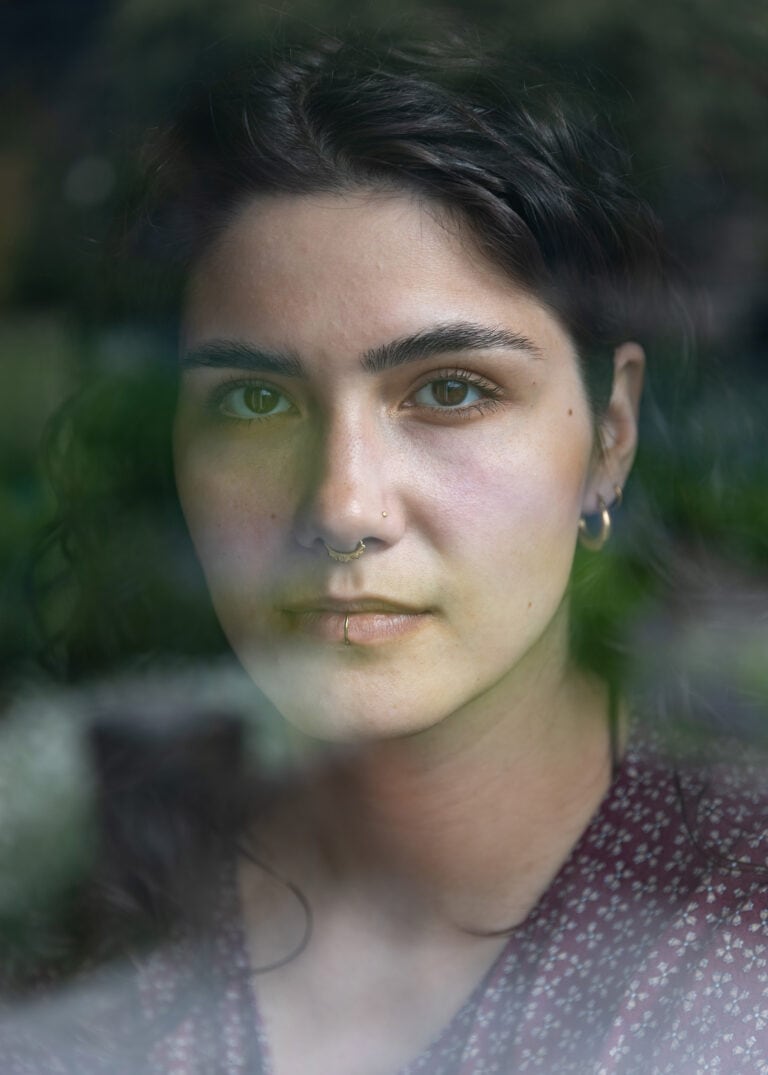
The singer Cathy Meyer from Hannover has long believed in the power of nature and lives in tune with the changing seasons.
For me, witchcraft is a faith and a place of calm.
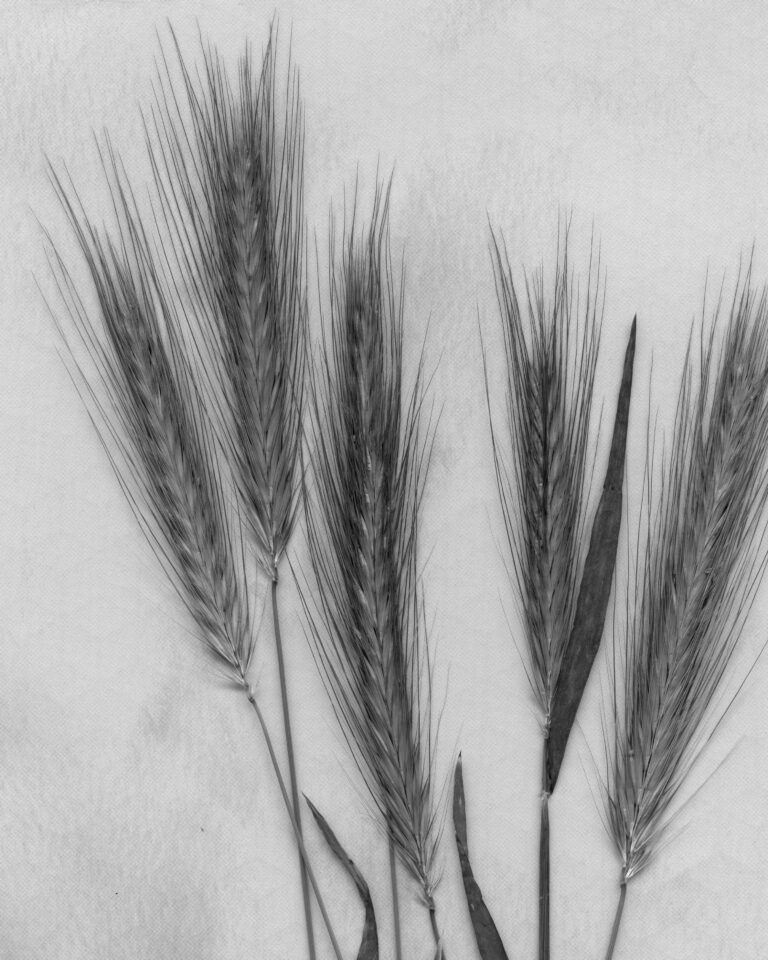 Roggen
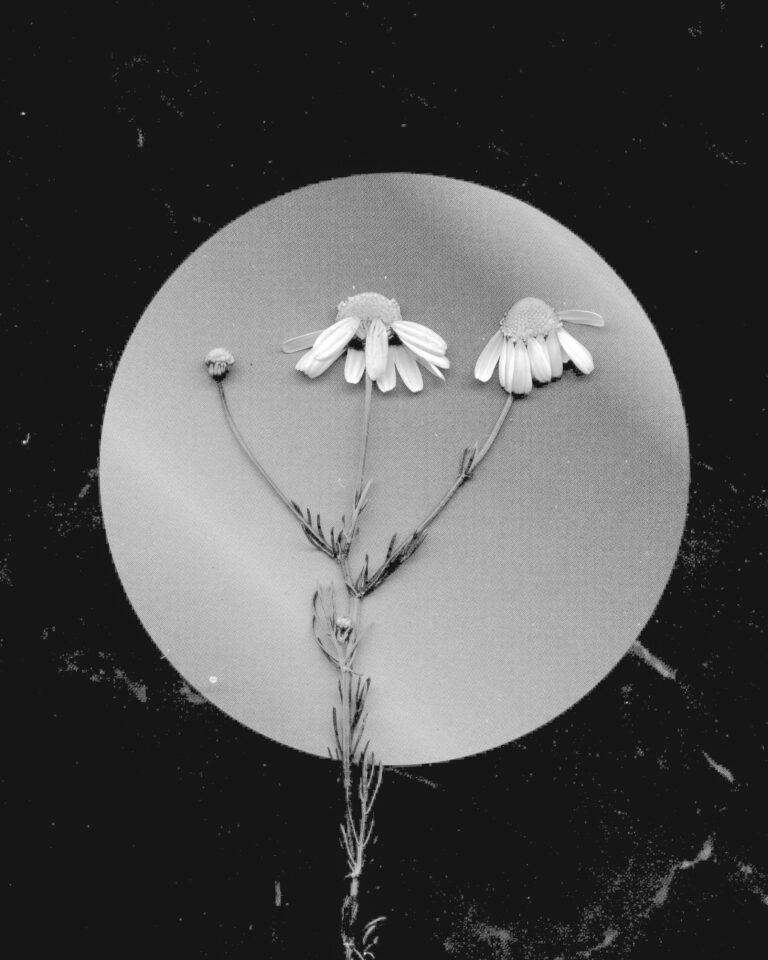 Chamomile
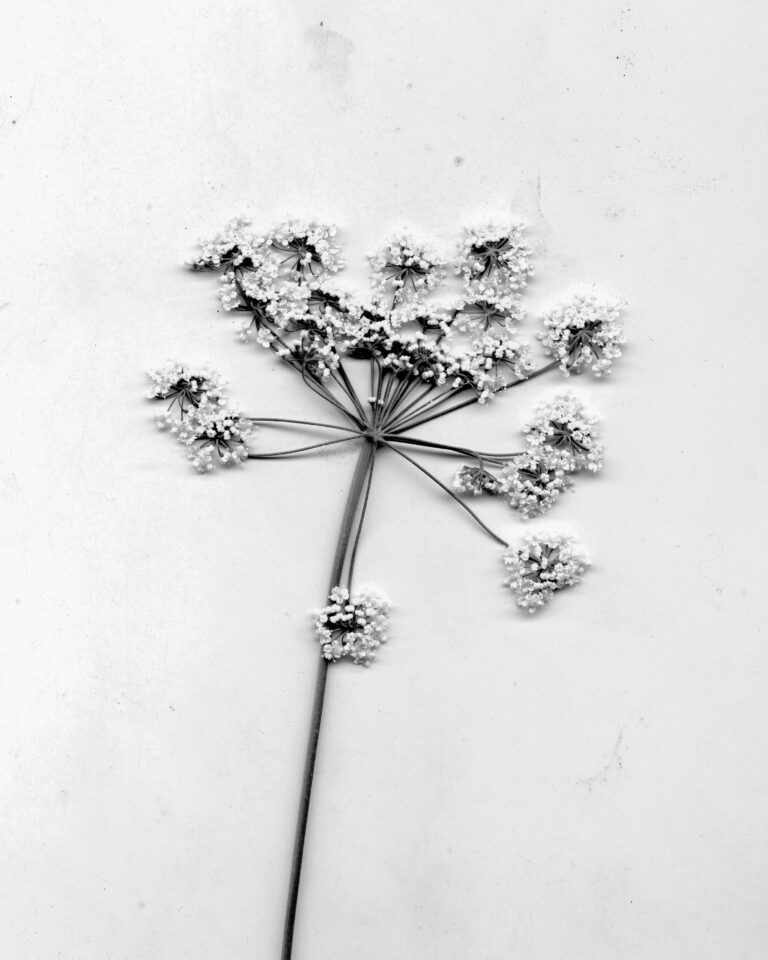 Kamille
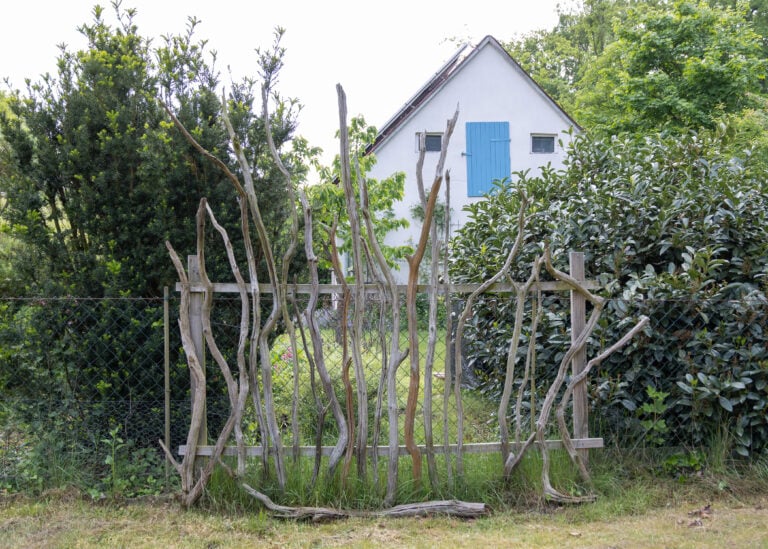
A fence made of old oak branches in her mother’s garden.
As early as the 1990s, the American psychologist Lynda Warwick wrote that women could benefit from witchcraft from a feminist perspective. Warwick argues that the goddess figures revered in witchcraft embody many qualities that are positive for women. She sees them as symbols of strength, creativity and women’s ability to exercise power. Warwick also sees the male counterparts in the witch cult as examples of a positive image of masculine strength. The male god figures, for instance, are modelled on the Stag King or the Green Man of ancient Britain. According to Warwick, they embody a masculinity that neither oppresses women nor abuses patriarchal power.
But Lynda Warwick also sees the community of the witch cult as a particularly positive environment for women. She describes it as tolerant and open to many lifestyles and identities. Above all, the cult is often an exclusively female space, which brings further advantages: ‘A women-only space can create an atmosphere in which survivors of male violence can develop a positive, lasting sense of spirituality.’ The rituals are often improvised and include elements of theatre, dance, art, poetry and song. For Warwick, they also encourage interaction between members of the group. She sees this creativity as a chance for women to learn from one another and to look after each other’s well-being. In her article ‘Feminist Wicca’, she concluded: ‘The practice of magic requires women to learn an attitude of empowerment.’
That is why witch cults can be a source of positive emotions for women. Cathy Meyer, the witch from Hannover, however, mostly practises on her own and shares witchcraft mainly with her mother. ‘She gave me witchcraft as a seed, and I was free to grow whatever I wanted from it. For me, that is inspiration and freedom at the same time.’
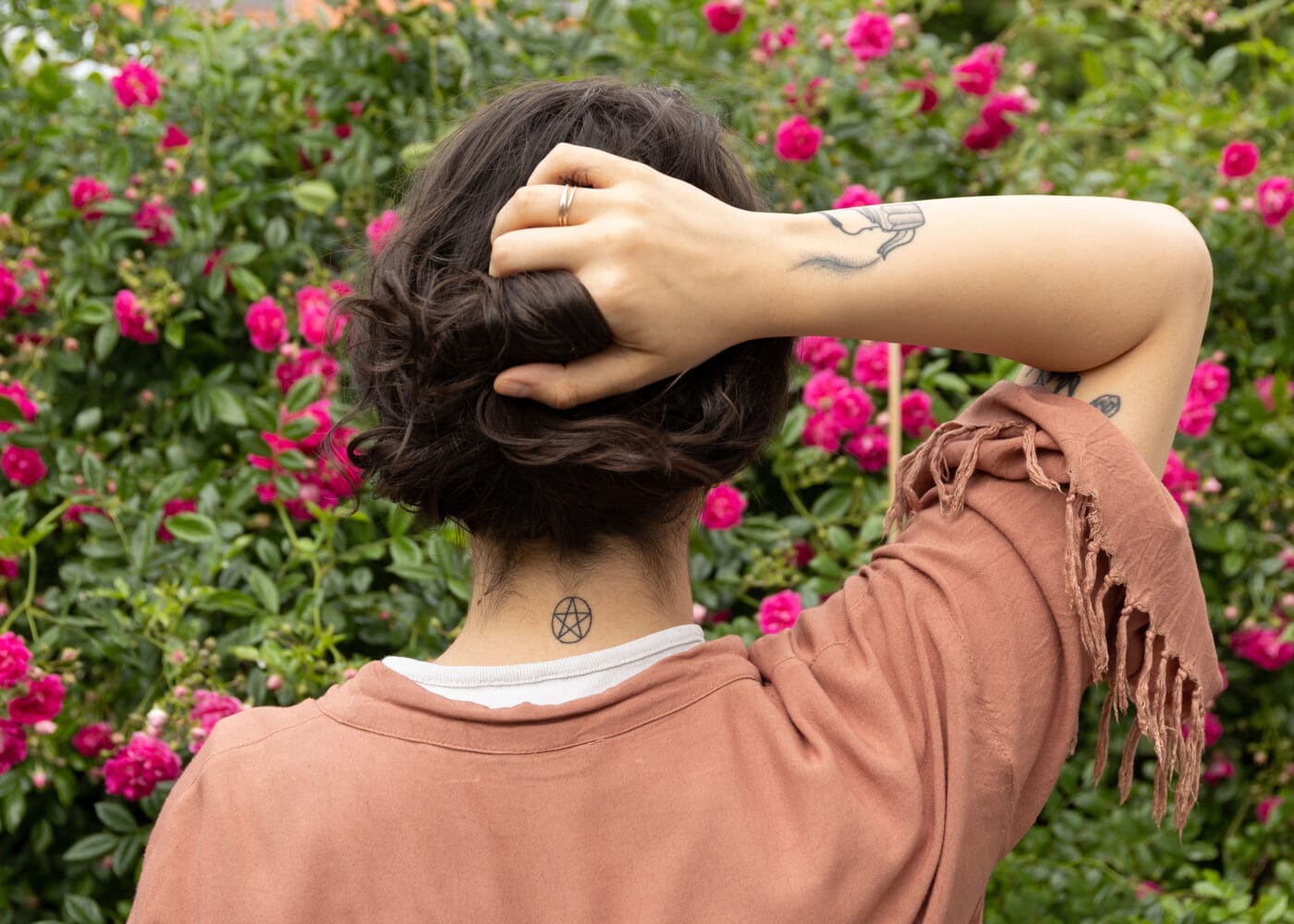
Cathy’s spirituality is also reflected in her tattoos.
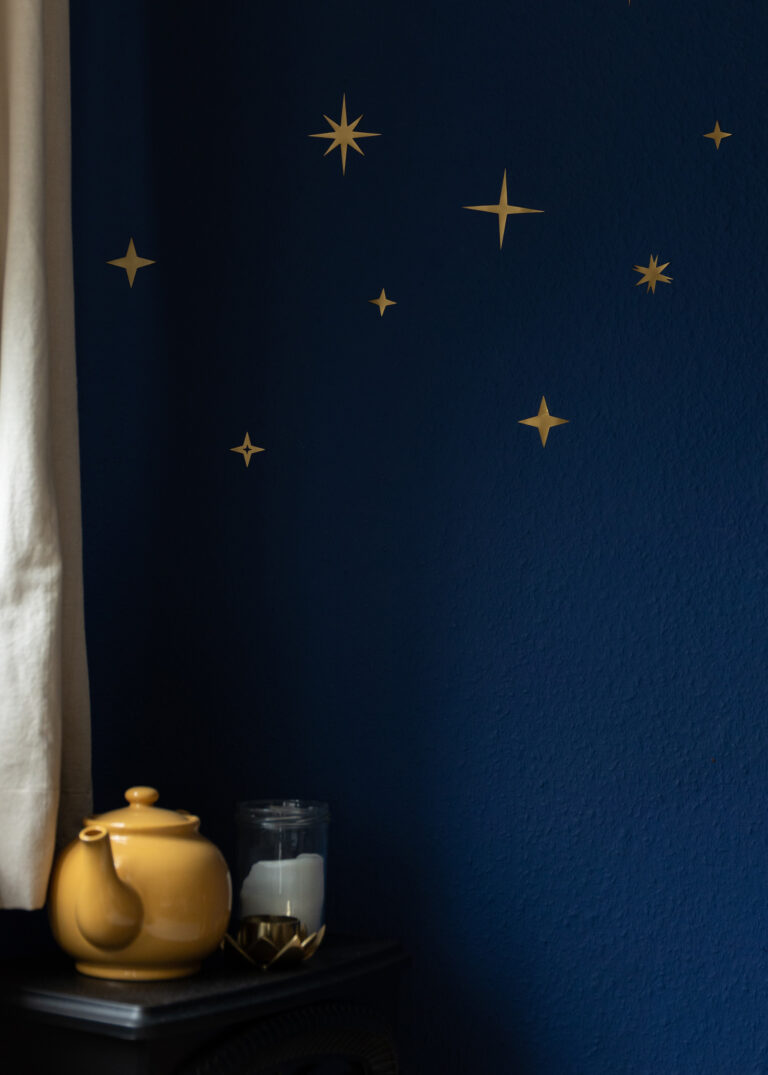
Cathy’s tea room. She brews her own tea from wild plants and herbs.
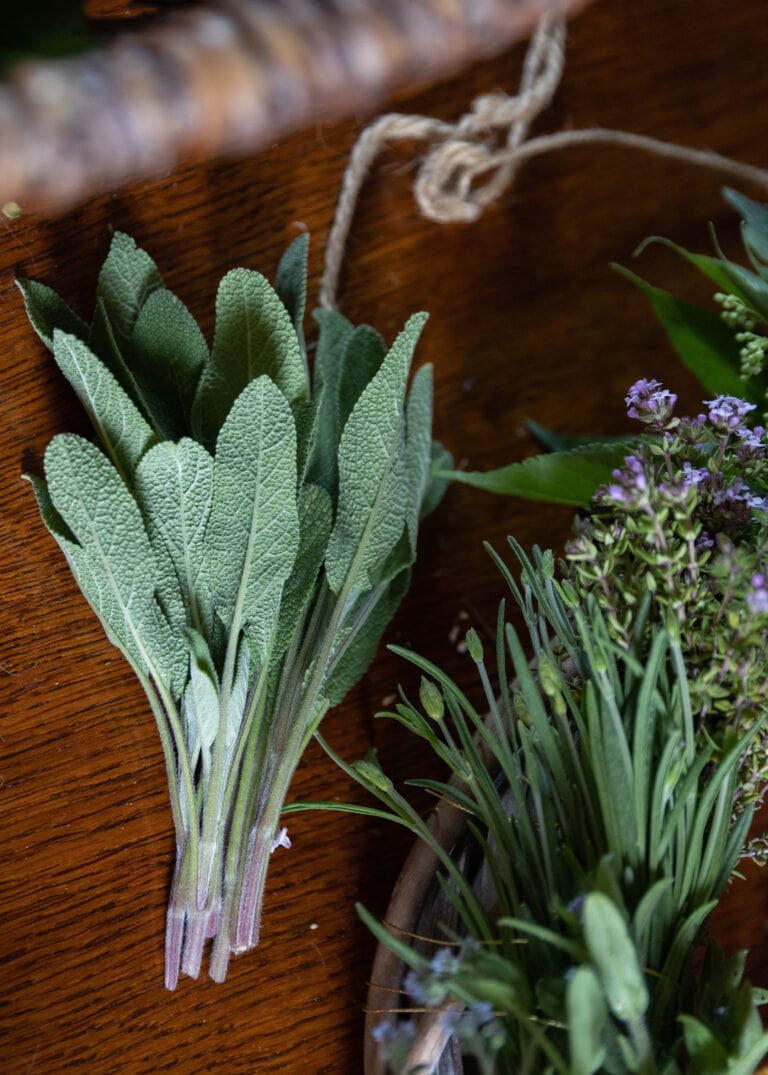
On Instagram Cathy calls herself ‘Citywitch’ – even though she lives in the city, she can practise her nature religion.
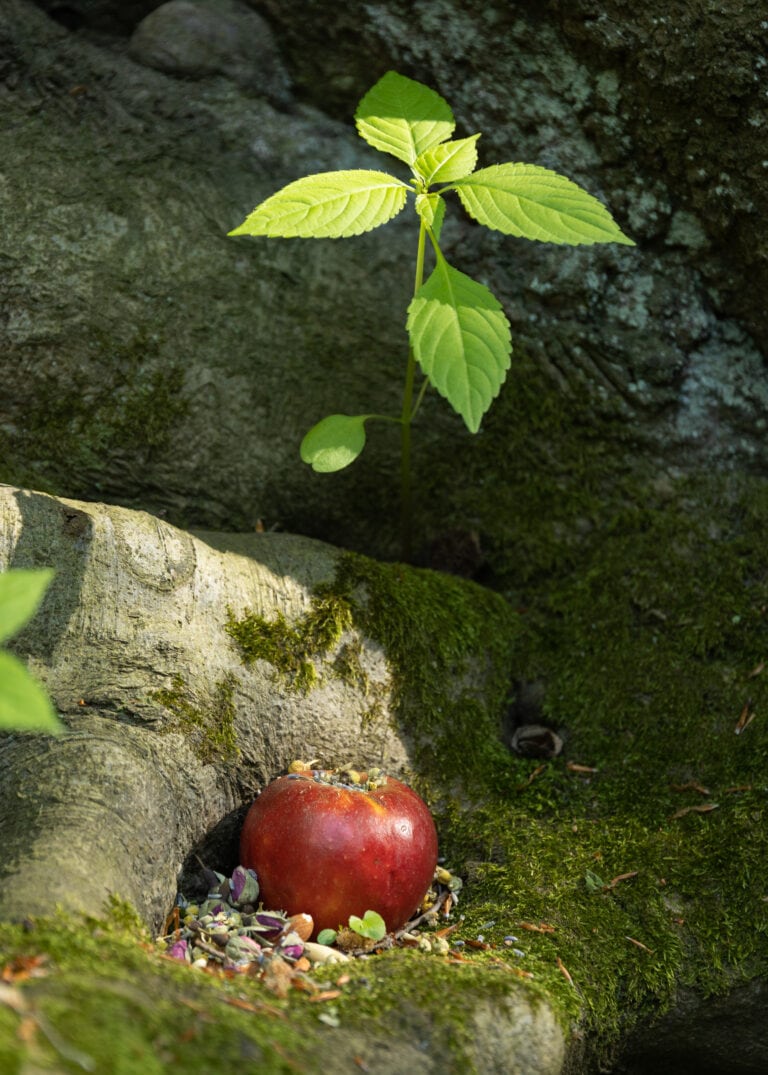
Cathy expresses thanks and respect for nature through offerings and seasonal festivals.
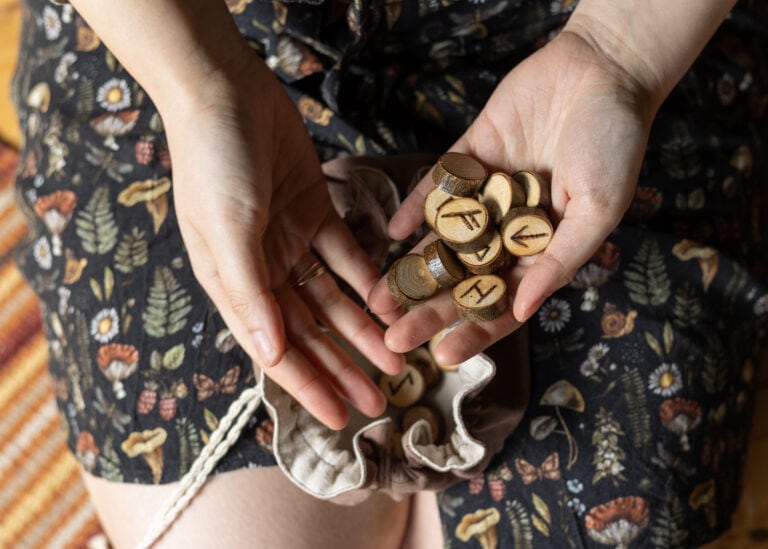
With home-made wooden rune stones, Cathy wants to consult an oracle.
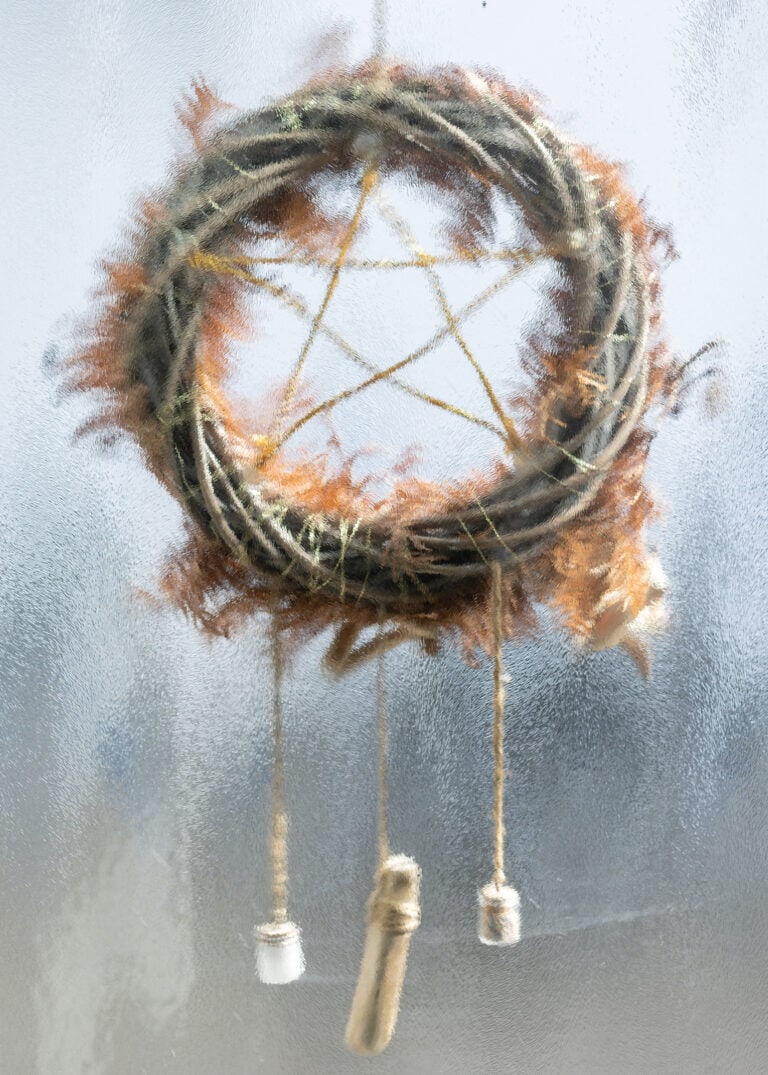
Cathy believes the finished door wreath protects her and her home. At every summer and winter solstice she decorates it with new, seasonal plants. For her, it is a ritual of thanks.
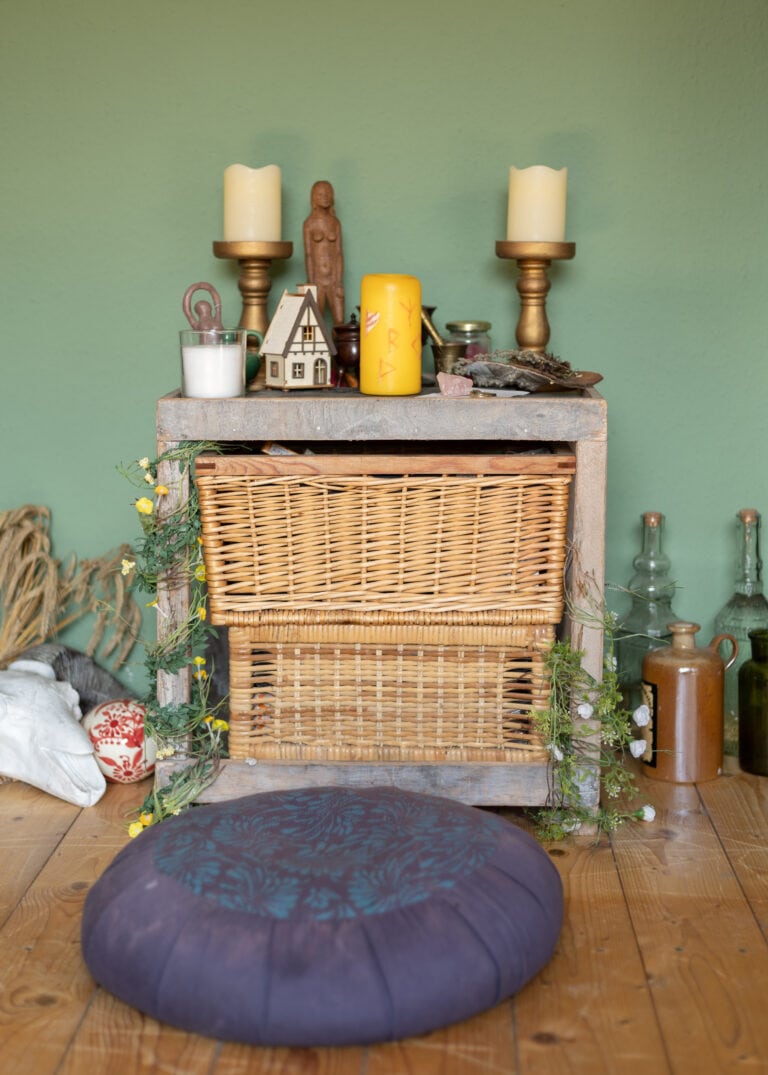
At her home altar Cathy stops to find calm and reflect. It helps her focus on particular wishes and thoughts.
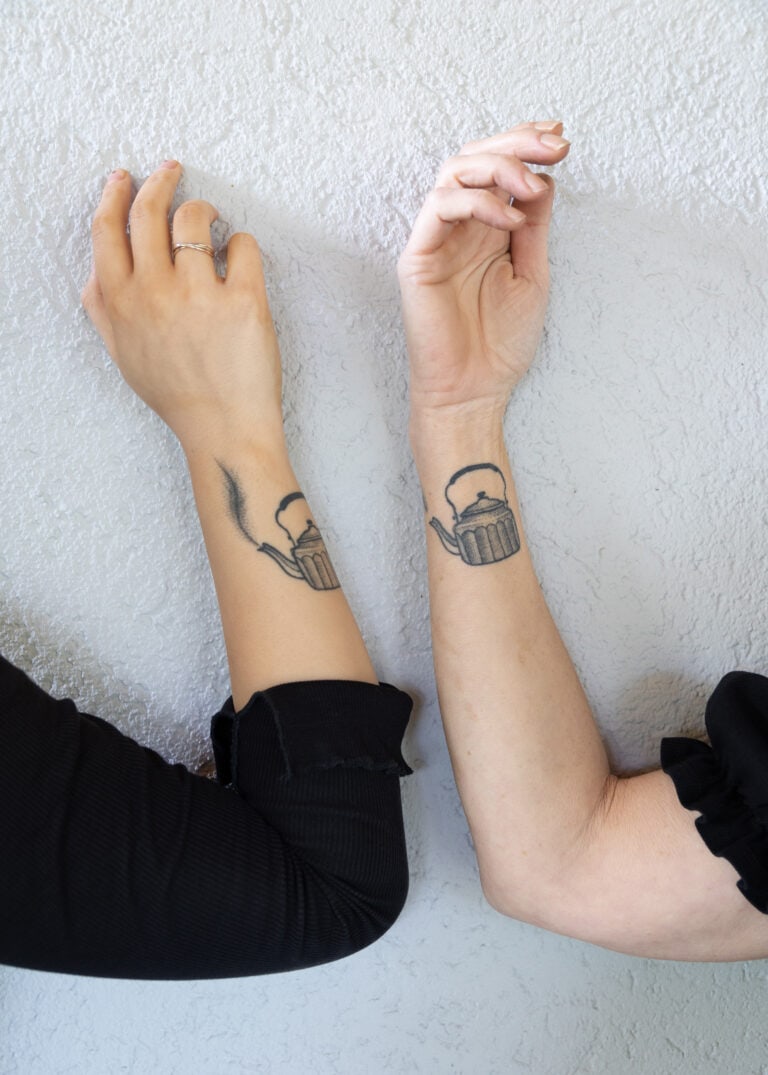
Her mother has shaped Cathy a great deal. Today the two share a matching tattoo that shows their love of drinking tea.
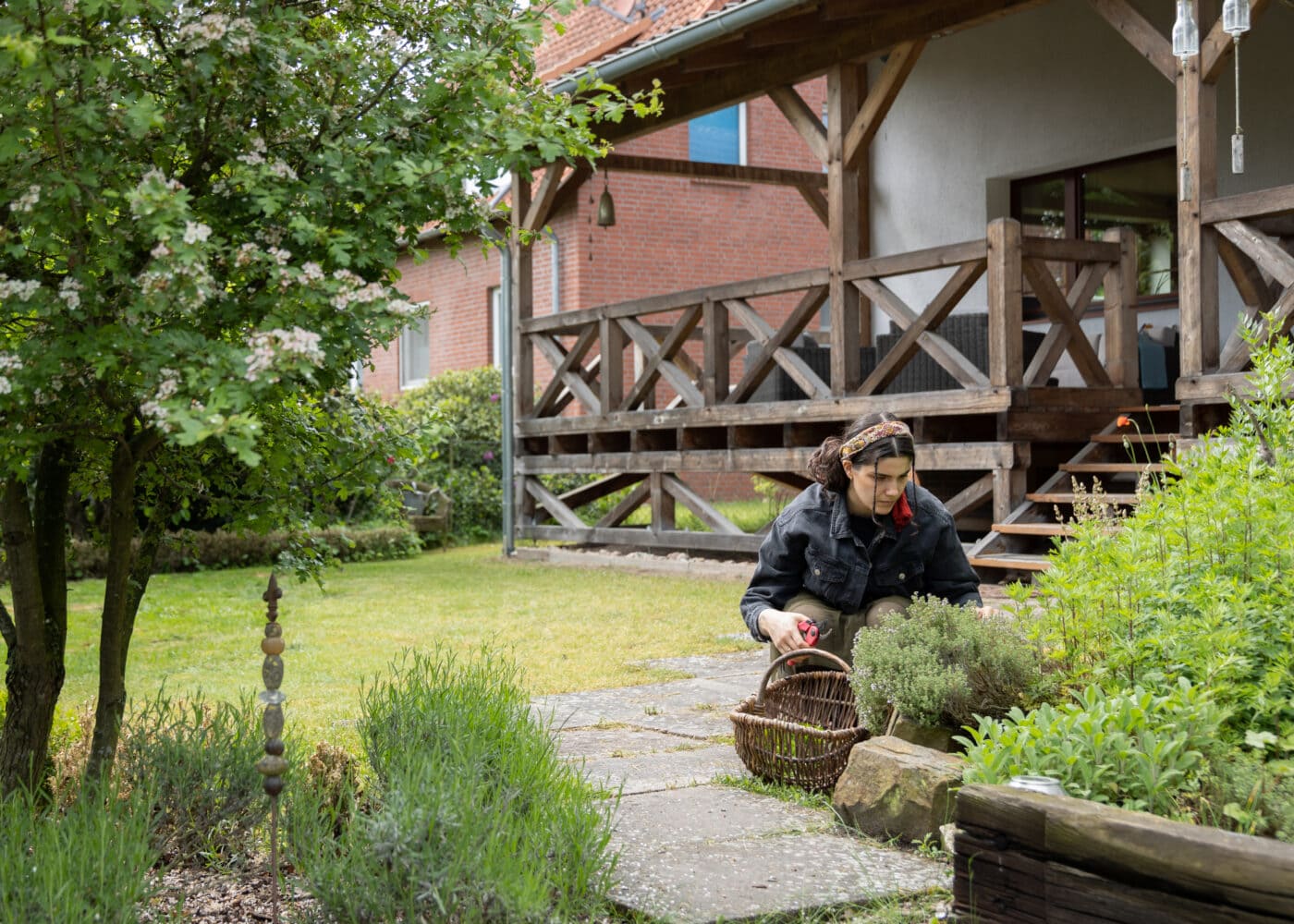
Several generations of the family have grown up in her mother Christina’s old house. The house means a great deal to Cathy.