Grey Grounds
More than 6,000 soldiers, two training areas, a town marching in lockstep. In Munster, the ‘Zeitenwende’ has long been part of everyday life. A photo essay about a place where people applaud the Bundeswehr. By Mats Hoff

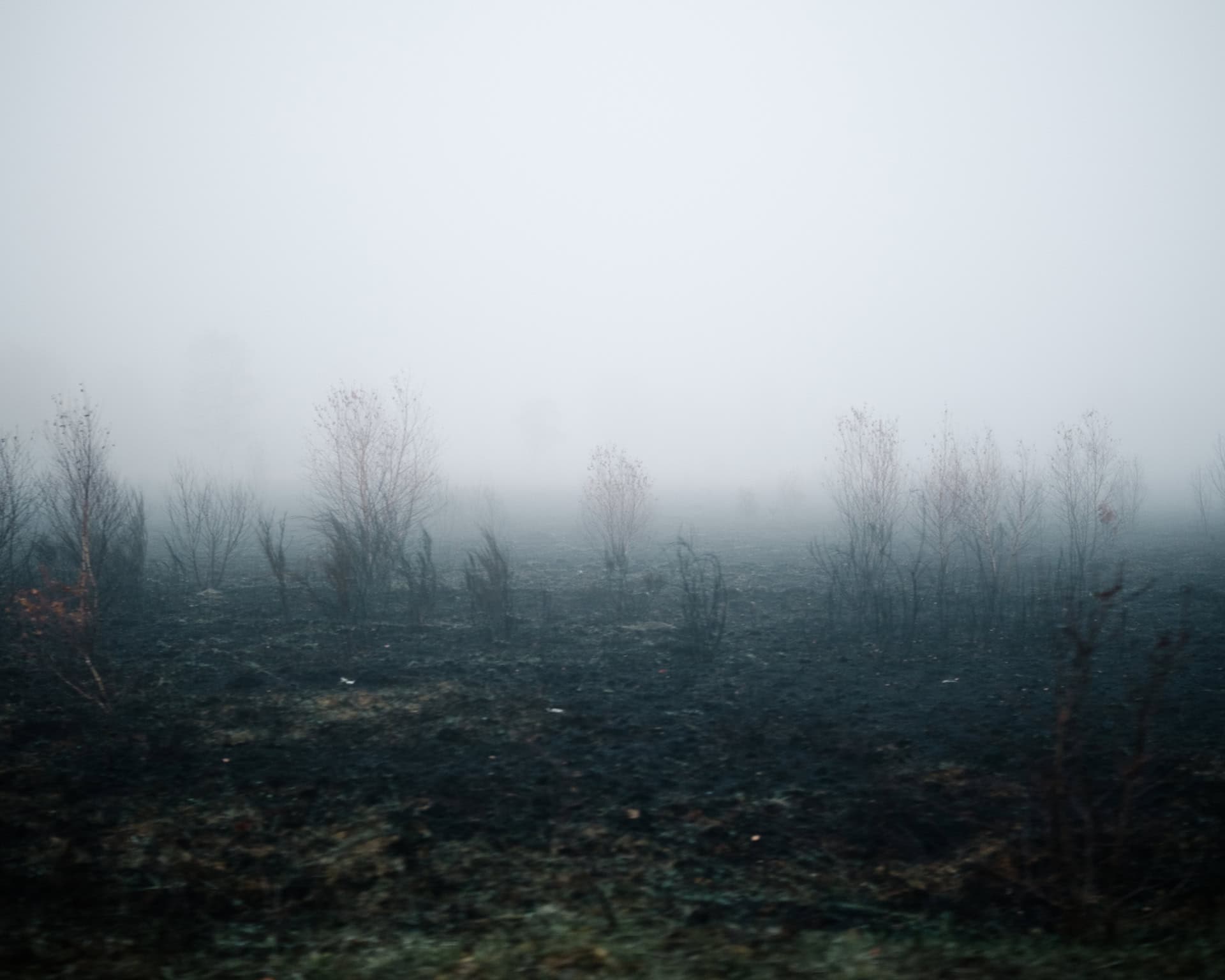
In Munster, the Bundeswehr is not an abstract institution – it gives the town its identity. With more than 6,000 soldiers and the Munster-Nord and Munster-Süd military training areas, the small town is the German army’s largest base.
In 2022, Olaf Scholz proclaimed a ‘Zeitenwende’, a historic turning point. Since then, the political climate in Europe and Germany has changed. Security is a priority again. With a defence budget of more than 108 billion euros planned for 2026 and the debate about possibly reinstating conscription, the Bundeswehr is once again in the public eye. Rearmament, new military capabilities and preparing for possible armed conflict are back on the political agenda. In Munster, these debates meet a military infrastructure that has grown over decades.
The first military exercises took place in Munster as early as 1893 – under Hindenburg, who later became Reich President. In 2026, Munster was one of ten venues for ‘Bundeswehr Day’. Military force was demonstrated, commented on and applauded by tens of thousands of visitors. Combat was turned into a public spectacle and staged as a socially accepted reality.
In his photo essay ‘Grey Grounds’, Mats Hoff explores Munster, a place shaped by the Bundeswehr like almost no other in Germany. He won the VGH Photo Prize 2026 for this work.
Mats Hoff
Mats Hoff (*1995 in Kiel) lives and works in Hamburg. Shaped by skateboarding, he first used photography mainly as a way of documenting. After training as a digital and print media designer, he spent several years working in product design, typography and art direction before his focus increasingly shifted to photography. His interest in design and narrative structures still shapes the way he works today.
Since 2024, he has been studying ‘Visual Journalism and Documentary Photography’ at Hochschule Hannover and works across disciplines as a documentary and portrait photographer. His work has appeared in DIE ZEIT, fluter and Emerge Magazine, among others, and has been exhibited at the Horizonte Zingst photo festival and during the Fotosommer of the Triennale der Photographie Hamburg. In 2026, he was nominated for the Leica Oskar Barnack Newcomer Award, selected for Plat(t)form at Fotomuseum Winterthur and won the Blank Art Foundation Photo Award.
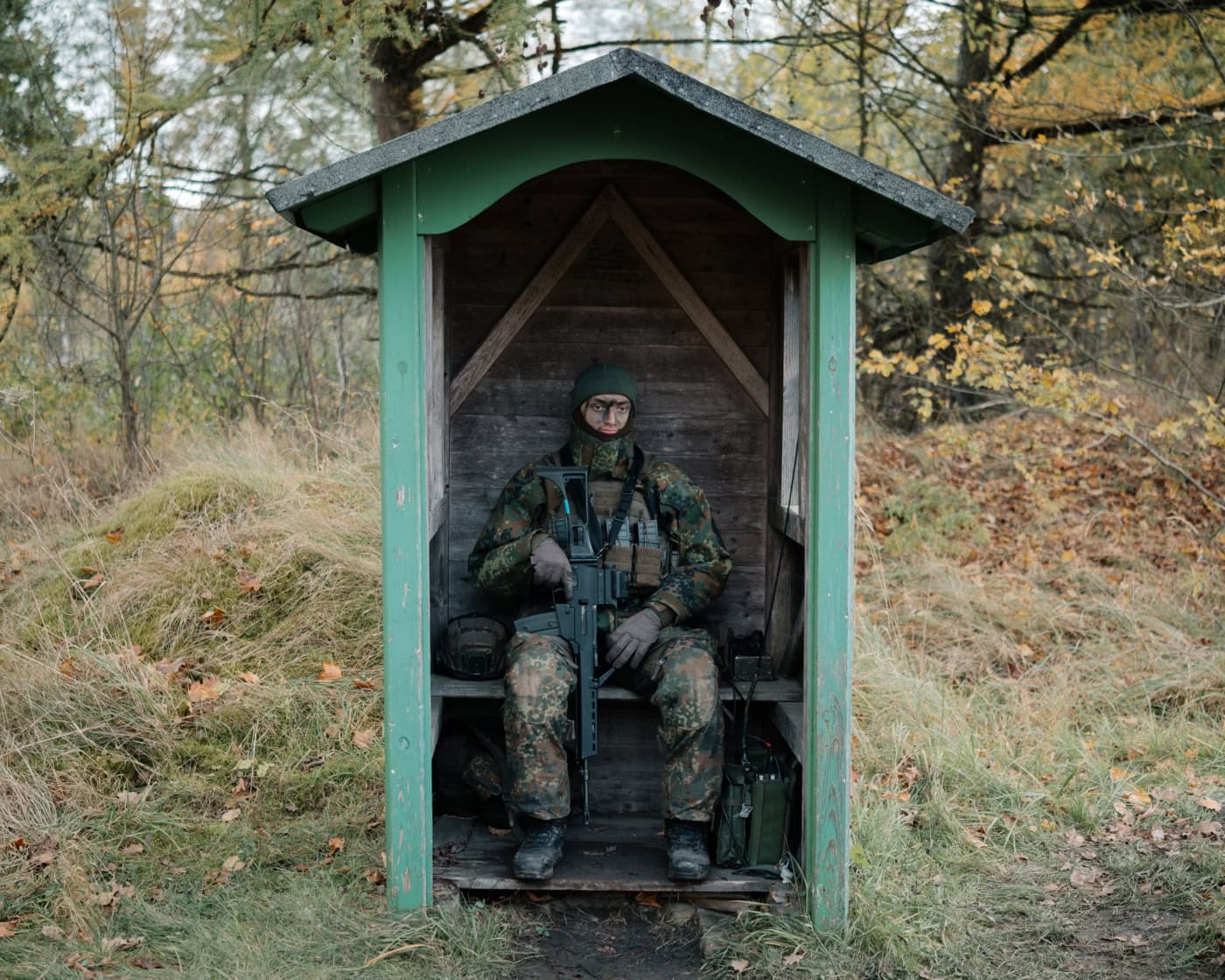
Gatekeeper with a rifle. Anyone who wants to enter the firing range at the Bergen military training area has to show him their access permit.
6,350 hectares of military manoeuvre ground. Munster-Süd is one of the largest military training areas in Germany. Civilians can usually only drive through at weekends. In many places, leaving the road is forbidden for safety reasons.
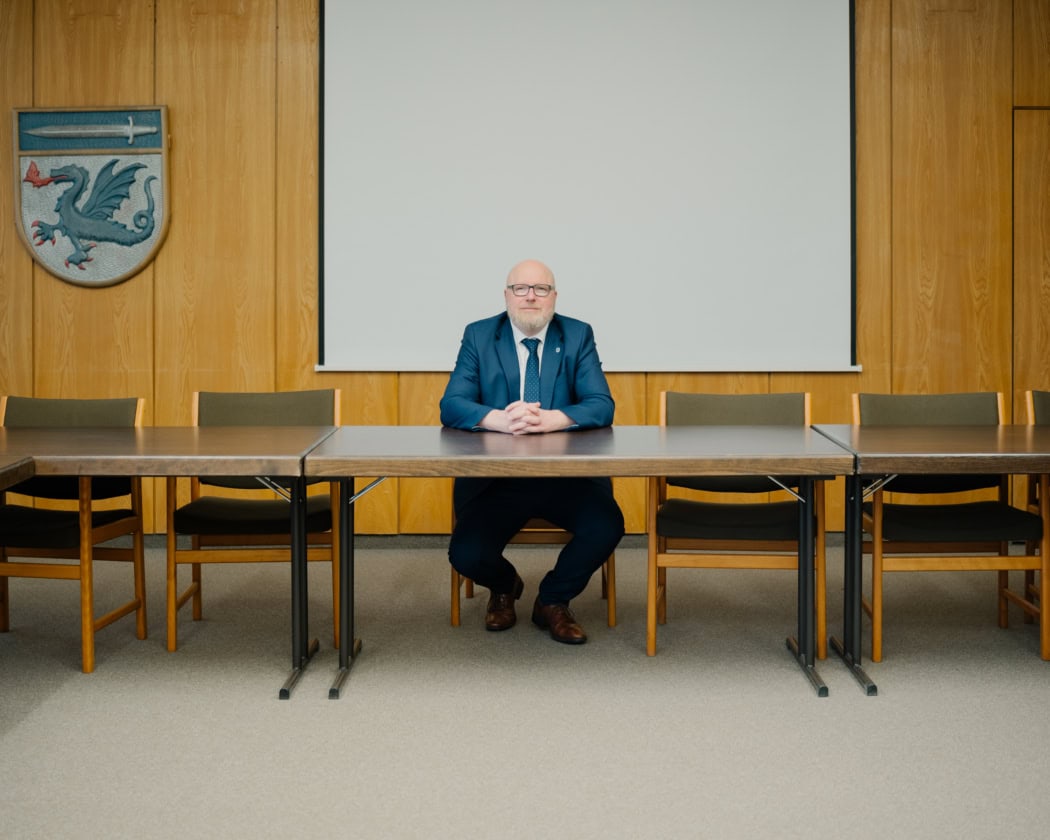
Munster’s mayor Ulf-Marcus Grube did 15 months of military service himself. In his political decisions, he often has to coordinate closely with the Bundeswehr.
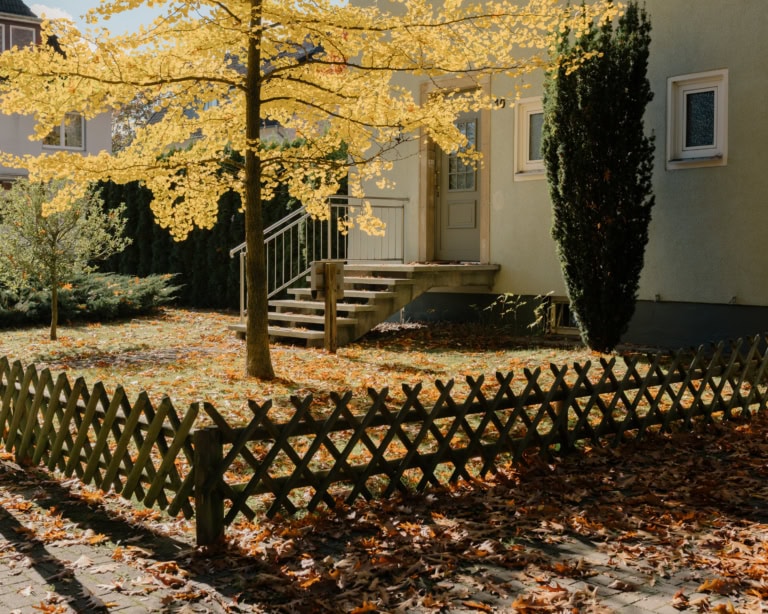
Bundeswehr infrastructure and training areas leave Munster little room to grow. Almost 50 per cent of the town’s area is military land and therefore owned by the federal government.
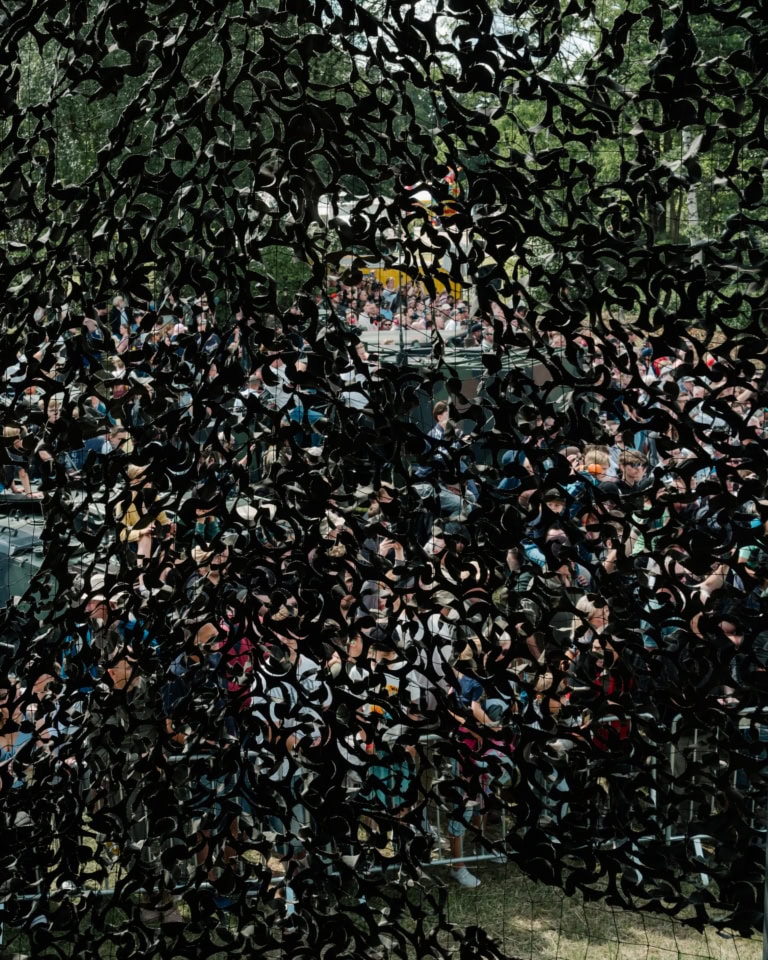
‘Bundeswehr Day’ in Munster. Visitors stand at the edge of a military demonstration.
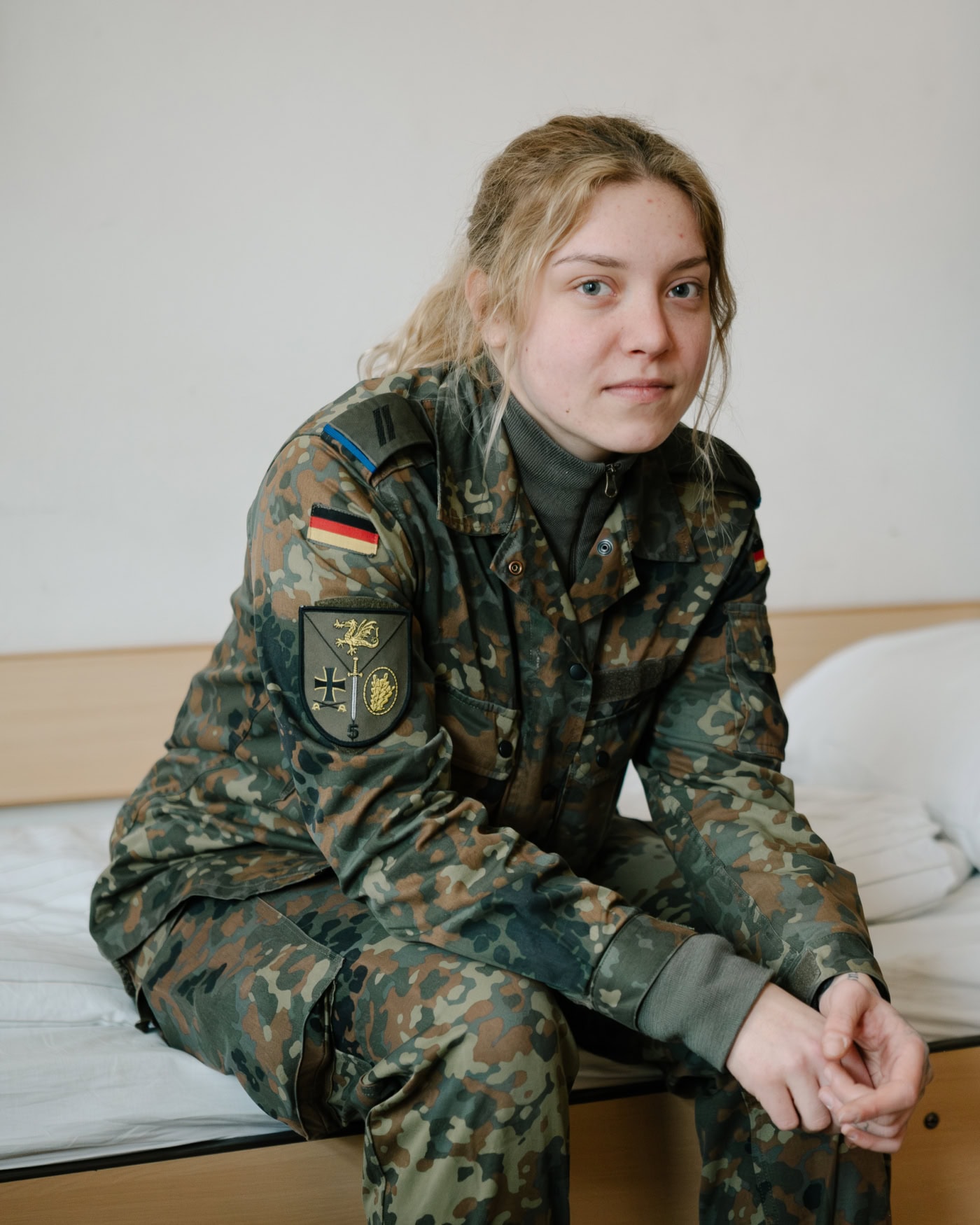
Since the so-called ‘Kreil ruling’ of the European Court of Justice and the resulting change in the law in January 2001, women have been allowed to serve in all military branches of the Bundeswehr. As of January 2026, around 25,000 women serve as soldiers in the Bundeswehr. That is about 13 per cent.
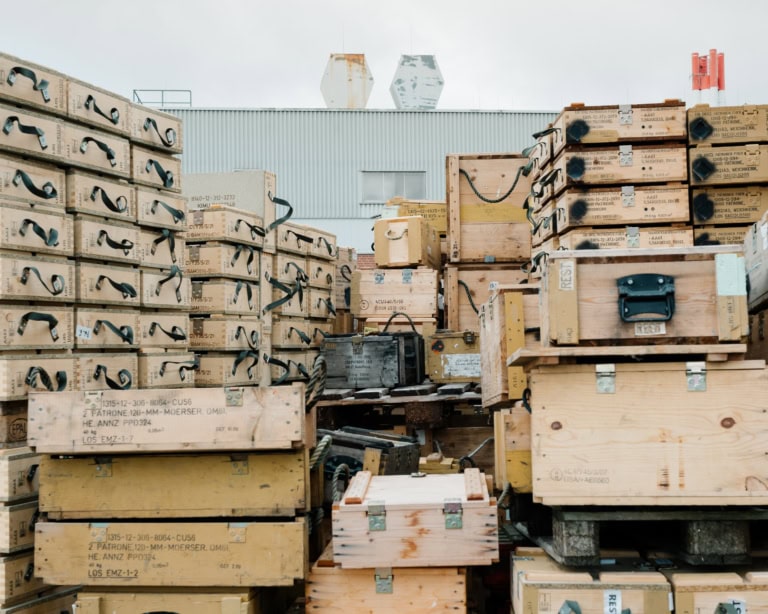
Empty ammunition boxes are stored for reuse on the premises of GEKA mbH.
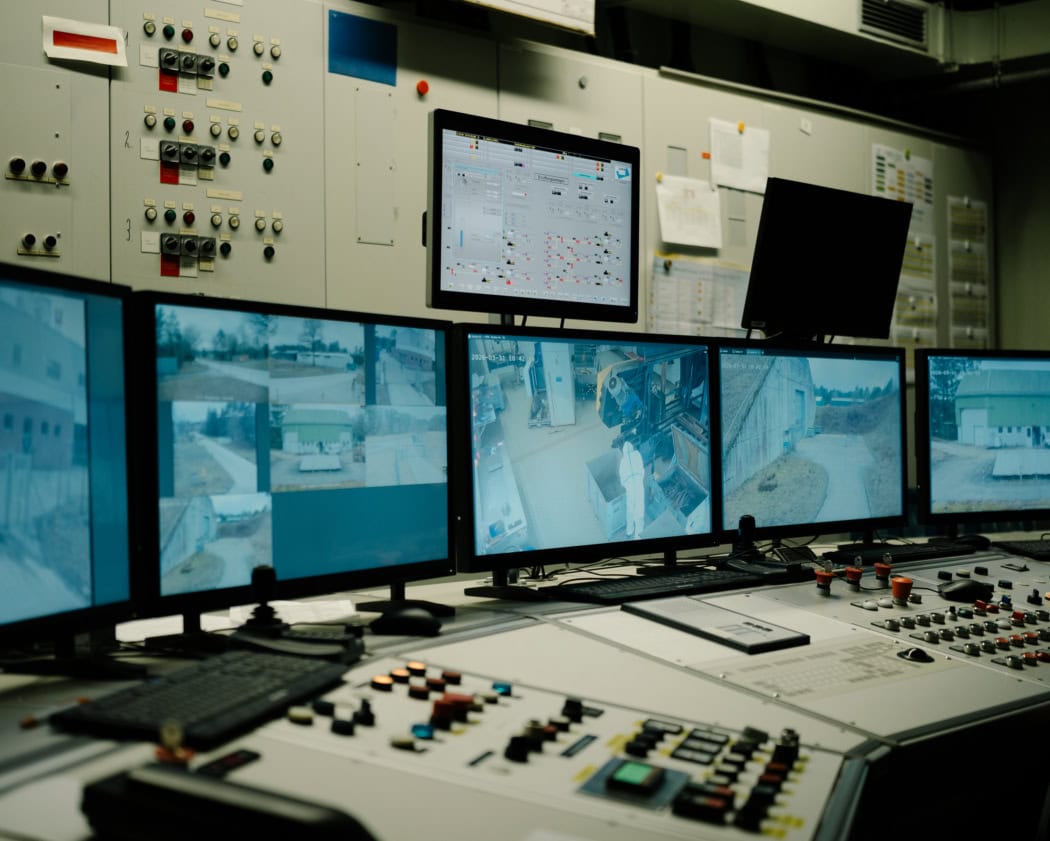
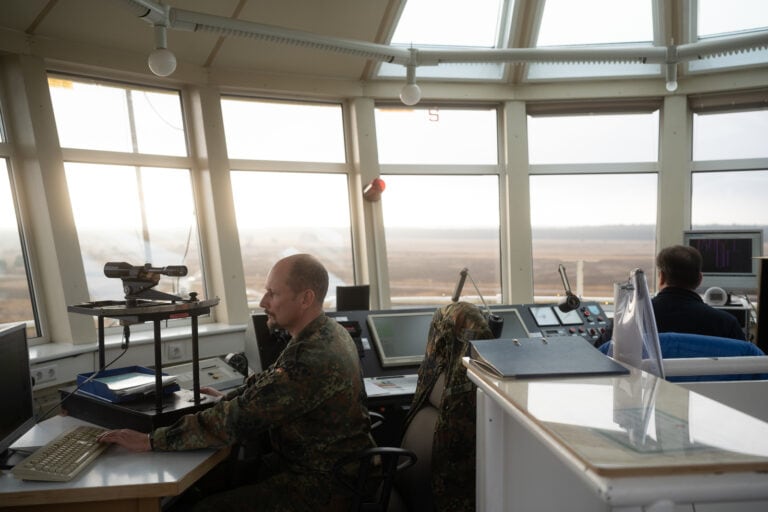
GEKA is Germany’s only munitions disposal company. While the munitions are being defused, another employee monitors the work from a separate control room.
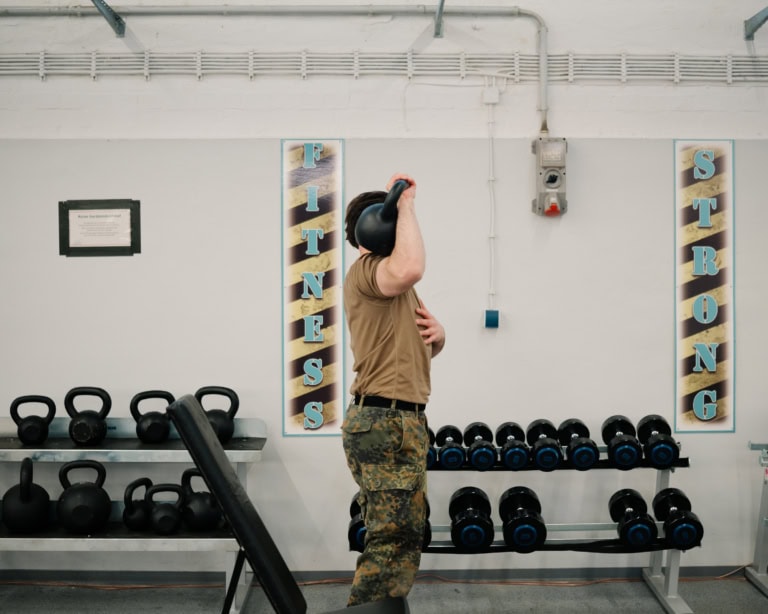
Weightlifting in the gym. Munster’s armoured corps school is considered one of the German army’s most important training centres.
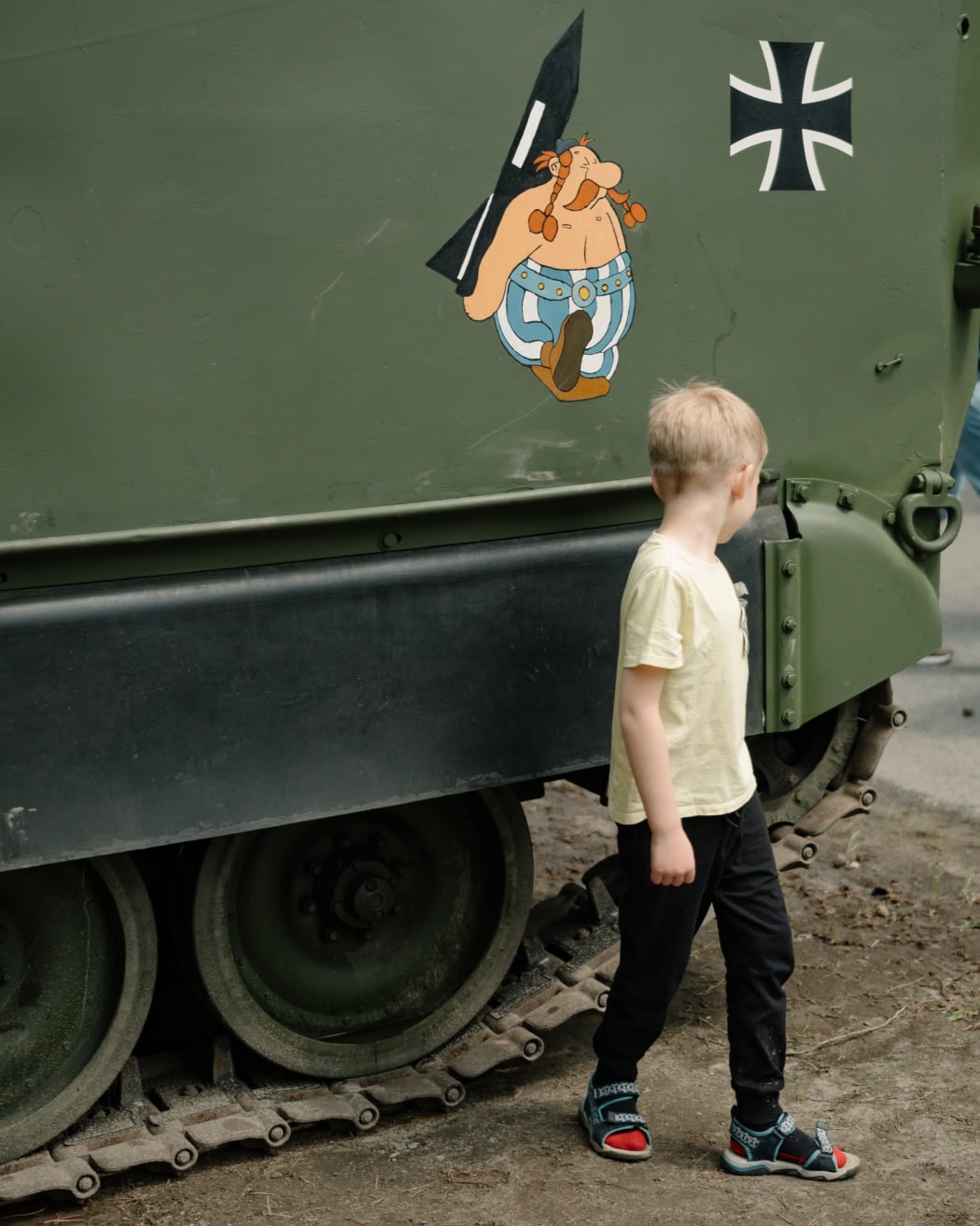
Military for young and old. At the annual ‘Bundeswehr Day’, the armed forces promote ‘hands-on technology and activities for the whole family’.
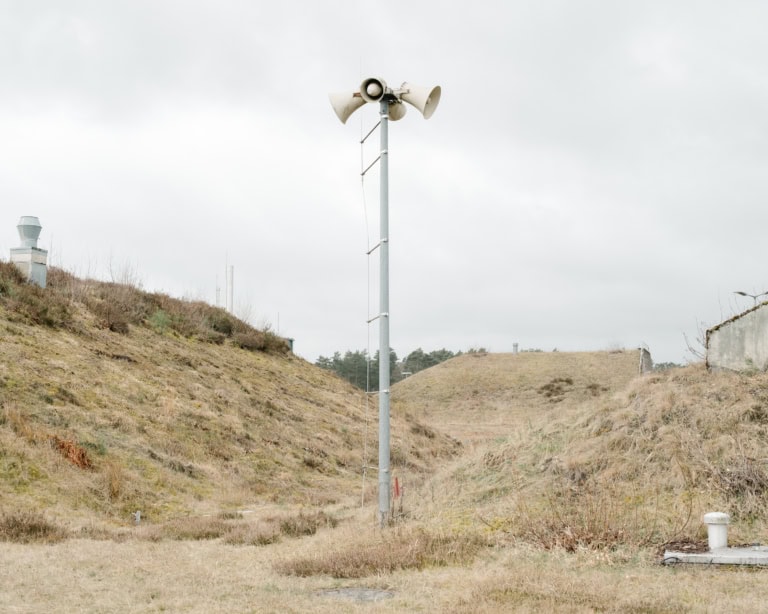
As early as the end of the 19th century, the Prussian Ministry of War began buying heath and moorland for military purposes. The first exercises took place here in 1893 under Hindenburg, who later became Reich President.
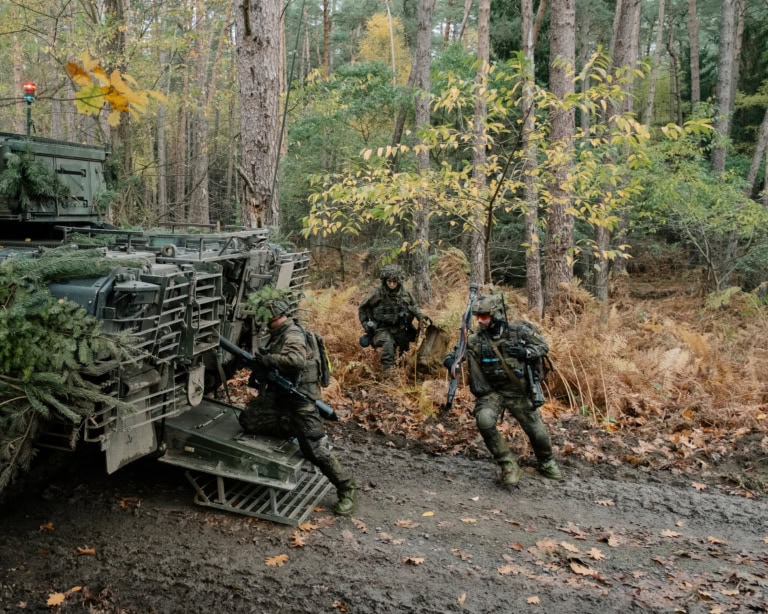
Three soldiers run into a battle tank during a live-fire exercise.
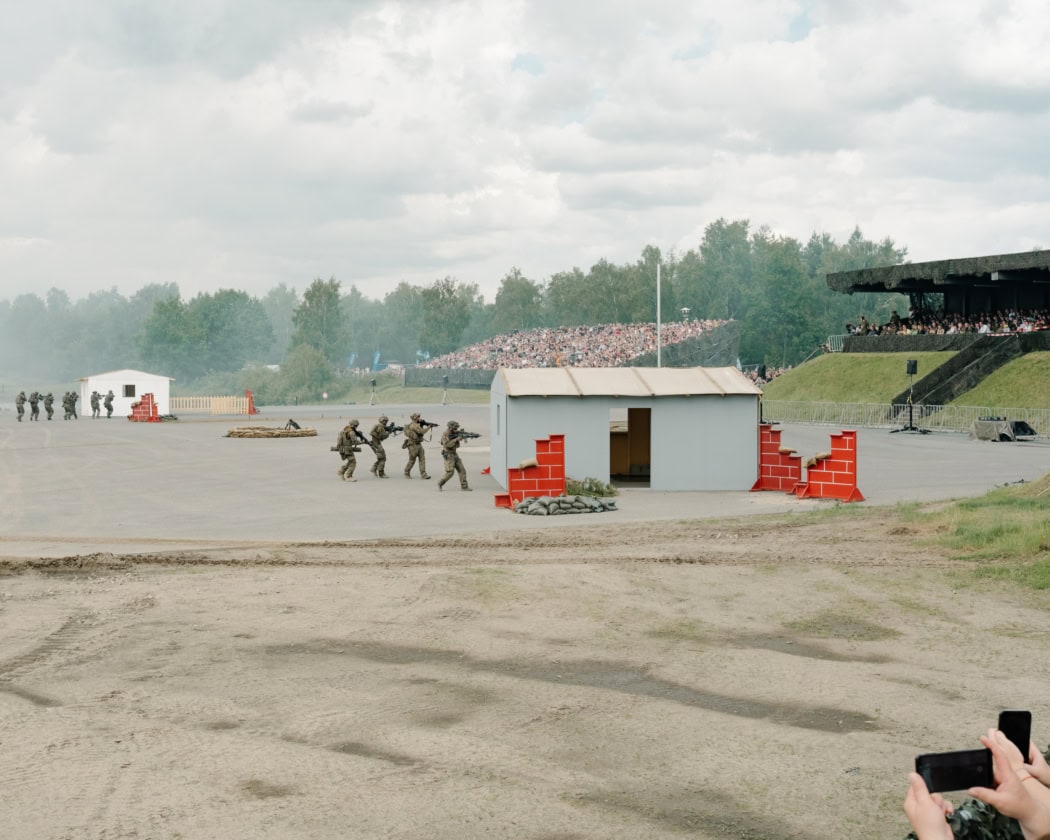
50,000 visitors at ‘Bundeswehr Day’ 2026. The military stages exercises in front of a large audience.
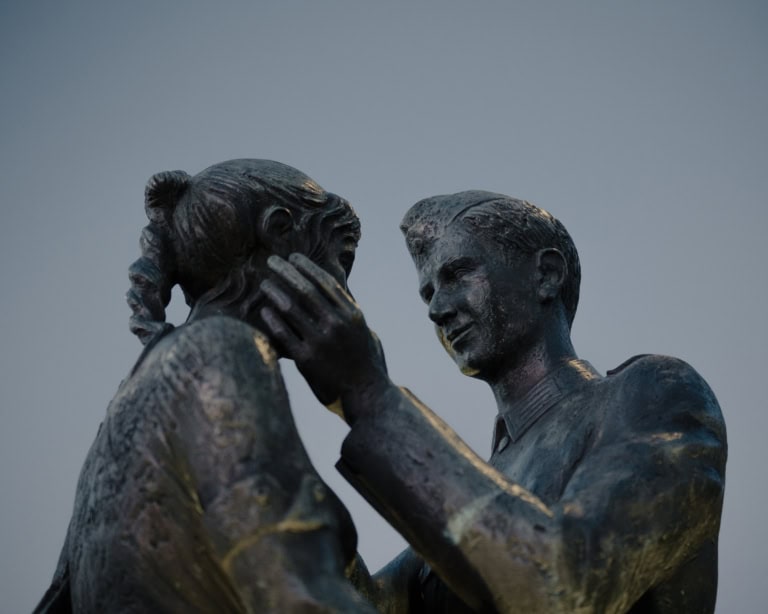
The ‘Lili Marleen Group’ is the symbol of the town of Munster. The bronze sculpture was funded in 1987 by donations from residents, local businesses and the soldiers stationed here. Lili Marleen is a character from the song of the same name, made famous by Lale Andersen, which became a soldiers’ song around the world during the Second World War. It tells of a couple torn apart by war.
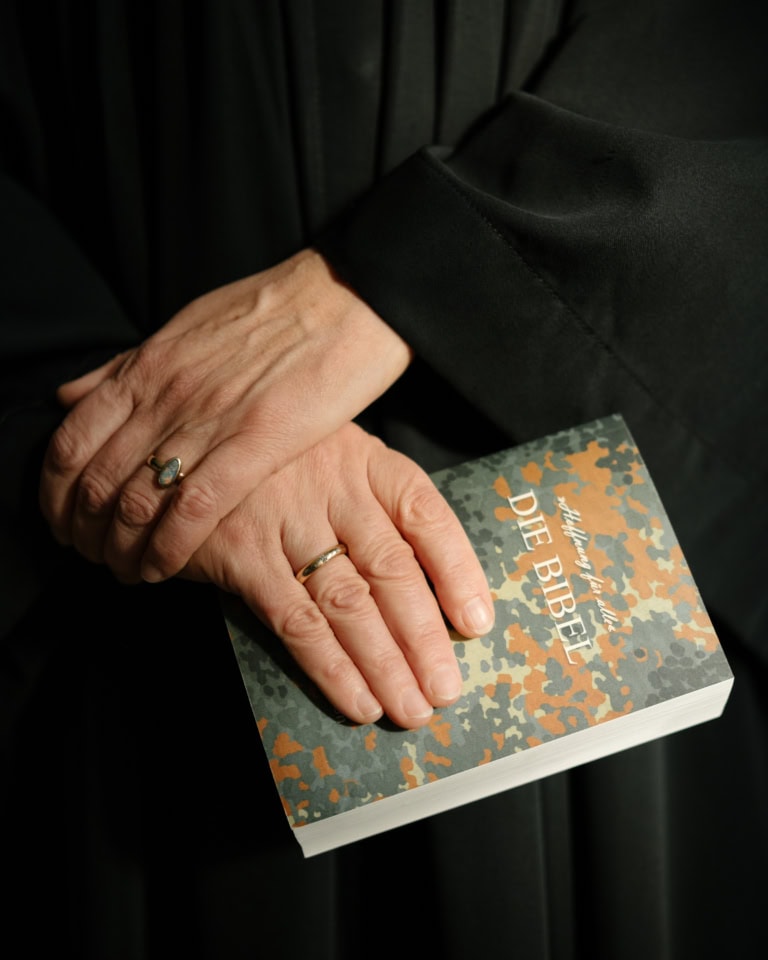
The military chaplain. Daniela Hennings works at the Protestant military chaplaincy Munster I. In her hands she holds a Bible with a camouflage cover.
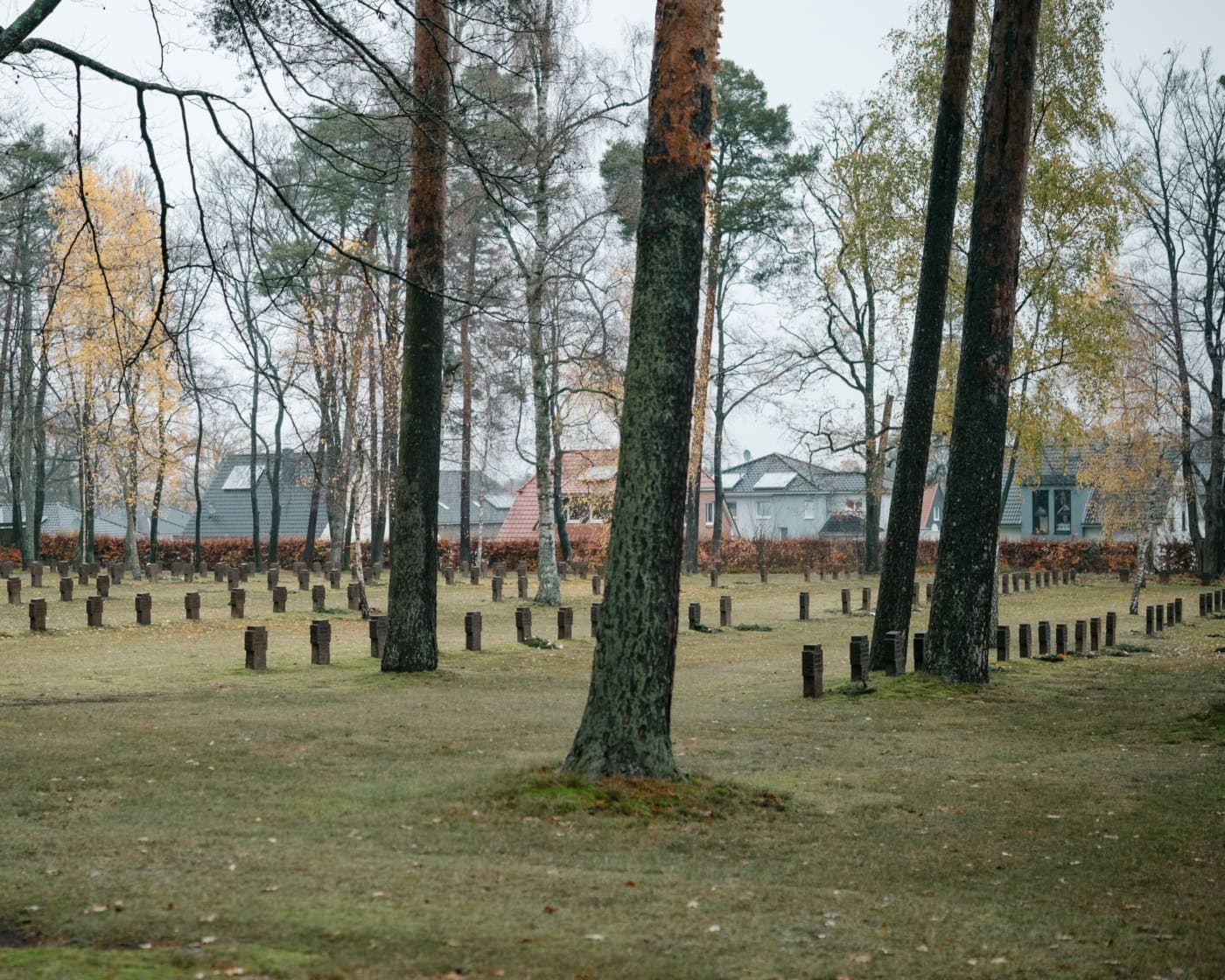
A war cemetery for the fallen of both world wars, next to a residential area in Munster.
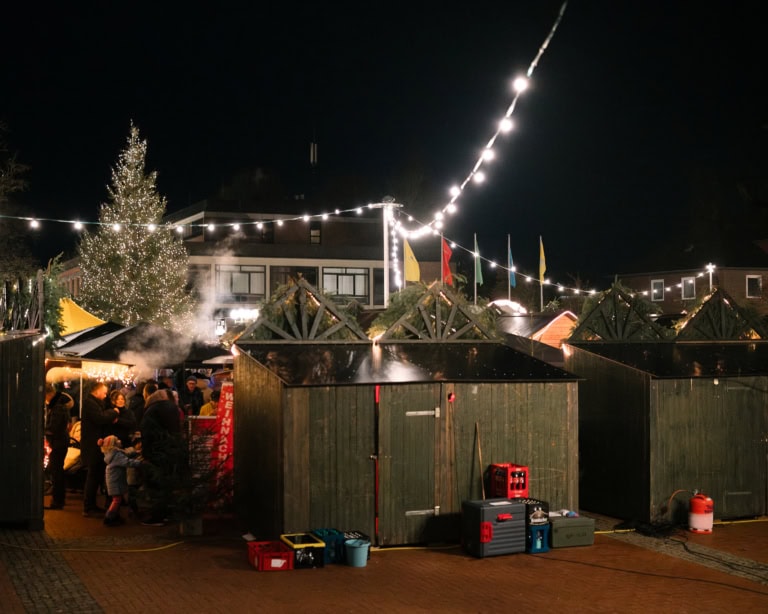
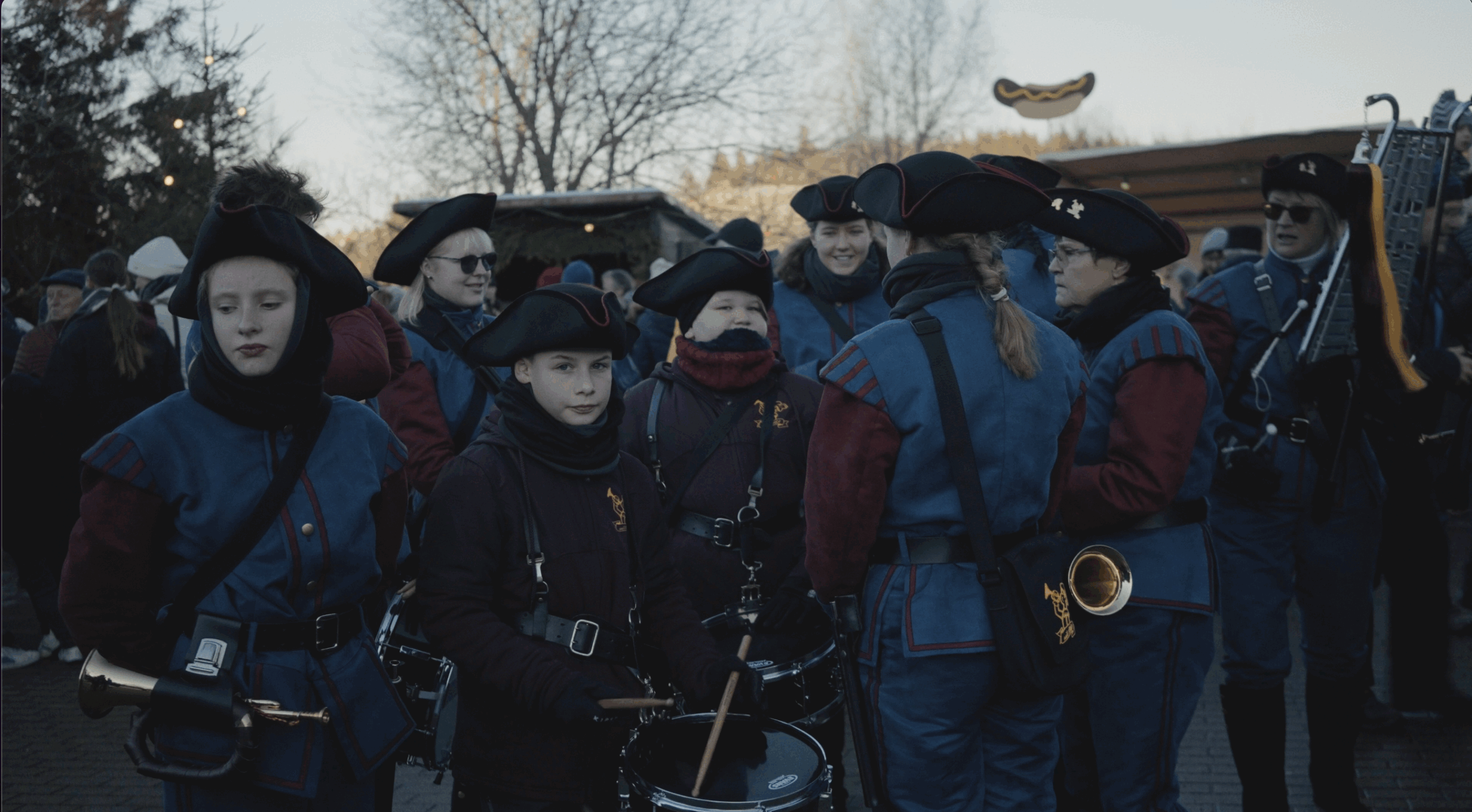
Munster’s St Nicholas market is organised every year by local clubs from the town and the surrounding area. Some of these clubs were founded because of the Bundeswehr’s local presence and close ties to the town.
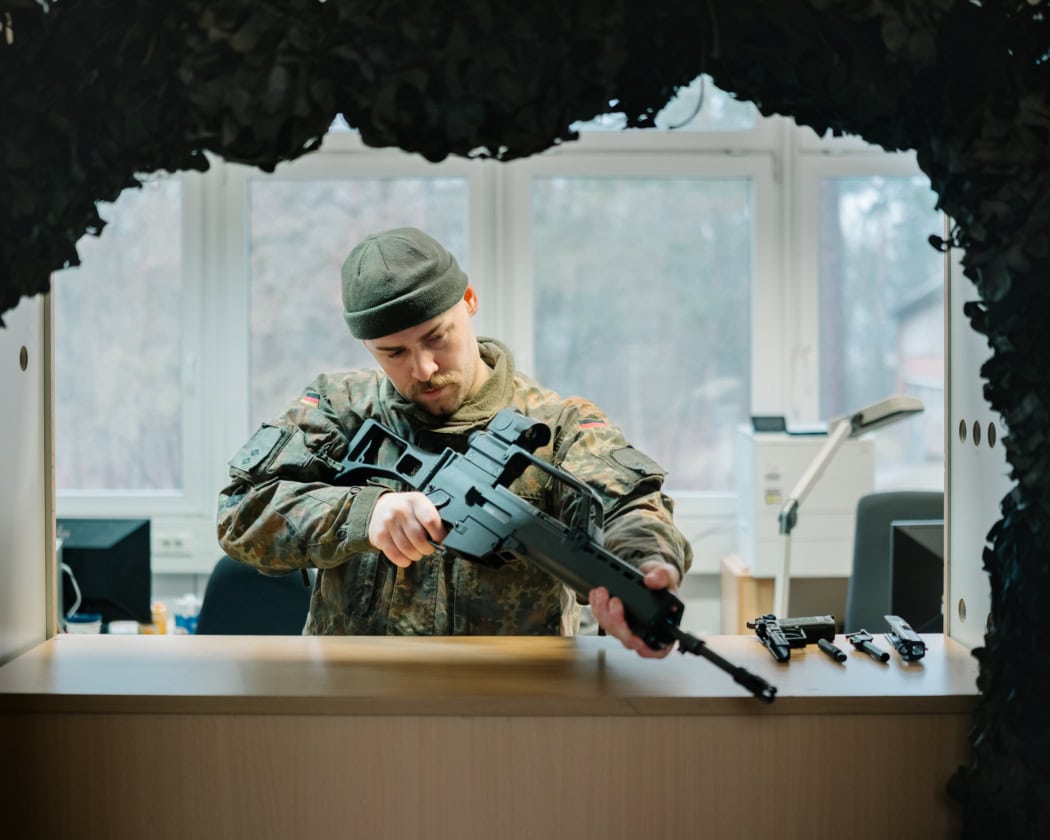
A soldier assembles a G36 assault rifle in an office. Since December 2025, the Bundeswehr has been gradually switching to the new standard rifle, the G95. The changeover is so far expected to cost around 772 million euros.
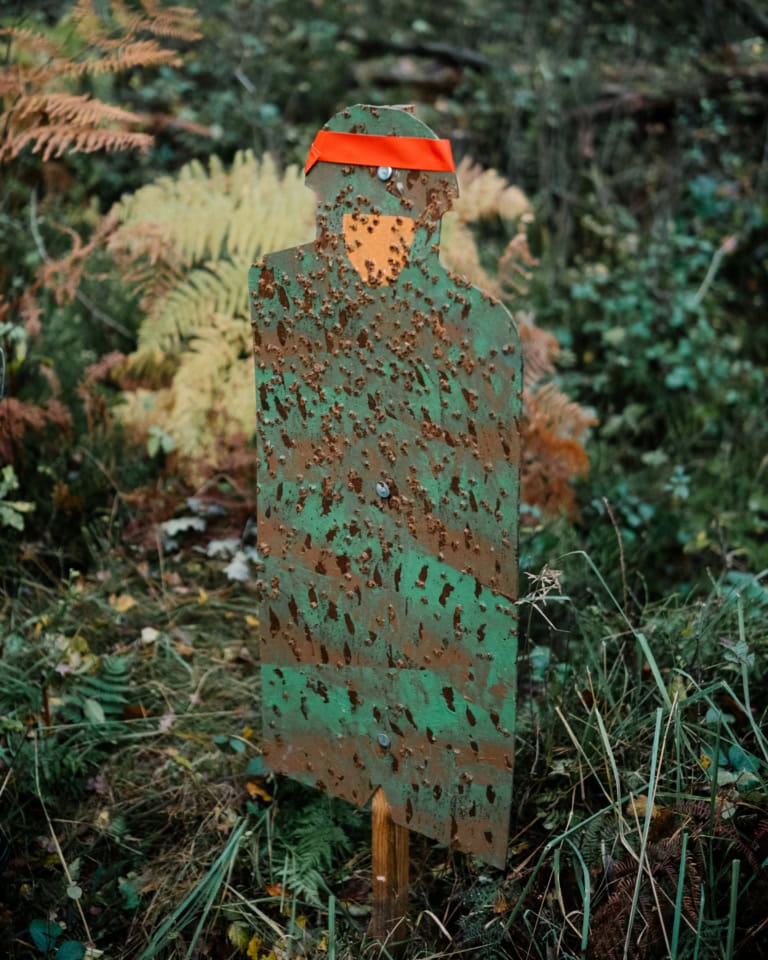
A wooden soldier riddled with bullet holes on the military training area.
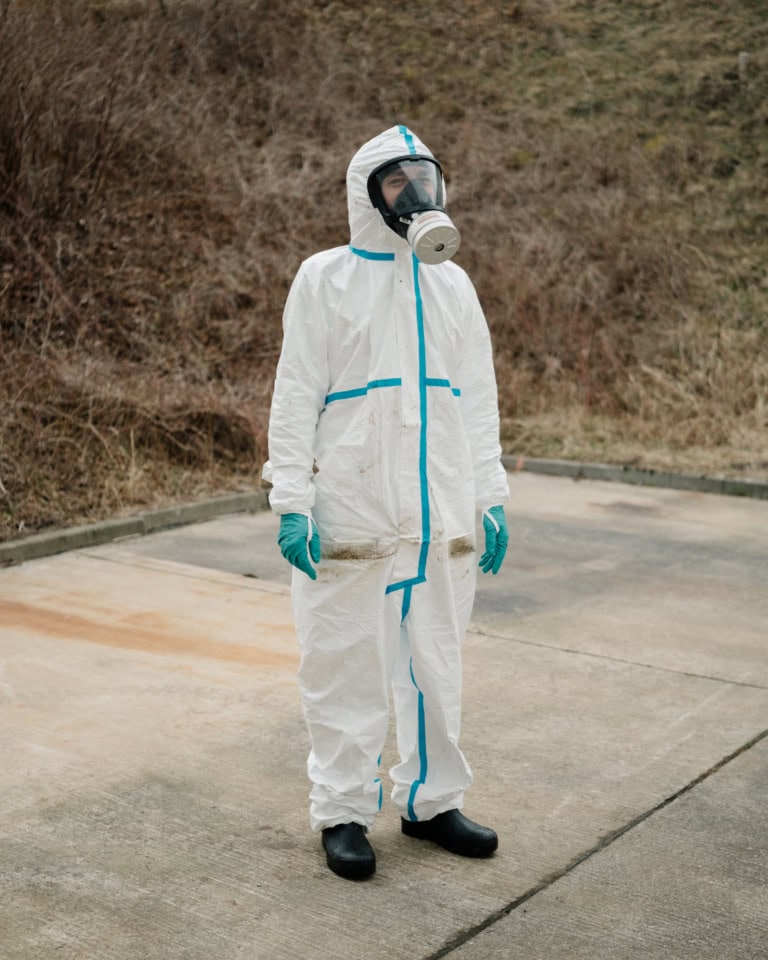
An employee of GEKA mbH after defusing munitions. The protective suit and breathing mask are meant to protect against chemical fumes and corrosive substances.
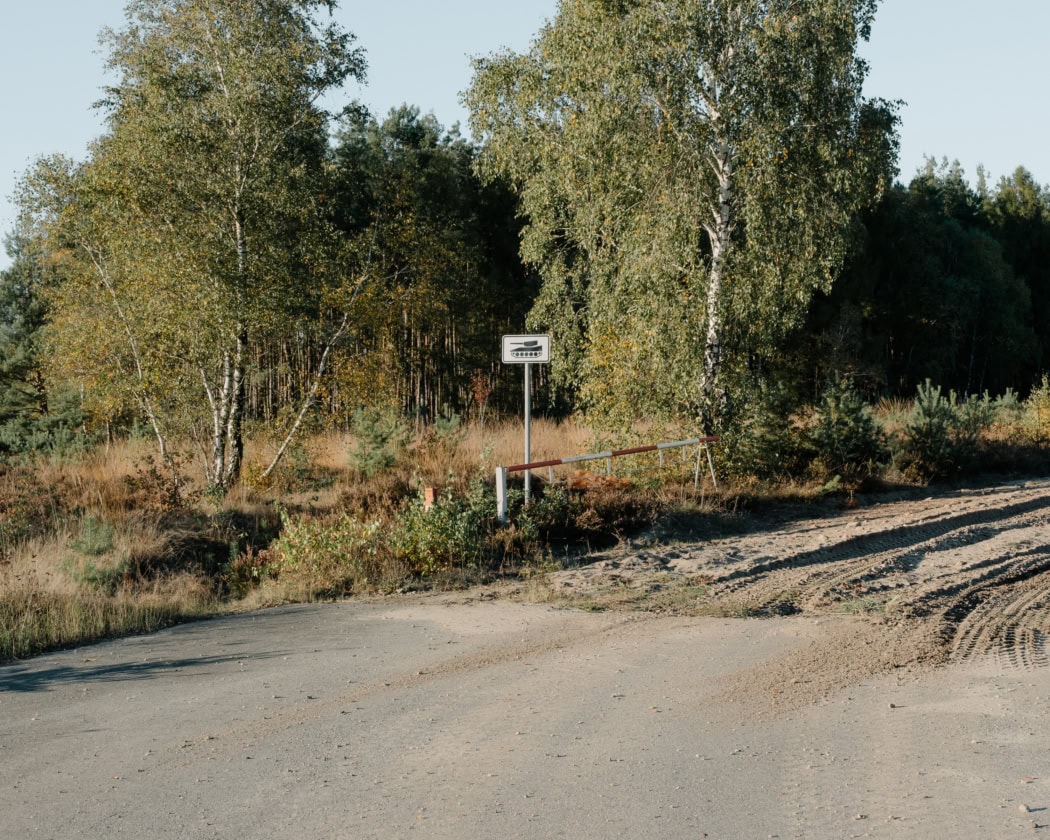
Caution: tanks. Road signs like this one on the Munster-Süd training area are a common sight in the surrounding area.