Censorship in the USA: ‘Seeing someone like me in a book meant everything to me’
Why removing books from US school libraries means far more than politics to many young people.
By Charlotte Schreiber

Symbolic photo: Betty Einhaus, Shannon Benze
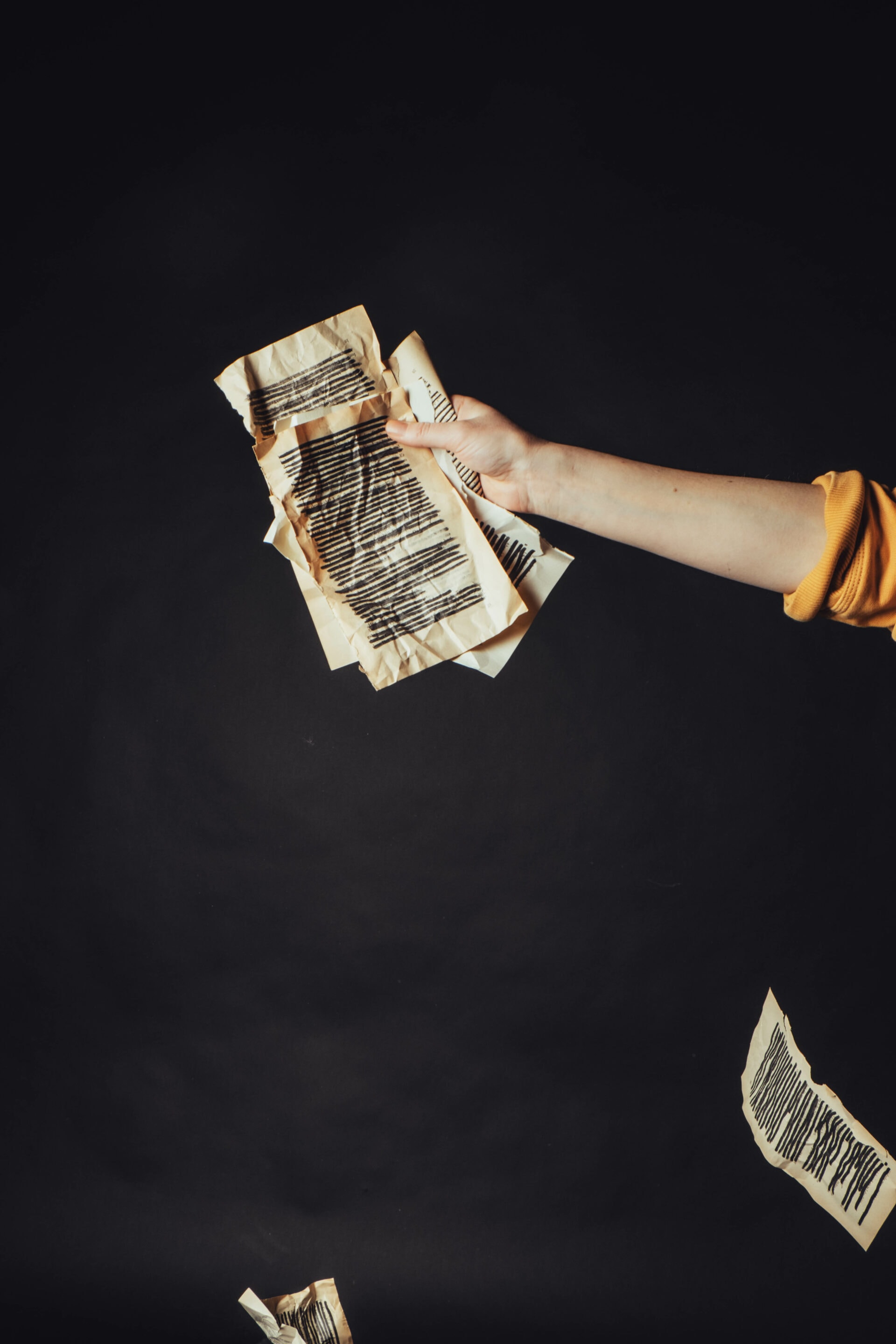
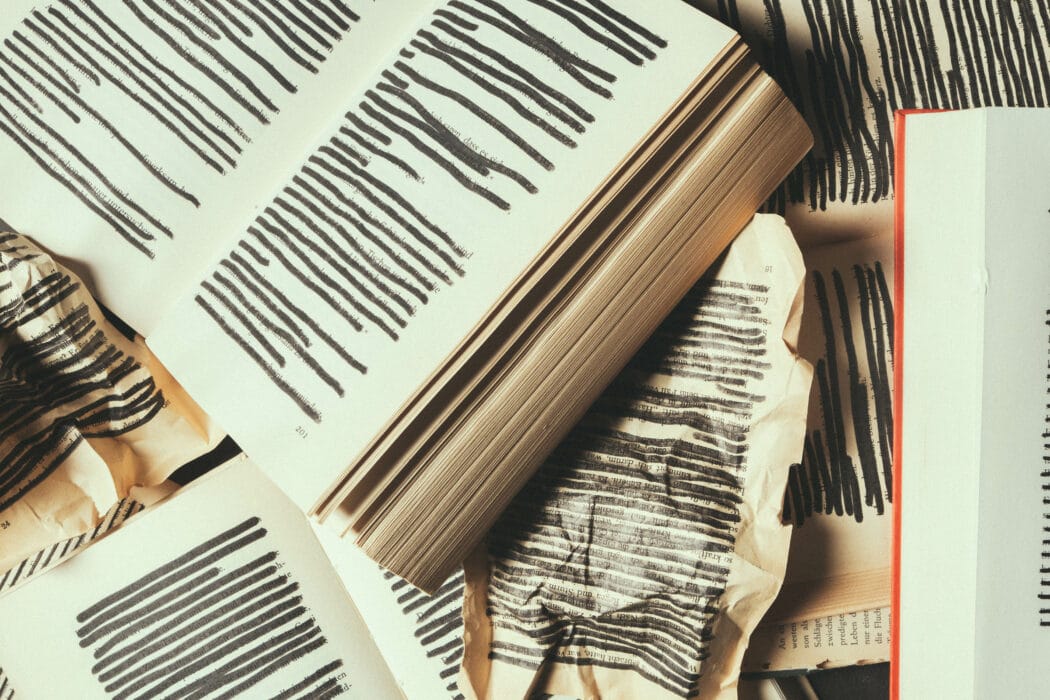
Empty shelves in American libraries. That is no longer a rarity. Book bans in the USA keep rising, as the US writers’ association PEN America reports in a recent study. Between July 2021 and June 2022 alone, it recorded 2,532 cases of banned books – an increase of 33 per cent on the previous year. Librarians and teachers felt forced either to cover the books in question with cloth or to remove them from the libraries altogether. These works deal with LGBTQ topics or feature people of colour as protagonists. This is what happened to a public library in Jamestown Township, Michigan. According to CBS News, the library is no longer allowed to offer Alice Oseman’s comic series ‘Heartstopper’. The library also lost its public funding. Responsible for this is the citizens’ movement ‘Jamestown Conservatives’.
In August, the streaming service Netflix released the second season of the series of the same name, in which two British boys fall in love. ‘We’re going back into the past when we talk about book bans,’ said library director Larry Walton. This story is no longer an isolated case. Especially in rural areas of the USA, there are growing attempts to remove queer content from libraries and schools. This trend is shown by a recent study by PEN America.
Especially in rural areas of the USA, there are growing attempts to remove queer content from libraries and schools.
Queer content could be equated with ‘porn in schools’, and such books contain ‘sexually explicit’, ‘harmful’ and ‘age-inappropriate’ content – at least that is how Texas governor Greg Abbott and many like-minded people see it, among them many parents.
PEN is not the only one worried about these developments. ‘Heartstopper’ author Alice Oseman commented on the subject on Instagram: ‘Racism, homophobia and transphobia thrive under the guise of “concern for children”. This is not just a US problem either. We are seeing exactly the same “concern” here in the UK.’ The queer comic may not be sold in Hungary either. A Hungarian bookshop chain faces a fine of €32,000 for selling ‘Heartstopper’, the German Press Agency reports. In Hungary, homosexuality is wrongly equated with paedophilia.
Visibility is enormously important for young people. In books, many children and teenagers find places of refuge and heroes they can identify with. This is particularly important for queer people. British author George Lester agrees, as he told the German broadcaster ZDF. As a teenager, he lacked a literary figure to identify with. His world changed after he read a queer novel for the first time. ‘I could see someone in a book who was like me, and that meant everything to me,’ says Lester. After all, not everyone knows another queer person they can talk to.
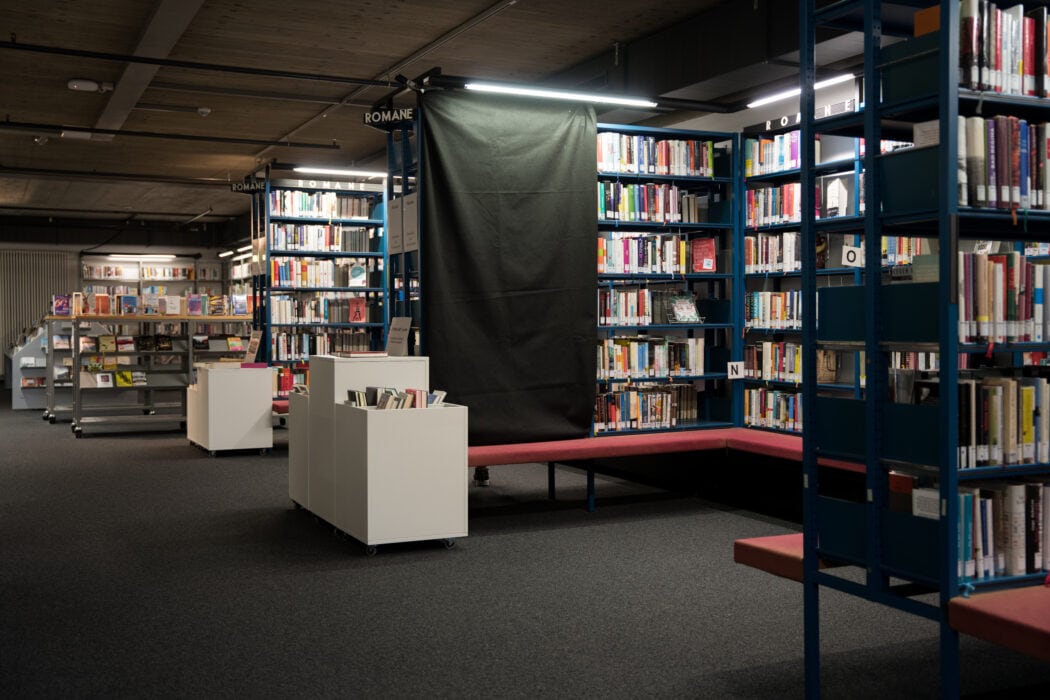 Illustrative photo: Tim Kirchhof
In Hungary, queer books have to be covered up in libraries and bookshops. Our photographer recreated this in a library in Hannover.
Queer books can help people get to know and accept themselves and their own sexuality better. You feel less alone when you read about people who share similar experiences. Where people feel treated unfairly, they also fight back. In a small town in Pennsylvania, there is now the ‘Banned Book Club’, founded and run by teenagers. Every two weeks they read and discuss exactly the literature that is supposed to be banned. ‘It’s scary to know that all these people who need these books for a reason don’t have access to them,’ 14-year-old Joselyn Diffenbaugh told the British newspaper The Guardian.
She is the club’s founder. At other affected schools, too, students are joining forces in organisations and protests to fight for their rights. PEN America, the New York publishing house Penguin Random House and a group of authors have joined parents and students of the Escambia County school district in Florida. Their aim is to file a federal lawsuit against the book bans. These bans endanger freedom of expression, equality and the development of young people.
 Symbolic photo: Betty Einhaus, Shannon Benze