Between Blood and Glitter
More than 2,500 women murdered in three decades: Ciudad Juárez has become a symbol of violence against women. In the same city, women in glittering costumes climb into the wrestling ring. Here, the luchadoras fight for their right to be seen.
By Jana Margarete Schuler


The Mexican border city of Ciudad Juárez has been a symbol of violence against women for decades. More than 2,500 women have been murdered here over the past thirty years, and hundreds more are missing. Pink crosses across the city commemorate the victims and have become a symbol of protest against gender-based violence. Many perpetrators are never identified or brought to justice, and for women, the fear of being attacked is part of everyday life.
In the midst of this reality, one group of women refuses to hide: the luchadoras. Of the roughly 200 wrestlers in Ciudad Juárez, only 15 are women. In this male-dominated scene, they climb into the ring every weekend in glittering costumes and claim a space that women are often denied outside the sport. Lucha libre is deeply rooted in Mexican culture, combining acrobatics, showmanship and physical combat. For the luchadoras, the ring becomes a place of resistance: here they are seen, they raise their voices and they decide for themselves who they want to be. They challenge traditional gender roles and demand equality.
Jana Margarete Schuler has been following the luchadoras since 2023 – in their daily lives, in training and behind the scenes. Over the years, a close relationship has grown, giving her intimate insights into the women’s lives. ‘Between Blood and Glitter’ is a story of courage, solidarity and resistance – and of women fighting for their very existence.

The sisters Little Star and Baby Star hold each other. In Ciudad Juárez, violence against women is part of everyday life, and sticking together becomes a survival strategy. Baby Star and Little Star are the first women in their family to step into the ring. Their costumes are more than a disguise: they become alter egos behind which the sisters reinvent themselves. In the ring they can be whoever they want, free from the expectations they face outside.
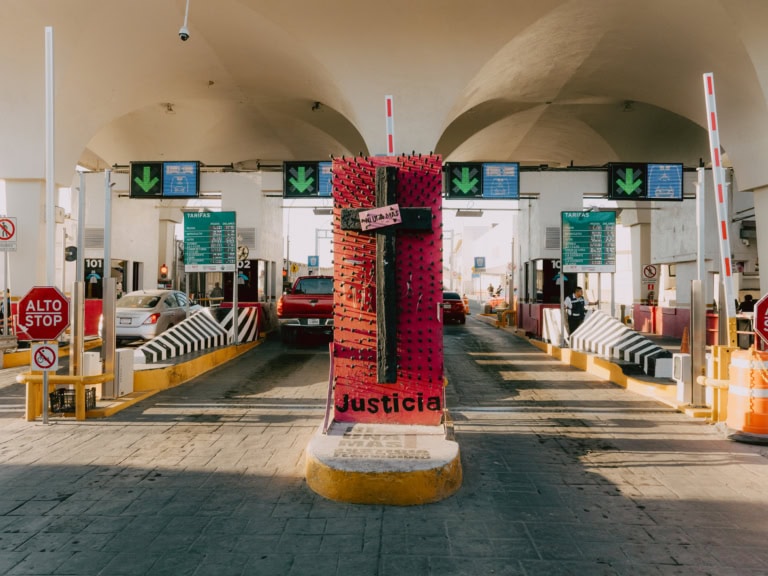
A large cross bearing the word ‘Justicia’ stands on the Santa Fe Bridge at the border between Ciudad Juárez and El Paso. Activists put it up as a memorial to the victims of the femicides that have marked the region for years. ‘Ni una más’ is written on it: not one more. Two worlds collide here. On one side lies Ciudad Juárez, one of the cities with the highest femicide rates in the world; on the other, El Paso, one of the safest cities in the United States. A border wall cuts through the picture, and four bridges span the Rio Grande. Every day, thousands of cars cross the border between these two realities.
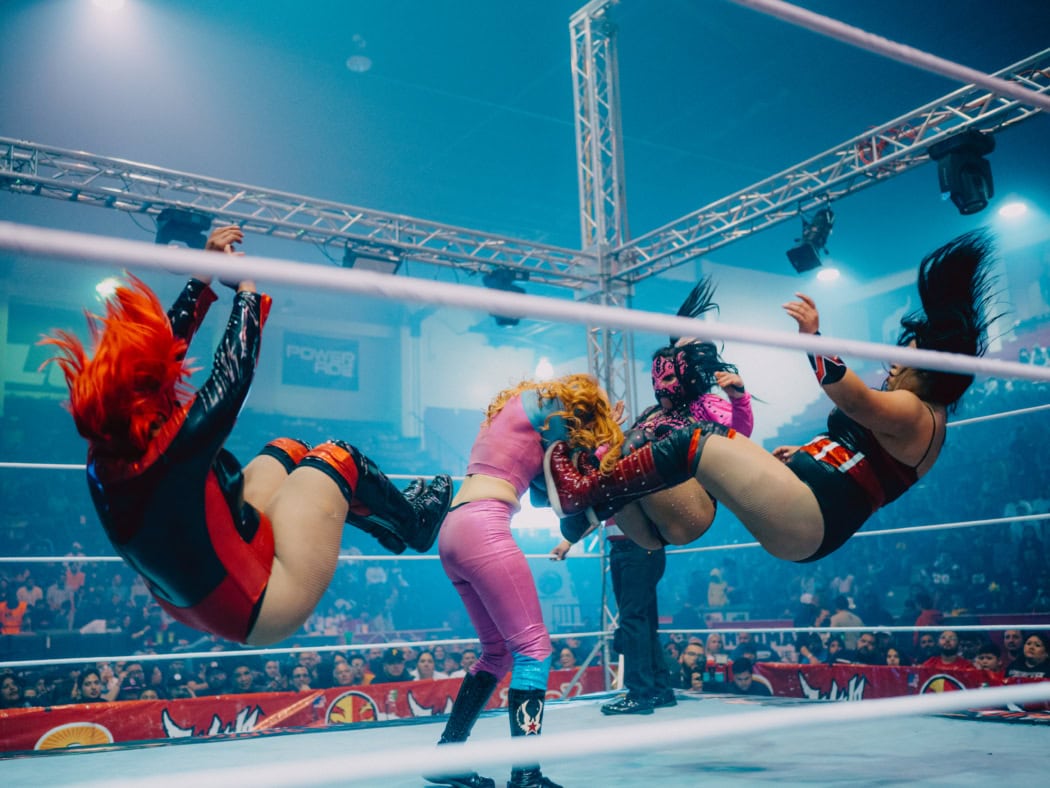
Estrella Diabólica, Universis and Venus leap feet first onto Baby Star during a fight at the Neri Santos Arena in Ciudad Juárez. Lucha libre demands extreme physical fitness and years of training, and few wrestlers ever reach this level. The line between show and reality keeps blurring: from the outside, it is often impossible to tell whether an injury is staged or real.
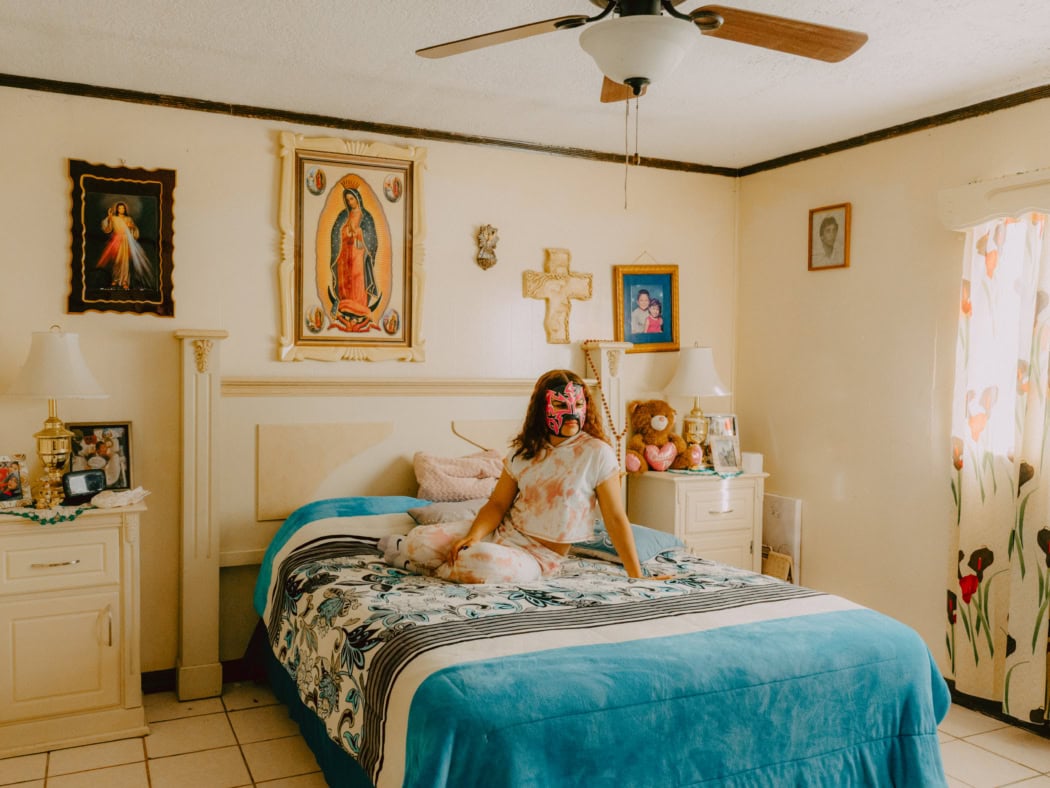
Sayuri sits on the bed of her grandmother, with whom she lives. At 15, she is the youngest professional wrestler in the city. Her home is one of the few places where girls in Ciudad Juárez can move around safely – many rarely leave the house. That Sayuri is allowed out in the evenings to train and fight is therefore not something to take for granted, but a rare freedom.

Since the 1960s, the northern Mexican border city of Ciudad Juárez has grown rapidly as maquiladoras – factories producing goods for export to the US – have set up there. They drew tens of thousands of women to the city for work, without family networks and often facing long, unsafe journeys through unlit outskirts. Drug trafficking, people smuggling and crime still shape daily life, and the city is controlled by rival cartels. Most murders of women remain unsolved; for decades, the desert around the city has served as a dumping ground for the victims’ bodies.

Irma Martínez Flores holds a photo of her daughter, Nancy Vela Martínez. She found Nancy’s body on 29 September 2023. Nancy was 27. To this day, nobody knows why she was murdered. It is this kind of violence that many women in Ciudad Juárez are learning to defend themselves against.
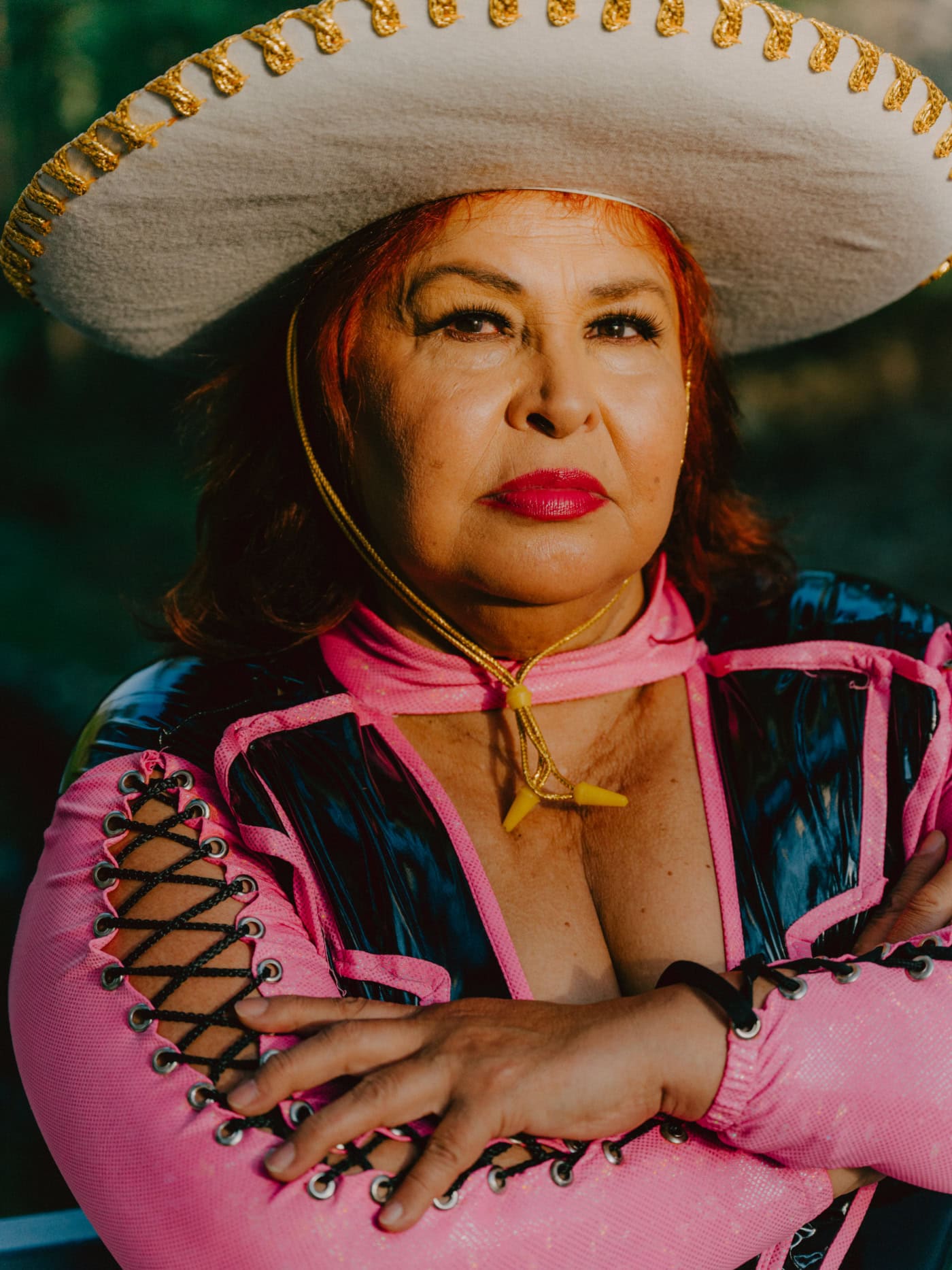
Lola González, 67, is one of the best-known Mexican luchadoras of her generation. Born in Ciudad Juárez, she was one of the first wrestlers from the city to make a name for herself internationally. She was still fighting in the ring until last year. After a career spanning decades and several championship titles, she now passes on what she knows, teaching self-defence at a university in Mexico City and empowering a new generation of women.
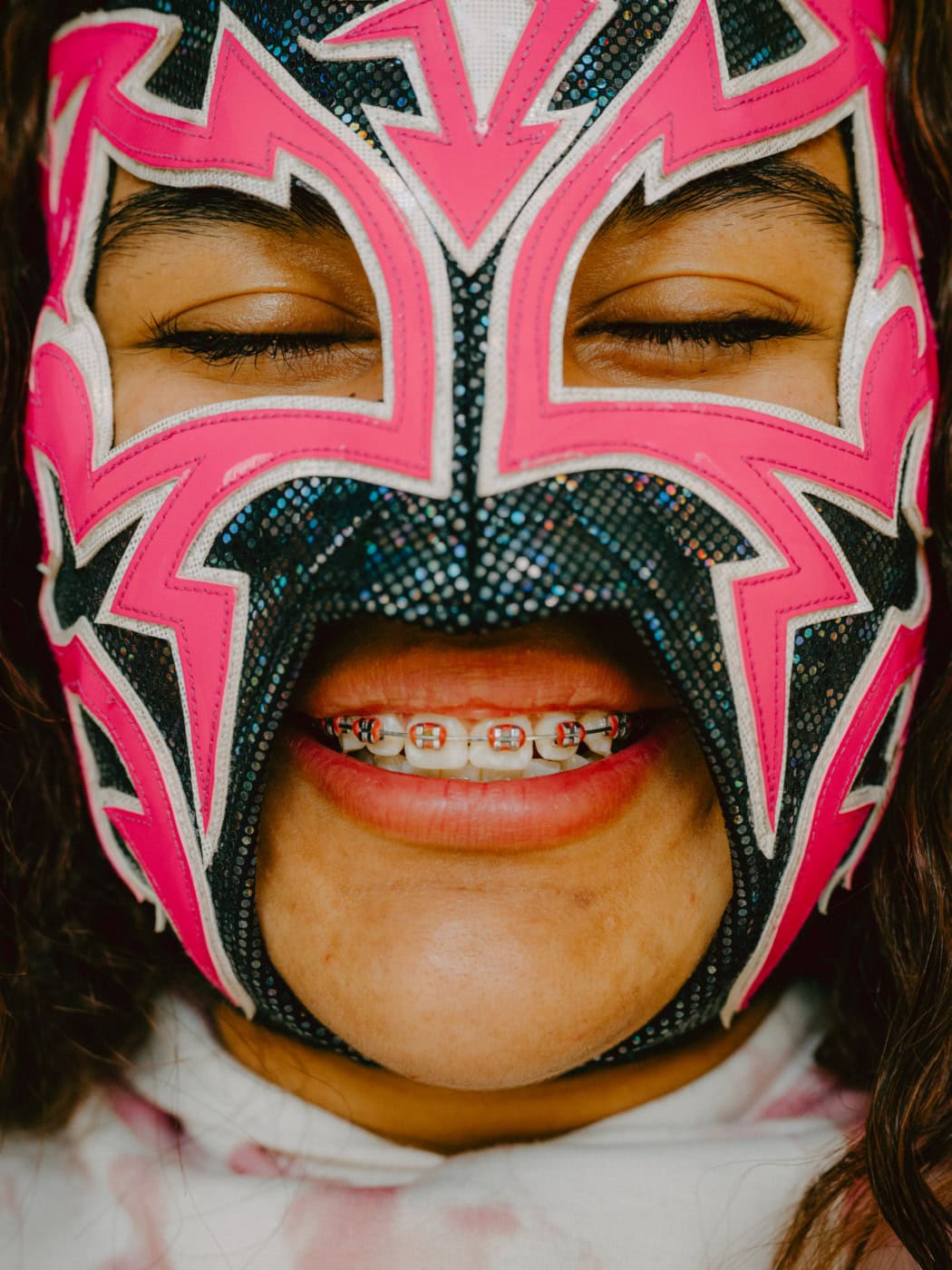
Sayuri, 15, leads a double life: behind the mask she is one of Mexico’s youngest professional wrestlers, but her classmates know nothing about it. At weekends she fights in front of thousands of spectators; only her braces give away that she is still a teenager.
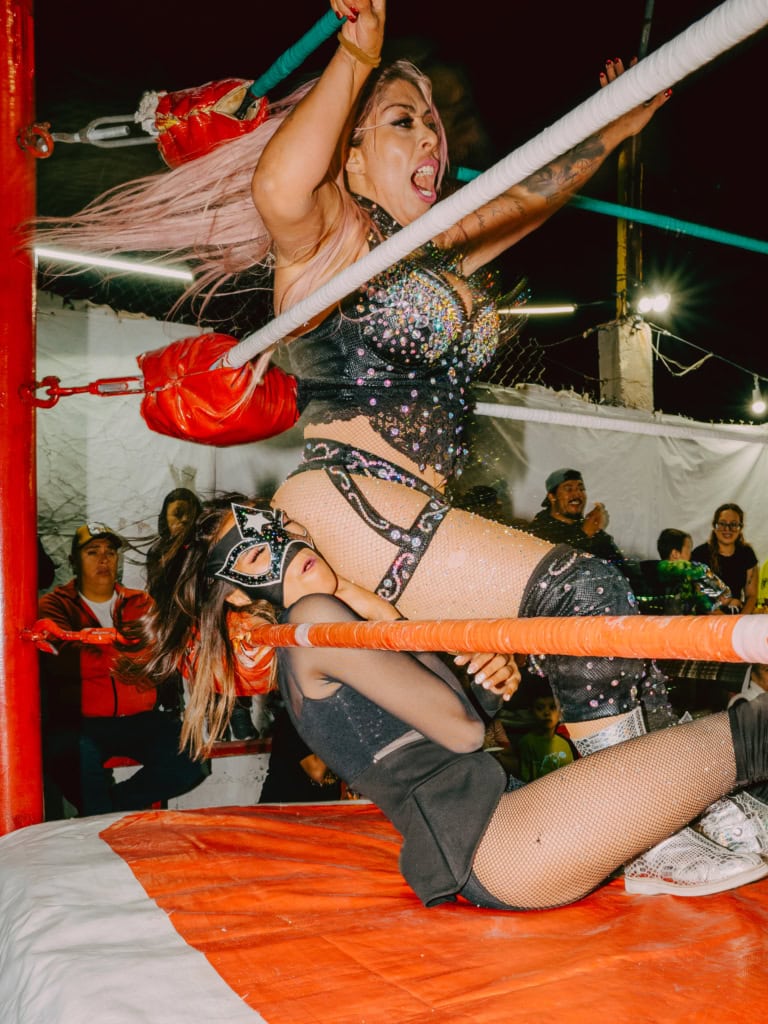
Luchadora Zafiro launches herself feet first at Little Star’s face. In the small backyard arena ‘Bombero’, the two are fighting for the Ciudad Juárez championship title, which Zafiro currently holds. The crowd watches from right beside the ring. Lucha libre is a mix of show, combat and acrobatics, and the wrestlers push themselves to their physical limits: only those who put on a gripping performance get booked again. Time and again, the line between performance and real pain blurs. In the end, the younger Little Star cannot get the better of her opponent, and Zafiro keeps the title.

This is real: blood is spilt during a fight at the Arena Internacional – no rarity in lucha libre. The line between show and serious combat is fluid. Cuts, spinal injuries and broken bones are part of the risk, and in rare cases accidents are even fatal. Most wrestlers come from low-income backgrounds and risk a great deal for the sport. Very few have health insurance.
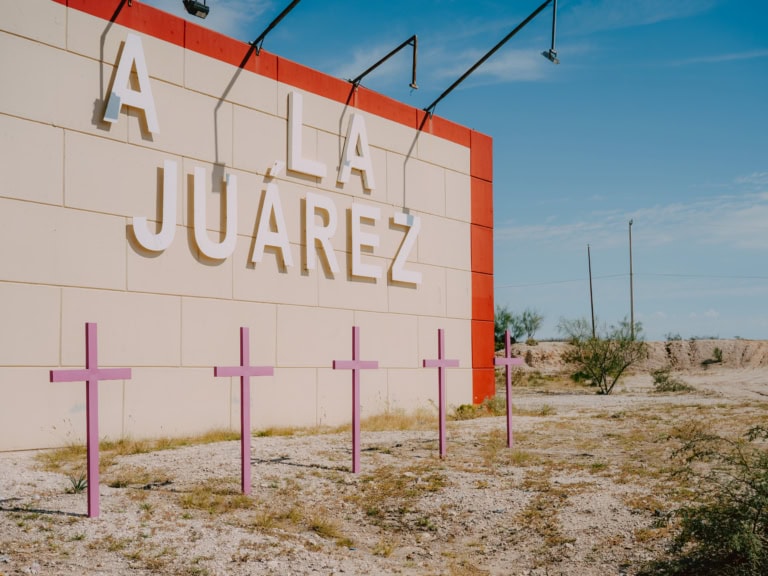
At the entrance to Ciudad Juárez stands a large sign reading ‘Bienvenidos a la Heroica Ciudad Juárez’. The photo shows only part of it, ‘a la Juárez’, with numerous pink crosses in front, put up by activists. The pink crosses first appeared in the city as a symbol of protest against femicide and can now be found in many parts of Mexico. They commemorate the women who have disappeared or been murdered – and the impunity that surrounds so many of these cases.
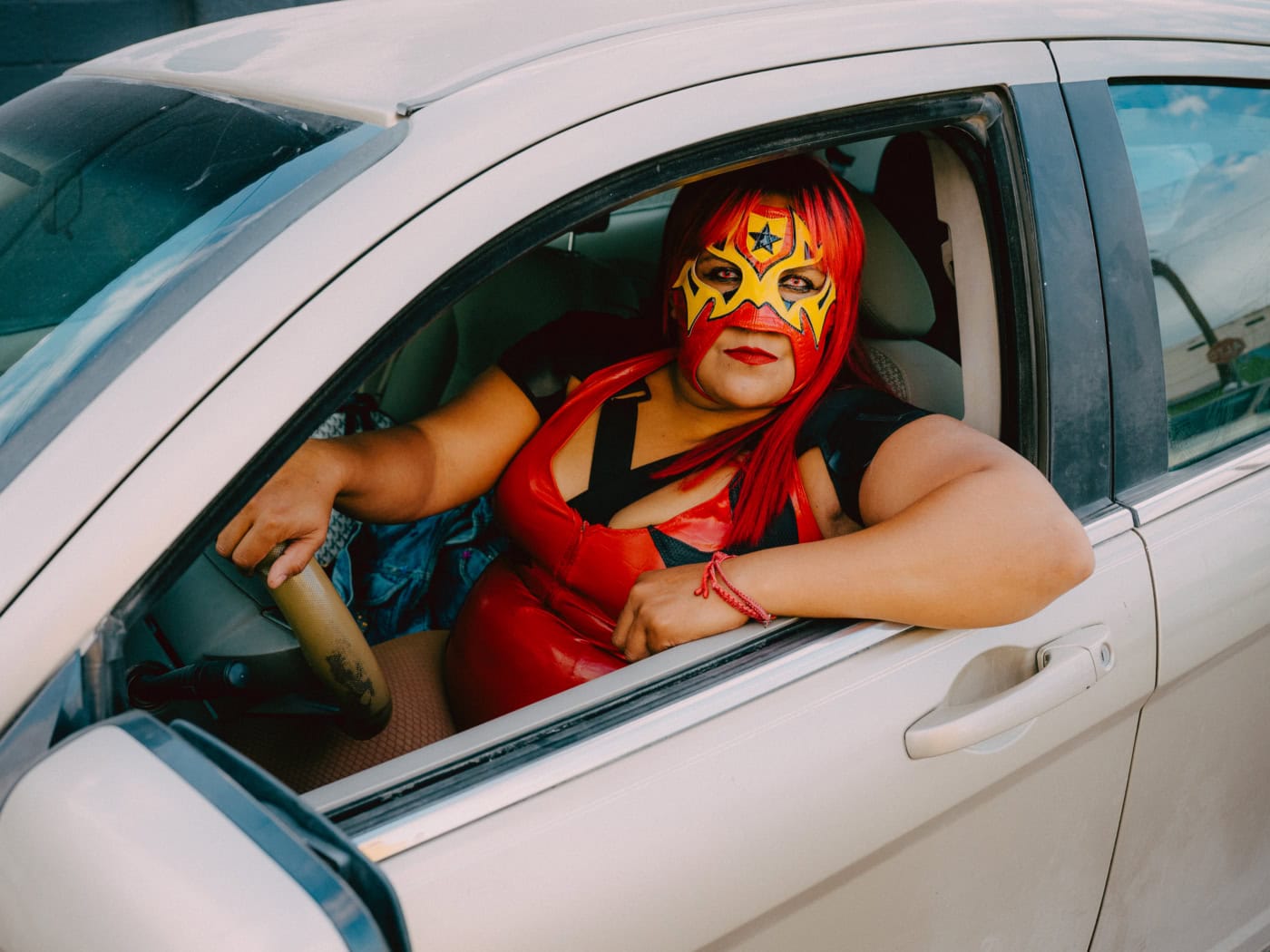
Luchadora Estrella Diabólica poses for a portrait in her car. In the ring she is known as an uncompromising fighter; during the week she works in the radiology department of a women’s hospital and is raising two children on her own. She drives herself to training – an important precaution for women in Ciudad Juárez. For decades, assaults by bus drivers on women travelling home at night have been a well-known problem, so anyone who can afford to avoids public transport.
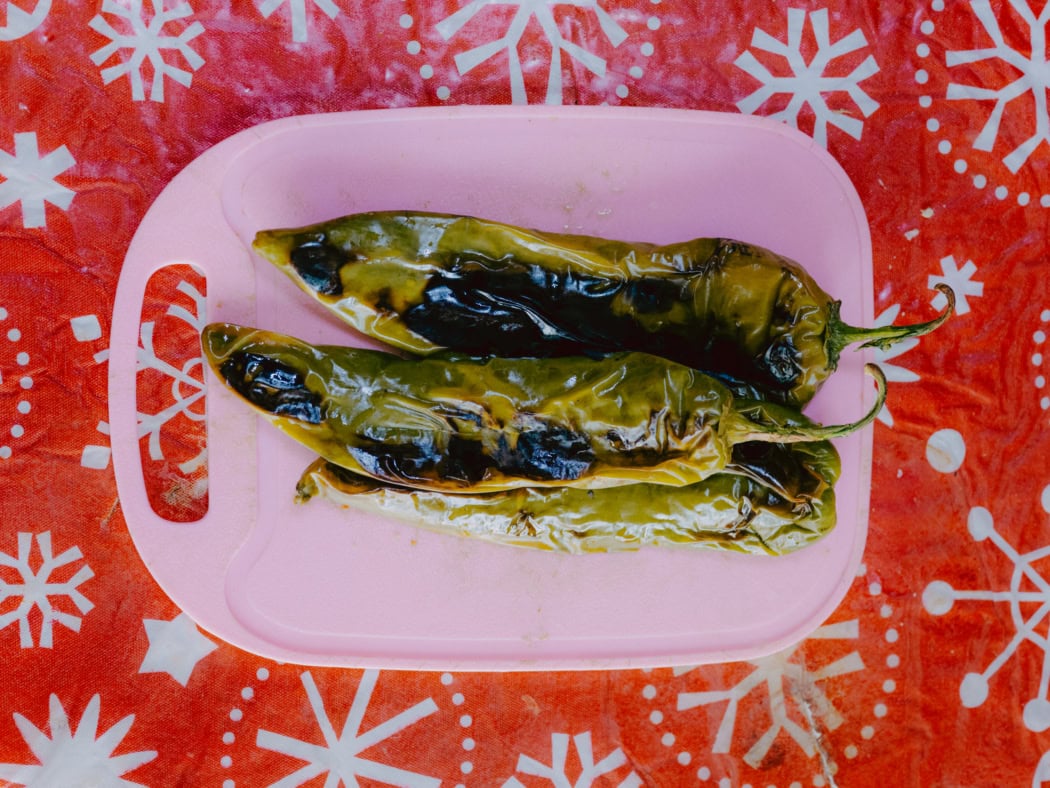
Chillies in the kitchen of the ‘Stars’ wrestling family. In some regions of Mexico, the chilli is also slang for the penis. Luchadora sisters Baby Star and Little Star prepare them together for dinner, giggling that tonight the patriarchy is going on the grill.
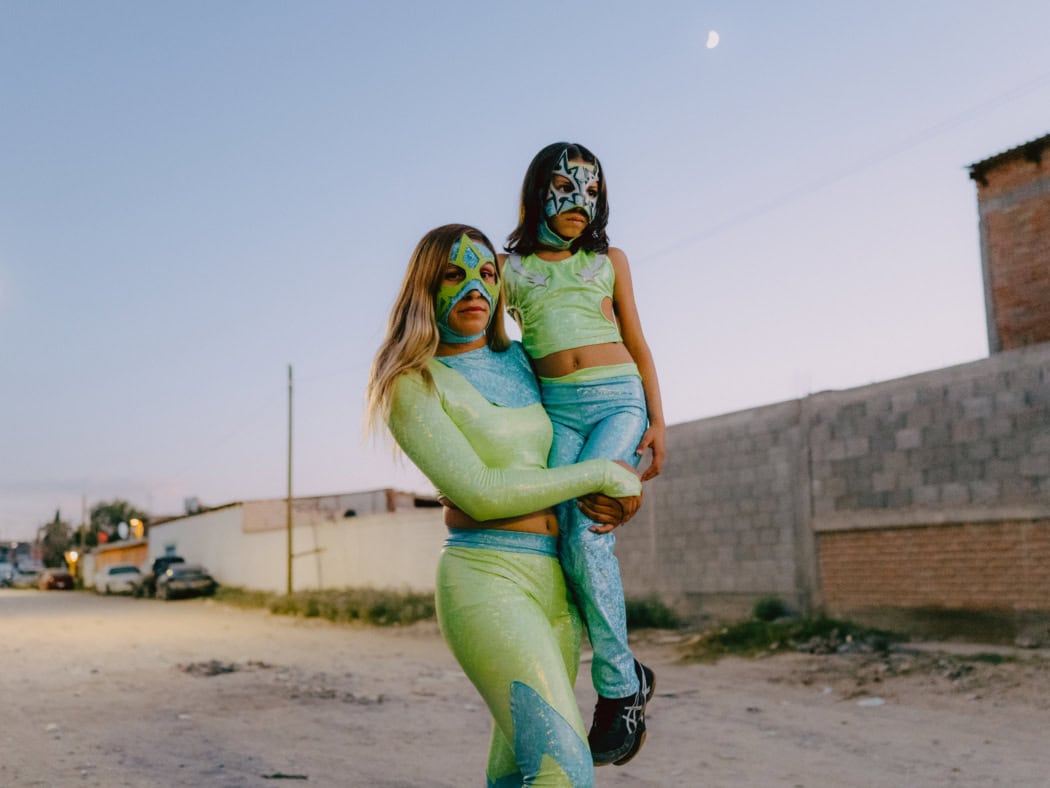
Baby Star holds her daughter Atziry in her arms. In Ciudad Juárez, the streets are particularly dangerous for women after dark. The fear of attack shapes when and where they go, and which routes they take in their daily lives.
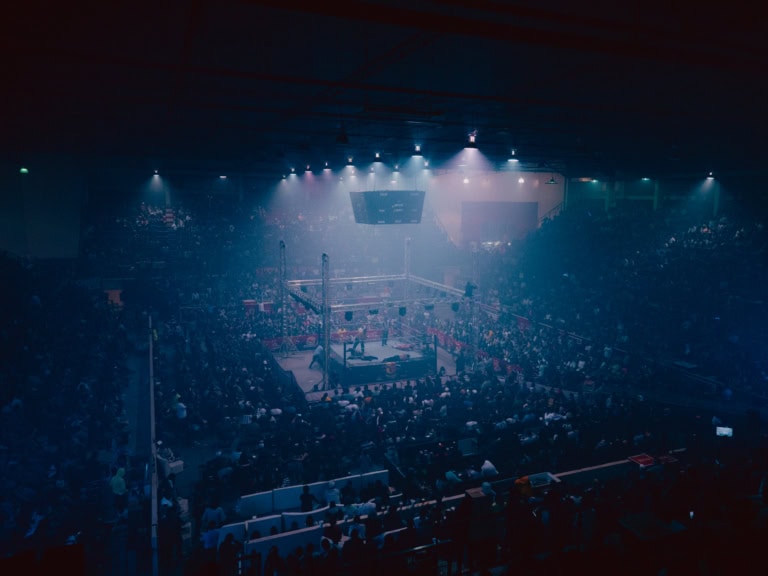
The Neri Santos Arena in Ciudad Juárez is the largest venue in the region and has already produced several wrestling legends. While most fights take place in backyard arenas, this ring marks an important milestone. Many Mexican wrestlers began their international careers here, and some later became famous in the US too. The spectacular fights draw crowds of up to 8,000, but the road to success in this business is hard. For many, stepping into this ring comes with the hope of being discovered by one of the big wrestling promotions.
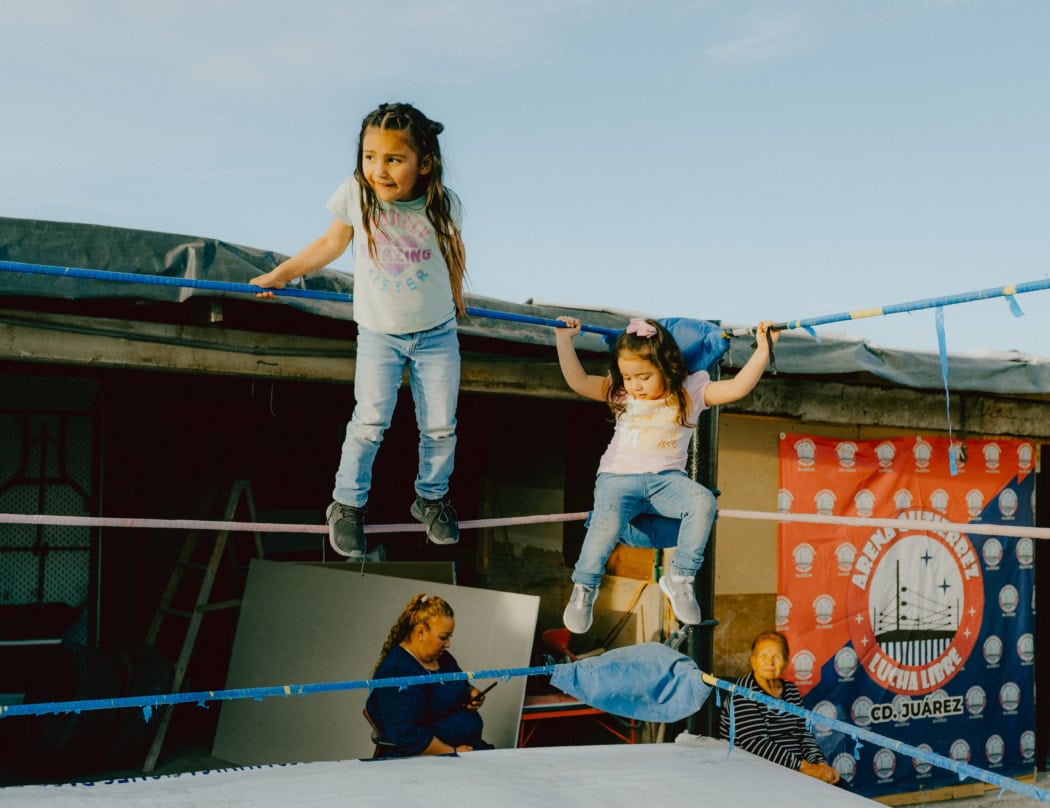
The young girls of the Gutiérrez family play in the ring of the family-owned arena while their mother and grandmother look on. In Ciudad Juárez, many lucha libre arenas are run by families and tucked away in backyards. Here, children can play freely instead of out on the street, where their parents are often reluctant to leave them alone. For the neighbourhood, the arenas are also a regular meeting place: people eat, chat and watch the fights together. Long before they fight themselves, the girls look up to the women in the ring as role models.

Luchadora Universis stands outside her house in the centre of Ciudad Juárez, with the border bridge to the US in the background. She grew up in one of the city’s most dangerous neighbourhoods, plagued by violence and gang crime. Many houses still stand empty, a legacy of the drug war years. Boxing and lucha libre became her way off the streets. Today her neighbours include refugees, who cheer her on as she leaves the house for a fight. Universis has made it: she is a local hero.
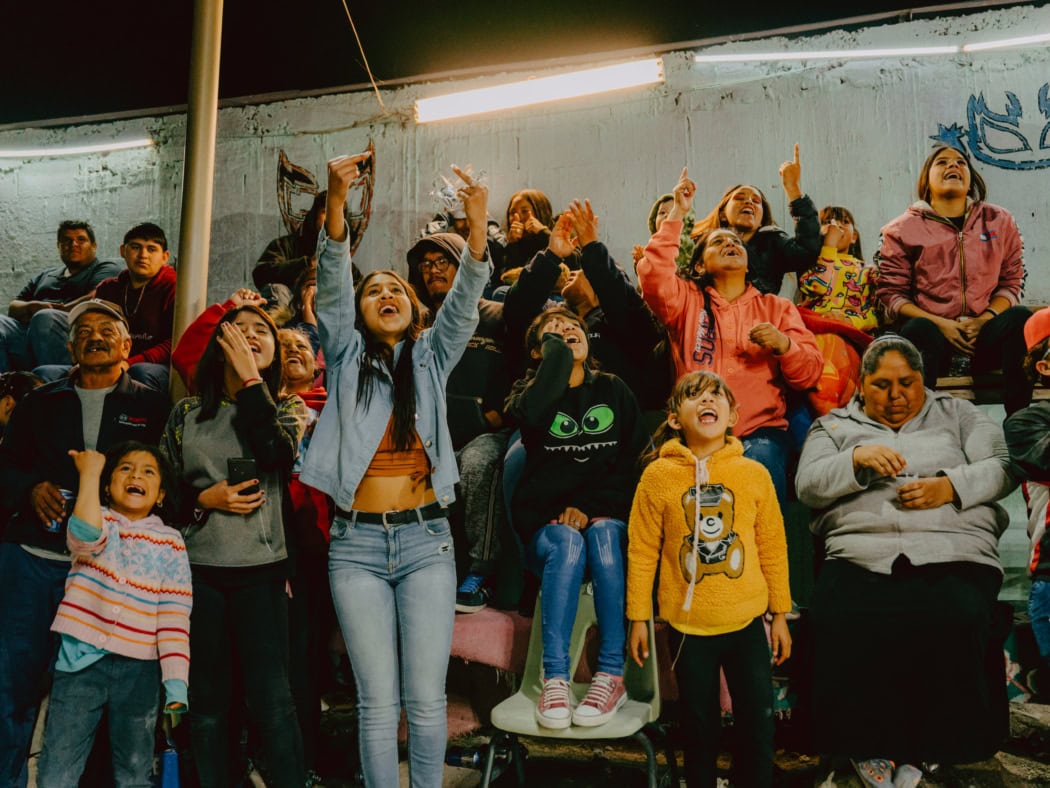
Women and girls fill the stands of the Arena Morales, cheering on their luchadoras. They see women who fight, stand their ground and take up space.

Luchadora Universis holds her daughter in the entrance of her home. As a child, she felt helpless in the face of the violence in her neighbourhood. Later, she was expelled from school. The ring became her turning point: she has since gone back to finish school and wants to give her children a better life.
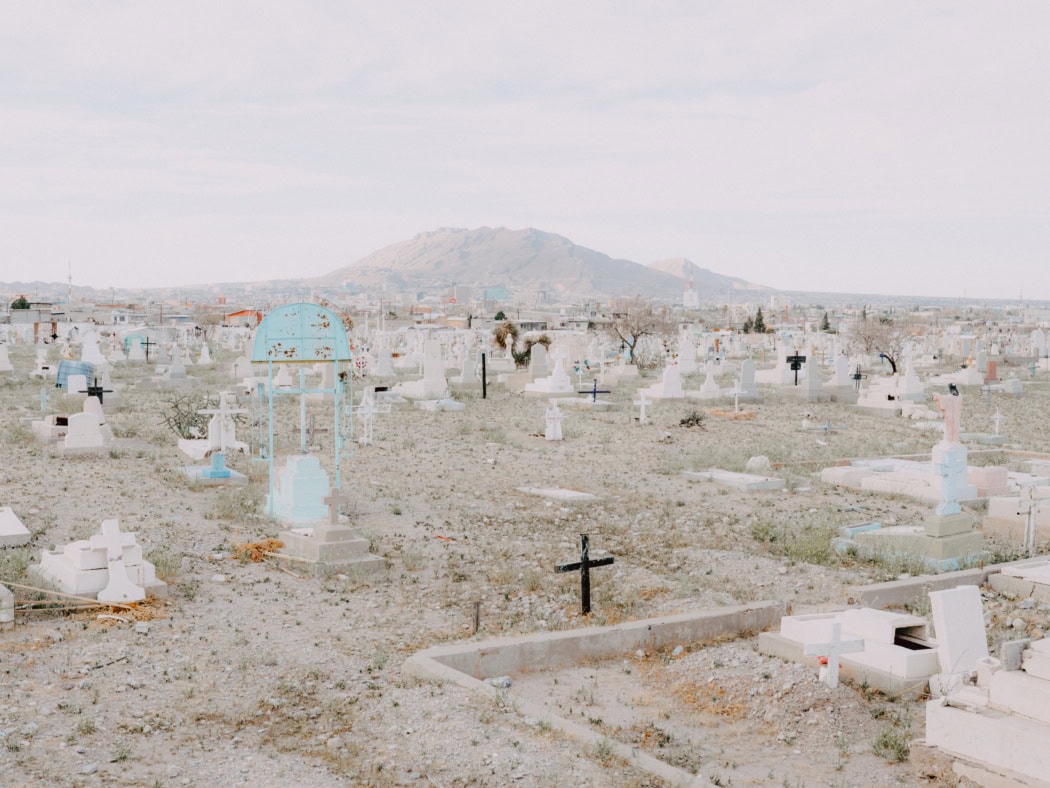
The cemetery on the outskirts of Ciudad Juárez bears silent witness to the loss that has shaped the city for decades. Femicide, cartel violence and ongoing conflict are part of everyday life for many people. Countless people disappear without a trace and are never found. Their families are left behind with no certainty and no place to grieve.

Luchadora Baby Star puts her daughter Atziry to bed. Before falling asleep they pray together, as they do every evening – and before every fight. They ask for protection for themselves, for their family and for the women of the city. It is a small ritual against a great fear.

Luchadoras Celeste, Miss Kath and Sayuri (from left) stand confidently in fighting costumes made especially for the ring. Each wears a design that reflects her personality. The striking colours and cuts make them instantly recognisable and give them the confidence and strength they need to step into the ring.
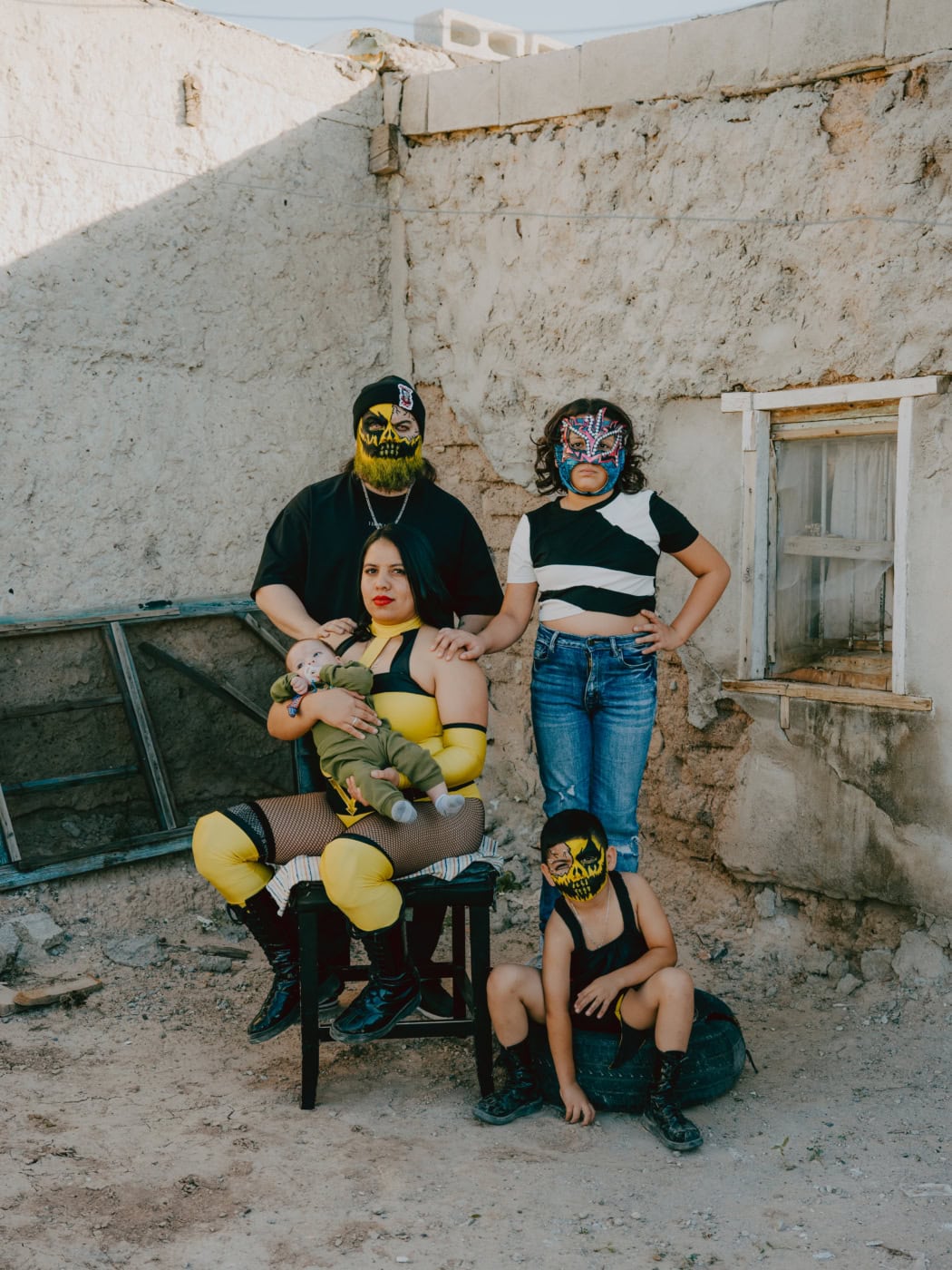
Luchadora Venus with her family in the backyard. The ring is a fixed part of their life together. Venus went back to training only a short time after giving birth to her third child. Like many women, she juggles training, work and motherhood: she earns her living as a cleaner at a local gym, and between shifts, training and everyday life with her children, she has little time to spare.
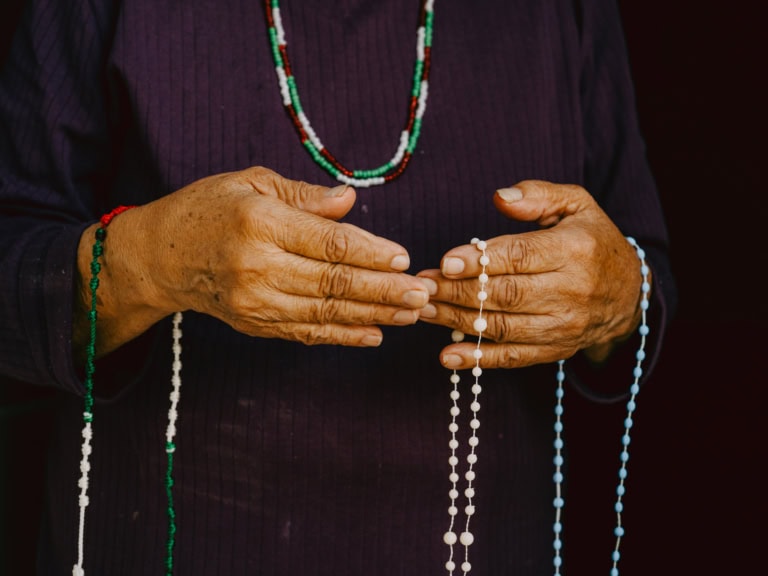
The matriarch of the Jáquez family prays for the safety of her loved ones. Her son wrestles, her granddaughters are following in his footsteps, and her great-granddaughter already goes along to the fights with her mother.
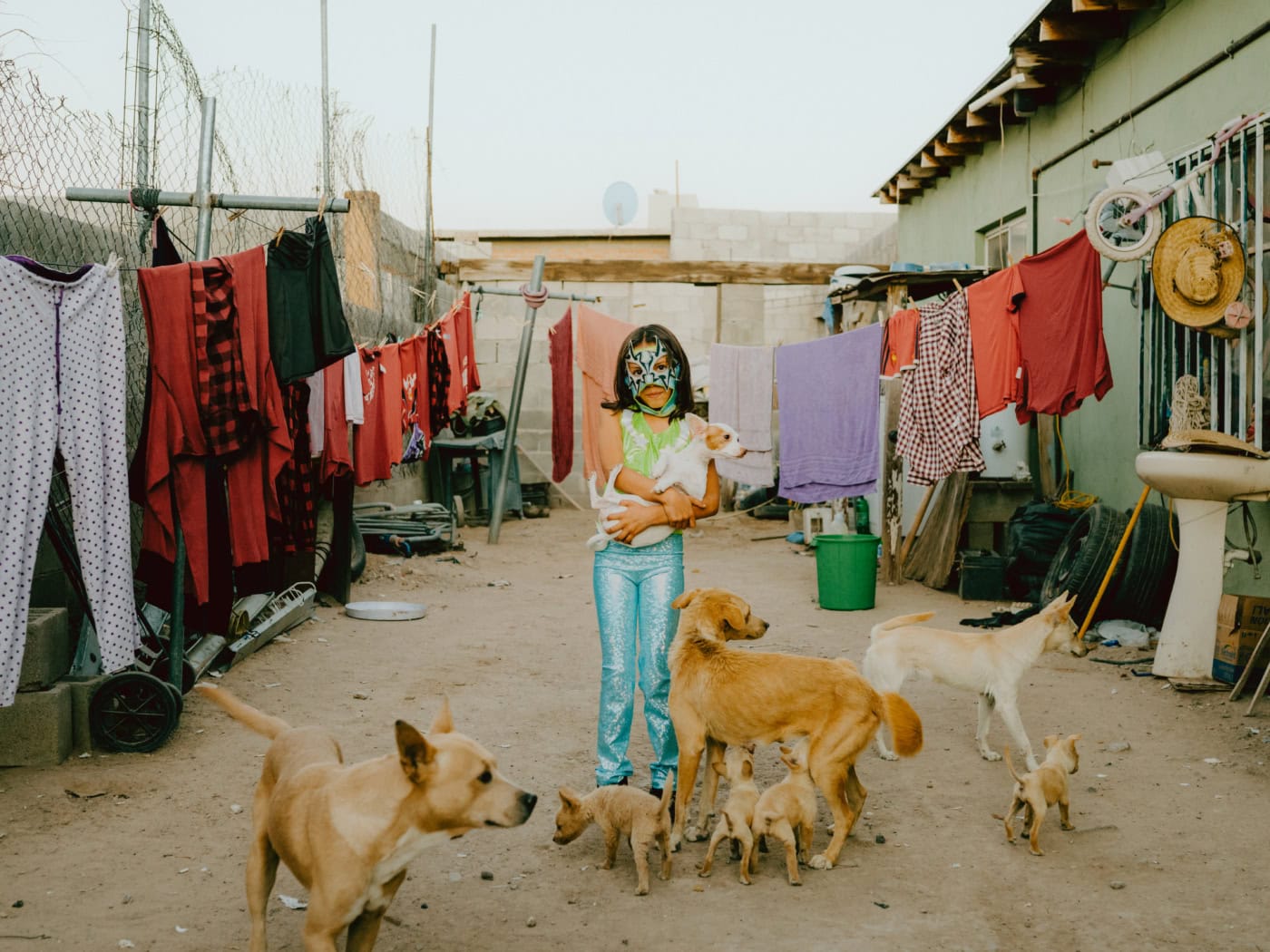
Nine-year-old Atziry stands in the courtyard with eight of the family’s dogs, there to guard the home. As the daughter of luchadora Baby Star, Atziry is growing up in a family with a long wrestling tradition: she already goes to fights with her mother in costume and sometimes appears in the ring herself during show segments. She is part of a new generation that will help shape the future of the luchadoras in Ciudad Juárez.
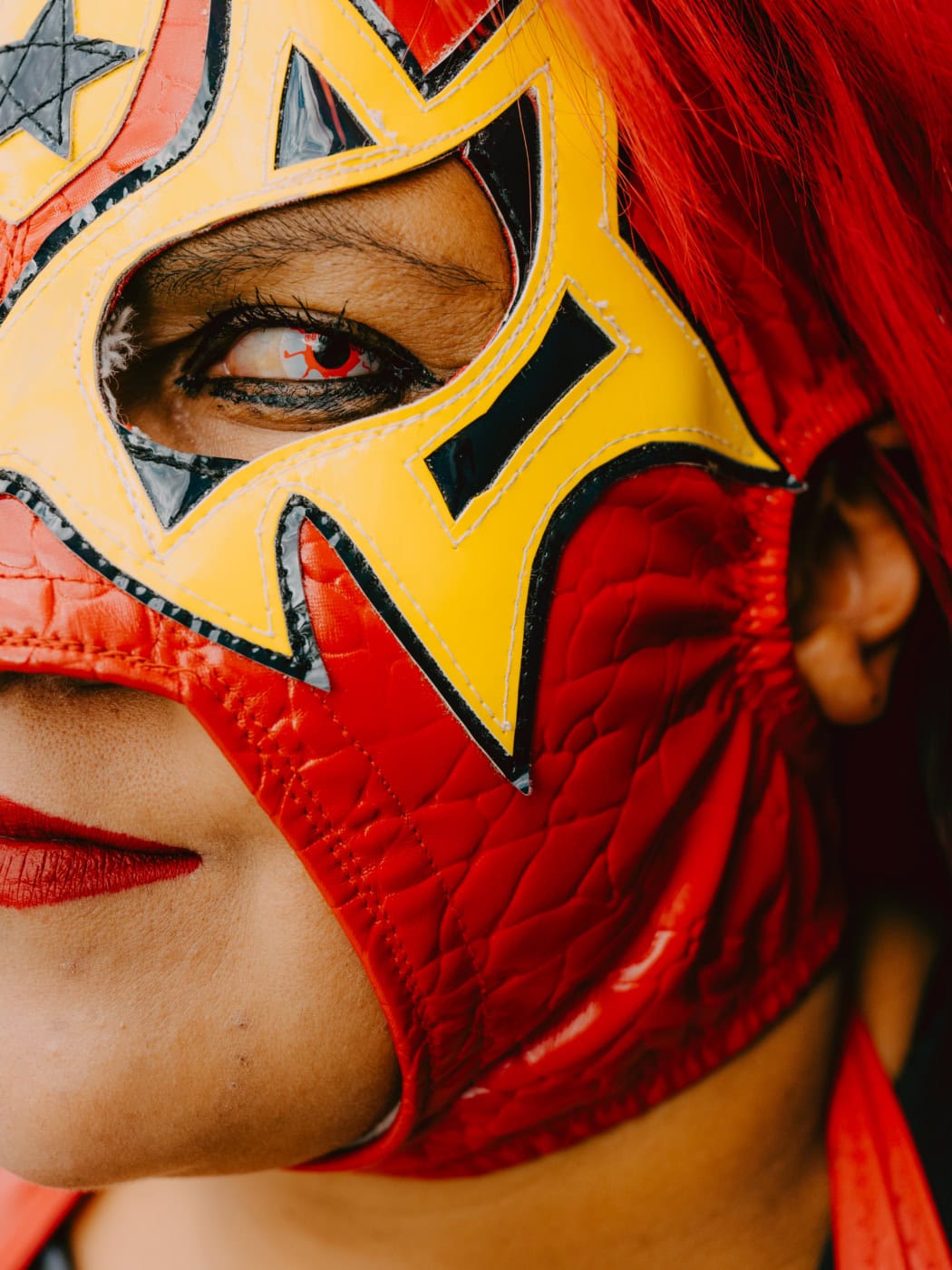
Estrella Diabólica looks confidently into the camera. A single mother of two, she works in the radiology department of a women’s hospital during the week and steps into the ring as a fighter at weekends. Her own father was a luchador but refused to train her because she is a woman. Estrella stood up to him and fought her own way into the ring.
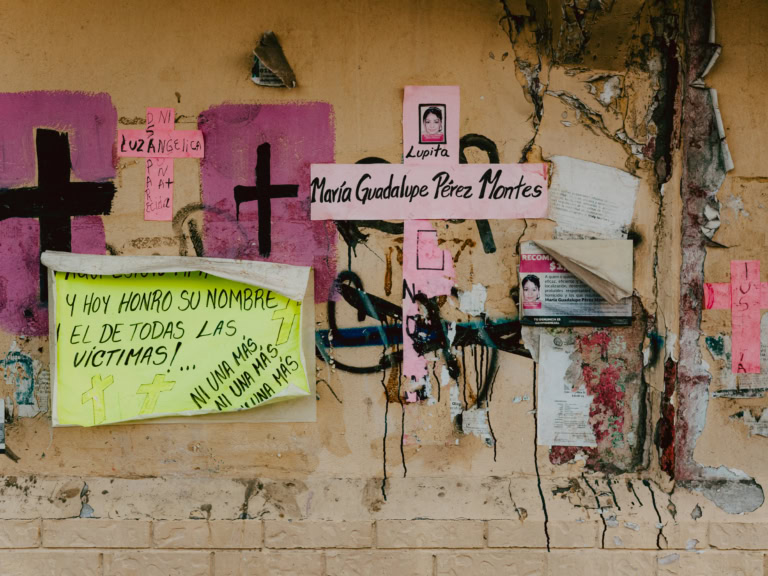
Missing-person notices cover the facade of the abandoned ‘Hotel Verde’ in Ciudad Juárez. Between 2008 and 2010, several young women were abducted there, forced into prostitution and murdered. Hundreds of women are still reported missing in the city every year; how many of them have been murdered is almost impossible to establish, as many are never found. The notices on the facade make the cases public and give the disappeared a face.
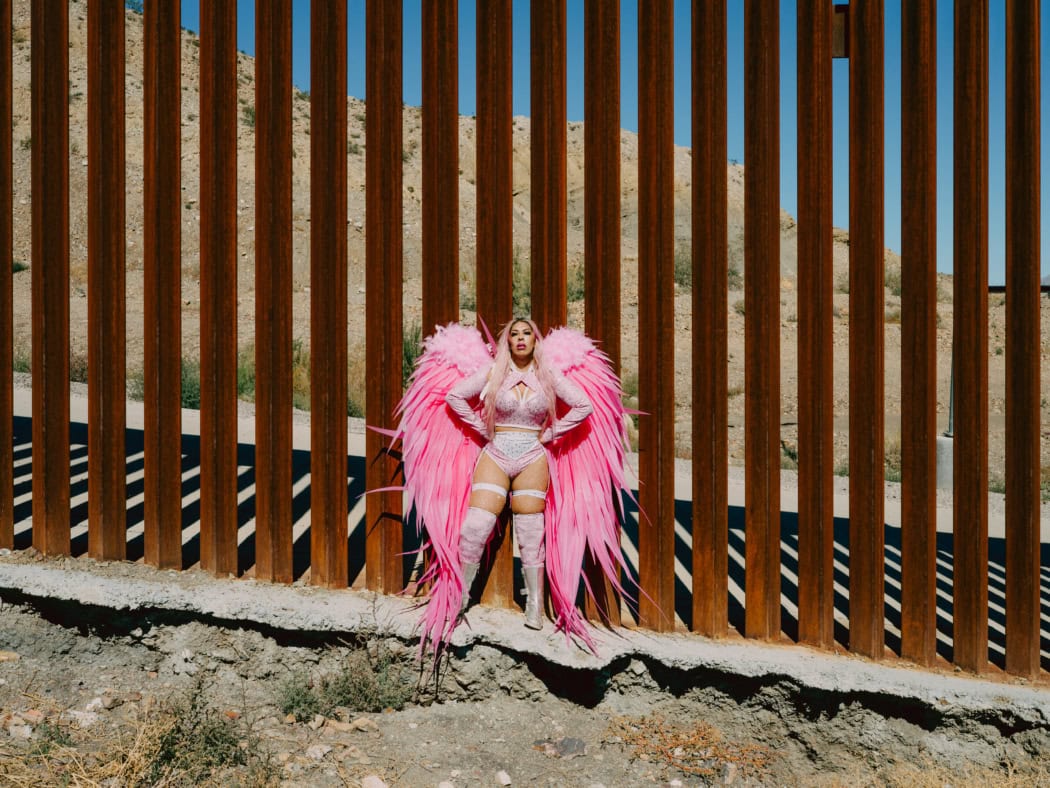
Luchadora Zafiro stands at the border wall in her wrestling costume. On this side lies Ciudad Juárez, Mexico; on the other, El Paso, USA. Zafiro grew up in Juárez but now lives in El Paso with her husband and four daughters, because it is safer there for the girls. Every day she crosses the border to train at her mother’s arena in Juárez and to work on her doctoral thesis. She has founded a wrestling agency for women and campaigns for equality in the sport.
Created in the Visual Journalism and Documentary Photography programme at Hochschule Hannover. About the programme · Portfolio review
Newsletter
Every two weeks, one outstanding piece from our magazine – and the people behind it. In German and English, free to your inbox.