Nuclear waste in Asse II: what remains
Nuclear waste lies deep inside Asse II – dumped carelessly, barely secured. Now water is getting in. A region has been waiting decades for answers, and the country for a permanent repository.
By Clara Schöttke (text), Walter Lehmann (photos)


When Angela Merkel announced Germany’s nuclear phase-out in March 2011, after the Fukushima nuclear disaster, it marked not only the beginning of the end of nuclear power in Germany but also a new phase in dealing with what is left behind: nuclear waste. The question of where a permanently safe repository for high-level radioactive waste should be built became more pressing than ever. Yet while political consensus on the phase-out was reached quickly, the search for a repository is still dragging on today – and will probably continue well beyond 2050, possibly until 2074.
A stark reminder of past failures is the Asse II mine in Lower Saxony: an old salt mine in which around 126,000 drums of low- and intermediate-level radioactive waste were stored between 1967 and 1978 – without adequate documentation and without a modern safety concept. Decades later, water is seeping in, and retrieving the waste has become a mammoth task, both technologically and politically. To this day, the Asse stands for everything that can go wrong in disposing of the nuclear legacy – and it shapes both public perception and the new search for a repository.
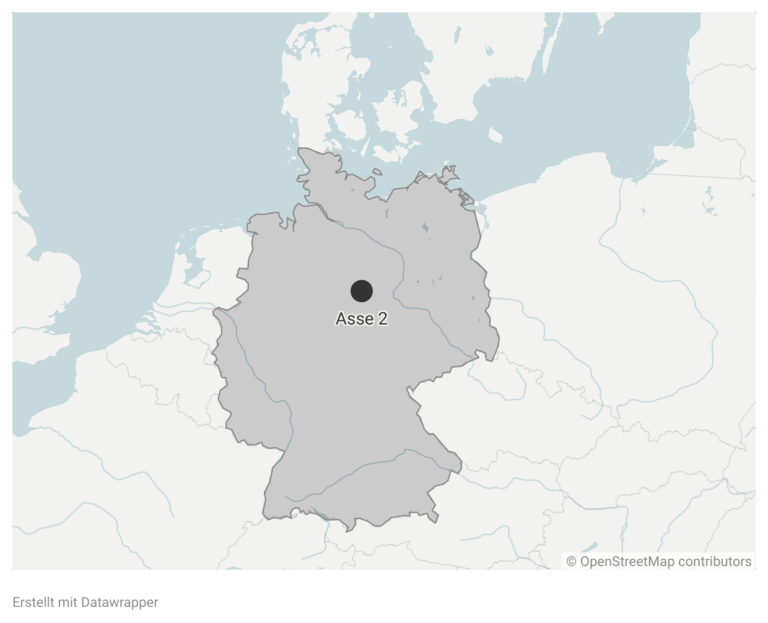
The Site Selection Act of 2017 was supposed to make everything better: transparent, science-based and open to public participation. Gorleben was ruled out as a repository site, and more than 90 possible regions were initially identified. But the reality is sobering: the original deadline – a decision on the site by 2031 – has long since become untenable. New forecasts assume a decision in 2046 at the earliest, and some studies even suggest the repository will not be completed until the 2070s.
The search for a safe repository has thus become the task of a century. And it shows that the nuclear phase-out is far from over – it has only just begun.
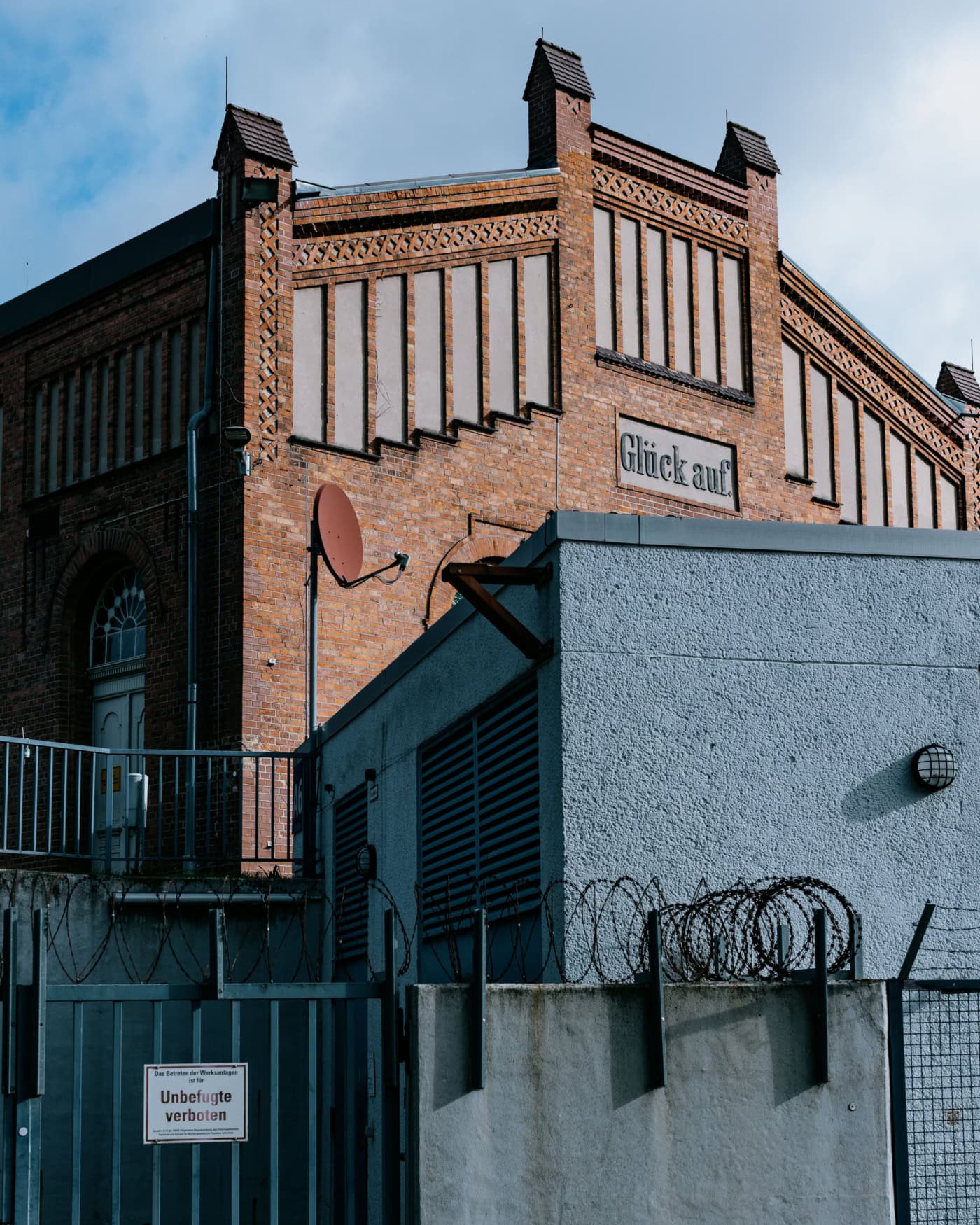 October 2024, entrance area of the Asse II mine
The miners’ greeting ‘Glück auf’ is hardly ever heard in the former mine these days. For years, Asse II has been an interim store for nuclear waste.

Deep underground lie 47,000 cubic metres of radioactive waste to this day. The drums were simply tipped into a pit with an excavator. January 2025, access road to the BGE site and entrance to Asse II
Water in the mountain – the heart of the problem
Ever since the waste was put there between 1967 and 1978, it has been clear that salt domes like the Asse are not completely ‘dry’. From 1988, the first points where salty water was flowing in were documented – once dismissed as ‘insignificant’, these inflows have become key risk factors. Around 570 spots are damp. If the mine were to flood, it would no longer be possible to work there safely. Twelve cubic metres of water are collected every day – about 50 bathtubs’ worth. Fifteen litres of that water a day come into contact with the radioactive material and are contaminated.
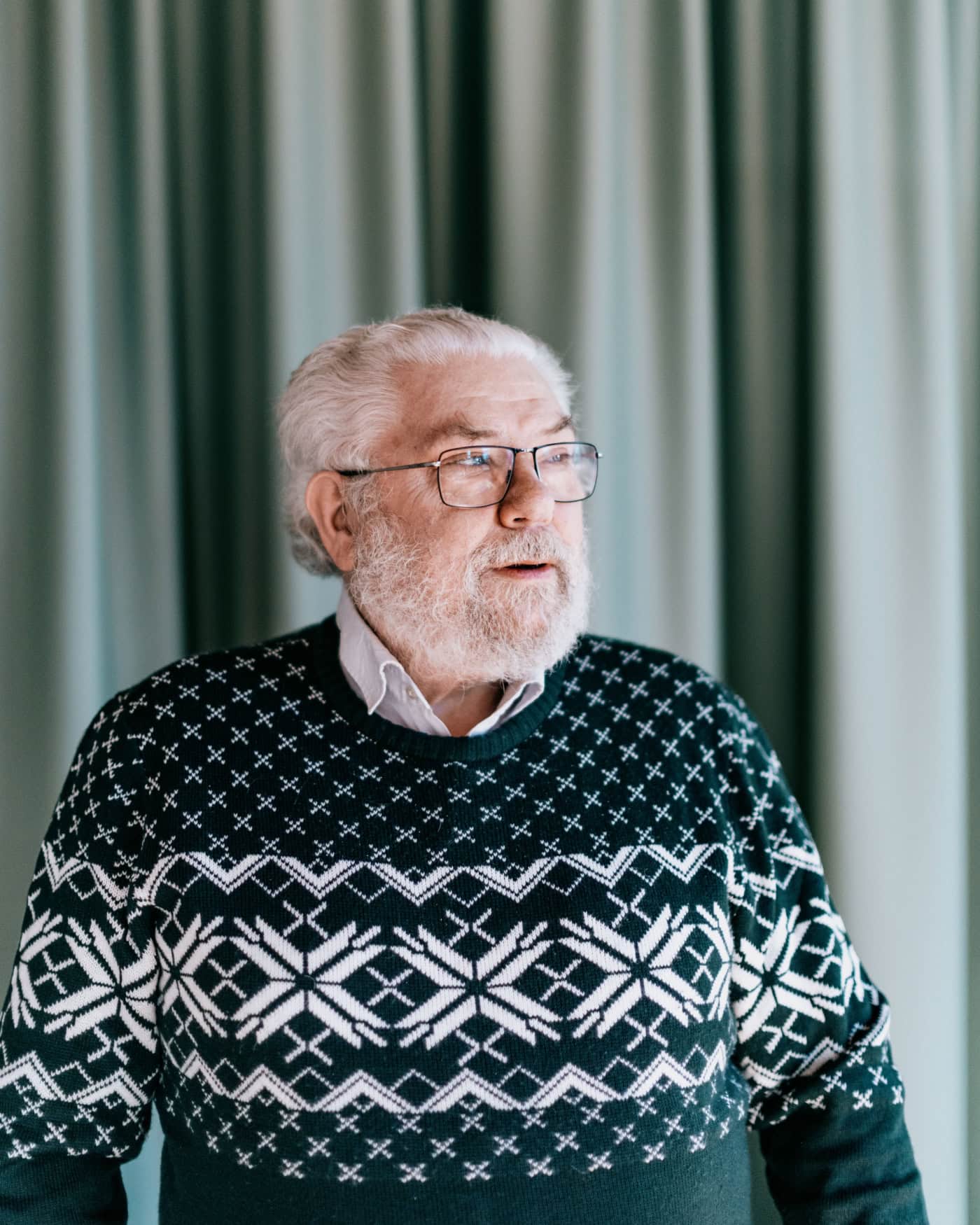 December 2024, Paul Koch
For years, water was pumped into the chambers without a radiation protection licence. And when it came out that it might be getting into the groundwater, of course there was a real uproar.
‘Pastor for radiation protection’ – Paul Koch’s second calling
Paul Koch is a retired pastor in Schöppenstedt. He is active in the local radiation protection group and in the association aufpASSEn e.V., and already worked as a pastor supporting people during the Chernobyl disaster. He sees the fear and anger of local residents at the sluggish progress around Asse II.
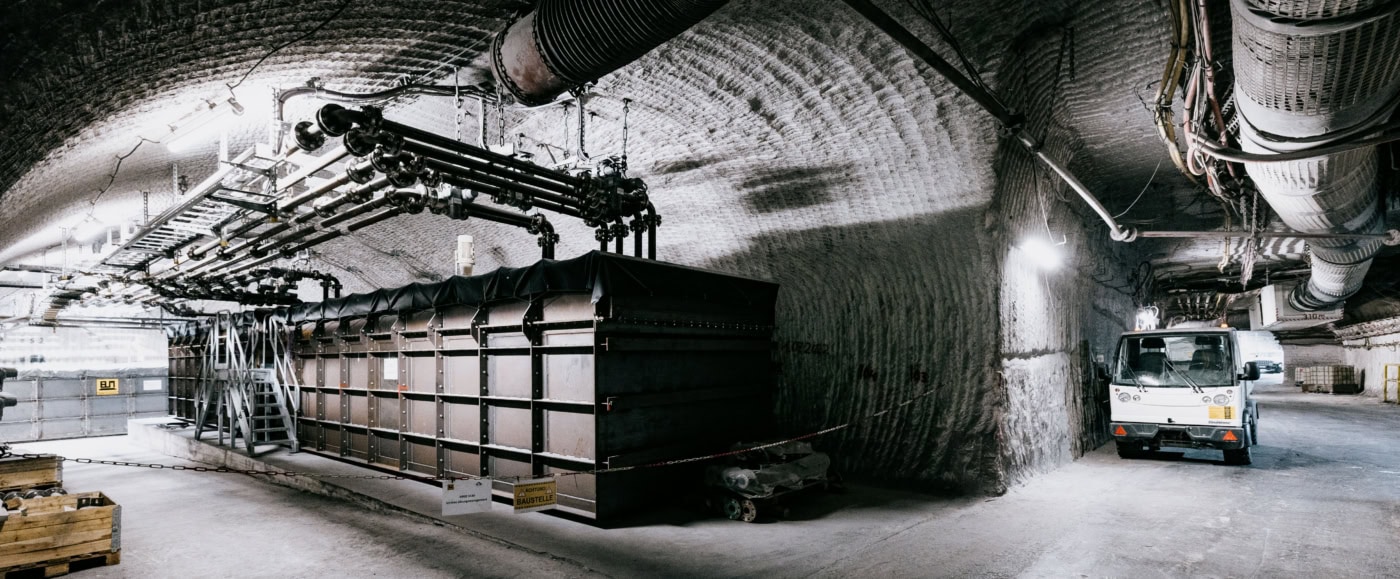 November 2024, underground water collection basin
The water drips and risks being contaminated by the nuclear waste. Collection basins underground hold the water temporarily before it is pumped on.
Walk across the Asse II site and the ground feels uneven, with deep hollows again and again. These sinkholes form visibly around the Asse; they are small collapses of the earth. The water dissolves the salt, so cavities can cave in. Asse II is in a dilapidated state: the interim store could collapse under its own weight, or flood and contaminate the groundwater.
Since 2009, safe long-term decommissioning has been the German government’s top priority. In 2013 it decided to retrieve the nuclear waste. But that is proving difficult, because the mine is under intense pressure from the surrounding rock and is constantly moving. Retrieval is due to begin in 2033 – yet nobody knows where the waste will then be taken.
 December 2024, grounds of Asse II
When water dissolves the salt, cavities form – sinkholes. More and more of them are appearing on the Asse II site, and they threaten to collapse.
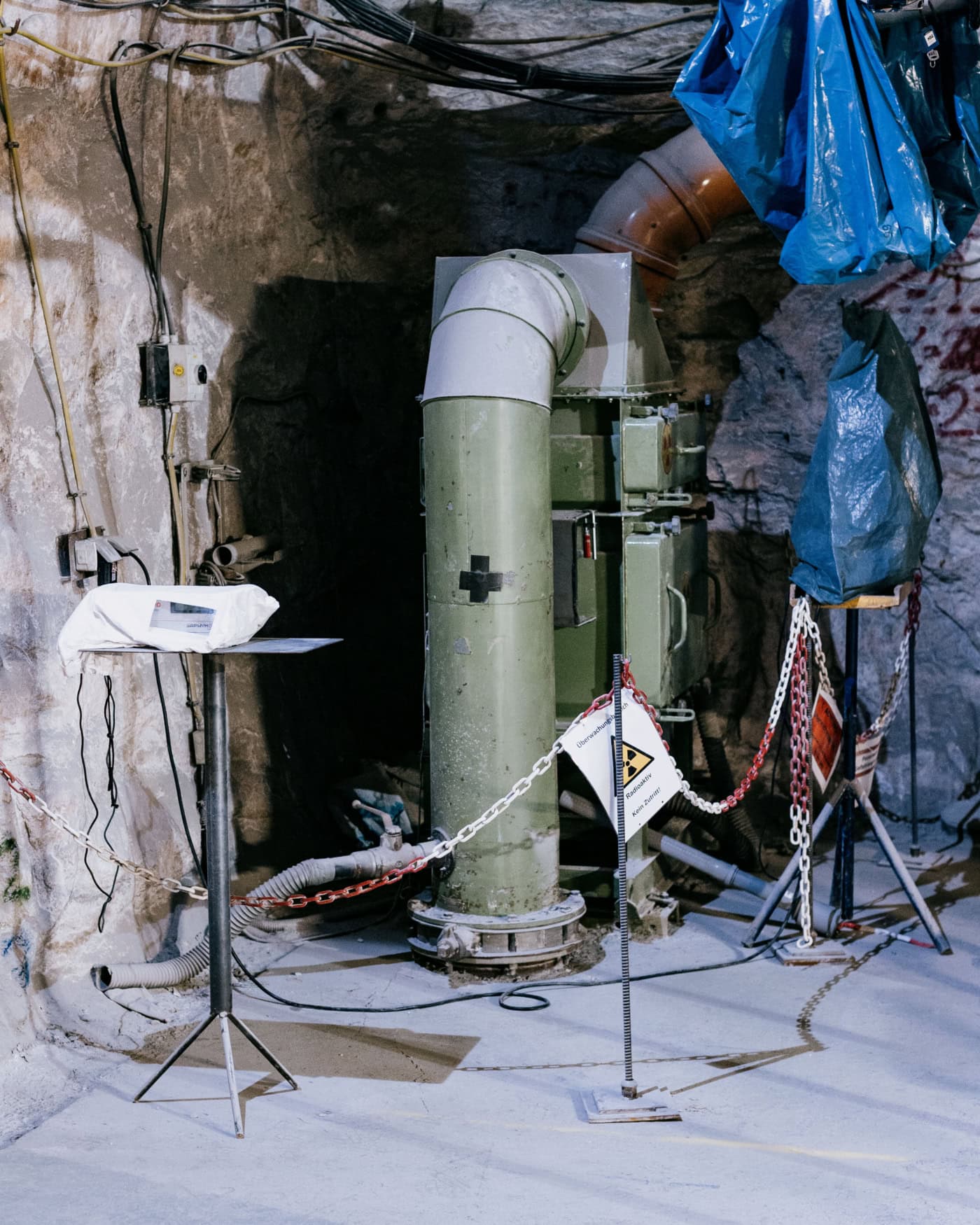 November 2024, air filtration system for chamber 8a, Asse II
Facts and figures
1909–1964 Potash and rock salt are mined at the Asse.
1906 & 1924 The neighbouring shafts Asse I and Asse III are closed after flooding.
1965 The federal government buys the former salt mine and turns it into a so-called experimental repository for nuclear waste.
1967–1978 Around 126,000 drums (47,000 m³) of low- and intermediate-level radioactive waste are stored. The mine is operated by the Gesellschaft für Strahlenforschung (Society for Radiation Research). The drums are simply tipped into the shaft with an excavator.
From 1971 Asse II serves as a repository for low- and intermediate-level radioactive waste from all over Germany.
From the late 1980s People in the region campaign for responsible handling of the Asse waste.
1988 Seepage water begins to enter Asse II.
1979–1997 Research into disposing of high-level radioactive waste in salt.
1997 The federal government decides to close the Asse II mine under mining law. The original plan was to backfill the mine with solid material.
2008 The problems at Asse II are made public.
Criticism of a lack of transparency and of safety risks.
2011 Angela Merkel’s speech and Germany’s nuclear phase-out after Fukushima.
2013 Decision to retrieve the stored waste, enshrined in the Atomic Energy Act.
2017 The Site Selection Act is passed.
The act sets out criteria and procedures for the repository search – transparency and public participation become mandatory.
2019 The first assessment phase of the repository search is completed. A first shortlist of regions with potentially suitable geology.
2023 Germany’s last nuclear power stations – Emsland, Isar II and Neckarwestheim II – are shut down.
Early July 2024 10,000 litres flow into the shaft – around 50 bathtubs’ worth.
Since 2024 The inflow of water has been increasing on the 725-metre level, 25 metres above the storage area.
Expected 2033 Retrieval of the material from Asse II, at an estimated cost of €4.7 billion.
 November 2024
Once a month, Anna-Lena Zimmermann takes visitors underground and keeps them safe.
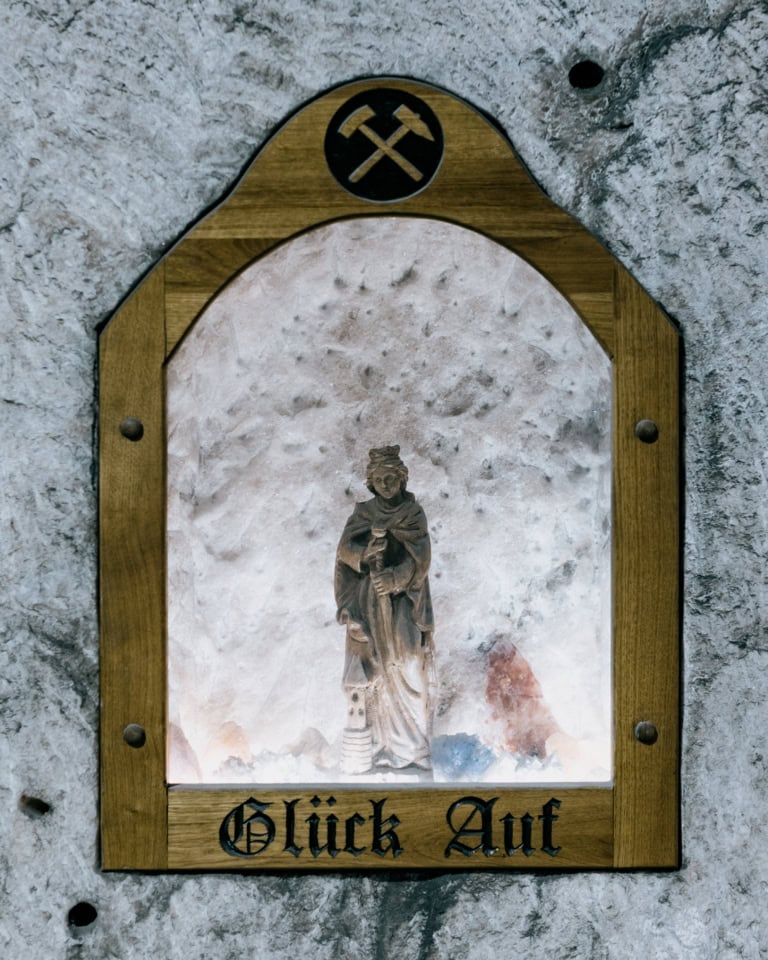 November 2024
Barbara, patron saint of miners.
 November 2024
The opening to chamber 8a – just big enough for a 200-litre drum.
Long-term safety is meant to have absolute priority in the search for a site. The aim is storage with ‘the best possible safety’ for a period of one million years.
Asse II has long since become a warning: a repository for nuclear waste must never be run without comprehensive documentation, an intact rock barrier and transparent oversight. The search for a repository was reset to zero in 2013, to start again with a better plan. Germany is currently in phase 1 of a three-phase plan. Over the next few years there will be a selection process in the search for a repository. All of Germany’s federal states and regions will be examined for suitability, excluded, assessed and compared at different stages of the search.
I’ll keep fighting. I want historians to be employed to document and research the whole history of the Asse from 1964 onwards.
The Asse’s chronicler
Jürgen Kumlehn is a private archivist who has been following Asse II since the 1970s. Over the years he has taken photographs himself and collected every newspaper article on the subject. He has also written a book entitled ‘Wir lagern mit dem Bürger ein’ (‘We store it together with the public’).
 October 2024, Jürgen Kumlehn
 November 2024
A monitor that checks people for radioactivity before they go back up.
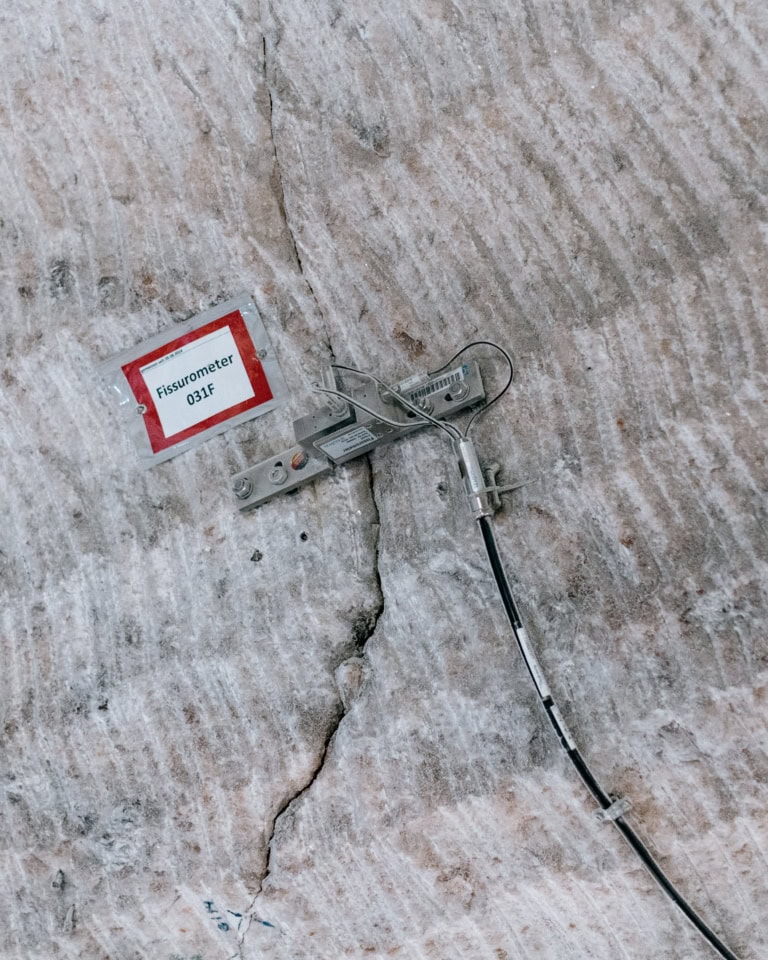 November 2024
A fissurometer monitors whether a crack is widening.
 November 2024
Where the mine rescue team’s kit is stored – breathing apparatus in case of fire.
The case of Asse II vividly shows the technical and organisational challenges involved in storing nuclear waste safely. Decades of aftercare for an ‘experimental mine’ will cost billions – and make clear how important careful planning and sustainable safety concepts are. The lessons of Asse II now feed into the site selection process, but even the best process faces huge challenges.
The question of where to put nuclear waste is not just a technical matter but, above all, a task for society in the 21st century. The nuclear phase-out may have been decided, but responsibility for radioactive waste will remain for generations.
That is precisely why it needs public attention, critical questions and factual debate. Because nuclear waste concerns us all – not only because it will remain radioactive for a million years, but because the decision on where it ends up is a measure of how seriously we really take responsibility.