Photography law for photojournalists: image rights and press freedom explained. What are photojournalists allowed to photograph and publish? This guide explains the right to one’s own image under German law, where press freedom ends and personality rights begin – and how to work on the right side of the law.
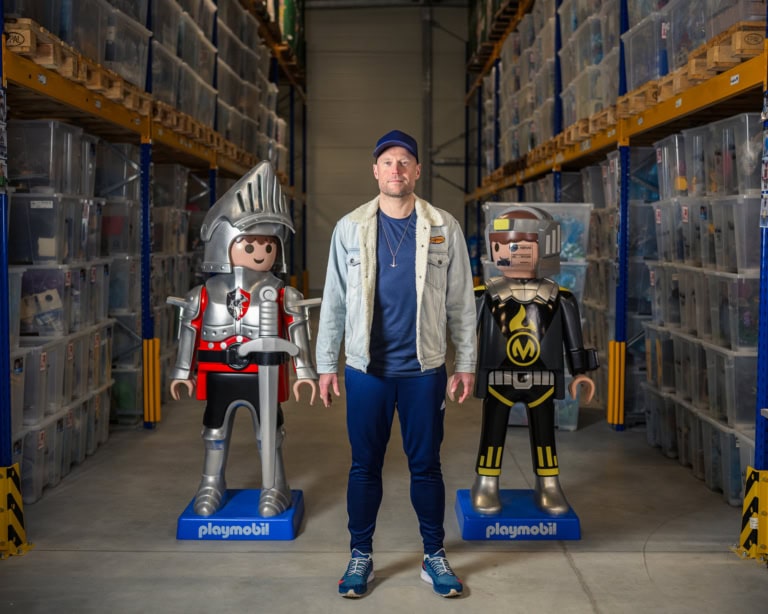
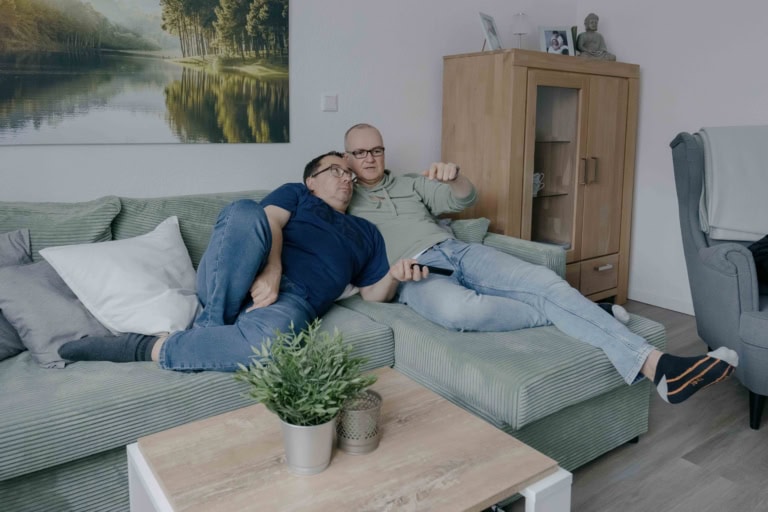
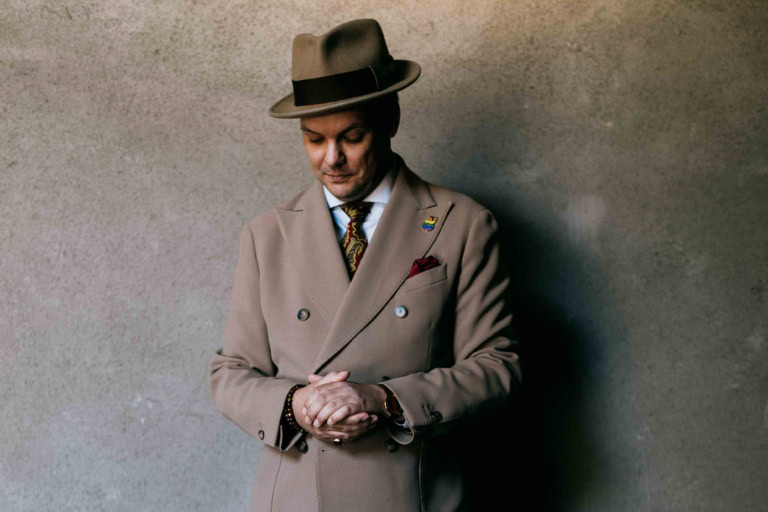
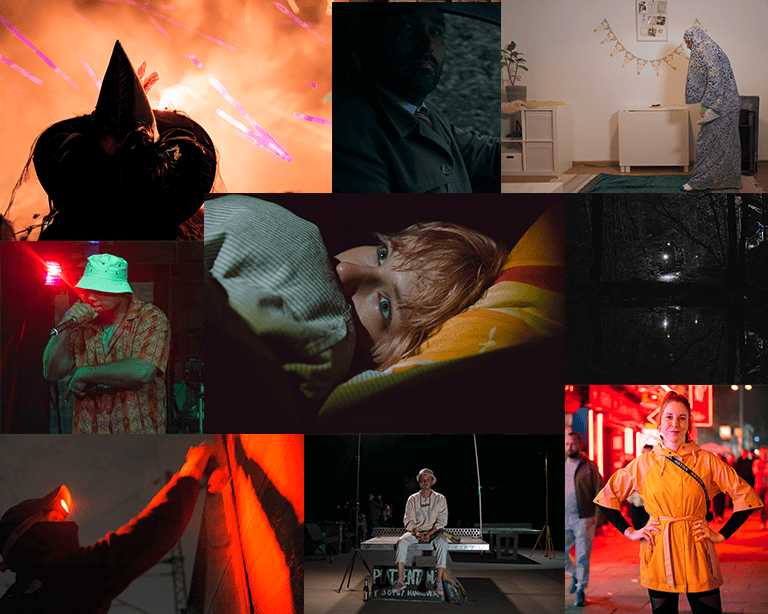
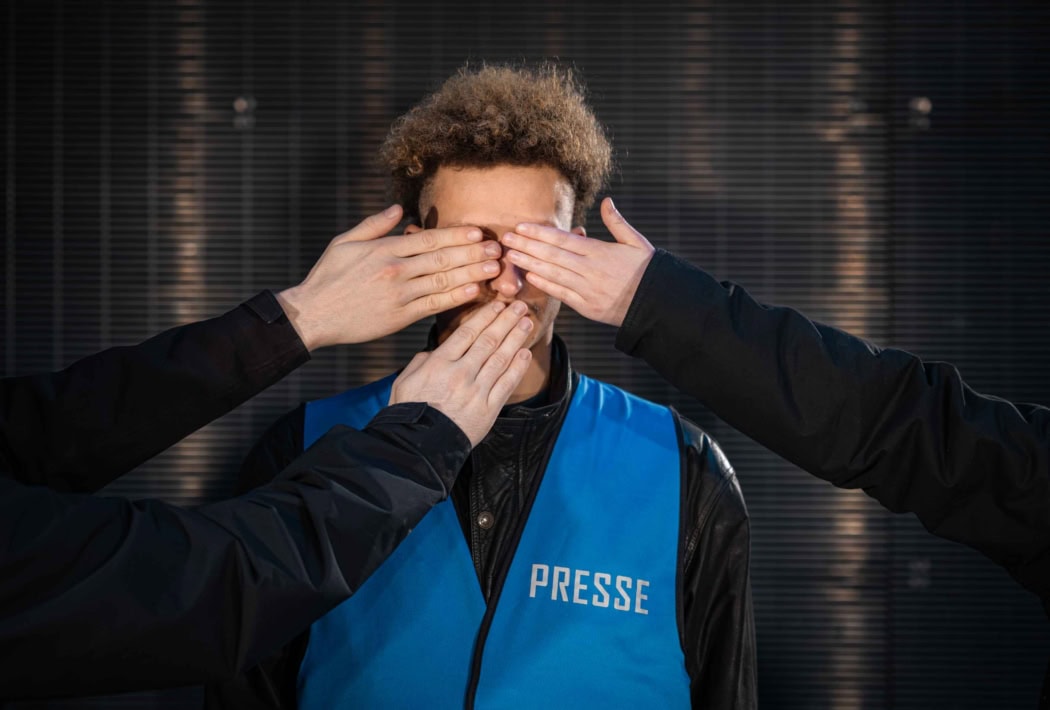 Photos: Phil Ofori, Elias Willner
You’re at a demonstration to put together a powerful photo series for your next project. While you capture the atmosphere, a group of activists unfurls a large banner. But suddenly the mood turns: one person aggressively goes for a counter-demonstrator, a scuffle breaks out and the police intervene.
The situation is chaotic, and you keep taking pictures to record what’s happening – after all, it’s your job as a journalist to depict reality. But a few days later you receive a formal cease-and-desist letter. One of the people pictured feels their personality rights have been violated and is demanding compensation.
Situations like this are more common than you might think. Especially during your studies, when you work on your first journalistic projects, the question arises: where does press freedom end and where do personality rights begin? Which rules do you have to follow to be on the safe side legally? This guide gives you an overview of what you absolutely need to know as an aspiring photojournalist in Germany.
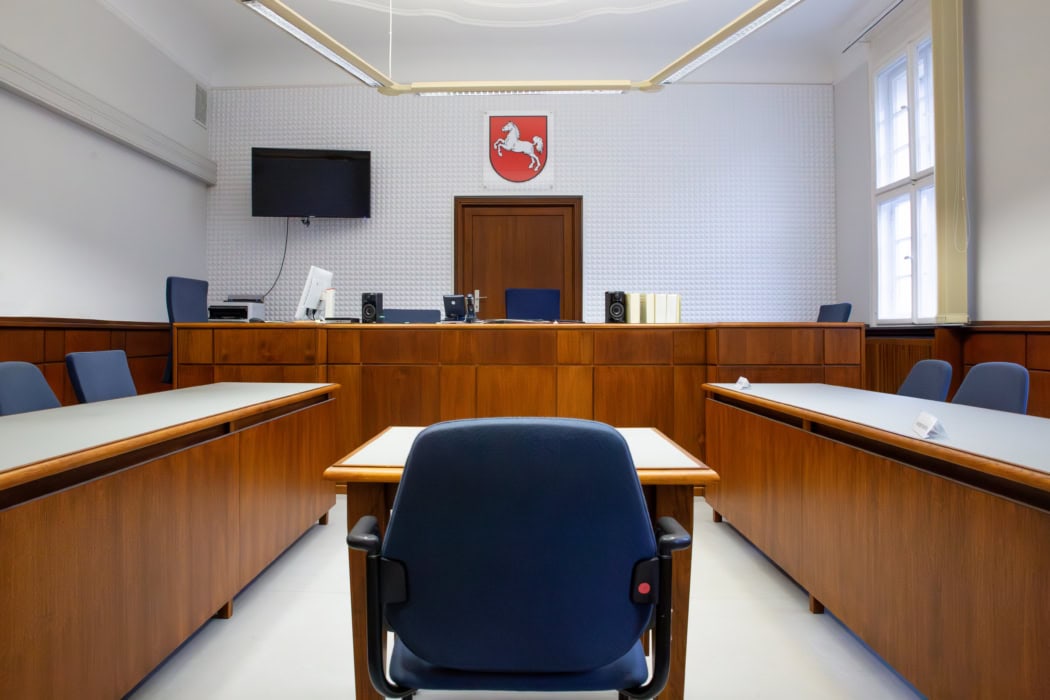 Photo: Hagen Plasswich
The courtroom of Hannover’s local court
1. The right to one’s own image: when do you need consent?
Even during the demonstration, you will have noticed that some people in the thick of things were particularly visible. Some were more aggressive, others drunker than the rest of the participants. What does that mean legally for your photos? If you had thought about it beforehand, you probably wouldn’t have ended up in this situation. So let’s look at which laws you should know about when you’re out with your camera.
In Germany, the right to one’s own image protects everyone from being photographed and published against their will. In principle, Sections 22 and 23 of the Art Copyright Act (KUG) prohibit distributing pictures of people without their consent. However, there are exceptions that are particularly relevant for journalistic work.
Have you ever wondered why nobody complained about the other pictures you posted on Instagram? ‘Lots of people do it anyway,’ you might say – and you’d be right. For a start, there is no internationally uniform law governing photography in public, and – as is usual on Instagram and other social media – it usually isn’t clearly indicated whether and how a picture was staged.
What many pictures have in common, though, is that the person is hard to recognise and plays a minor role in the composition. A person counts as incidental if they are not the focus of your photo but are either just there by chance or appear as an optional addition to the actual subject. So before you publish your photo, make sure you know whether the person can be recognised and what role they play in your picture.
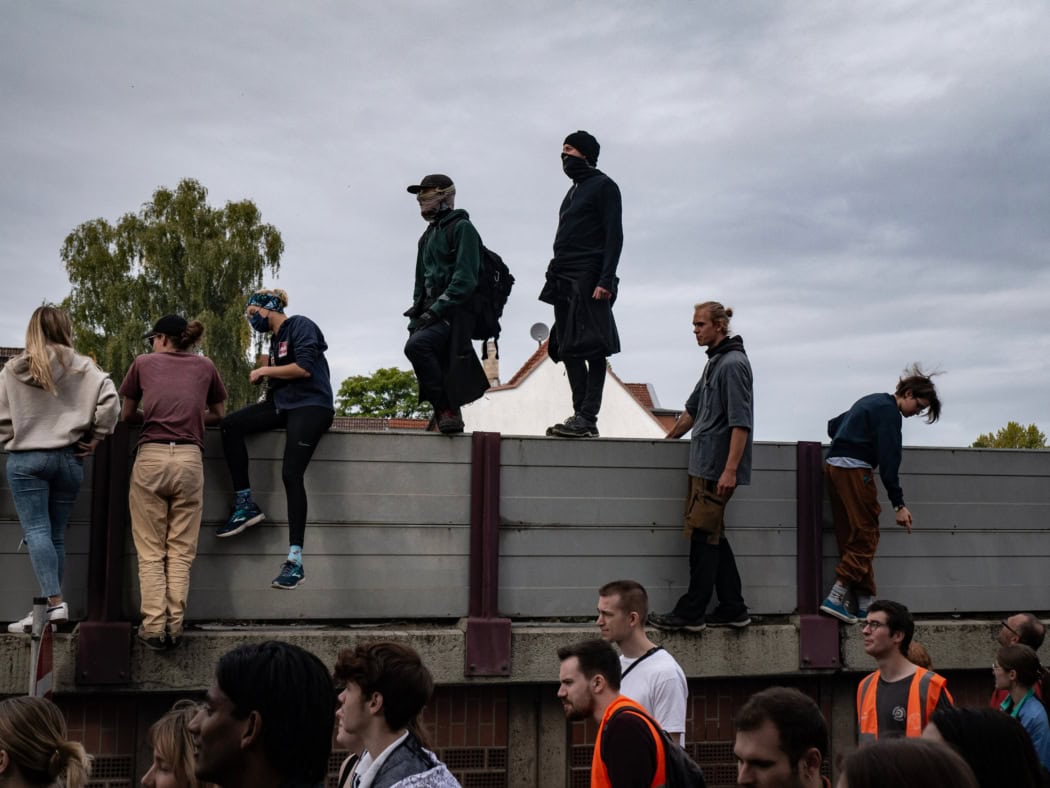 Photo: Hagen Plasswich
With pictures of groups, such as here at a demonstration, make sure none of the people pictured stands out from the group.
How do I photograph at demonstrations?
‘But so many people take photos at demonstrations,’ you’ll no doubt say – and you’d be right about that too. At protests such as the tree-house occupations in the Hambach Forest, you can almost expect to spot one familiar face or another.
At gatherings such as demonstrations, people are regarded as part of a community of interest. In such cases, make sure that none of the people you photograph stands out too much from the crowd and can therefore no longer clearly be seen as part of a larger group.
Otherwise, you should ask the person pictured whether they agree to publication. Ideally, pick someone in advance who agrees to be accompanied by you and your camera for your reportage, and clarify how the pictures will be used.
A special case: public figures
Different rules apply to celebrities and politicians. As ‘figures of contemporary history’, they may be photographed in their public role, because the public has a legitimate interest in how they appear. But celebrities have a right to privacy too.
So you should only photograph or film them if they are relevant to your story and are in a corresponding setting. As with other people, the private spaces of celebrities are specially protected under Section 201a of the German Criminal Code. In Germany, this applies not only to a private residence but also to a private car or hotel room.
If, in your view, your picture serves a higher interest of art and you can justify that credibly, distribution is also permitted. The higher interest of art is generally interpreted in line with Article 5 of the Basic Law.
Your photo doesn’t have to prove any artistic quality, nor does it have to be protected by copyright for this. But bear in mind that this exception doesn’t apply if the legitimate interests of the person pictured are violated or if the distribution serves purely commercial purposes. Taking this claim to court can also be very time-consuming and therefore expensive. So think carefully about whether you want to rely solely on this provision.
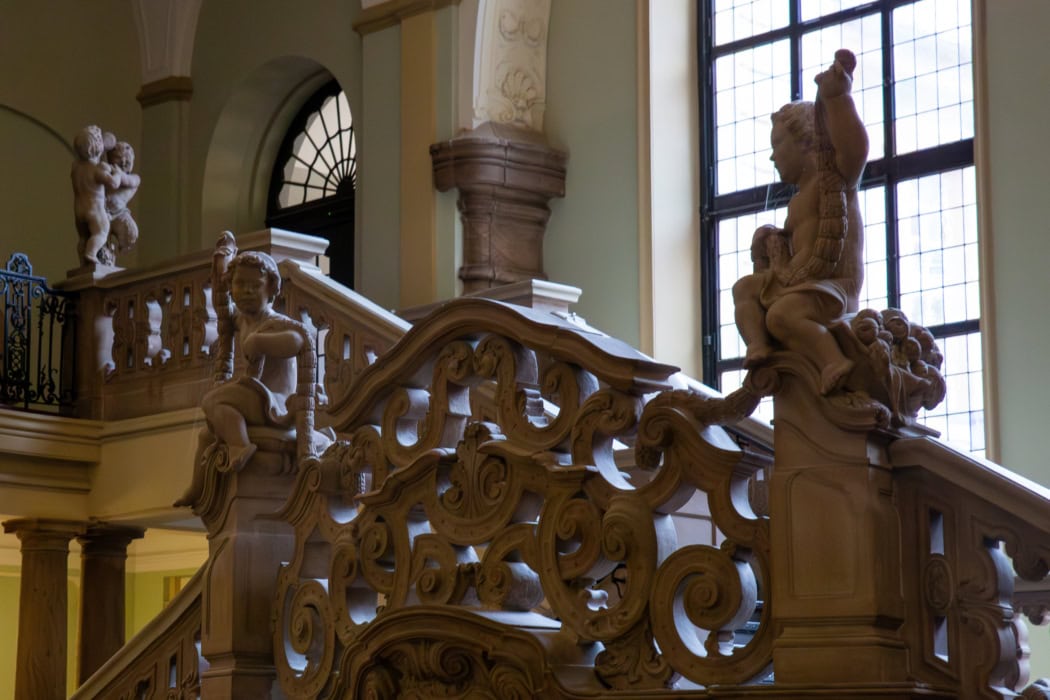 Photo: Hagen Plasswich
The staircase of Hannover’s local court
2. Copyright
The demonstration produced some explosive moments, and you published the pictures. Fortunately, you kept within the legal framework and were able to fend off a lawsuit. But what happens if someone suddenly uses your photos without permission and takes them out of their original context? What rights do you have as a photographer in that case?
First of all: stay calm! Chances are you’re in a strong legal position, because this is where copyright law comes in. As soon as you press the shutter, you automatically become the author of your work. Your picture is protected under the Copyright Act (Section 7 UrhG). This means that you alone decide whether and how your picture may be used.
Nobody may publish, edit or distribute your photo without your consent. If you pass your pictures on to editorial teams, agencies or clients, it is essential to put in writing whether you are granting a non-exclusive licence (several parties may use the picture) or an exclusive licence (only one party receives the rights of use). If you find that someone is using your picture without permission, you can invoke Section 97 UrhG and demand both that they stop and that they pay damages.
Even technically flawed or incomplete pictures are protected. Section 72 UrhG makes clear that not only artistically valuable photographs but also simple photographs, underexposed shots and even damaged negatives are protected by copyright.
Can your pictures be used by others at all?
Yes, in certain cases third parties may use your photos without your consent. This is permitted if they stay within the right of quotation granted by Section 51 UrhG and use them, for example, for educational purposes.
If your copyright is infringed, various legal remedies are available to you. As well as an injunction and damages, you can also demand the deletion and destruction of unlawfully used versions of your photos. This is governed by Section 98 UrhG.
Types of rights of use under Section 31 of the German Copyright Act (UrhG)
Non-exclusive right of use: ‘entitles the holder to use the work in the permitted manner without excluding use by others.’
Exclusive right of use: ‘entitles the holder to use the work in the manner permitted to them to the exclusion of all other persons and to grant rights of use. It may be stipulated that use by the author remains reserved. Section 35 remains unaffected.’
Protection of your photos’ publication under Sections 12–14 UrhG
Your works are protected from being shown without your permission in places or contexts you haven’t approved. In addition, nobody may alter your picture without your consent or use it for purposes you haven’t authorised.
3. The press law
As with many other issues, press law reflects Germany’s federal structure. There isn’t one comprehensive German press law; instead, each federal state has its own, which may differ slightly from those of the other states.
If you have doubts about whether something is lawful, it is therefore advisable to look at the press law of the state concerned while researching. As an example, the most important aspects of the Lower Saxony Press Act (Nds. PresseG) are listed here.
Freedom of the press
The Lower Saxony Press Act (Nds. PresseG) is set against the background of press freedom as enshrined in Germany’s Basic Law. It underlines the freedom of reporting (Section 1 Nds. PresseG), which ensures that journalists can work free from state censorship. But this freedom ends where the rights of others – such as general personality rights or copyright – could be violated. For photojournalists in particular, it’s important to understand this balancing act, especially when publishing pictures of people.
Obligation to provide an imprint
Under Section 8, publications must have an imprint that clearly identifies who is responsible. This also applies to online publications, such as blogs or social media platforms, which students often use. A missing or incomplete imprint can have legal consequences.
Duty of truthfulness and care
Section 6 obliges journalists to exercise due care when gathering and publishing information and to respect the truth. For photojournalists, this means that both pictures and the information that goes with them must be presented accurately and without distortion.
Right to information
The right to information set out in Section 4 is essential for journalistic research. It obliges authorities and public bodies to answer press enquiries unless legal obstacles such as data protection or confidentiality stand in the way. Photojournalists can use this right to gain access to relevant information for documentaries or reportage.
Right of reply
The right of reply under Section 11 means that persons or institutions affected can demand a counterstatement if a publication has created a false or distorted impression. For photojournalists, it is particularly important to make sure that their pictures and captions are accurate and fair, so as to avoid such conflicts.
Publication of corrections
In addition to the right of reply, Section 12 deals with the obligation to publish corrections. If errors occur in reporting, journalists are obliged to correct them. This strengthens the credibility of reporting and should be taken into account in your work as a photojournalist.
4. Photographing in sensitive areas
The most exciting stories often come about where access is restricted. In protected areas such as hospitals, police operations or court hearings in particular, a photo series can offer unique insights.
But it is precisely these areas that are subject to strict legal protections to safeguard the personality rights of those involved. Anyone who wants to take photos here needs to find out in advance to avoid legal consequences. The aim remains ethical reporting that navigates grey areas responsibly.
Police operations: what is allowed?
In principle, police operations may be photographed, as officers are acting in an official capacity. Even so, the personality rights of the officers and the safety of operations must be respected.
A picture of police officers at a demonstration is permissible as long as no sensitive information can be identified – such as the faces of people being arrested or tactical details of the operation. However, deliberately photographing officers in a compromising or private situation may violate their personality rights. So police officers should only be shown in their official role.
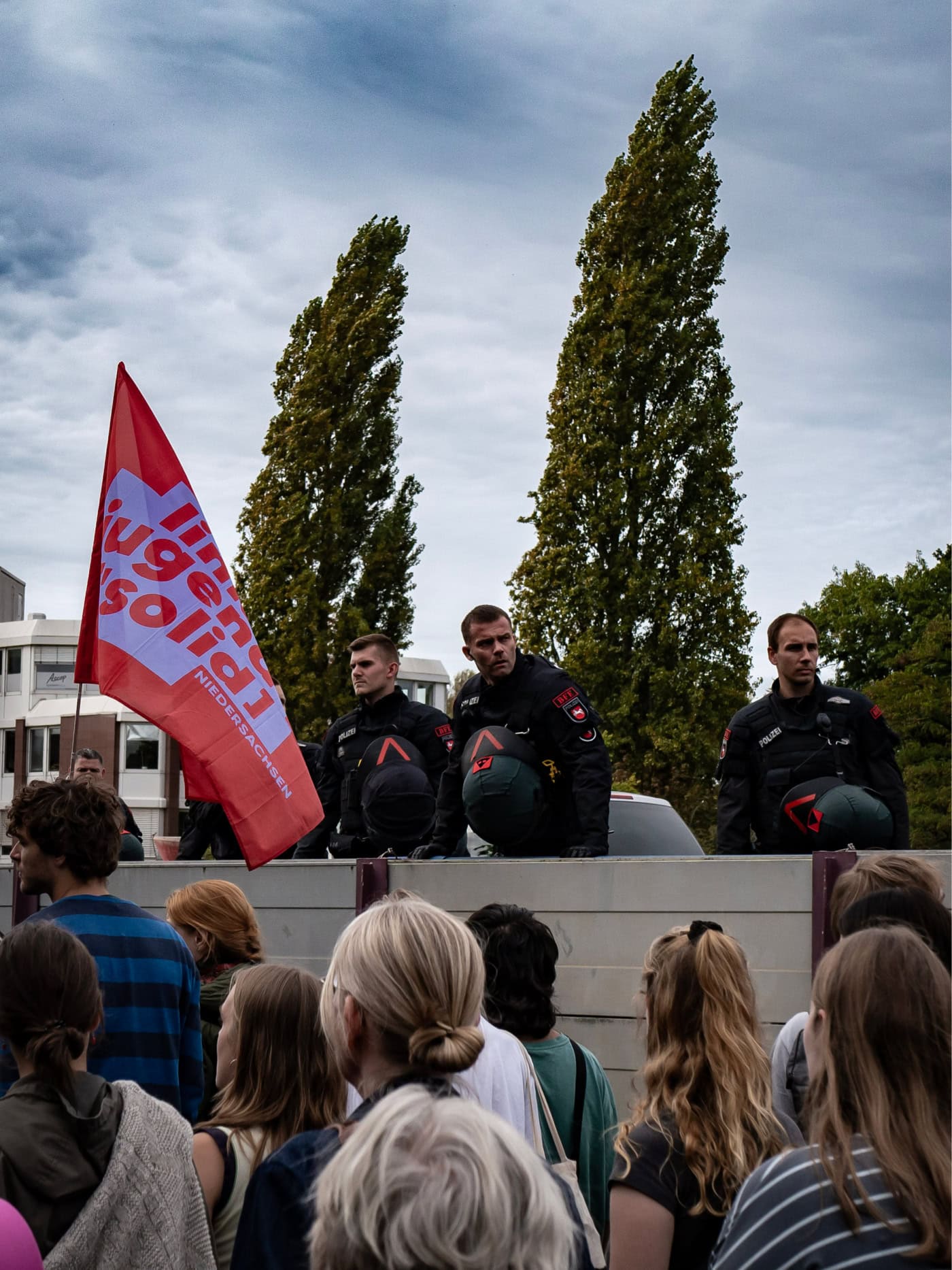 Photo: Hagen Plasswich
Tip!
Be careful at demonstrations. Protests sometimes take place on private property, for example outside party headquarters or company offices. If the protest is directed against the owner of the property, you too may face charges of trespass. In such cases, it is advisable to agree things in advance with those responsible and to identify yourself clearly as a journalist.
Important!
As a rule, the police may not seize your camera or storage media without a court order (except in urgent cases). If problems arise, you can refer to Sections 94 ff. of the Code of Criminal Procedure (StPO), which govern seizure – and additional protections apply to media professionals (Section 97(5) StPO).
5. Photographing in hospitals: strict rules
Hospitals are highly sensitive areas where protecting patients and staff is the top priority. That’s why many institutions have a general ban on photography, often laid down in their house rules.
Written permission is required before any photo project in a hospital. This should be agreed with the hospital administration and – if patients can be recognised – with the people concerned themselves.
Publication without consent can violate the General Data Protection Regulation (GDPR) and the right to one’s own image under Section 22 KUG. This can have legal consequences, including injunctions or claims for damages.
Court hearings: photography only with permission
Court hearings are often of great public interest – whether a landmark ruling at the Federal Court of Justice or the verdict in a sensational case. Nevertheless, in Germany, recording during an ongoing hearing is expressly prohibited under Section 169 of the Courts Constitution Act (GVG).
In special cases, the court may grant permission for photo and video recordings before the hearing. This usually happens in trials of public importance or when recordings are needed for documentary reasons.
Breaking the ban on photography in court can lead to fines or even criminal consequences. So make sure you get permission beforehand or rely on official press pictures.
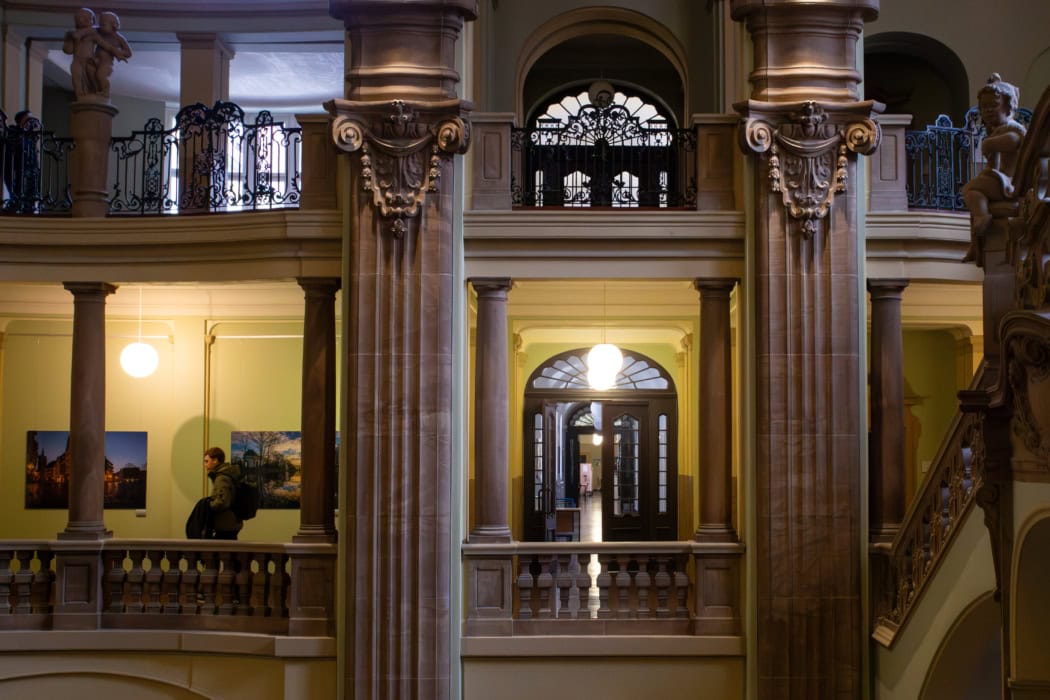 Photo: Hagen Plasswich
In the entrance hall of Hannover’s local court
6. How to behave at press conferences
Finally, an official occasion where it’s perfectly normal for journalists to be present! You’ll very soon notice that you won’t be the only member of the press there and that everything follows a clear procedure. So that you don’t attract attention for the wrong reasons, here’s a short guide to what to bear in mind at a press conference:
Whether you are a freelance journalist or represent a larger outlet, with your accreditation you are a guest at a press conference and should behave accordingly. So that the staff present recognise you as a member of the press, wear your press pass visibly and keep your accreditation documents to hand so you can identify yourself.
Be restrained with your camera and only take photos during the time slots provided. This also applies while questions are being put to the press officer or another spokesperson. Find out in advance when you may take photos. In all likelihood, you won’t miss the decisive moment for your photo series at a press conference.
Remember that other journalists will be there too. Treat them politely and respectfully, and they will do the same. Rivalries are not fought out at press conferences and would only damage the reputation of the media in general.
7. Photos and videos with drones
What could be better than a camera? A flying camera! That, or something like it, must have been what the person who first had the idea of fitting a drone with a camera was thinking. As cool as it may sound, combining two technologies confronts us with all the greater legal challenges. Whether it’s worth using a drone for a photo series or a video depends on various factors:
Register your drone before using it for your project. Under Implementing Regulation (EU) 2019/947, every drone must be registered and labelled as soon as it carries a camera or other device capable of capturing personal data.
Section 21h of the German Air Traffic Regulations (LuftVO) sets out in great detail where and under what conditions you may fly your drone. You should be particularly careful near airports, prisons, power stations and military security areas. But in general, it’s advisable to get explicit permission and find out about the specific conditions.