Learning to dream lucidly: awake in your own mind’s cinema
Steering your dreams consciously, without apps and without hype: what sleep research knows about lucid dreaming.
By Lotta Fuhrken (text), Clara Schöttke (photos)


Flying like a bird, diving into fantasy worlds or shaping a life exactly as you wish – many people dream of going beyond the limits of reality. Lucid dreaming and reality shifting are supposed to make exactly that possible. Three people share their experiences: Daniel Wünsch, a lucid-dreaming coach; the dream researcher Prof. Dr Michael Schredl; and the author Johanna Koers. They describe how they experience these phenomena in their own way.
Lucid dreaming describes the state in which we are aware that we are dreaming. In some lucid dreams, this also gives us the ability to actively shape the dream world. This kind of dreaming was proven around 1980 by two researchers, Stephen LaBerge and Keith Hearne, independently of each other. Coach Daniel Wünsch has been working with lucid dreams for many years and says lucid dreaming is not only an adventure but also a tool for personal development. He himself used lucid dreaming to resolve a nightmare that had haunted him for 27 years. That is also how Daniel Wünsch found his calling, and he wants to teach lucid dreaming to as many people as possible.
At some point I thought it’s actually really nice not to dream lucidly. And not to make conscious decisions and control almost everything, the way I already do in real life.
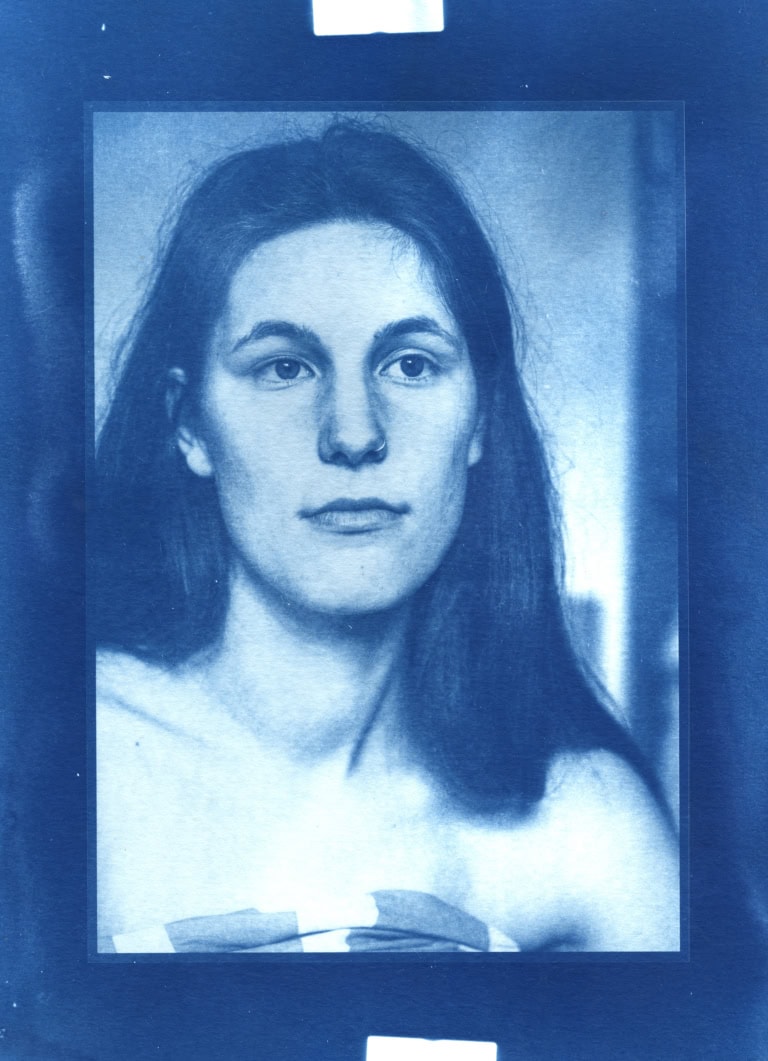 Maura in Hannover
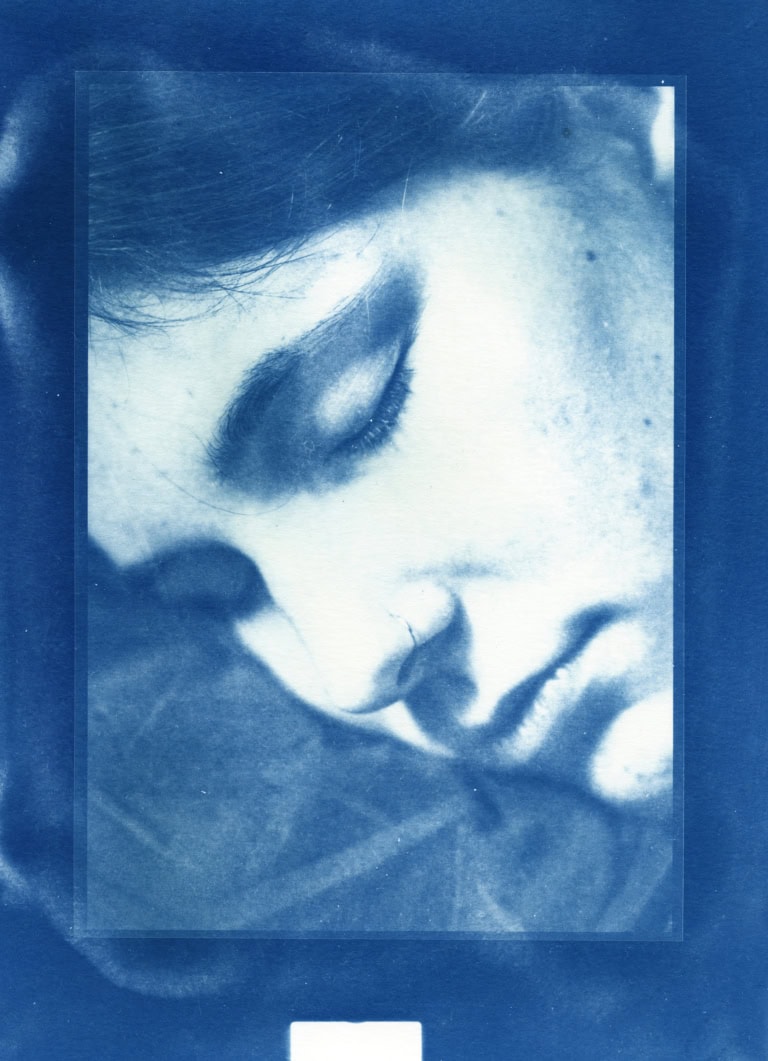
About the photos in this article
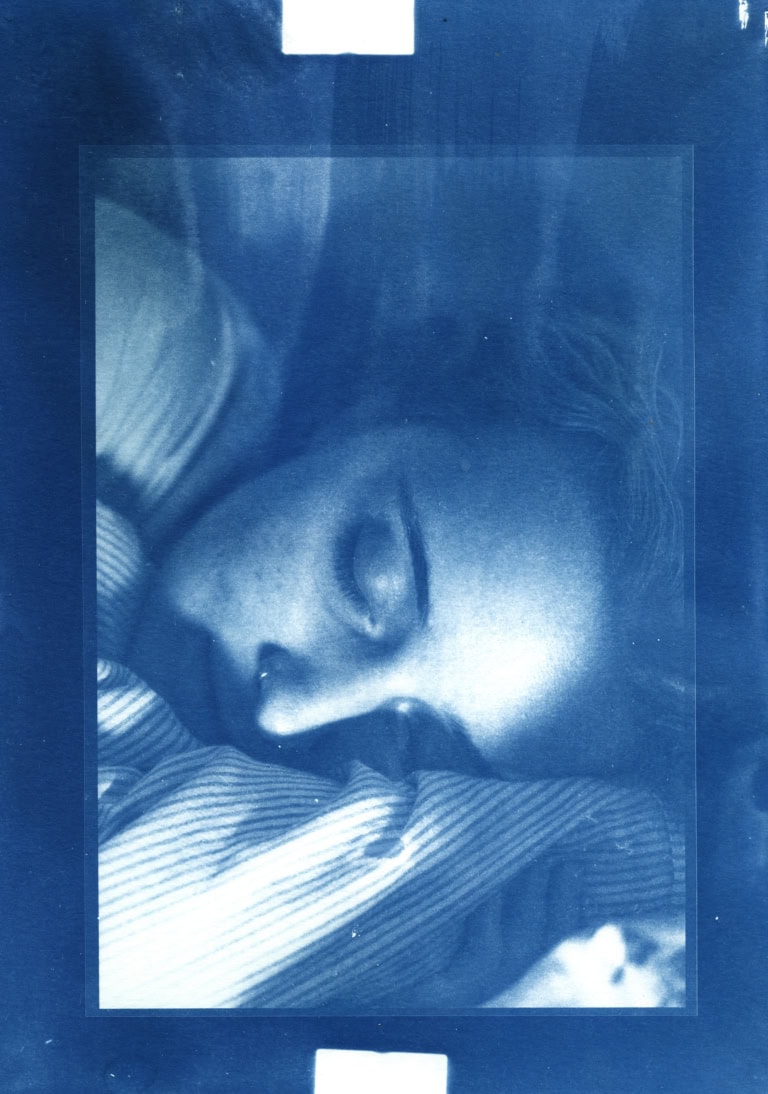
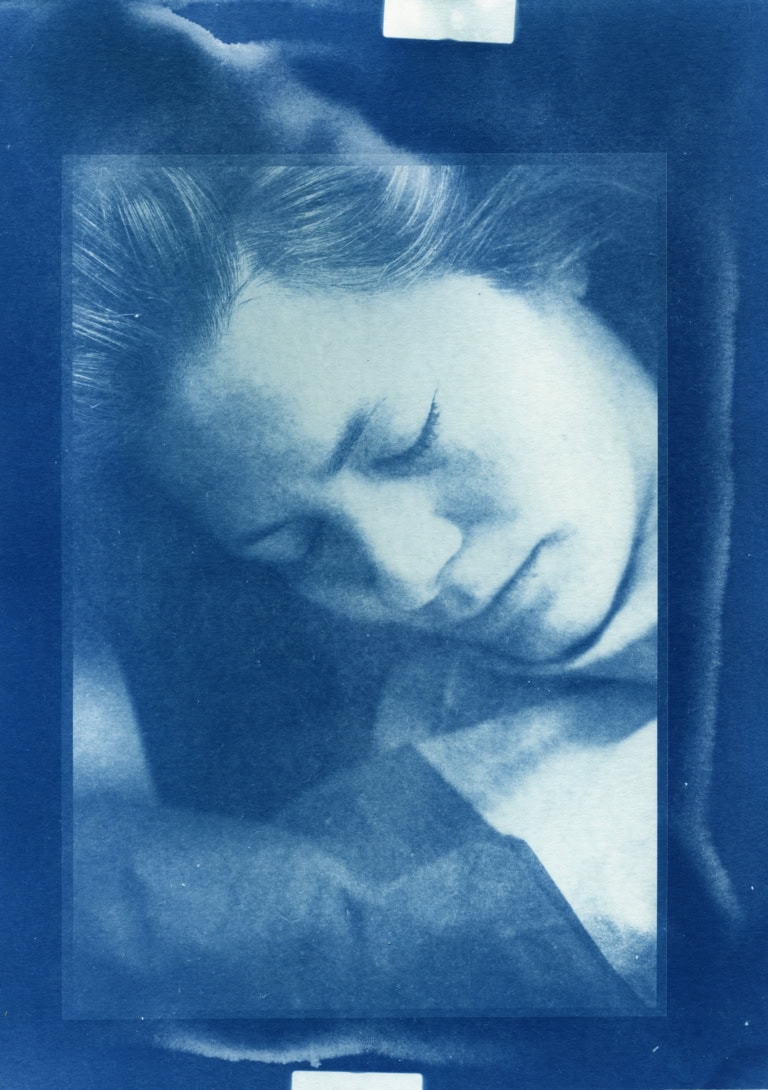
In her photo series ‘Wach und Schlaf’ (‘Awake and Asleep’), Clara Schöttke portrays and interviews FLINTA* friends. By working with cyanotypes, Clara Schöttke links technique and content, exploring the contrast – but also the mutual necessity – of day and night. In the cyanotype process, watercolour paper is coated with light-sensitive chemicals and dried in the dark. The negative is then placed on the paper and exposed to UV light, transferring the photograph onto the paper. The distinctive blue tone comes from washing out the chemicals afterwards and their oxidation. Lucid dreaming was not originally a criterion for choosing the protagonists; it was only raised later, when the work was prepared for this article.
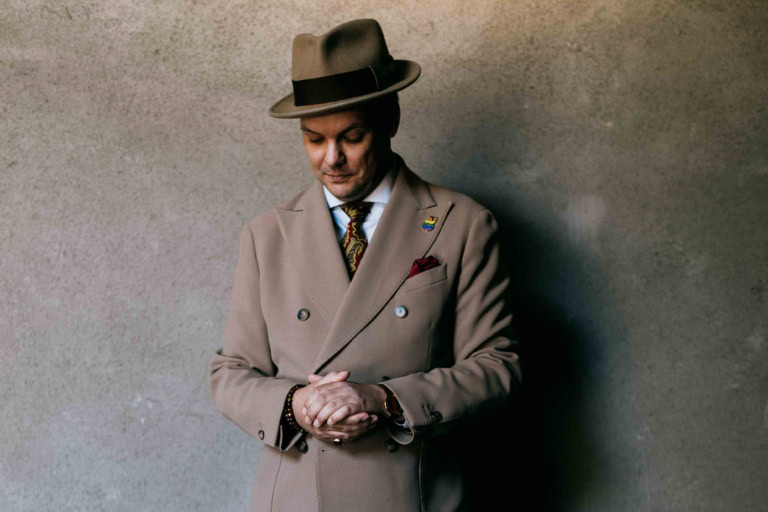
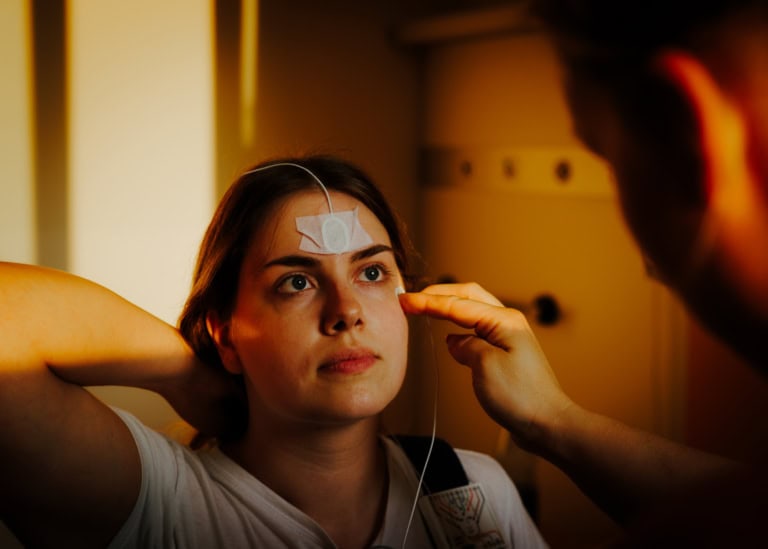
Dream researcher Prof. Dr Michael Schredl has been studying lucid dreaming for many years at the Central Institute of Mental Health in Mannheim, and he too explains that this kind of dreaming can be learned through discipline. Various techniques help, such as so-called reality checks: dreamers repeatedly check whether they are awake during the day so that the habit carries over into their dreams. Sleepers then become aware that they are dreaming and consciously recognise the dream as such. Schredl also explains that people can put lucid dreams to use – for creativity in music or painting, for example. A few athletes have also used lucid dreams to rehearse motor skills in their sleep and improve them.
Reality shifting is a social media trend and has so far not been scientifically proven in any way. In short videos on TikTok, people claim they can consciously ‘shift’ into alternative realities. Under hashtags such as #realityshifting or #desiredreality there are hundreds of videos in which mostly young people talk about their nightly adventures in, for example, fantasy worlds from films or books. One of the most popular destinations among those who follow the trend is the wizarding world of Hogwarts. They write a kind of script in advance describing the reality they want to reach. Then, in the evening, the shifters go to bed with the deliberate intention of diving into another world. Johanna Koers is an author from the Emsland region and has written a book that deals, among other things, with reality shifting. She became aware of the trend through her two eldest children. ‘My daughters suddenly always wanted to go to bed early, which made me suspicious. When I asked, they told me they were going shifting.’ Her daughter Emma and Emma’s sister tried shifting. It never worked for Emma, and she no longer believes shifting is possible. Her mother, Johanna Koers, says of the trend: ‘Maybe we’re just having lucid dreams and think it’s reality because it feels so real.’ Even so, the trend inspired the author, and the result was a thriller for young adults.
Young people in particular could become more and more detached from their actual reality if they spend too much time in their fantasy world
 Johanna Koers
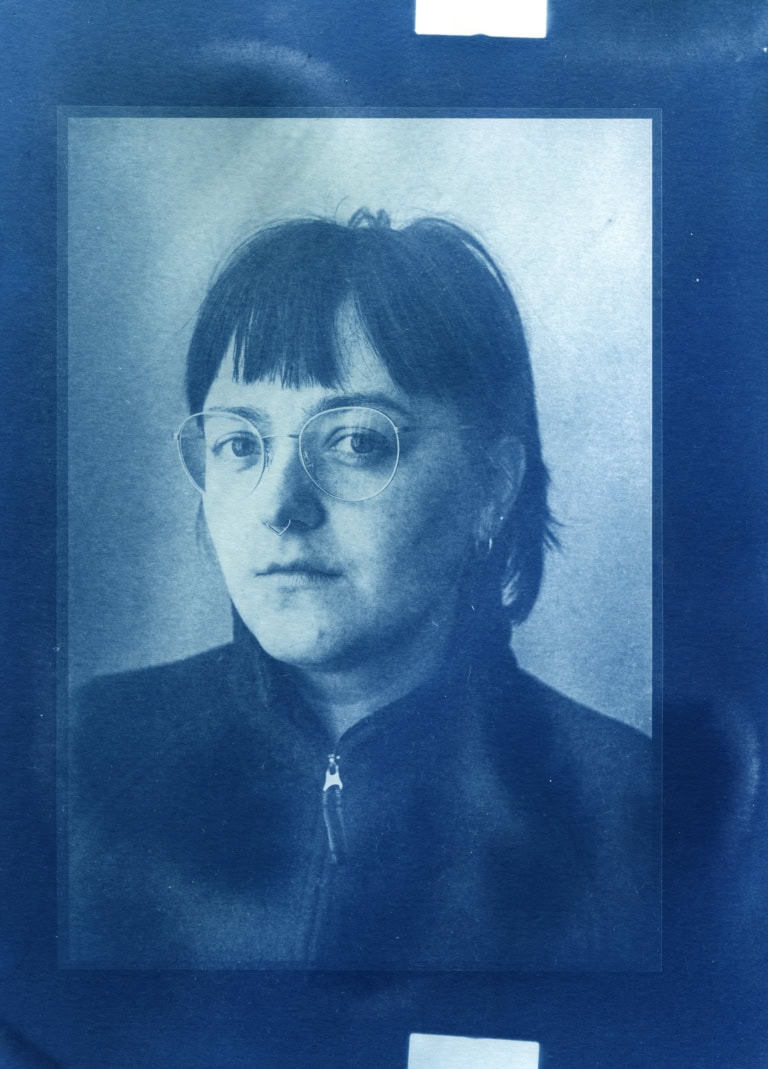 Antonia in Hannover
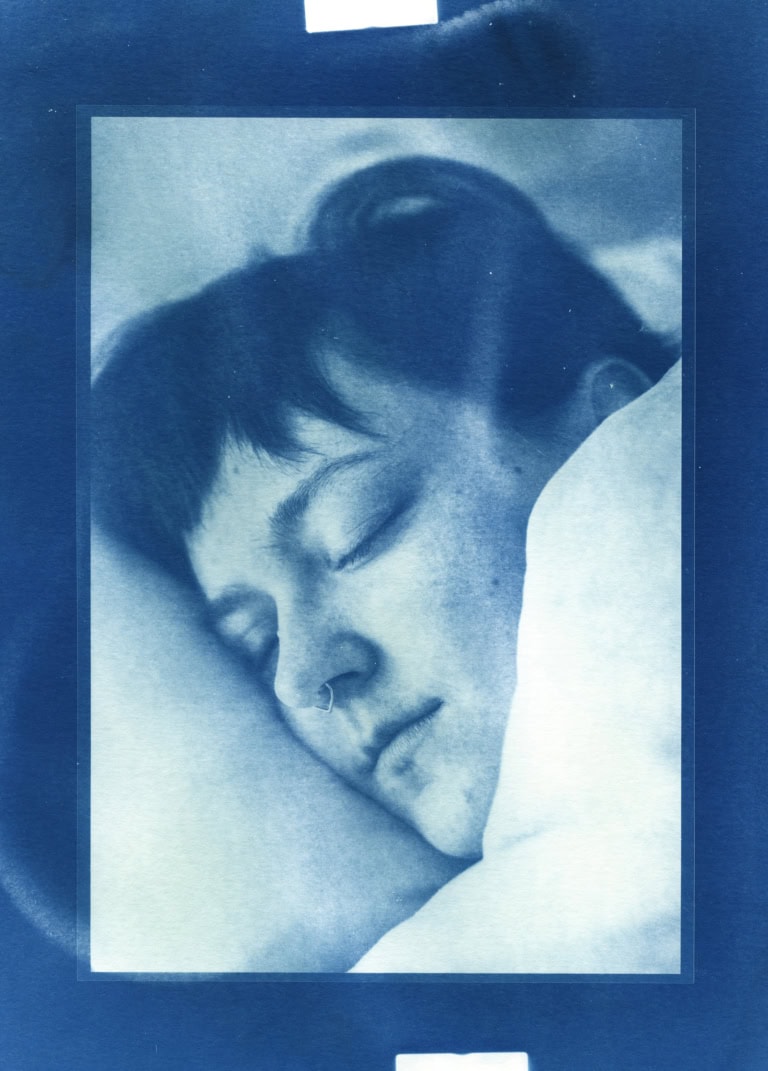
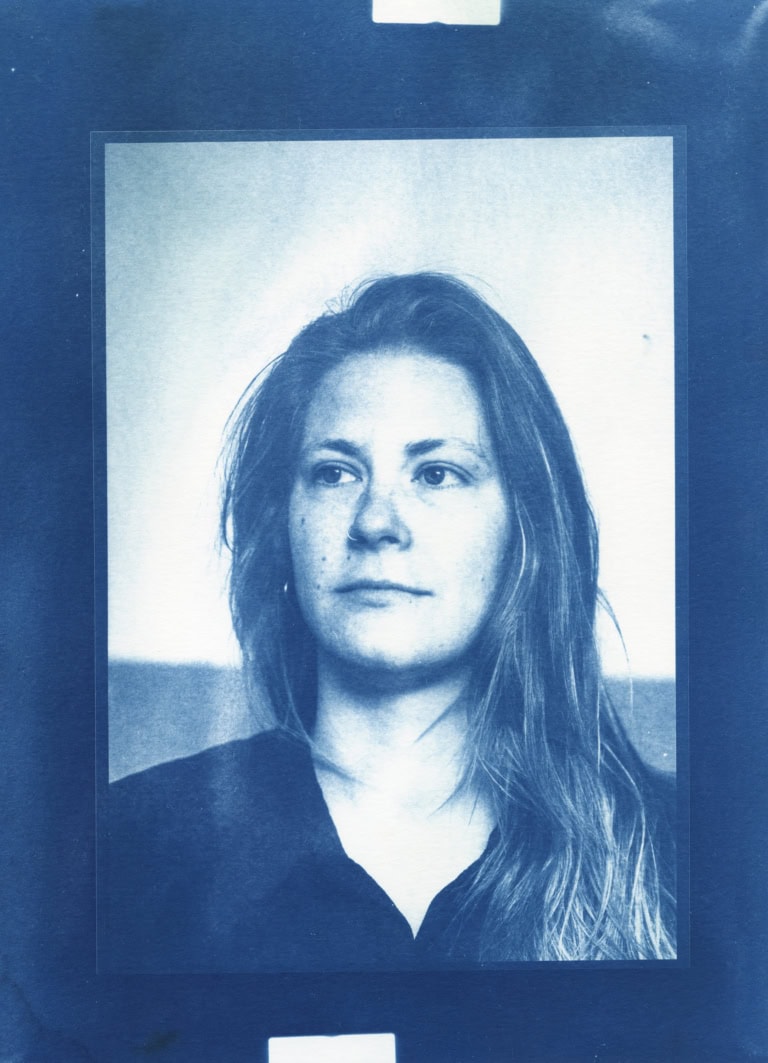 Vanessa in Hannover
What both methods have in common is the wish to break out of reality. Daniel Wünsch explains that lucid dreaming helps people to realise their dreams in everyday life too, by overcoming inner blocks and building confidence. Prof. Dr Schredl adds that many people deliberately use lucid dreams for creative development.
Using your sleep effectively at night and getting something positive out of it certainly sounds like a dream. Reality shifting and lucid dreaming hold potential, but also risks. The constant urge to escape into this other, boundless world can lead people to lose touch with reality. Johanna Koers also sees downsides to the reality-shifting trend: ‘Young people in particular could become more and more detached from their actual reality if they spend too much time in their fantasy world.’ Prof. Dr Michael Schredl also stresses that not everything about lucid dreaming is positive. ‘If you’re lonely during the day, lucid dreaming can intensify that loneliness, because you know that everyone in the dream is just a projection of your own mind.’ You can also feel trapped in a nightmare and simply be unable to take control. So both phenomena can be seen as a way to escape everyday life, but lucid dreaming and reality shifting often take a lot of work. Success and a positive experience are not guaranteed, so they are of limited help if you want to escape reality in the long run.
After waking up, dreams fade fairly quickly, but some images burn themselves in.
 Anneli in Halle