Kidfluencers as a business model: when children become a commodity
Child influencers earn their parents a lot of money – but who protects the youngest when their privacy is marketed in public?
By Jule Franz

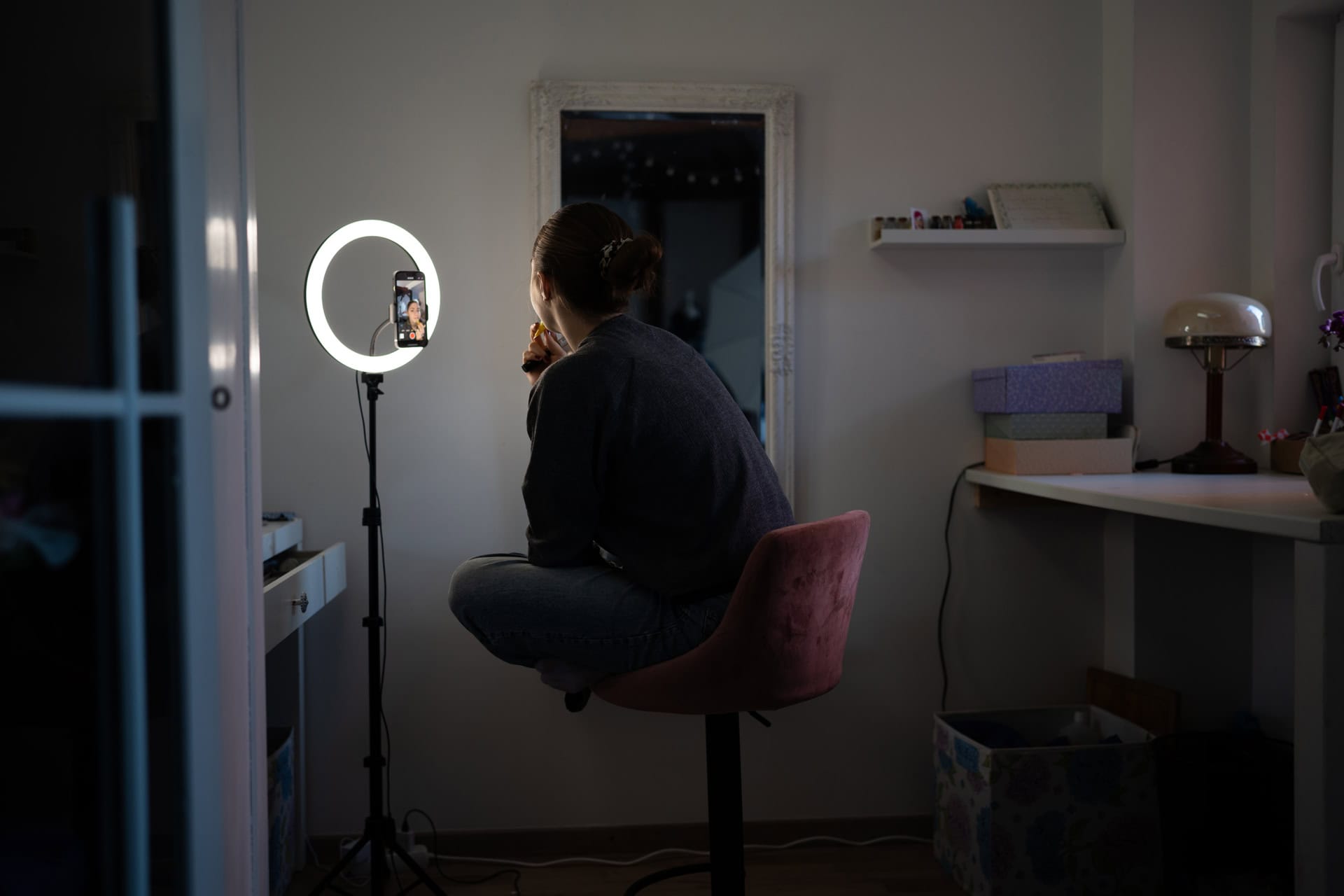
Photo (posed): Meline Bühler
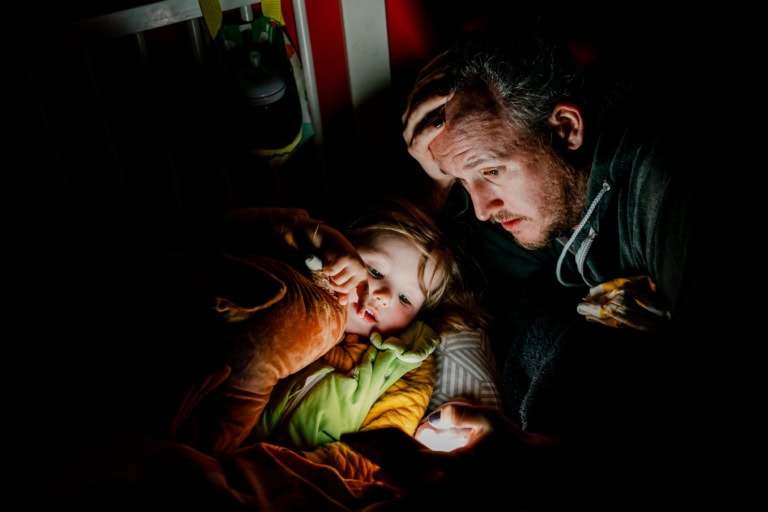
The term kidfluencer describes minors who are marketed as influencers on social media by their parents. It refers not only to children’s own accounts but also to so-called family or mommy-vlogger channels in which the children appear as the main characters. What’s striking is that kidfluencers have been getting younger and younger in recent years. It’s long since stopped being just teenagers – increasingly it’s toddlers and even newborns.
Parents as managers?
Caught between loving parents and ambitious bosses: in kidfluencing, parents play a crucial role, because without them the whole business model wouldn’t be legally possible. As most social media platforms have a minimum age of 13, parents run their children’s accounts to avoid the profiles being blocked. Behind the scenes, they take care of detailed content planning, branding and, above all, monetisation. Discussions about income streams such as sponsorship, product placement and merchandising are part of everyday life.
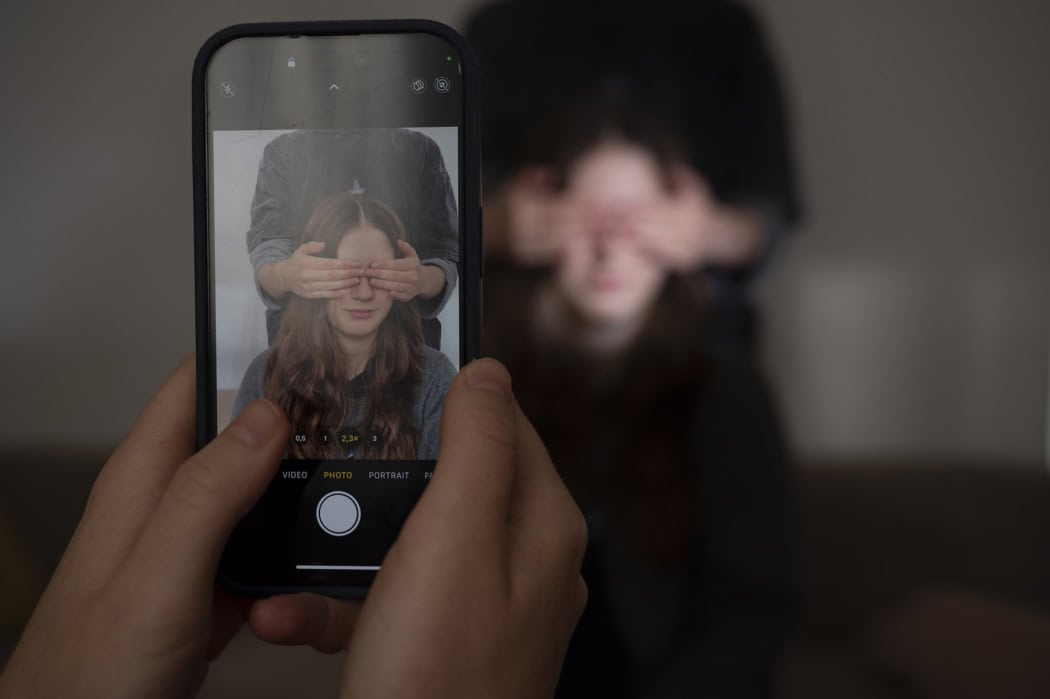 Posed photo: Xi Wang
Everyday life full of expectations, pressure to perform and stress: because the phenomenon is so new, there is hardly any research on the long-term effects of the influencer lifestyle on children. Some kidfluencers undoubtedly have opportunities, thanks to their networks and wealth, that other children their age can only dream of. But at what price?
More and more accounts by former kidfluencers, now adults, are circulating online – and they read like horror stories. They tell of psychological abuse and physical exploitation by their own parents, of losing all privacy, of constant pressure to be judged and a permanent fear of failure. When their children resist, some parents even tell them that without new videos the bills can’t be paid and the family will go hungry. Comparison and competition become part of everyday life, self-worth becomes relative, and the objectification of their own bodies gradually becomes normal.
Ethics – is this already child labour?
How much kidfluencer accounts earn per month or per video depends heavily on the number of followers and their reach. According to an article in ‘Time’ from February 2024, some kidfluencers earn up to six-figure sums a month. Some even charge companies between 10,000 and 20,000 dollars per post. The problem is that there are still no clear laws governing who is ultimately entitled to this income. This means that the children are often legally unprotected and frequently don’t receive a single cent of the money they bring in, because their parents claim all of it for themselves. Whether this business model ultimately amounts to child labour can only be judged case by case and on the basis of various subjective factors – but above all according to the child’s well-being and consent. However, where accounts are commercially driven and have a lasting negative effect on the child’s development, it is highly likely to amount to child labour.
The young adults describe losing their privacy, dealing with public judgement and their constant fear of failure.
 Posed photo: Anna Budovei
Kidfluencing seriously intrudes on minors’ privacy and shares their most intimate moments with the public. Their chances of genuinely developing their own identity dwindle as soon as money enters the picture. A mother–daughter relationship turns into an employment relationship and a source of income that has to be maintained at all costs. That’s why a healthy balance between commercial activity and childhood is essential – money alone is no basis for that.
Sources / further reading:
https://www.cosmopolitan.com/lifestyle/a60125272/sharenting-parenting-influencer-cost-children/
https://www.ecu.edu.au/newsroom/articles/research/number-of-online-kidfluencers-is-growing-and-so-too-are-the-risks
https://ifak-kindermedien.de/anlaesse-und-ereignisse/gesellschaftliches/digitale-kinderarbeit-die-welt-der-kidfluencerinnen/
https://www.nytimes.com/2023/05/11/opinion/kidfluencer-whitney-bjerken.html
https://www.nytimes.com/2024/02/22/us/instagram-child-influencers.html