New Work: the philosopher who emptied the offices
New Work didn’t start with the pandemic but with the radical vision of a thinker in the 1980s. His ideas are more relevant today than ever.
By Kaja Gerdes

Photo: Andreas Blauth, Kilian Kämper
The philosopher Frithjof Bergmann, who died in 2021, is regarded as the founder of the ‘New Work movement’. As early as the 1980s, he was exploring fundamental questions about changing values in society and their impact on the world of work. His understanding of New Work can be summed up in three key theses:
1. New Work is an individual and social uprising closely linked to the use of smart technologies.
2. The concept aims at self-determination, meaning and sustainability.
3. People should be able to bring their personality into their work and fulfil themselves through what they do. Because it rests on cultural change, however, New Work is a long process.
While companies in the 2010s were still reluctant to bring new principles into everyday working life, the pandemic at the latest led to a profound rethink. According to a study by the Hans Böckler Foundation, around 25 per cent of employees in Germany worked exclusively from home during the pandemic. Before Covid, the figure was only around 4 per cent. Digitalisation thus opened up new opportunities for introducing alternative working models. At the same time, many employees realised that work can be more than a classic 9-to-5 office job.
 Photo: Andreas Blauth, Kilian Kämper
Frithjof Bergmann was developing ideas back in the 1980s that now form the core of the ‘New Work’ movement.
New Work is not a pandemic trend
Today’s world of work makes it clear, however, that New Work was not a passing pandemic trend but remains highly relevant. In her book ‘New Work, Leistungskultur und Performance-Messung’ (May 2024), Doris Doll argues that the current change is driven by a new performance culture. In listed companies in particular, the motto used to be ‘profit first’ and ‘cash is king’. According to Doll, we are now in the middle of a shift towards a performance culture in which monetary success is no longer all that counts. The old culture brought prosperity but often came at the expense of employees’ family life, health and happiness. Today, she says, it’s much more about doing work you can be proud of and that earns recognition.
As Frithjof Bergmann already observed, New Work is a long-term process. The labour market has changed dramatically in recent years – and the process is far from over. Companies therefore face the challenge of keeping pace with these developments and putting suitable measures in place.
Which working-time models are trending?
In 2024, a trend report by Statista, Xing and Kununu (an employer review platform) identified four key developments for the future of work:
1. Hybrid working: Younger generations in particular value the option of working from home. Almost a quarter of Generation Z and 21 per cent of millennials would change employer if working from home weren’t offered. Modern office concepts include flexible workstations, quiet rooms and collaboration and social areas. Job rotation is also becoming more important.
2. Flexible working hours: The share of part-time employees is at a record high of 30.9 per cent. The four-day week is also a major topic of debate. Almost a quarter of Germans would like to see this reduction in working hours – but only with no loss of pay. Two thirds of respondents, however, doubt the model will be introduced any time soon.
3. DEI – diversity, equity, inclusion: Discrimination at work remains a pressing problem. In 2023, the Federal Anti-Discrimination Agency received more than 10,000 enquiries, a third of which related to the workplace. The real number is probably much higher.
4. Artificial intelligence: AI will shape the labour market for years to come. For 2025, Statista forecasts global AI revenue of around 227 billion euros, with annual growth of about 30 per cent expected until 2030.
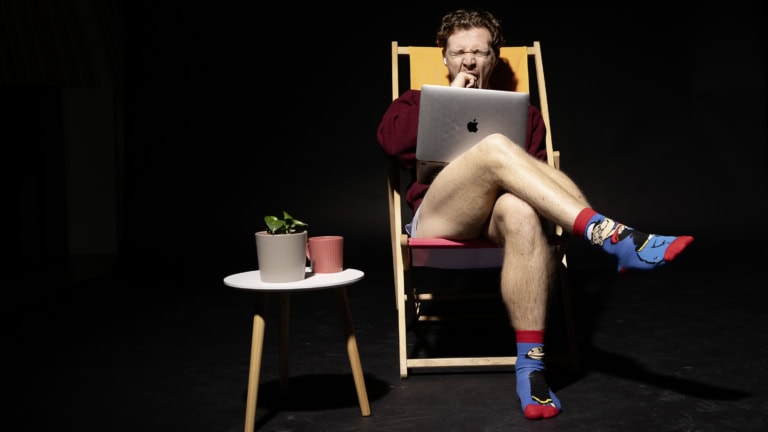 Photos: Andreas Blauth, Kilian Kämper
Covid as a catalyst: during the pandemic, the share of employees working from home rose from 4 to around 25 per cent.
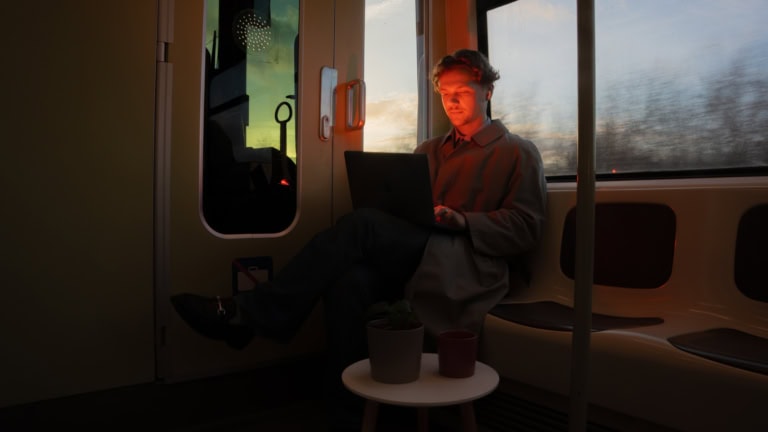
New office worlds are emerging: hybrid workplaces give employees more freedom and flexibility while also strengthening teamwork.
It’s about people, not about having smart offices and great coffee machines.
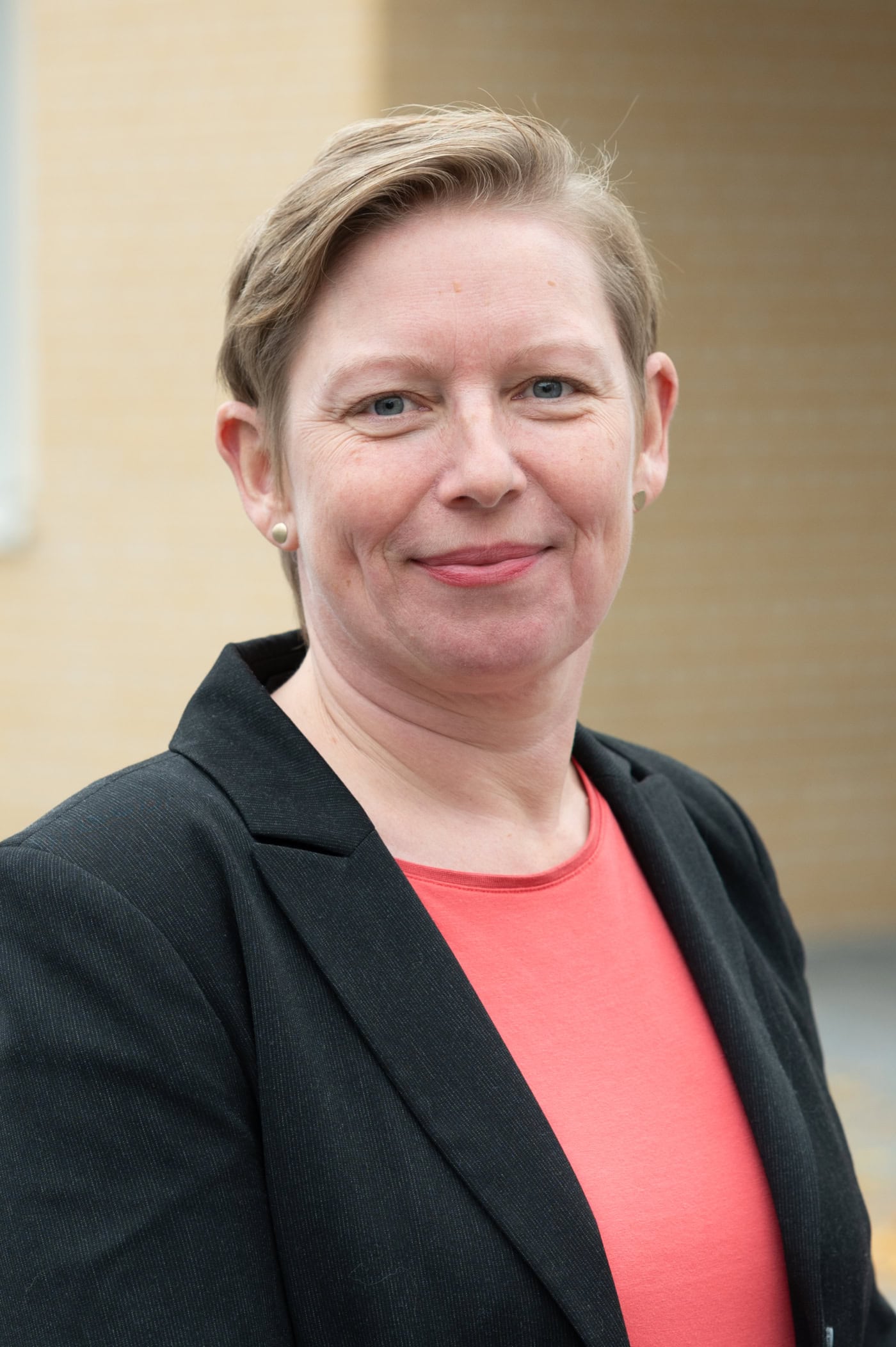
Flexible working, modern leadership and digital networking: Hochschule Hannover is using New Work to fundamentally change its working culture. Six questions for project leader Karen Altmann.
 © Andreas Balleier
How would you define New Work?
At a networking event recently, I heard a definition by Sonia Bytzek that I really like: ‘New Work is people-centred, needs-based working.’ So it’s about people, not about having smart office design and great coffee machines. New Work is above all about how we work together and communicate with each other. Culture and genuine collaboration are crucial. People should feel comfortable and be able to work efficiently at the same time.
The world of work is constantly changing. What role does New Work play in that process?
A lot has changed, above all because of the pandemic. Many people want to work flexibly in terms of place and time. At the same time, we’re feeling the skills shortage, which affects Hochschule Hannover too. To attract and keep good staff, we have to become a more attractive employer. At the end of 2023, the university’s executive board took up the topic of New Work. So the project is a response to developments in society and therefore within the university as well. We’re bringing together existing initiatives and launching new measures in the areas of ‘buildings and spaces’, ‘communication and collaboration’ and ‘leadership’.
Have there been any early successes?
One big success is project communication via Microsoft Teams. Until now, all digital communication ran by email, and staff had no way of discussing things or contributing their ideas digitally. Now they can, and that hugely encourages exchange. We currently have around 170 members in the Teams channel, and we hope more will join. It’s a small but important first step towards a more open communication culture.
What trends are you seeing?
Flexibility and self-determination are key trends, as is the automation of routine tasks. That removes a fair amount of repetitive ‘admin’ and leaves more time for creative and collaborative work. That’s what makes New Work especially exciting for universities, because the way we work is shifting towards project-based working.
What motivates you personally in your work?
I love working in networks. Together you achieve more, and everyone brings different perspectives, experience and expertise. I’ve already talked to lots of people at the university in one-to-one conversations – across sites, departments and levels of hierarchy. I’ve met so many open-minded, motivated people who all want the same thing: to work better and to feel at home at HsH. That really motivates and encourages me!