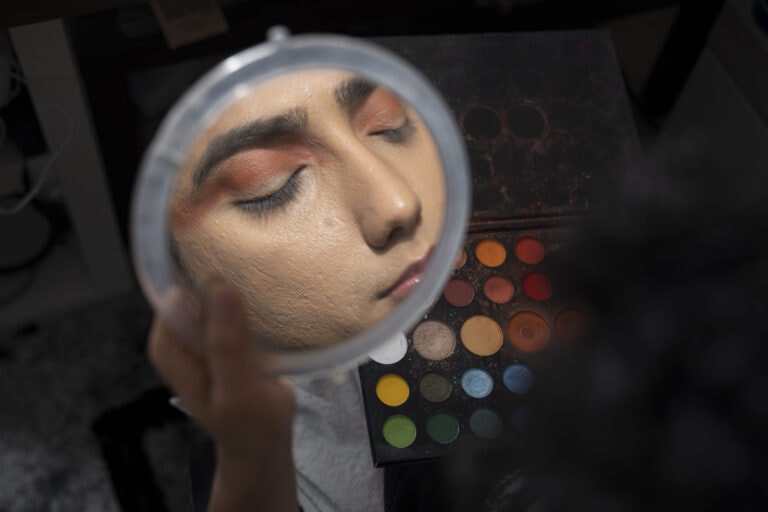
Juggling family and work: working, being a mother, staying human
A degree, a job and four daughters – Dalila has combined what seemed impossible. One special source of support kept her going again and again.
By Anna Saathoff (text), Deliah El-Chehade (photos)


Dalila couldn’t have finished her degree on her own. She couldn’t have raised her daughters alone or done the work she now loves so much. The daughter of Tunisian migrants and mother of four daughters, she is now deputy head of a residential youth welfare facility for young refugee men. When she became pregnant at 22, in the first year of her degree, her parents and siblings supported her unconditionally wherever they could.
Dalila grew up in Gröpelingen, a deprived district of Bremen. Her surroundings were strongly shaped by her parents’ origins. ‘Most of the people we knew were workers from Tunisia. Like my father, they were migrants who came to Germany to work and then brought their wives and children over,’ says the 48-year-old. ‘In our area everyone knew each other somehow. There was even a Tunisian club where the men met almost every day.’
Dalila never had problems at school; her grades were always good, and her family was proud of her. ‘Back then I wasn’t the typical Tunisian child. If only because of my looks – I have blonde hair and blue eyes. You don’t see that very often in Tunisia.’ Dalila laughs as she recalls that a Tunisian newspaper even printed her school report. ‘It still embarrasses me a bit today. But of course it was nice to see that the people around me were proud of me and what I’d achieved.’
After her Abitur she started vocational training but dropped out and decided to study in Oldenburg instead. ‘My degree was actually completely unplanned. I originally wanted to take the old-fashioned route: get married, have children, be a housewife. But then I really enjoyed studying.’ Shortly afterwards came an unplanned interruption: Dalila became pregnant. Her first daughter was soon followed by a second. After a short break, she decided to continue her studies.
When my youngest was one, I thought: I have to see this through now, to feed my children and to be a good role model.
 Dalila
At the time she was still living with her first husband. As he was a refugee and spoke little German, she often acted as his translator for documents and official matters. She still benefits from that today. ‘My degree focused on working with refugees. I could apply a lot of what I’d experienced with my husband directly to my studies – even after we’d separated.’
Alongside her studies, Dalila had to take on numerous part-time jobs to keep herself and her family afloat. ‘Even though it was an exhausting time, I don’t regret anything,’ she says looking back. ‘I’ve never been too proud to roll up my sleeves. When I had to, I picked up the toilet brush too.’
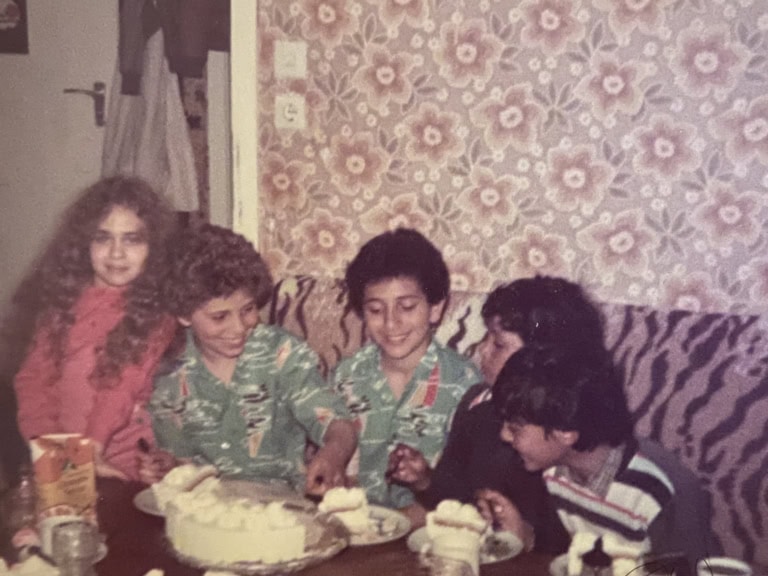 1984
1984
Eating cake – Dalila, her brothers and two friends from Tunisia
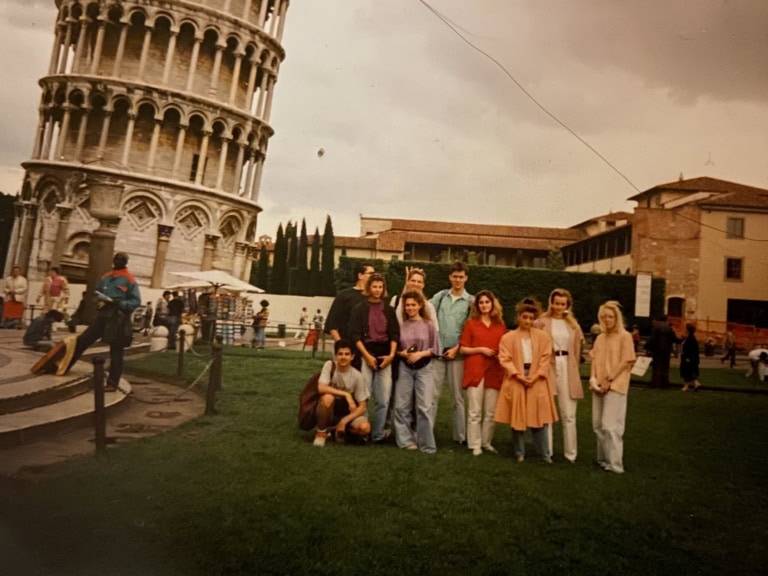 1992, Pisa
Dalila on a school trip to Italy
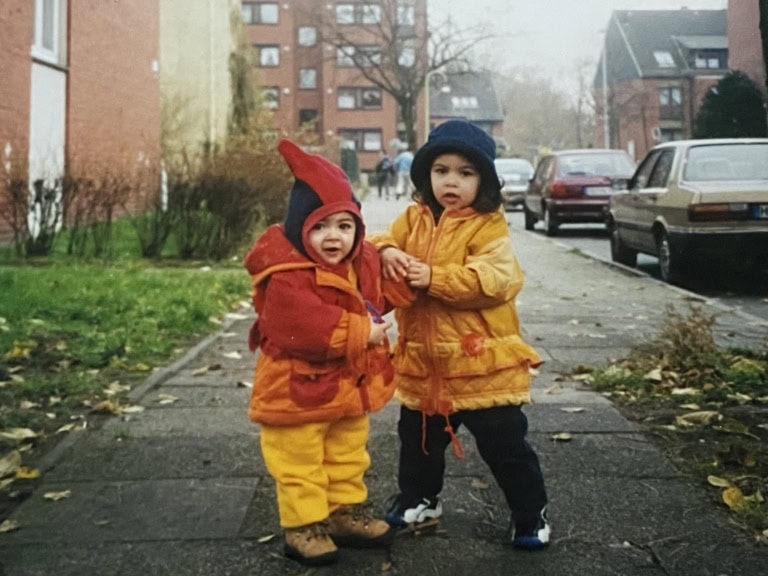 2000
2000
Dalila’s first daughters
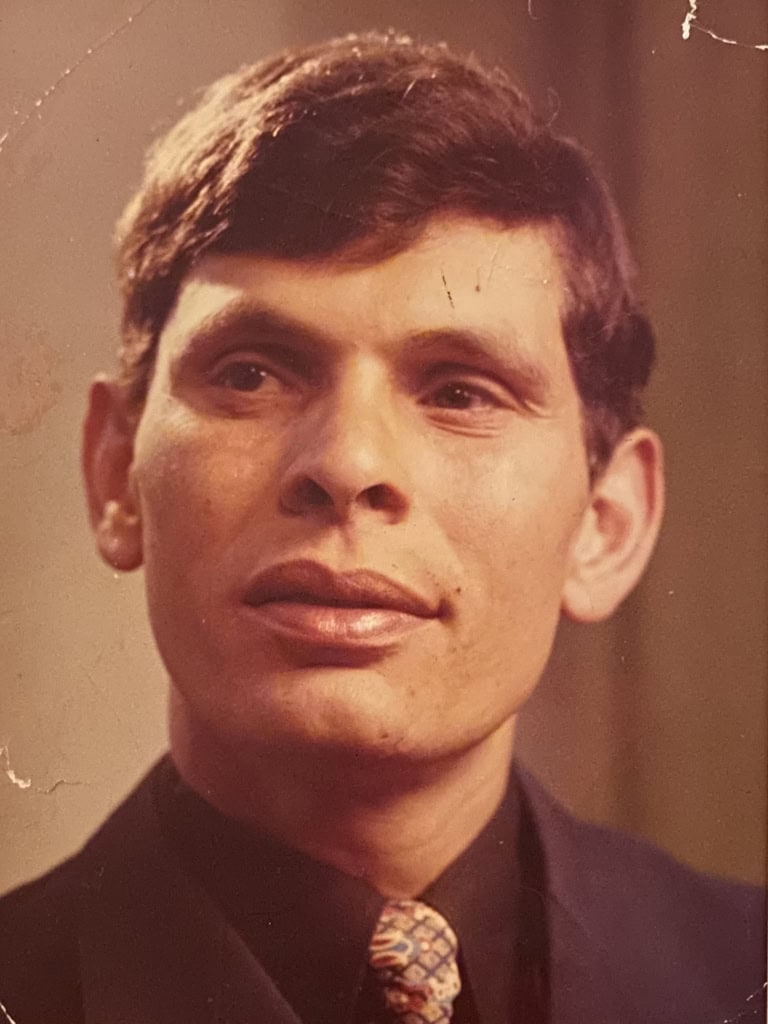 1972
1972
Photographed in Germany: Dalila’s father Habib
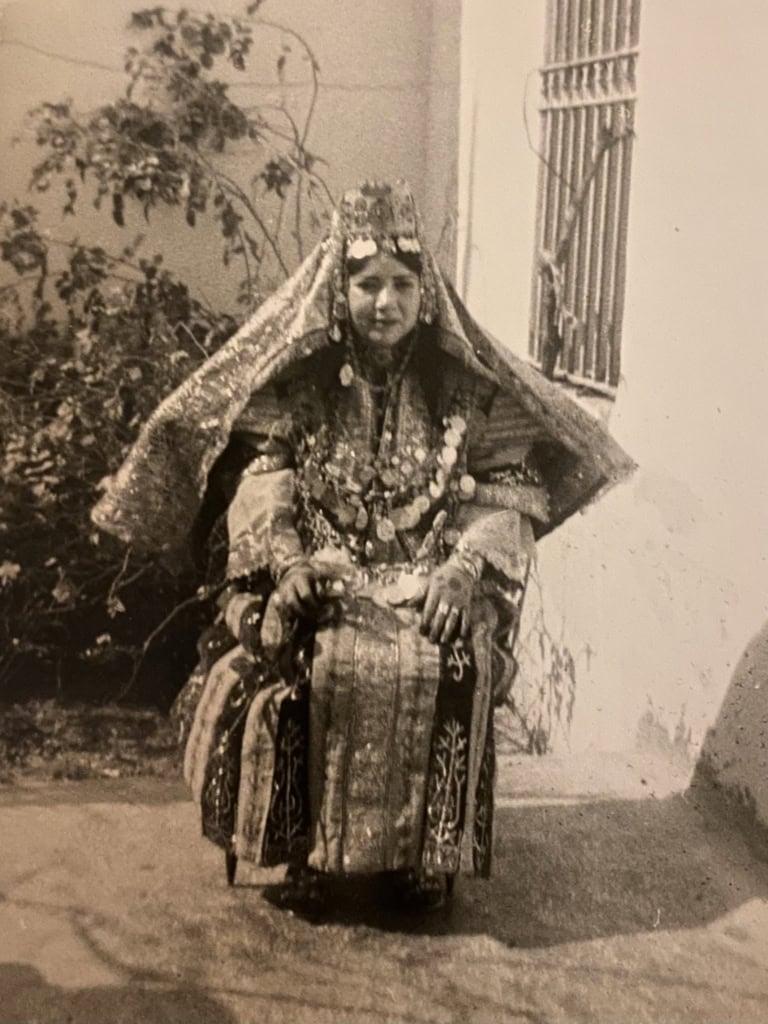 c. 1970
Dalila’s mother Hedia
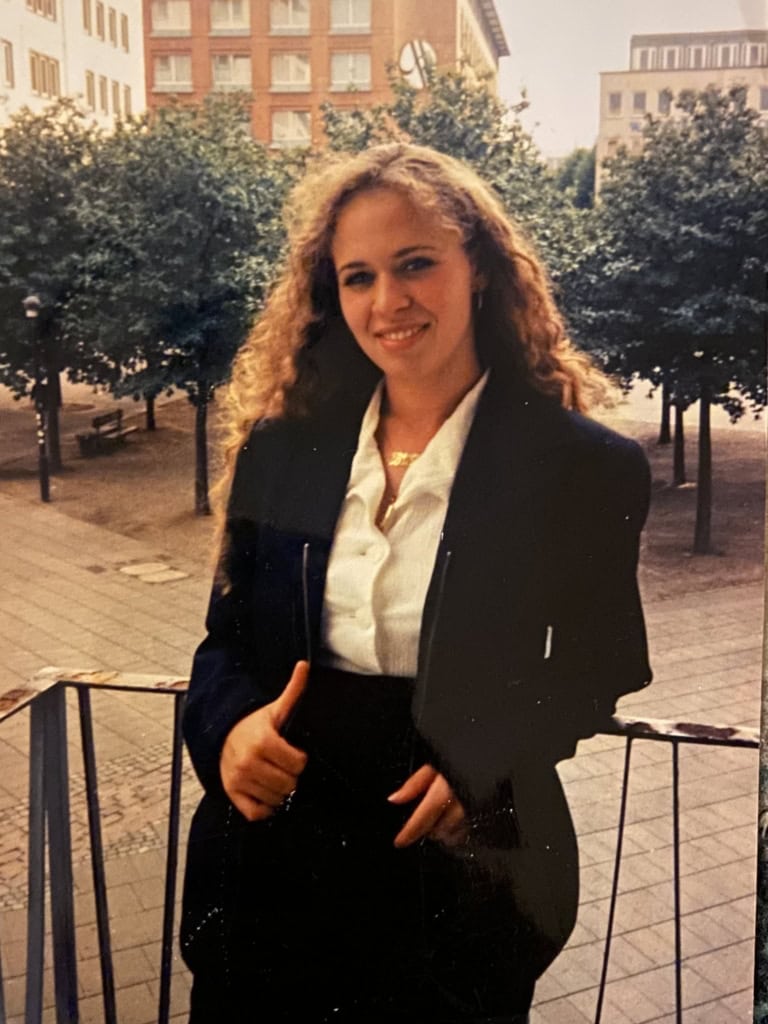 1996
1996
The summer before Dalila’s first semester
As well as warehouse and cleaning jobs, the mother of four also worked at a girls’ centre back then, looking after a girls’ group – a stark contrast to her work with young men today. As deputy head of the home, Dalila now handles both administrative tasks and the care of the young people. At the moment she is working intensively with a young Algerian, mediating between him and teachers, doctors and therapists. ‘These young men need us. Especially at the beginning, right after they arrive. We have to offer them prospects so they don’t slide into drug addiction or crime, which sadly happens very often.’
Besides problems such as drug abuse, psychosis and violence, she and her colleagues regularly have to deal with insults and other difficult situations. Even so, Dalila stresses the positive sides of her job: ‘The young people are full of dreams – that motivates me again and again.’
Without my children, my life wouldn’t have turned out so positively.
Dalila
There isn’t much in her life she would have done differently. Dalila certainly doesn’t regret becoming a mother so young, even though it meant she had to work hard. ‘My daughters gave me the motivation to achieve something. Without them I probably would never have achieved so much.’ Dalila feels deeply grateful: for her daughters, for the doors that opened to her as a single mother, and above all for the support of her family, especially her late mother. ‘I could never have done all this without my mother. Thank you, Mama, Allah yerhamak!’
Editor’s note on transparency: the filmmaker is Dalila’s daughter