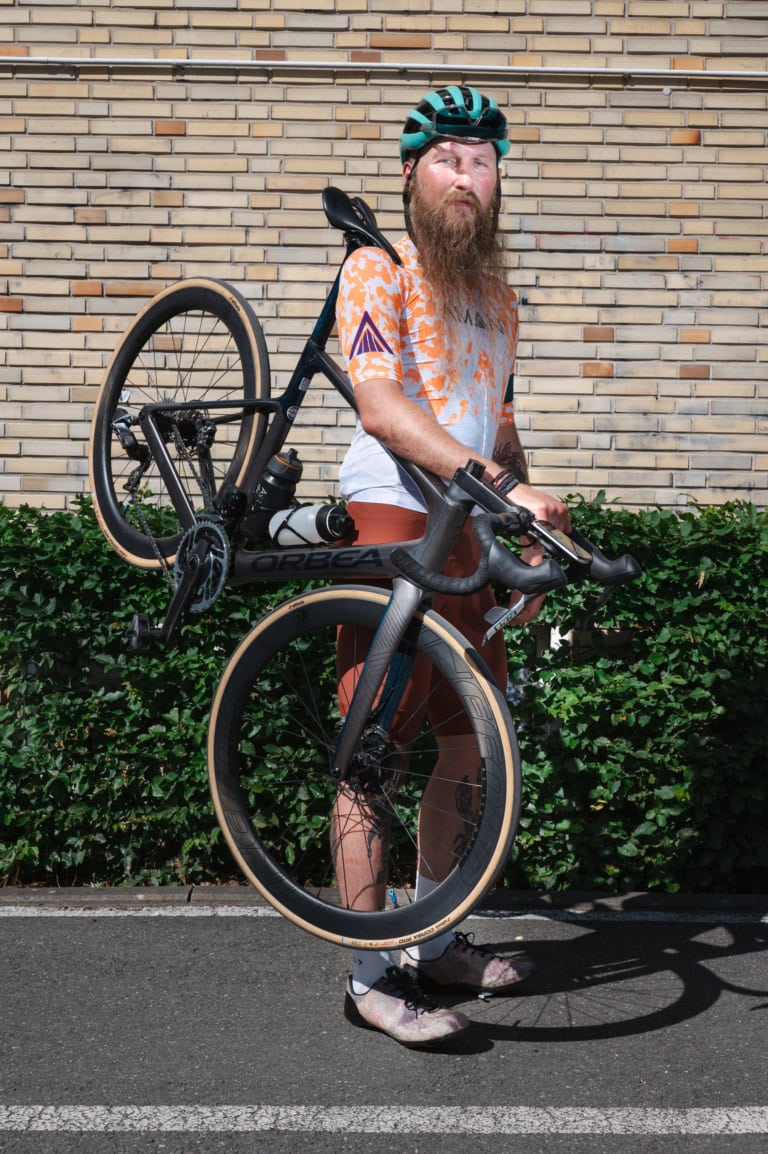
Femicide: the crime scenes of deadly misogyny
Almost every day in Germany, a woman is killed because she is a woman. Photographer Selma von Hennigs documents the crime scenes in her home town of Regensburg.
Text: Meline Bühler


A quick glance over your shoulder, your front-door key gripped tightly in your hand, the nervous unease that comes with being out alone at night. We reach for the phone if a man seems suspicious, or deliberately take the train to avoid a potential danger. For many women, feeling safe in everyday life is anything but a given. This constant vigilance, this sense of insecurity and threat that stays with women even in everyday situations, is a permanent part of their lives – lives repeatedly overshadowed by the question of how safe they really are. But what does it mean when we can’t even protect ourselves from patriarchal structures and violence within our own four walls?
Femicides – the killing of women because of their gender. The figures speak for themselves: despite all efforts towards equality and the protection of women, recent years show that gender-based violence is alarmingly present in our society. In 2023, 938 women and girls in Germany were victims of attempted or completed homicides, an increase of 1 per cent on the previous year. Femicide is a particularly serious form of violence, closely linked to unequal power relations between the sexes. It reflects male dominance and often serves to assert or regain a position of superiority. That’s why most of these killings are linked to intimate partner violence: around 80.6 per cent of the female victims were killed by a current or former partner.
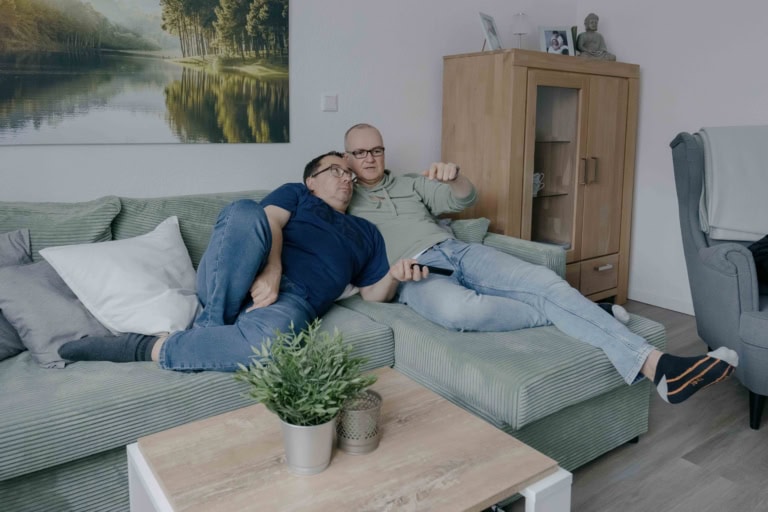
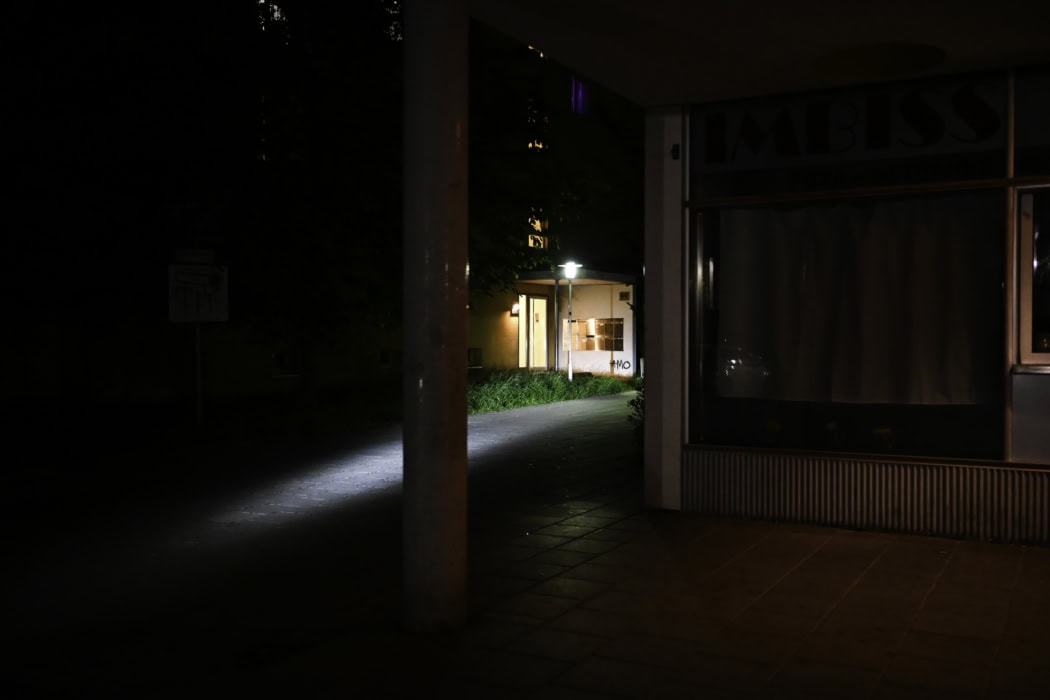 Regensburg, Humboldtstraße 40
On 8 October 2020, a man killed his wife, the mother of his three children, stabbing her 14 times. Because of several calls from an unknown number, he suspected her of having contact with other men. This supposed breach of trust caused him deep offence, which he felt to be a ‘personal disgrace and an affront to his honour’ that ‘he could only answer by killing [his wife]’.
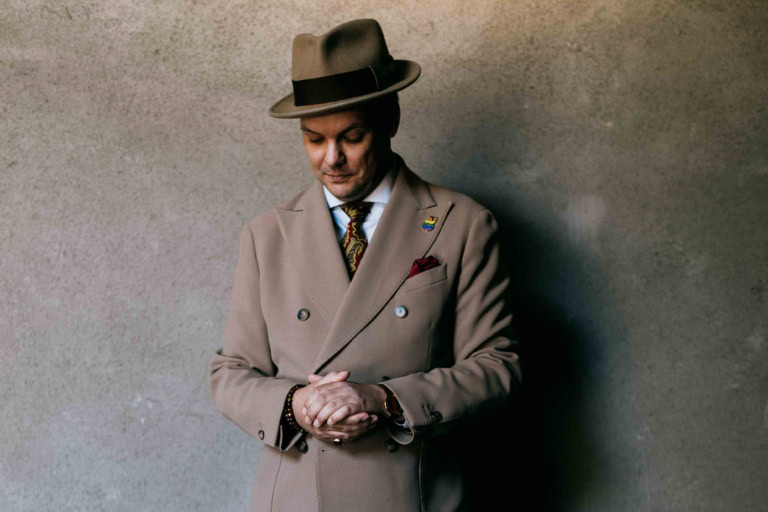
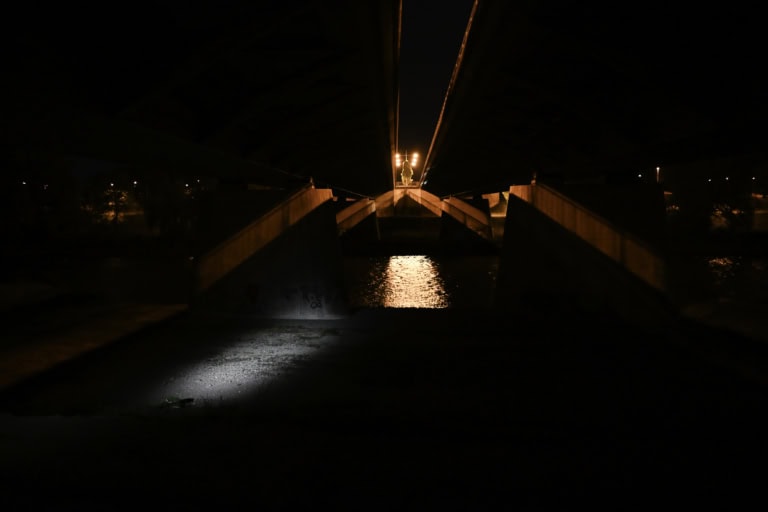 Regensburg, Nibelungenbrücke
The day Manuela C. died was a Thursday in August 1987. After a stroll through town, she said goodbye to an acquaintance at the bus stop on Nordgaustraße. She must then have met her murderer, who dragged her to the nearby Danube embankment.
As the police established in their investigation, the girl was undressed, tied up and strangled, and then thrown into the Danube unconscious. Manuela C. drowned there. At around 7 a.m. on the Friday, a city employee saw her body floating in the river.
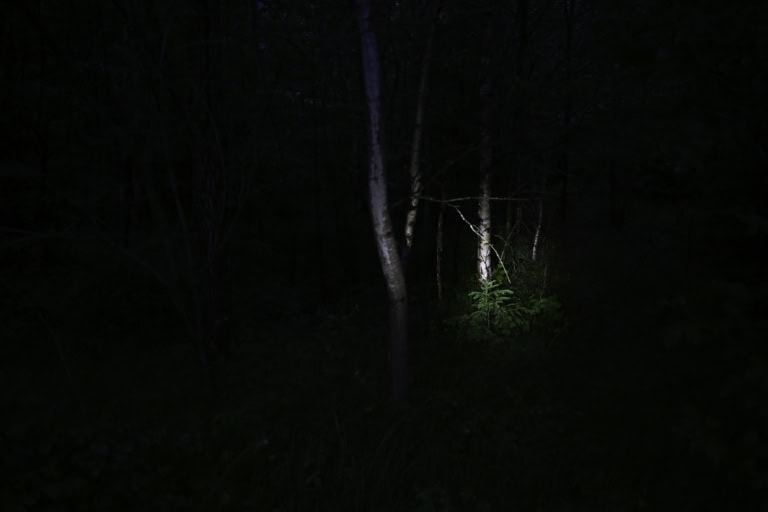 Regensburg, Kreuther Forst
Maria Baumer, then 26, disappeared in May 2012. In November 2012, her fiancé and her twin sister appeared on the TV programme ‘XY Spezial – Wo ist mein Kind?’. On television, he played the desperate fiancé and described how much the uncertainty was weighing on him. But he had killed Maria and buried her in the Kreuther Forst. Mushroom pickers found her body in September 2013. But it was not until 2019 that investigators were able to bring down the killer’s web of lies. In October 2020, the then 36-year-old was sentenced to life imprisonment for murder at Regensburg Regional Court.
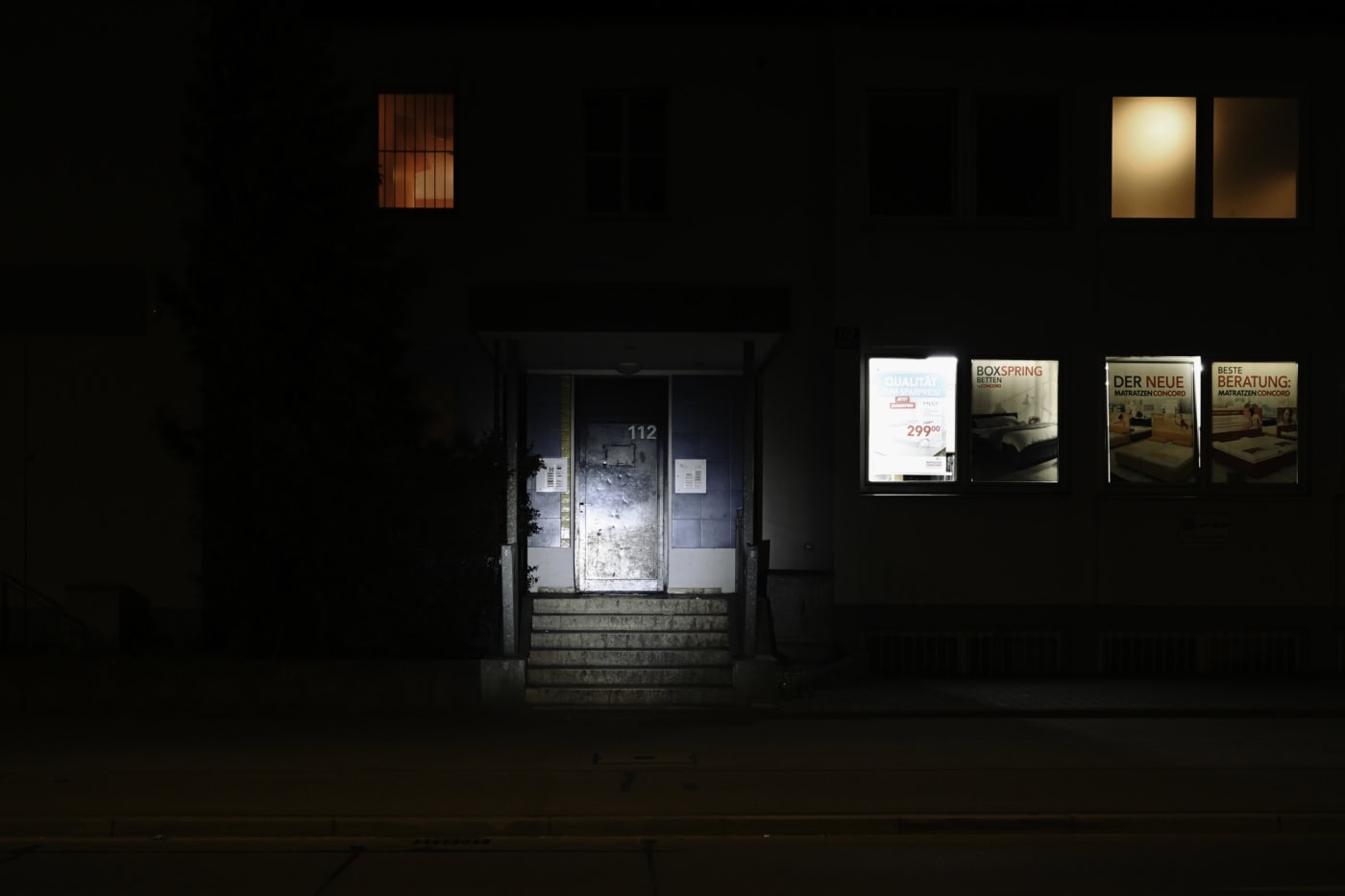 Regensburg, Landshuter Straße 112
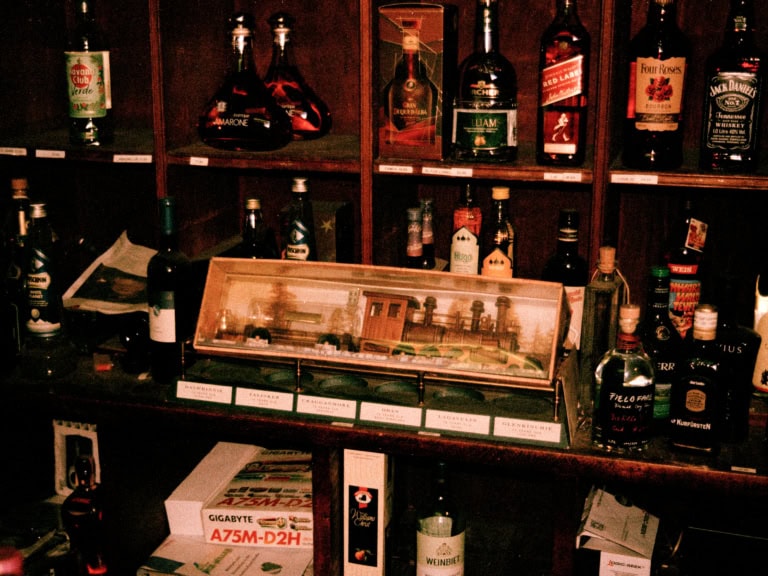
A woman was found dead on the night of 30 August 2017 in a flat used for prostitution in the Kasernenviertel district. According to the police, the 33-year-old had worked as a sex worker. She died ‘as a result of blunt force to the neck’.
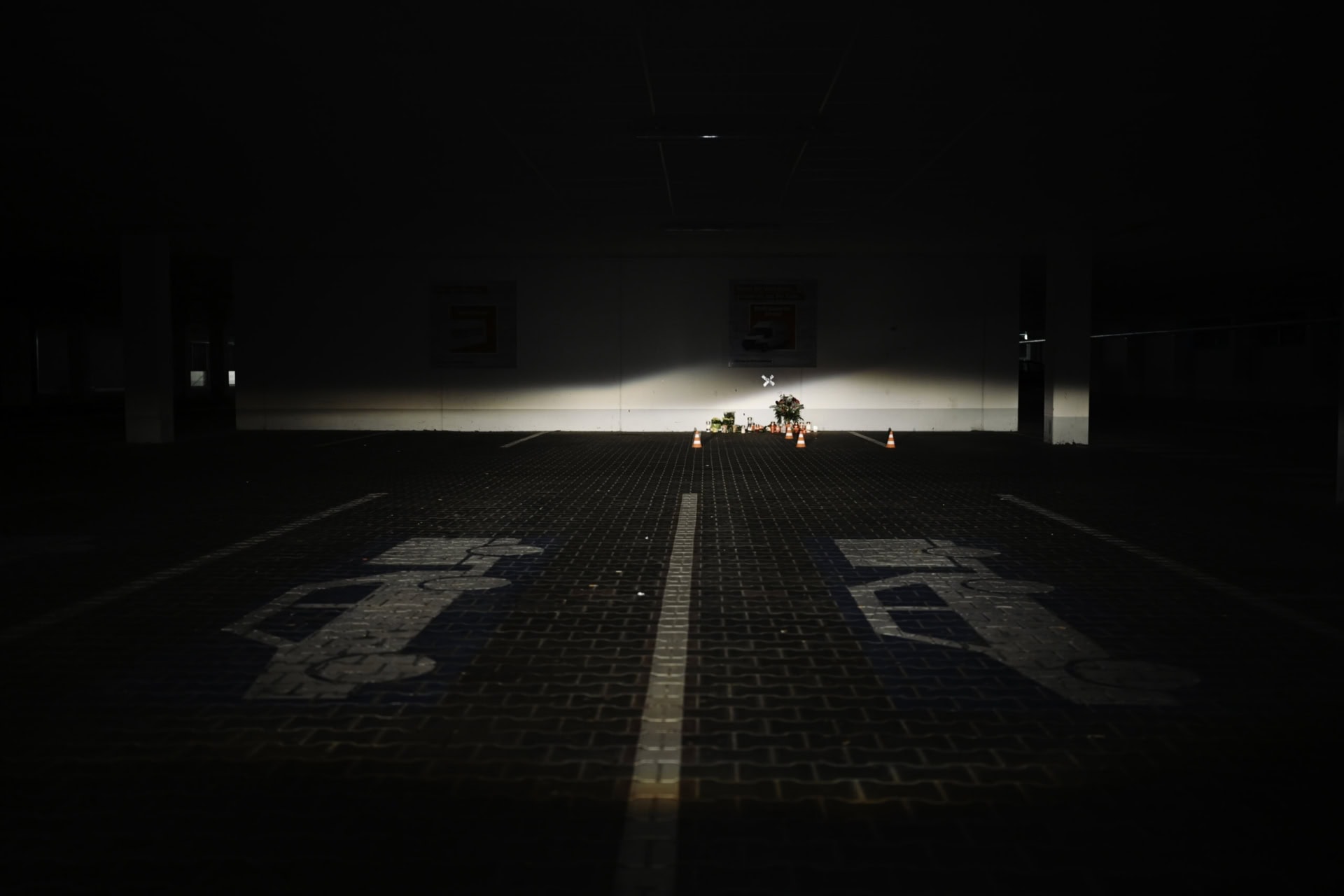
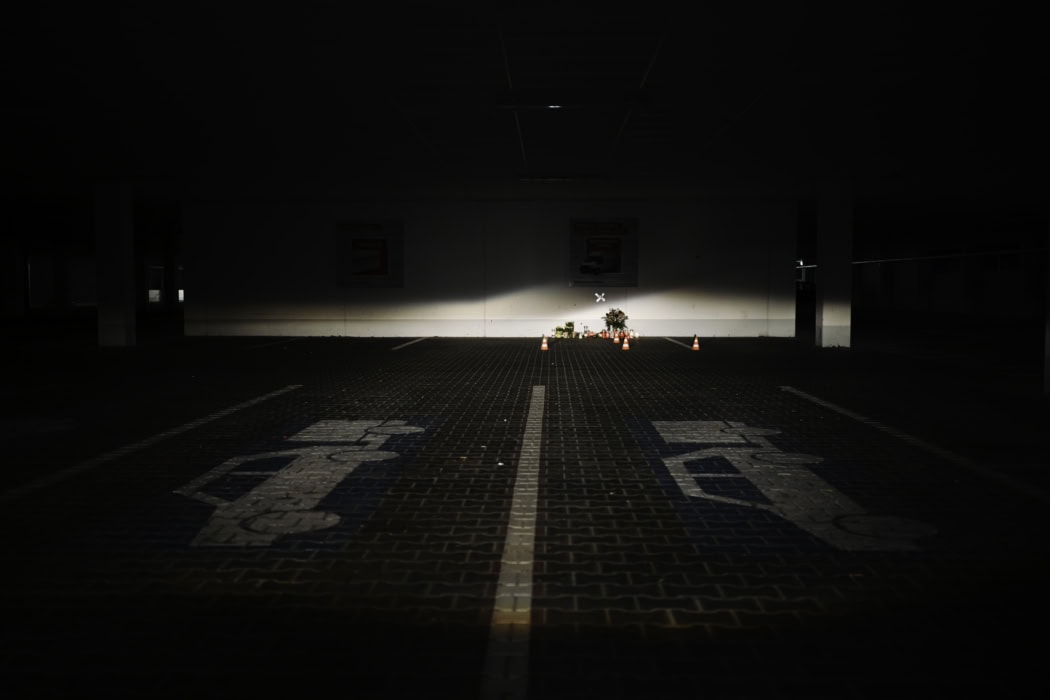 Regensburg, Toom DIY store car park
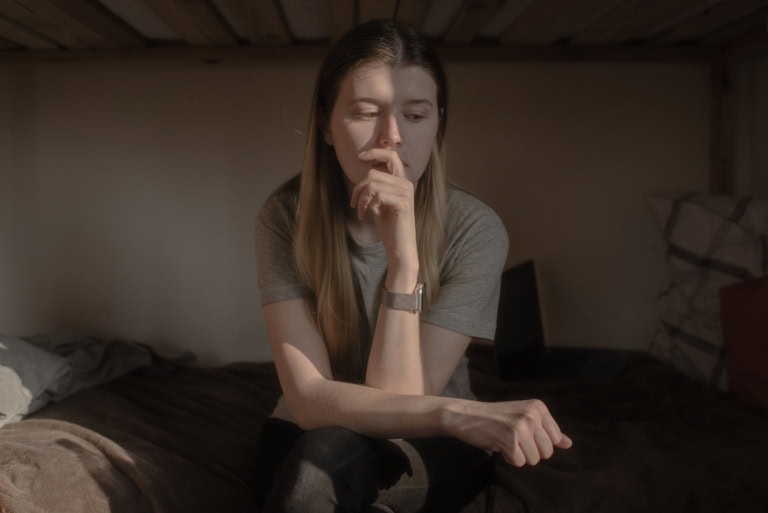
On Saturday, 4 May 2024, a 19-year-old woman was found dead in the boot of her car. At the time, the car was parked in the underground car park of a DIY store in the north of Regensburg. The main suspects are currently her 55-year-old ex-boyfriend and the victim’s father.
The number of femicides and the level of violence against women show not only how serious the problem is, but also the deep-rooted inequality and structural barriers that women still face in our society. This violence is not an isolated phenomenon but a reflection of a patriarchal culture that sees women as worth less and restricts their lives and their rights. The men who commit violence against women are often the product of a toxic masculinity that grows up in a society shaped by power dynamics.
There is an urgent need to question these structures and create a culture of equality and respect. Women’s physical, emotional and social integrity must be protected. This requires consistent legal measures, but also a shift in public awareness that holds us as a society responsible for ending this violence.
Help and advice for people affected by violence
The Violence against Women helpline (Hilfetelefon ‘Gewalt gegen Frauen’) is a nationwide advice service for FLINTA* people who have experienced or are experiencing violence. It supports those affected on 116 016 and via online counselling. www.hilfetelefon.de
The app from the association Gewaltfrei in die Zukunft e.V. gives people affected by domestic violence low-threshold access to information and support and is intended as a bridge into the existing support network. More information at www.gewaltfrei-in-die-zukunft.de.
The ProBeweis network offers help and support to people affected by domestic or sexual violence and documents evidence independently of a police report. This keeps open the option of taking action against perpetrators later on.