I’m fine, thanks.
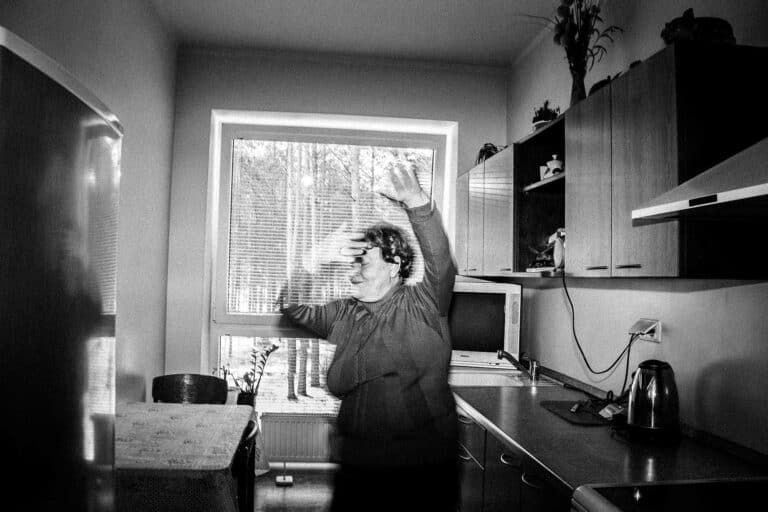
What happens when you are radically honest – even with yourself? Jana Junker set out to find out. In her self-portraits, she shows herself unvarnished: herself, her body and her illness.

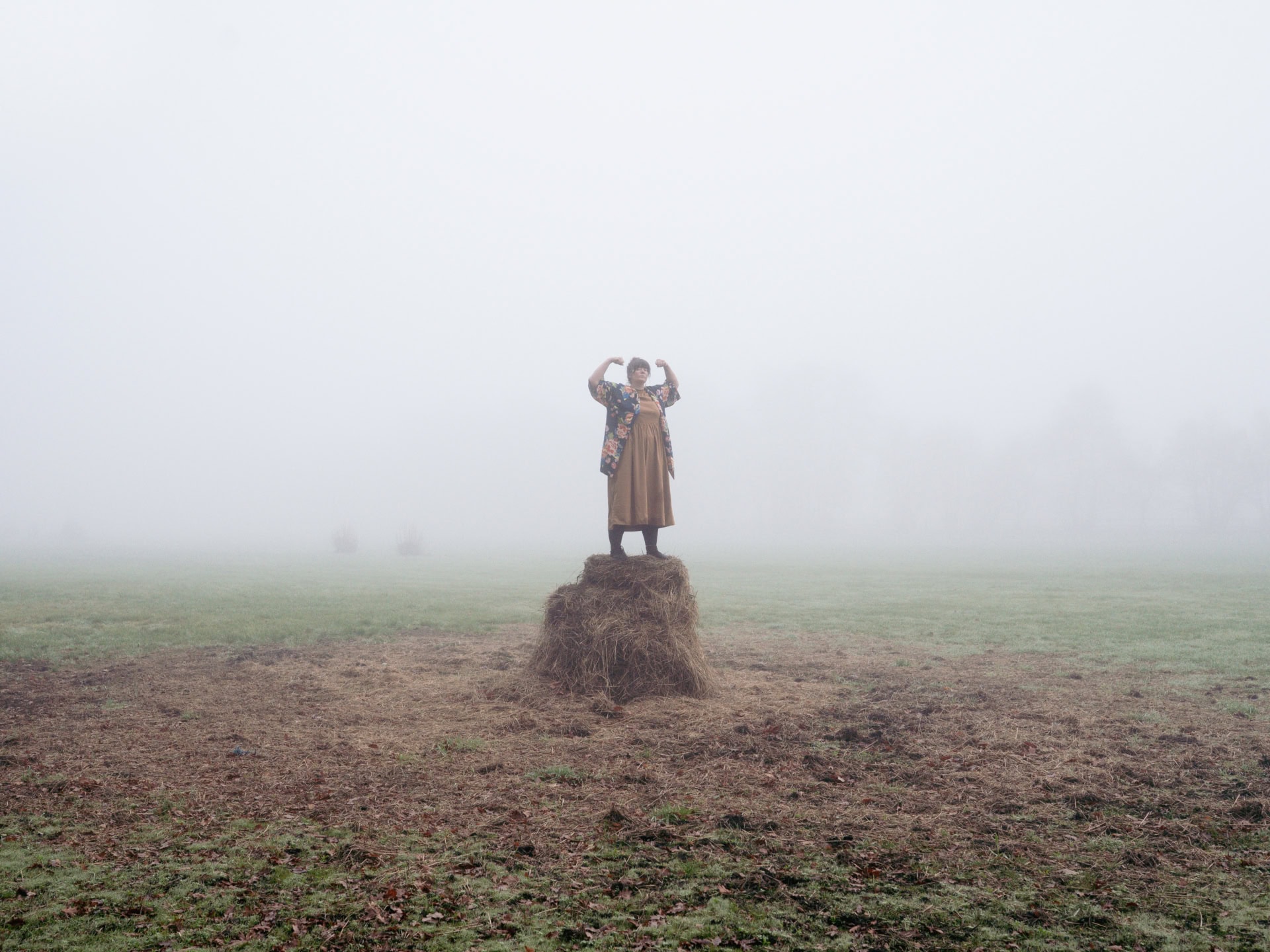
I’m Jana. I have lived with an eating disorder and reactive depressive episodes for many years. For a long time, not even the people closest to me knew. To the outside world, I’m the cheerful one. And yes, I love to laugh, but showing only one side of myself takes an incredible amount of energy. With this photo project, I am choosing radical honesty – with myself, too.
In selecting my pictures, I have deliberately avoided a chronological order, because healing is rarely linear and I am still in the middle of it. The whole process is marked by immense shame, but I want to give others in the same situation courage: you can show all of yourself without the world falling apart!
About the project
With ‘I’m fine, thanks’, Jana Junker reached the final of the VGH Photo Prize 2026. She writes about her project:
‘When I took a semester off last year for family reasons, my camera became my constant companion. Since mid-October 2025, I have been recording my life with it: I document my immediate surroundings, take at least one self-portrait every day, write a reflection and choose a song that feels right to me.’
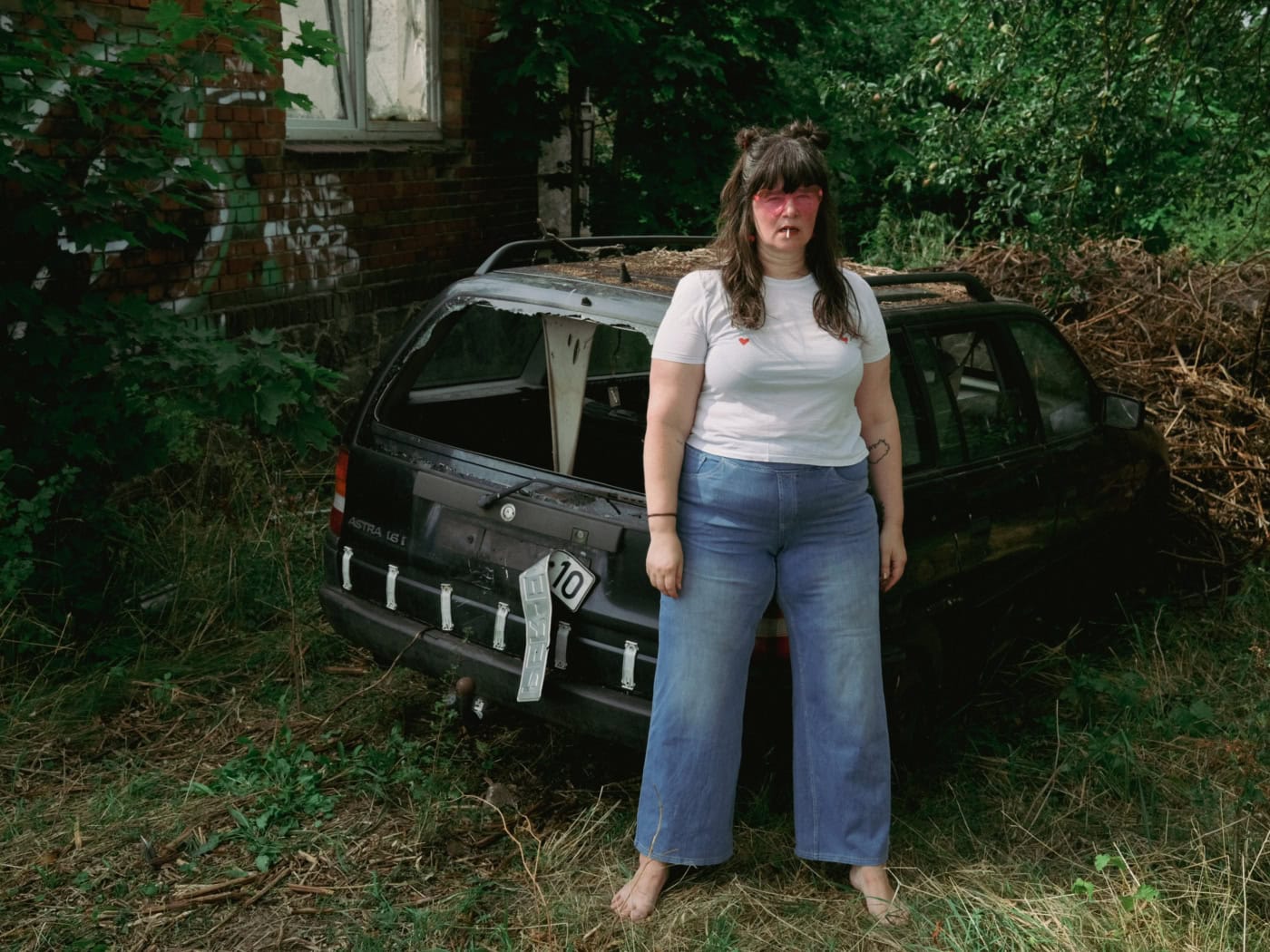
Wanting to lose weight
I want to lose weight again. Saying it feels like something I ought to apologise for. At a time when body positivity is being celebrated – and yes, I celebrate it too – wanting to change can sometimes seem like a betrayal: of the movement, of the ‘right’ self-image. But my body is not a manifesto. It is not a statement and not a symbol. I often find fat bodies beautiful. I admire them, their presence, their audacity, their quiet revolt against the norm. But I don’t find my own body beautiful. And I think it is a dangerous oversimplification to pretend that I have to. Perhaps that is the small blind spot of the body positivity movement. That it sometimes turns shame into a pose. That it talks about self-love but rarely about the system that sabotages it.
Since puberty, I have been at war with myself. With my hunger, my appetite, my desire, my excess. I have tried everything: acceptance, therapy, control, leniency, cynicism. None of it has brought me peace or more freedom. And I know that, statistically, I lost this battle before I had even started. A British study followed more than 176,000 overweight people over ten years. The result: only one in 124 women permanently reaches a normal weight. Among obese people, the odds fall to one in 677. And even those who do lose weight rarely keep it off. Within five years, 78 per cent have put it all back on. It’s called the ‘yo-yo effect’, as if it were a game.
I have been diagnosed with obesity. So I am not just overweight, I am obese. My body does what bodies do: it tries to survive. It resists scarcity, taming, adaptation. That doesn’t sound like a matter of discipline. It sounds like biology. Like a body that refuses to be erased. Like a system doing everything it can to survive. So perhaps I am not fighting my body at all, but evolution. That’s a hard thought!
The World Health Organization (WHO) has officially recognised obesity as a disease since 1997. Not as a moral failing, but as a complex, multifactorial disorder. In other words, obesity is not caused simply by ‘eating too much’ or ‘not moving enough’. It results from an interplay of genetics, hormones, metabolism, psychological patterns, social conditions and environmental factors. The human body is biologically programmed to store energy, not to let it go. A survival reflex that has turned into a curse in the 21st century.
Yet even though medicine describes it as a disease, obesity is still judged in moral terms, time and again, despite the body positivity movement. Language gives it away: ‘disciplined’, ‘weak-willed’, ‘living healthily’, ‘letting yourself go’. Pathologisation and stigmatisation overlap. Obesity is therefore not purely a question of the body; it is a social space where power, shame and capitalism intersect. Despite all the obstacles, I don’t want to give up on my plan. It isn’t only about my idea of beauty. Above all, I want to be able to move more easily again, to have more stamina, to feel healthier and to be healthier. I want a body I can live in rather than manage. I don’t want to make peace with my body if that means giving up on it. I want to understand it. Inhabit it. Be allowed, and able, to change it. I want to lose weight. And I don’t want that to have to be political.
Addicted to sugar
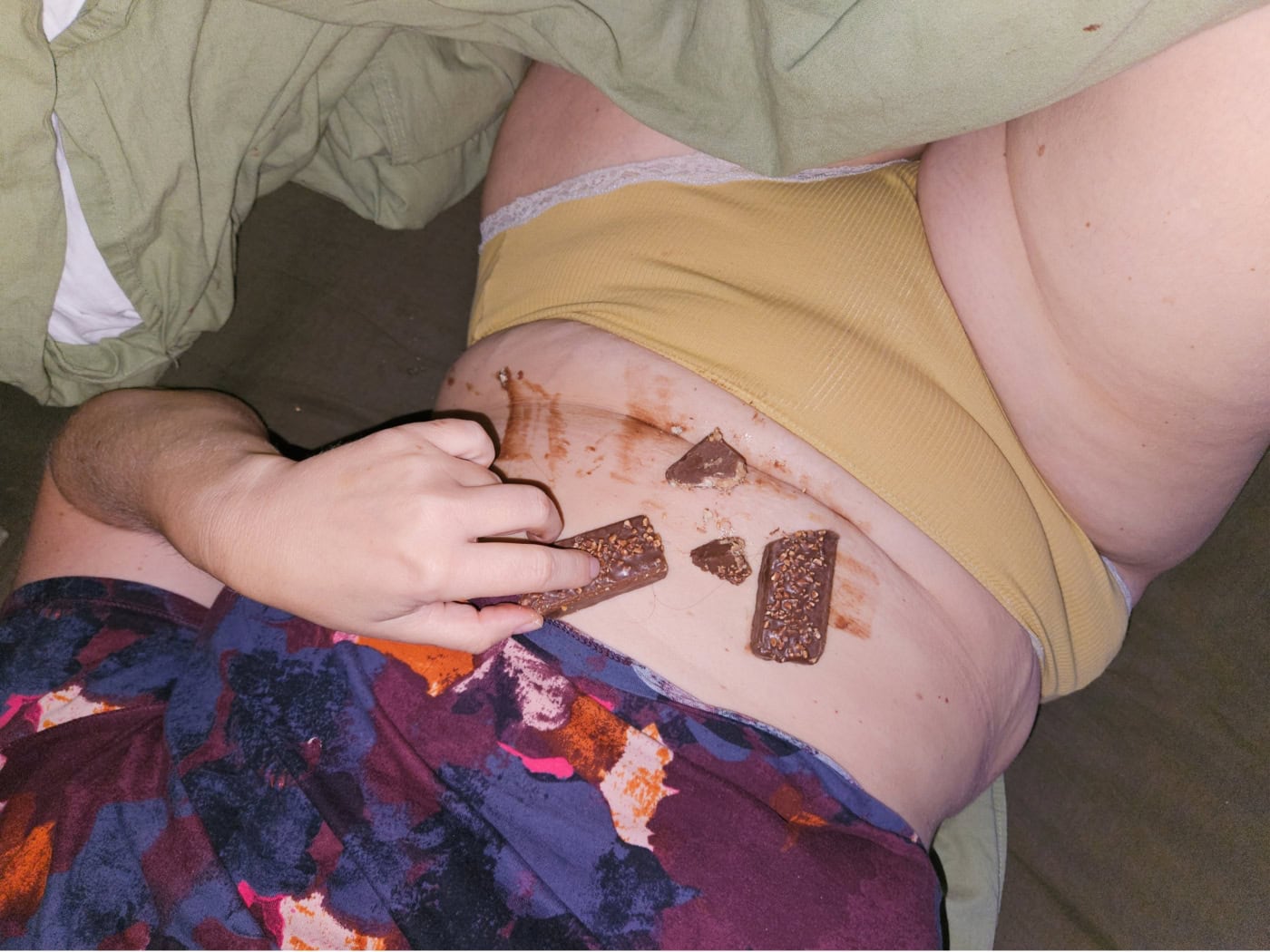
Sugar makes me soft, then sticky, then empty. I am both the experiment and the test subject. Sugar kisses. Sugar strikes. I eat beauty until it disgusts me. It’s revolting. I do it anyway. I celebrate myself. I hate myself. Sugar lies. So do I. I lie about sugar. Not always. But often enough for it to have become routine. ‘Nah, I’m not really into sweet stuff.’ That’s easy to say with a half-hearted grin, as if deceiving yourself were a polite gesture.
I have never talked to anyone about it. Not to therapists, not to doctors, not to friends; not even my family knows. Nobody knows. Nobody except me and the sugar.
Sugar is a silent god: demanding, cheap, omnipresent. It promises comfort and delivers numbness.
 Jana Junker
I have an eating disorder. Binge eating and an addiction to sugar. The term ‘binge eating’ goes down easily: clean, clinical. The reality is less aesthetic: wine gums, cake, ice cream, chocolate, crisps. When I can’t face anything sweet any more, I gorge on salty food, then sweet again. Preferably in bed, with something on a screen washing over me. I dissolve. A cycle. No pleasure. More of a ritual, a habit. Eating makes my heart race. Complete system overload. And still I carry on.
Sugar is a silent god: demanding, cheap, omnipresent. It promises comfort and delivers numbness. My reward centre throws a party. I worship it with my mouth full. I tell stories about my underactive thyroid and my disrupted metabolism. All of that is true, but on its own it isn’t what makes me fat. Still, I have to make the chaos look civilised. Shame is not a feeling. It is a state of matter. It sits in the throat, warm and painful. It stays when everything else has been digested.
I eat against something that has no clear name. Fear, perhaps. Emptiness. The vague feeling that everything is too much and, at the same time, not enough. Sugar is not a treat. Sugar is a tool. Restraint, loss of control, regret … on an endless loop. As a child, I hid the wrappers under my bed. Evidence nobody was allowed to see. Today they disappear into the bin, beneath routines, beneath a pose of self-irony. When I break my own promises, I gorge twice over. Once on sugar, once on contempt. Then I sit there, full to bursting, thinking I’m good for nothing. Not even as a disciplined addict. I look at the leftovers, at the greasy wrappers, at myself, and feel the disgust slowly turning into self-loathing: precise, methodical, familiar. There is a particular kind of intimacy in watching yourself fail. I know exactly how it will end, and I do it anyway.
I am an addict. Addicted to the brief calm afterwards. To the heaviness that lingers when the bag is empty. To the illusion that this time really was the last. For me, giving up sugar only works if I do it radically. All or nothing. I can’t do grey areas in measured doses. One bite is never just one bite. It is the start of the next crash. Last year I managed six months. Six months without sugar. Then came an exception. A piece of cake, a little test. And the whole fragile structure collapsed, as it always does. A single crack, and everything comes down.
Showing myself
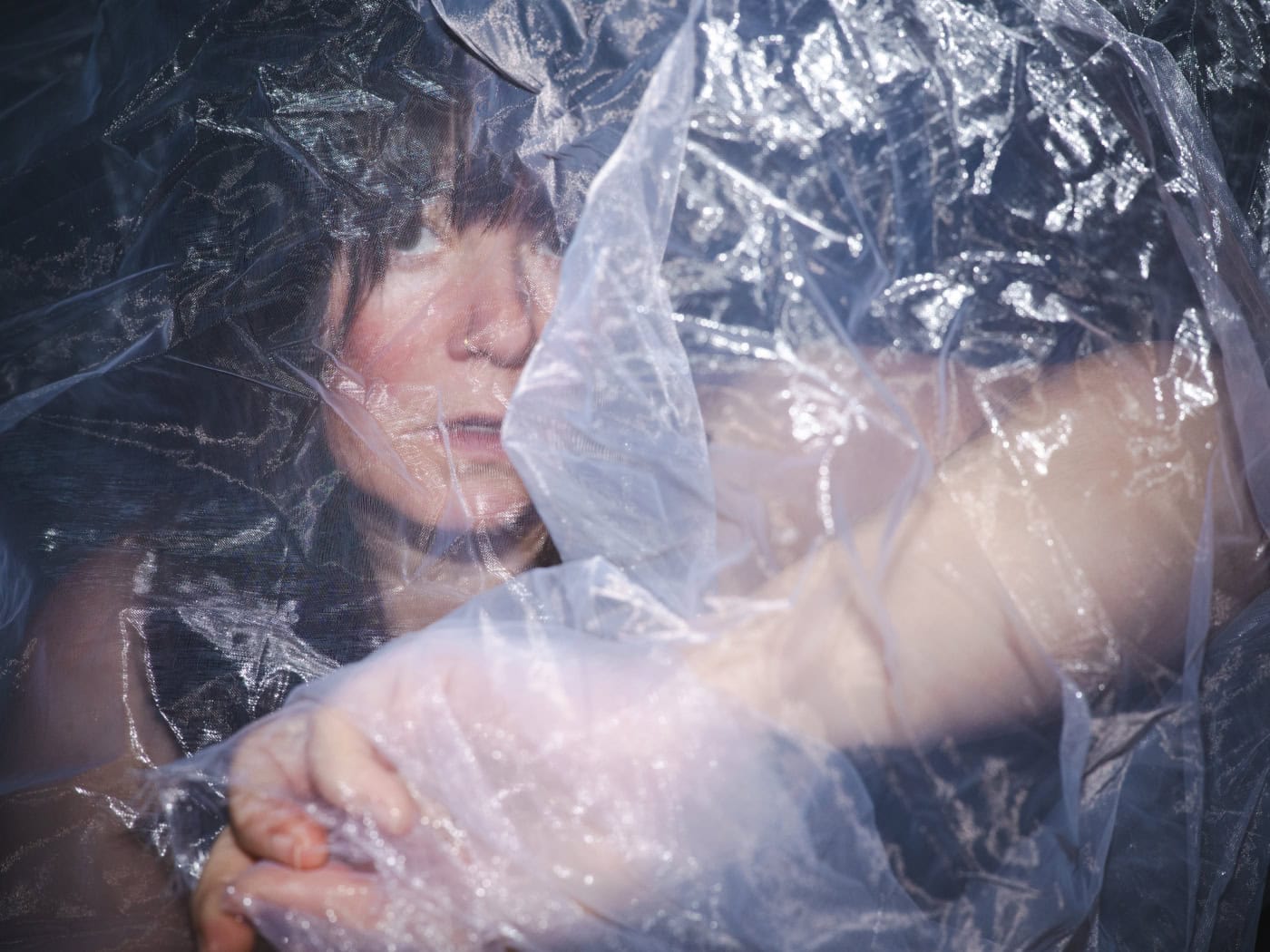
Yesterday I went into the lake naked. Eight degrees in the water, five in the air. I know because someone came along and measured the temperatures. I had hoped to be alone. Even being naked on my own takes courage. I don’t even have to look at myself. The mere feeling of skin without fabric is enough to make me uncomfortable. At the moment I can hardly bear to look at myself in the mirror. I have hidden for so long, wrapped up, laced in. But I love water. Preferably naked. I love the way it holds me, makes me light, almost transparent, and embraces me. I especially love cold water. It goes right through everything. For me, water is a kind of radical cleansing. Of thoughts, of noise. Afterwards I feel tidier, clearer, almost at peace. Because it doesn’t ask whether I fit in. Water is honest. Water doesn’t lie, doesn’t comment, doesn’t compare. It is simply there.
I love water in the form of rain too, that indifferent wetness that falls on every body. Nobody is too fat for rain. Nobody is too wrong for water. And just as I had managed to let go a little in the water yesterday, someone joined me. A person, also naked, friendly, completely at ease. Small talk between two strangers’ bodies, as if this were normal. For me, it was something to endure. I felt everything inside me tense up again. Muscles, thoughts, courage. A quick remark, an excuse, then the retreat. And yet I would have liked to stay. To drift a little longer. I would actually love to go swimming often. It does me so much good. But I rarely dare.
I love water, that indifferent wetness that falls on every body. Nobody is too fat for rain. Nobody is too wrong for water.
Jana Junker
Can you actually train yourself to overcome shame? Go out again and again, show yourself, endure it until at some point it gets easier? Or does shame simply stay, stuck to your soul like chewing gum, no matter how often you trample on it? I suppose I’ll have to try it to find out. When I walked back barefoot from the lake to the car, my feet were still wet and ice-cold. So numb that I didn’t feel any of the sharp stones. That felt good.
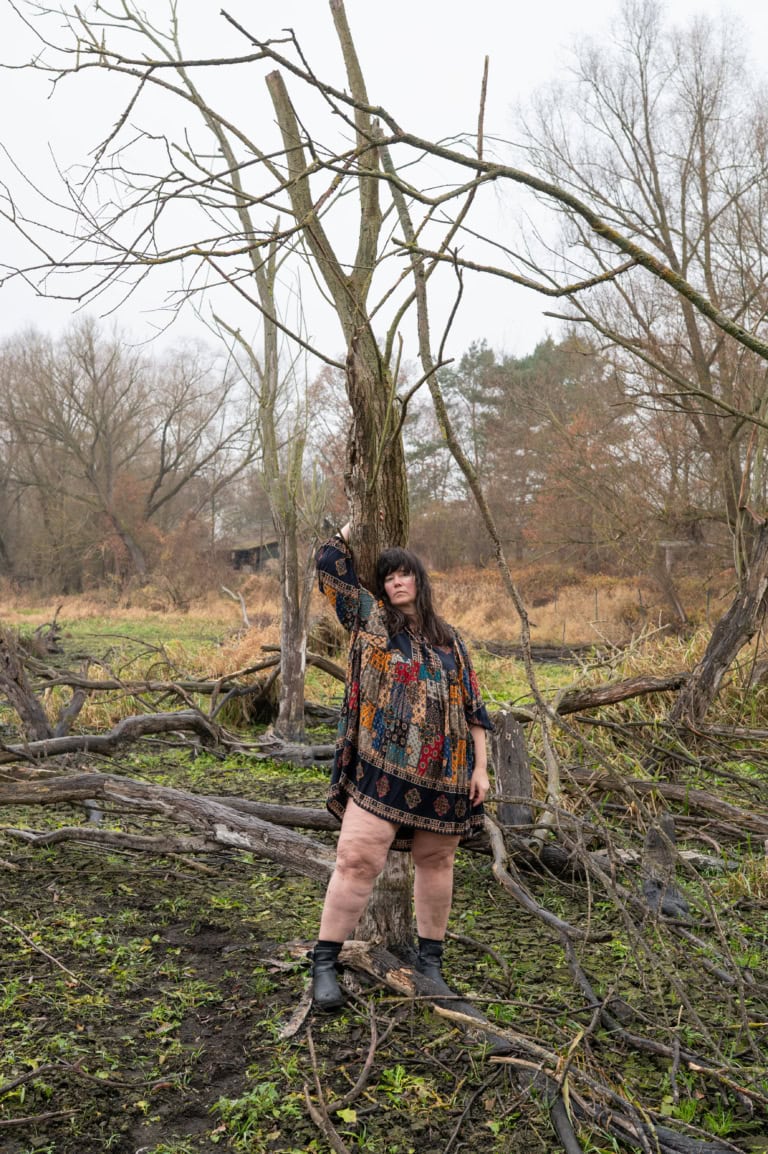
I hate my legs. This sentence hurts even as I write it, because it sounds so absolute. But it captures a feeling that has been with me for as long as I can remember. My legs are shapeless, puffy, dimpled, fat, heavy. They hurt. Sometimes they feel like foreign bodies. I notice how much I distrust them. Their weight, their shape, their visibility. I catch myself constantly watching, measuring, judging them. For me, legs are not just parts of the body but social yardsticks. Sometimes I wonder who actually decided what legs should look like. Who decreed that slim, even and toned is the norm and everything else a problem. I notice how deep this pressure runs, how it inscribes itself into every movement. Into the way I walk. Into my clothes. Into my thoughts.
Buying trousers is torture. Every pair reminds me that my legs apparently don’t fit the shape the industry takes for granted. It is a moment when the social norm suddenly becomes very concrete. As trousers I can’t even pull up over my thighs, as fabric that strains, as a button that won’t do up, as a reflection in the changing-room mirror telling me: ‘You’re different. And different is difficult.’ I often leave those shops feeling I have to justify myself, although I don’t even know what for. And so a cycle begins of disappointment, shame and quiet anger. Anger at having become so estranged from my own legs. Anger that a part of my body that carries me day after day has become a yardstick for worth, attractiveness and normality. Anger that I let myself get drawn into these comparisons at all.
Today it isn’t nearly as cold as it has been. I’m wearing a dress I usually avoid. Too short. Too much leg. Even with leggings, which I always wear under dresses, even in summer, I find my legs awful, fucking unsightly, something better kept under wraps. That’s why I normally wear longer dresses. Today I thought: nope. Just nope. And at some point, outside and away from town, I took the leggings off as well. Walking with bare, fat legs is not a scene from a film about freedom. Skin rubs against skin. It burns. It hurts. Photographing myself like this took enormous courage. And the thought of showing this picture makes me feel sick. I’m doing it anyway.
What exactly am I fighting here? Perhaps binge eating is my way of making what is pure dirty again. An act of sabotage.
Jana Junker
Old patterns
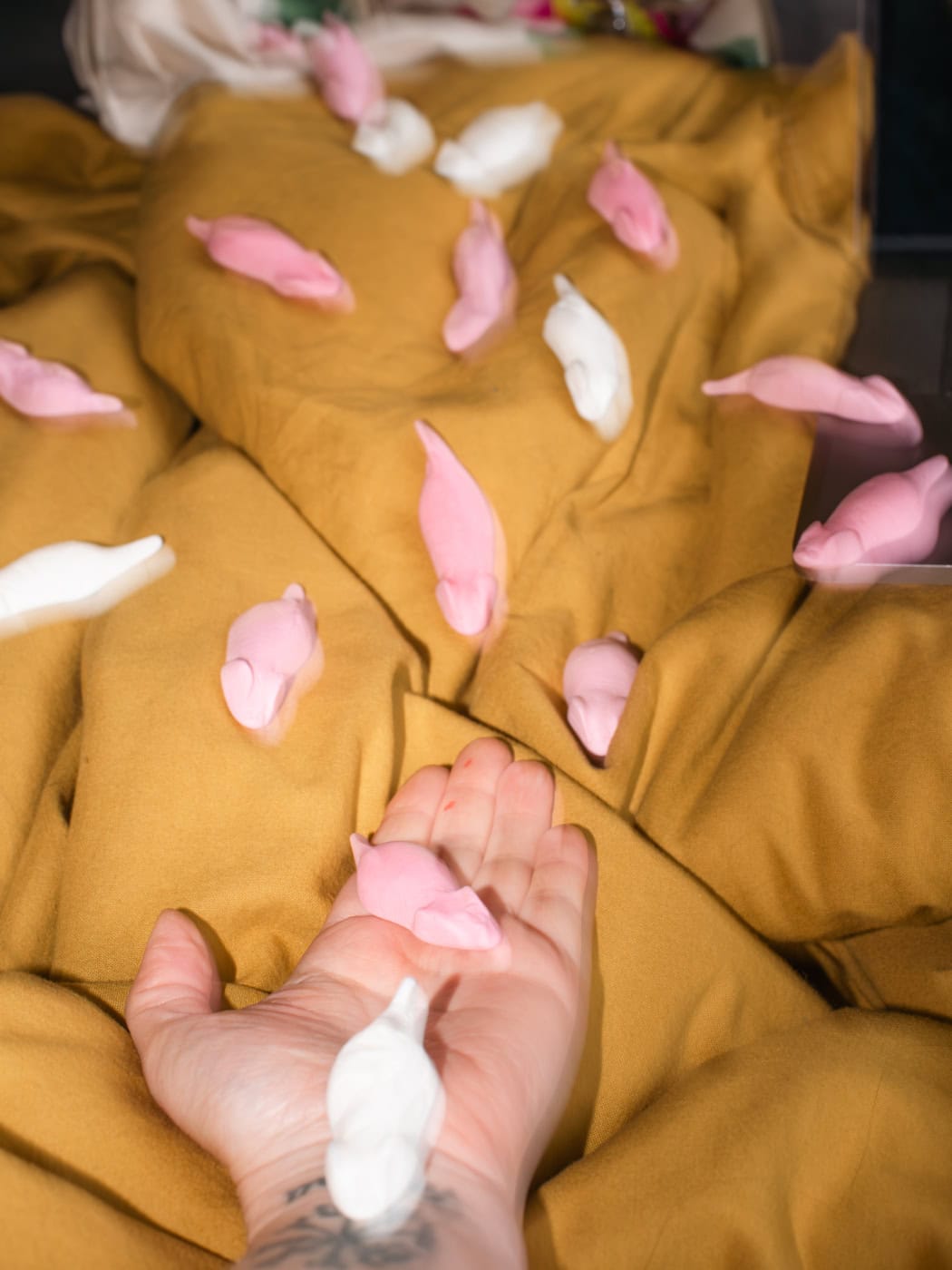
Today I was invited to brunch at a friend’s place, somewhere out in the sticks. Everyone knows everyone there. Lots of people get their vegetables locally from a community-supported agriculture scheme, straight from the farm. So do I, in theory. Except that I collect my box in the city, anonymously, from the depot of a different scheme. I love natural food. I can feel straight away how good it is for me. I become calmer, clearer, lighter. I feel more open, less charged. And yet I keep sabotaging it. It’s as if I were systematically distancing myself from the very things that are good for me.
I once spent a year eating a raw vegan diet. No animal products, no cooker, hardly any waste. Everything as natural as possible. I read up on it thoroughly beforehand. Supplements, B12, sources of protein. I was organised, disciplined. I was alert, focused, stable. But also somehow fanatical and far too rigid. Once again, there was no middle way I could manage. Another extreme that ended up consuming me.
After the brunch – everything fresh, everything lovely, everything right – I came home and had a massive binge. No hunger, no craving, just this reflex, this electric jolt in my head. Then shame. So overwhelming that I couldn’t even photograph it, even though this project depends on exactly that. On the unvarnished truth.
At the moment I’m devouring huge amounts of sugar again, and no part of me seems able to regain control. It’s like trying to hold back a storm with my bare hands. Powerless and hopeless. Even as I reach for it, I feel that dull sense of disgust inside me, as if I were watching myself without being able to step in. Every bite is a brief comfort, but afterwards all that is left is an unpleasant pull in my stomach and the question of why I keep letting the same wave knock me over.
What exactly am I fighting here? Perhaps binge eating is my way of making what is pure dirty again. An act of sabotage. A defiant no to what is right. But why? There is a bag hidden under my bed. If I turn to the right and reach out, I can get to it easily. A small, well-practised movement. Between that gesture and the rustle of the fabric lies a whole history of habit and need. The bag holds sweets, crisps, small portions of comfort. I reach for it when something inside me grows restless, not out of hunger but out of a need to soothe something. It is a reflex, a familiar choreography between tension and relief.
The brain loves patterns. It recognises them, repeats them, reinforces them. The behaviour follows the logic of the reward system. The release of dopamine, a neurotransmitter involved in motivation and pleasure, strengthens it. Every time I reach into the bag and feel pleasure, my brain marks the moment as positive. At some point it becomes a habit, the habit becomes a structure, and the structure becomes the invisible scaffolding that holds up part of me. A full bag means calm. An empty one means unrest. Only now can I bring myself to write about it, because it is so incredibly embarrassing. The bag is my little secret, banal and yet intimate, because it shows so precisely how I function when nobody is looking.
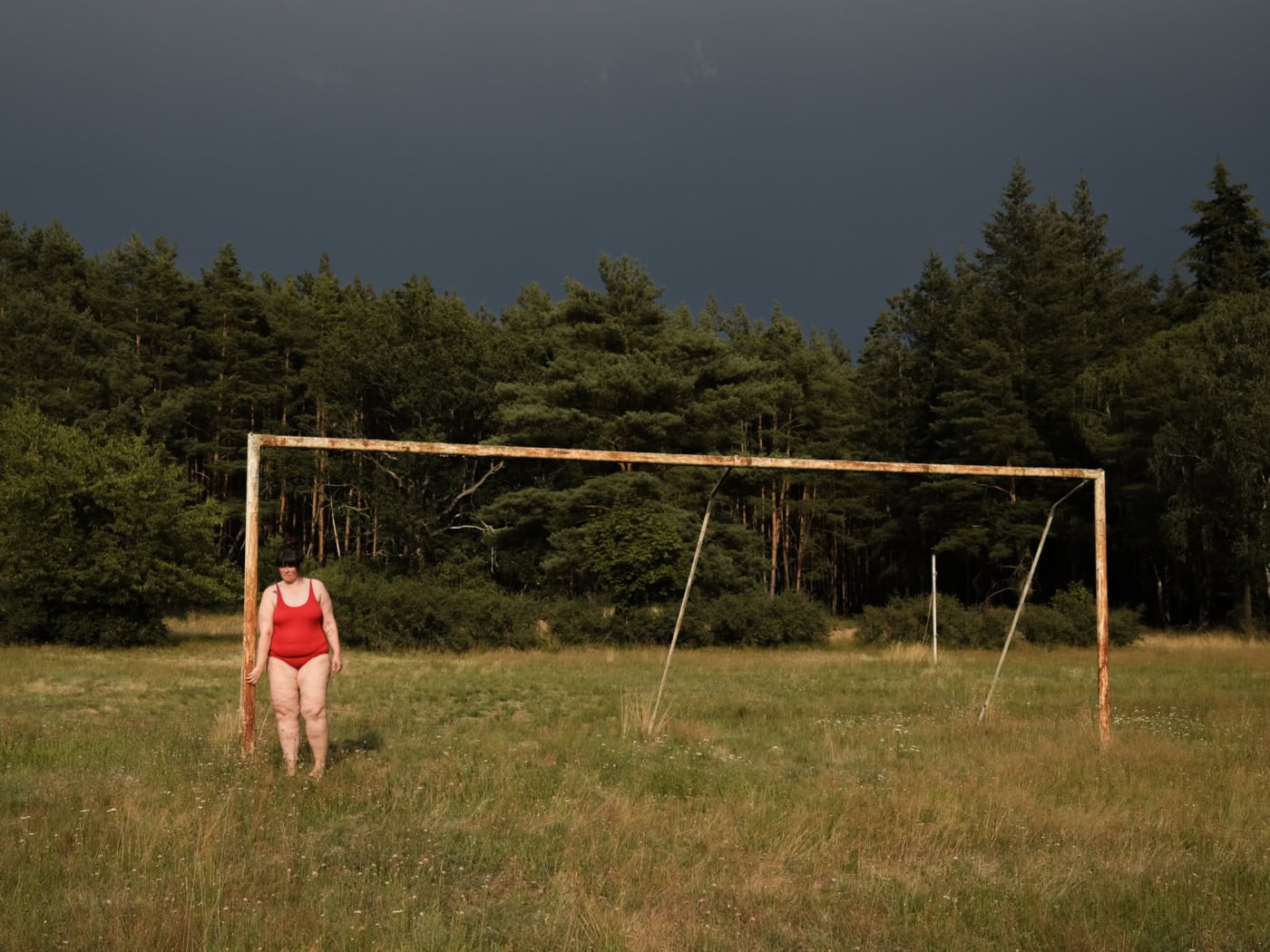
I am beginning to feel this project quietly taking effect. What began as a precise, almost meticulous dismantling of all the patterns that have kept me trapped in invisibility for years is very slowly loosening something in me. It isn’t a sudden, great epiphany, but a subtle, barely perceptible shift in how I see things. I notice it in front of the mirror. The gaze that looks back is no longer only strict and judgemental. Where there used to be nothing but the feeling of having failed at losing weight yet again, a new kind of gentleness is creeping in. The constant reproaches are giving way to a quiet forbearance towards myself. Now that I no longer see my body only as something to be judged from the outside, but as the place where my own life story unfolds, my dissatisfaction is losing its paralysing power. Today this inner relief showed itself in everyday life. For the first time this summer, I went outside in swimwear, down to the water. And there were other people there too. I dared to do it. And lo and behold: the sky didn’t fall in, and the earth kept on turning.
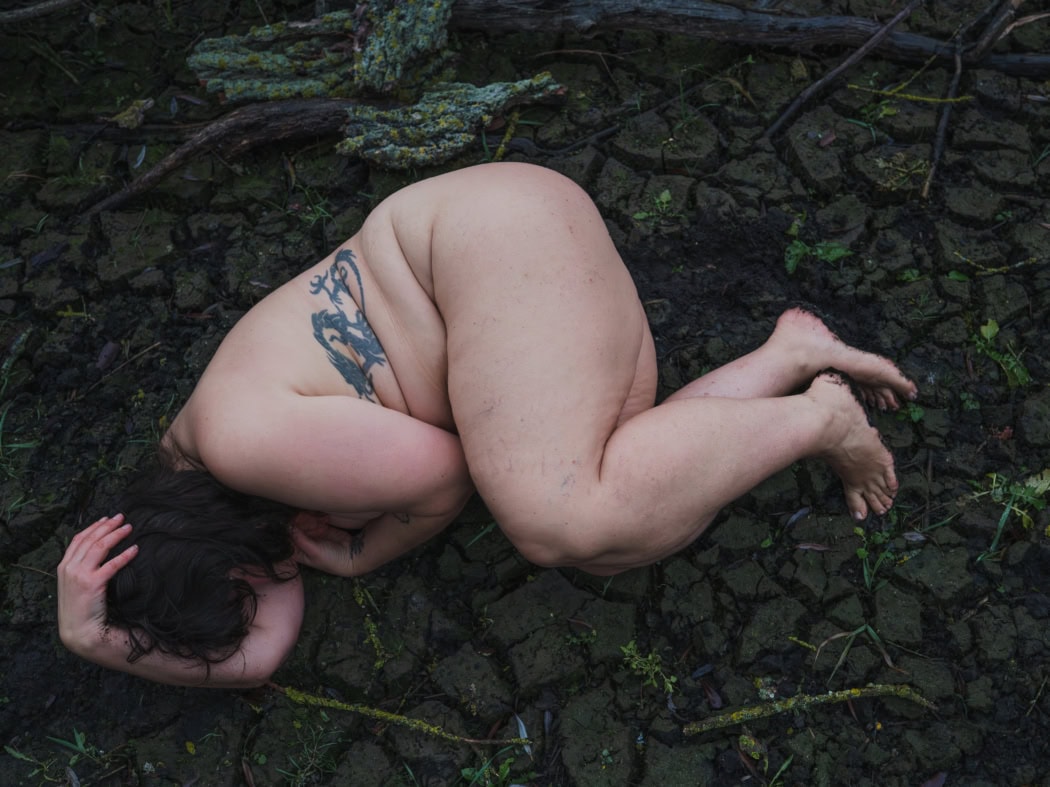
Today, for the first time in ages, I had a bath. I very rarely have baths, because for me they aren’t relaxing. Too much water, too much body, too little distance. In the shower, everything flows, functional and quick. In the bath, though, there are islands in the water. Islands of skin, mass, human being. Sometimes my relationship with my body resembles my relationship with money. Both swing between control and loss of control, between discipline and shame. Both are systems in which I never feel entirely at home. I count in calories and euros, in scarcity and excess. Always the feeling of having too little and, at the same time, of being too much. Money is a bit tight at the moment. And unfortunately, money is the thing that quite often tips me over the edge.
Sometimes I wonder whether scarcity is a state at all, something you either have or don’t have, or whether it is rather a language I have trained myself to speak. I know this language far too well. It shapes my perception before I can even put a name to anything. Almost as if scarcity had written itself into my cells, a molecular reminder that there is never quite enough. Too little space, too little money, too little time, too little strength.
It is not only an external deficit but also an internal structure, an invisible ordering system that organises my thinking, my decisions and my relationships. Scarcity limits me, but it also gives me something to hold on to. It is familiar, almost comforting in its reliability. It forces me to stay alert, to react, to function. But at the same time it robs me of so much energy, relaxation and peace. I would like a kinder ordering system, one with more of a sense of humour. When I let the water out later, that thin film stayed on my skin for a moment. As if it wanted to hold on to me a little longer. Tomorrow I’ll shower again.
I count in calories and euros, in scarcity and excess. Always the feeling of having too little and, at the same time, of being too much.
Jana Junker
Between extremes
I disappear all the time. Into people, into expectations, into routines. In moments when I actually want to be present, I am suddenly gone. Not physically, but inwardly. I’m so sick of constantly pixelating myself. I’m brilliant at camouflage. As nice, as funny, as accommodating. I can dissolve into anything that is loud or quiet enough. Into food. Into work. Into thoughts too big to think all the way through. I disappear into my body and out of it at the same time. Perhaps that is my real superpower: camouflaging myself so well that even I can barely find myself again. At the same time, though, I want to be seen. That is the biggest dilemma of all. The urge to be seen, and the panic about what will happen if someone really does see me. The fear is huge. Not loud, but dissecting. The fear of being exposed. Not in a physical sense, but in an existential one. The fear that someone will notice the fine cracks. That my carefully curated facade is no more than a membrane, transparent and fragile. That someone will recognise me before I myself understand who this ‘I’ actually is.
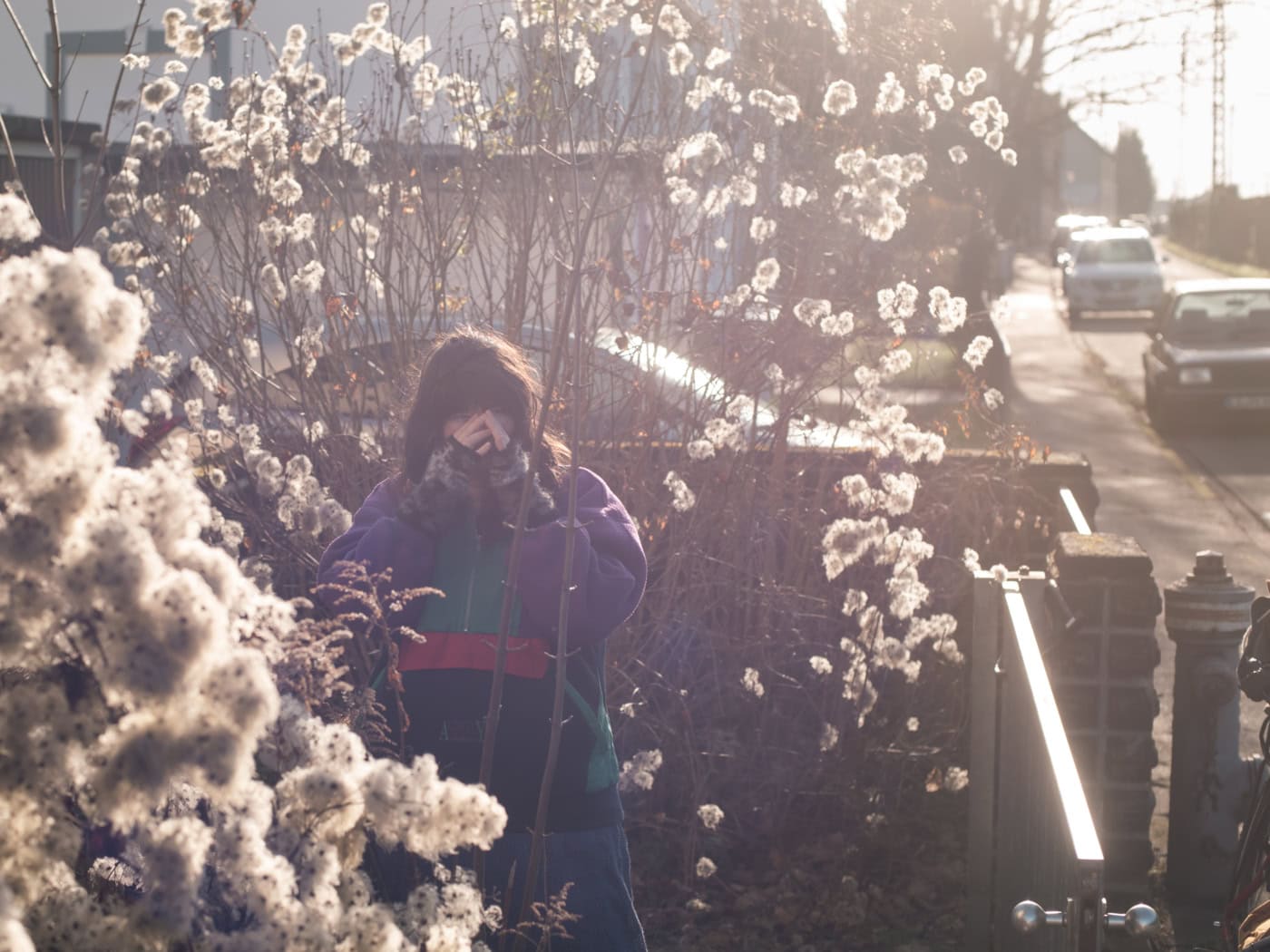
Perhaps that is exactly why I keep withdrawing from relationships fairly quickly. I need space and time for myself. Until now, that has always been my rational, almost lofty explanation: ‘I need my space.’ But the whole truth is subtler and more painful. It isn’t just the space I need; there is also a fear of being seen. Real intimacy requires me to expose myself with an intensity I can barely stand. At some point, everything about my partner starts to trigger me. A look, a sentence, a gesture, even the way he moves or what he wears. Things that are actually completely banal. It’s as if part of me were unconsciously looking for reasons to create distance, to escape from the supposed danger zone before anything can hurt. I wish that one day I could stop seeing a threat in almost every kind of closeness and simply allow it instead.
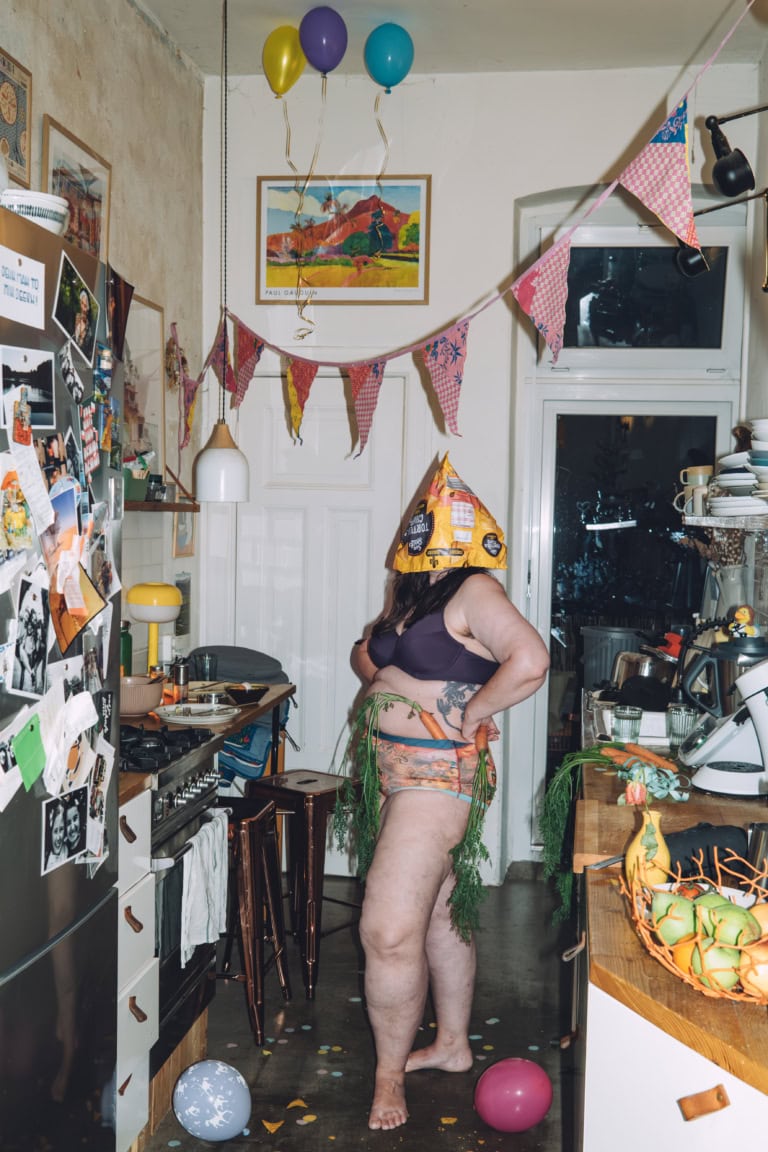
I can’t do ‘a little’. Never could. Perhaps never wanted to. With food, that means superfood or total meltdown. I’m either the one who controls everything or the one who devours everything. In between: nothing, no taste, no tension. The same pattern with exercise. Either hardcore, almost every day, high on endorphins. Or a complete standstill. Then even walking to the supermarket is too much exercise. I only do excess or exhaustion. I catch fire easily. I can get excited about almost anything, dive in head first, devour every detail, every theory, every form, and then lose interest with the same intensity I gained it. What was an obsession yesterday is lying cold in the corner today.
Photography, however, has always stayed. It keeps me anchored. It is the exception. In the past, I was often ashamed. Of the way I live. Especially when I heard that sentence: ‘Jana, you never finish anything.’ Every time, it sounded like a verdict on my whole being. Not on what I had or hadn’t done, but on who I am. I felt small, unfinished, wrongly put together. Do I want a diagnosis, a name for it? I don’t know. Perhaps there is nothing wrong with me at all.
Even as a child, I was suspicious of grey. Grey smells of mediocrity, of lukewarm water. I know that this attitude can be destructive. But destruction at least has rhythm, drama, colour. The middle has structure at best. Perhaps I mistake peace for boredom. Perhaps I am addicted to intensity, even when it eats me up. I feel at ease and ill at ease in both extremes at once. Black and white. When I’m stuck in one, at some point I start to miss the other. Perhaps I can only find balance over long stretches of time. My weight, for example, goes up and down. Lose 40 kilos in six months? No problem for me. Keep the weight off? So far, impossible. And perhaps, just perhaps, that isn’t all bad. Perhaps that is simply me. Perhaps it isn’t about curing it, but about understanding it. Understanding myself. Not constantly correcting myself, but allowing myself to be the way I am. With all the too much and too little, the black and white, the fear of grey. But weighing less for good would be bloody brilliant.
When life gets in the way
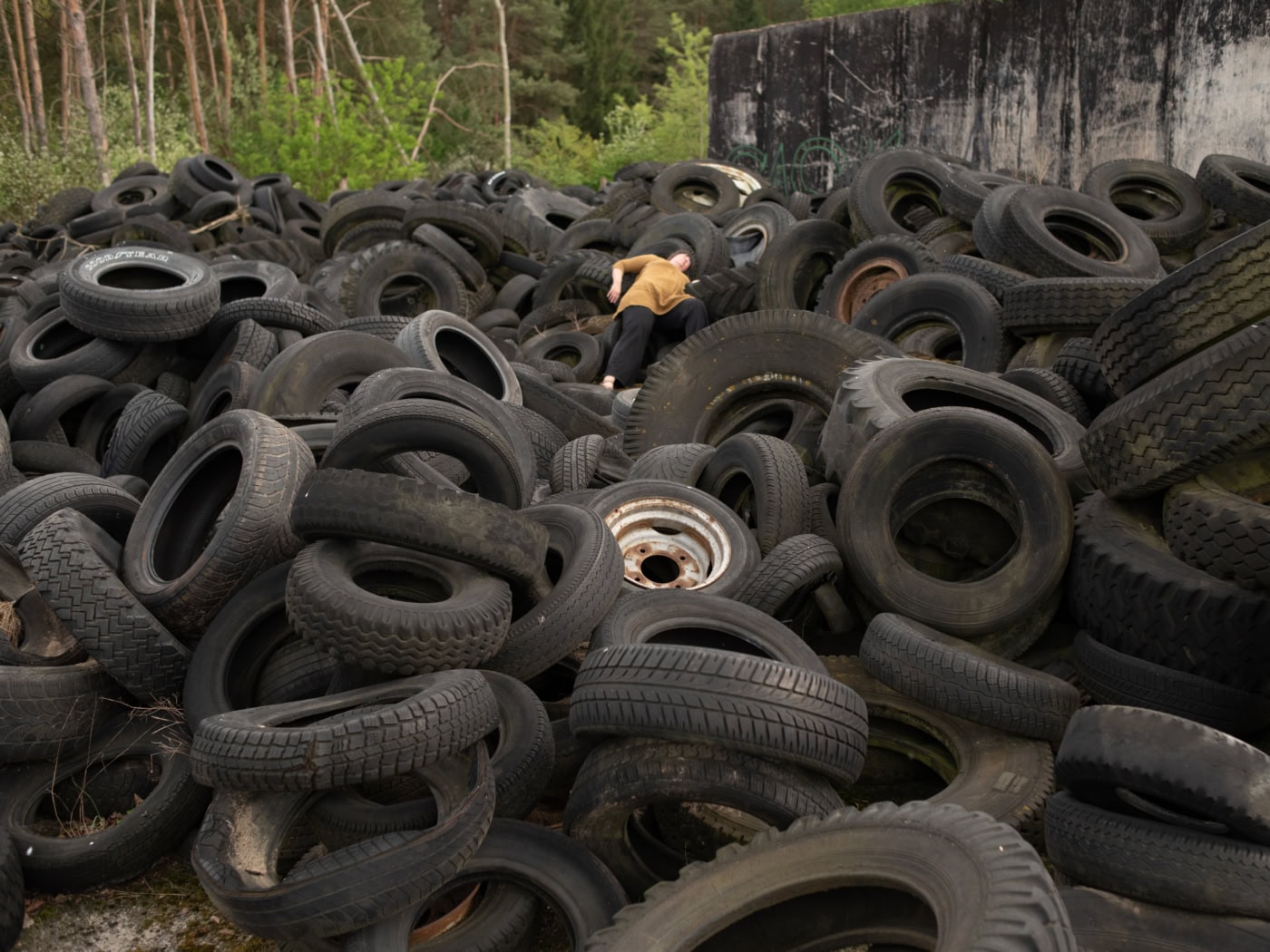
I barely slept last night. And I don’t really feel any better today. I can tell my body is running on empty. Everything feels exhausted, overloaded and worn out, as if there were hardly any energy left. All the plans I set myself – losing weight, ‘living my life’, the small and big steps towards change. Today they feel like things from another life. Unimaginably far away, almost irrelevant. Not because they don’t matter, but because right now there is simply no room for them. I’m also realising that I am nowhere near coming to terms with my father’s death. Two of my children are battling their own demons at the moment, too. And I’m caught in the middle, trying to hold things together, to support, to function. Worry is eating me up, slowly, steadily, like bleeding inside. On top of that, sugar withdrawal is hitting my system hard. My mood has hit rock bottom. I’m irritable and thin-skinned. Every little thing gets on my nerves.
Life doesn’t follow my agenda. It shifts priorities without warning, and I trail along behind.
Jana Junker
I am increasingly realising how far my original aim for this project has been pushed to the margins. Nothing I set out to do has any place in my life at the moment. There is simply no room for it, inside or out. Instead of losing weight, I have put on more. My withdrawal, my hiding – all of that has remained. There it is, the old realisation. Life doesn’t follow my agenda. It shifts priorities without warning, and I trail along behind. And yet I don’t want to lose sight of my goal. Above all, I don’t want to lose myself, to become invisible beneath demands that are currently louder than everything else. Really, I want to refuse to simply put myself off until later, the way you put off some tedious appointment that never seems important enough. I don’t want to have to gather myself up again at some point. Today, it really is just about getting through the day somehow. I can’t manage much more than that right now. No grand plan, just hanging on.
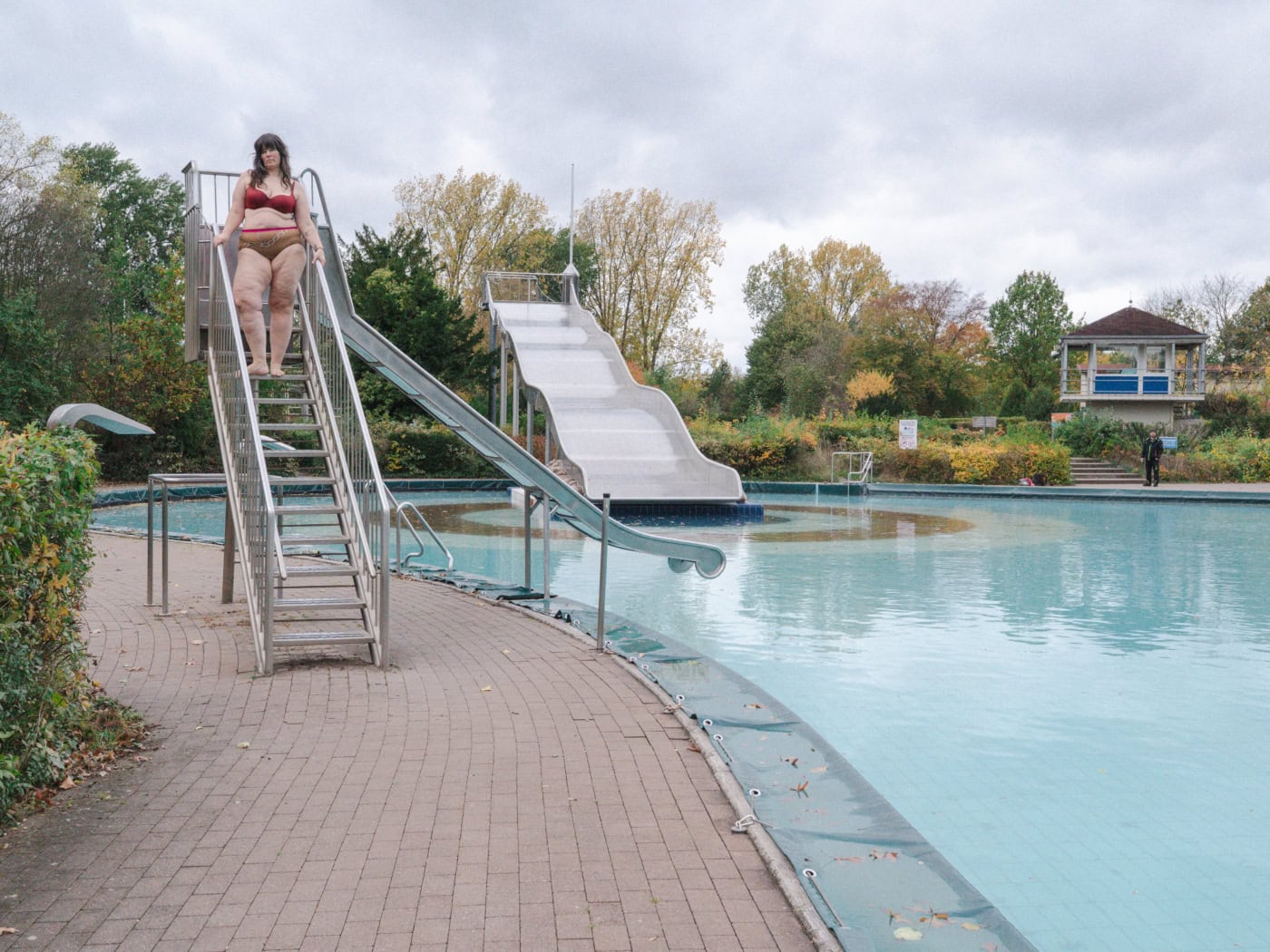
The outdoor pool season is long over. Just cold air, leaves, concrete. And me, in my underwear, because my swimsuit is too small at the moment. I was allowed in before everything is finally shut up for the winter. Something in me wanted to go there. Perhaps because it is usually a place I avoid. Too many bodies. Too much comparison. In my home town especially, it is almost unbearable. The thought of someone seeing what I really look like, uncurated. People who know me and perhaps even like me. Until they see me half naked. At least, that’s what I think. It feels as if I have an off-season body. For years I have treated it as if it were just a transitional phase. I wanted to know what it feels like, this place that usually frightens me.
So there I stood, visible and freezing. Public space, closed season. Perhaps a little defiance, too. It felt strange; I felt vulnerable. And at the same time, it was surprisingly liberating. I wasn’t completely alone. Someone was raking leaves, pottering about and glancing over now and then. I pretended it was all part of a concept. But there was something. Very delicate, barely tangible, yet there. A faint sense of joy, of possibility. For some of my self-portraits, including over the last few days, I haven’t been alone. I have shown myself, staged myself – something that usually hurts me almost physically. And what happened? Nothing terrible. No disaster, no collapse. Just looks, curious and open. In the end, the man from the pool asked me, genuinely interested, why I was taking the photos. I was able to answer honestly, and it led to a wonderfully warm conversation. And suddenly, for a brief moment, everything was all right.
Small shifts
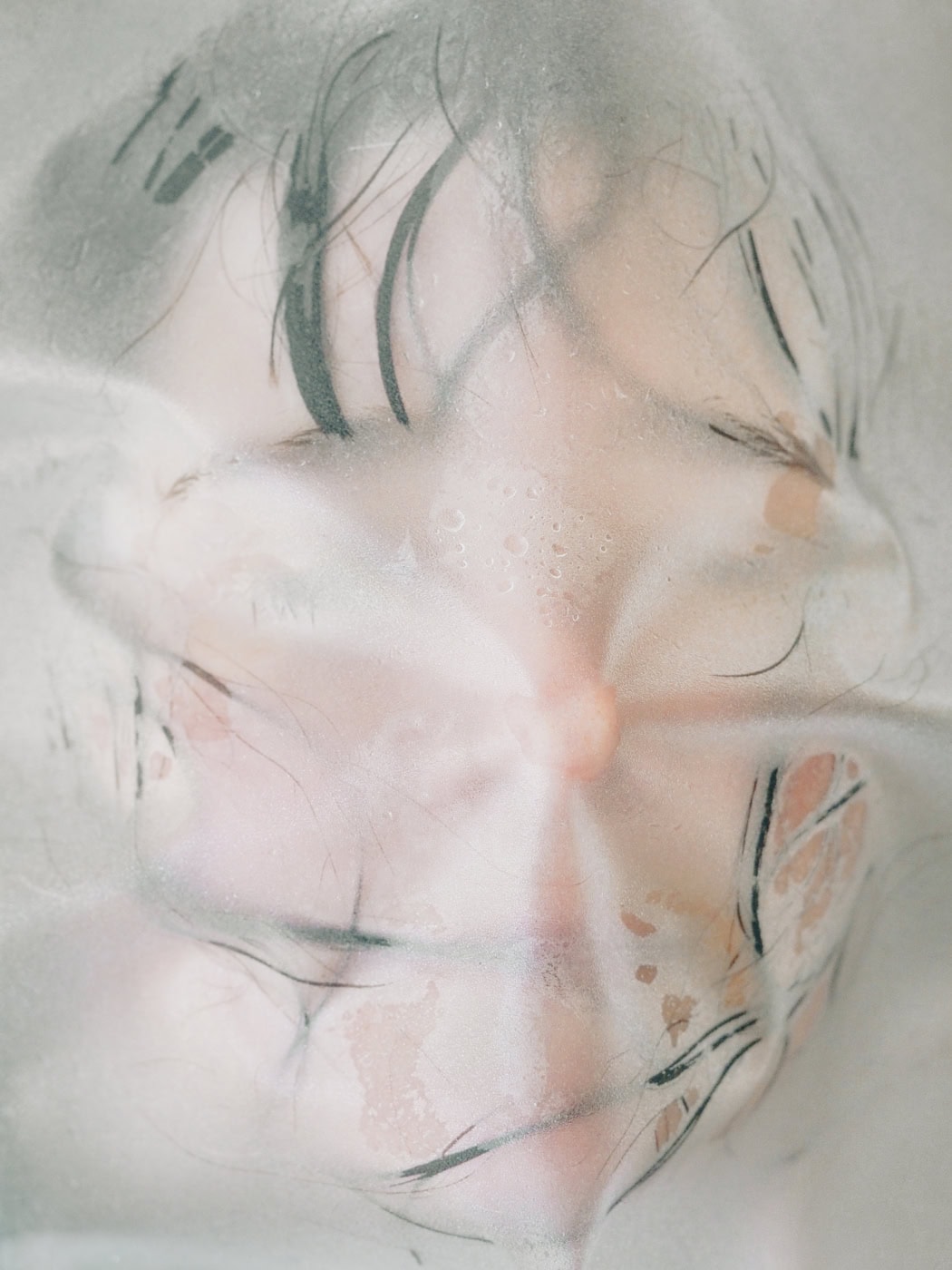
It’s sweltering outside, over 40 degrees. I have hated heat since I was a child, and this humid, sticky, stuffy air is wearing me down at the moment. I’m just trying to hold out in here, inside the flat. But after all these days, the heat has relentlessly eaten its way through the thick walls of this old building.
In this extreme heat, my excess weight weighs on me in a whole new way. My own weight feels twice as heavy. Being fat in high summer is just shit. Skin rubs against skin everywhere, and burning, painful sores appear in all sorts of places. With the temperatures, that old tightness in my chest comes back too. I hardly dare go outside, because I can barely stand my body in this state. How I would love to just put on a light, airy dress … without the constant fear of the next sore patch.
In the evening, a piece of that summer world tumbles into my isolation after all. My middle son comes home with a friend. Both completely shattered but happy, with whopping sunburn on their shoulders. They carry the summer around like a trophy of blissful ignorance. And as they smell of sun-warmed skin, I become painfully aware of how much I long for that carefree ease.
Something happened at the weekend that sounds trivial but is very unusual for me. I didn’t buy any snacks. Not on Saturday, and no trip to the corner shop on Sunday either. It wasn’t a conscious act of self-denial, nor an act of discipline. There was simply nothing there. No urge, no circling around what I could eat. This state is a rare guest in my life. It only appears when everything shifts. When something new stakes out its territory. A project that excites me, a passion that sweeps me along, a new love. The excitement eats up the hunger. My brain burns so brightly that it doesn’t need anything sweet. The dopamine flows from other sources … more direct, purer, without the sticky shame afterwards. In these phases I am alive, hyper-alert. More myself than usual. At least, that’s how it feels.
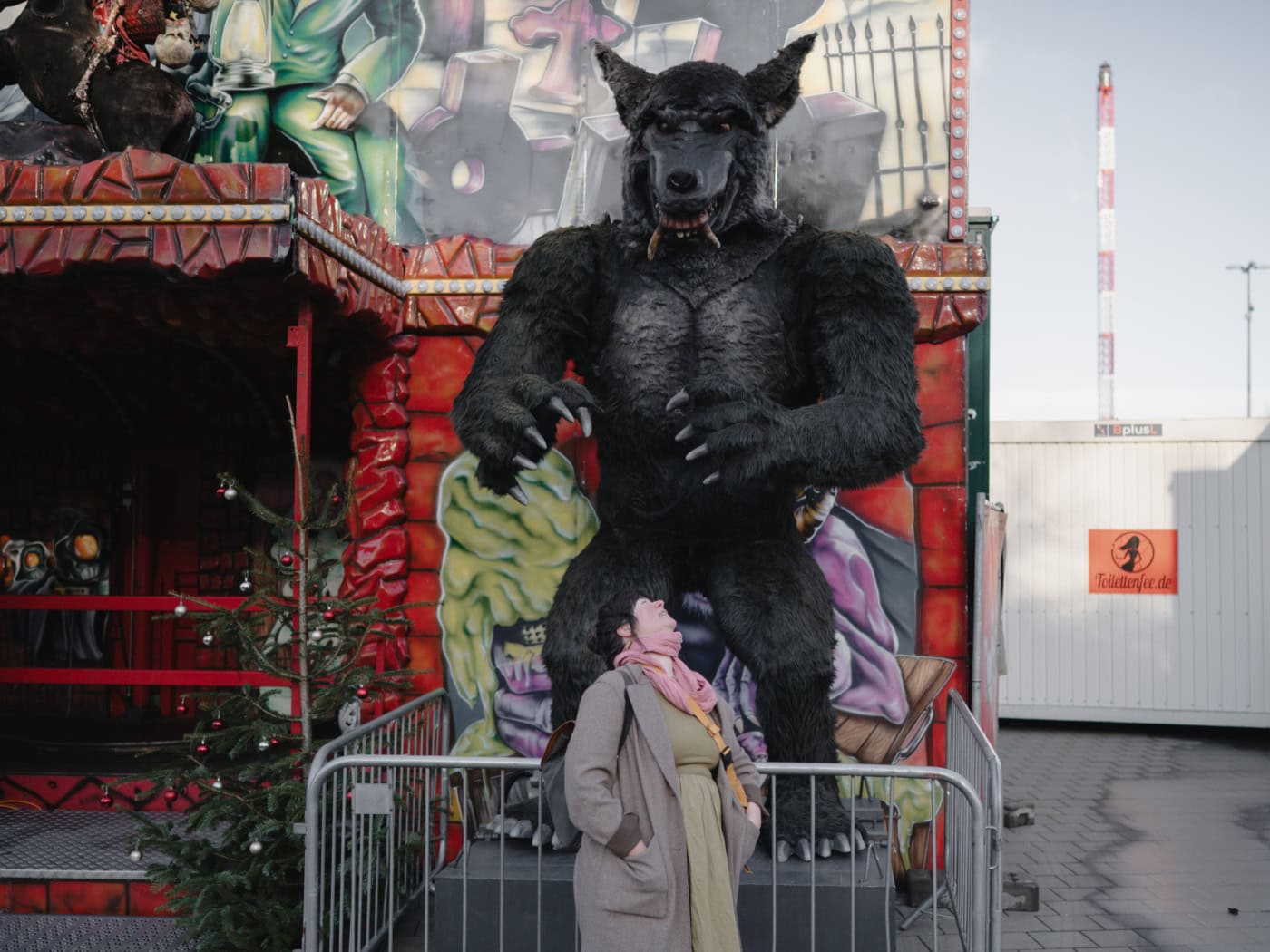
But I also know what comes next. The inevitable waning. When the new loses its edge and becomes routine. When I slip back into the old, familiar patterns. Perhaps it’s just one addiction replacing another: the same energy, a new target. The initial euphoria as a fragile form of therapy.
I have given myself a year for this project. A year in which I want to look closely, write and explore new paths. I wonder whether I am overstretching myself yet again. A self-portrait every day for a whole year. Even when I really can’t be bothered. For now, I’m full of momentum. But I know how quickly that can flip. I have a talent for burning myself out right at the start. And then suddenly there’s no energy left at all. It feels like a bad hangover. I do sometimes wonder how I could do things differently. How do you hold on to something that, as I know only too well, never lasts long with me? And how far could I get if I stuck with it for longer?
Perfectionism kills. Not loudly, but insidiously. It smothers my enthusiasm.
Jana Junker
Perhaps this time it isn’t about keeping the fire going, but about learning what remains once it has burnt out. Carrying on with that, instead of immediately looking for the next pile of wood. Just this once, even if it goes against my nature. Simply giving it a go. And not being too much of a perfectionist. Perfectionism kills. Not loudly, but insidiously. It smothers my enthusiasm. Perfectionism gives you structure, yes, but it also robs you of any spontaneity. No room for failure, no room for a simple ‘whatever’. I think perfectionism is really just a more elegant form of fear. And I am so tired of being afraid.
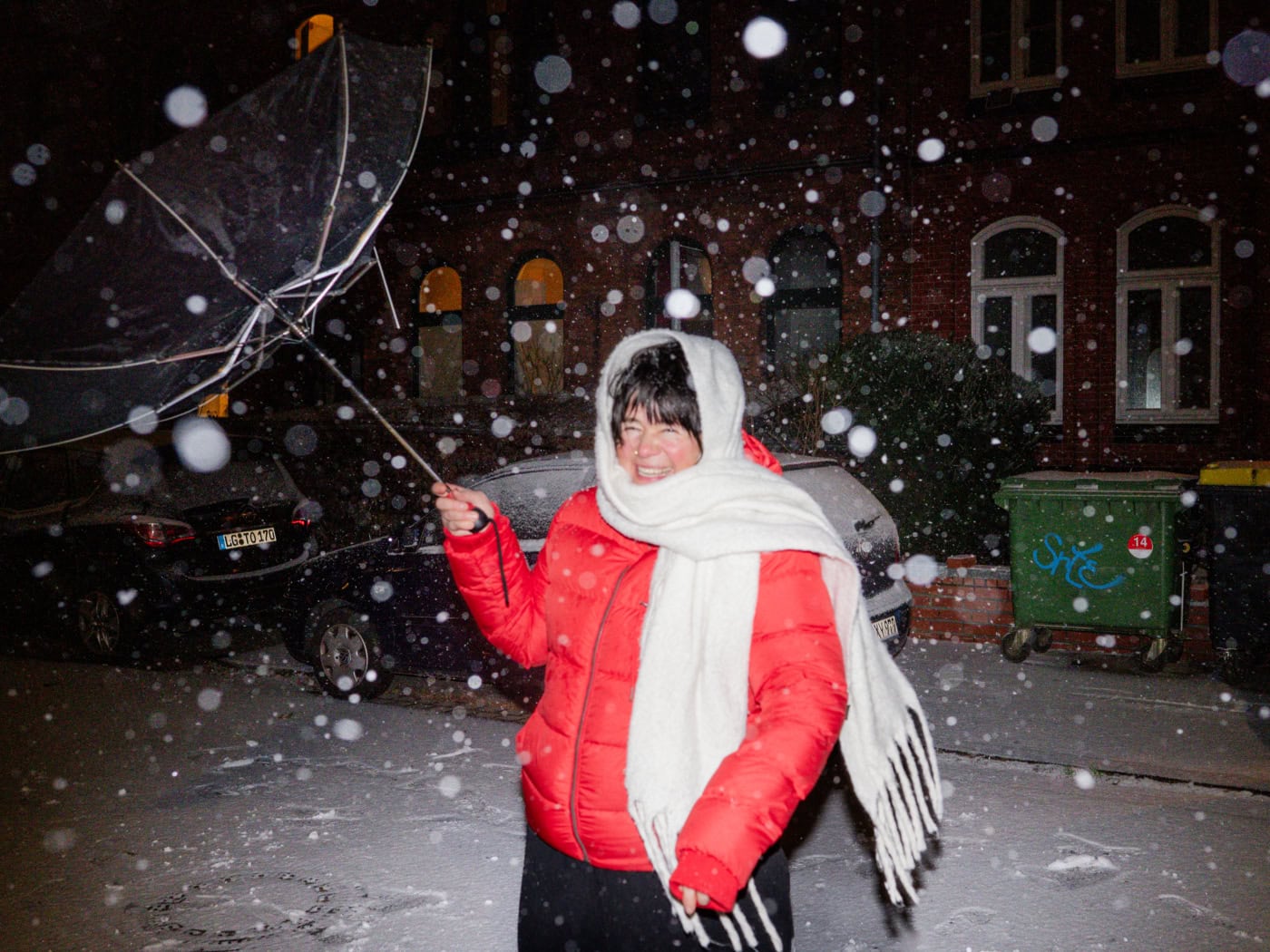
When I wake up this morning, something suddenly dawns on me. Today, for the first time, I am meeting someone who now knows everything. Everything I have revealed so far – live, in person. And straight away I wonder how that will feel. Moritz and Max, who are studying with me, are coming round in the afternoon. And what can I say? It’s just completely normal. I’m not ashamed; it doesn’t feel weird. The world doesn’t tilt. Max knows I’m making photobook dummies for my project, and he wants to see what has already been printed. Moritz is sitting next to him and so far knows nothing about any of this. For a moment I wonder whether I really want this. But yes, I trust that he and I can both handle it.
Then they sit in my kitchen, leafing through my book, while I stand beside them. It’s quiet, just the rustle of pages. And as I watch them, I suddenly notice how light I feel, despite my nerves. Everything I have hidden, buried and pushed away for so many years is lying open in front of them, and it’s OK. I can be there without being crushed by it. There is no shame, no fear. And I don’t think I have really grasped yet what a huge step this is, how much potential it holds – even if it may feel completely different with other people. And then Max says: ‘If this is what comes of it when you can’t go to uni, then just stay away.’ Yes. That gets to me, in a strange, good way. And it gives me the courage to keep going.
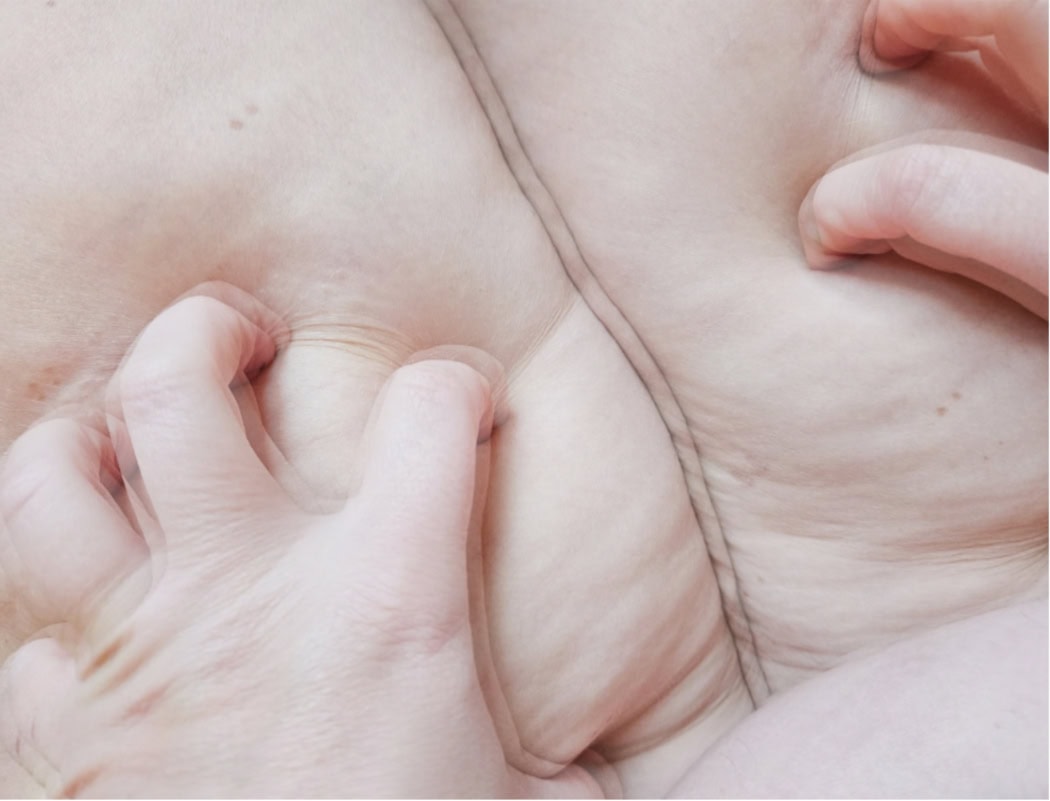
My skin feels like dough. Soft, shapeless, wobbling. As if my body had no clear boundary, as if it were constantly shifting, spilling over, blurring. Often I don’t even know where I begin and where I end. Everything seems to be in motion, but not alive. More sluggish, overstretched, undecided and heavy. All the losing and gaining of weight, and three pregnancies, have left my skin slack. Too much of it, everywhere. A surplus that will never shrink back. The less I weigh, the more kneadable I become. A paradoxical shrinking that doesn’t really make anything smaller.
Sometimes I think I need someone to reshape me, just so that I have contours again. Something to hold me together. Another reason why I love cold water so much. It draws me together, makes me compact, firmer. Afterwards, everything expands again. Skin, thoughts, doubts. But I also want to be able to hold myself together on my own. Without a corset, without the fear of falling apart.
Worry and gratitude
I don’t want to write in detail about what is going on with my daughter at the moment. It’s too close, too private. Just this much: she needs me a great deal again right now. I’m worried. Very worried. I’m good at worrying, almost a professional. My mind paints disasters non-stop. Always on the lookout for the worst possible scenario, as if pain were somehow easier to bear if you had rehearsed it beforehand. But of course that isn’t true. It only drains your strength, your sleep, your concentration.
Worry is a parasite that quietly settles in and eats you up from the inside while you think you are being there for someone. Depression is wonderfully fertile ground for catastrophising. I have three children. That means three times the potential for fear. Sometimes three times the feeling of not being able to do enough. Three hearts beating outside my body. I try to stay calm, sensible, strong. That worked well for many years. At the moment, it rarely does. Worrying often feels like a constant cramp in my head. I can’t simply release it, even though I know it paralyses me.
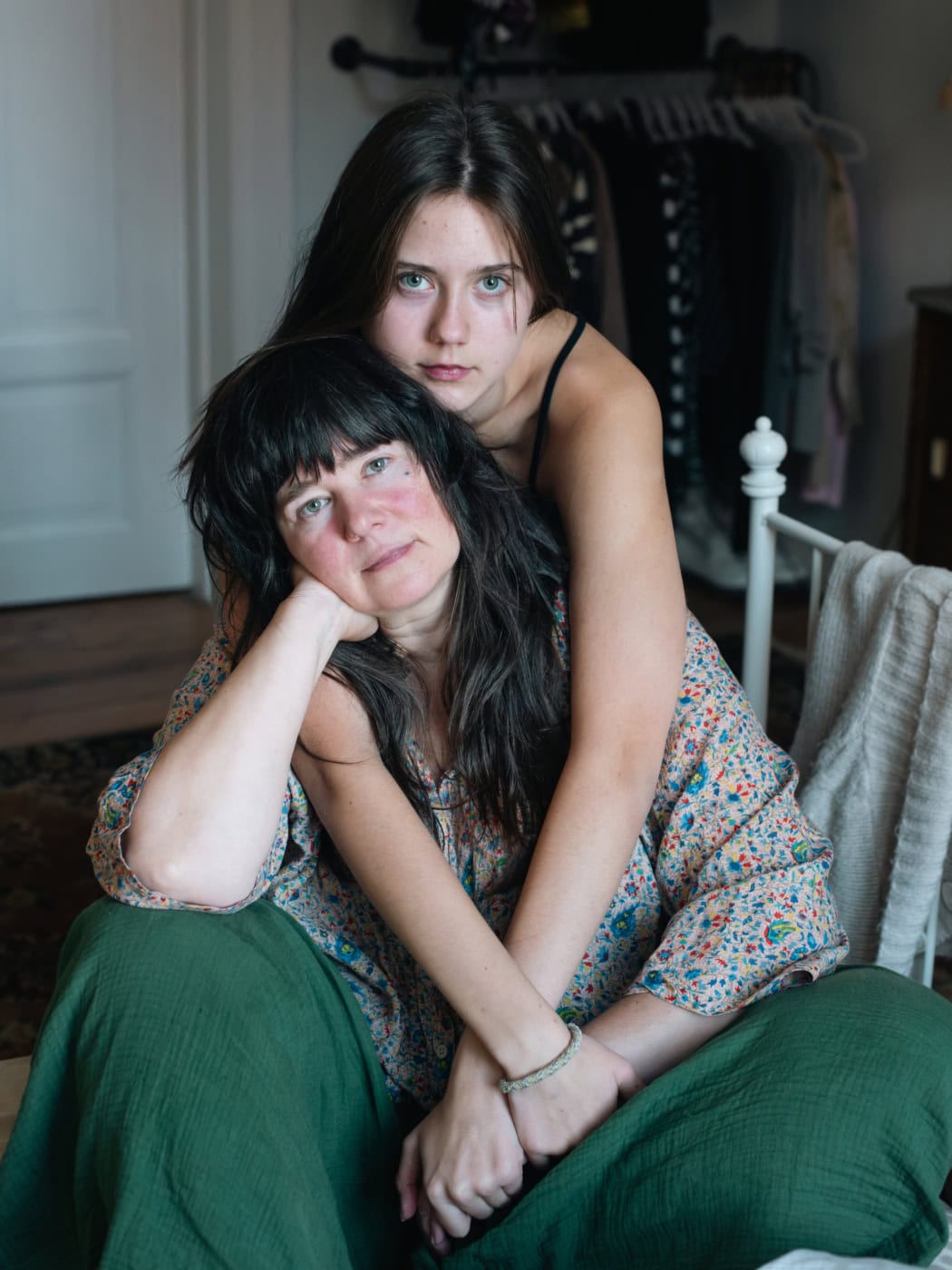
I know perfectly well that I can help my daughter most if I stay calm, without playing down her difficulties. But knowing that doesn’t help much. My body tenses up. And still, loving unconditionally and intensely is the most beautiful thing I know. I wouldn’t trade it for anything in the world. This radical form of devotion that demands nothing and negotiates nothing. It is raw, real, uncompromising. It makes you vulnerable, yes, but it also opens you up. Knowing that there is something inside me that is bigger than fear feels good.

My body, far too often I look at you as if you were some object that needs to be changed. I scan you, criticise you, compare you, feel ashamed of you. In doing so, I completely lose sight of what you actually achieve every single bloody day. You have brought wonderful life into the world, three times over. You carry me through days and nights, without conditions. Everything I feel – touch, pain, joy, this whole chaotic business of being human – runs through you. And yet I often don’t treat you very kindly. I ignore how hard you work, how much rubbish you put up with from me, how much you adapt just so that I can more or less function. And I accept all of it as if it were a given. But it isn’t. We will keep rubbing up against each other, I know that. You are not perfect, I am not perfect. But I want to learn to show you more respect and gratitude.
On addiction
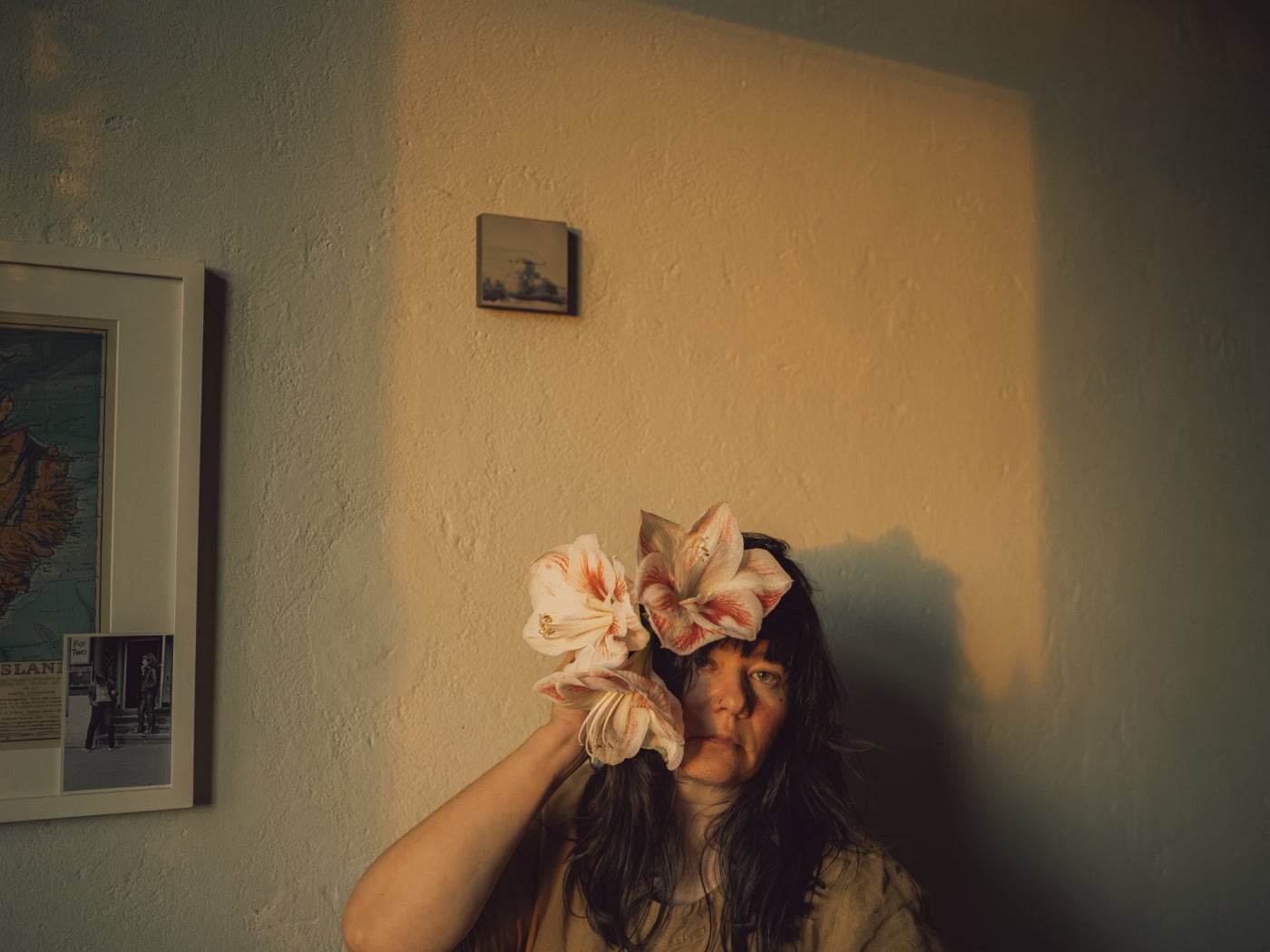
Today the guilt came back. It has been happening quite often lately. That familiar, stubborn feeling that I make far too much fuss about myself. That I wallow in my own problems, that I am too loud, too important, too present with my inner life. And who is even interested in all this? And always that one thought: other people have it much worse than me. As if there were a league table in which my pain only counts once it reaches a certain position. In psychology, this is known as comparative devaluation, a mechanism that stops people from taking their own suffering seriously because they constantly compare it with the suffering of others.
I wonder why I allow myself so little space. Why my need to open up immediately stumbles into criticism, dressed up as selfishness. Why it feels wrong to take myself seriously. Trauma research describes this kind of thing as learned self-devaluation. An inner echo of earlier messages that your own needs are a nuisance or out of place. Perhaps I have internalised the idea that reflection means navel-gazing, that your own suffering only becomes relevant once it is spectacular enough. Yet clinical experience shows that it is precisely the quieter forms of pain, such as chronic overload, emotional exhaustion and self-doubt, that have a particularly strong impact, because they burrow in slowly but deeply. The thought that others have it worse has never helped anyone. It doesn’t make other people’s suffering any smaller or mine any more worthy. And from a neurobiological point of view, something else happens too. Comparison activates the stress system, raises cortisol levels and prevents exactly the kind of self-regulation you would need in order to calm down. I am practising giving myself the same space I would grant anyone else without hesitation.
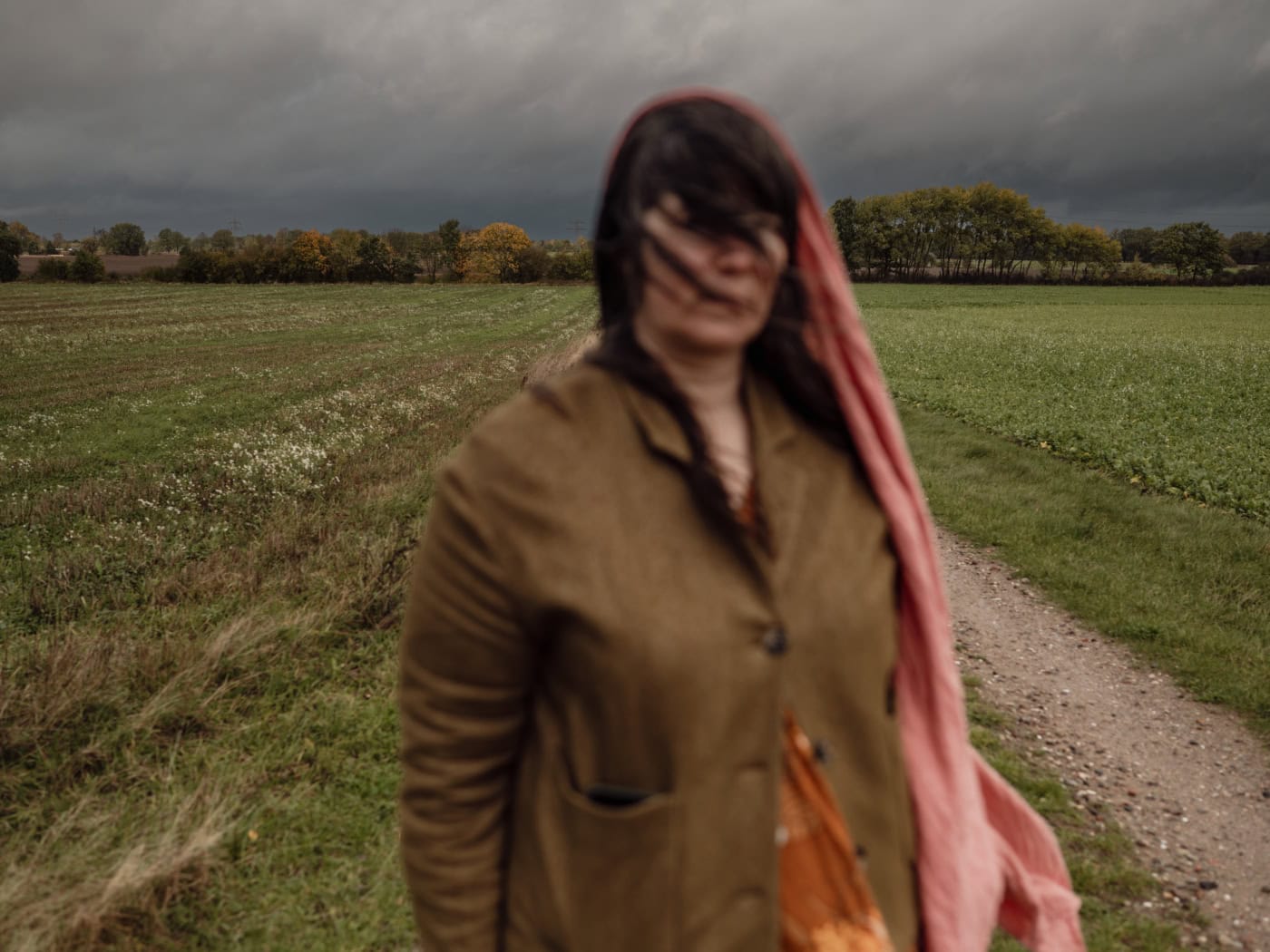
Today I was surrounded by people I like, in a place that also has a sauna. I wanted to go in with them. I wanted the burning on my skin, the sweating, the shared silence, and then the plunge into ice-cold water that briefly stops everything. But I couldn’t. I couldn’t bare myself, couldn’t expose myself like that. That is the perverse thing about this prison of skin and bone. It cuts me off not only from myself but also from the people I like, from community, from experiences. As if I were standing behind a glass wall. I see them, they see me, but there is this invisible barrier I can’t break through. Even in the safety of acceptance. It is this deep, irrational conviction that what they would see isn’t me. That my body tells a lie about the person I really am. My body is like a badly painted portrait of me, a lie made of flesh, fat, lines. All of it speaks a language that isn’t mine. I wanted to test my limits, to dare more. Today it didn’t work out. Sod it. I’ll be back, I swear!
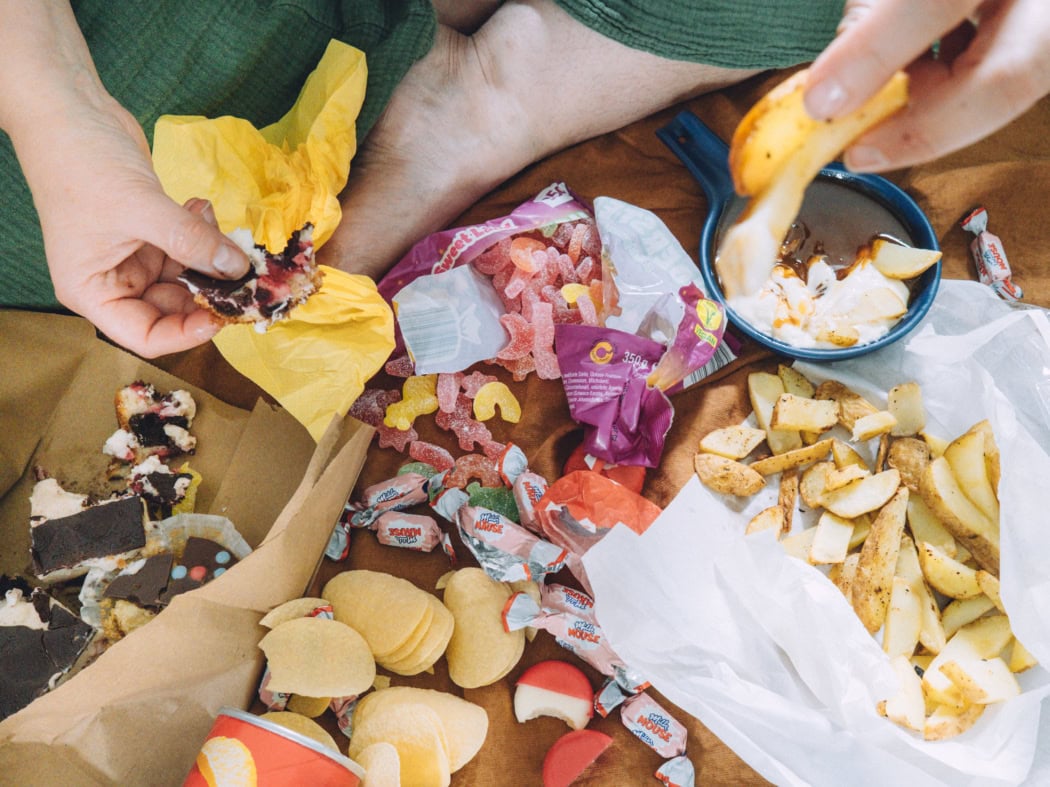
Binge eating disorder (BED) is a recognised mental illness characterised by recurrent episodes of binge eating. Those affected eat large amounts in a short time, usually in secret and with a sense of having no control. Unlike bulimia, it does not involve vomiting or other compensatory behaviour. The causes often lie in emotional overload, stress, shame, perfectionism or a long history of dieting. Eating serves as a short-term coping strategy: to calm, numb or self-regulate. Binge eating can lead to obesity, depression and physical complications, but it is treatable, above all with psychotherapy. It is not a question of discipline, but an expression of psychological distress.
On Sundays, the supermarkets here are closed. On days like that I get nervous if I have nothing sweet, salty or fatty in the house. It feels like withdrawal. An addiction that isn’t considered one, because society disguises it. Eating is allowed, even encouraged. Just not too much of it. So I set off: to the bakery, the corner shop, the takeaway. Or all three. And because I find it so awfully embarrassing to buy so much junk, visibly, as a fat person, I sometimes fake a phone call while I’m there. I talk loudly into my phone, saying things like: ‘Right, I’m standing in front of the shelf now. What do you lot want?’ I want the shop assistants to think it isn’t all for me. At home, I start stuffing myself. I can only do it on that scale when I am alone in the flat. I don’t want to get caught. I’m ashamed. And while I’m ashamed, I’m already planning the next bite. It doesn’t even taste particularly good. My body aches, my stomach is overfull. It’s a paradox: eating to fill something that can’t be filled with food. I know it’s time to finally break this cycle. Above all, for the sake of my health. Not with even more control, but with understanding. With help. With courage. Some people might wonder how I even know I have this eating disorder, when I have never talked about it and never received an official diagnosis. The answer is simple and bitter at the same time: it’s obvious. I live with it. Every day. I have researched, read, compared. And everything, absolutely everything, applies to me. I feel sick.
I don’t want to get caught. I’m ashamed. And while I’m ashamed, I’m already planning the next bite.
Jana Junker
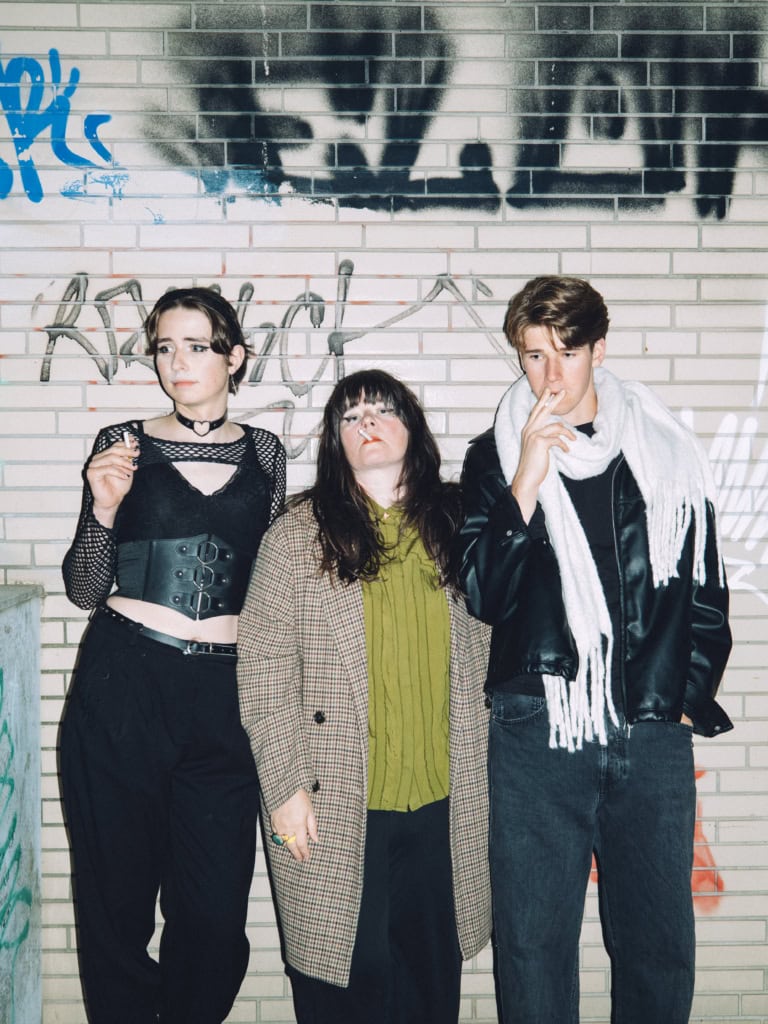
I have racked my brains about addiction so many times. Breaking free from an addiction is a hard, bloody difficult fight. Whether it’s alcohol, betting, substances … But food addiction has a particularly nasty quirk. You can’t simply cut your trigger out of your life altogether. With alcohol or gambling, the clear goal – however incredibly hard the road there may be – is never to take another sip, or never to set foot in a casino again. But with food, this principle of radical abstinence simply doesn’t work. I can’t just put food aside and never touch it again. I have to eat to survive. Every single day, you are confronted several times with the very thing that is the problem. This constant confrontation demands permanent self-control, and that is utterly exhausting.
Sometimes I catch myself wondering whether an addiction where, in theory, you can avoid the trigger completely might be ‘easier’ to manage in everyday life. Smoking, for example. I have never taken a drag on a real cigarette in my entire life. But you keep hearing that smoking curbs your appetite and that lots of people put on weight when they quit. Would that be an addiction I could handle better? I recently bought some bubblegum cigarettes because, when I saw them in the shop, they reminded me so much of my childhood. Late this evening, my sons and I started posing with them. We had fun, but in the end all three of us agreed: smoking is a no-go for us, for several reasons. My eldest even went so far as to say that a partner who smoked would be an absolute deal-breaker for him, because he just finds it disgusting.
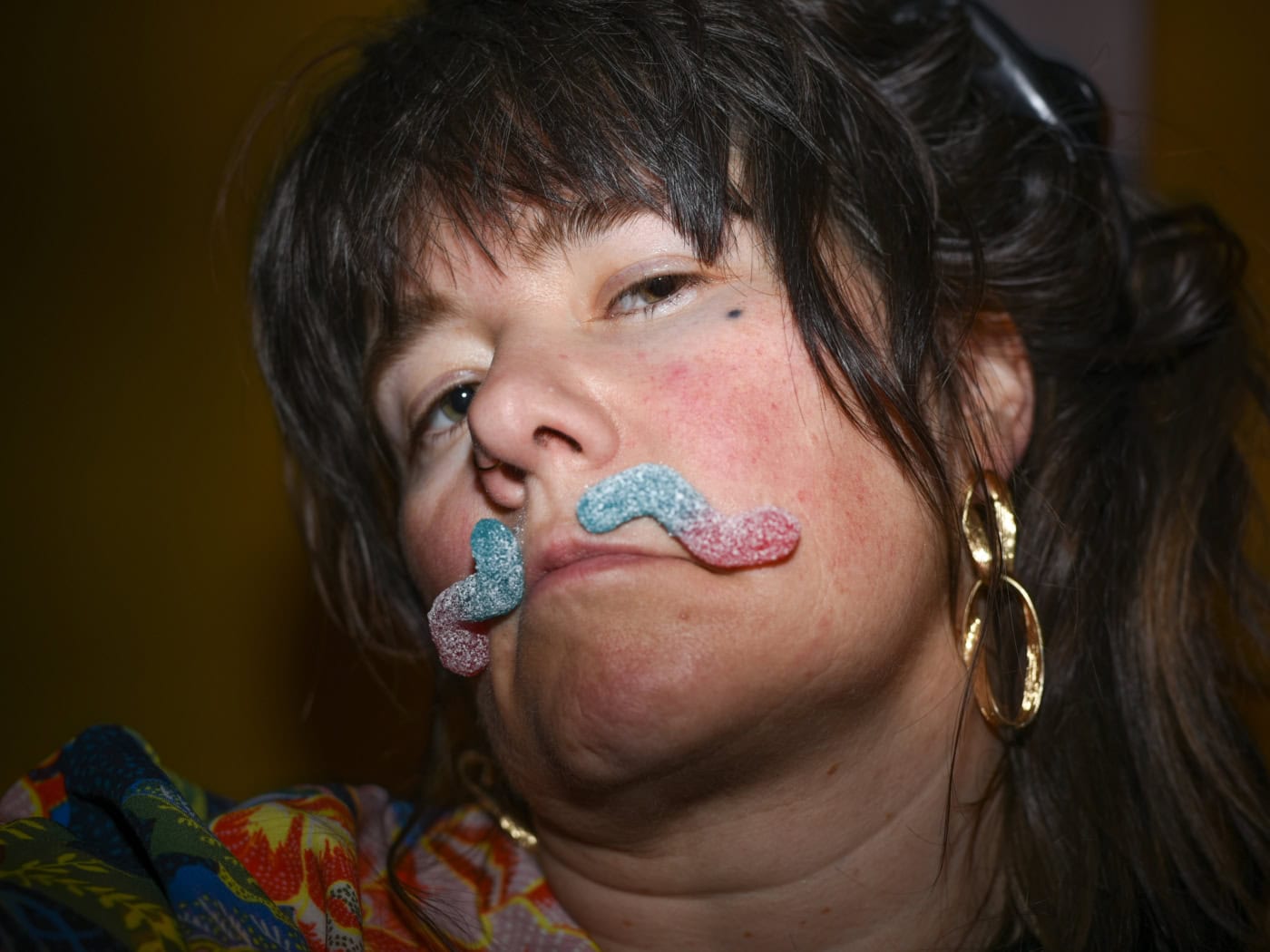
Today I feel strangely high. Perhaps it’s the new lightness that comes from tipping the clutter in your head out onto paper. This conscious looking is opening something up in me right now, a kind of inner door behind which movement becomes possible. Change suddenly no longer seems abstract, but within reach. And not just in one area, but on several levels at once. A faint glimmer, little more than the beginnings of hope, but it is there. A sign that things don’t have to stay the way they were. I’m starting with you, sugar. I’m afraid you have to go. And yes, I will miss you. We have had a long, intense relationship. In a twisted way, I even love you. Still, I hope I won’t be seeing you again any time soon. I want to win back something that matters more than you.
Yesterday I finished watching Shameless, all eleven series. In one episode, Frank, the alcoholic father, says that life without alcohol is certainly possible, but unbelievably boring. I have never had a close relationship with alcohol, but I could still feel what he meant. Sugar doesn’t just numb you; it can also give you a kick. It makes you alert, euphoric, hungry in both senses of the word. And for me, the start of sugar withdrawal always feels as if someone were turning down the colour saturation. Everything becomes greyer, duller, flatter. For a while, the world loses some of its vibrancy.
Help that isn’t there
I love self-service checkouts in supermarkets. Not in the socially accepted sense, but in a secret, slightly shamefaced way. For my eating disorder, they are an insidious kind of relief. No conveyor belt with everything laid out in public like evidence. No slow procession of shame, with my shopping gliding along in full view ahead of me. For the people in front of me. For the people behind me. ‘God. Isn’t she fat enough already? And she’s buying all that crap as well. No wonder she looks like that.’ The self-service checkout is my secret friend. Sometimes I even think I’m having a small, discreet affair with it. Just a brief beep, a silent understanding. It doesn’t look when I scan the third bag of wine gums. It keeps my secret. It is loyal. It is discreet. It is my ally. And while somewhere a human cashier might pass quiet judgement – or worse, feel sorry for me – the machine simply keeps on beeping. Lovingly indifferent.
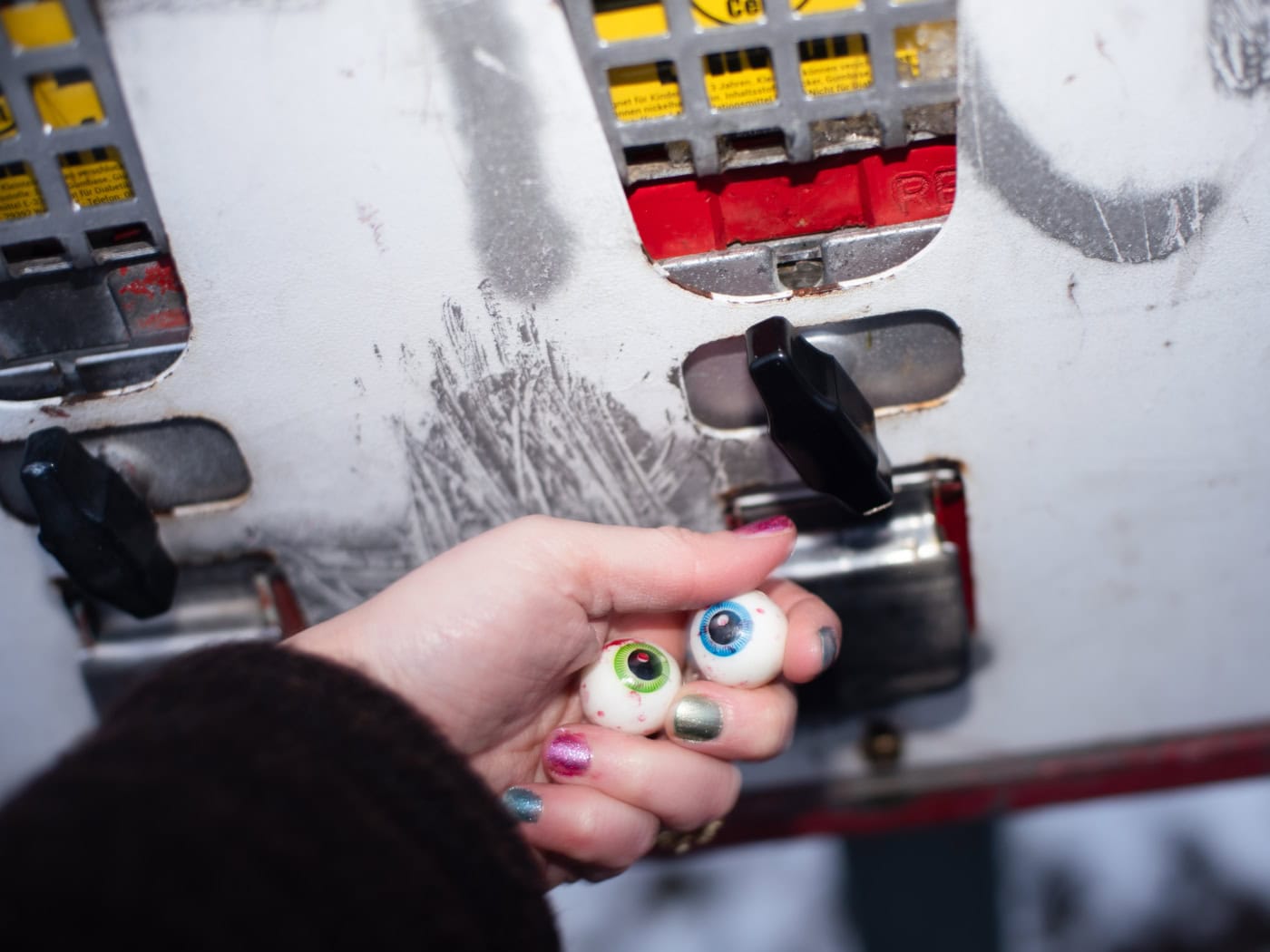
The self-service checkout is my secret friend. Sometimes I even think I’m having a small, discreet affair with it.
Jana Junker
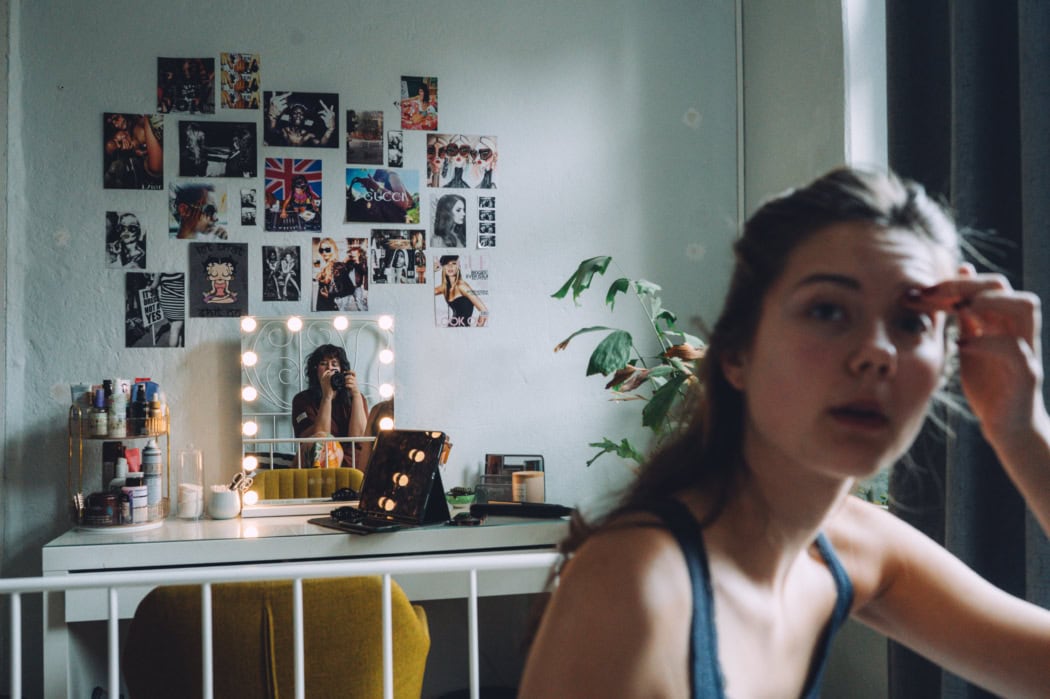
Today I allowed something I have always refused before. My daughter had been wanting to do my make-up and style my hair for ages. I was never really interested. I don’t like the feel of make-up on my skin at all. It feels horrible to me. Make-up isn’t really part of my everyday life, not part of my image of myself. Perhaps not part of the way I show myself either. Very occasionally I fancy a bit of mascara and eyeshadow, or just lipstick. But today I went for the full works. Looking in the mirror afterwards was unsettling. There was someone who resembles me, but who is also a stranger. As if I had briefly stepped outside myself. I don’t know whether I can warm to this version. Perhaps it isn’t about liking it at all. What felt warm and powerful was the moment between my daughter and me. The concentration in her hands, the matter-of-factness of what she was doing. There was nothing in her gaze of what I usually impose on myself. No comparison, no judgement. I would love to see through her eyes for once. I still don’t like the feel of make-up on my skin. But at the same time, I somehow fancy going out partying now.
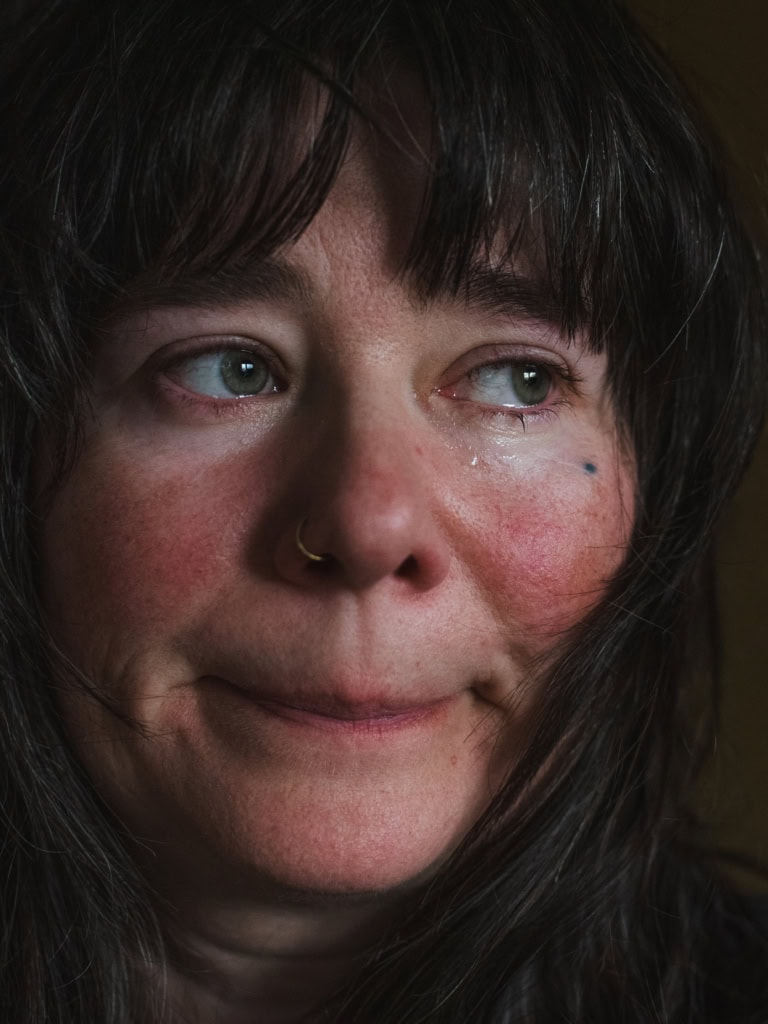
On social media I have been following people with stories very similar to mine for a while. People who, like me, are caught in an endless up and down, whose weight never stayed stable, or who never managed to lose weight on their own. And suddenly you see them on this new medication, the so-called weight-loss jab. It looks almost effortless, the way the kilos are finally falling off them. Of course, I’m under no illusions: this is no magic bullet. Studies show fairly clearly that you may well have to take this medication for life. And research into the long-term effects is still in its infancy. There simply aren’t any studies that have been running for many years. Nobody knows for certain what long-term side effects or health risks taking it permanently might bring. Stopping seems to lead to a return to the old patterns, with the food noise in your head becoming unbearably loud again.
It’s just utter madness! I’m now taking pills for the consequences, but when it comes to the actual problem, my weight, I’m left on my own.
Jana Junker
That constant, draining background noise. Thinking about food non-stop and fighting the constant urge to indiscriminately stuff everything in again. I would be absolutely willing to go down this route. I don’t see the medication as a shortcut, but as a crutch. If someone is trying to climb a steep, unforgiving mountain, nobody expects a person with a walking disability to reach the summit without support. So why, when it comes to weight, do you have to do it all entirely on your own?
The fact that obesity is now recognised as a chronic disease only makes the reality more bitter. From a BMI of 30, or from a BMI of 27 if weight-related conditions are present, doctors are officially allowed to prescribe this medication. My BMI is currently around 37, which means I have class II obesity. Anyone who wants to use the medication has to pay for it out of their own pocket. For me, at the moment, that is completely unaffordable. For almost every other recognised illness, health insurance covers the medication. Here, you are left on your own. That feels unfair. A few days ago, 24-hour blood pressure monitoring produced a shocking result. An average of 190 over 140. The doctor immediately prescribed medication to lower my blood pressure. Me, of all people – someone who has had far too low blood pressure all her life. According to the doctor, there are two causes: excess weight and emotional stress. But I can’t just put the emotional stress to one side; that simply isn’t possible. So I have to tackle my weight. Which means I now have a weight-related condition too.
It’s just utter madness! Only the symptoms are being treated, instead of tackling the problem at its root. I’m now taking pills for the consequences, but when it comes to the actual problem, my weight, I’m left on my own. If you can’t manage it on your own and there is no therapy place in sight, why is there no medical support paid for by health insurance? Since yesterday, anger has been building up inside me. Anger at the circumstances I can’t control. Anger at myself for not being more disciplined, even though I know full well that there are illnesses sitting at the table with me, constantly throwing a spanner in the works. On top of that comes this ugly aftertaste of envy. Envy of people who know nothing of existential pressures, who don’t have a permanent knot in their heads. People who simply have more space. For themselves, for their lives, for their decisions and passions. I’m ashamed to think it, but it’s there. I notice how much I resist it. Because I really don’t like myself like this. But that is exactly who I am today: angry, sad, envious and completely fed up with myself.
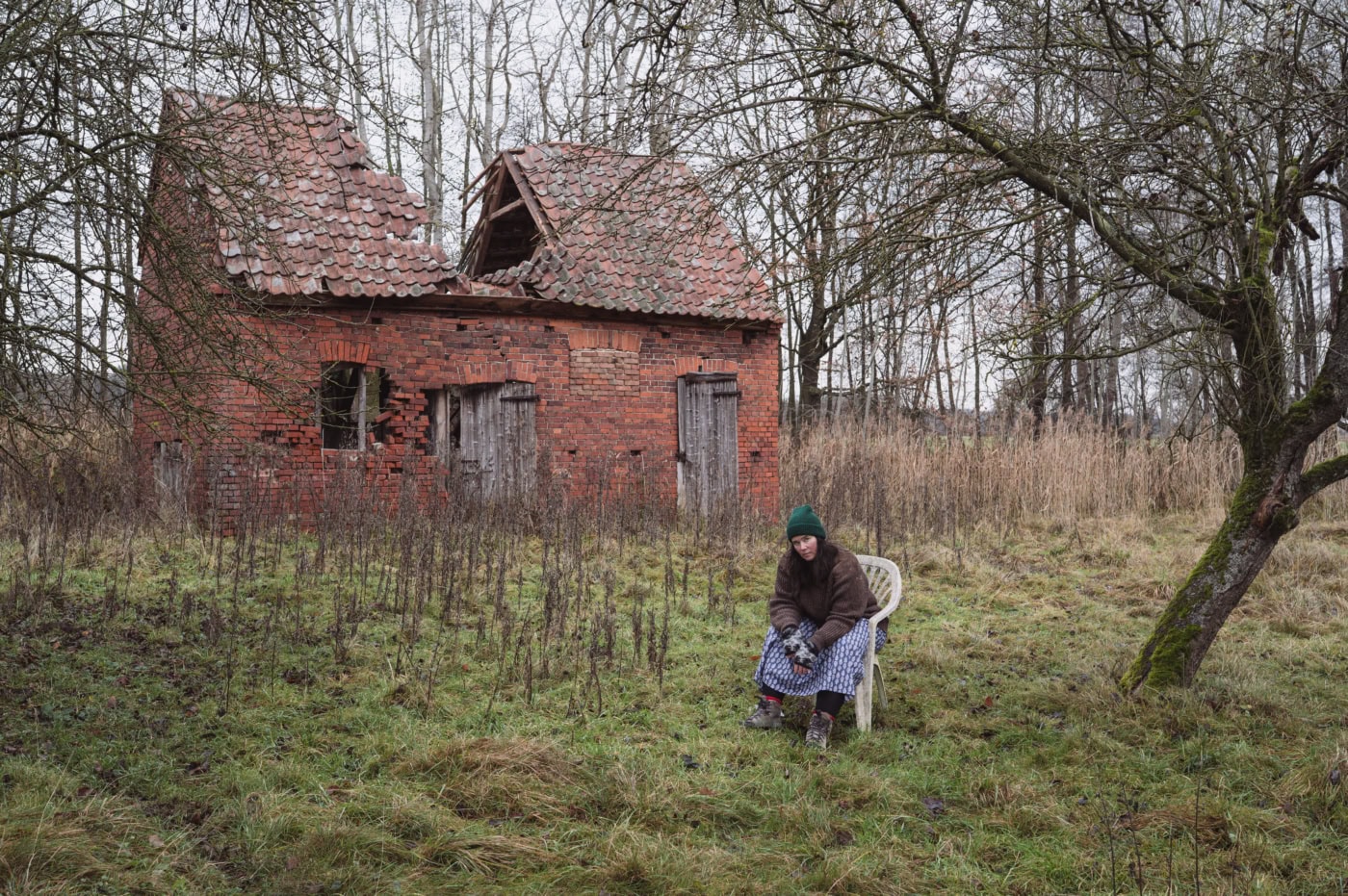
Sometimes I imagine living a different life. Not because I don’t value my own – I love my life and the people in it far too much for that, despite the current difficulties. But purely as a thought experiment. Perhaps on my own. Somewhere completely different. Perhaps with animals, with different priorities, at a different pace. Sometimes I wish I could experience that for a while. Recently I had a long, intense conversation with a good friend. She has no children and, as of recently, no partner either. She is thinking of going travelling for a while, heading off somewhere abroad. Just getting right away, gathering new experiences. On the other hand, what she wants more than anything right now is to start a family, to settle, to find a home that feels like a real home. I notice how much I long for a little break myself at the moment. As she talked about her plans, I had to hold back a few tears. It was strangely moving, and also a bit odd, that we were both longing for a piece of the life the other is leading or could lead. She dreams of settling down, I dream of getting away. I told her she should go for this adventure now, while she is still free of responsibilities. Perhaps also because part of me would like to do the same right now.
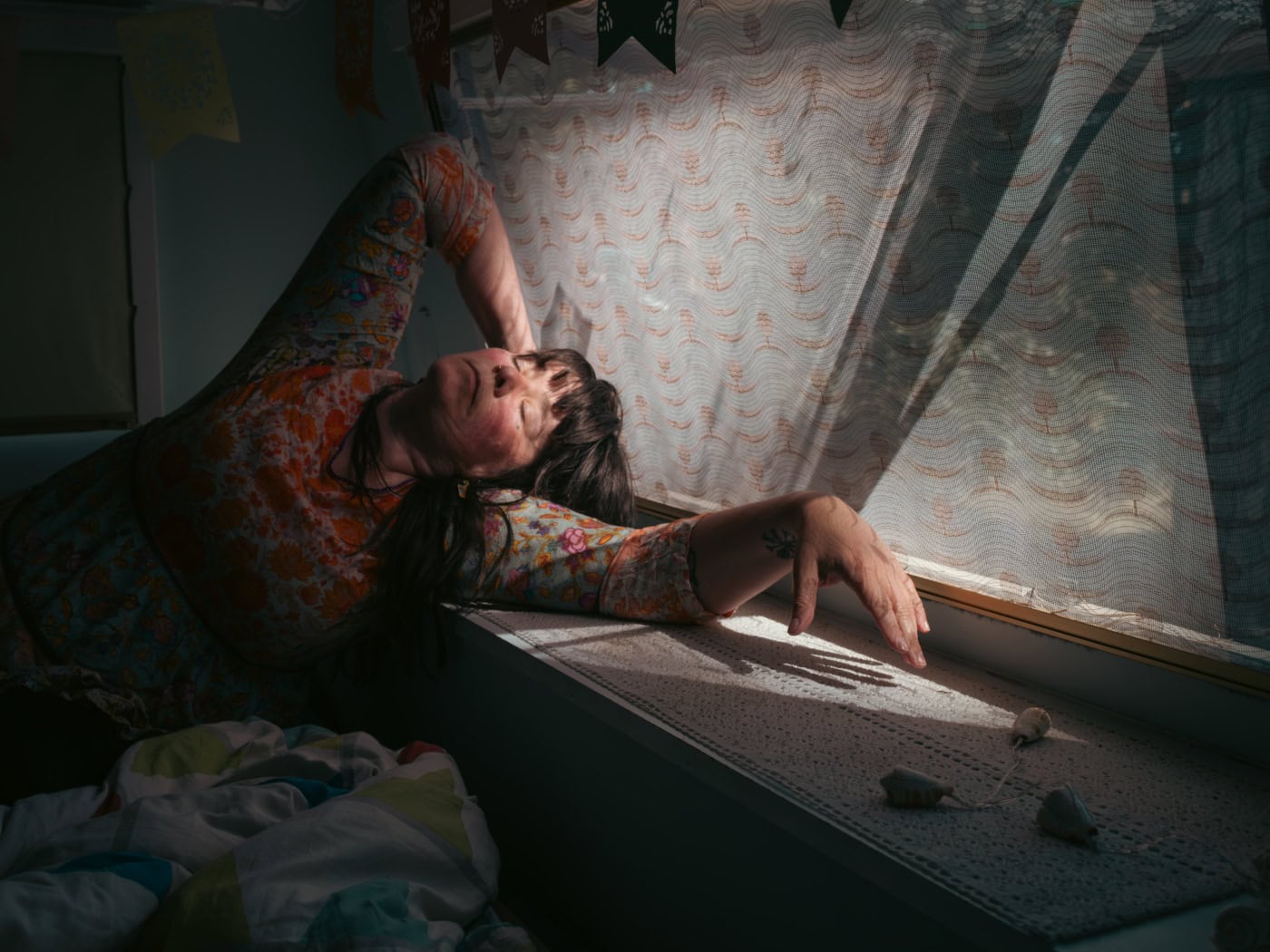
The search for a therapy place for myself drags on. I am still on lots of waiting lists, keep my own list, regularly ring round practices and write emails so they don’t forget me. So far without success. It is an ongoing organisational process that eats up time, energy and patience. And I haven’t had much of any of those left for a while. The figures on psychotherapeutic care show that I am not alone in this. In Germany, a great many people who need therapy wait months for their treatment to begin. From first contact to actually starting, it takes several months on average, often more than six. Only a very small proportion of therapists can take on new patients at short notice. Most keep waiting lists that are already full and therefore closed, or that stretch over long periods. The fact that provision is so stretched is not only down to high demand, but also to structural hurdles in the system. Even once they are qualified, not all licensed therapists are allowed to bill the statutory health insurance funds, because this requires an additional licence, and only a limited number of those are issued. The result is a double bottleneck. Many people are waiting for help, while at the same time many well-trained therapists have no access to regular provision. So, despite acute distress, you are left on your own for the time being. During this period, your task is to stay available, to keep chasing, to stay present, not to fall through the cracks. Not to give up. And what remains is the sobering realisation that access to help depends on perseverance. If you are looking for support, you above all have to function. It’s a vicious circle.
What remains
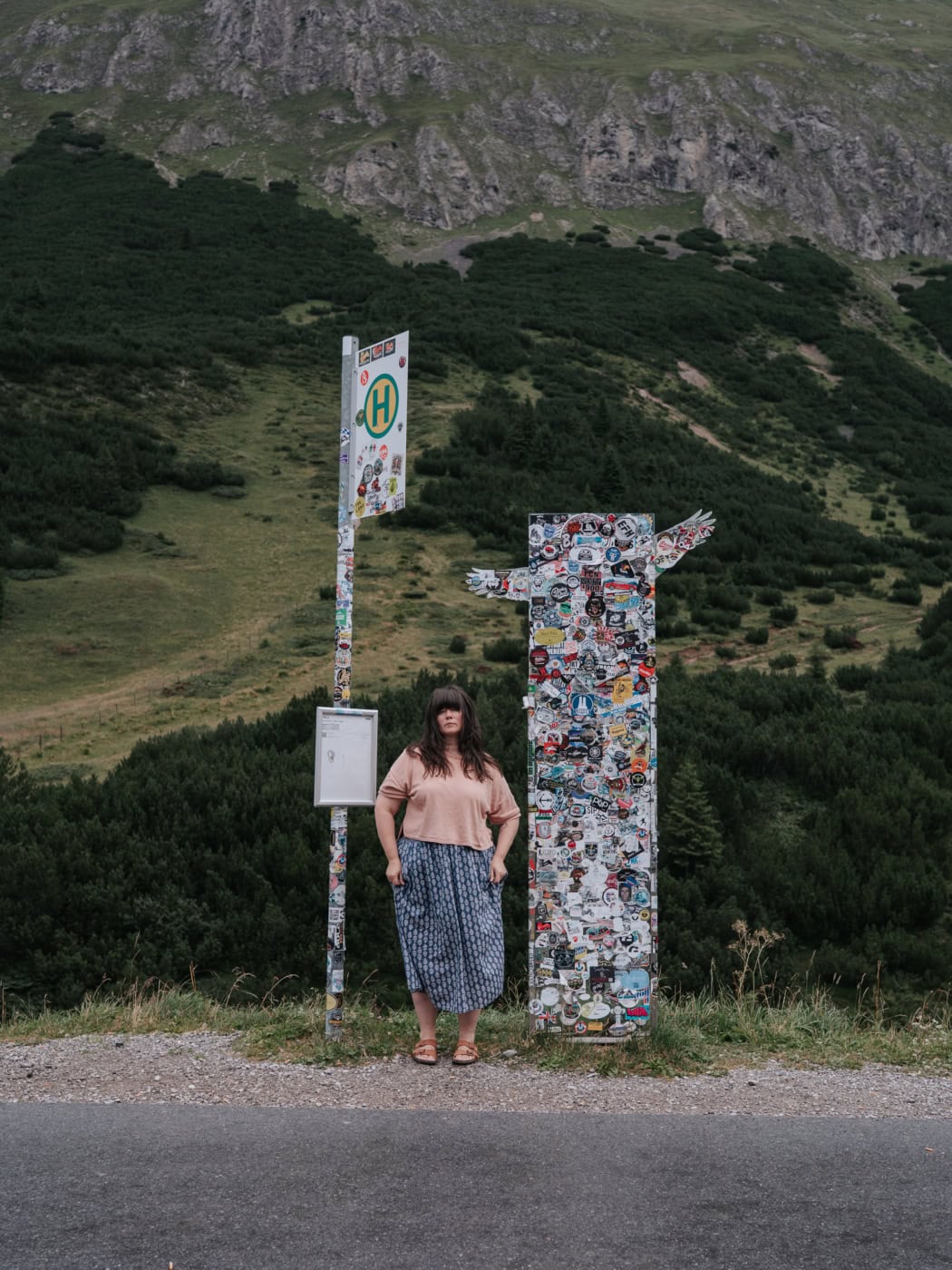
The older I get, the more noticeable this creeping invisibility becomes. Ageing as a woman in public, especially when you don’t conform to the usual ideals of thinness, often feels as if I am slowly fading. When I think back to my youth and my twenties, it was the exact opposite. I was constantly looked at, judged, hit on by men. Much of it crossed boundaries and annoyed me. It was by no means only positive. And yet today I ask myself: why does this kind of attention actually have such a deep-seated power over us? What does it really give you to be attractive or desired? Do good looks lend your life more depth, make feelings more real or experiences more valuable? Why are we taught from an early age to look for our worth in being a decorative object for others? I wish words like ‘beautiful’ or ‘attractive’ would simply disappear as yardsticks. Once again I catch myself in this utterly absurd-seeming contradiction. On the one hand, I am terribly afraid of really being seen. Of my body being looked at, analysed and judged. On the other, I am struck by the sobering realisation that it probably doesn’t happen at all, because to most people I am simply of no interest.
I was constantly looked at, judged, hit on by men. Much of it crossed boundaries and annoyed me.
Jana Junker
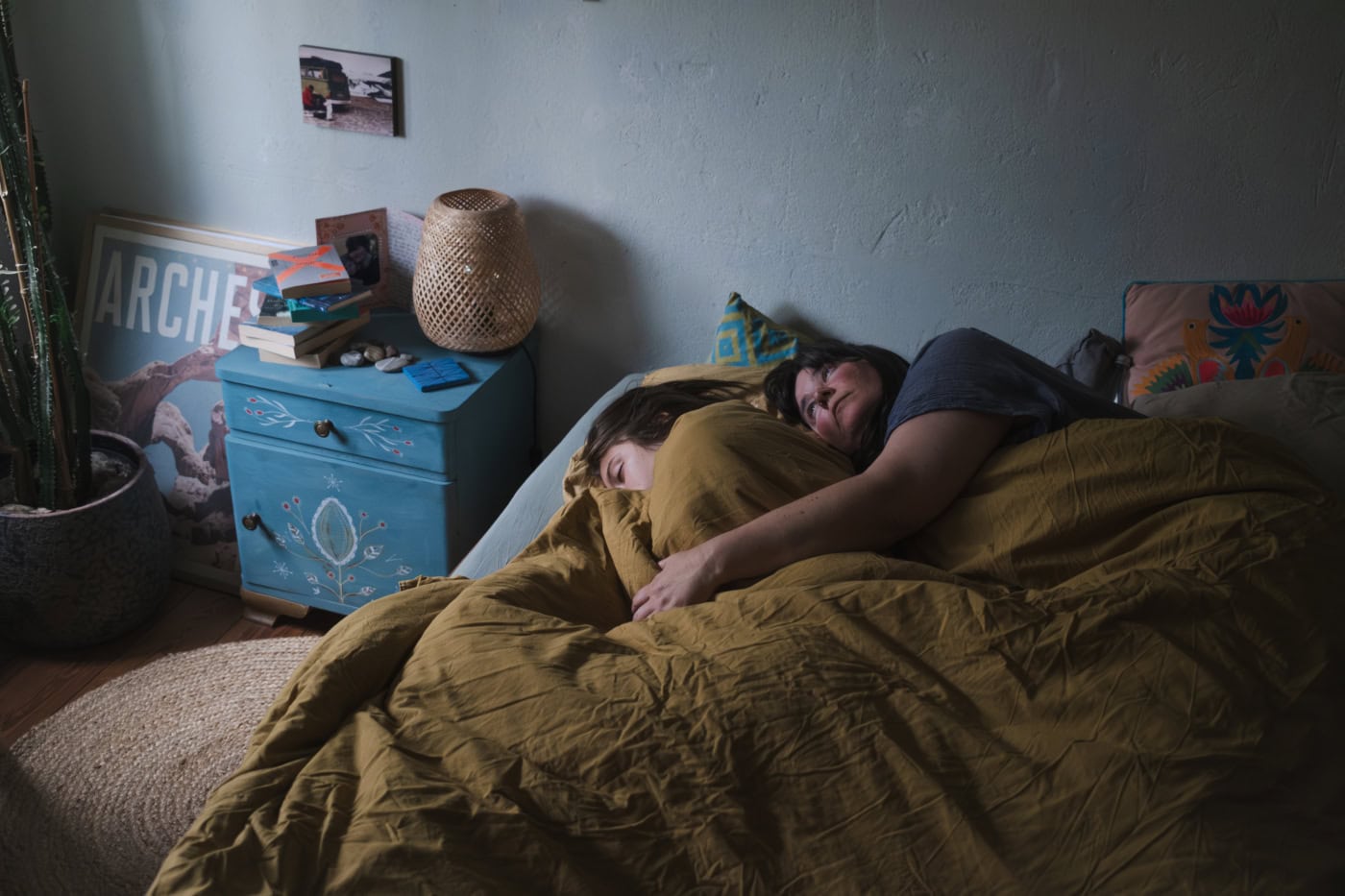
Right now my head feels as if I were wandering through lots of interlocking rooms. Doors open: new thoughts, new ideas about how I might outwit my eating disorder this time. Then empty spaces again. Dark corners. Despair. Shortly afterwards, euphoria. ‘This time I’ll do everything differently.’ And then the crash again. I remember my plan. What exactly I wanted to do differently this time. Take part in life more. Do things I have always put off. Not only once I weigh less, once I feel better. It’s about taking the leap now. Daring more. But right now that is exactly what feels incredibly hard. My daughter is doing worse again, and I’m at home, looking after her, holding the space. I’m happy to do it. And yet once again, there is little time left for me.
There is a strange imbalance in the way I distribute myself in the world. As if I were less a subject than a passageway. A kind of transit zone for expectations, a membrane through which other people’s needs pass. For far too long I have seen myself as a function. As a response mechanism. As a sounding board. But existence is not a service agreement. I am not only the ‘for’. I am also a ‘from’. A point of origin. Taking space for myself does not mean taking it away from others. Because a mind that claims no space of its own becomes a projection screen. And projection screens have no depth. They carry images, but no weight of their own. Anyone who constantly suspends themselves lives in a kind of inner exile. This self-dispossession wears me out, this endless postponing of my needs to some vague ‘later’. But I am the present too. And I need more room to breathe.
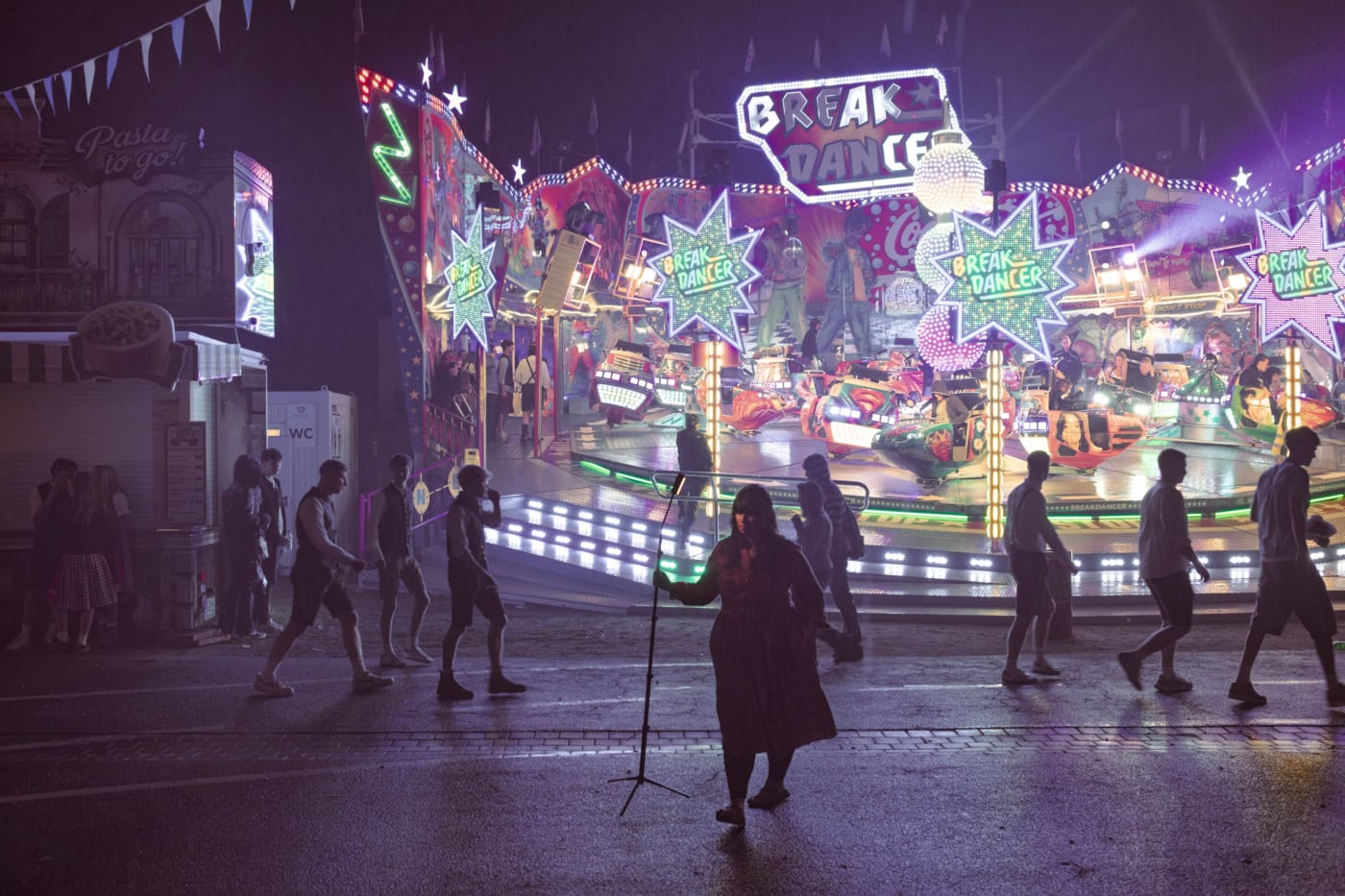
Over the past few months, there have been a number of attempts to lose weight and to give up sugar that ultimately came to nothing. I know from the past that losing weight itself was often no problem for me. But one thing has become very clear to me lately. When there is simply too much going on around me and I lack the energy I need, there is no room for it. Then it simply doesn’t work for me. Perhaps it would also be short-sighted to measure the success – or failure – of this time only by a lower number on the scales. I certainly haven’t made friends with my current physical situation; my desire for change is far too strong for that. But I am by no means sitting here completely frustrated.
Instead, I meet myself with honest understanding for the circumstances. Through working so intensively in words and pictures, I keep learning so much about myself. I am already much more self-confident than I was a few months ago. The mere fact that I can now let other people photograph me without wanting the ground to swallow me up with shame is a huge gain, and it shows the fruit this process is bearing on another level. Of course, I haven’t shelved my plan at all. I know how much this body restricts me and what health risks it carries. How I will put it into practice, step by step, will become clear when the moment is right. When I look back at the pictures from the last few months, it is almost unbelievable how much has actually happened. I often have this oppressive feeling of treading water in the daily grind. But the record I have kept proves the opposite, and nobody can take that away from me.
The pictures show me how varied my life actually was, and is, even in the midst of feeling stuck. I see so much love in them and so many beautiful moments. Recognising that simply makes me happy and endlessly grateful right now. Almost a whole year. When I pause for a moment and look back, it’s actually pretty incredible: unlike so many things before it, this project didn’t end up in a corner as soon as the initial euphoria wore off. I have stuck with it. I don’t think I have often shown such staying power in my life. Because of course, not everything was always great. There were days when I really didn’t feel like taking photos. And there were phases when writing was incredibly hard. But I did it anyway.
Looking back now, I realise how much it gives me. Having this unshakeable knowledge that I can do it. The idea that this project is supposed to end soon doesn’t feel right at all. So I have decided to keep going. Perhaps in a slightly scaled-down form, because my studies are starting again, but the thread won’t break. Especially as so much is moving right now: I may even have a therapy place in sight. Things should no longer develop only in my head, but now gradually reach the physical level too. I want to record this next stage of my journey just as honestly and steadily as the past year of intense reflection.