Burkinis at the swimming pool: the weight of other people’s stares
Just going for a swim – and being watched the whole time. Our author tells of prejudice at the poolside.
By Bahriye Tatli (photos), Mayla Lüst (text)



Other people’s stares turned her into the Other. Bahriye Tatli wears a burkini to swim. That made swimming lessons at school a painful experience: ‘As soon as I stepped out of the showers into the cool pool area, I felt the stares sticking to me. The first two times I went along with it and pretended the stares didn’t bother me. For the rest of the term I had my period.’
It was not only the stares that made her feel excluded; the house rules of some swimming pools in Hannover also banned her from swimming in a burkini at the time. ‘It’s ironic, because you’re fully clothed, but the way people look at you makes you feel exposed and naked,’ says Bahriye. Yet the German Olympic Sports Confederation (DOSB) stresses the importance of sport for integration. The burkini, it says, can enable Muslim women to participate more in sport, work and school.
As soon as I step out of the showers into the cool pool area, I feel the stares sticking to me.
There is no general burkini ban in Germany. Individual pools and municipalities, however, have different rules. Some pools justify restrictions or bans on grounds of hygiene and protecting the health of other bathers. The argument is that pool staff have no way of spotting open wounds or skin rashes on fully clothed swimmers.
German courts have in several cases taken a critical view of burkini bans in swimming pools and often overturned them. In 2019 the Higher Administrative Court of Rhineland-Palatinate overturned a burkini ban in Koblenz’s municipal pools in summary proceedings. The court ruled that the ban violated the constitutional principle of equal treatment. It was unclear, it said, why health concerns should only apply to women wearing burkinis while other body-covering swimwear such as wetsuits was allowed.
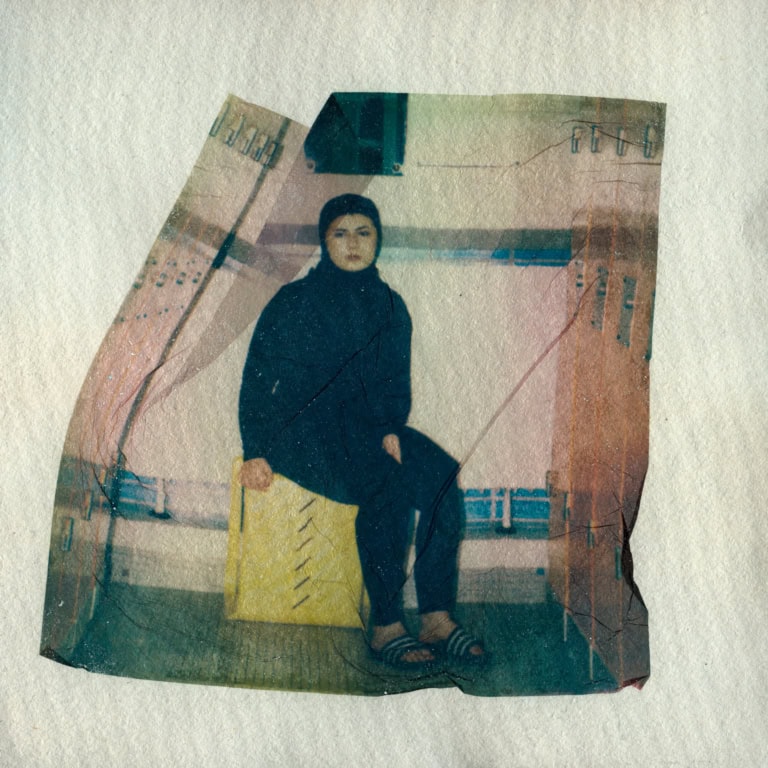
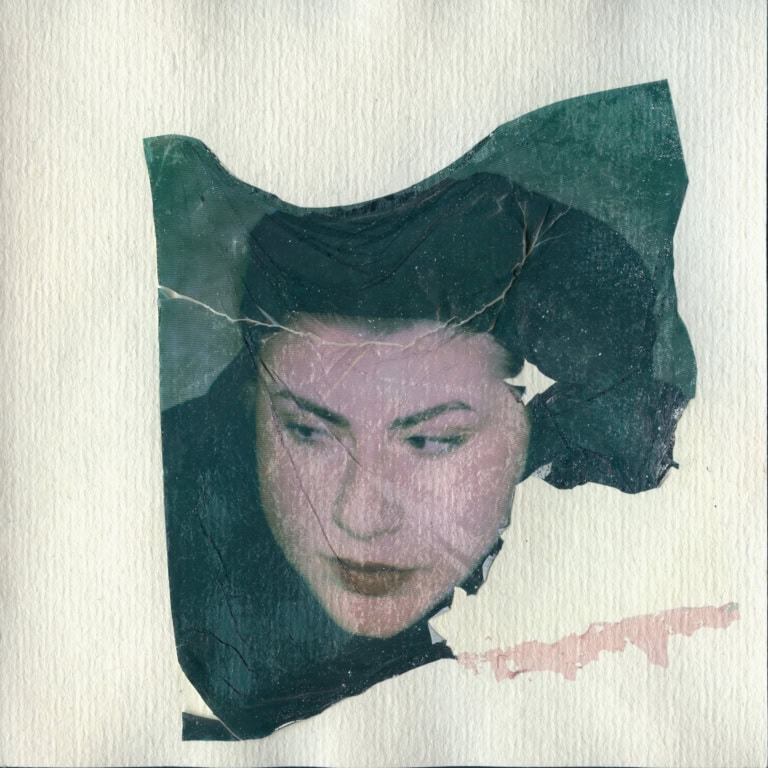
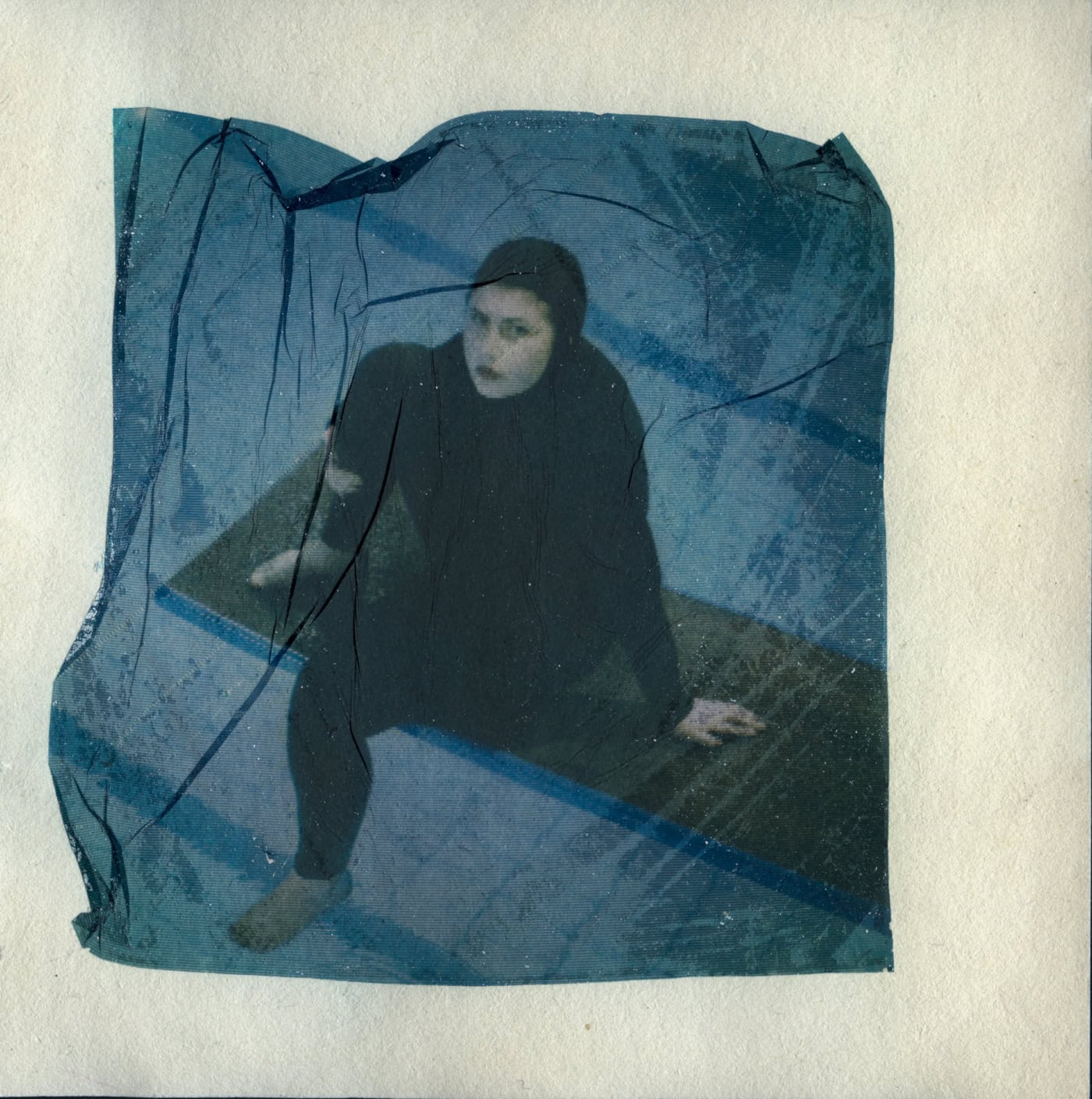
If a woman shows too much skin, she’s a slut; if she wears too much, she’s a prude or a terrorist.
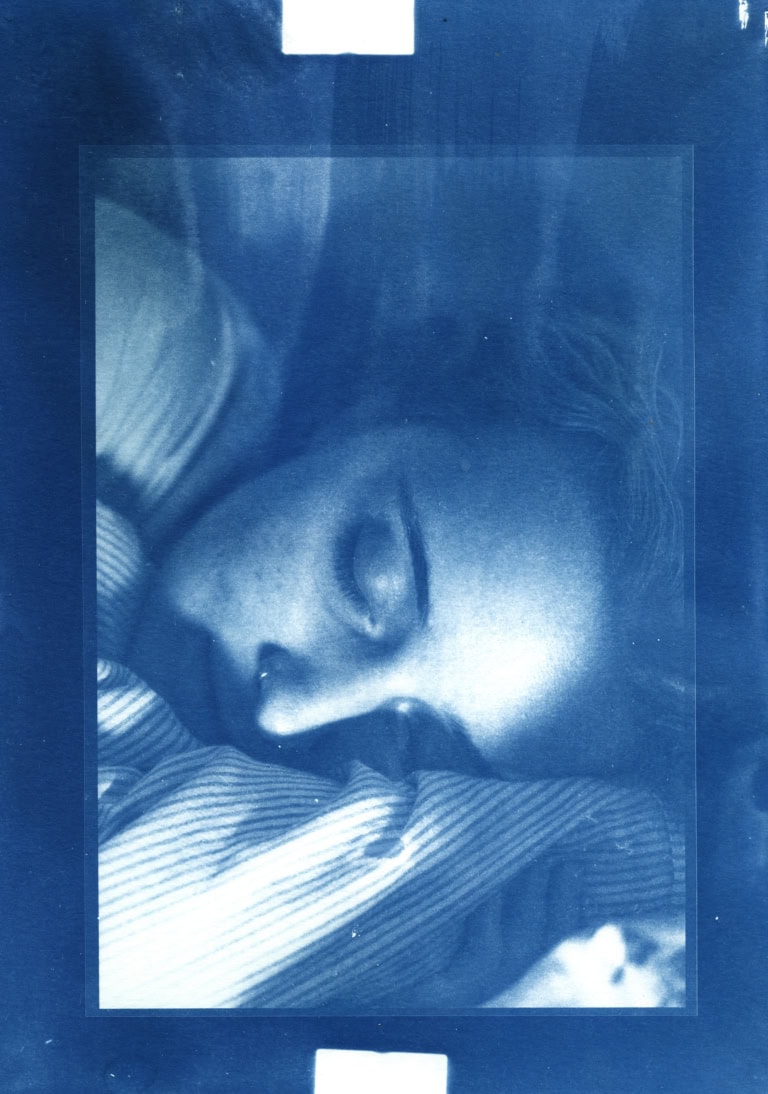
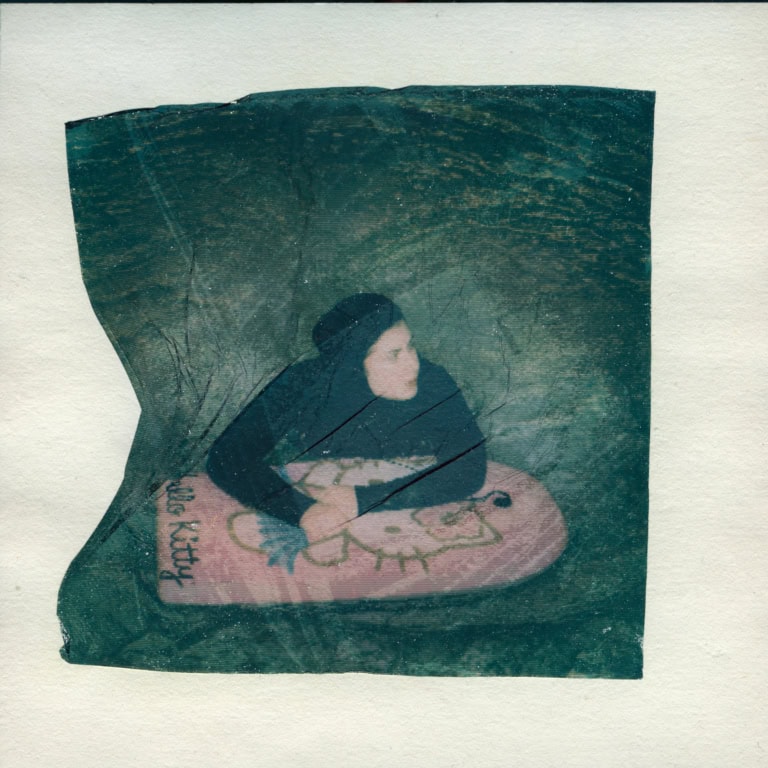
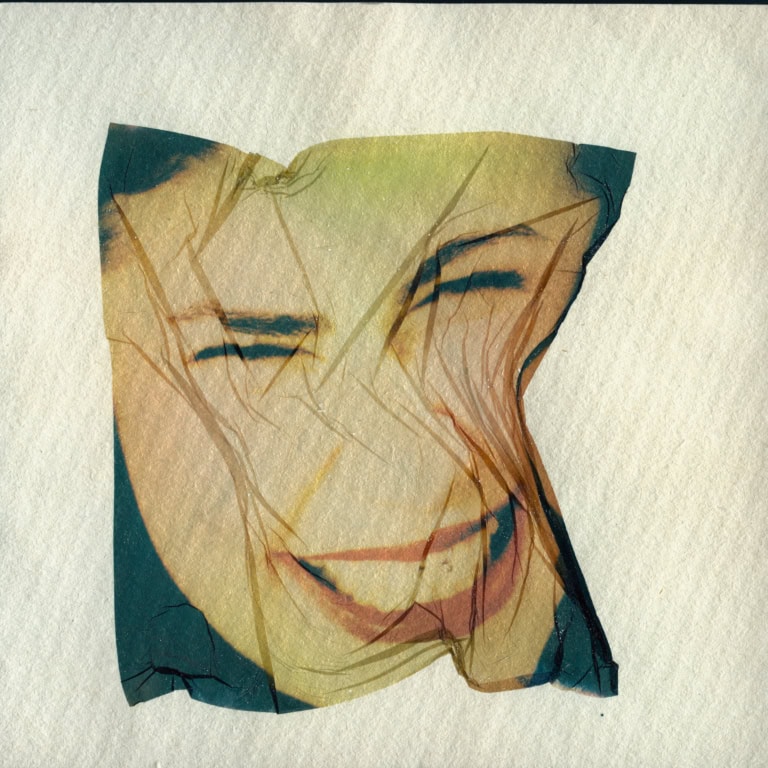
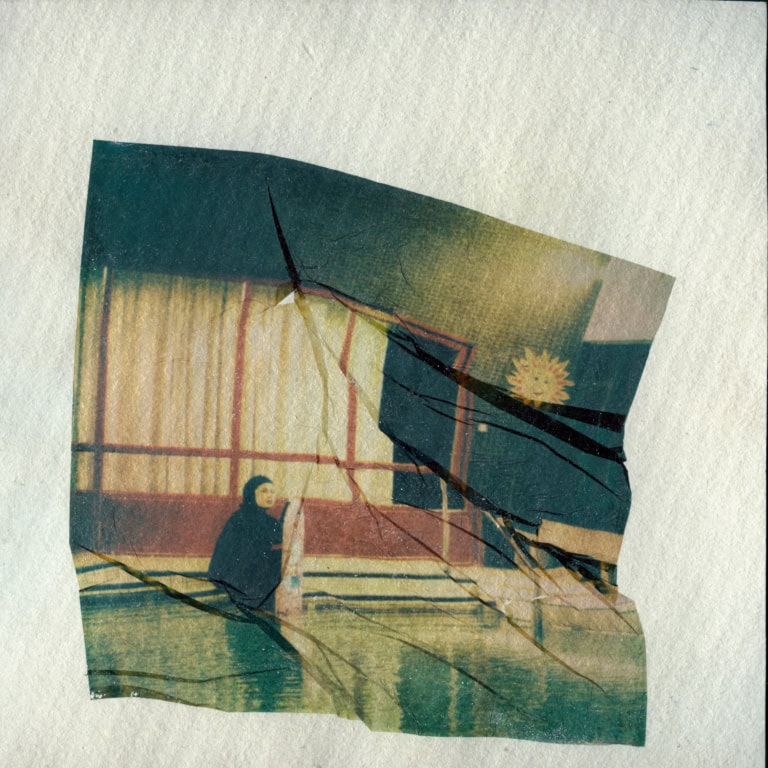
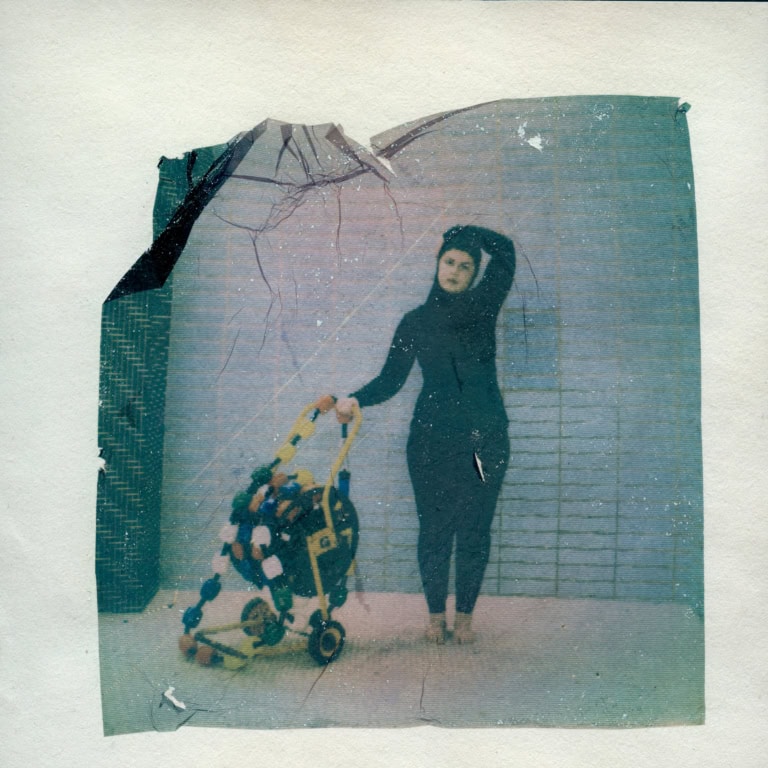
Bahriye is now 22 and studies Visual Journalism and Documentary Photography. She works through her experiences of school swimming lessons in staged self-portraits. In her project ‘Handle Me Carefully’ the photographer explores the struggle for self-determination. The pictures show the person Bahriye would have liked to be at the swimming pool but could not be. Asked whether and how women today are still trapped in stereotypical roles, she replies that no bodies are judged as harshly as women’s. ‘If a woman shows too much skin, she’s a slut; if she wears too much, she’s a prude or a terrorist.’
She processed her Polaroid shots from the swimming pool using a special technique, lifting the Polaroid emulsion from its original backing. As a result the photographs look fluid and fleeting, like a reflection on the surface of the water. ‘They have taken on the texture of the water,’ says the photographer. This last part of the artistic process was particularly emotional for her: ‘I had to handle the Polaroid’s colour film so carefully and tenderly – in other words, the pictures of myself, of my body. That helped me reflect on my experiences of swimming lessons.’
‘I had to handle the pictures of myself very carefully.’
Bahriye Tatli on her photo project
English subtitles: switch them on manually with the CC button in the video player.