Giving birth in a safe place
Birth centres are seen as an alternative to hospital delivery rooms. How do the midwives there work? A visit to Hannover-Herrenhausen. By Anjou Vartmann (text and photos)


More than 300 children have been born at the Herrenhausen birth centre since 2017. The midwife Evelyn rented the house near the Herrenhausen Gardens in Hannover and converted it. Together with four or five other midwives, she looks after mothers who do not want to give birth in a hospital delivery room. The centre has two rooms, and women can choose one before the birth. The available places are booked up months in advance.
Germany has a shortage of midwives. Many self-employed midwives can no longer afford the insurance premiums for attending births. In recent years many delivery rooms have closed, and others are permanently understaffed. More and more self-employed midwives are choosing to offer only antenatal and postnatal care – or to leave the profession altogether.
Many midwives are looking for alternatives to costly self-employment and understaffed delivery rooms. For many of them, birth centres are a good option. Expectant mothers register early at the birth centre so that they are looked after there throughout their pregnancy and the birth that follows. One-to-one care is not the exception here but the norm.
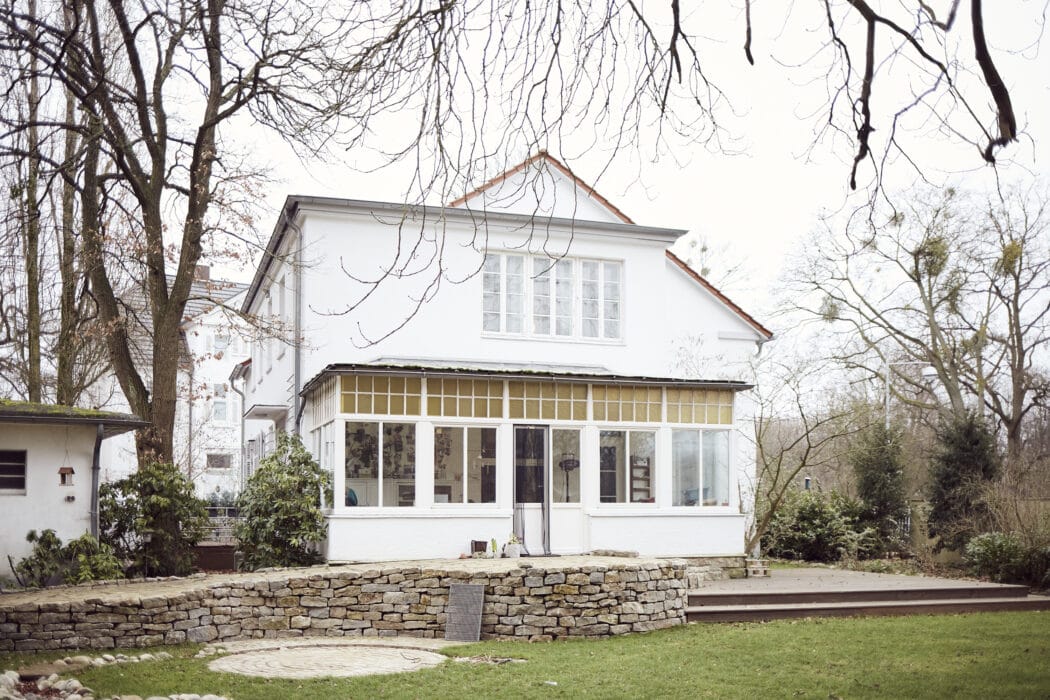 Hannover, January 2023:
Around 700,000 babies are born in Germany every year. Expectant mothers can choose between a home birth, a hospital birth or a birth at a birth centre. There are around 120 birth centres in Germany. Women come here to prepare for the birth and for the birth itself, accompanied by their midwife.
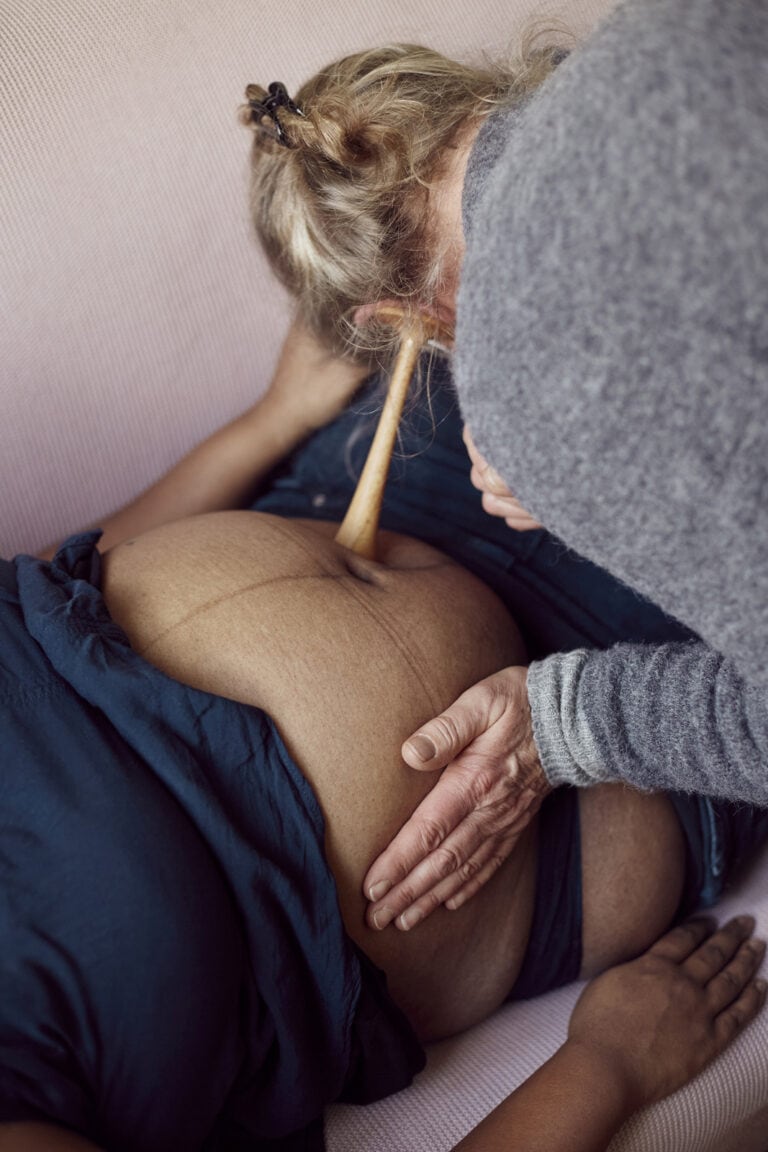 Hannover, January 2023
The midwife’s hands are her most important tool. With them she feels for the baby – how it is positioned in the womb and how it moves. To check the baby’s heartbeat, the midwife uses a Pinard stethoscope.
 Hannover, January 2023
Many delivery wards are permanently understaffed or have had to close in recent years. There are not enough midwives to meet the needs of women giving birth. The shortage of midwives in Germany also means that expectant mothers often have to search for a midwife for months, or are left alone in the delivery room because the midwife on duty has to look after several women at once.
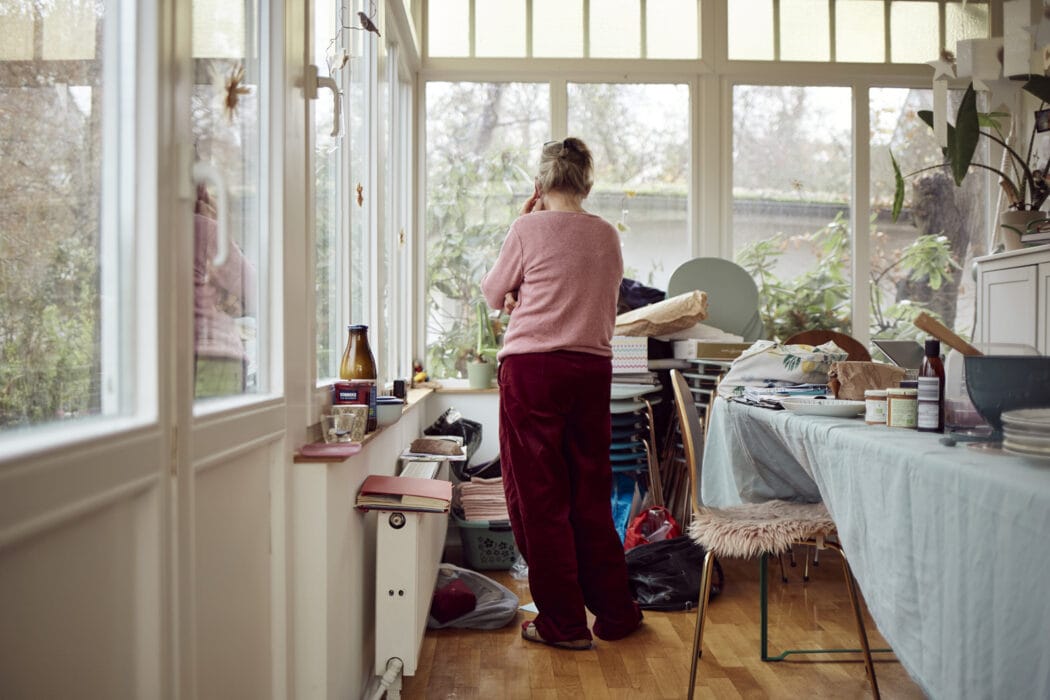 Hannover, December 2022
Red is the midwives’ colour of choice. Studies show that red is newborns’ favourite colour – it is the first colour they see in the womb. That is why the birthing clothes are red and many of the lamps in the birthing rooms glow red too.
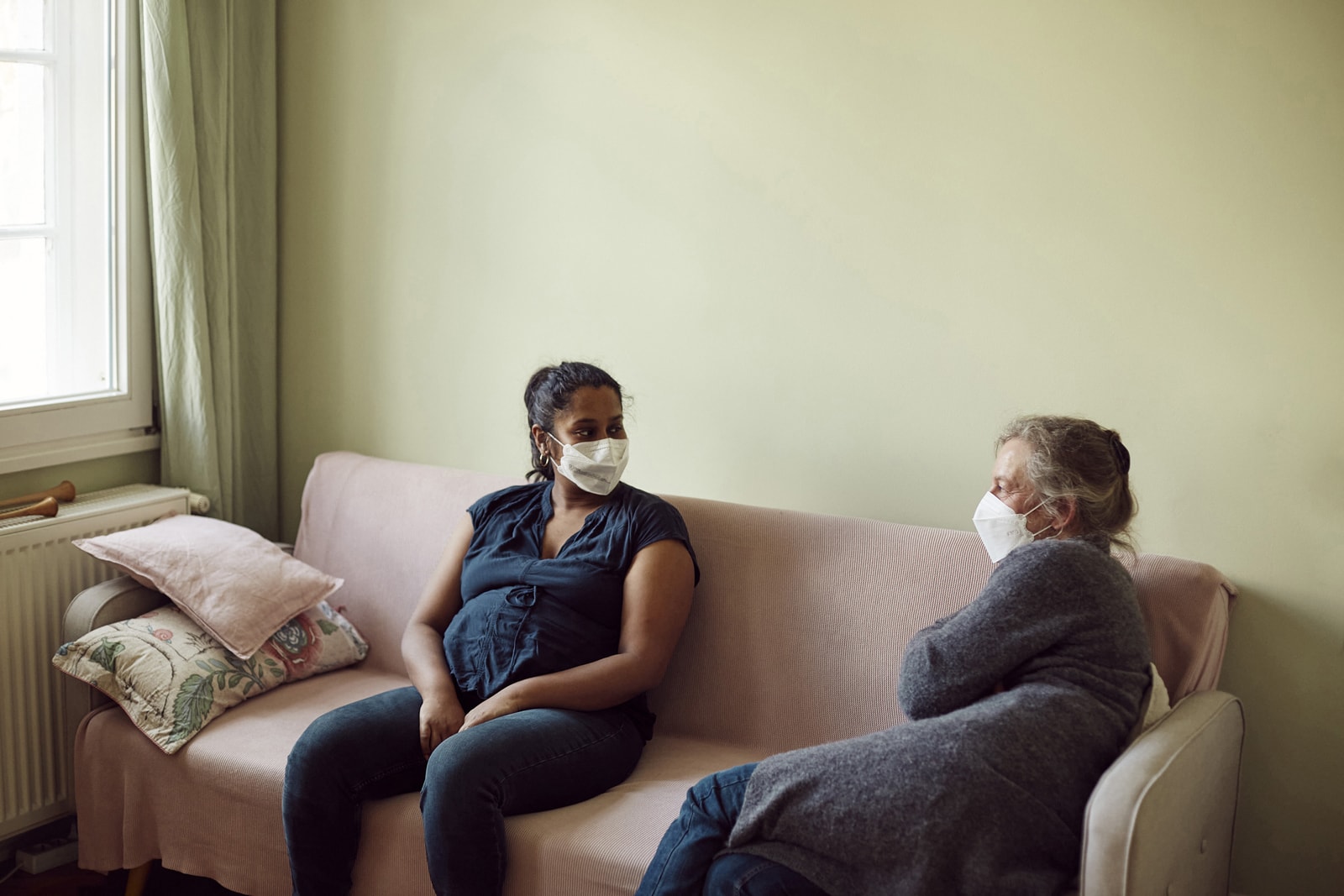 Women giving birth often have fears and worries or have been traumatised by previous pregnancies. The midwives explain to them how the birth will proceed. Hannover, January 2023.
 Hannover, December 2022
Many midwives use two mobile phones. The so-called birth phone is only for births or emergencies.
 Hannover, January 2023
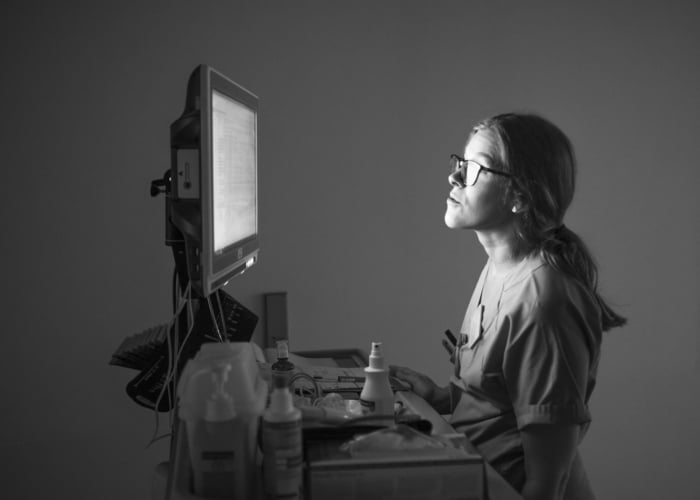
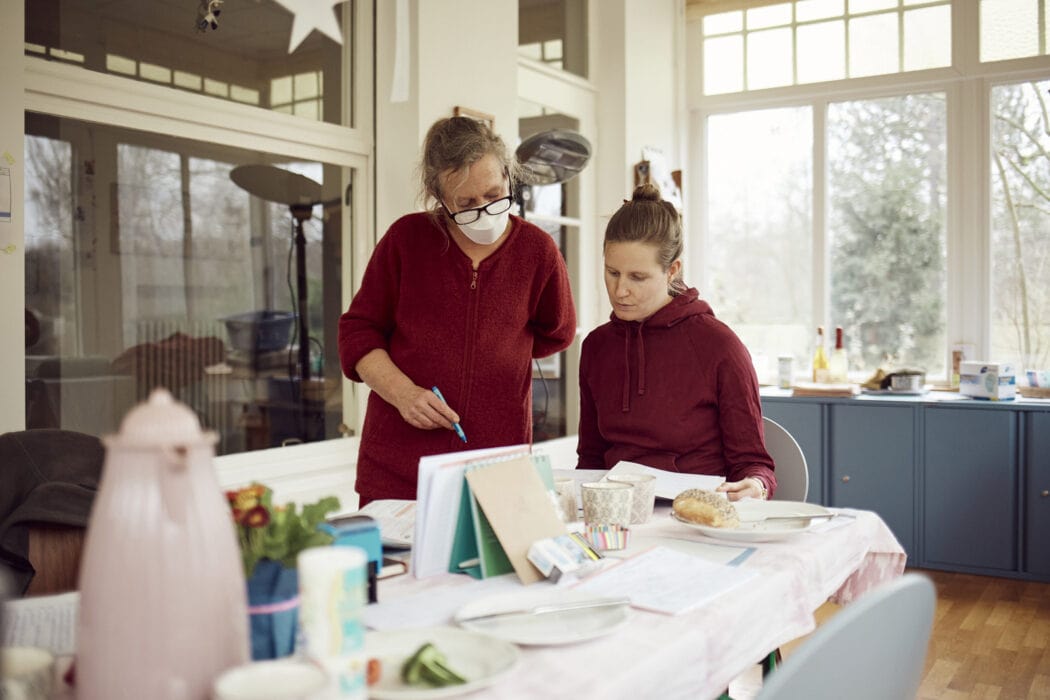
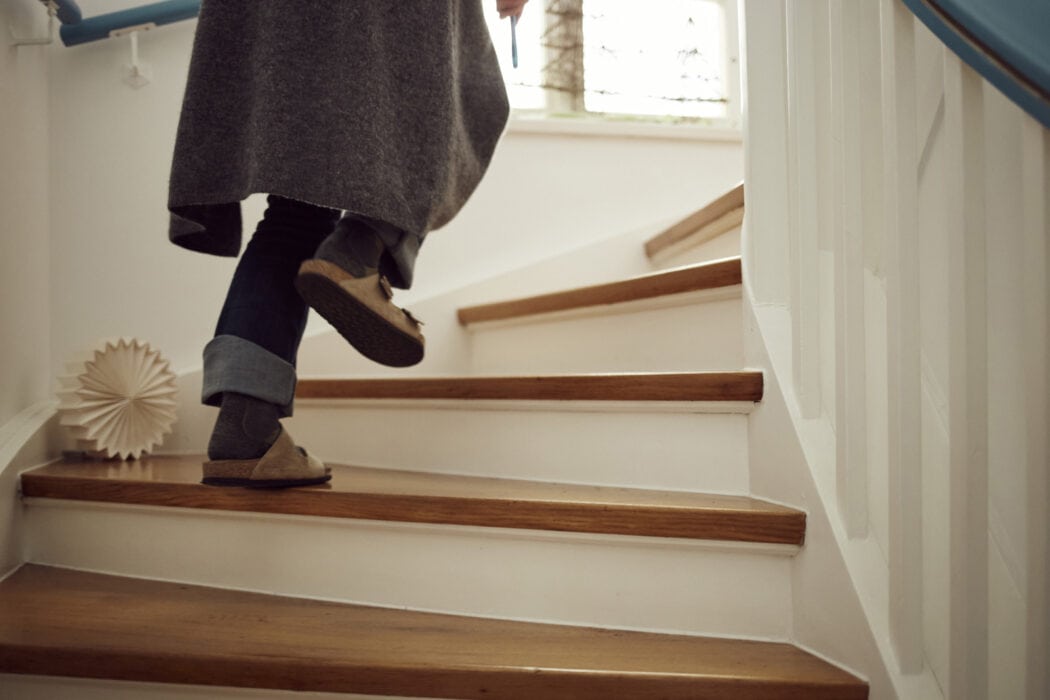
Between appointments the midwives often have little time for breaks or for talking to other midwives. The midwives at the Herrenhausen birth centre do all the jobs that need doing: midwifery, of course, but also organisation, office work and cleaning. The short breaks in between are often used for everything at once.
 Hannover, January 2023
Even at the birth centre, two births sometimes happen at the same time. The midwives often have to work several nights in a row. Sometimes nothing happens for days.
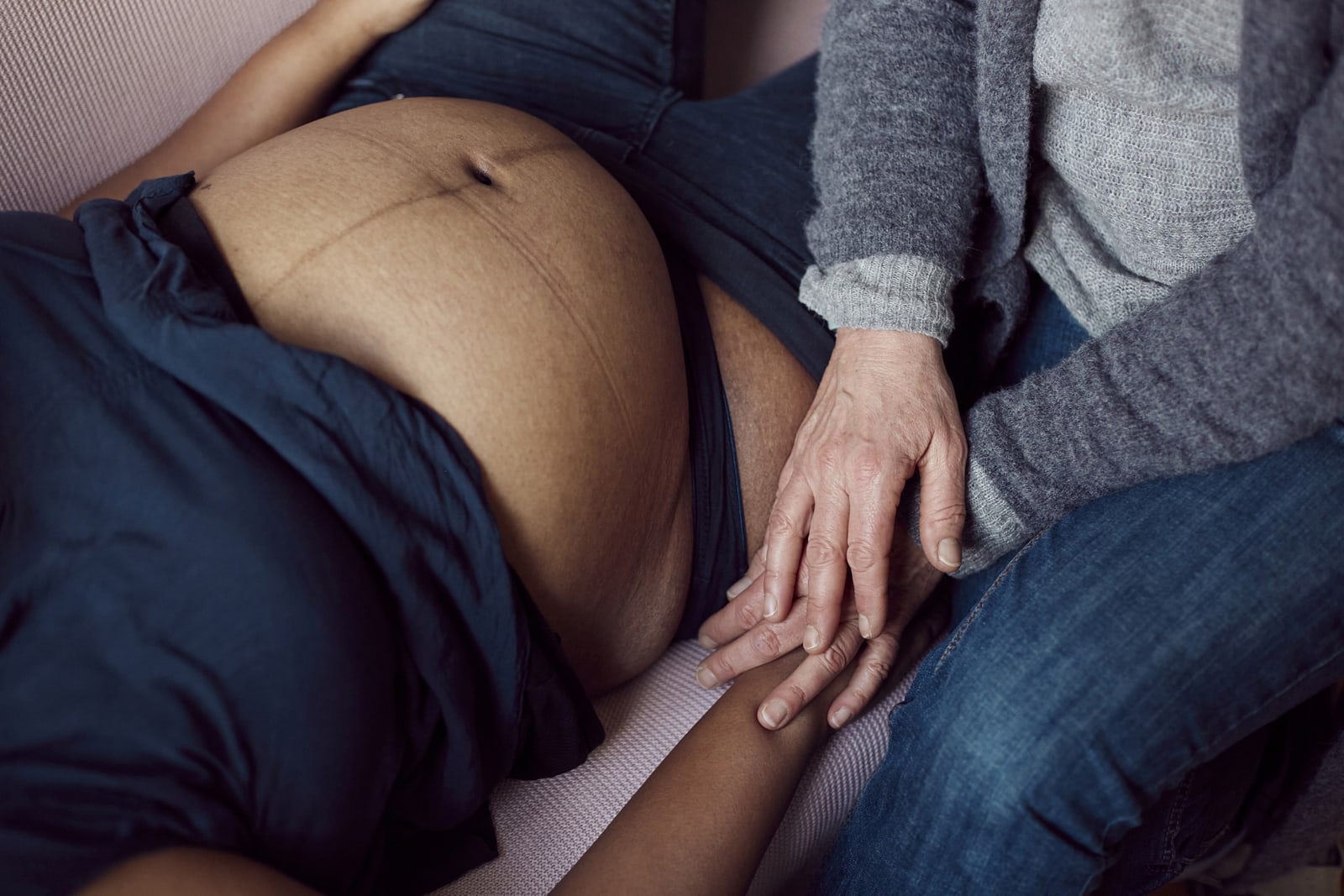 Hannover, January 2023: A woman in labour lies on the sofa with the midwife sitting beside her, holding her hand for support.
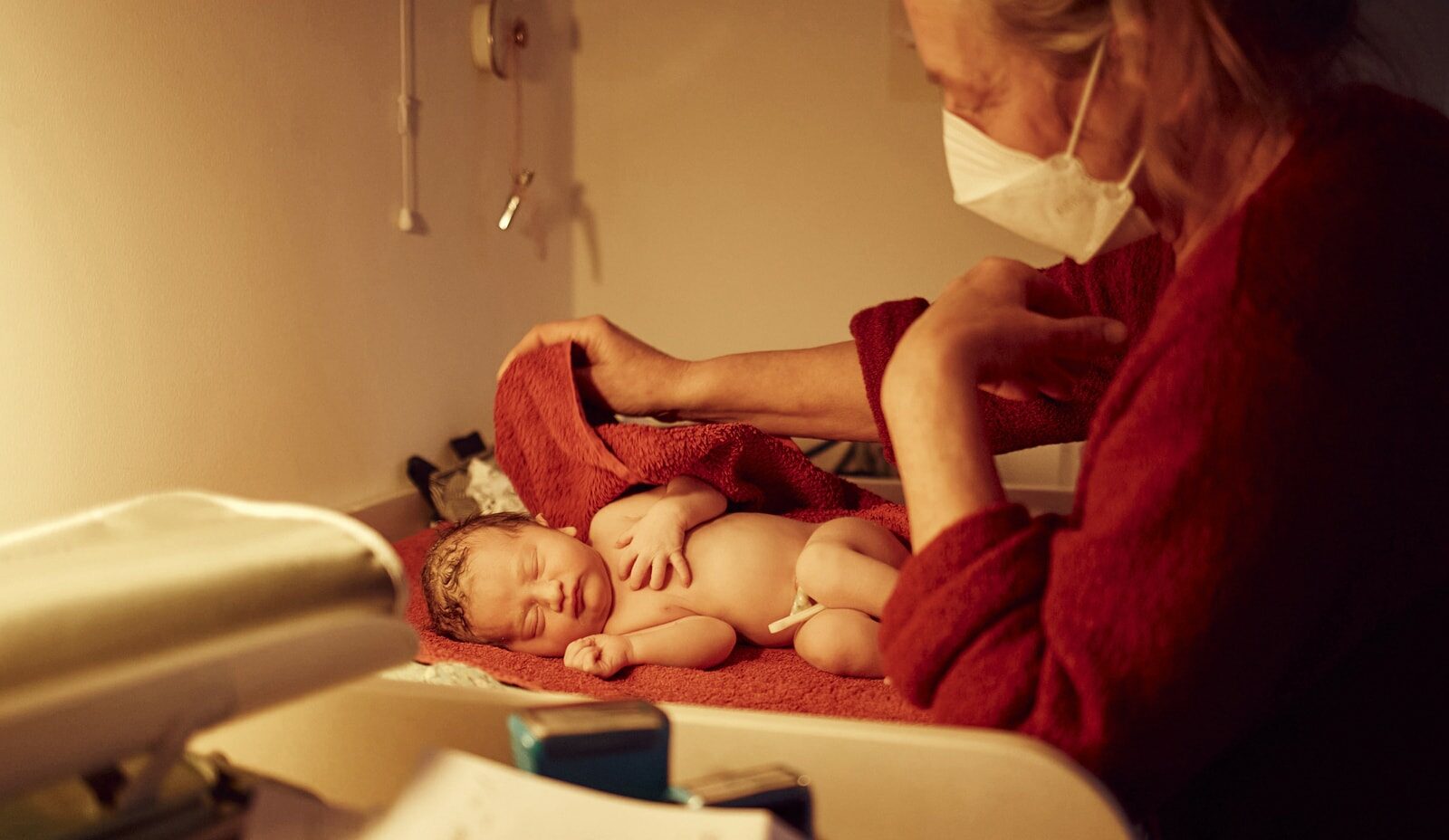 For the midwives, every birth is special. Hannover, January 2023
 Hannover, December 2022
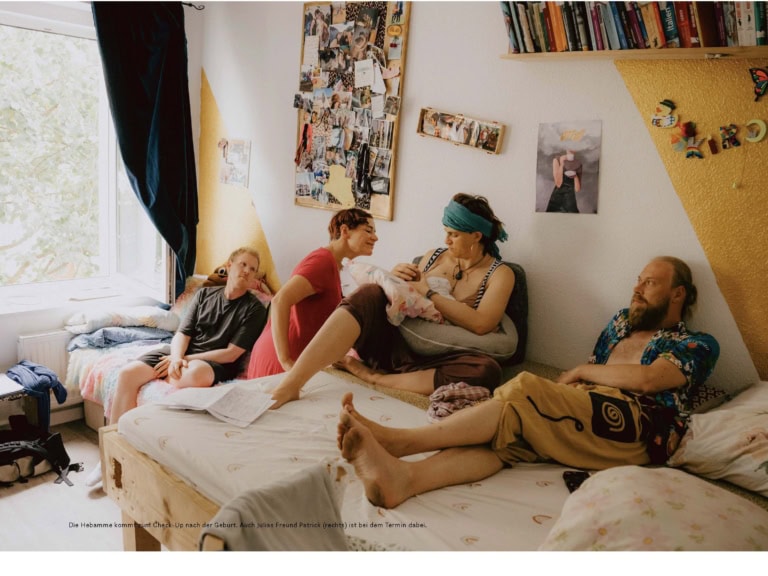
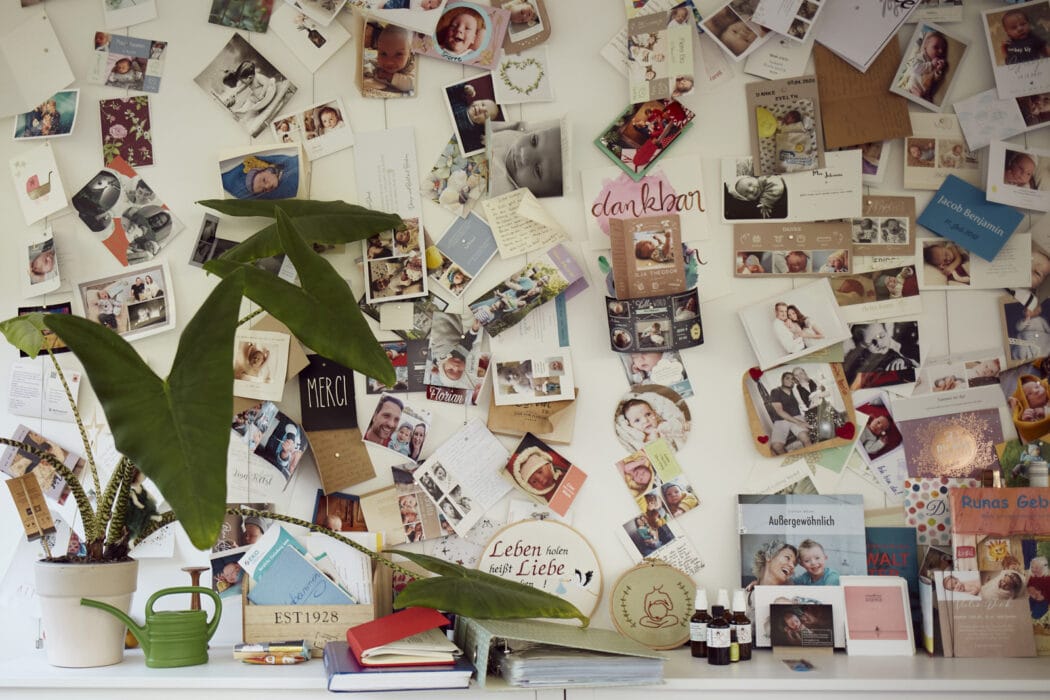
The relationship between the midwives at the birth centre and the women who give birth there is often very close. The midwives often accompany them over several years and pregnancies, know the families and, through home visits, often their homes too.
 Hannover, December 2022
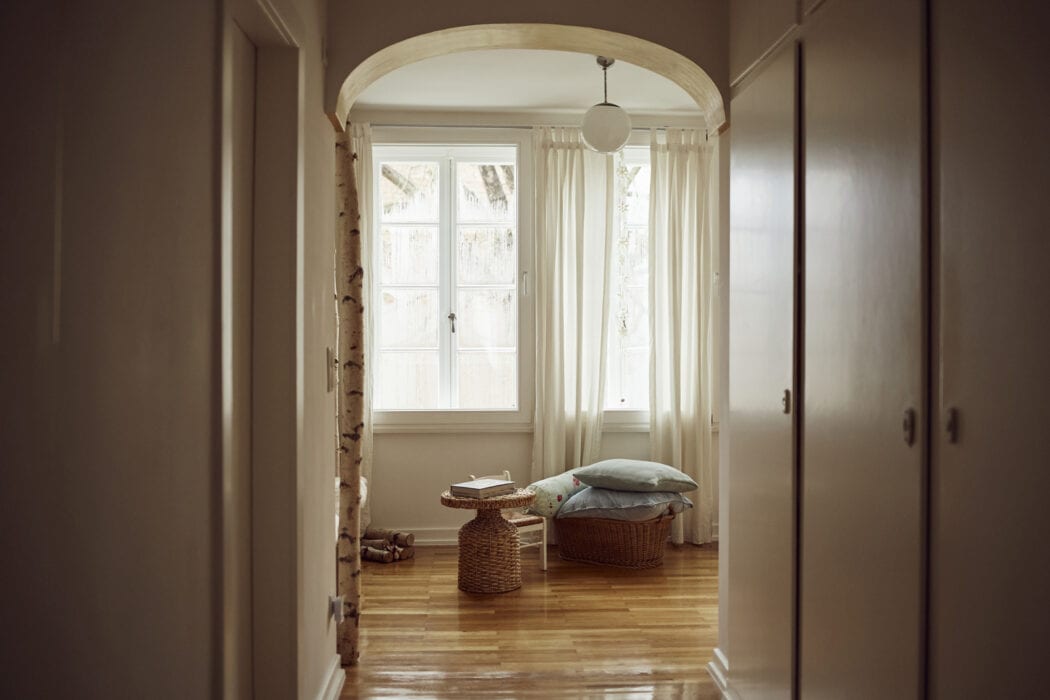
After a birth, a special silence settles over the birth centre. The parents and the newborn get to know each other. The midwives go back over the birth.