‘I want men to hug each other’
More and more men are looking for role models who show their feelings. Valerio, Frank, Noah and Tom do just that. Four perspectives that show masculinity is something you can shape.
By Jana Junker

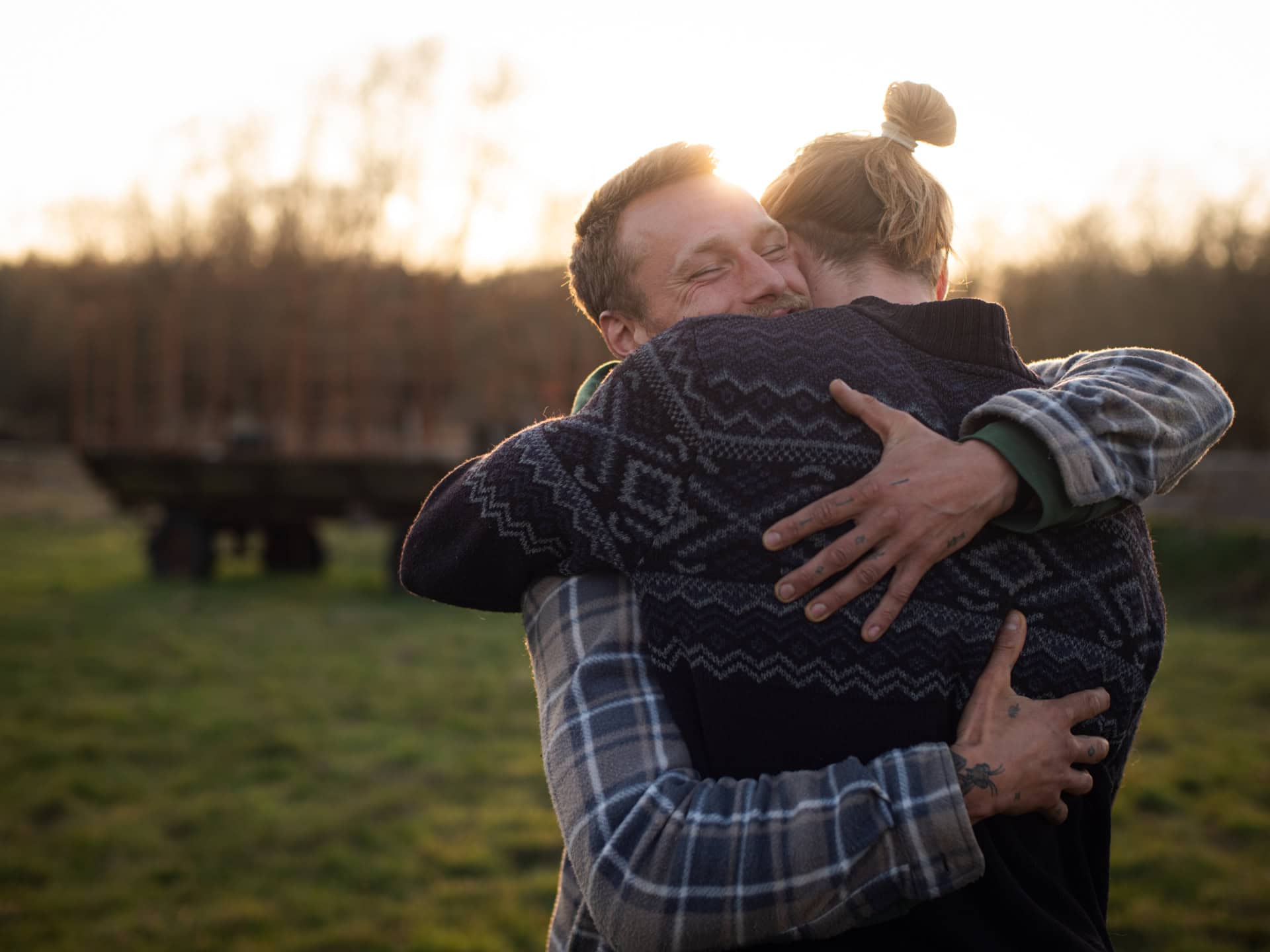
Strong and invulnerable – for decades, that was the image of what it meant to be a man. Today, masculinity is neither clear-cut nor a given. More and more men are asking questions that were long taboo: do I have to be strong to be accepted? Am I allowed to show feelings? What does it mean to take responsibility – not only for others, but for myself too?
Valerio, Frank, Tom and Noah share some of their answers. Their stories are not tales of heroism but real lives, and they show that masculinity is not fixed but can change – and that this is exactly where its strength lies.
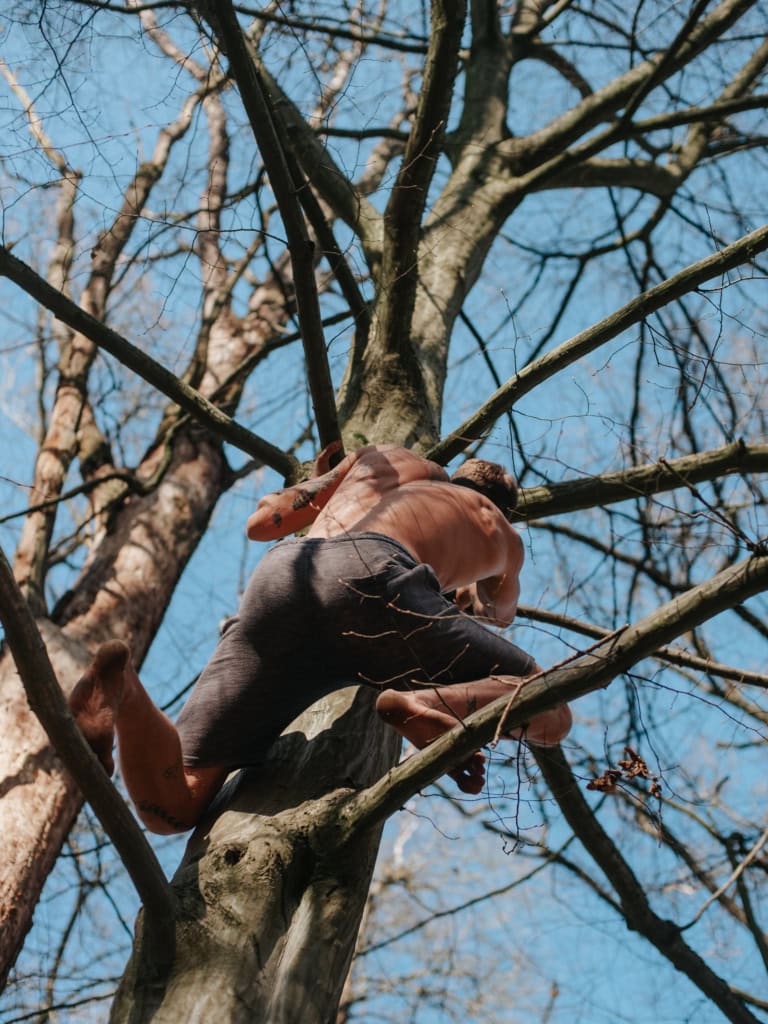
Frank climbs not to prove himself, but to feel his own body.
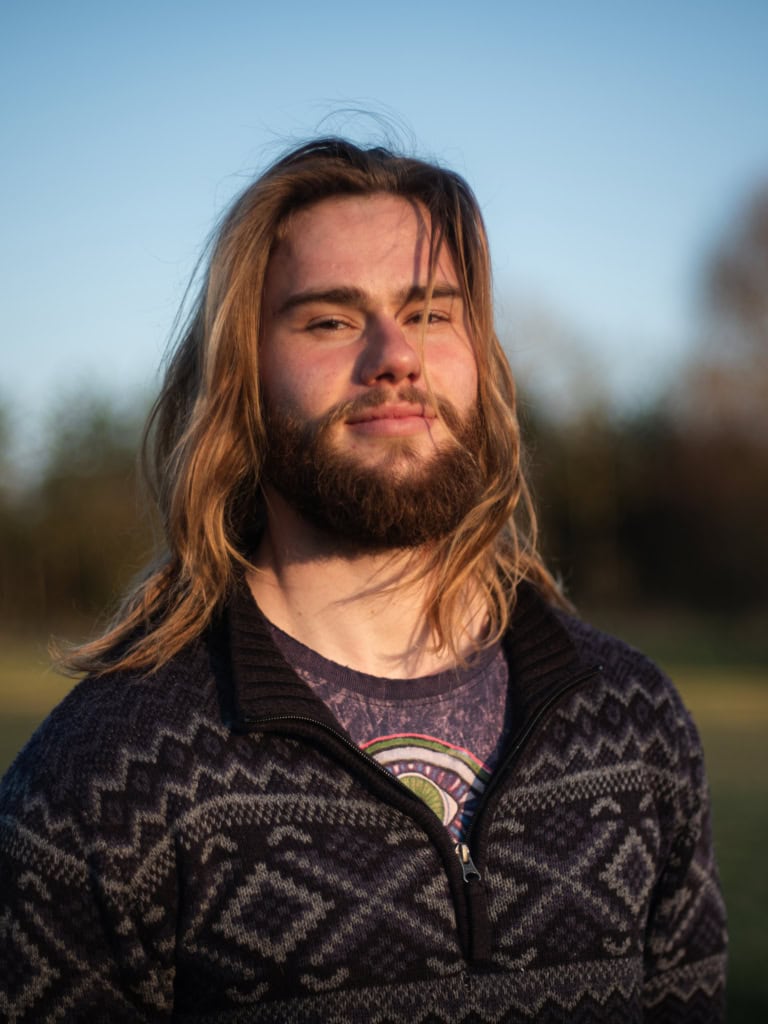
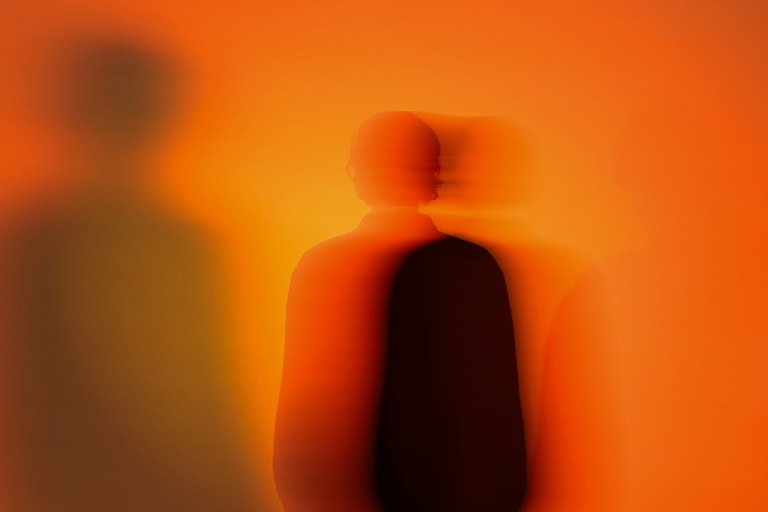
For Valerio, masculinity doesn’t begin in the body, but in the mind.
Valerio and Frank: friendship between soul-searching and the woods
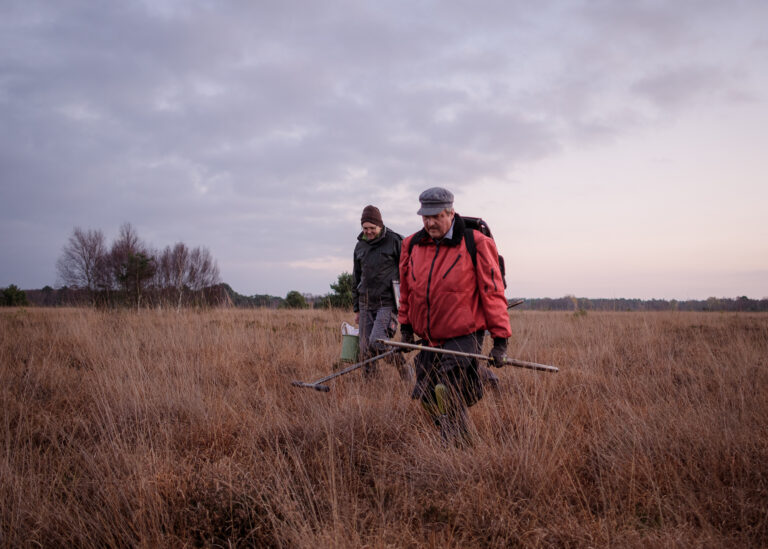
Valerio lives in the countryside, surrounded by fields and woods. Every day he is drawn outdoors. ‘Nature is my mirror,’ he says. ‘When I’m out there, I can feel what’s alive in me.’ Sometimes he roams the woods alone, sometimes with his friend Frank or other like-minded people. Together they climb trees, or simply stand still and pause. Their meetings are uncomplicated. Sometimes they talk, sometimes they stay silent. All that matters is that each of them can be there just as he is.
For a long time Frank was a detective inspector – a job that demands distance and control. But he quit. ‘I couldn’t go on,’ he says. Today he is no longer looking for toughness, but for connection. ‘The worst thing was being called a wimp. Being vulnerable was shameful. Now I see that feeling truly, without a filter, is strength.’
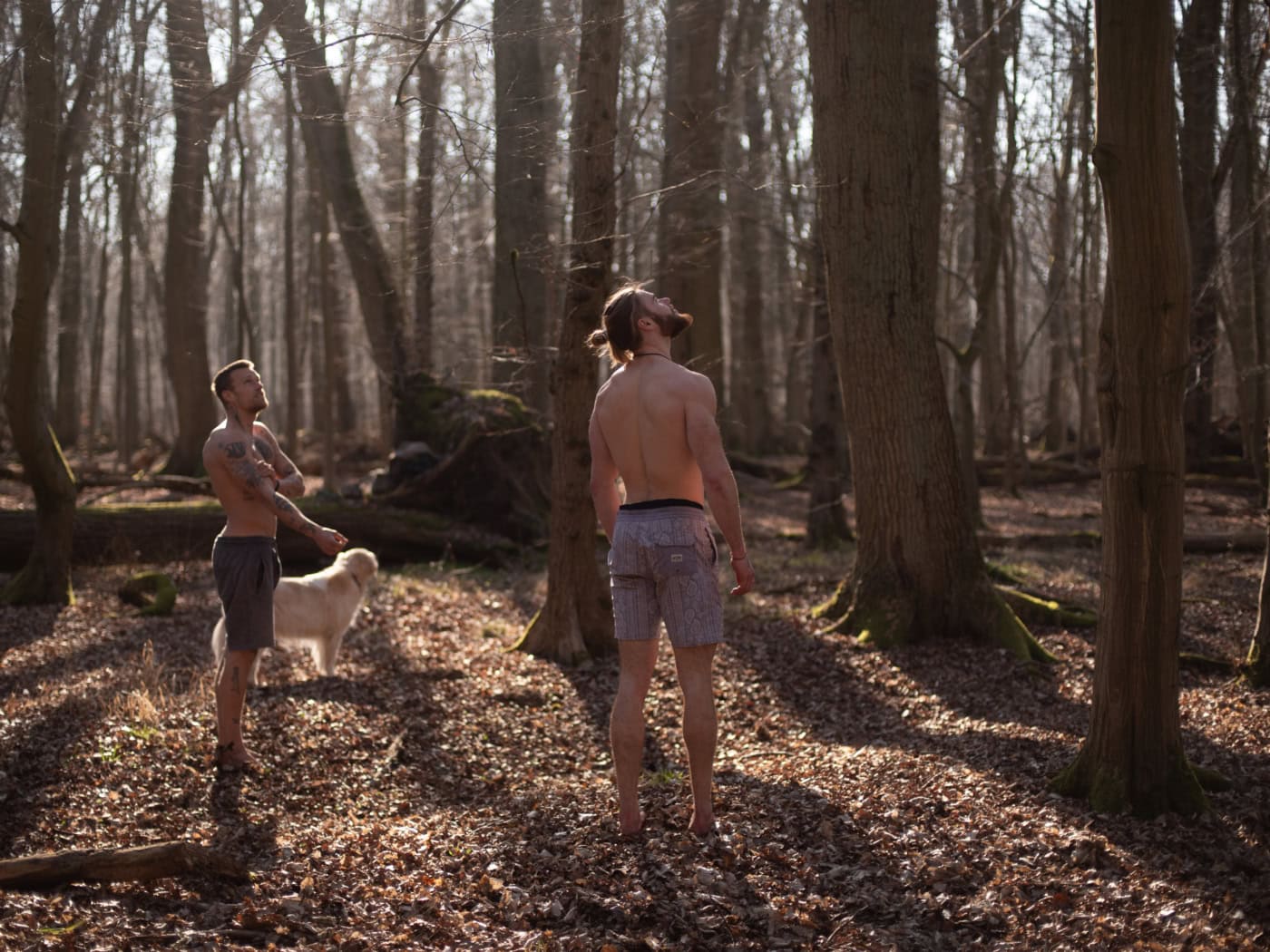
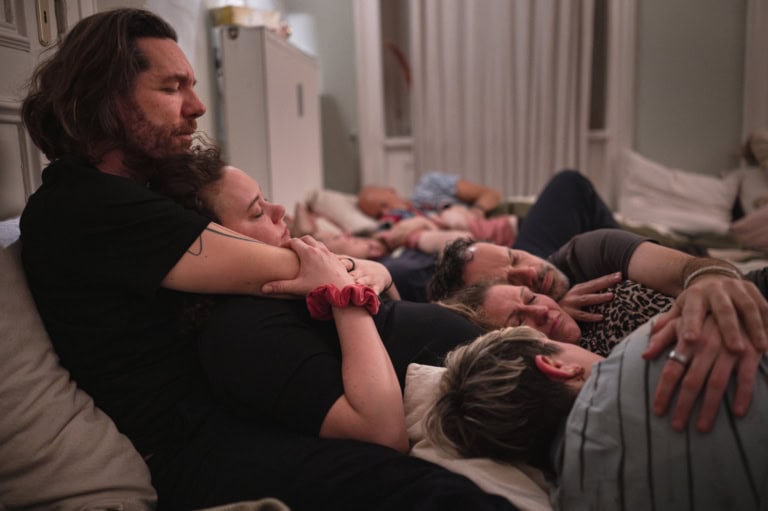
Valerio and Frank: in the woods, they live out their friendship through presence and connection.
The sociologist Raewyn Connell describes this movement as ‘transformational masculinity’ – a masculinity that changes because it is not given by nature but socially constructed. That is exactly how Valerio and Frank want to live: away from comparison and dominance, towards self-acceptance and inner peace.
Together they dream of setting up a self-sufficient smallholding – a place where nature and work flow into one another. ‘I hope my life will encourage others to find more of themselves,’ says Valerio. Frank says: ‘Everyone should be free, without labels put on them by others.’ Their vision chimes with what the author bell hooks wrote: ‘The first act of violence that patriarchy demands of males is that they kill off the emotional parts of themselves.’ For Valerio and Frank, strength means keeping exactly those parts alive.
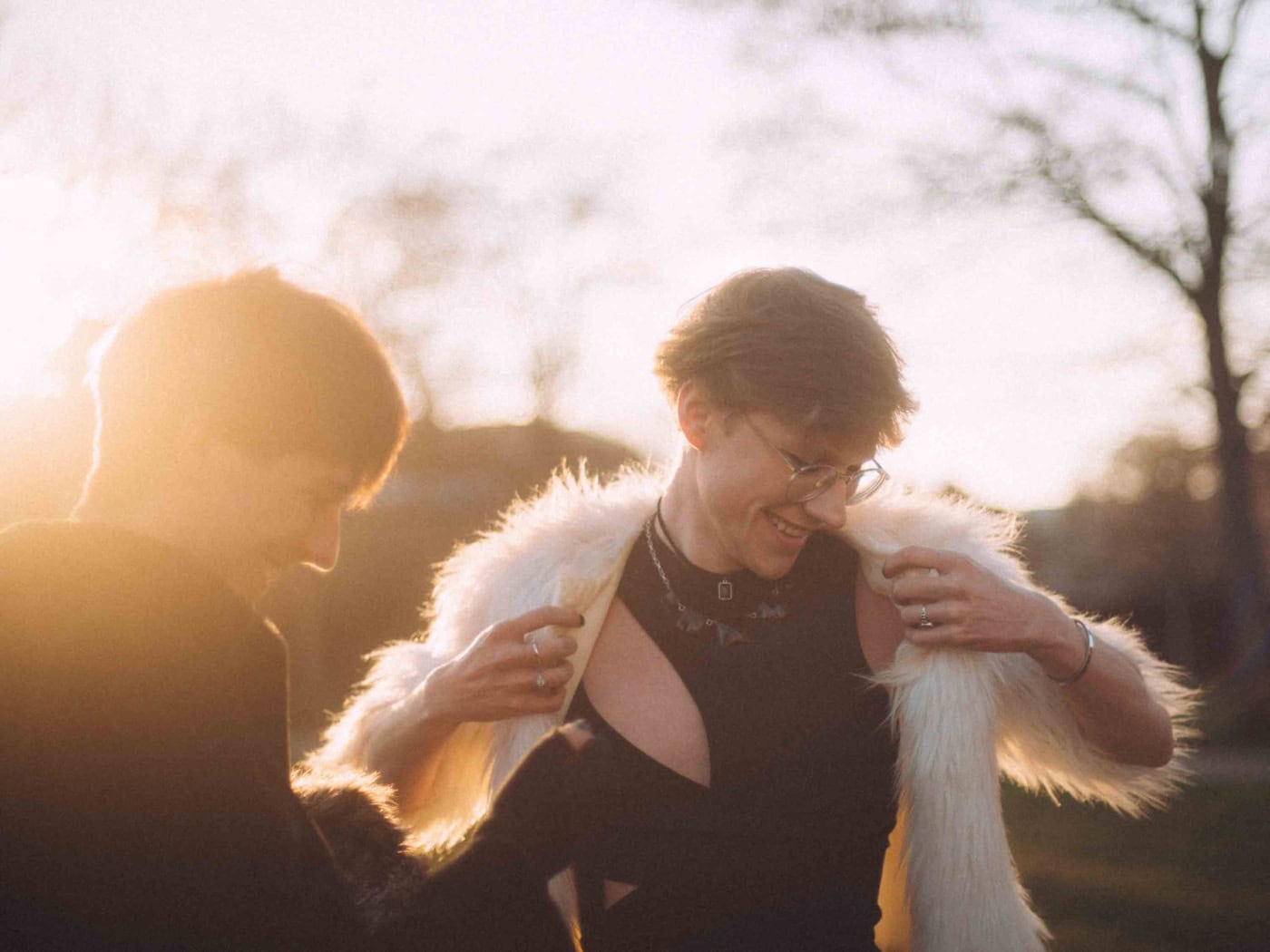 Photo: Jana Junker
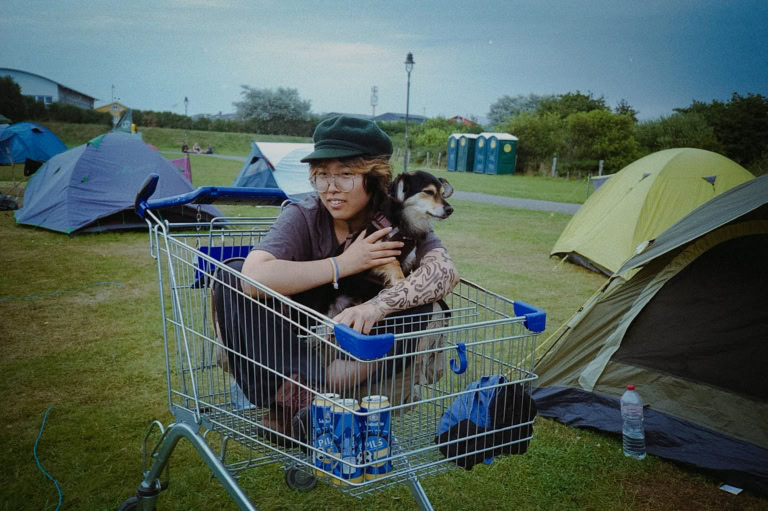
Noah and Tom: closeness that isn’t defined by gender roles.
Noah and Tom: partnership as a practice of closeness
Noah and Tom live together as a couple. Their everyday life – university, a shared flat, shared responsibilities – may seem unremarkable, but it is political: ‘Our relationship is a practice of care,’ says Tom. ‘We try not to simply carry on patriarchal patterns.’
For both of them, closeness in private goes hand in hand with being themselves in public. They like to go out in their own distinctive style, to clubs and pubs – eye-catching, without pretending to be anything else. They have faced the odd bit of hostility. But they would never change the way they present themselves. ‘If we had to fit in, that wouldn’t be a free life,’ says Noah.
Noah is training to be a teacher. Together with the child protection association Kinderschutzbund Sachsen, he educates students and lecturers about child sexual abuse. His work even earned him the title ‘Student of the Year 2025’. As a child, Noah himself experienced sexualised violence and abuse.
That experience shaped him, and so did being visibly queer. He remembers how afraid he used to be of going out with painted nails or a crop top. Today he sees these gestures as political practice. ‘Being allowed to be soft without being despised for it – for me, that’s resistance,’ he says. ‘It means reflecting on my privileges as a man – and using them to make room for others.’
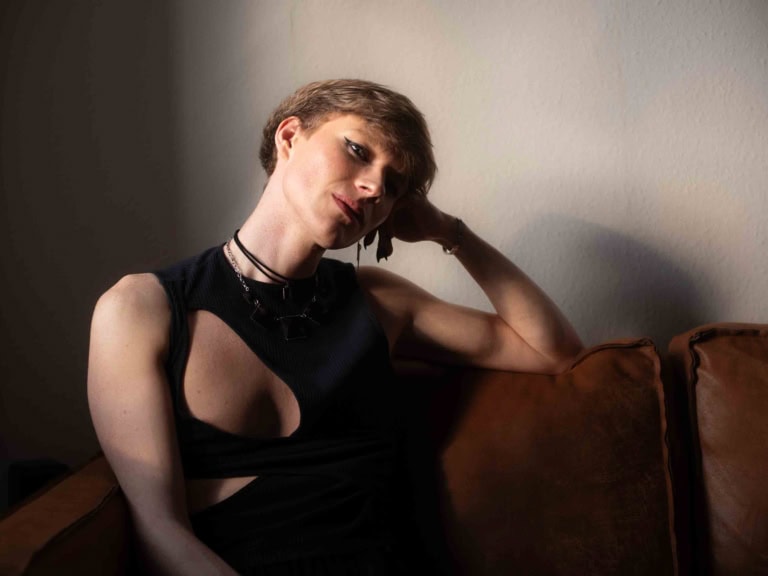
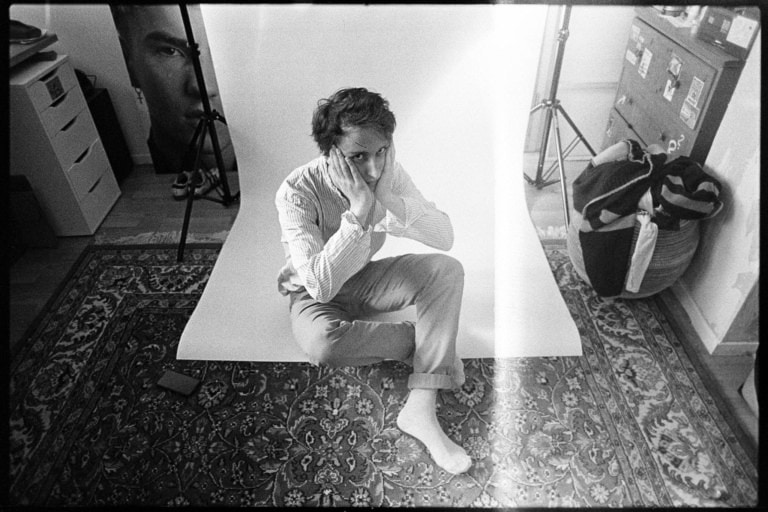
Tom doesn’t want to pass on role models that hem other people in.
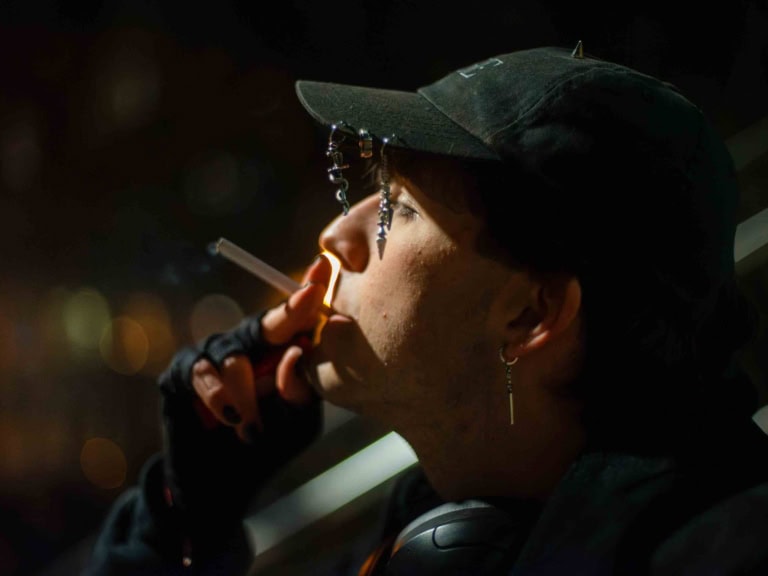
Noah wants to live a free, unconventional life.
Tom, who works at a university, grew up in a world where boys were expected to be tough and sensible. ‘Everything that used to count as unmanly is what makes me who I am today,’ he says. Clothes, language, closeness – he uses all of them to deliberately unsettle expectations about gender roles. ‘I don’t want to pass on expectations that hem other people in.’
Noah says: ‘I want men to hug each other. To say honestly what they feel. And to step in when other men put down women or queer people.’ His words echo what the author bell hooks stresses: love and care don’t weaken us; they empower us.
Being allowed to be soft without being despised for it – for me, that’s resistance.
 Noah
Noah
The personal is political
The stories of Valerio, Frank, Noah and Tom are personal, and at the same time part of a wider change. Studies show that more and more men want emotional role models. Almost half of young men in Britain said they would rather see vulnerable, reflective men on screen than classic heroes. Series such as The Bear and Baby Reindeer tap into exactly this: men who stumble, cry and fail – and seem strong precisely because of it.
At the same time, the backlash is growing. Right-wing populist groups portray the ‘real man’ as authoritarian, controlled and dominant over women. Any kind of softness is seen as weakness. This image works as a response to social uncertainty: when ideas about gender roles start to wobble, dominance is sold as something to hold on to. Young men who feel they have lost their bearings are especially likely to end up in circles that turn their insecurities into anger – at women, at queer people, at anyone who doesn’t fit the mould.
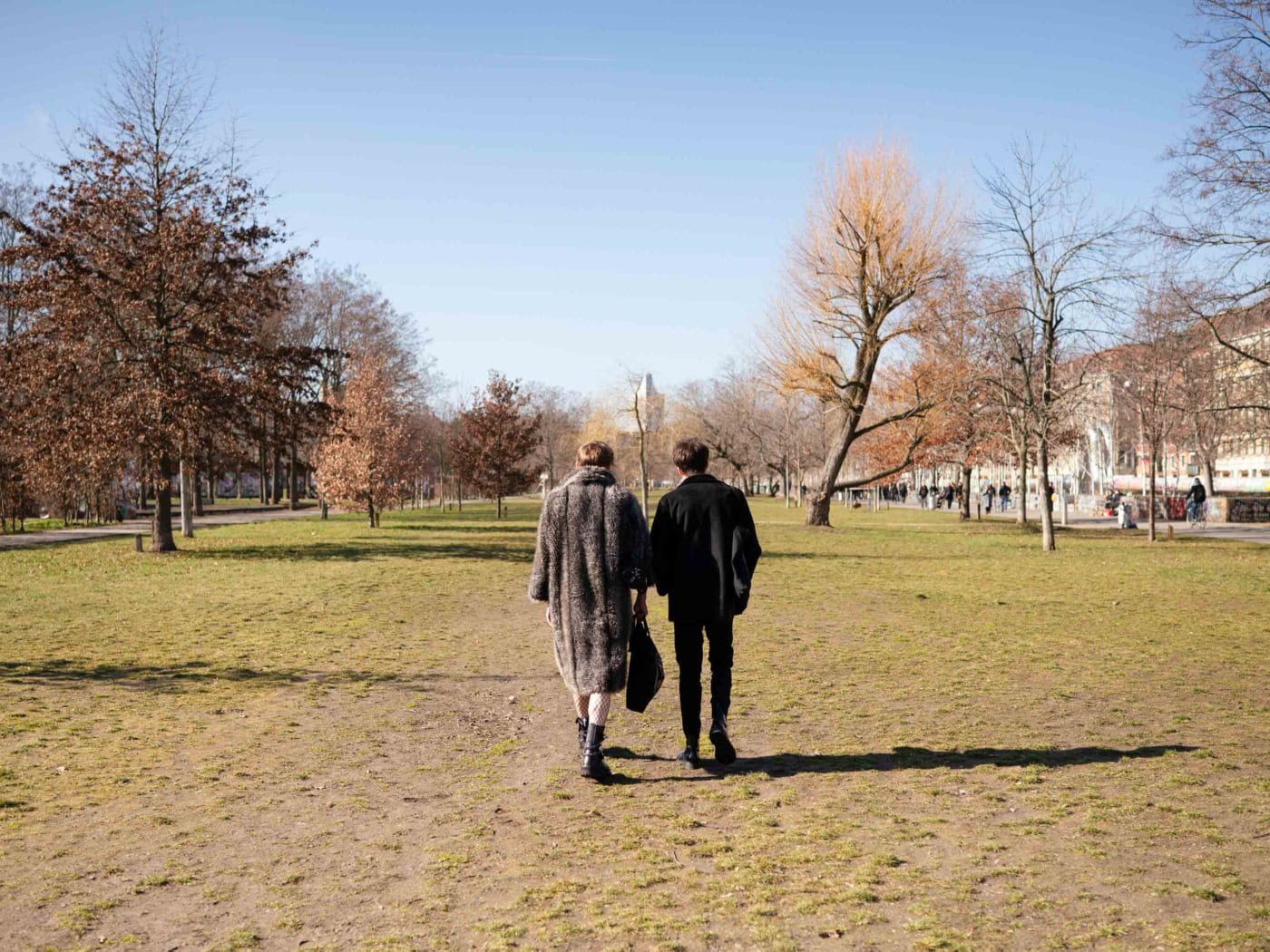
Noah and Tom don’t hide – not even in public.
Whether in the woods among moss and trees, in a shared flat or down the pub in the evening, the stories of Valerio, Frank, Noah and Tom show in very concrete ways how masculinity can be lived differently. For Valerio, it’s the calm he finds in nature. For Frank, rediscovering authenticity. For Tom, breaking with rigid norms. For Noah, the hope that no one will ever again be asked whether he is ‘man enough’.
Their voices are a reminder of what the authors bell hooks and Raewyn Connell call for: that masculinity is not fate, but something we shape.