Friedrich Merz: between BlackRock and the Chancellery
The CDU leader presents himself as a man of the people – despite a multimillion past in the world of finance. Why do so many listen to him?
By Finn Winkler (text), Martin Steger (photos)


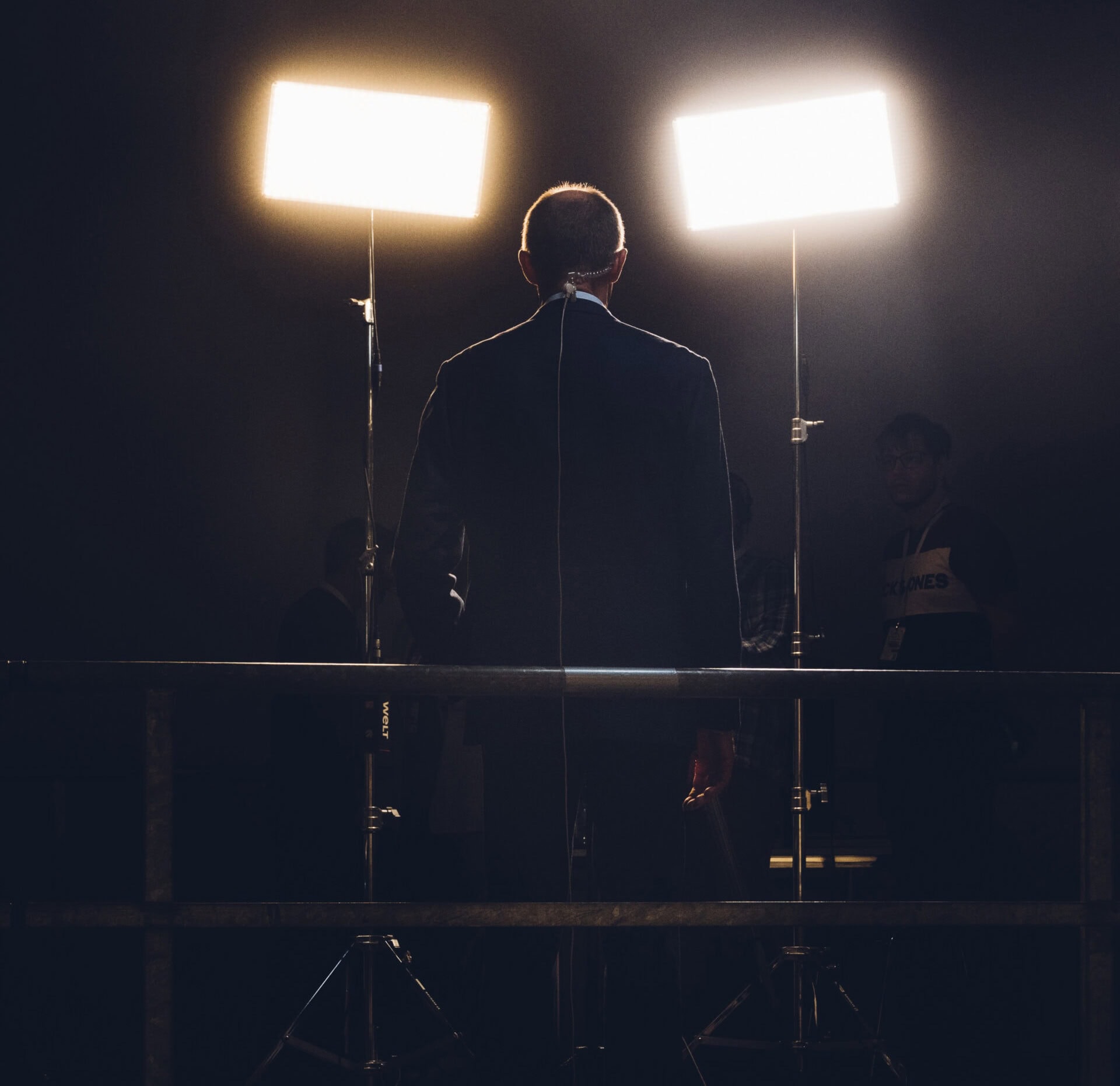
It is a sunny morning in early September, shortly before the 2023 Bavarian state election. Friedrich Merz steps onto the stage in the packed beer tent in Abensberg. The air is hot and a little stuffy, the mood exuberant. Merz wears a simple grey traditional jacket, perhaps to win over the residents of the small Lower Bavarian town. Numerous top politicians gather at the ‘political Gillamoos’.
Friedrich Merz uses the opportunity to take a clear stance. ‘Kreuzberg is not Germany,’ he proclaims into the microphone. ‘Gillamoos is Germany!’ These words spark debate across the country. His speech makes the evening news, and his face adorns the front pages the next day.
The speech on the Gillamoos meadow shows how Merz tries to emphasise certain cultural and social themes. While he takes up popular opinions, he also draws criticism for his often polarising positions.
On that sunny morning in the beer tent, Merz stresses that Gillamoos represents the ‘real’ Germany. A quick online search, however, shows that Kreuzberg is also an integral part of Germany – and that far more people live there than in Abensberg. When Friedrich Merz isn’t talking about urban Germany, he often focuses on the integration problems of young people with a migrant background and talks about ‘little pashas’. He also occasionally comments on topics such as dental care for asylum seekers and alleged welfare tourism, which regularly causes public outrage.
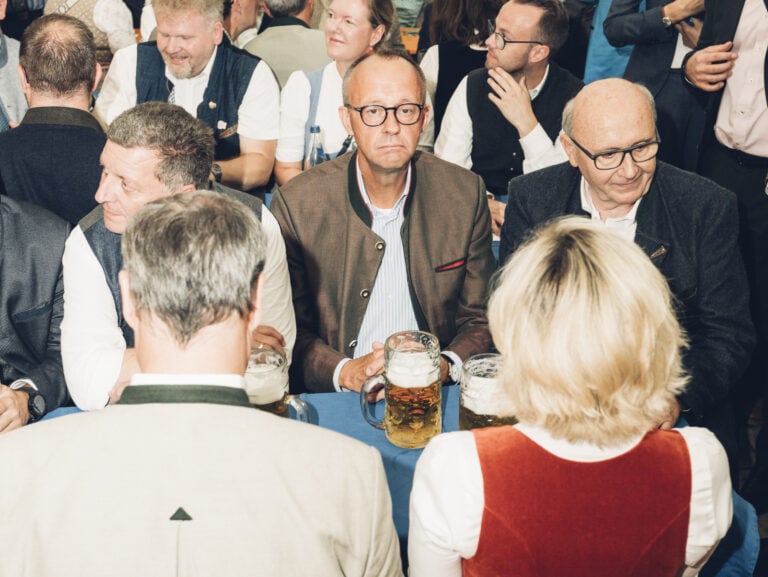 Abensberg; 04.09.2023; Politischer GillaMoos in Abensberg; Freidrich Merz & Markus Söder, Landtagswahl Bayern; © Martin Steger
Friedrich Merz sits with the Bavarian minister-president Markus Söder in a beer tent.
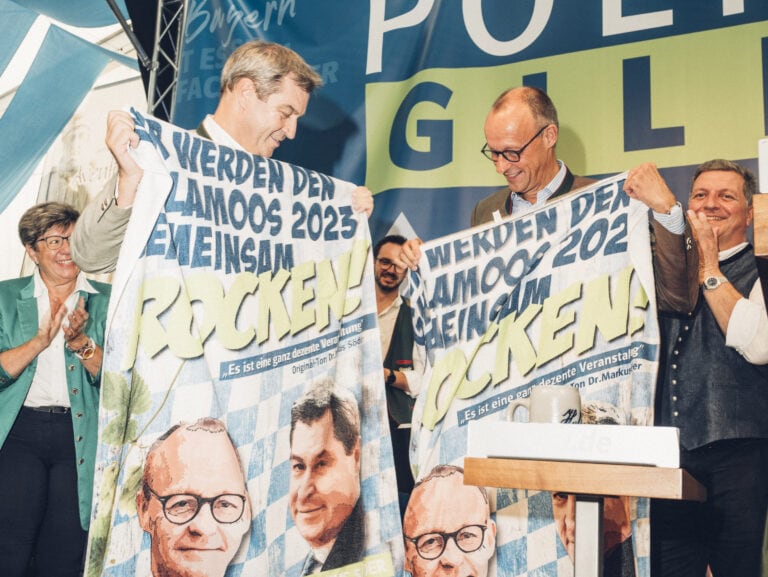 Abensberg; 04.09.2023; Politischer GillaMoos in Abensberg; Freidrich Merz & Markus Söder, Landtagswahl Bayern; © Martin Steger
Politischer GillaMoos in Abensberg; Freidrich Merz & Markus Söder, Landtagswahl Bayern;
When Friedrich Merz isn’t talking about urban Germany, he often focuses on the integration problems of young people with a migrant background.
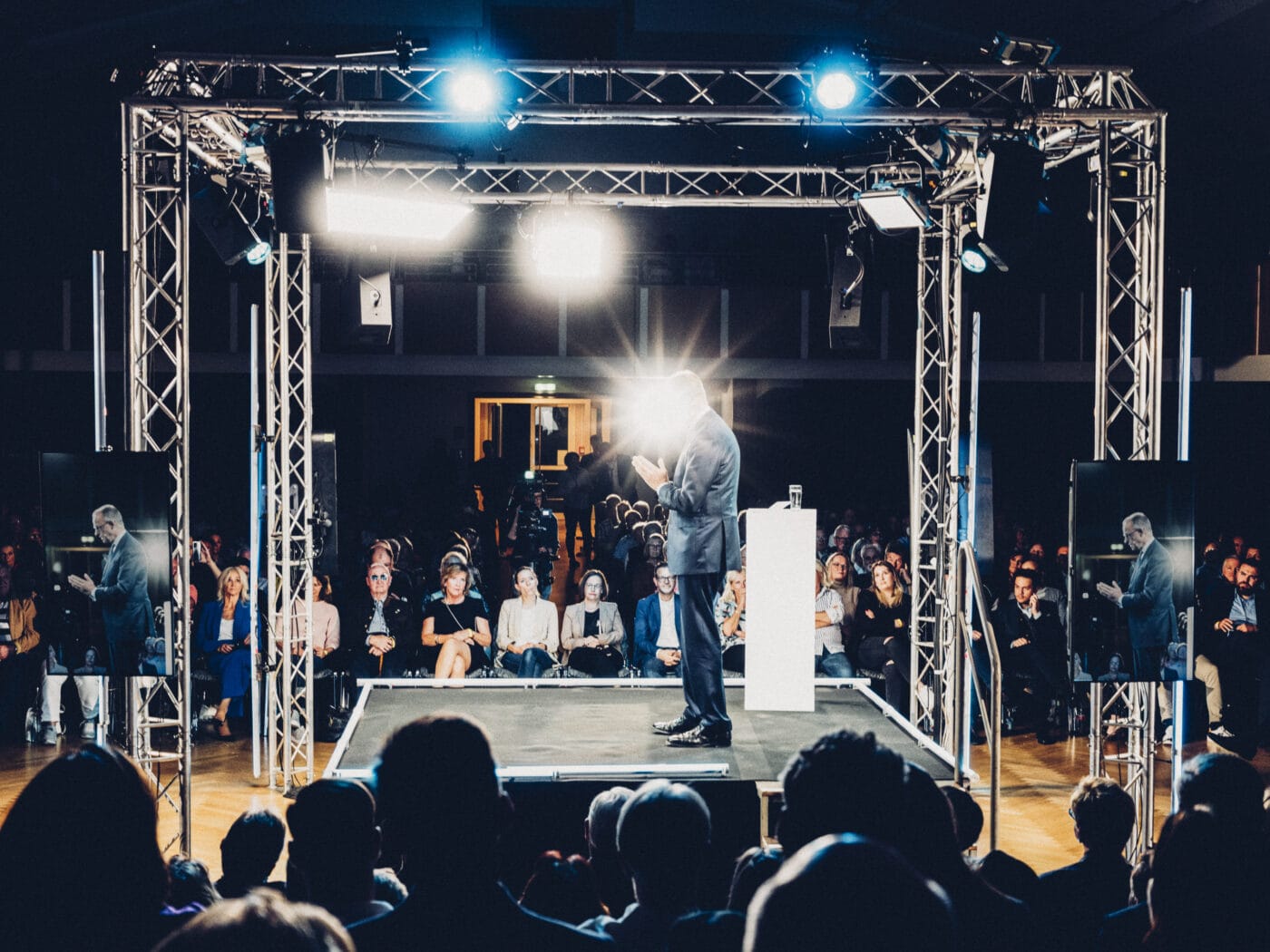 Stadthalle Kelkheim, Kelkheim (Taunus): 06.10.2023
Final campaign rally in Hesse with the former Hessian minister-president Roland Koch
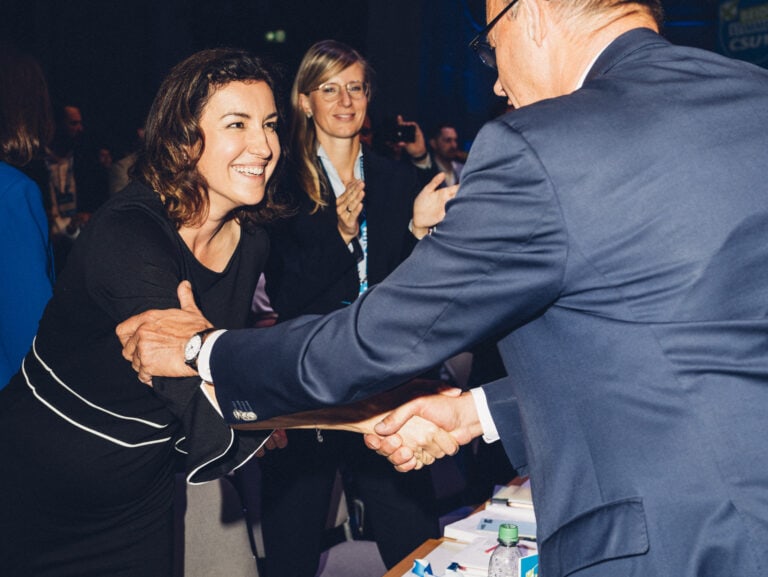 Messe Riem, Munich: 23.09.2023
With the Bundestag member Dorothee Bär at the CSU party conference in Munich
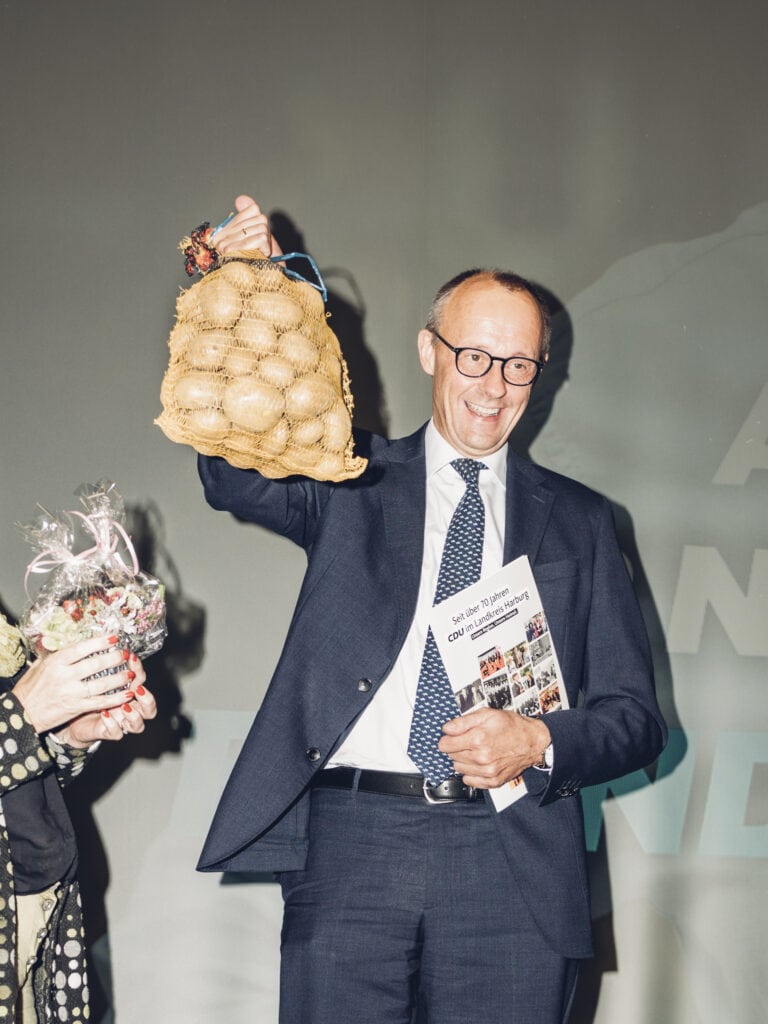 Burg Seevetal, Seevetal: 04.10.2022
At the end of a campaign speech, with a gift
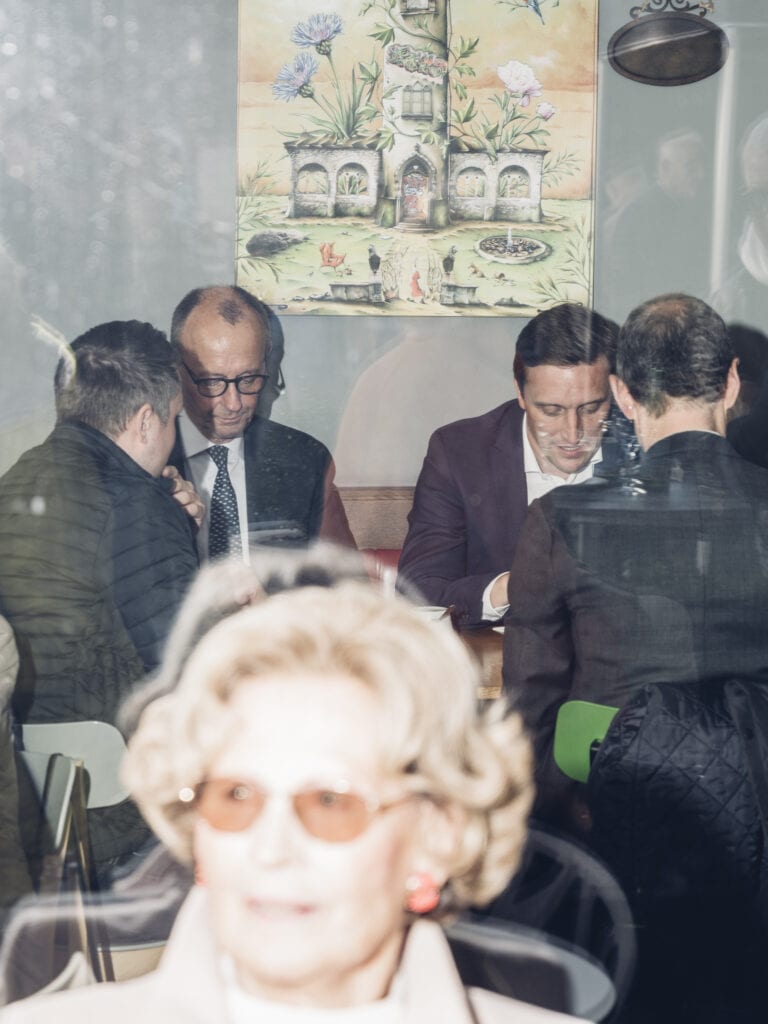 Hameln: 08.10.2022
With leading Lower Saxony candidates in a café
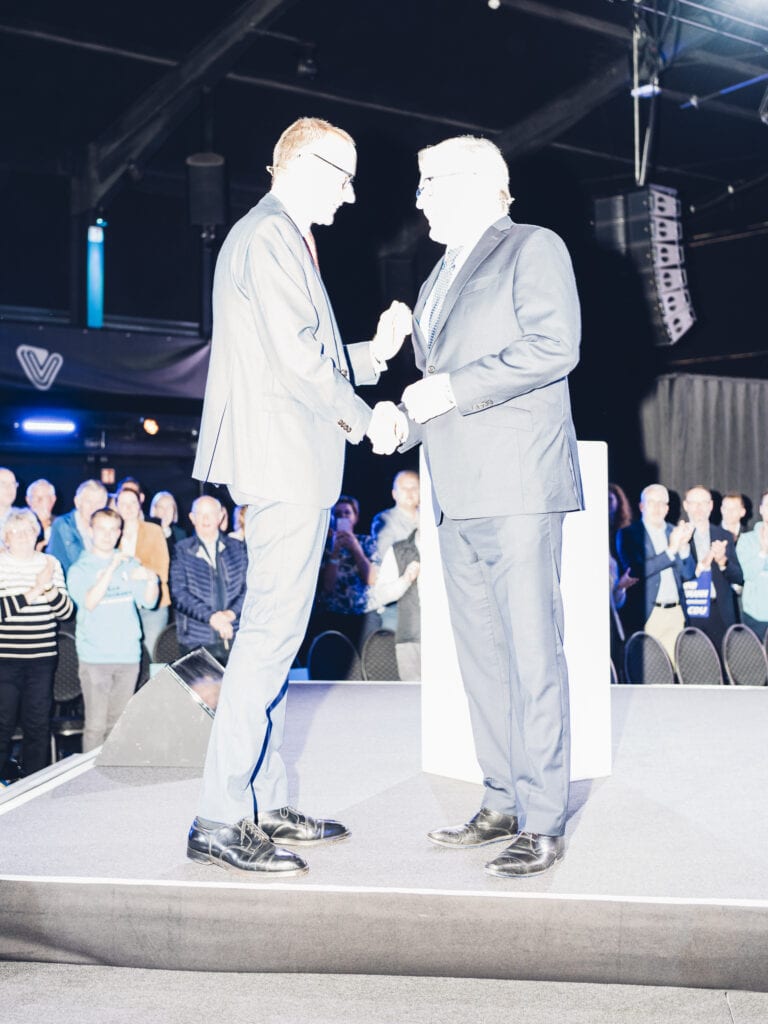 VEC-Halle, Vechta: 05.10.2022
On stage with Bernd Althusmann
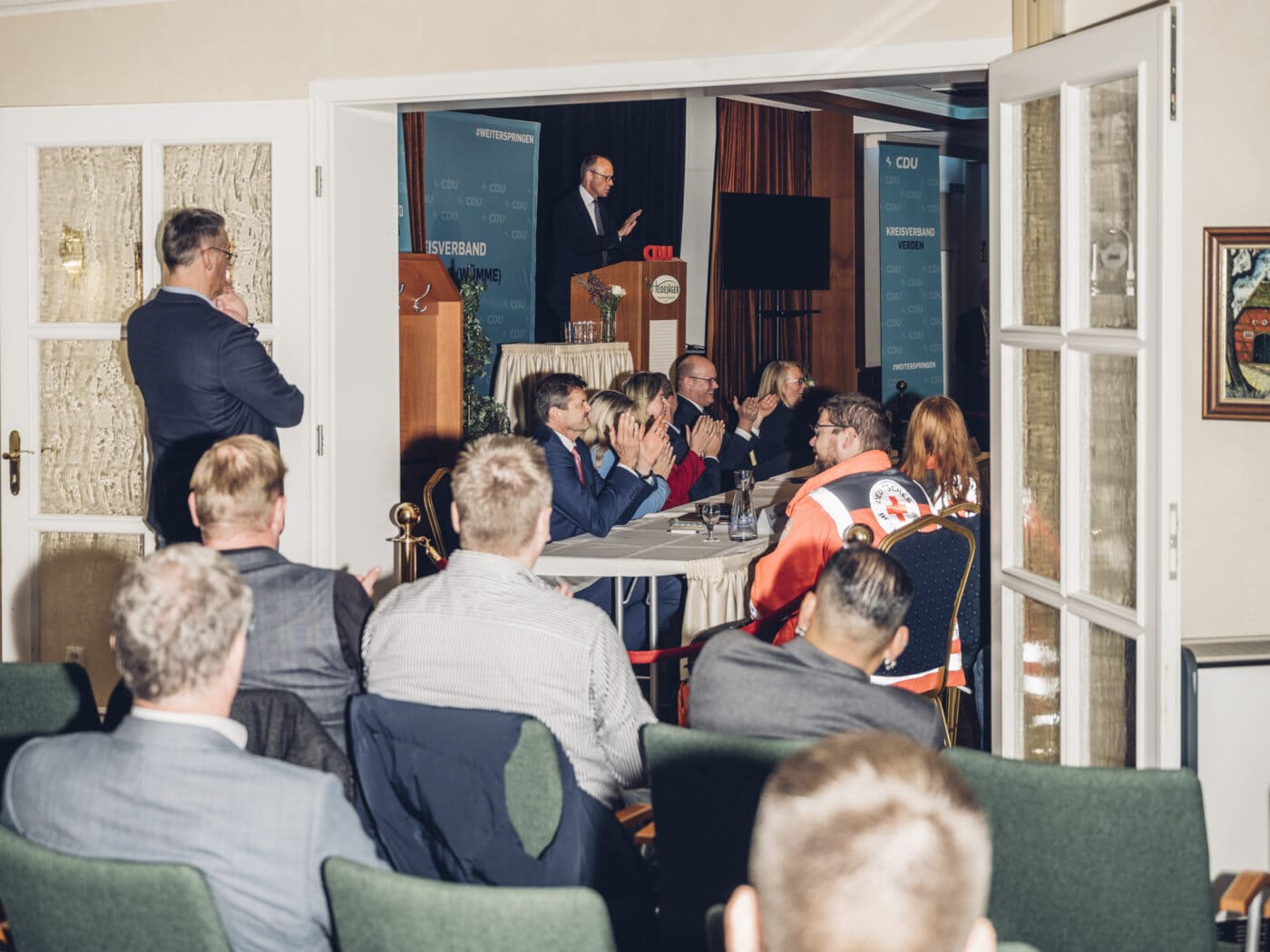 Rotenburg (Wümme) „Hotel Heidejäger“; 04.10.2022; Wahlkampfveranstaltung Wahlkampf Niedersachsen; © Martin Steger
ahlkampfveranstaltung Wahlkampf Niedersachsen; © Martin Steger
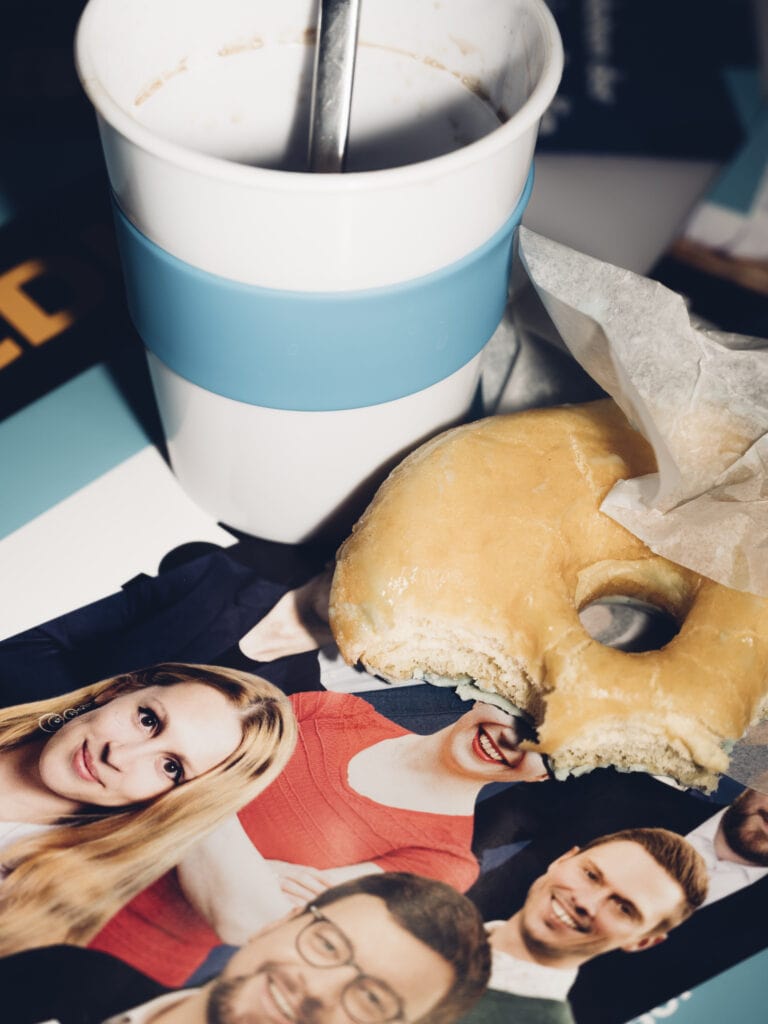 Berlin: 10.02.2022
CDU team flyers at the final rally of the Berlin state election campaign
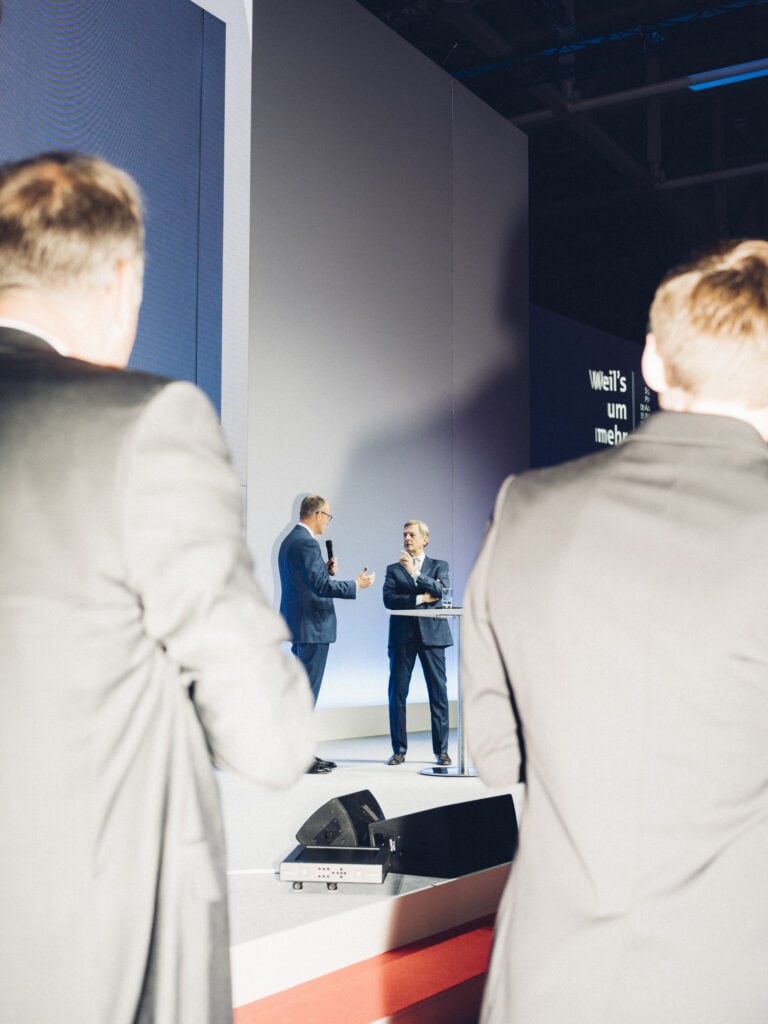 Hannover; 28.06.2023; Deutscher Sparkassentag, Friedrich Merz & Moderator Claus Kleber, © Martin Steger
Deutscher Sparkassentag, Friedrich Merz & Moderator Claus Kleber
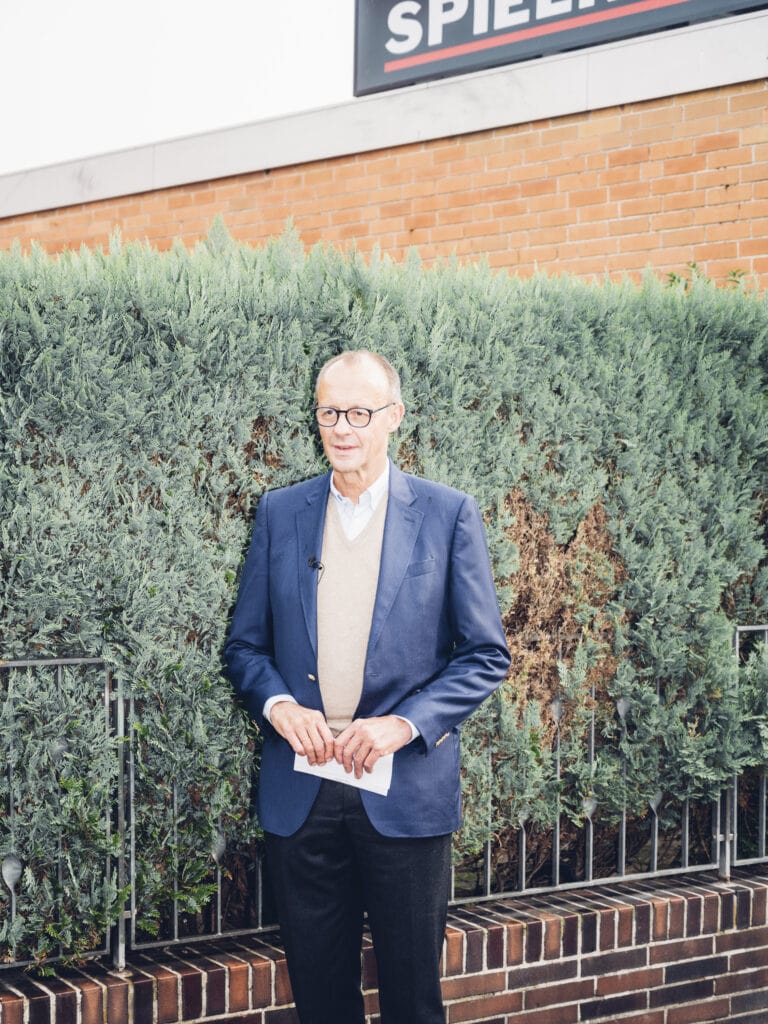 Blumenhalle Wiesmoor: 05.10.2022
During a video call with his press team
The Gillamoos speech illustrates Friedrich Merz’s desire to appear close to ordinary people. When he says that Gillamoos is Germany and Kreuzberg is not, he fuels the feeling that politics in this country is made primarily for a privileged elite in the city centres. After the Gillamoos speech, DER SPIEGEL speculated that Merz might be trying to create a certain illusion: the illusion that the former BlackRock executive and multimillionaire Merz is close to ordinary people; the illusion that Merz is on the side of whichever beer-tent crowd he happens to be addressing.
But Friedrich Merz also has another side, away from the beer tent. For years he worked for BlackRock, the world’s largest asset manager. Merz himself once said in an interview with Anne Will that he had very much enjoyed working for BlackRock. It had been the first company, he said, for which ecological, social and societal issues played a role in the capital markets.
Some observers take an extremely critical view of the asset manager. As the Tagesspiegel reported in 2018, at the time of Merz’s political comeback: ‘Critics accuse BlackRock of torpedoing competition, deliberately privatising pensions to its own advantage, working very closely with authorities and thereby also influencing the regulation of the financial sector.’ BlackRock’s approach to its environmental responsibility has also been criticised. The political TV magazine ‘Monitor’ reported that in twelve of the most climate-damaging major projects worldwide, BlackRock had been the largest investor in the companies involved.
Until 2021, Merz also worked as senior counsel in the Düsseldorf office of the law firm Mayer Brown. ZEIT ONLINE noted in 2018 that this law firm was profiting in its own way from the cum-ex tax theft: the firm wanted to help its clients counter the growing legal risk from cum-ex transactions. In the cum-ex deals, a number of banks had enriched themselves on a large scale at the public’s expense. The main beneficiaries were an elite far more privileged than the population of Kreuzberg.
Friedrich Merz’s polarising statements and his play on cultural contrasts symbolise the divisions within German society. His ability to shape the political agenda and spark debate means that he plays a central role in Germany’s political discourse – despite, or precisely because of, the many controversies.
About the photos in this article
Photographer Martin Steger has followed the CDU leader for two years. He saw Friedrich Merz at the election campaigns in Hesse, Bavaria, Lower Saxony and North Rhine-Westphalia.
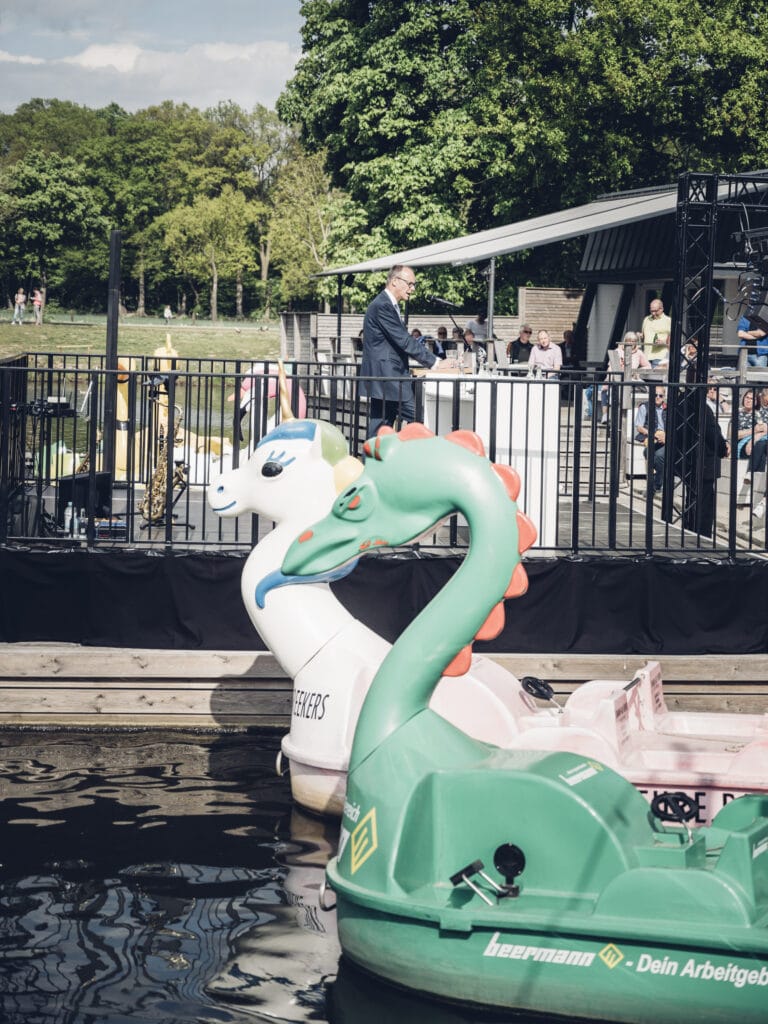 Beach club on the Aasee, Ibbenbüren: 06.05.2022
CDU campaigning for the North Rhine-Westphalia state parliament
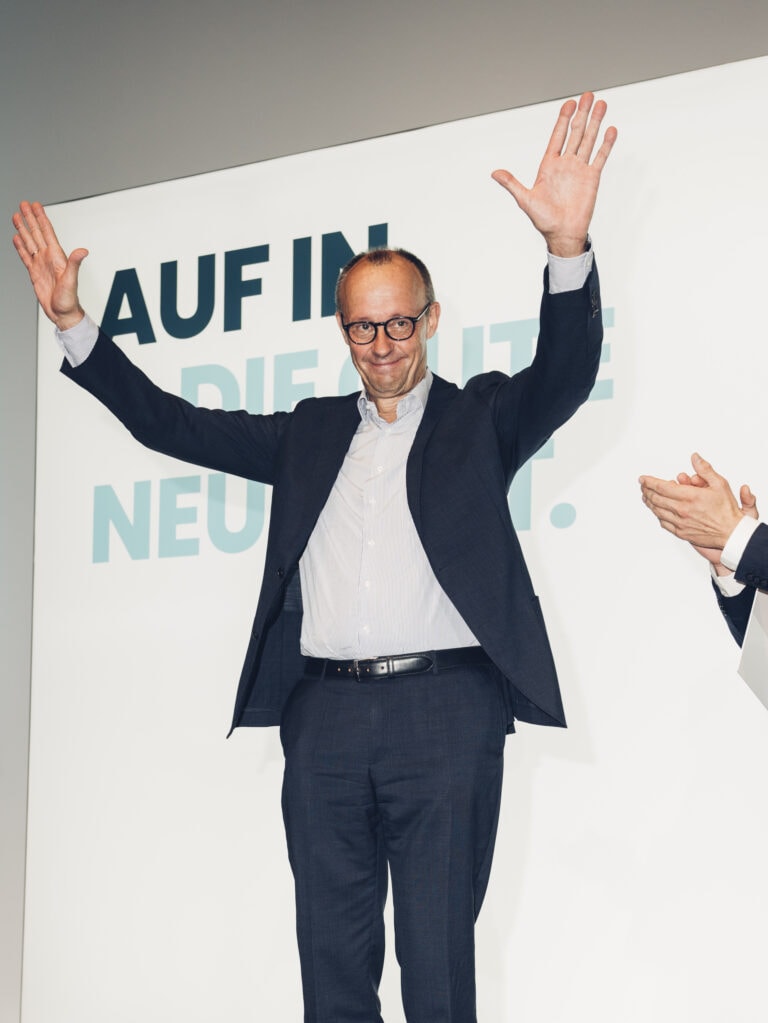 Frankfurt a.M.; 09.09.2023; AUFTAKT IN DIE HESSENWAHL, Friedrich Merz nach Rede; © Martin Steger
AUFTAKT IN DIE HESSENWAHL, Friedrich Merz nach Rede;
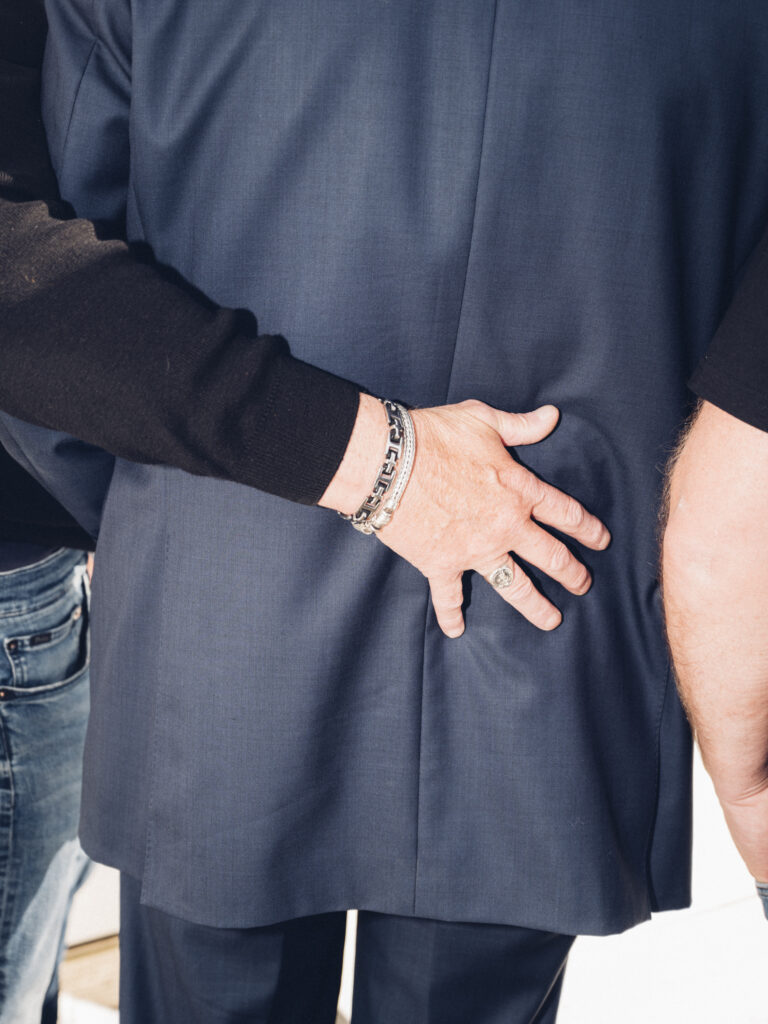 Beach-Club am Aasee; 06.05.2022; Wahlkampf: Friedrich Merz Landtagswahl Nordrhein-Westfalen, Gruppenfoto; © Martin Steger
Wahlkampf: Friedrich Merz Landtagswahl Nordrhein-Westfalen, Gruppenfoto; © Martin Steger