Cannabis as a career: how a dealer became a businessman
He cycled through the suburbs with bags full of weed – and everything went to plan. A former dealer explains why the cannabis trade made more sense to him than any shift job. By Riccardo Prevete

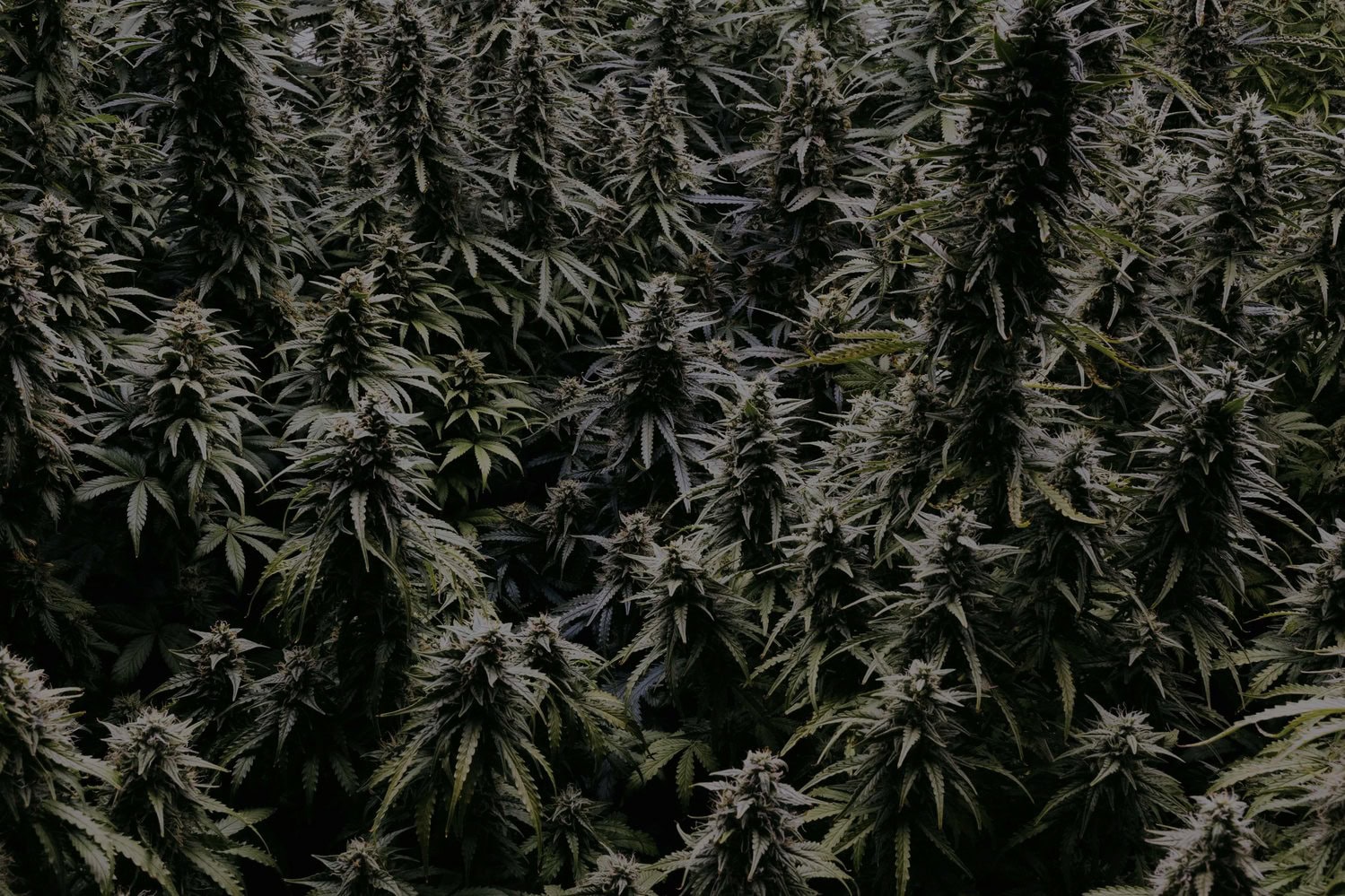
Photo: Janek Stempel
In a calm, sonorous voice, J. answers the phone at the agreed time. ‘What’s up, all good?’ His unflappable manner has always impressed me. We talk about old acquaintances, life back home, his family. A quick catch-up, and then we get down to business: his experiences in the cannabis trade – before legalisation. He was in the business for ten years, with a few short breaks. We know each other from our home town of Mannheim. A workers’ city, home to Mercedes-Benz, Roche and BASF, to name just a few of the big players. We eventually met through one of J.’s employees, with whom I shared a flat for two years. He paid her to make deliveries, charged by the kilo.
He did his rounds by bike, meeting customers in inconspicuous spots in the suburban idyll. Nobody strolling here on a sunny Sunday among laughing families and prim terraced houses would ever guess that for almost a decade, the cannabis black market thrived right here. In the morning he left the house with bags full of baggies; in the evening he came back with bags full of cash. Simple, straightforward, inconspicuous – that’s how his system worked.
He tries it for the first time – and shortly afterwards starts dealing. A friend puts him in touch with his first source. A buying group, as they’d say in business. Buying together saves money: 100 grams at five euros a gram. Not a bad rate for the first semi-professional purchase. Many people who sell initially just want to fund their own use. For J., the financial incentive plays the bigger role from early on. Buy for five, sell for ten – a 100 per cent profit margin. You don’t need a business degree for that. And the business is scalable. He calls his neighbourhood in his southern German home town a stoner stronghold. The product practically sells itself.
100 grams at five euros a gram. Not a bad rate for the first semi-professional purchase.
The appeal lies elsewhere too: being seen, being relevant. Then there’s his experience of the regular job market. In the school holidays, he grafts for a big German lubricants manufacturer. Shift work, the hamster wheel, drudgery. Mind-numbing, meaningless tasks in a soul-destroying environment. The exploitative nature Marx described repels him too. A lot has changed since ‘Das Kapital’, but he can’t imagine that life and doesn’t want to. Who’d want to heave barrels when two rounds on a bike can bring in half a month’s wages?
Reliability, punctuality, order – the old German virtues count on the black market too. J. is seen as reliable, professional, likeable and trustworthy – qualities that pay off in this milieu. He works with his second source for years. The first bigger deal takes him on a business trip. A Friday, a hire car, an expensive Mercedes – and two smart young Germans at the wheel. The police keep their distance.
Reliability, punctuality, order – the old German virtues count on the black market too.
As in legitimate trade, new production facilities are inspected, contacts made, relationships cultivated. A handshake welcome, a tour of the premises, negotiations in a purpose-built office. Start-up vibes: a tidy desk, a spacious loft flat, a PlayStation and gaming area. All this before Berlin hipsters came up with the idea of ball pits. The atmosphere is relaxed, almost familial. Business is steady, the margin is right, demand is there. Ideal conditions. Three kilos discreetly change hands. On the shelf behind the desk, by J.’s estimate, there are 20 to 30 more. After a tasting and a long session in the gaming area, J. and his colleague head home. The customers are waiting.
Why did he get out? ‘Moving in with my girlfriend,’ says J. The new neighbourhood was too quiet, too nosy – too many eyes with too much time on their hands. All the coming and going wouldn’t go unnoticed. Would he do anything differently today? A brief hesitation, then: ‘Save more and go bigger.’