Turkey earthquake 2023: how a bereaved man is fighting for justice
A man loses his grandmother when a hospital building collapses in the earthquake – and takes up the fight against those responsible.
By Elena Jaekel (text), Felix Posner (photos)


They say buildings begin to dance just before they buckle and rubble and debris rain down. Alican Kenar wakes with a start to the doors banging and rattling against his wardrobe, while the water in the glass on his bedside table sloshes over in waves. The deserted streets of Iskenderun shake so violently that tall buildings sway like pendulums. The Kenar family’s house on the city’s waterfront withstands the quake, while others crash to the ground with a furious roar, burying their residents and plunging the region into dust and fog. Only the street dogs are said to have started howling a few moments earlier.
At around 4 a.m., pent-up tectonic stress is released explosively and sweeps across south-eastern Turkey and Syria. The earthquake’s focus lay at a comparatively shallow depth; the seismic waves lost little energy on their way to the surface – and developed such destructive force that they wiped out entire districts. Many buildings, especially newer ones that had been built high, collapsed like houses of cards in the wind. Like Syria, Turkey lies in one of the most earthquake-prone regions in the world, where several tectonic plates meet. As they move, they sometimes lock into one another, press against each other and build up stress that can be released from one moment to the next, like fireworks, when rock edges break off. On 6 February 2023, it was the Anatolian and Arabian plates that caused the earthquake in which so many people lost their lives and livelihoods.
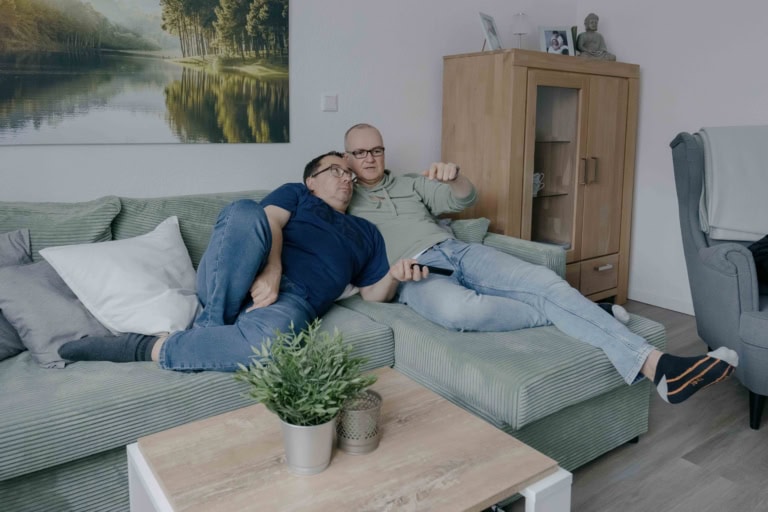
 Iskenderun/Turkey, 23.05.23
The earthquake [02.23] struck at 4 a.m. Since then Alican Kenar has suffered from sleep problems. He now mostly works at night as a translator on the terrace of his parents’ house, where he feels safer than in his bedroom-cum-study on the top floor.
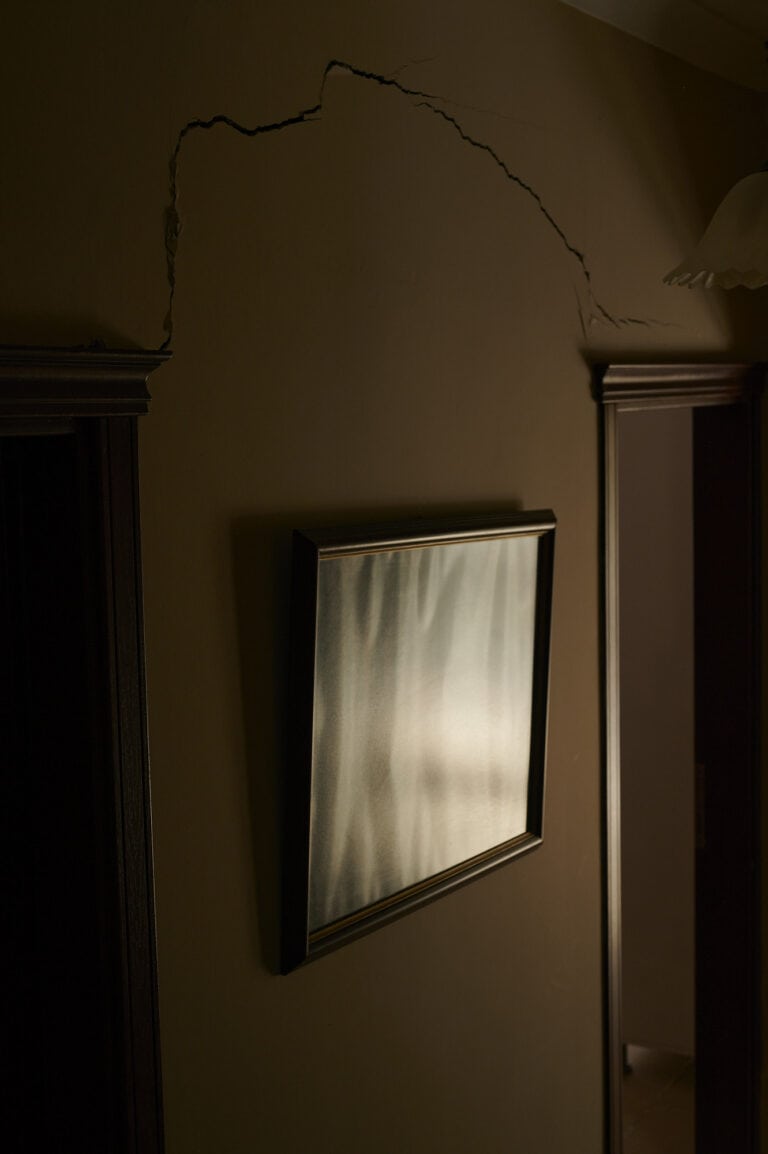 Iskenderun/Turkey, 25.05.23
Aysel’s house withstood the earthquake; only a narrow crack runs through one of the walls.
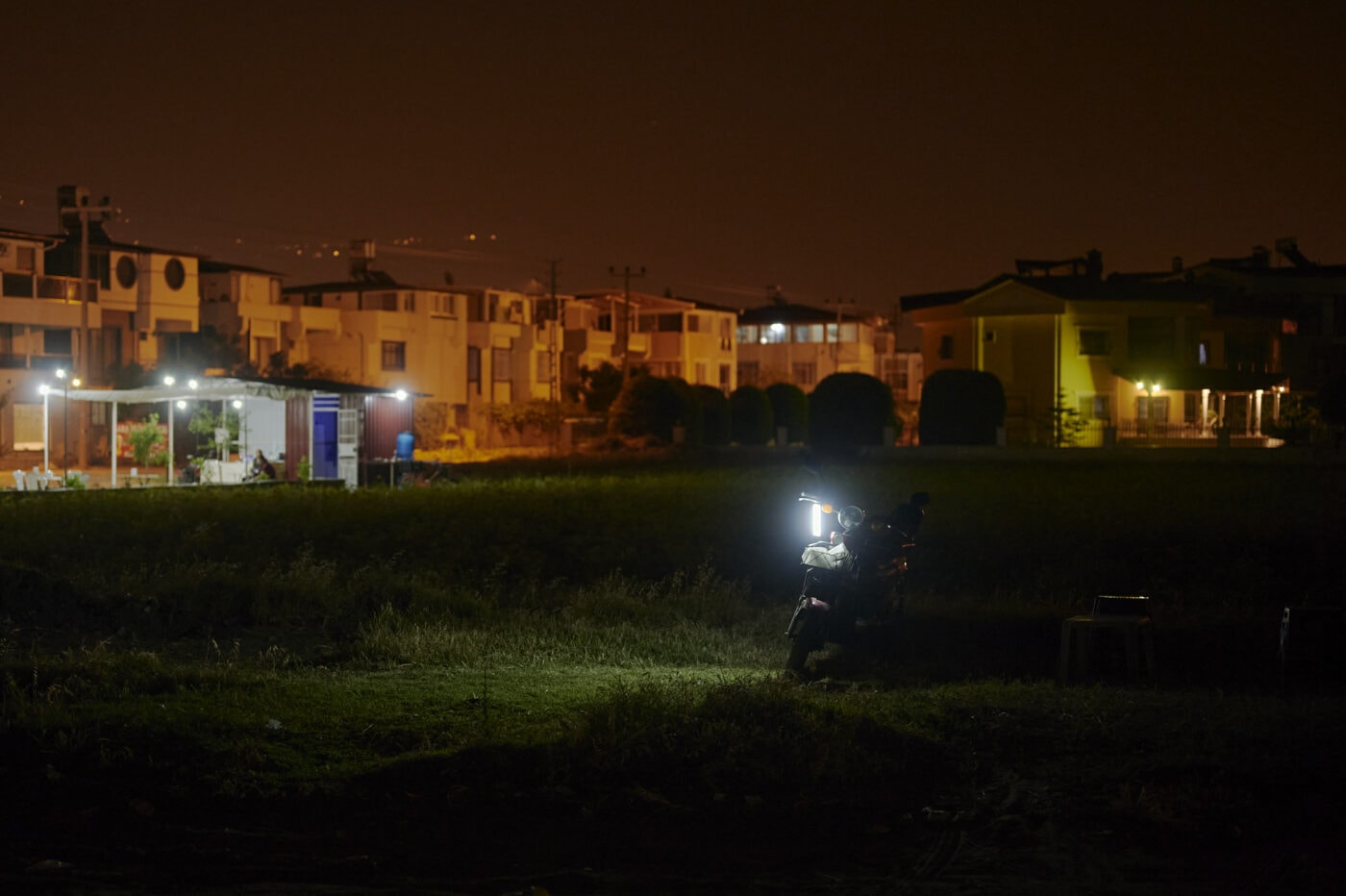 [Iskenderun/Turkey, 25.05.23]
The city of Iskenderun is built on marshy ground. The soft subsoil is particularly unsuitable for tall buildings, which need firm foundations. Near the coast there are still undeveloped meadows that bring plagues of mosquitoes, especially on hot nights.
After a catastrophic earthquake in 1999 in the region around İzmit, in which mainly new buildings had collapsed, the Turkish government passed a law with regulations for modern, earthquake-proof building standards. The state hospital in the coastal city of Iskenderun was also tested for stability and safety in 2012 – and failed. In February 2023, Alican and his cousin Meysa gradually lose all sense of time and space. For days, perhaps a whole week, they hold out in front of the rubble that was once the doors, walls and pillars of the state hospital. They sit on benches and wobbly plastic chairs around a fire and wait – wait for someone else to be pulled from the debris. On the evening before the earthquake, Alican’s grandmother Aysel Kaya had checked in to have her back examined. Wing A of the hospital, where Aysel spent the night, is now nothing but a gigantic mountain of rubble and dust, its ceilings and floors pressed together like cardboard.
Search teams and aid organisations only slowly reach the Hatay region, where Iskenderun lies. The regional airport is paralysed, the asphalt of the runway torn, craters dotting the tarmac like molehills. So the people affected have no choice but to dig through the rubble with their bare hands for those who are screaming and knocking. In the bitterly cold nights, surviving for long in these prisons of stone is almost impossible. Like others who are waiting, Alican and Meysa hardly sleep during these days. They hold out, helpless, until their grandmother, too, is finally recovered lifeless from the rubble.
‘The report on the earthquake resistance test was negative’ can be read in bold, underlined red letters on the Iskenderun hospital’s website. The 2012 earthquake test confirmed that Block A of the hospital had long been dilapidated and should have been rebuilt. The result was noted, signatures were put under the report, hands were shaken – and the hospital went on running like clockwork, year after year. Eleven years later, once the rubble and debris of the former corridors and patient rooms have been cleared away, nothing remains but an access ramp and bars sticking out of the reinforced concrete like brushwood in all directions. Such steel bars are needed so that concrete does not crack during an earthquake. They should be so-called reinforcing bars – thick, ribbed steel bars to which the concrete adheres. In Iskenderun, this steel is thin and smooth.
 Iskenderun/Turkey, 22.05.23
After survivors and the dead had been recovered from the grounds of Iskenderun State Hospital, the buildings were completely demolished. All that remains are the inadequate steel supports and an access ramp.
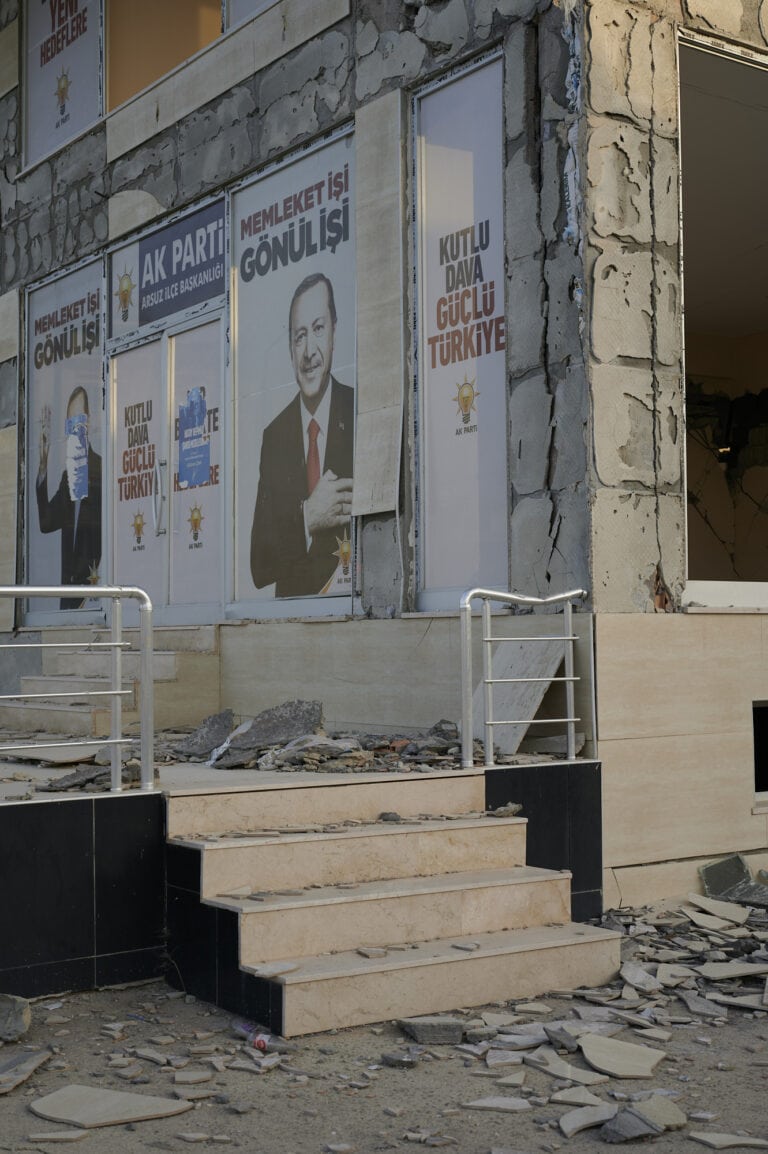 Arsuz/Turkey, 24.05.23
Since the earthquake, election posters from every party have been stuck up, especially on destroyed buildings. In badly hit Hatay, the run-off vote will shape the future.
 Iskenderun/Turkey, 25.05.23
Bülent Akbay, a lawyer and chair of the ‘Association for Social Rights’ (Sosyal Haklar Derneği), in his temporary office on the Iskenderun seafront.
The smell of freshly ground coffee and sweet shisha smoke hangs in the air when Bülent Akbay receives his clients. The Sosyal Haklar Derneği, the ‘Association for Social Rights’, has been allowed to set up a temporary office on the first floor of a café on Iskenderun’s promenade. The original premises of the association, for which Akbay works as a volunteer lawyer, were razed to the ground in the earthquake. It was Alican’s uncle who drew his attention to a call for a class action. Besides the Kenar family, four other parties who lost relatives in the dilapidated hospital wing are now taking legal action, pursuing the question of whether this tragedy could have been prevented. Akbay, who provides the relatives with free legal assistance, believes that the five people who signed the 2012 report deliberately turned a blind eye – in other words, that they did not fail to act out of negligence.
The five defendants either built the hospital as contractors or hold senior administrative posts. It would have been their duty to have the building demolished. Those responsible face up to 25 years in prison, lawyer Bülent Akbay estimates – if he wins the case. He and his clients are arguing for murder. In the past, sentences in comparable cases have tended to be light – or third parties have been held responsible. The case has since been handed over to the public prosecutor’s office.
When Alican wants to visit his grandmother Aysel now, he drives to Iskenderun cemetery, with its white graves lined up neatly among trees and shrubs, overlooking hills and mountains that wind along the horizon. On this side, the date 6 February 2023 can be read on every gravestone. A small Turkish flag on the grave next to Aysel’s flutters now and then in a gust of wind. The flag is fastened to the headdress the deceased once wore. A Turkish flag on a grave indicates that the person died in the service of Turkey – for example on duty with the police or the fire brigade or, as in this case, as a nurse: the one who had cared for Aysel in hospital.
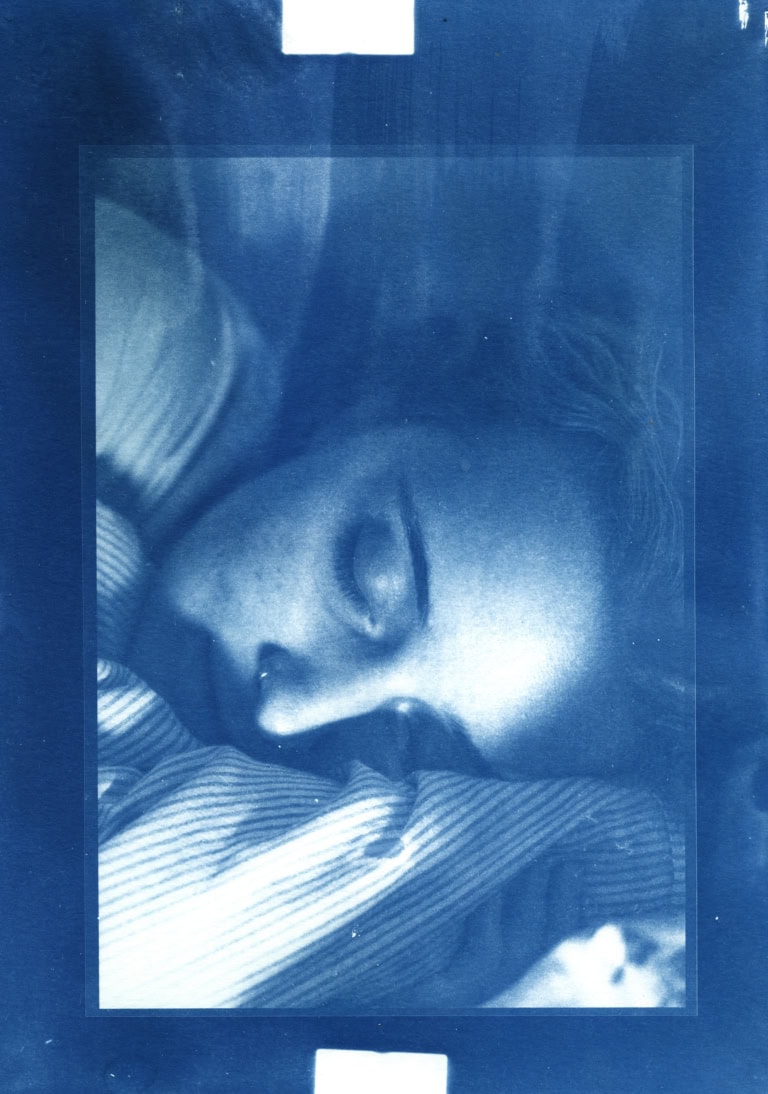
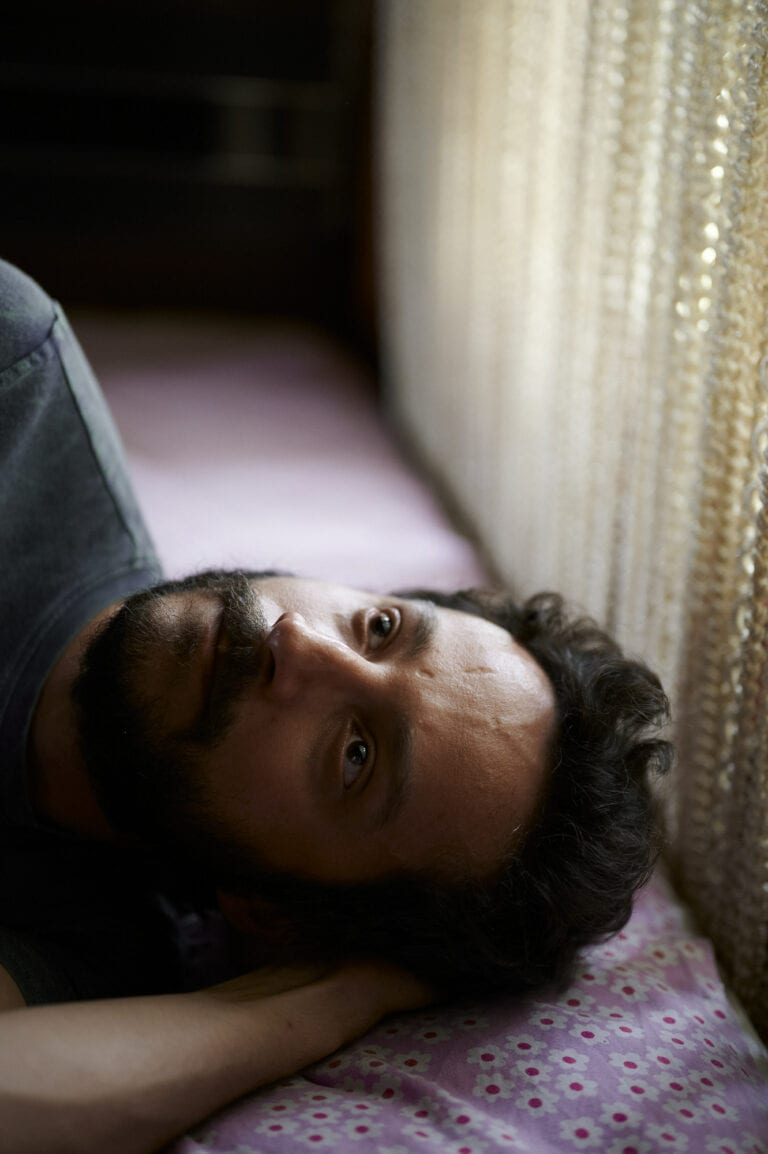 Iskenderun/Turkey, 25.05.23
Since the night of the earthquake Alican has suffered from severe sleep problems.
 Iskenderun/Turkey, 25.05.23
The Kenar family’s lemon tree, which Alican planted with his grandmother Aysel.
 Iskenderun/Turkey, 23.05.23
Photograph of Alican’s grandparents, Aysel and Zidan Kaya, in the Kenar family’s living room.
An oppressive silence hangs over the earthquake region like a low cloud. At dusk, when night slowly creeps in and the cold seeps into corners and cracks, the windows of the houses still standing stay dark. Light from fires and candles flickers through the thin walls of the tents; the rising steam from hot tea drives away the clammy air for a few moments. People share the cramped space and their privacy with families they did not even know by sight before, penned in by fences and wire under the watchful eye of security staff. Rows of tents crowd onto squares and fill the city’s large open spaces. More and more residential containers are also appearing among them; they can be heated with air conditioning and stand lengthways and crossways in the settlements. From election posters on the ruins, the face of Recep Tayyip Erdoğan looks down on those digging up tree roots to get some firewood.
In summer 2023, Alican turns his back on the earthquake region. Since then he has lived in idyllic Kaş on Turkey’s Mediterranean coast. He has rented a little house there, where he has found again the sleep he lost on the night of the earthquake. Alican does not believe the city – or the family’s photo studio – will be rebuilt any time soon. A year on, the proceedings over the collapsed hospital have still produced no result.
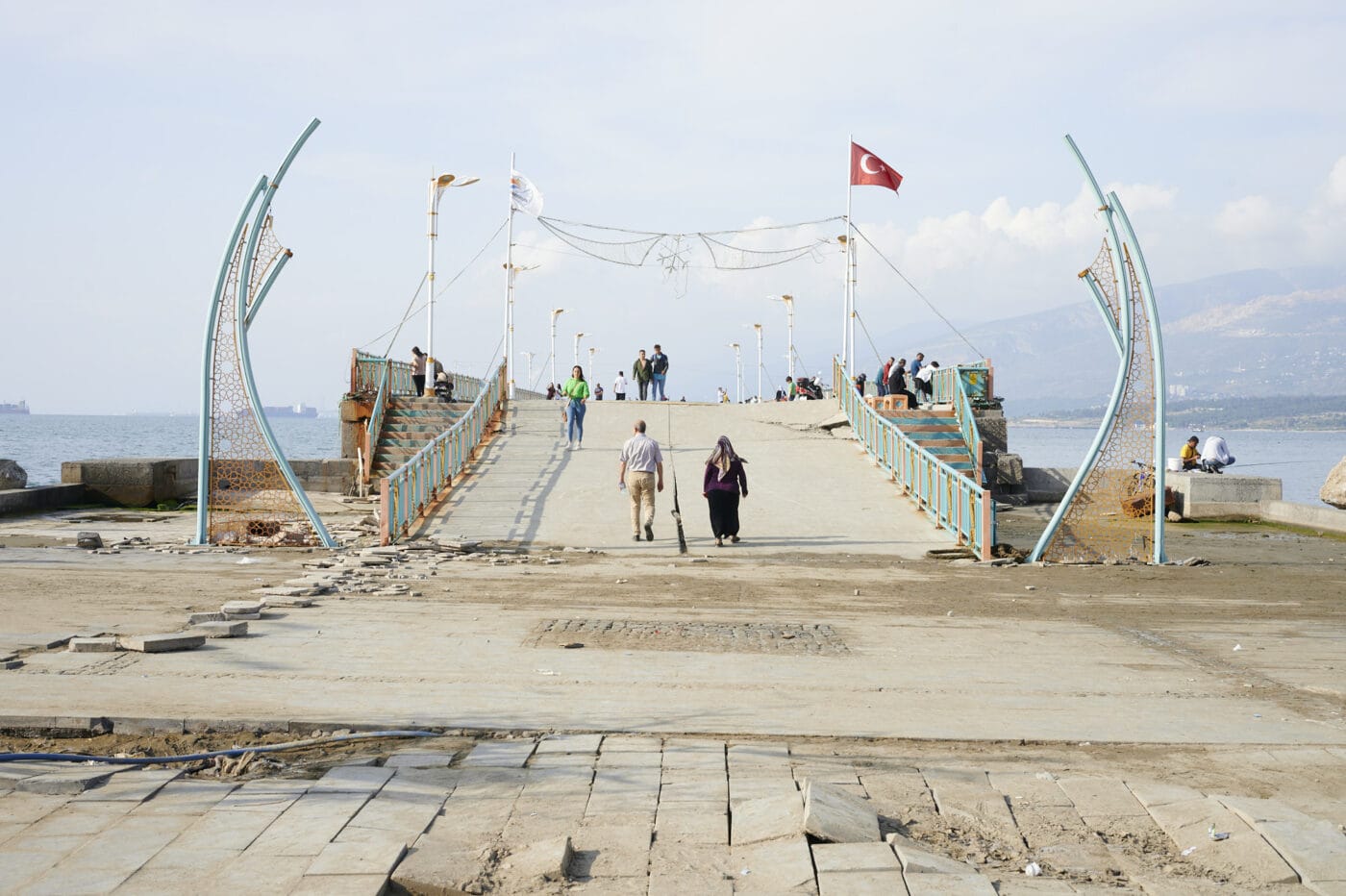 Iskenderun/Turkey, 21.05.23
The pier on Iskenderun’s harbour promenade. As a result of the earthquake the promenade sank, so that in storms the water is pushed further and further inland.