Getting loud
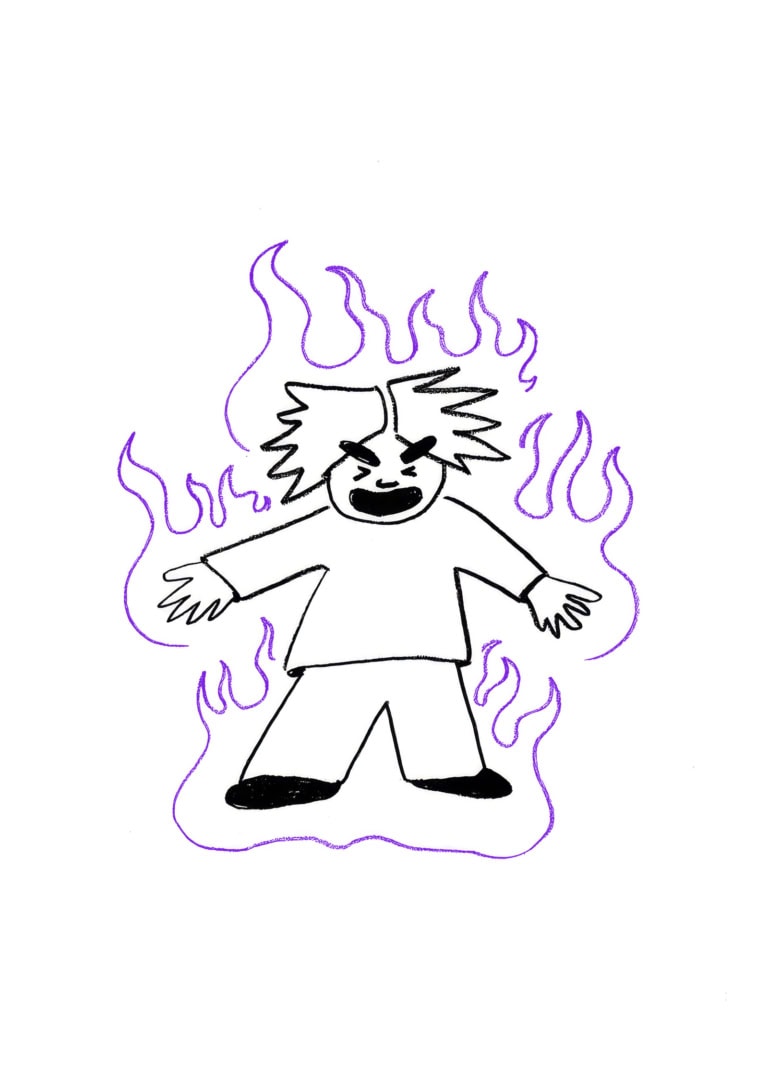
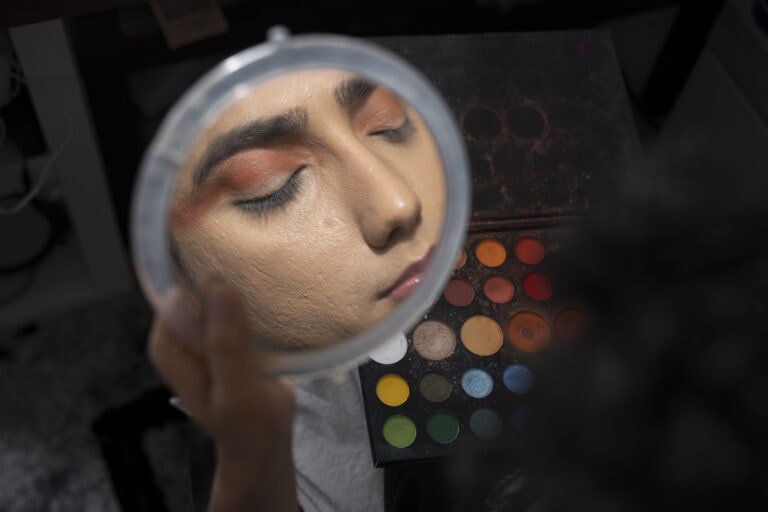
Anger is considered unbecoming, especially in women. Nina Ozono and Hannah Kord screamed theirs into the camera anyway, along with five others.


What does anger do to us once it has grown too big to swallow? In front of the camera, we gave it free rein. The result is a collection of outbursts, some quiet, some loud.
Anger is omnivorous: it feeds on every grievance you keep to yourself. Women learn early on to do exactly that. After all, nobody wants an angry woman. Here, they’re allowed to take up space and be loud.
As you watch, keep an eye on the faces: no two screams are alike.
And what does being screamed at do to us? Watch the videos and you’ll find out. There’s a measurable reason why a scream gets under your skin: its volume rises and falls 30 to 150 times a second, so fast that all we hear is a rough, rasping sound. Normal speech, by contrast, pulses to the rhythm of its syllables, around four or five times a second. Artificial alarm sounds share this ‘roughness’, and in the brain it activates regions involved in assessing danger. So it’s no wonder you flinch.
Does screaming actually defuse anger? Probably not: a review of 154 studies published in 2024 found little evidence that venting reduces anger. But at least anger you show is anger you no longer have to swallow. When did you last get really loud?
Created in the Visual Journalism and Documentary Photography programme at Hochschule Hannover. About the programme · Portfolio review
Newsletter
Every two weeks, one outstanding piece from our magazine – and the people behind it. In German and English, free to your inbox.