Creating a photo series: ideas, subjects and examples for your own series. From idea to finished series: we show you step by step how to create a photo series – with ideas for subjects, tips on structure and inspiring examples from our professors.
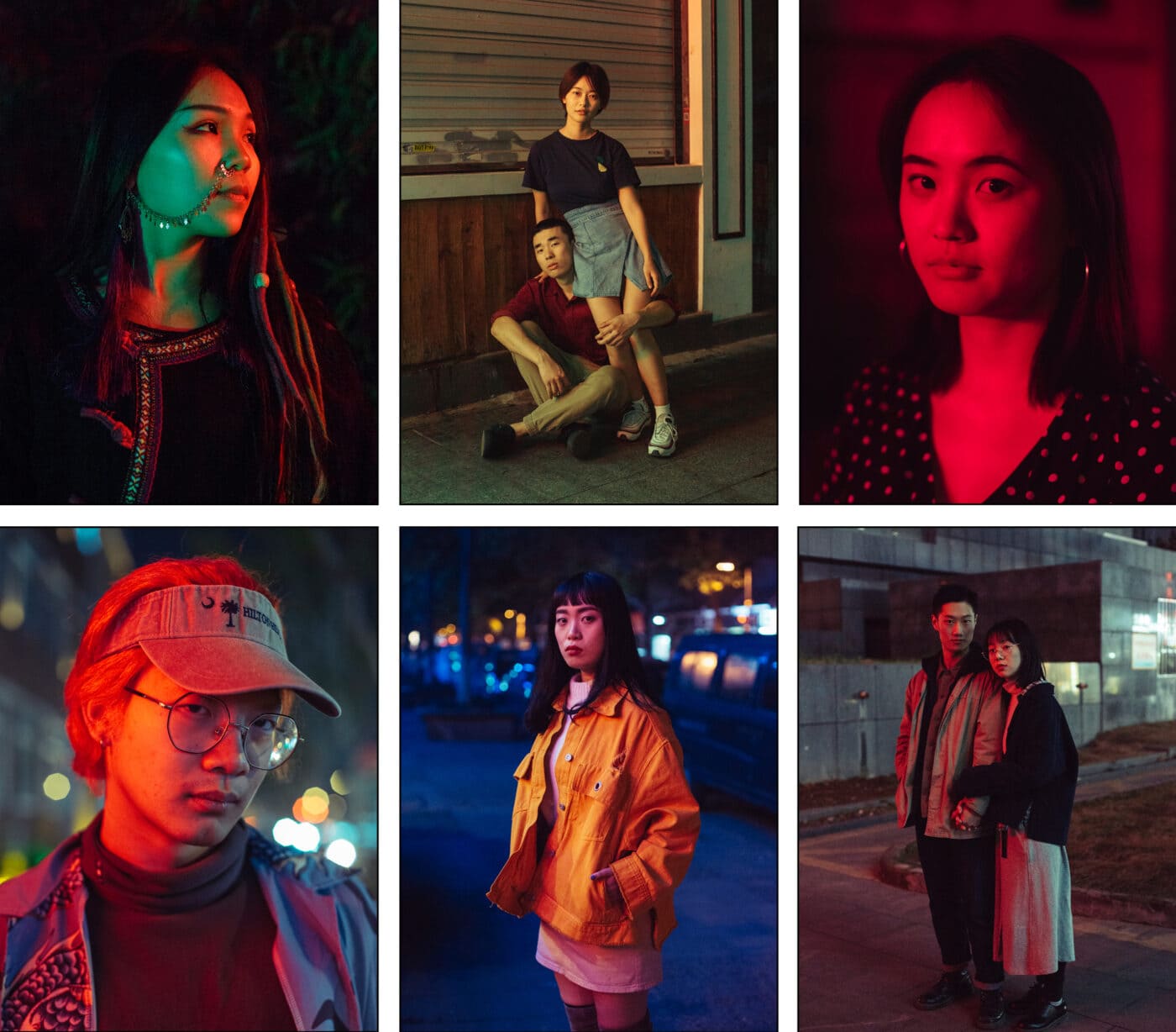 Photos: Andy Happel
Looking for ideas for a photo story? Every photo is always stronger when it is part of a larger project. That’s why it makes sense not to think only in single pictures. Instead, you can work on a whole photo series: a gripping series can move people. It can be powerful and emotionally stirring. It can also tell a whole story through a visual sequence and make complicated subjects understandable. You’ll find exciting photo series in many different fields – in newspapers and magazines, but also in PR and even in science.
Working on a photo project requires careful planning, creativity and solid execution. In this article, professors on the Visual Journalism and Documentary Photography programme give you creative advice on a sensible approach. Whether you have to photograph a series for your art class, are working on your application portfolio or are researching for the school magazine: this article has valuable tips and tricks for your photo story!
Contents
1. Finding a subject. What actually makes a good story? Tips on preliminary research and looking for photo ideas.
2. Taking the pictures. On location with your camera – now what? Working with light and shadow and colour, and how to avoid tunnel vision.
3. Selecting and editing. What to do with all those photos? Recommendations for editing your photo series.
4. Conclusion: From idea to finished photo project – all the steps summed up once more.
1. Finding a subject for a photo series
Start by collecting ideas. Maybe you’ll find a subject that appeals to you personally or offers an interesting angle. It’s useful to research what other photographers have done in the past: look at photo books or successful photography websites and study how the pictures were composed. But it’s also a good idea not to look only at photography: art, music, film and literature can also be great inspiration for your photo series. Professor Michael Hauri remembers: ‘During my studies, I always went to a second-hand bookshop and looked at old magazines.’ You can look for old issues of photo-heavy publications such as National Geographic, mare or Life. They are often a good starting point.
In depth: what’s the difference between a photo series, a photo essay and a photo reportage?
The term ‘photo series’ is often used as a synonym for ‘photo story’, as it is in this article. In the narrower sense, a photo series is a set of pictures with a similar structure (for example in terms of perspective, distance, light or colour). Other forms of photographic storytelling are the photo essay and the photo reportage. The difference is that these two forms are more about changes in rhythm and distance. A reportage has a beginning and an end (one example is Shirin Abedi’s photo reportage on this page). In a photo essay, on the other hand, each photo often tells its own story, linked to an overarching theme (for an example, see Nanna Heitmann’s photo essay on this page).
Book up to three free appointments. In these conversations, we answer your questions about the degree programme and your portfolio.
The photo stories by students on the Visual Journalism and Documentary Photography programme are also an ideal starting point. The students have created numerous award-winning photo projects that capture unique moments, cultures and stories through visual storytelling. The projects have won awards including the World Press Photo Award and the Leica Oskar Barnack Award. Professor Christoph Bangert, who used to travel the world as a photographer for the New York Times, advises: ‘It’s important to find a subject that doesn’t just interest you. Subjects need a certain social relevance.’ Once you have an idea, you could discuss it with your friends, for example. Perhaps there’s a particular aspect that is especially exciting?
Often, though, it is still difficult to find a subject for a photo project that also feels relevant. Dr Karen Fromm, professor and art historian, says: ‘There is certainly no single ideal method of assessing whether a subject is socially relevant. The relevance of a subject can also change depending on context and time. Journalism has developed its own decision-making routines for determining relevance, which is often referred to as news value.’ Prof. Karen Fromm has therefore drawn up a checklist of questions you can ask yourself when looking for ideas for your photo series.
Checklist: is your photo series relevant?
1. Is your subject significant for the public? For a particular target group? For a larger group of people?
2. Do the events or the subject you want to tell a story about have wider effects, e.g. on a region, on many people?
3. Is the subject topical? Is it newsworthy?
4. Does the subject draw attention to a problem or injustice?
5. Does the subject offer orientation? Does it explain a connection? Does it provide background?
Prof. Karen Fromm also recommends always asking yourself the classic W questions about your idea: who? what? when? where? why? how? what for? For her, though, the basic rule is that your idea for a photo series should be based on facts and data that can be experienced and verified. Let yourself be guided by the criteria of accuracy, impartiality and independence! A vivid example of a photo story with social relevance is ‘May I have this dance?’ by Shirin Abedi, for which she followed ballet dancers in Iran. The project matters because it isn’t just about ballet: Shirin’s photo series tells of the situation of young women trying to flourish in a misogynistic system.
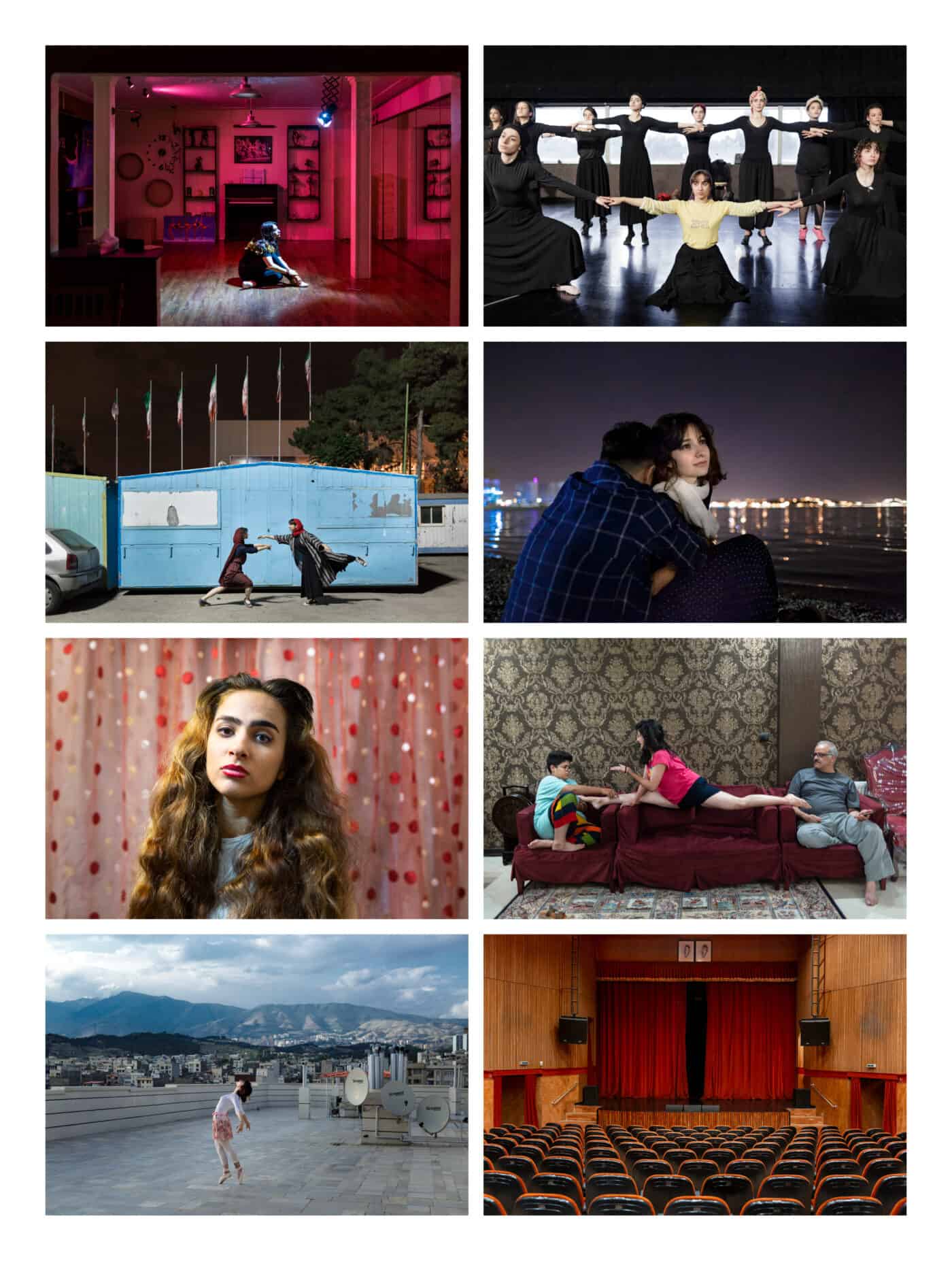 «May I have this dance?» by Shirin Abedi
It’s important to find a subject that doesn’t just interest you. Subjects need a certain social relevance.
 Prof. Christoph Bangert
Of course, research trips abroad like this are elaborate and require a lot of experience. So it’s advisable to look for a subject for your photo series close to home. Ideally, you don’t even have to go far from where you live. Christoph Bangert advises: ‘It’s always better to go from the big to the small. It’s best to look for just one protagonist to begin with.’ Nora Börding, for example, accompanied former forester Gerd Klamer for the Leipziger Volkszeitung. He walked 6,000 kilometres across Germany to draw attention to the plight of the country’s forests. On a small scale, Nora Börding’s photo series tells an impressive story about the fight for nature conservation.
But a special place can also be an interesting subject. In her work ‘Fight Club’, former student Helena Lea Manhartsberger reports on a boxing club in Vienna that serves as an intercultural meeting place for people from Afghanistan and Chechnya who are at odds with each other. This photo series, too, visualises a bigger issue in a simple setting. Often, though, the biggest challenge is finding not only a subject but also a protagonist. Christoph Bangert speaks from experience: ‘It always helps to have a large circle of acquaintances. There’s always a friend of a friend who can help you.’ Beyond that, Christoph Bangert thinks it’s important to explain honestly to people what you are planning. ‘Take your responsibility seriously,’ he advises. And: ‘Be nice. That’s the most important thing.’
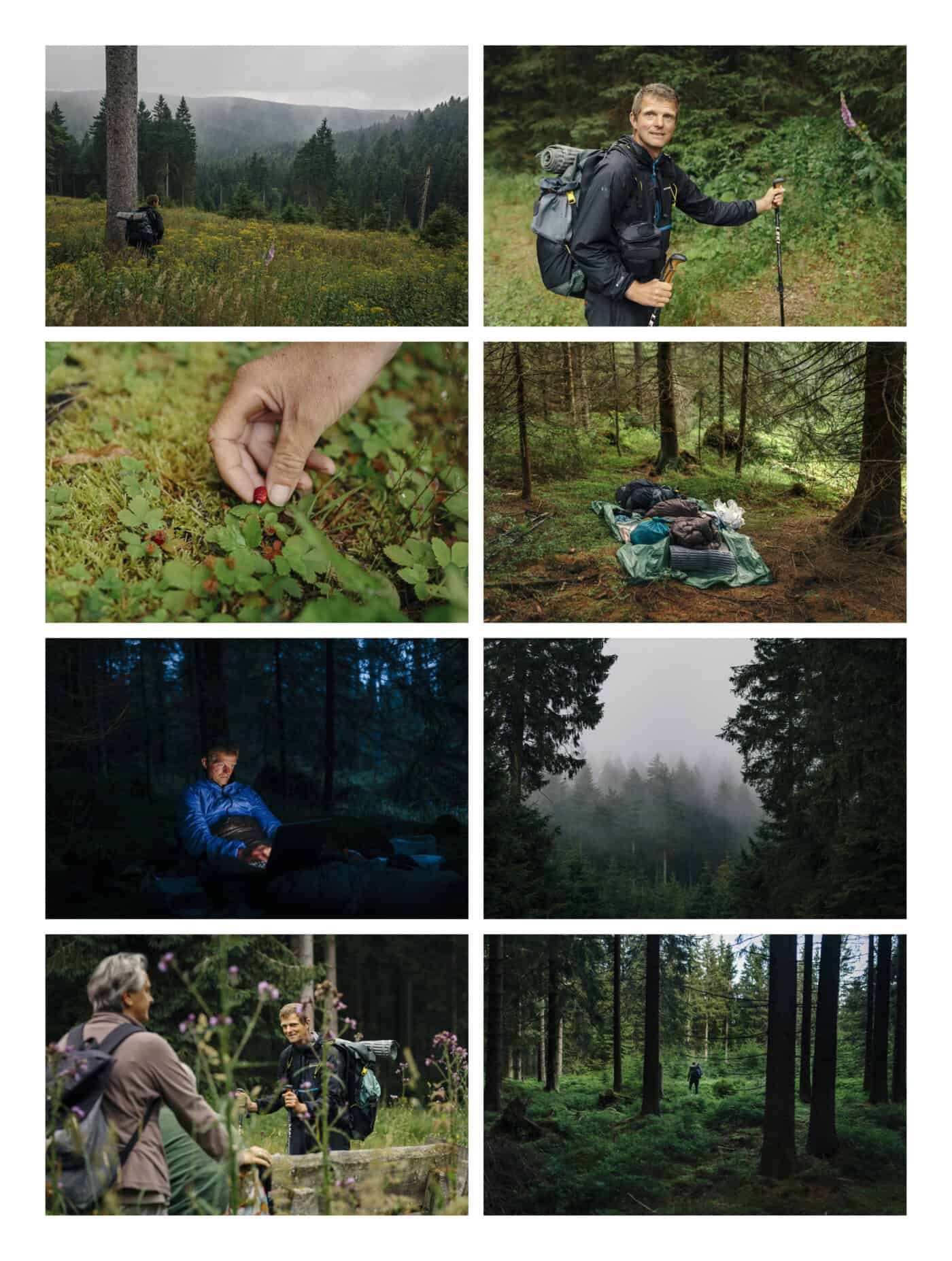 Nora Börding accompanied the former forester Gerd Klamer for the Leipziger Volkszeitung.
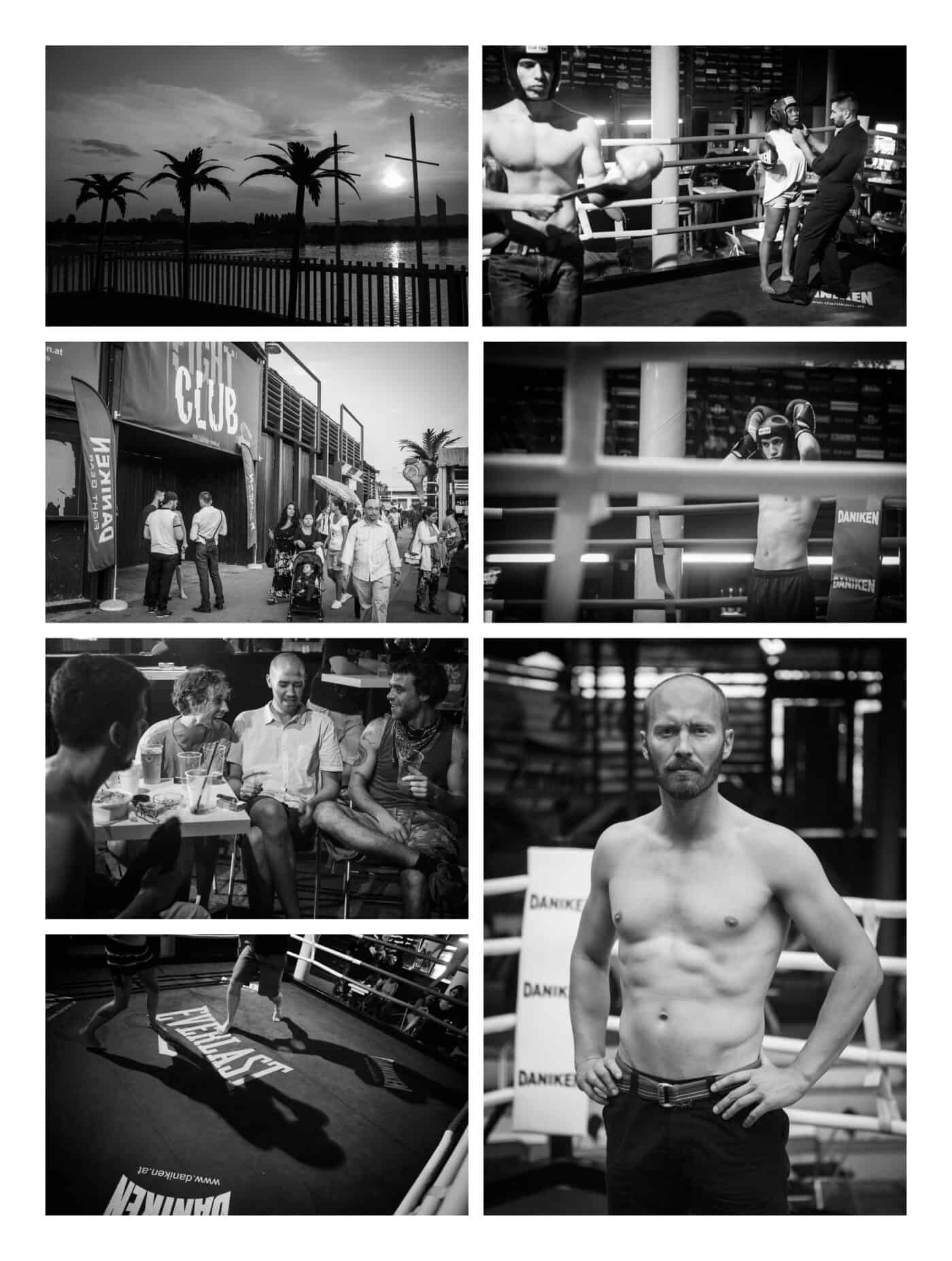 The photo project “Fight Club” by Helena Lea Manhartsberger
2. Photographing a photo series
The key part of creating a photo series is, of course, taking the pictures. For Prof. Karen Fromm, it’s about developing a suitable visual framework for a subject. For her, that means: ‘It’s not just about developing a visual signature that people recognise you by.’ Rather, it is essential that the stylistic devices suit the subject in question. Karen Fromm stresses: ‘Visual language becomes part of the meaning of your work.’
Experience shows that handling your equipment on location is usually harder than you might expect. In the excitement, it’s easy to set your camera wrongly. If you’re unlucky, you end up with the wrong exposure or can’t focus. For Professor Michael Trippel, who used to be a staff photographer at Stern, one thing is clear: ‘It’s very important that you can operate your camera blindfolded. You have to know how to turn the dial to f/4 even in the dark.’
For Professor Trippel, it also makes sense to arrive early and look around. He says: ‘I always look at the light. Is there front light or backlight outside that I can use somehow? Or is there only muted light?’ Light is essential in photography. You can use it to emphasise particular aspects of each picture, helping viewers concentrate on what matters. One example: Agata Szymanska-Medina documented a group of charcoal burners who make charcoal the old-fashioned way in the Polish Carpathians. Skilful use of light gives her picture of the charcoal kilns a special drama.
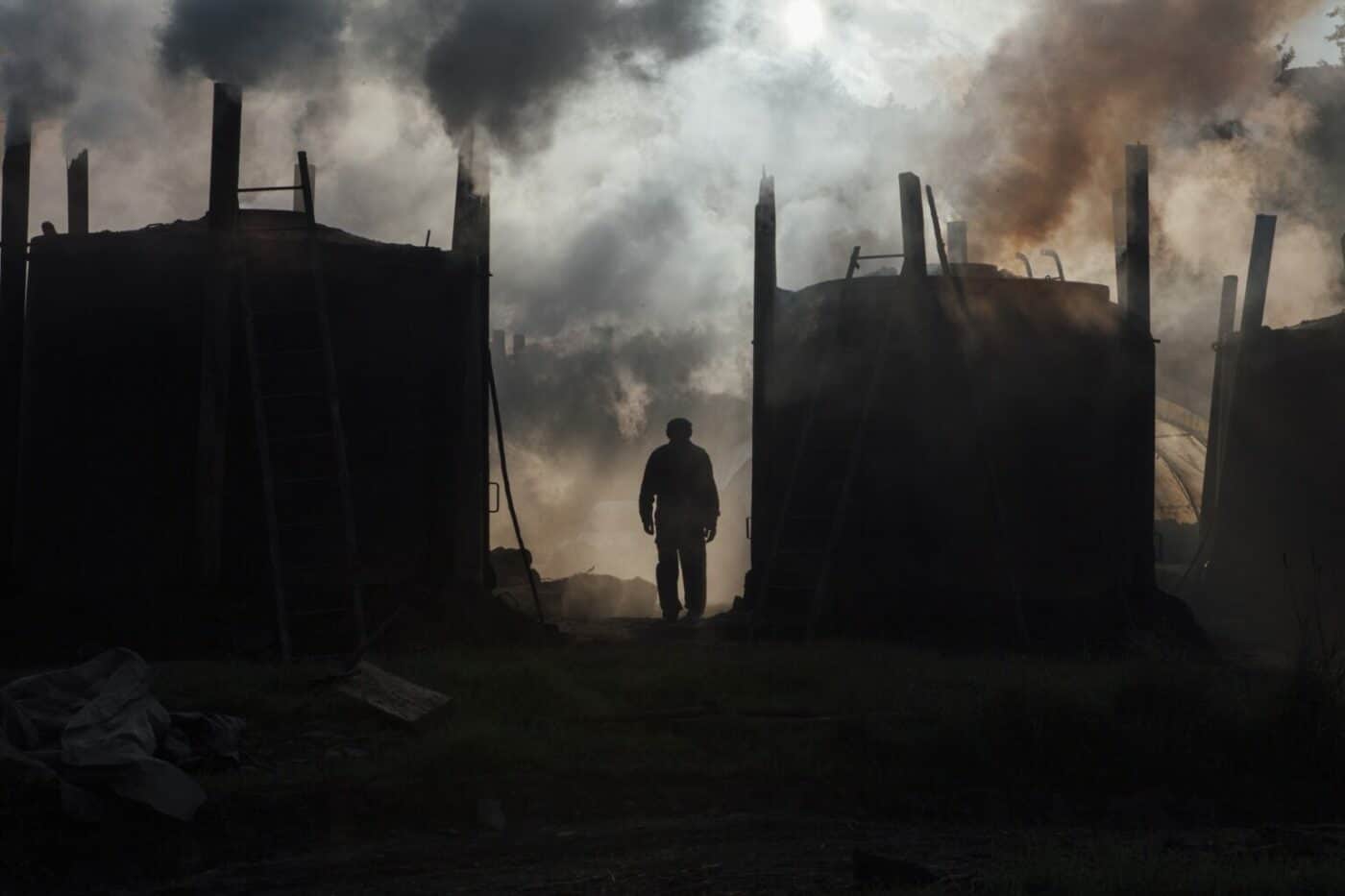 Photography from the series "Lost Paradise" by Agata Szymanska-Medina.
Visual language becomes part of the meaning of your work.
 Prof. Dr Karen Fromm
Light often looks best when it doesn’t come straight from above. Faces in particular look more interesting when lit from the side. That’s why windows are among the best light sources: they often give you soft light from the side, even during the day, which is especially good for portraits. Ceiling lights, on the other hand, often look much less attractive and duller. So when you visit people at home, window light is a good option.
A great example is a portrait from François Klein’s series ‘Isaya’s Dream’, which is marked by soft, gentle light from the side. From a journalistic point of view, Michael Trippel thinks it’s perfectly fine to switch off the ceiling light indoors if in doubt. He remembers: ‘Whenever possible, I always photographed with available light and without flash – as long as the picture was still sharp. That works handheld down to a shutter speed of about 1/30 second.’
You can also influence the mood of your pictures by choosing the time of day. Student Jonas Kako, for example, shot a project about the Colorado River drying up, travelling a lot through desert areas in the USA. The light there is excessively bright and harsh during the day – usually pretty unflattering for photography. So Jonas Kako decided to shoot mainly in the mornings and evenings. With the sun lower in the sky, the light comes from a flatter angle and has a warm colour temperature, creating atmospheric lighting. Photographers Volker Crone and Rafael Heygster travelled across Germany together for DER SPIEGEL in summer 2021, documenting the mood before the federal election. Thanks to their use of flash, their pictures look like scenes from a play.
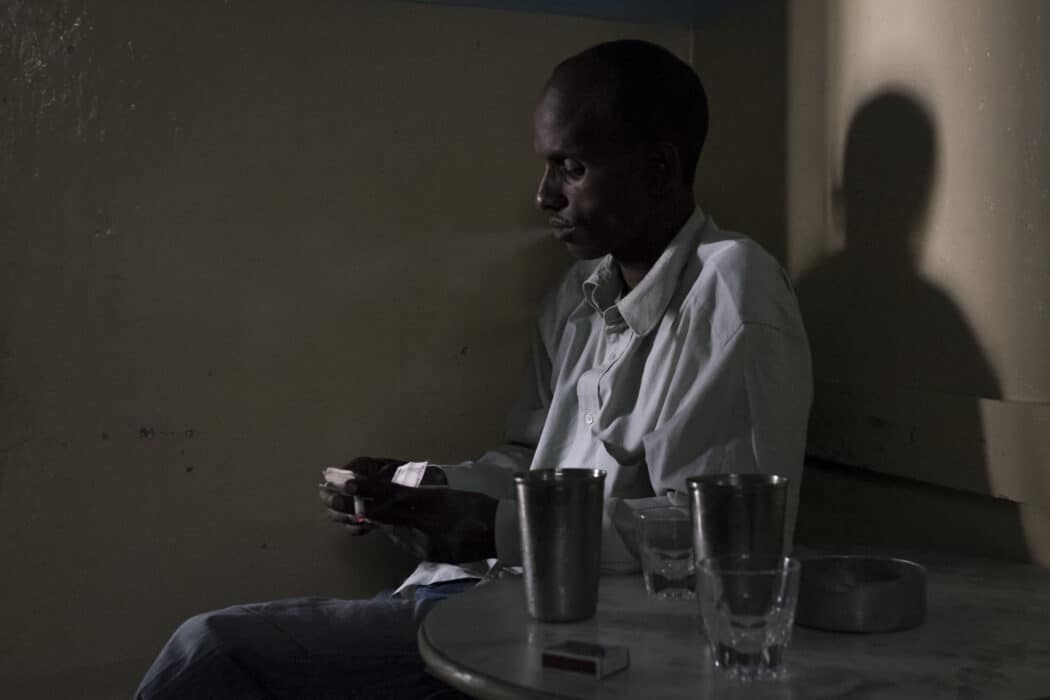 Photography from the series "Isaya's Dream" by François X. Klein.
It’s essential that you can operate your camera blindfolded.
 Prof. Michael Trippel
Another important factor in building a photo series is perspective: where you stand for each picture and which angles you choose. Playing with different perspectives within a series adds variety: try not to photograph everything at eye level. Perhaps there’s another perspective that is more exciting? Changing perspective keeps viewers engaged and lets you highlight different aspects of your work at the same time. In his work on coal mining in North Rhine-Westphalia, photographer Daniel Chatard used some extremely wide panoramic shots that show the dimensions of the lignite excavators. He shows the people affected and their homes more closely, creating an interesting contrast.
But for Professor Michael Trippel, it’s also important not to overdo the search for interesting perspectives: ‘Sometimes I noticed that I kept crouching down or climbing up somewhere. Then it was always clear to me that I was lost.’ In situations like that, he advises taking a break and breathing deeply to get out of the tunnel. You could pay attention to what you can hear or smell at that moment, for example. All this can help you concentrate on what matters again. Finally, don’t neglect the colour palette when creating a photo series: consistent colour tones across all the pictures help link them together. Of course, in reportage it is often difficult to control the colours of a place. Still, there are many photographers who handle colour impressively in their work.
Student Emile Ducke, for example, is a master of colour: in his multi-award-winning reportage ‘Diagnosis’, he relied mainly on soft blues and pastels. Andy Happel, on the other hand, used very intense colours in his portrait series about the lives of young people in China, making his pictures reminiscent of the lighting in famous neo-noir films.
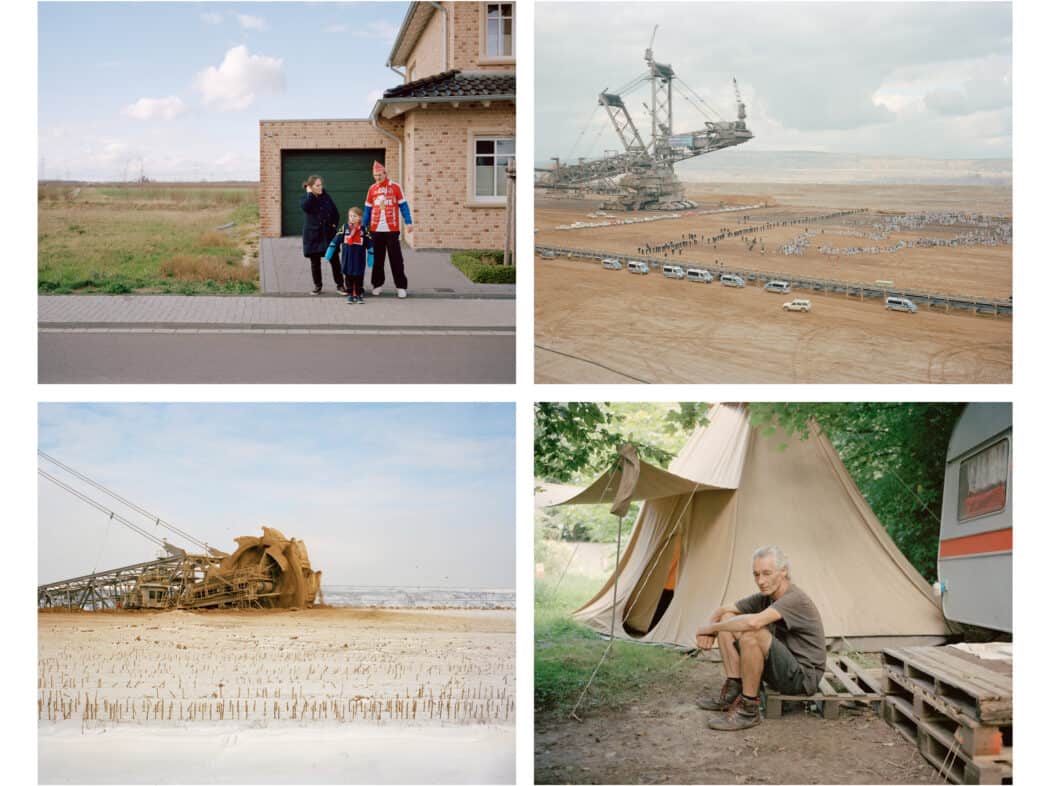 The series “No Man's Land” by Daniel Chatard deals with coal mining in North Rhine-Westphalia
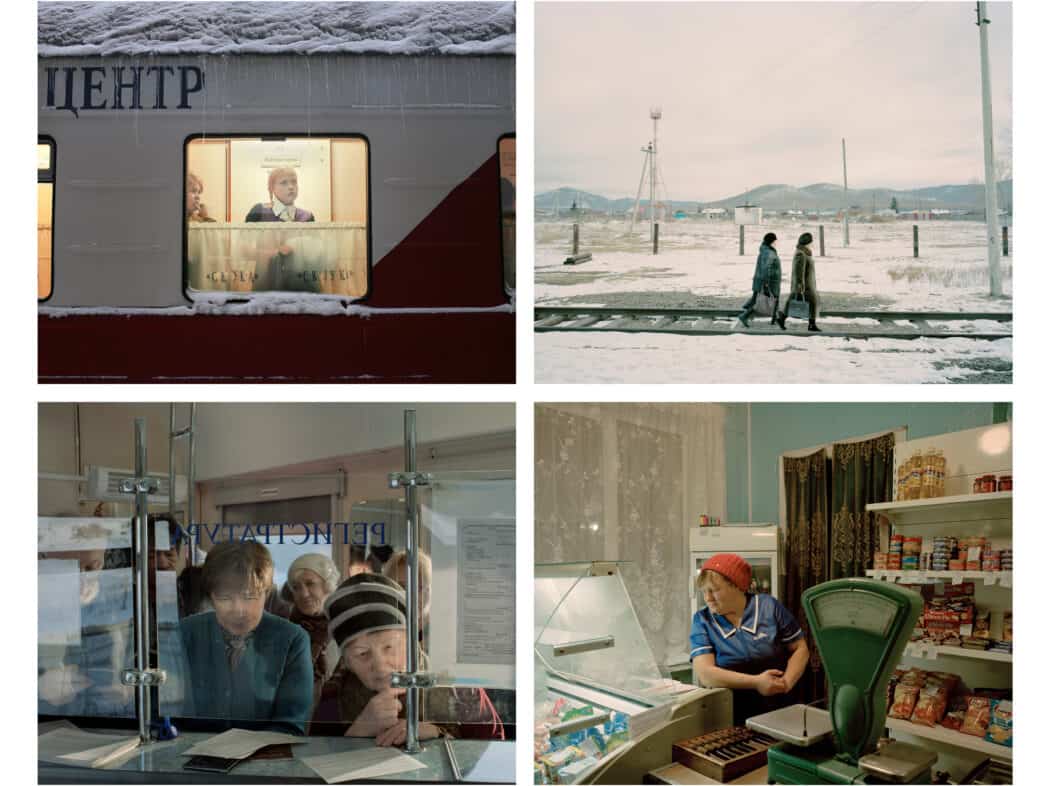 Photos from the series “Diagnosis” by Emile Ducke
3. Selecting and editing pictures for a photo series
Once you’re back home after shooting, the next step is selecting and editing your pictures. Professor Lars Bauernschmitt, who ran the photo agency VISUM in Hamburg from 1993 to 2008, advises on editing: ‘Less is more. Avoid effects. At first, work with the automatic editing options. Trust your picture.’ If you shoot in RAW, you should definitely adjust the white balance, though. That makes the pictures look more consistent.
Lars Bauernschmitt then recommends picking out the ten to twenty best photos and printing them: ‘You can arrange the pictures in the chronological order in which something happened.’ For Lars Bauernschmitt, that’s the simplest way to bring order to your pictures. Patrick Junker’s moving work, for example, follows Gerd Kuck, who suffered from incurable inflammation of the heart muscle and had to wait more than ten years for a donor heart. In his final selection, Patrick covers the time before the operation, the operation itself and the time afterwards.
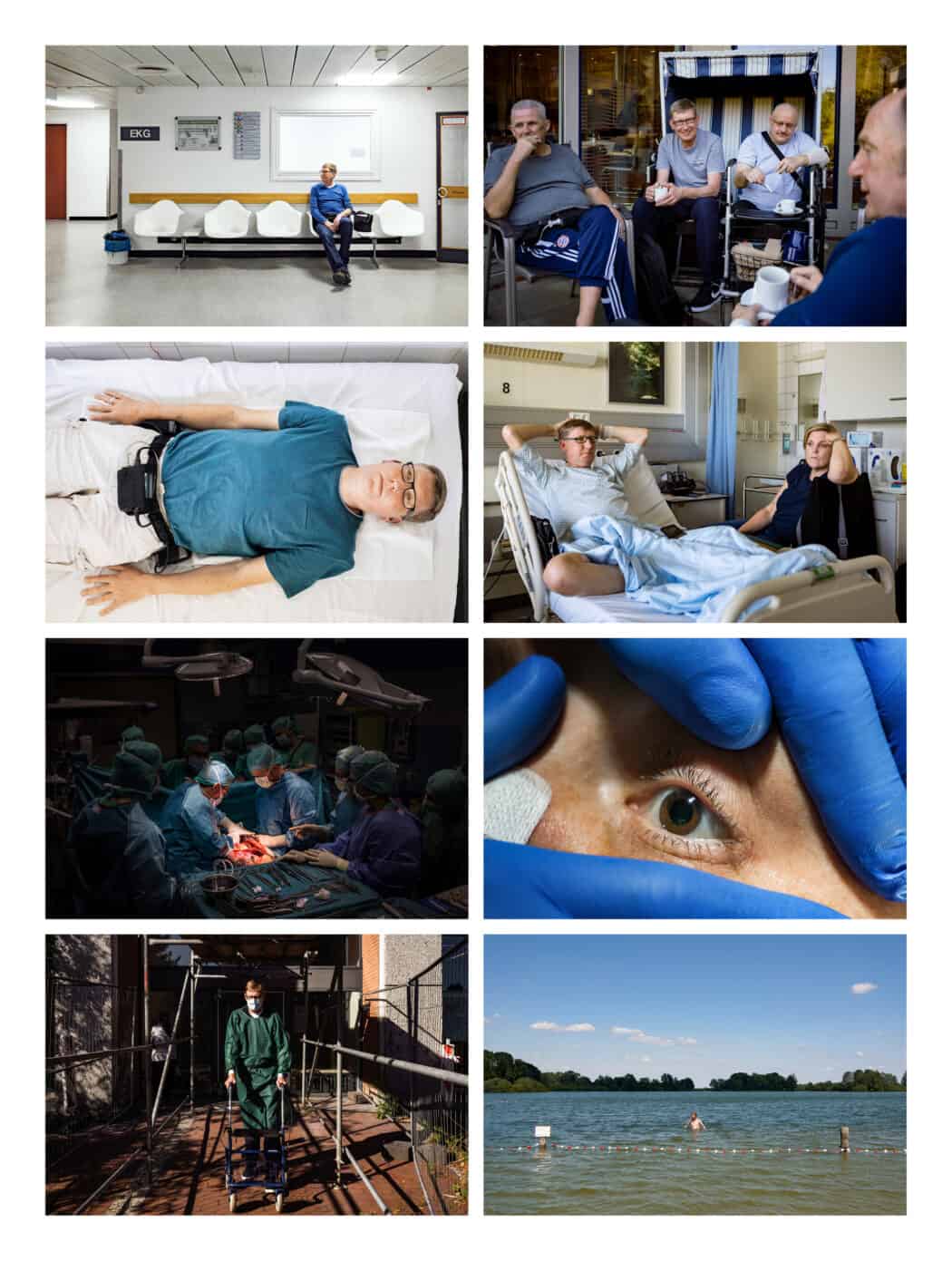 Final selection of the photo project “3804 Days” by Patrick Junker
You should ask yourself: do my photos really convey information to people who weren’t there?
 Prof. Lars Bauernschmitt
But Lars Bauernschmitt also points out: ‘You know what you photographed. When you look at your pictures, all your memories of taking them come back. Looking at them, you also remember sounds or smells. But you have to ask yourself: do my photos really convey information to people who weren’t there?’ So he suggests talking to your friends about your pictures: ‘At first, give them as little explanation as possible and let them put their impressions into words. Do they recognise what you wanted to show? Or do they miss important details – perhaps because they aren’t easy to see in the picture?’ In that case, he advises photographing the situation again differently – perhaps from another perspective and distance.
Finally, Lars Bauernschmitt recommends telling your story in as few pictures as possible. Does a picture really add a new aspect, or does it just repeat something you’ve already shown? ‘You can also check that by describing the pictures in words – talk to yourself,’ he recommends.
Once you’ve finished everything, share it online! Posting on social media makes it easy for others to access and engage with your work. There are many networks such as Fotocommunity, Flickr or Instagram that focus specifically on photography. You can post your pictures individually or create a gallery, as you prefer. Use hashtags relating to your subjects to get noticed more online. This also increases your chances of working with other creatives in similar genres. Make friends this way and share ideas with them! (But of course, always be careful online.) This exchange matters for professional photographers too: they often have a photo community in real life, which helps when they have a question about equipment or preparing for a trip. It can also be a promising way of finding new project ideas.
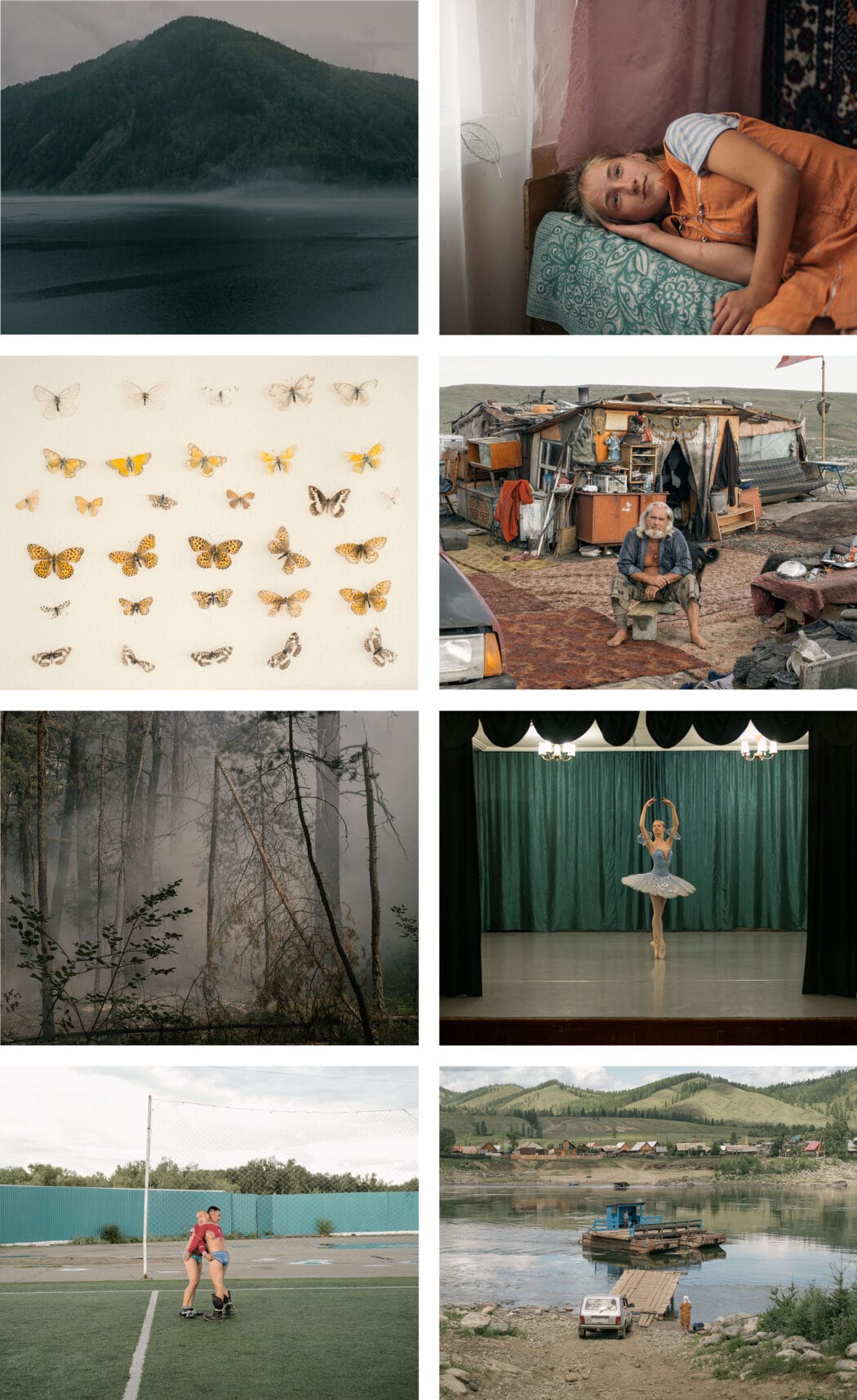 The photo series "Hiding from Baba Yaga" by Nanna Heitmann
4. Conclusion: from idea to finished photo project
To sum up: if you’re looking for a photo idea, it’s always wise to draw inspiration from other media, art and literature. Ideally, look for an idea for a larger project, preferably one with social relevance. Don’t make it too complicated – sometimes the best stories are right on your doorstep! Perhaps someone among your friends has an interesting hobby or job? That often makes a good story, and it’s an easy way to find creative photo ideas. Then comes the photography itself. Pay attention to light and shadow, colour and composition. But it’s important not to overdo it: you want to show events well in your photos, but at the same time you should always stay true to reality in your pictures and not over-dramatise things.
Finally, you have to select and edit your photos. This process is just as important as taking the pictures. Even a strong photograph looks weak in a boring sequence. The same goes for editing: try not to overdo it. The best editing is often the kind you can’t recognise as such. If you follow all these steps, your photo ideas can quickly turn into whole photo series. You’ll also see a whole new development in your photography. Have fun!
We created this article with the support of SE Ranking and tools from Jasper AI and OpenAI.