Staging mortality: two photographers in a coffin
Two photographers lie down in a coffin and photograph each other. What sounds like breaking a taboo is an exploration of commerce and ritual – and of the question: is this allowed?
By Bahriye Tatli, Malte Laudahn (text), Antonia Teichert, Clara Schöttke (photos)


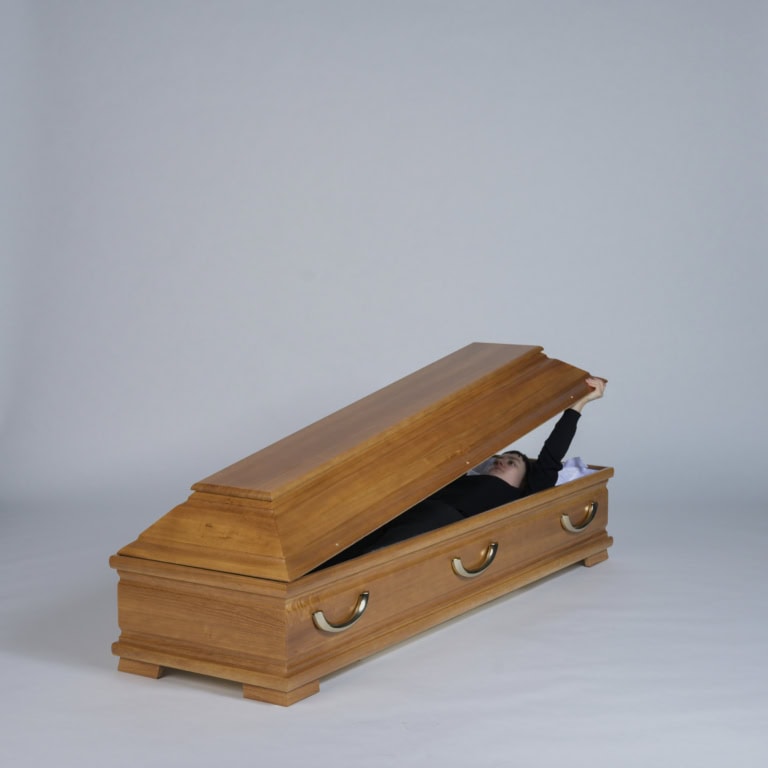
Darkness. The smell of wood. Clara’s first thought inside the coffin: ‘Will anyone hear me if I knock?’ She isn’t in a cemetery but trying out a model at a funeral trade fair. The coffin is the starting point for a joint investigation by the photographers Antonia Teichert and Clara Schöttke, who approach death in a way that is direct yet multi-layered.
‘I think there’s a sort of morbid curiosity lurking in people to try it out. After all, you’ll never know what it feels like, because by the time you go in there, you’re no longer alive,’ says Clara.
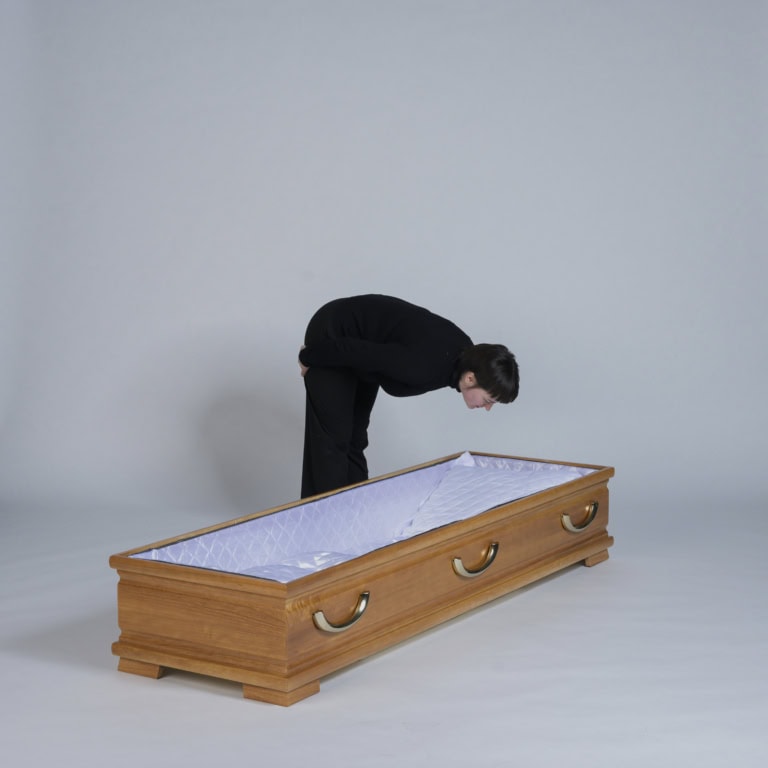
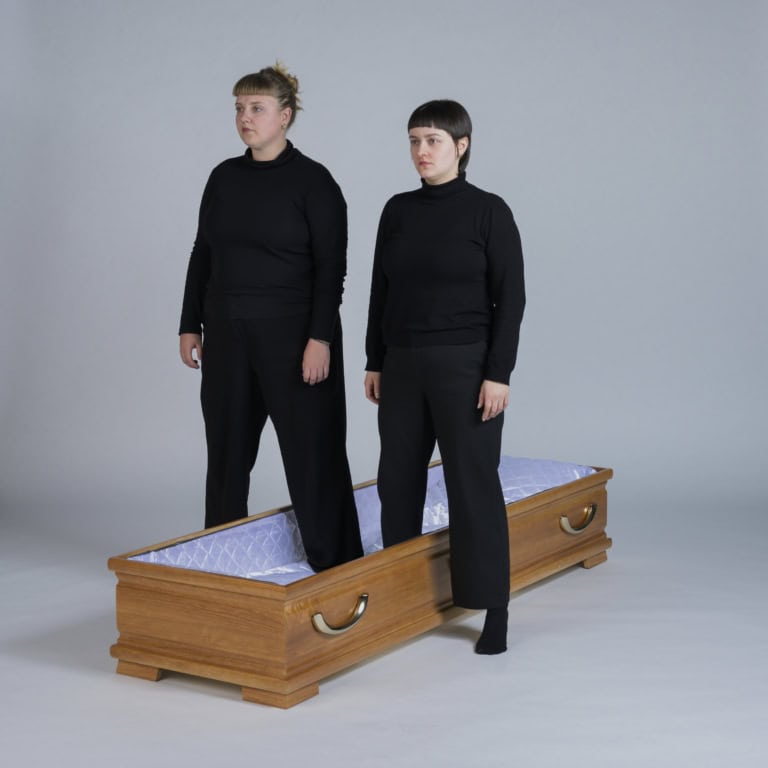
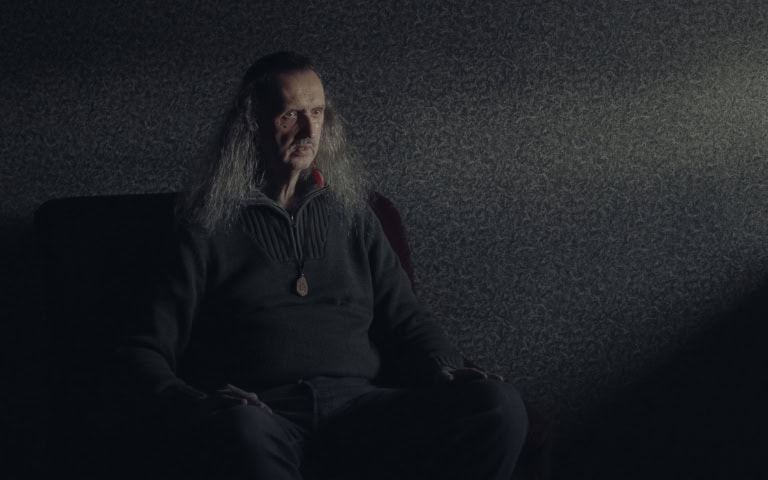
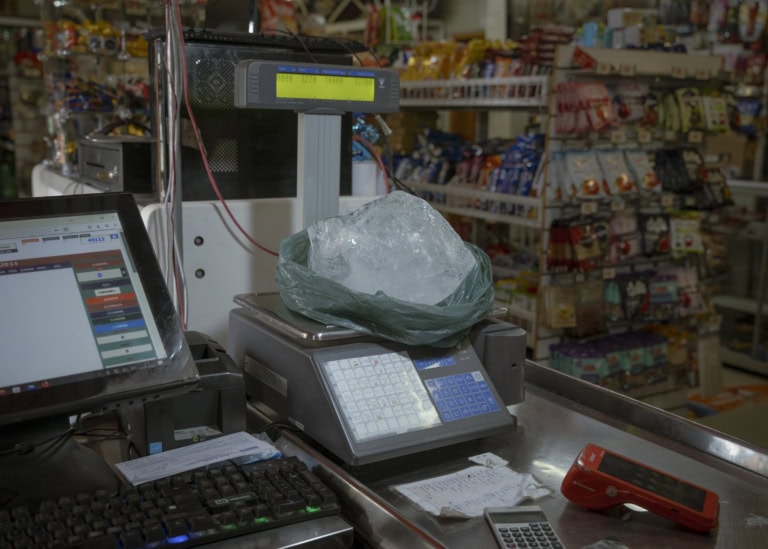
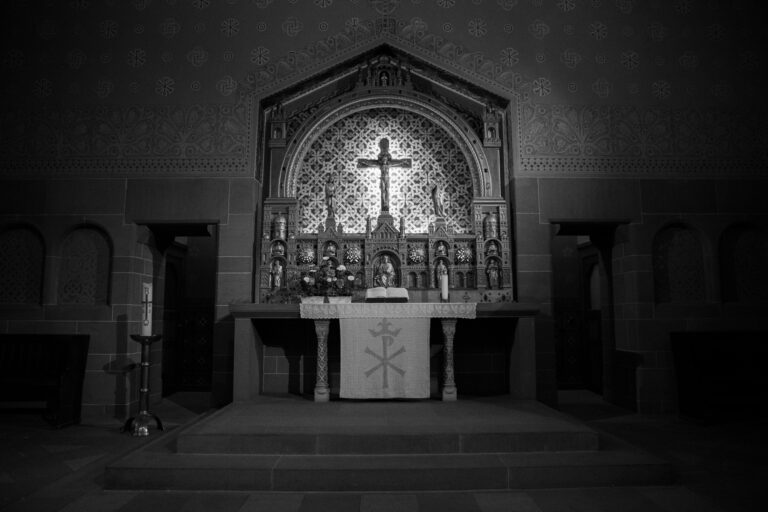
With ‘LG 500/R’, Antonia Teichert and Clara Schöttke have created a photographic work about death. It is an open-ended exploration, a thought process, a collection of different kinds of images. No plot, no clear narrative, no easy answer. Instead, a mosaic of conversations, photos, objects and internet screenshots. In the photobook dummy, the sequence and arrangement of the square images follow a clear order – perhaps an attempt to give form to something that can’t really be grasped.

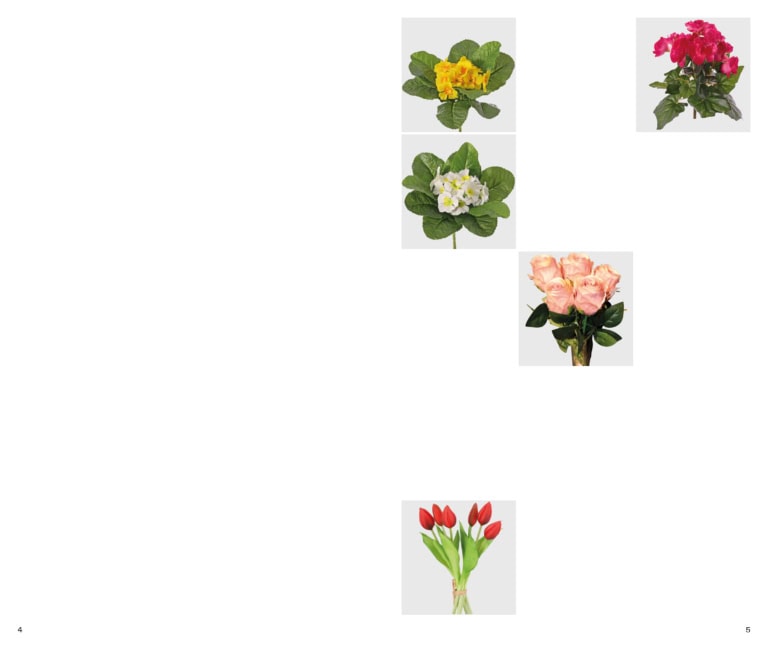

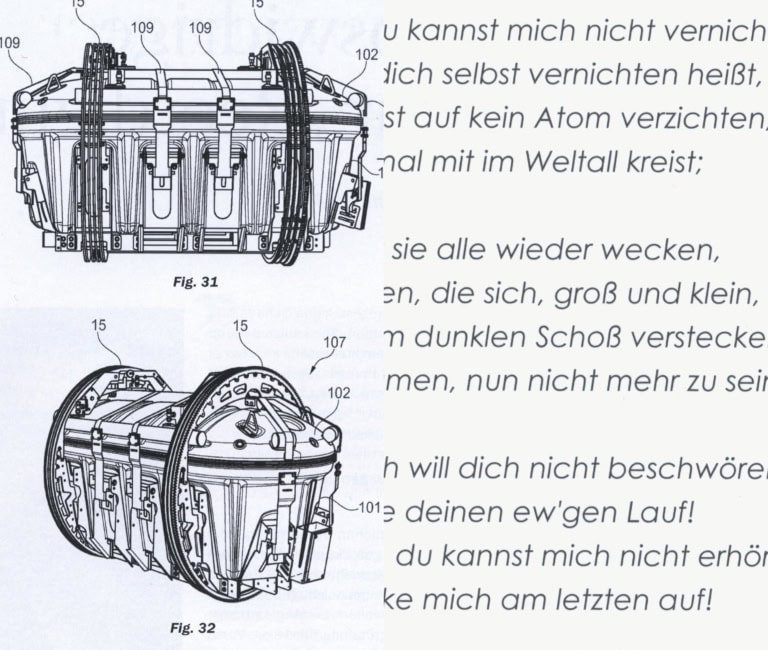


‘In Germany, people hardly talk about death,’ says Antonia. Decisions are made, procedures planned, regulations followed – but the actual conversation about dying often never happens. When someone dies, they are administered. Those who grieve are often left alone with it. ‘Because death is so heavily commercialised in German society, we felt that all this planning and organising can also be a way of avoiding it – of not really engaging with the subject,’ says Clara. ‘People look at death very rationally and structure it down to the last detail.’
This avoidance shows up in small things, too. ‘Asking about someone who has died immediately feels heavy and burdensome – even though I’d often like to know more,’ she says. ‘That’s how I realised I don’t really have any connection to the subject.’ At the same time, she says, everything follows a social choreography: what do you wear to a funeral? Where do you stand? What do you write in the card? It’s rarely about what you actually feel – but about what you can say without causing offence, says Clara.
‘Take the sympathy card: you google phrases instead of writing what you think. Out of fear of saying the wrong thing or breaking conventions.’ This uncertainty has to do with being overwhelmed, says Antonia: ‘I think when someone dies, you’re often preoccupied with your own grief. All the organisational pressure can completely flatten you if you’ve never engaged with the subject beforehand.’
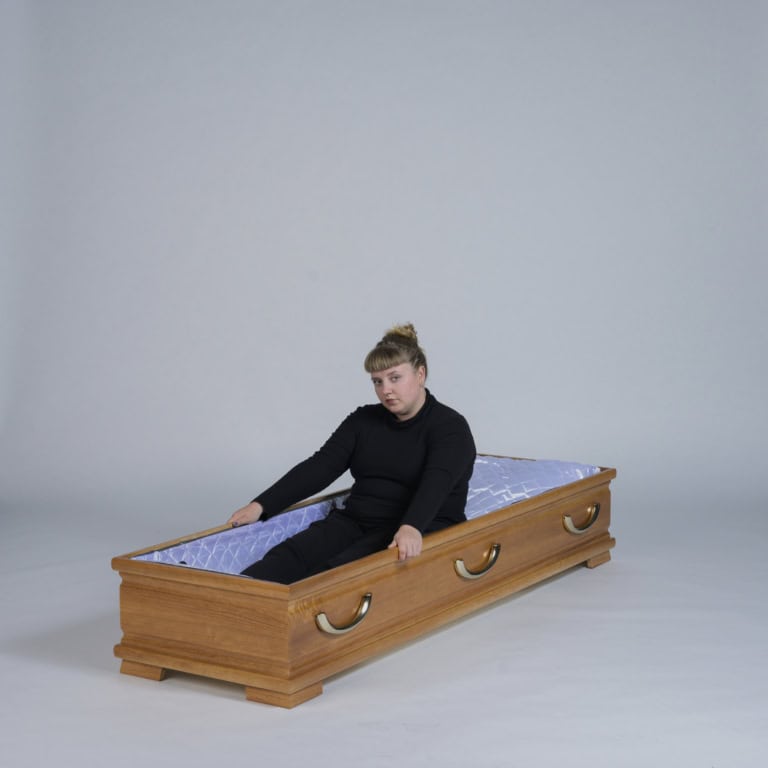


Again and again, the photographic work also turns to the commercial side of death. Death has a name that sounds like a serial number: LG/500 R. A sober product name, taken from a coffin model made by a German funeral company. For Antonia and Clara, this name was the start of in-depth research into death.
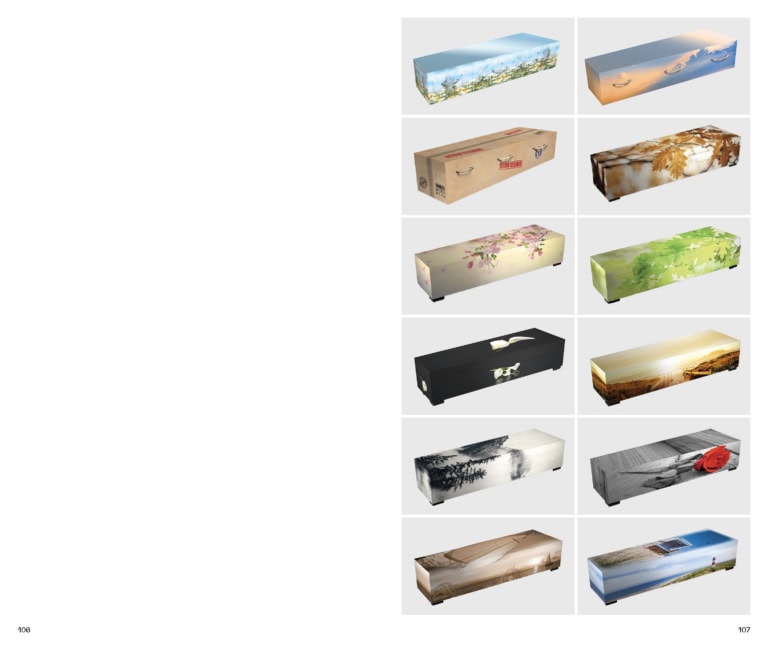
The two photographers found a whole pile of visual material, including advertising images of all kinds of coffins: from plain wooden models to one with a chessboard pattern and one printed with HDR images. A purple coffin, also available in pink, yellow or bright green. A coffin shaped like a shoe. And one that looks like Tesla’s Cybertruck. Capitalism seems to have created a product for every need.


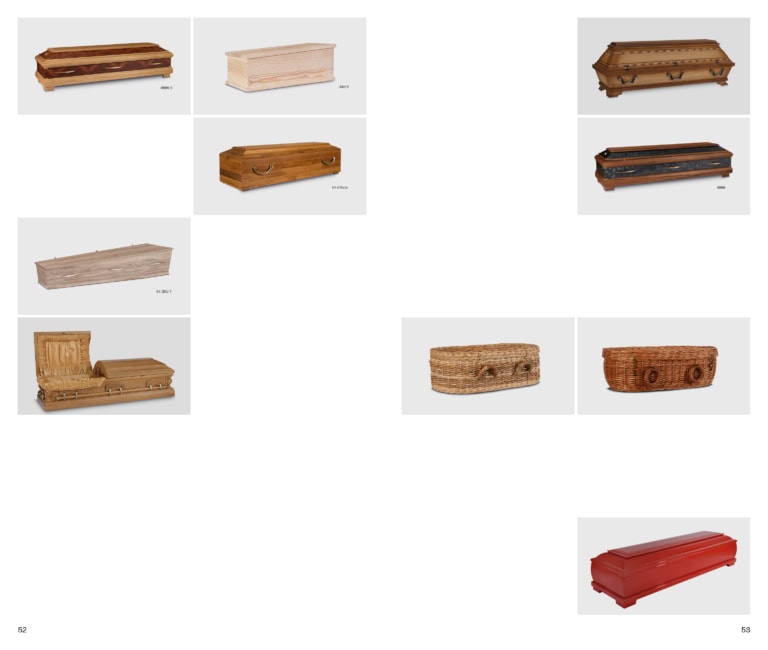
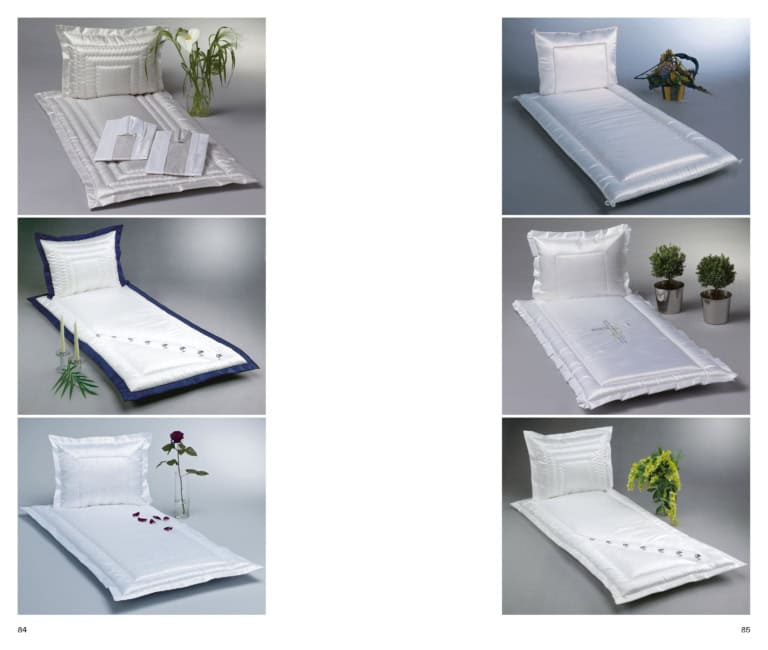

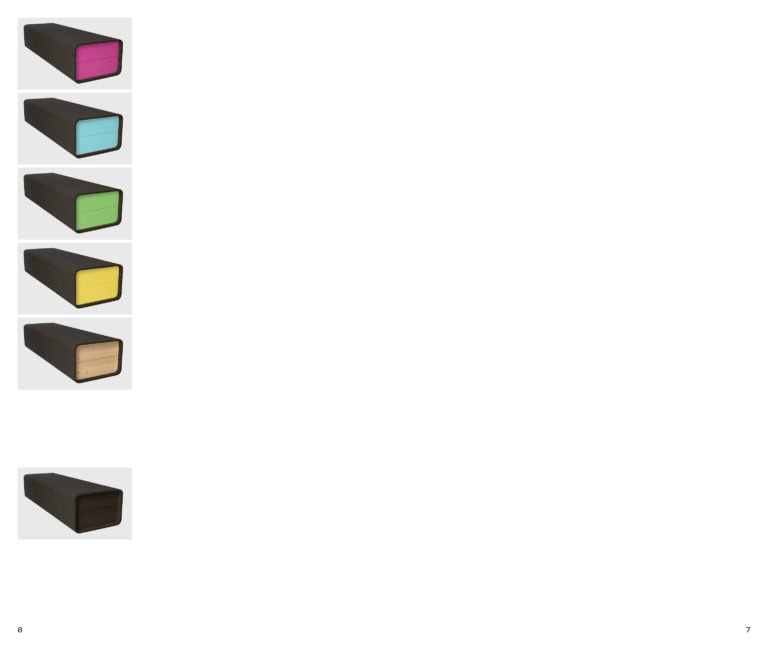
‘For my own funeral? I’m still really not sure,’ says Clara. ‘That crazy coffin you can print a photo on – I think that’s really cool.’ ‘But what photo?’ asks Antonia. – ‘Some selfie.’
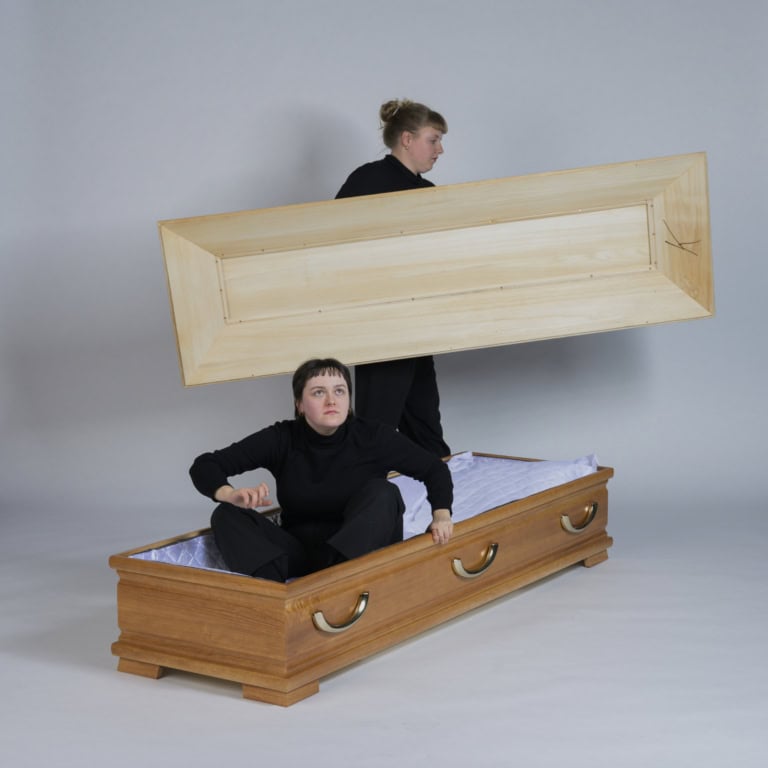
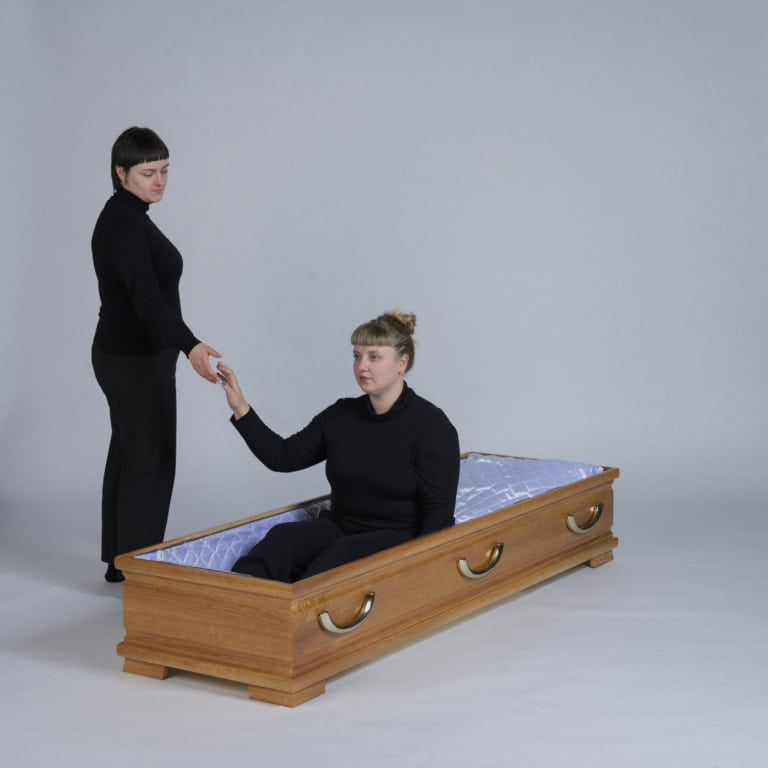
What does it feel like to work with a coffin? ‘Half the time we were laughing, and the other half we were staging each other – let’s say – seriously,’ Clara recalls.
You interact with the coffin in a way you never otherwise would. ‘It doesn’t feel quite allowed. At the same time, there’s not much to it, because we put the whole thing in context and aren’t just doing it for the sake of it,’ explains Antonia. What Clara finds most interesting is ‘that an object can be so symbolically charged that you have to treat it with respect’.

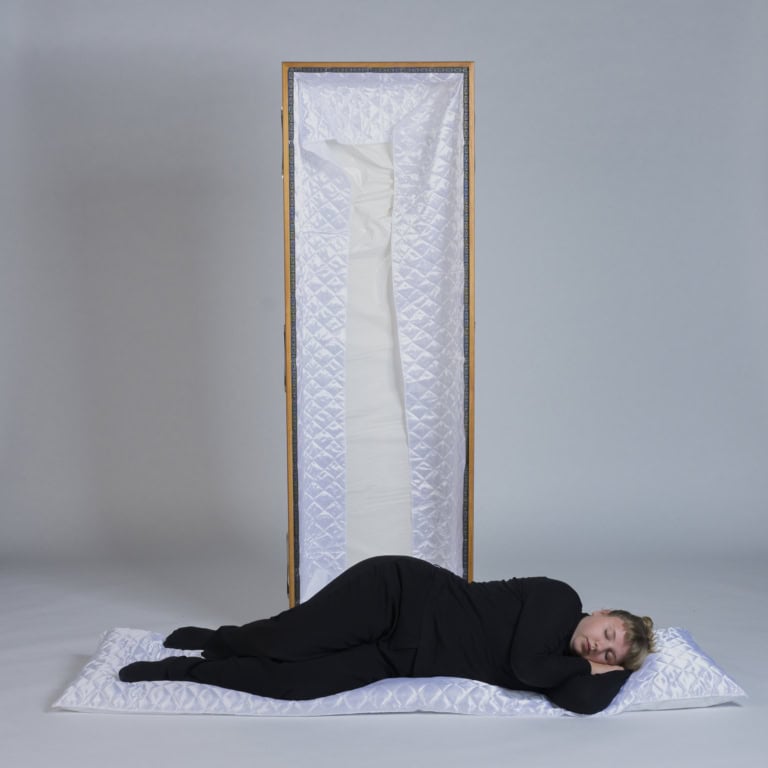
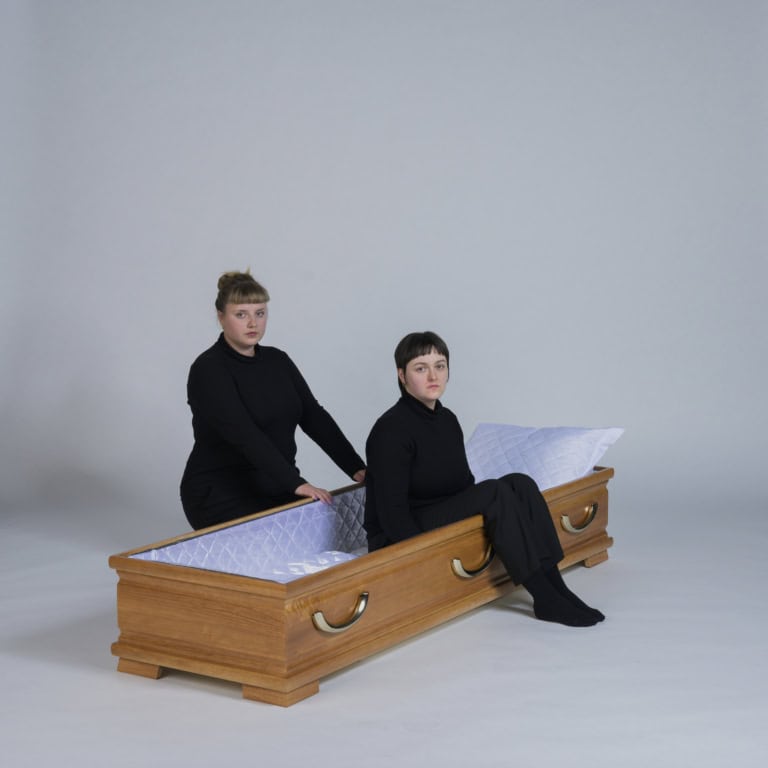
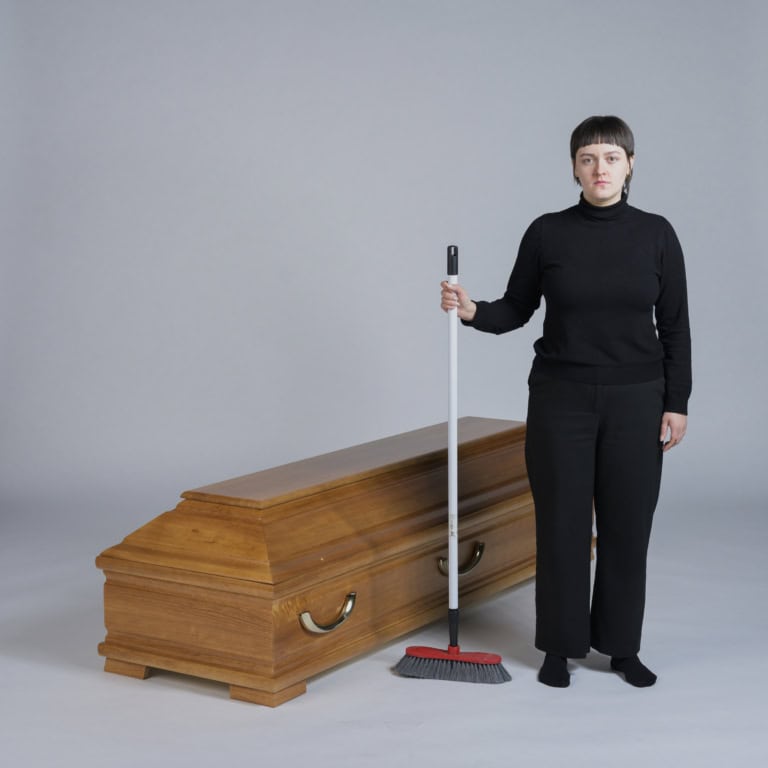
Antonia and Clara record how each of them approaches the coffin with her body. What happens when you lie down in it? When you strip the coffin of its function and lie next to it, on it or under it? The coffin becomes a stage for a symbolic and physical confrontation with one’s own mortality. For Clara and Antonia, the camera is not just a tool but part of their thinking. ‘We didn’t want to illustrate what we already knew, but to find out what we didn’t yet understand,’ says Clara.

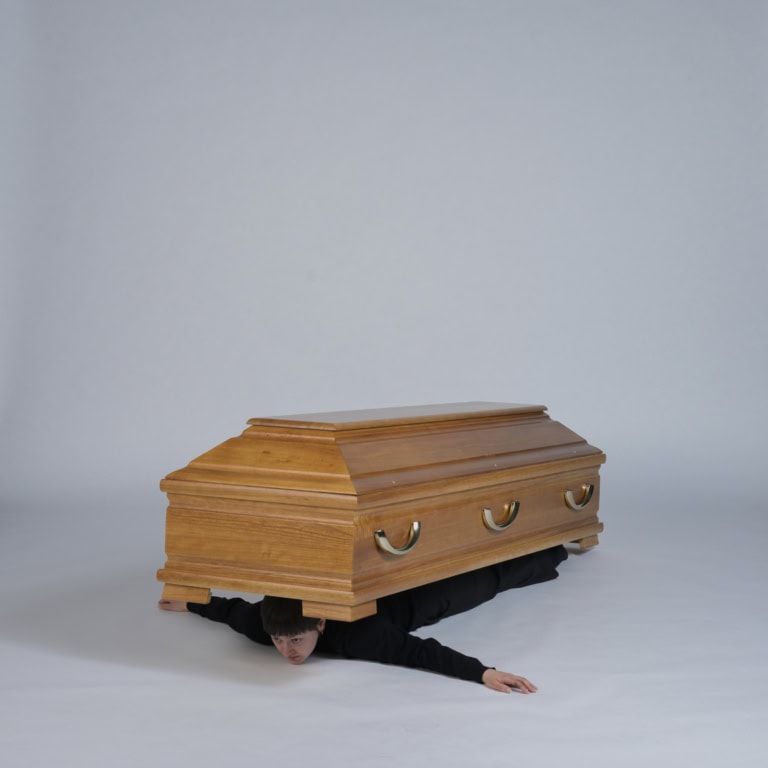

Antonia Teichert and Clara Schöttke aren’t looking for the truth about death; they allow themselves ambiguity. ‘We didn’t want to give answers, but to show that it’s OK to talk about it. With humour, too. Without it having to be heavy,’ says Clara.